
















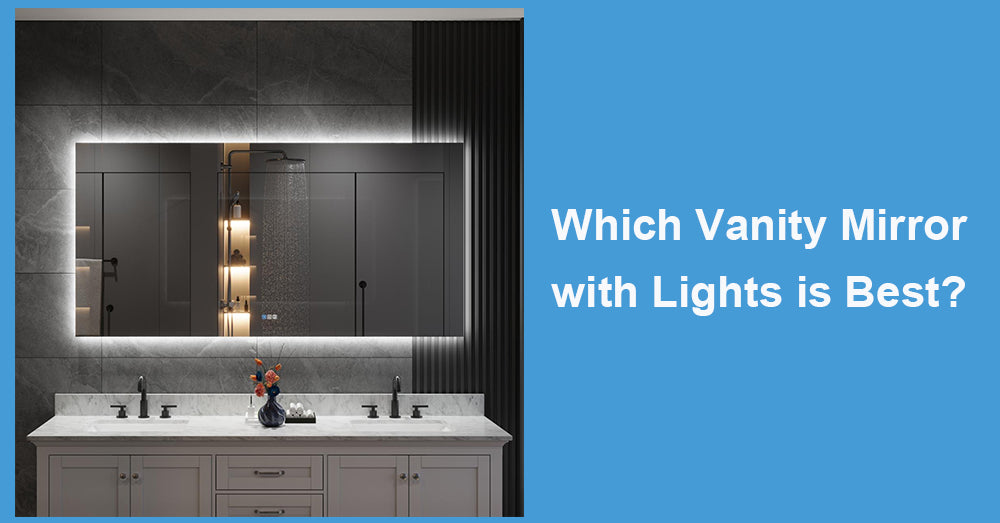
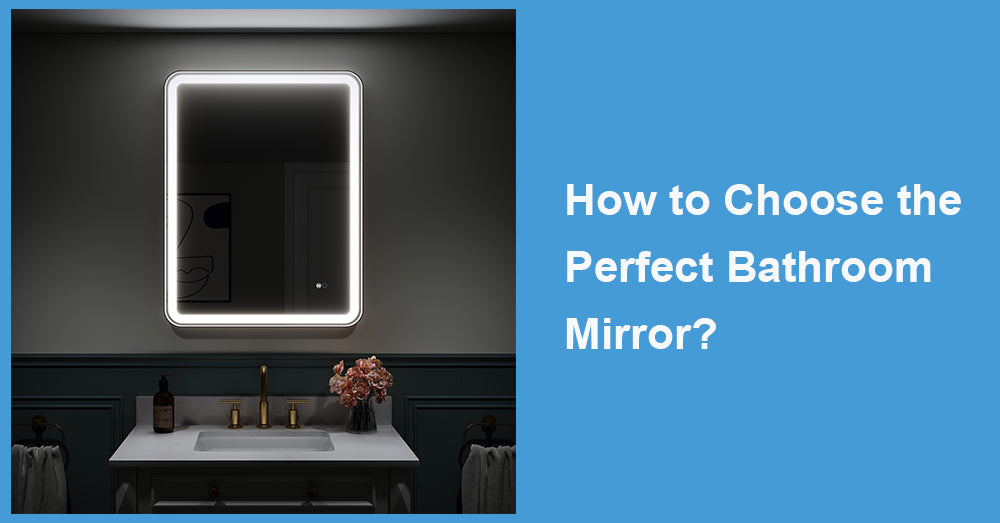
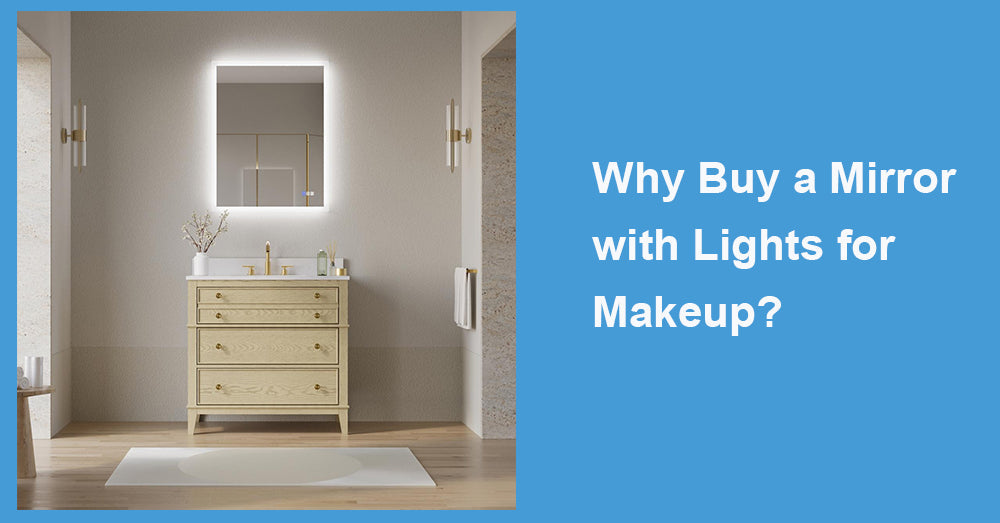
Many people only look at "whether it looks good" when picking up a mirror, but what truly determines your daily experience is often the "light" of a vanity mirror with lights - whether it shines evenly, whether the color is realistic, whether it fogges up, whether it is glaring, and whether it will block cabinet doors, reach the light position, or cause shadows on your face after installation. An annual trend study covering 1737 households undergoing bathroom renovation shows that over one-third of them have chosen to use mirrors with "special functions", with 24% using mirrors with LED lighting and 22% using anti-fog, indicating that "mirrors/mirror cabinets with lights" are becoming a more common practical configuration rather than a "bonus item".
The following article uses the industry-standard selection logic to help you break down "which type of illuminated vanity mirror is best" into executable decision steps, using inches throughout the process.
1. First, clarify the goal: do you want "fill the light" or "atmosphere"?
There are roughly two types of glasses with lights, and many people buy them incorrectly because they don't distinguish their purpose:
• Supplementing type (more suitable for shaving, makeup, and wearing invisible): The key is to check whether the "front light" is sufficient and uniform, and whether it can reduce eye sockets, nose wings, and chin shadows.
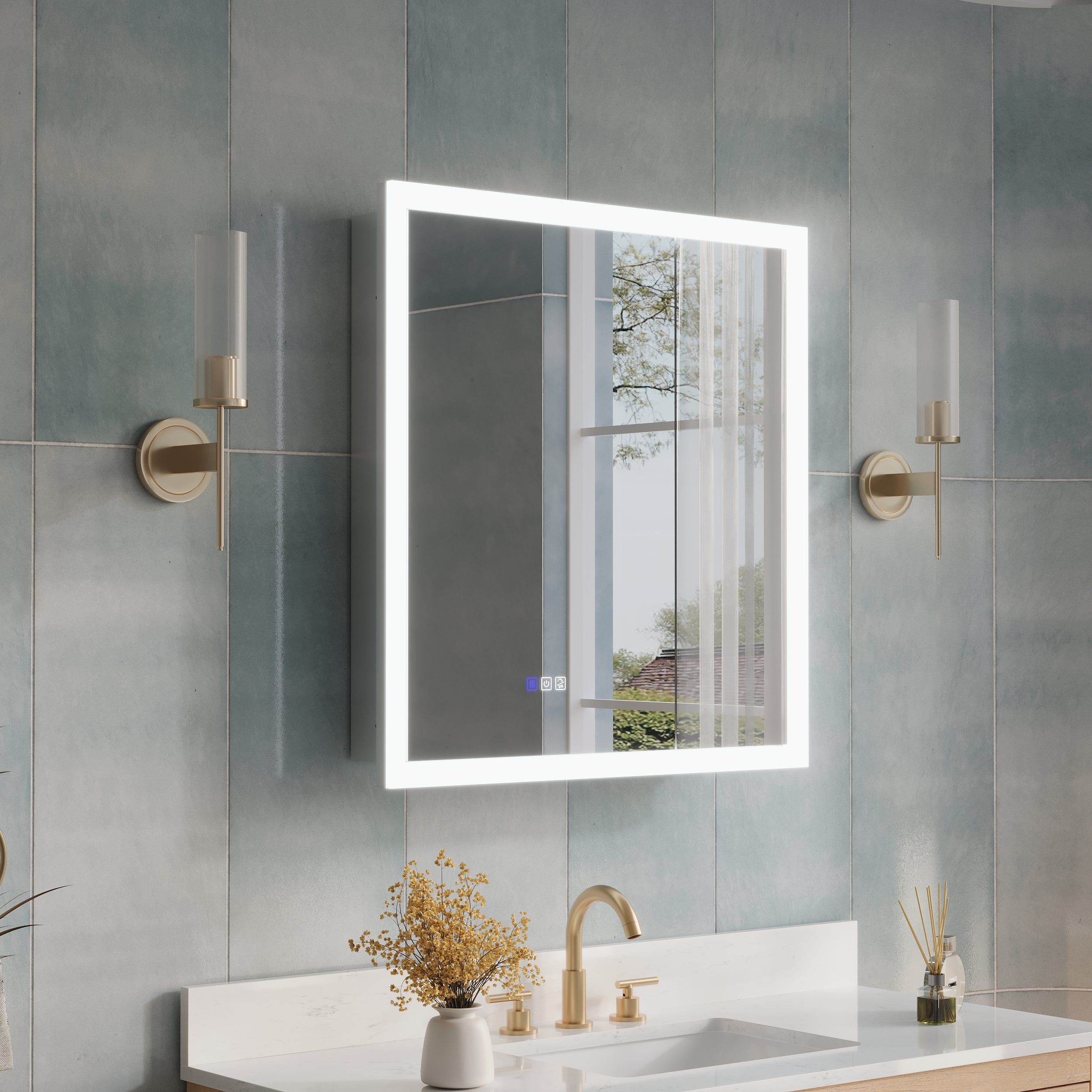
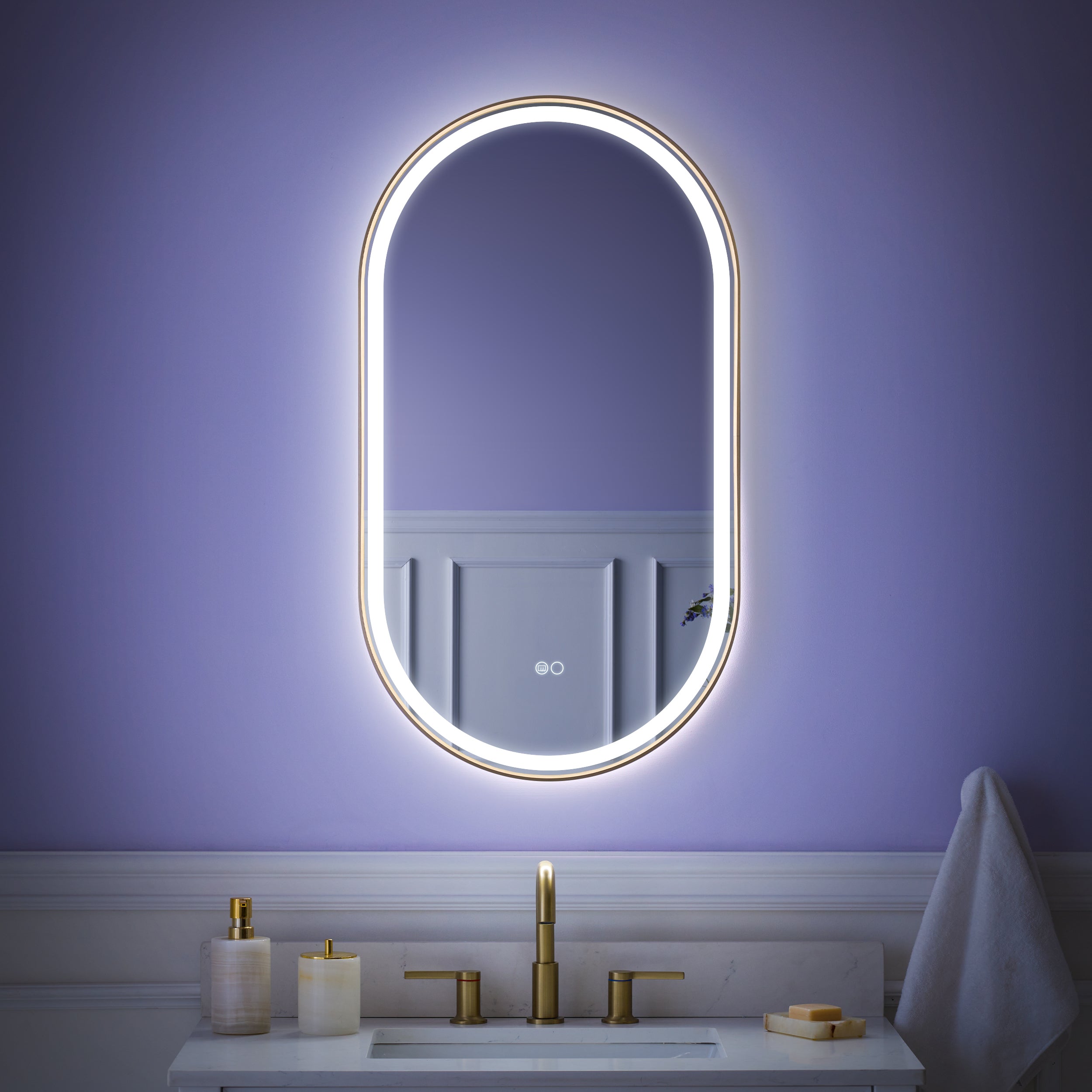
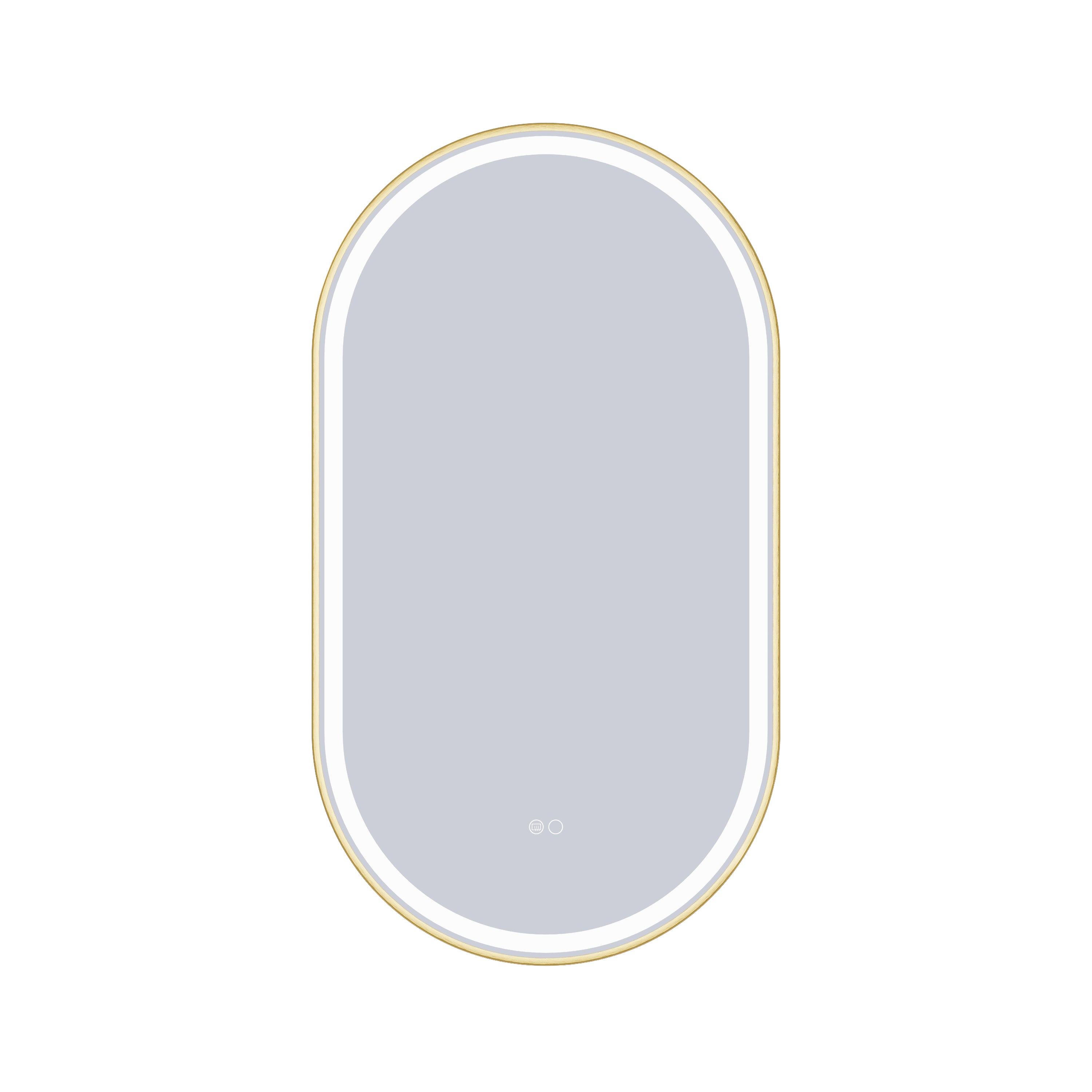
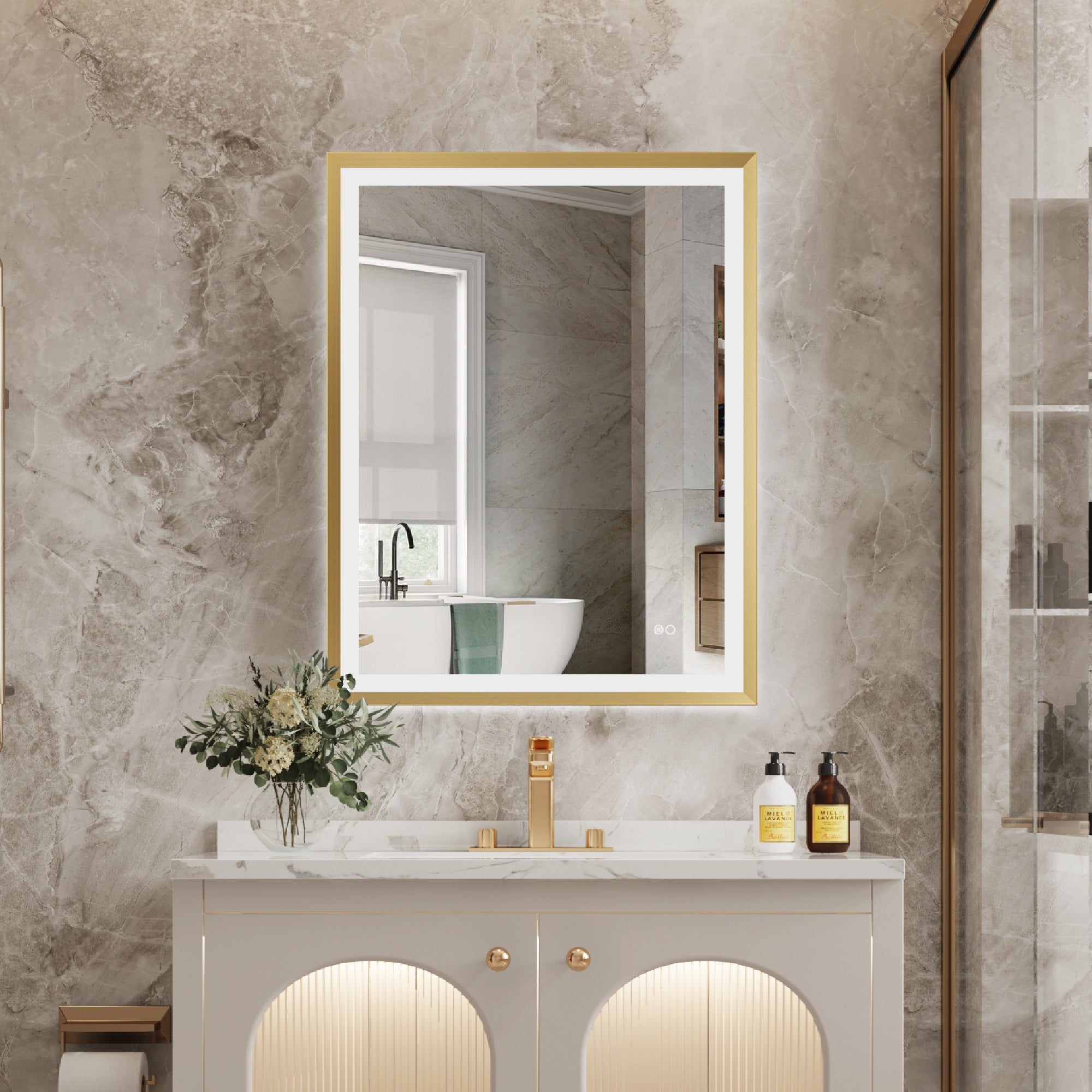
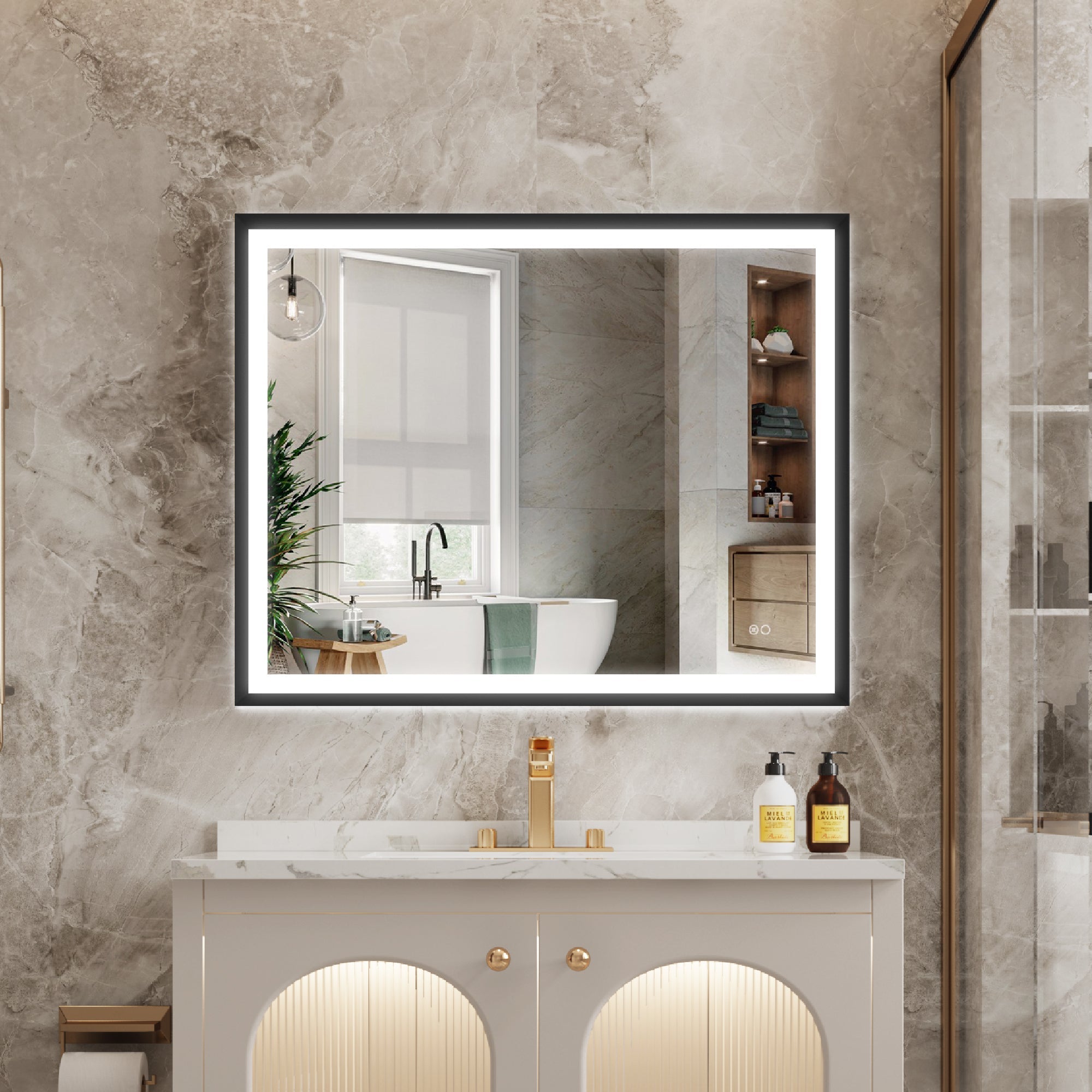
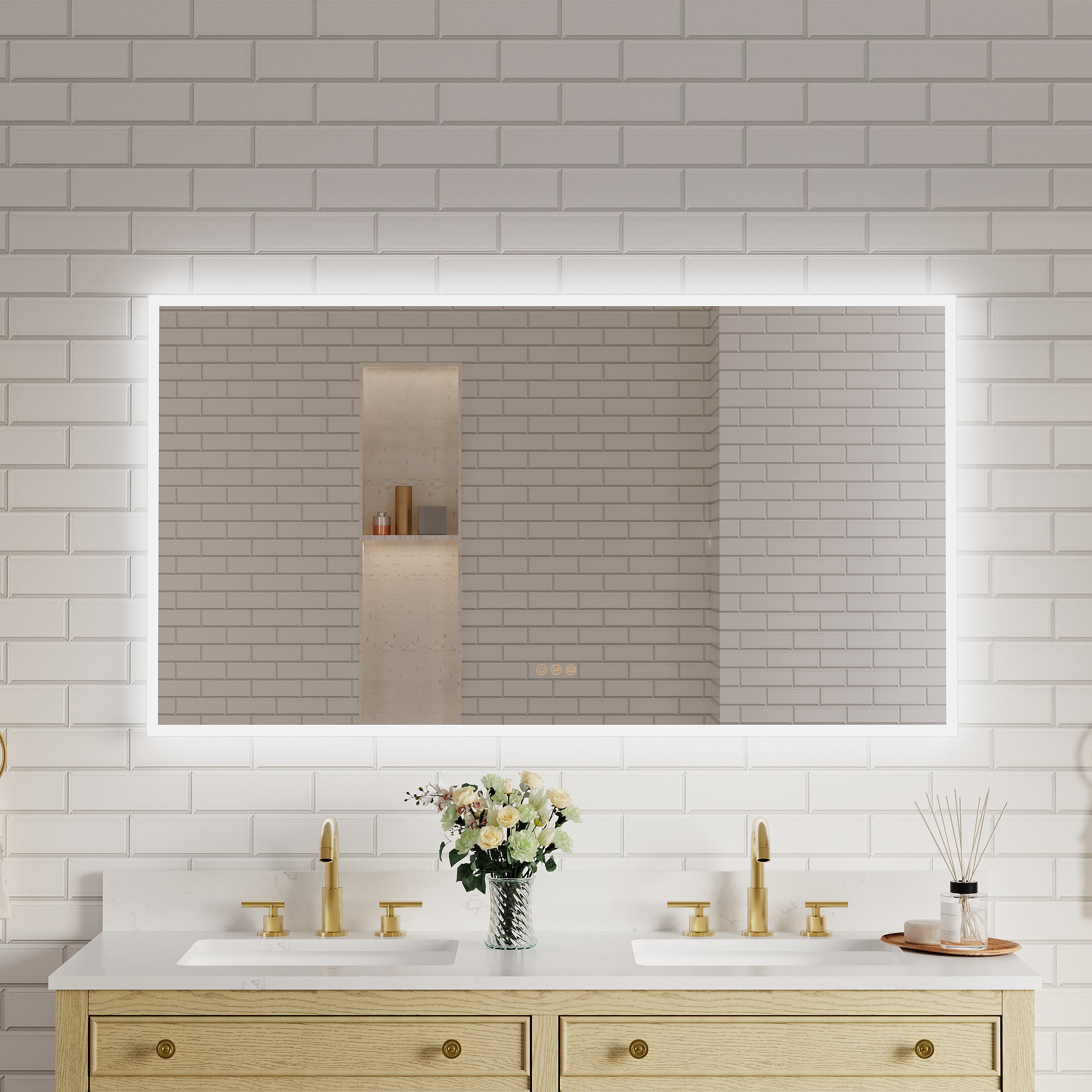
• Atmosphere type (more suitable for enhancing high-end feel, soft lighting at night): usually backlit or side backlit, comfortable, but may "see clearly does not mean good lighting".
The industry trend can also indirectly confirm that the adoption rate of illuminated mirrors has been on the rise in bathroom lighting choices in recent years.
Conclusion: If you are more concerned about functionality (clear visibility, accurate lighting), prioritize "front illuminated/side illuminated"; If you are more concerned about the atmosphere (high-end, soft), backlighting can account for a larger proportion, but it is best not to rely solely on backlighting.
2. How to choose size: Don't make the mirror look stingy
The most stable rule of thumb is to keep the mirror width as close as possible to the tabletop's width.
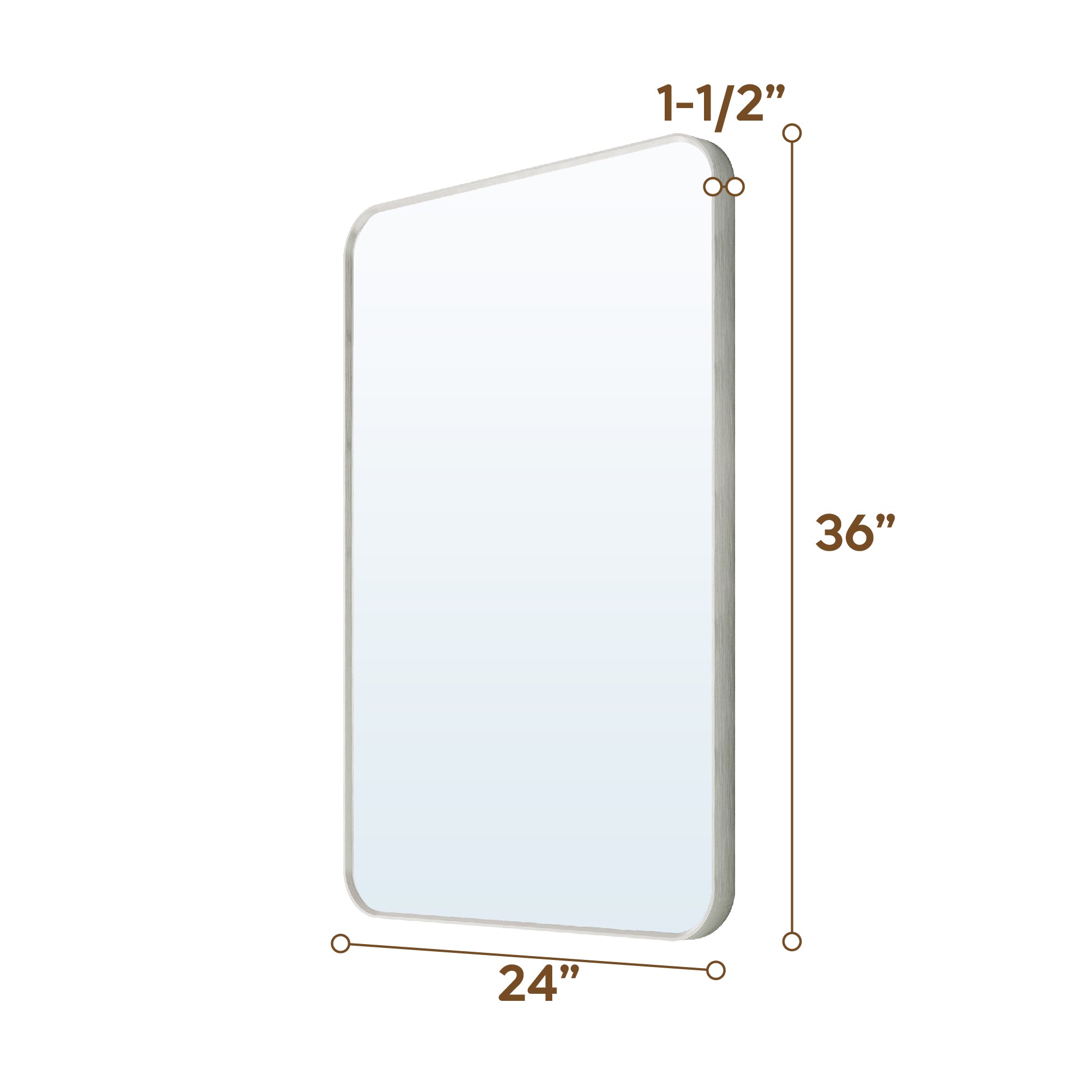
• 24 "-30" bathroom cabinet: mirror recommended 20 "-28."
• 36 "bathroom cabinet: mirror recommended 30" -36. “
• 48 "Bathroom Cabinet: Mirror Recommendation 40" -48. “
• 60 "double basin: either 48" -60 "long mirror, or 24" -30 "single mirror on both sides (depending on whether you want" overall sense "or" partition sense. ")
In terms of height, the comfortable range for most households is between 28 "and 40"; If you want to create a stronger "hotel feel", you can go up to 40 "-48", but you need to confirm the position of the lights and sockets in advance to avoid changing the wiring later.
3. Lamp position and installation height: The lighting industry is promoting "eye level side lighting" instead of just installing a single overhead light
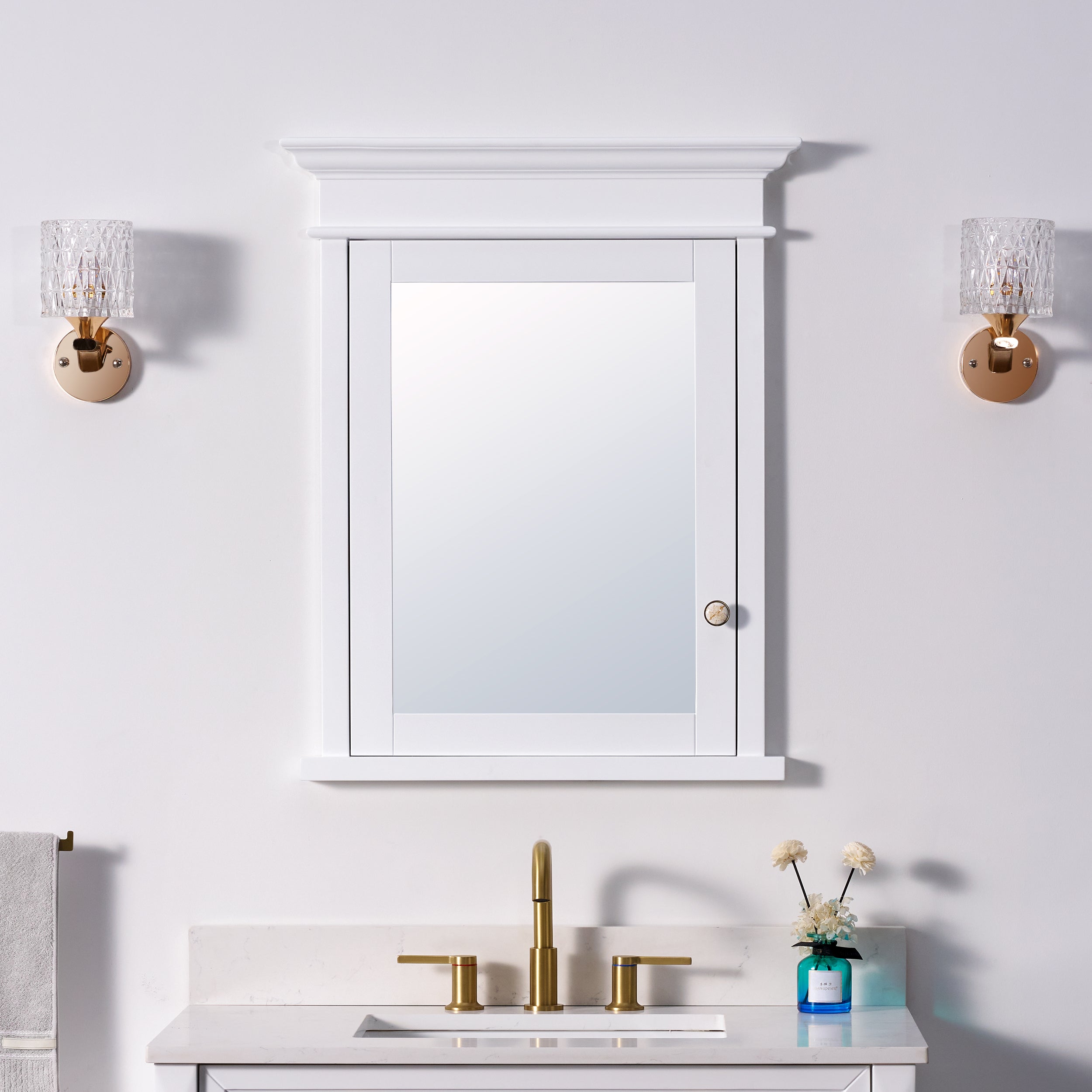
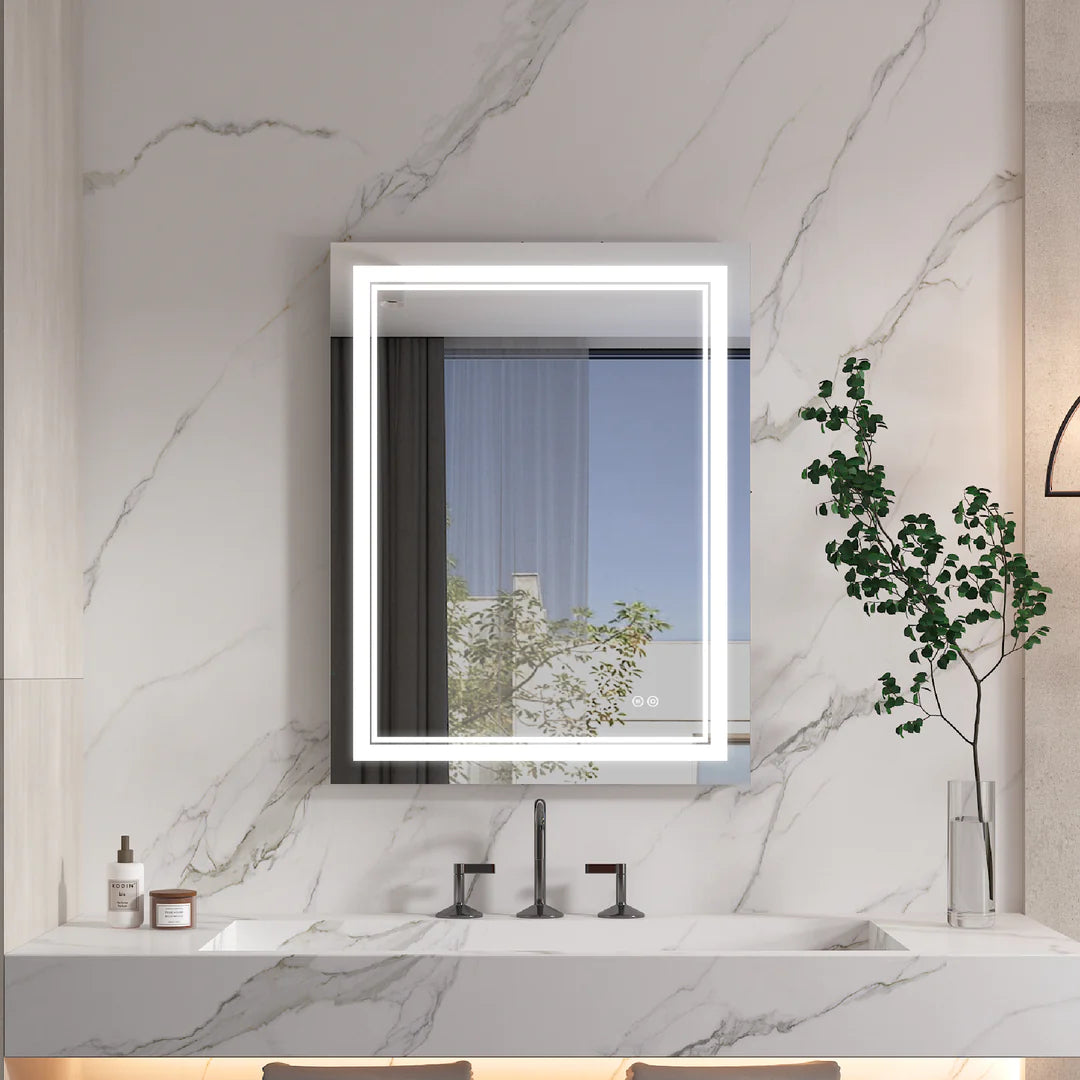
Many bathrooms are poorly lit, not because the lights are not bright enough, but because the light is not directed properly. A more common approach is to place task lighting on both sides of the mirror, close to eye level, so that the light covers the face from left to right, reducing shadows. The industry's planning guidelines also emphasize that lighting for washbasin tasks should be located near the mirror at eye level and avoid direct light sources on the eyes.
If you are using a "bath bar above the mirror", similar planning guidelines provide a common installation height range: the lamp is usually planned to be located at a height of 78 "-84" from the ground, suitable for standing use.
Practical suggestions:
• Pursuing "usability": Prioritize the illumination of both side lights/mirror sides, closer to the logic of facial fill light.
• Due to limited space, only upper lights can be used. Try to choose light strips with a length close to the mirror's width, and make the mirror slightly higher to reduce pressure and shadows.
4. Color Temperature and Rendering: Choose "True Skin Color" instead of "Selfie Filter."
You may find that some mirrors look very bright, but their skin tone may turn gray, yellow, or unnatural, which is mostly related to color temperature and color rendering.
• More durable and less picky in daily life: In most cases, 3500K-4500K is more balanced, neither too yellow nor too cold.
• I prefer a fresher, cleaner white color: it can be close to 5000K, but be careful, as it may appear cooler.
If you frequently do makeup/grooming/shaving, color stability is more important than "brightness". When making a purchase, look for styles with adjustable lighting and color temperature, which combine "daytime functional light" and "nighttime ambient light" into a single system.
5. Do you want to prioritize features such as anti-fog, dimming, and mirror cabinet storage?
Sort the functions by 'frequency of use', and decisions will be made quickly:
High frequency essential needs (preferred)
• Anti-fog: It can be used immediately after taking a shower, and the experience is directly improved. In trend research, anti-fog is also a high adoption item (22%) in mirror functionality.
• Dimmable: There are significant differences in lighting conditions between morning and evening, so dimming is necessary to avoid glare.
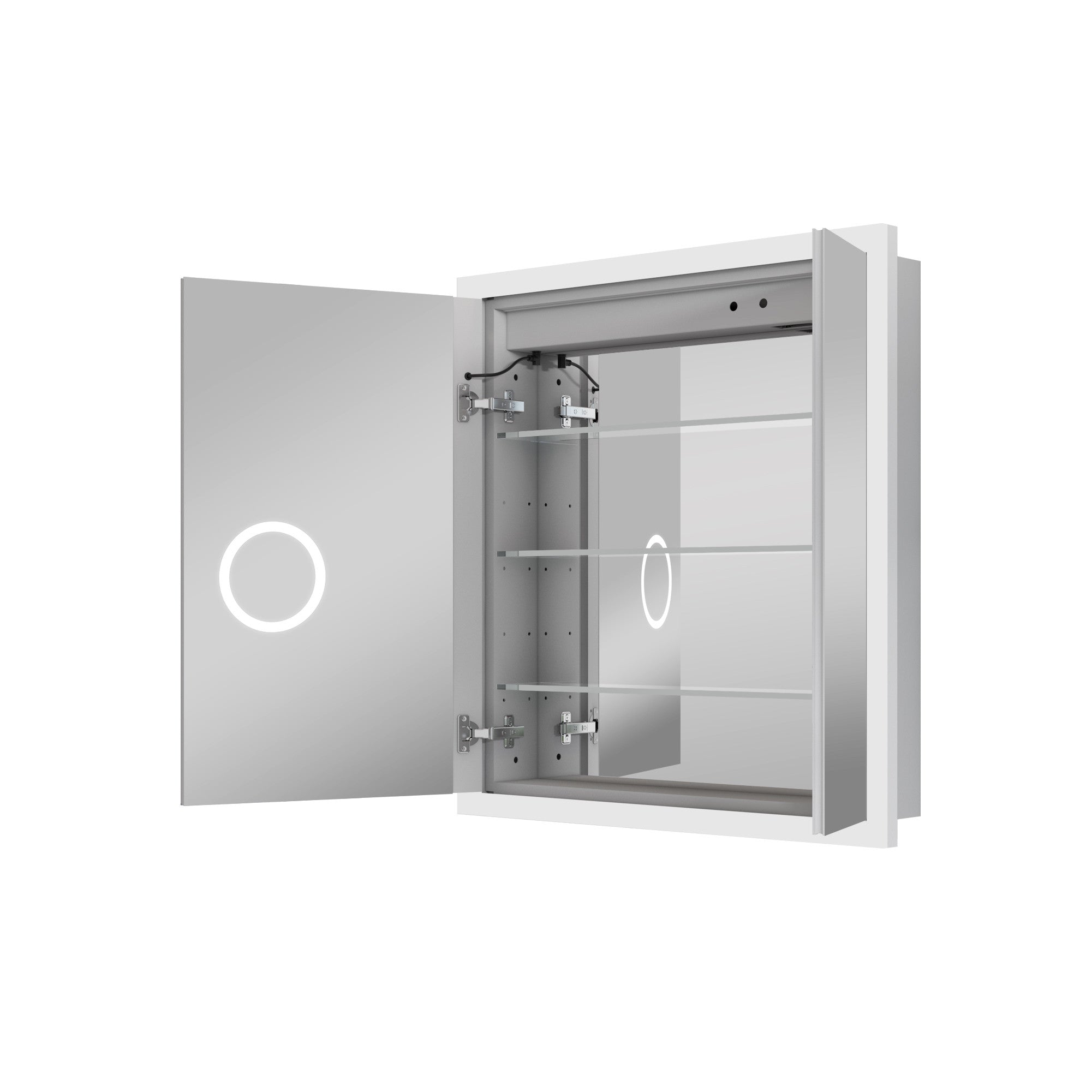
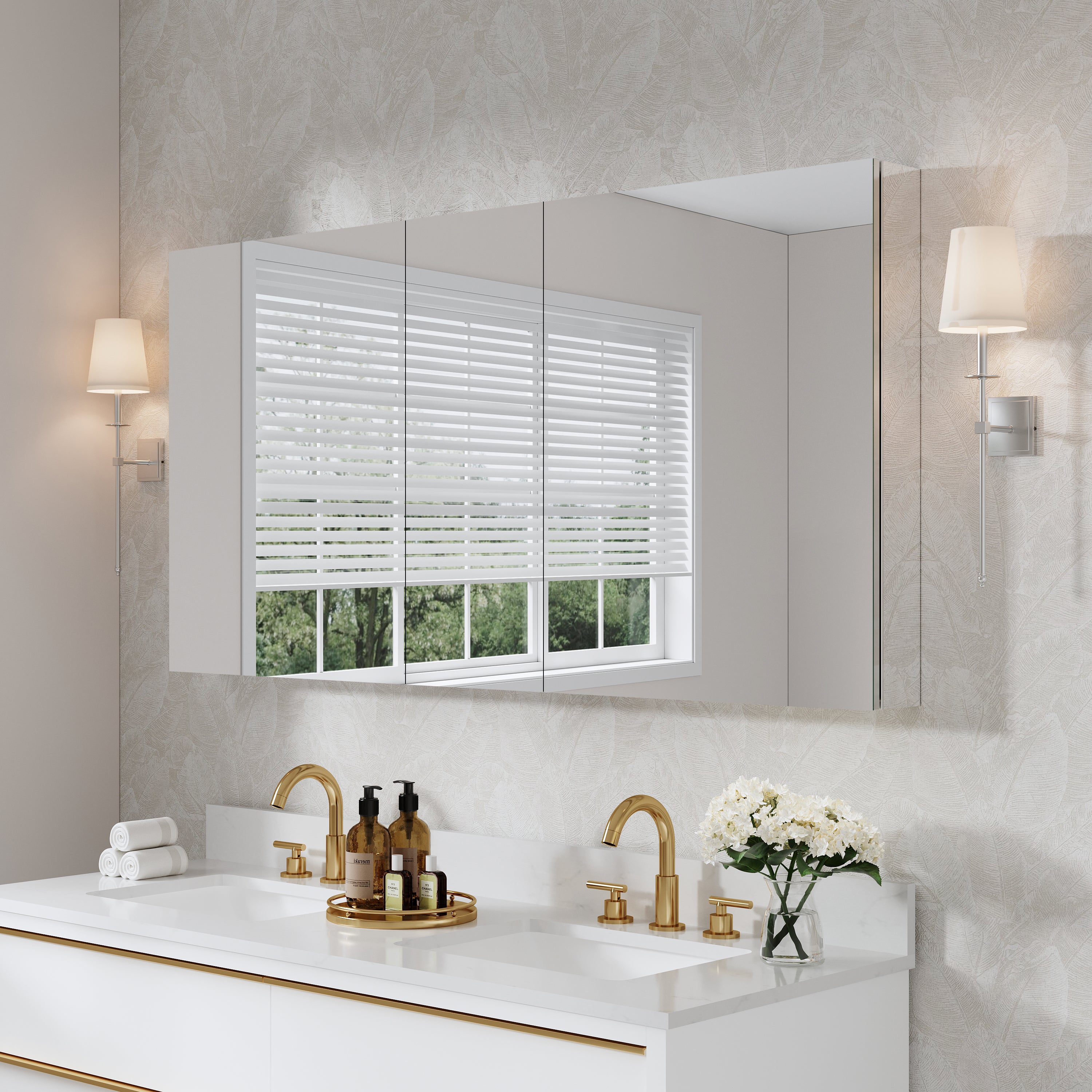
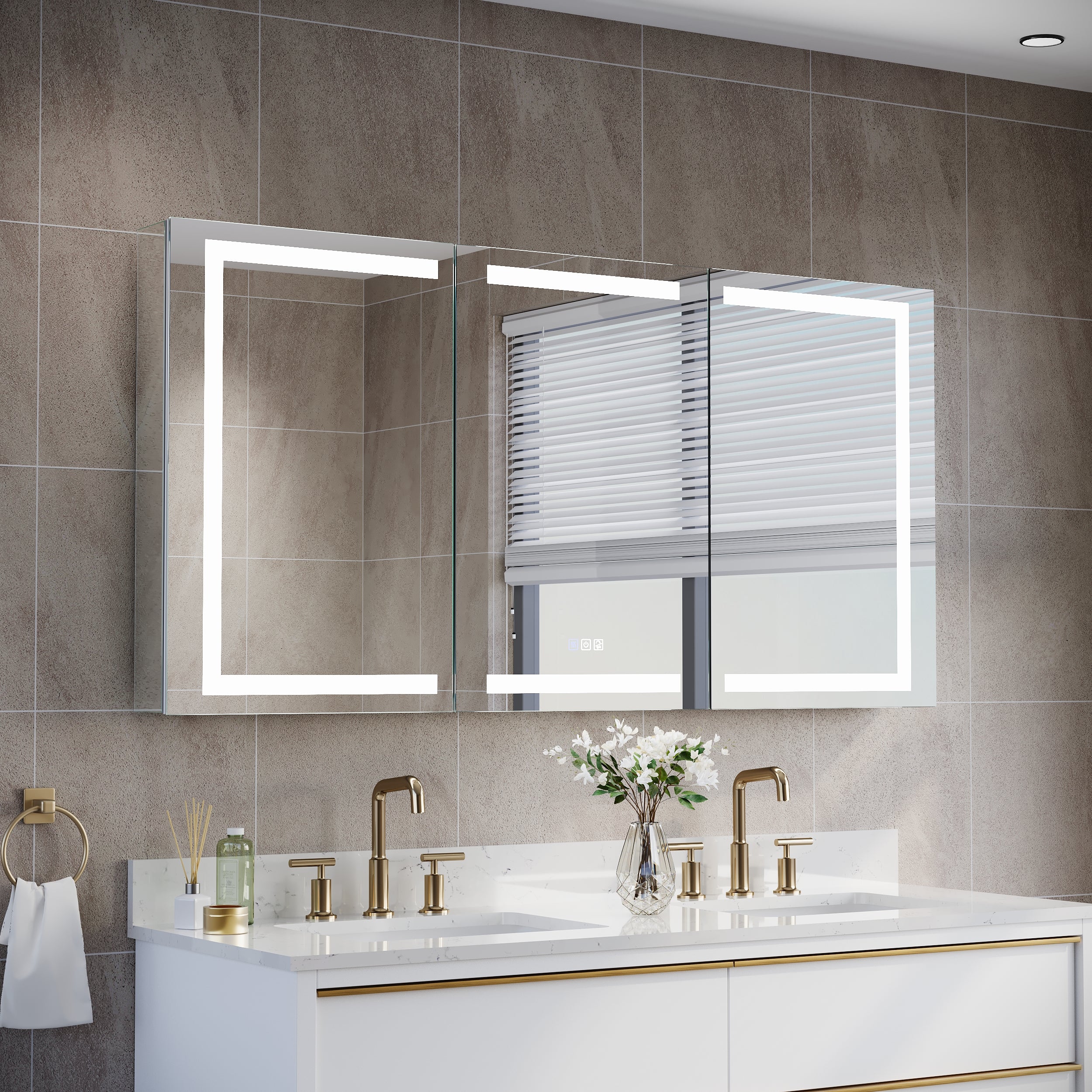
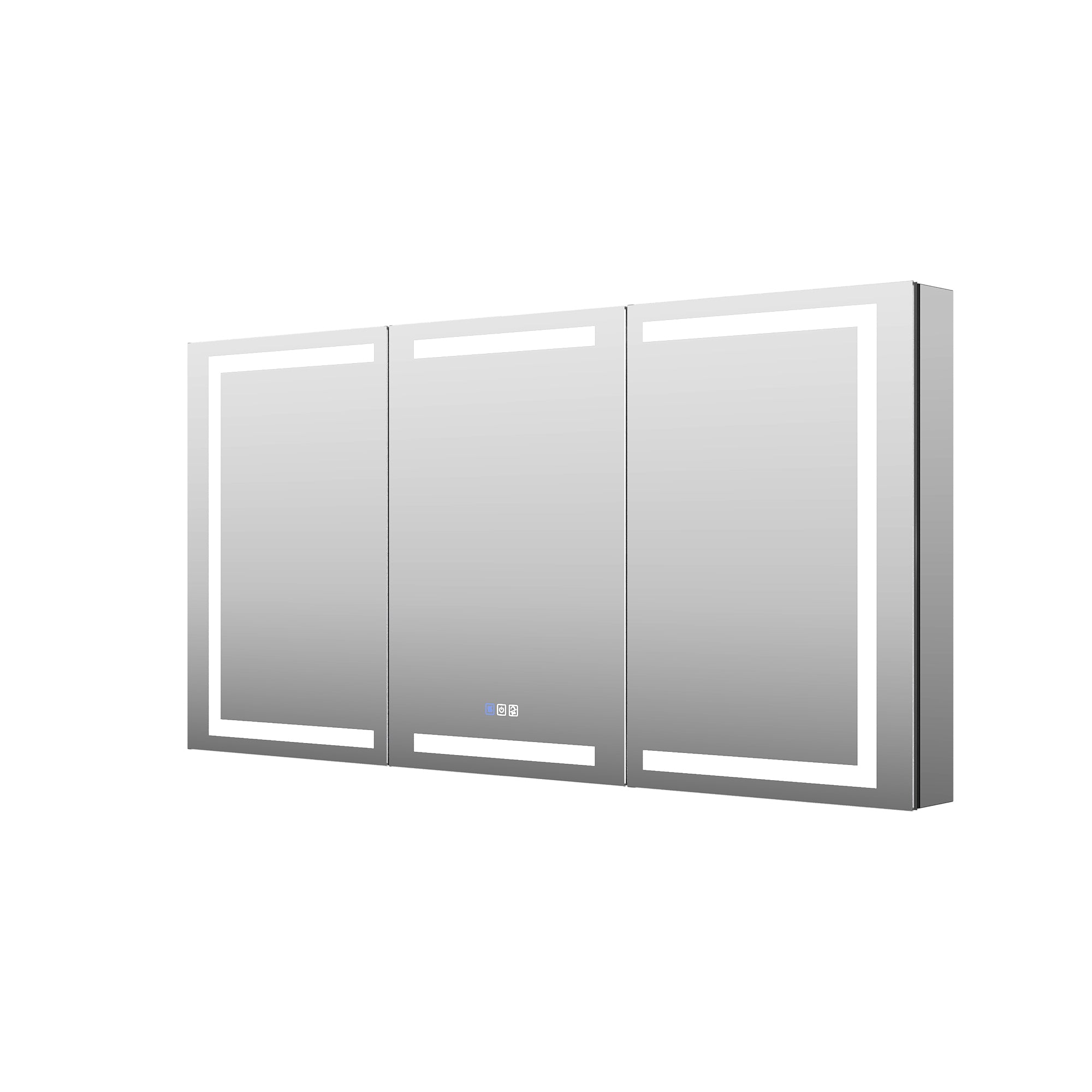
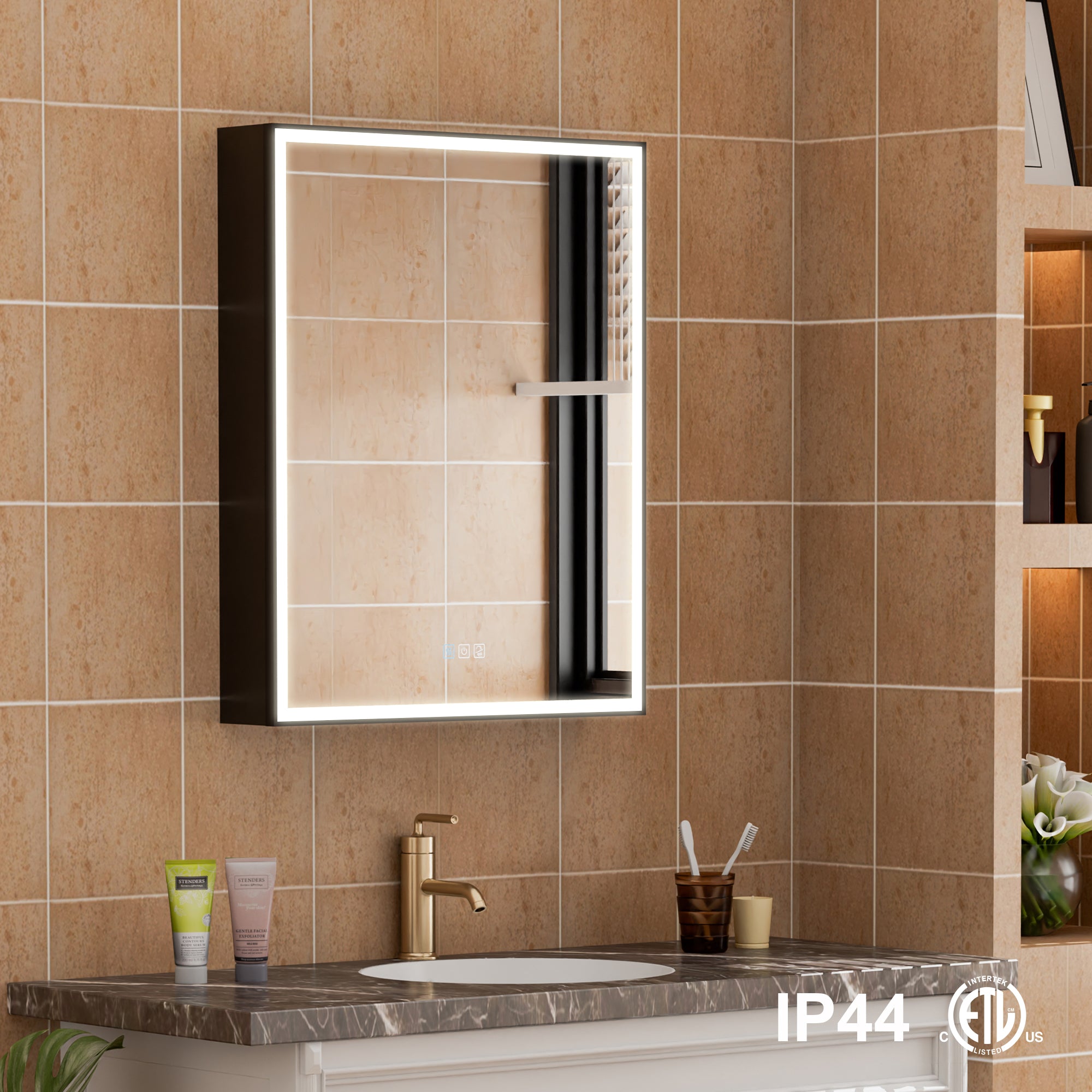
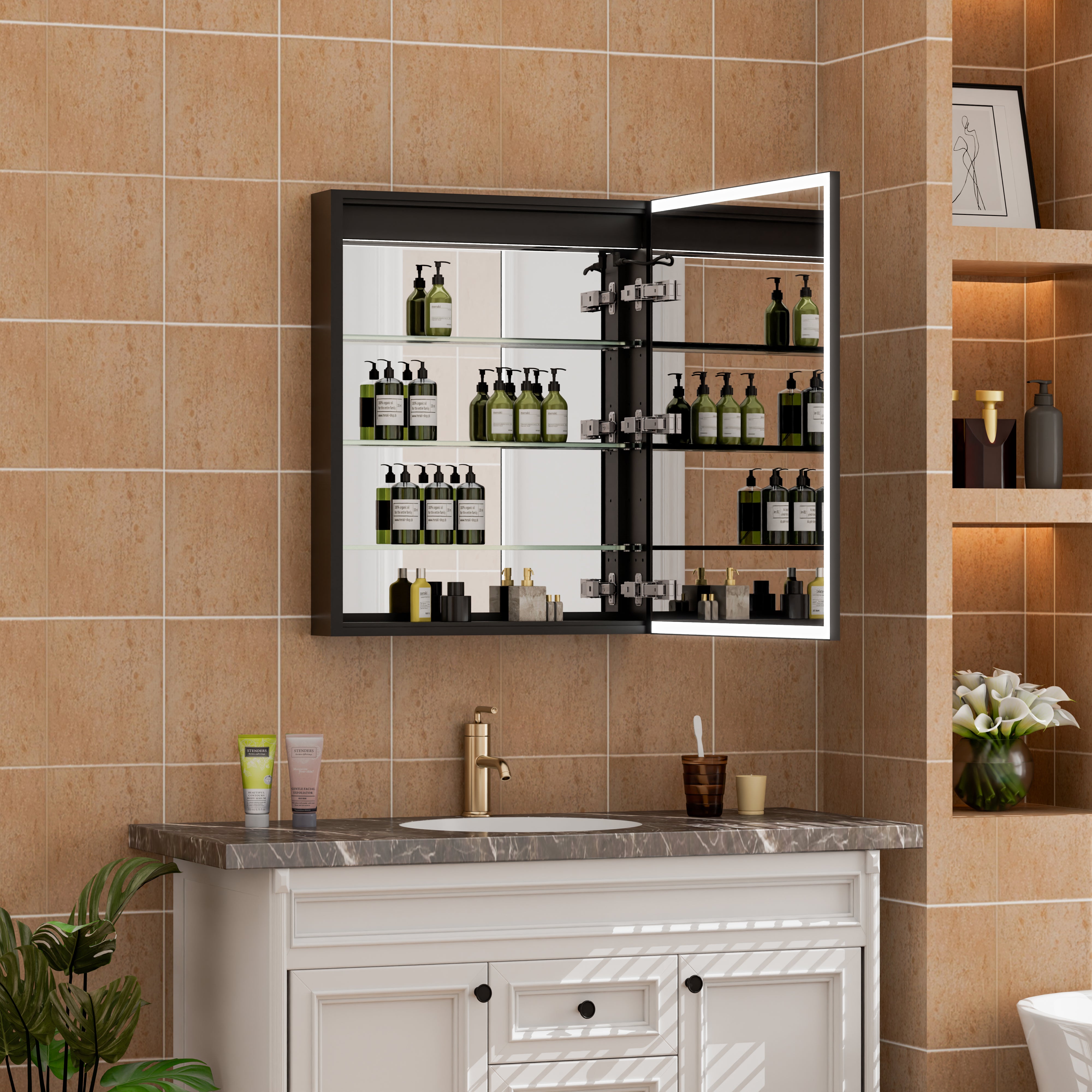
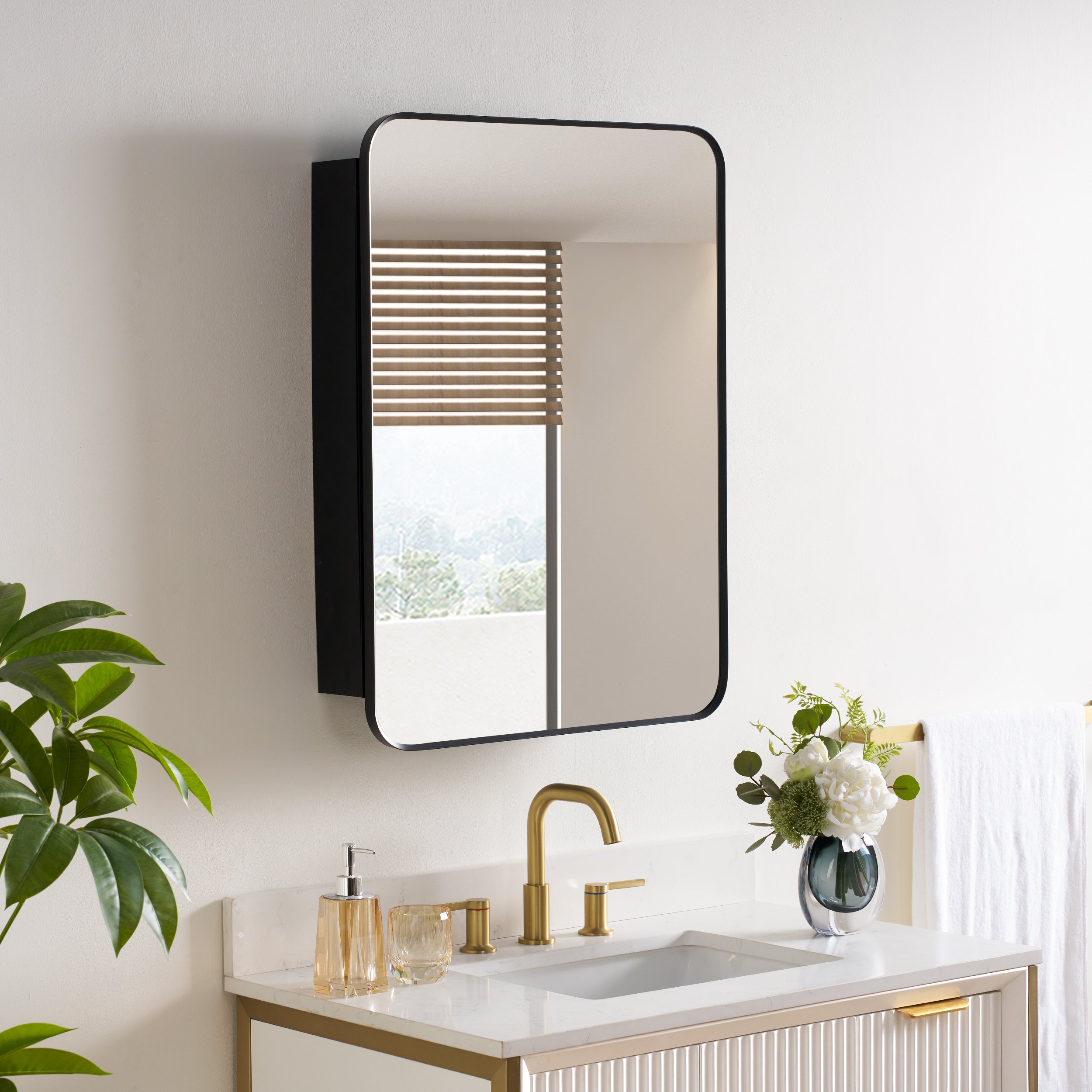
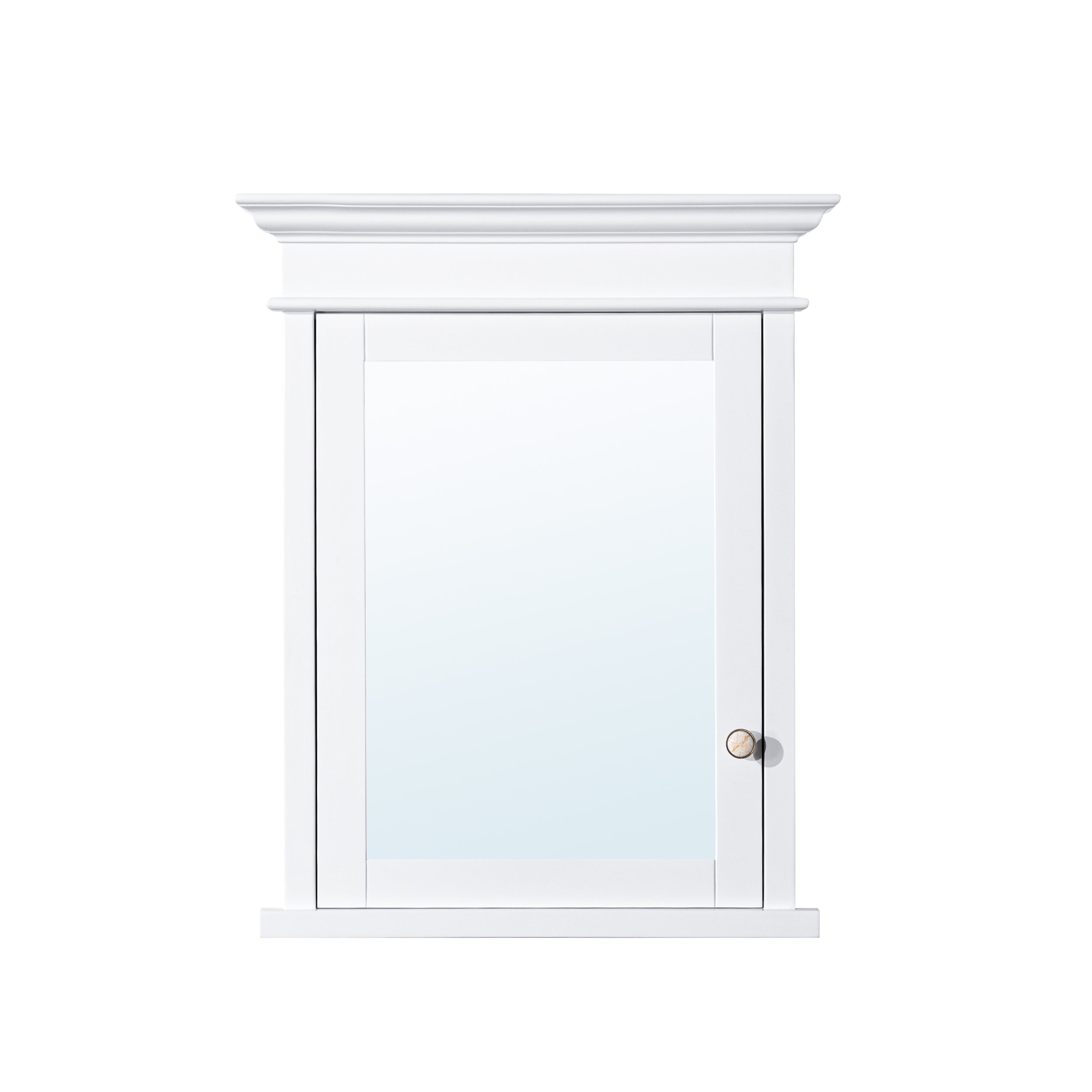
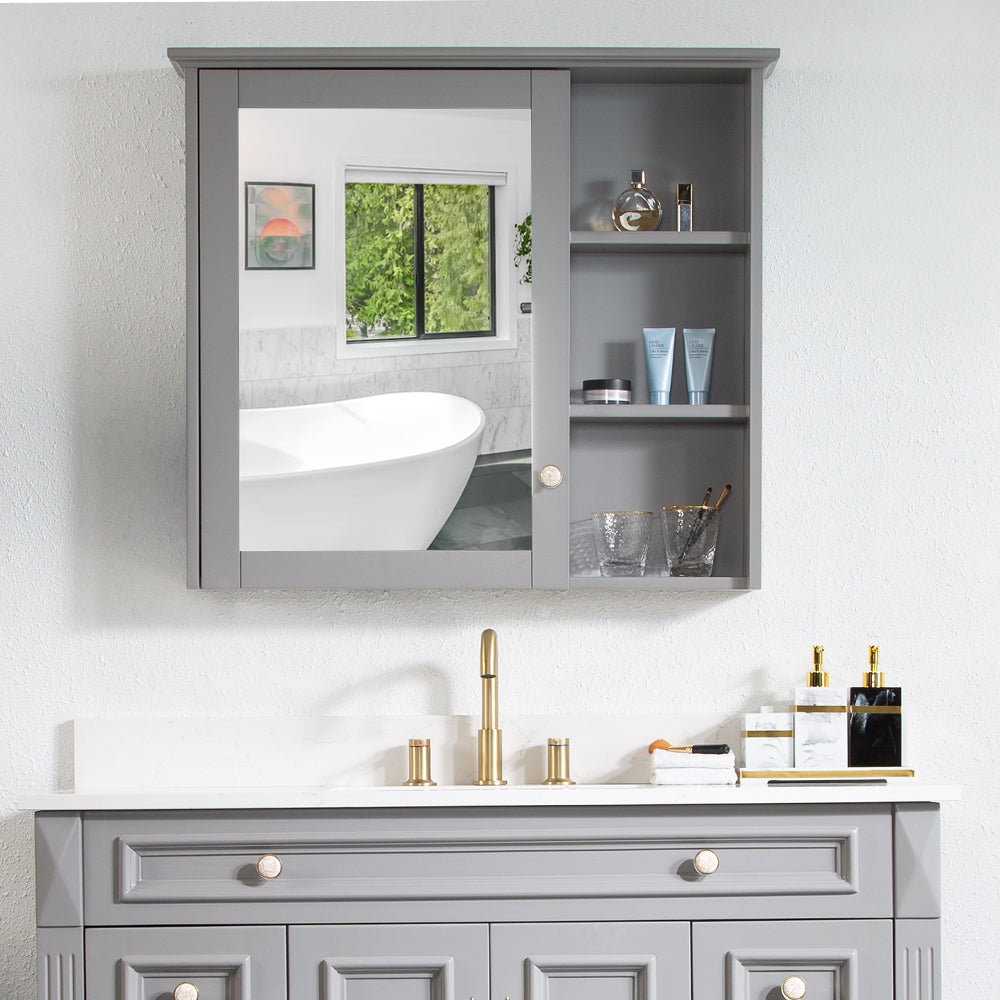
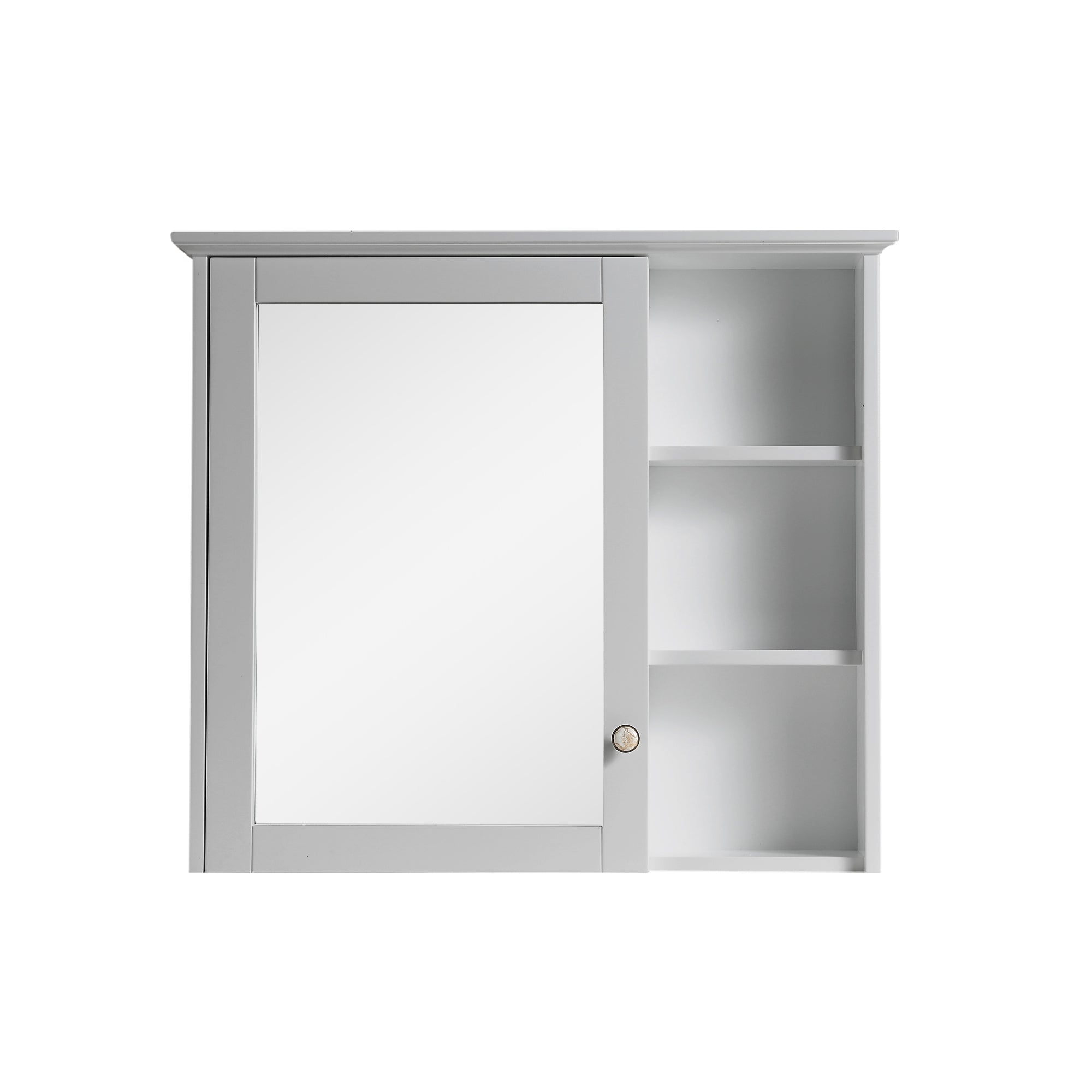
• Medicine Cabinet: The most cost-effective invisible expansion option for small bathrooms, with a cleaner countertop.
Low frequency bonus points (as needed)
• Magnifier, Bluetooth, screen display: You can use it if you like, but you have to accept the reality that maintenance costs are higher and faults are more difficult to repair.
6. Energy consumption and lifespan: why are almost all industries switching to LED?
From an energy-efficiency perspective, the advantages of LEDs are clear: household LEDs, especially high-efficiency certified products, can typically achieve at least 75% energy savings and have a lifespan up to 25 times that of incandescent bulbs.
That's also why LED lights are almost exclusively used with mirrors: they are more energy-efficient, produce less heat, and are better suited for bathroom scenes with lights on for long periods.

7. Finally, I'll give you a set of quick conclusions that won't make a mistake
If you don't want to study for too long, just choose according to your needs:
• The most suitable person for "being accurate every day":
Select an illuminated mirror (or mirror cabinet) with "front illuminated/mirror side fill light+adjustable light+adjustable color temperature+anti fog".
• The most suitable for people who want a sense of luxury and comfort at night:
Choose a style with "backlight as the main focus+moderate front fill light" to avoid insufficient face illumination caused by only backlighting.
• The most suitable for people who want to make their small bathroom bigger and countertops cleaner:
Directly go to the "mirror cabinet with lights" to solve storage and lighting at once.
In summary, the best vanity mirror with lights is not the brightest, but the one that can evenly, realistically, and stably use the face over the long term.












Leave a comment
This site is protected by hCaptcha and the hCaptcha Privacy Policy and Terms of Service apply.