
















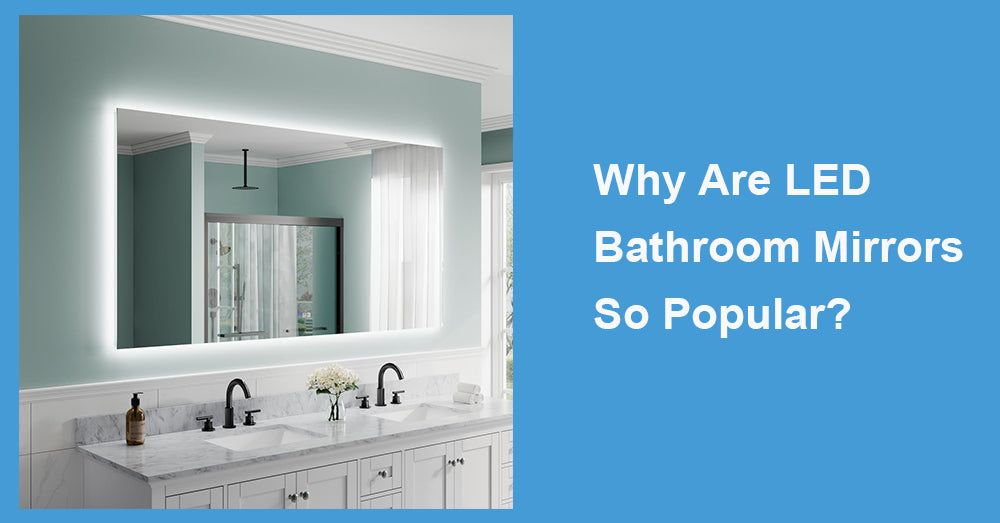
In recent years, LED bathroom mirrors have suddenly become ubiquitous, not because people love buying decorations, but because they package and address the most common pain points in the bathroom (uneven lighting, fogging, cluttered countertops, night glare, installation rework) in a more convenient way.
Industry trend research can also indirectly illustrate this point: in a large number of bathroom renovation projects, choosing mirrors with "special functions" has become a common upgrade item, among which the proportion of mirrors with LED lighting and anti fog is at a high level, indicating that these mirrors are more aimed at solving the problem of "smoothness in daily use" rather than purely pursuing appearance.
1. It solves the urgent need of "shadow on the face": whether it works or not, first look at the direction of the light
Traditional bathrooms often feature just a ceiling light and a mirror, causing shadows on the face. This setup makes makeup prone to heavy lifting and shaving prone to missed or repeated scraping.
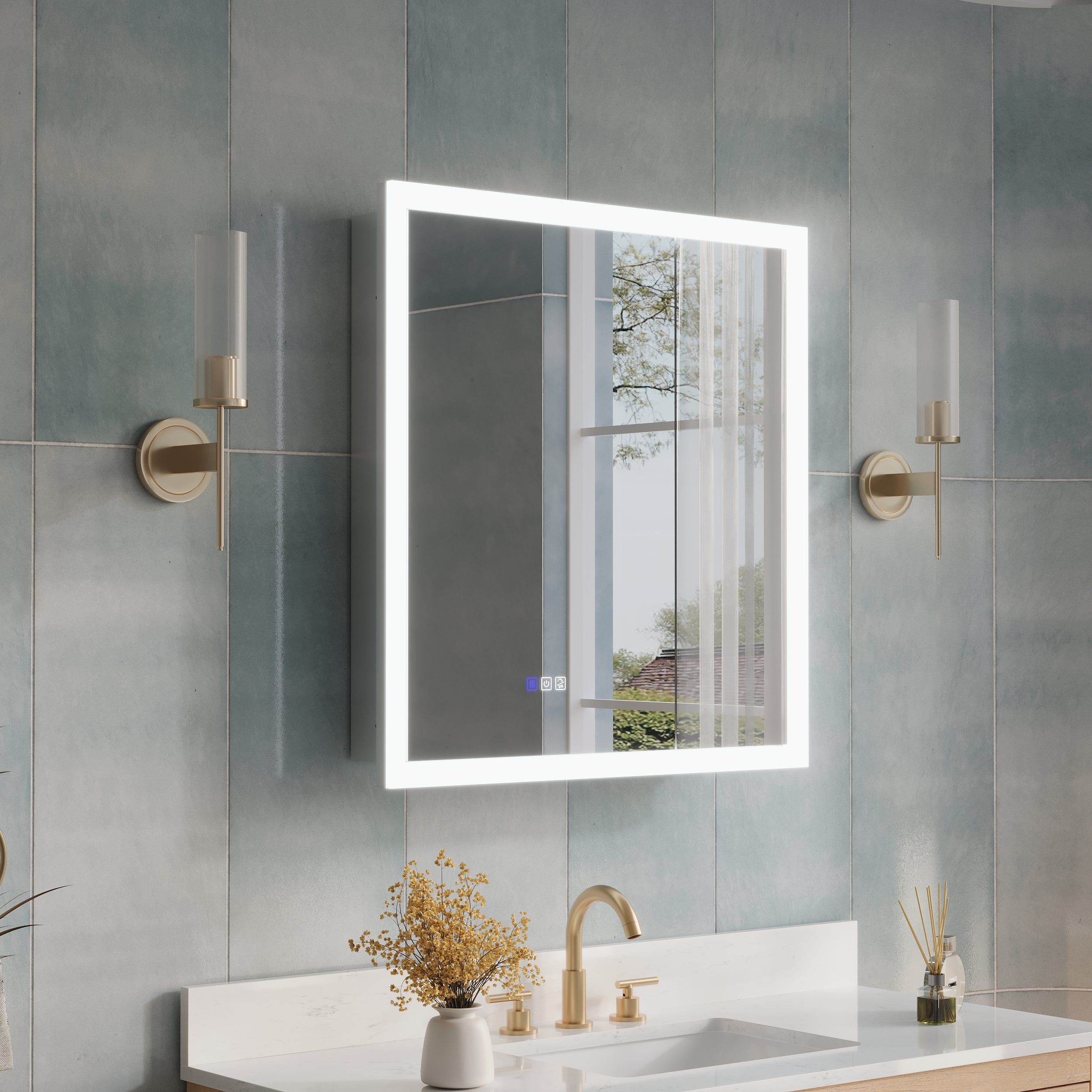
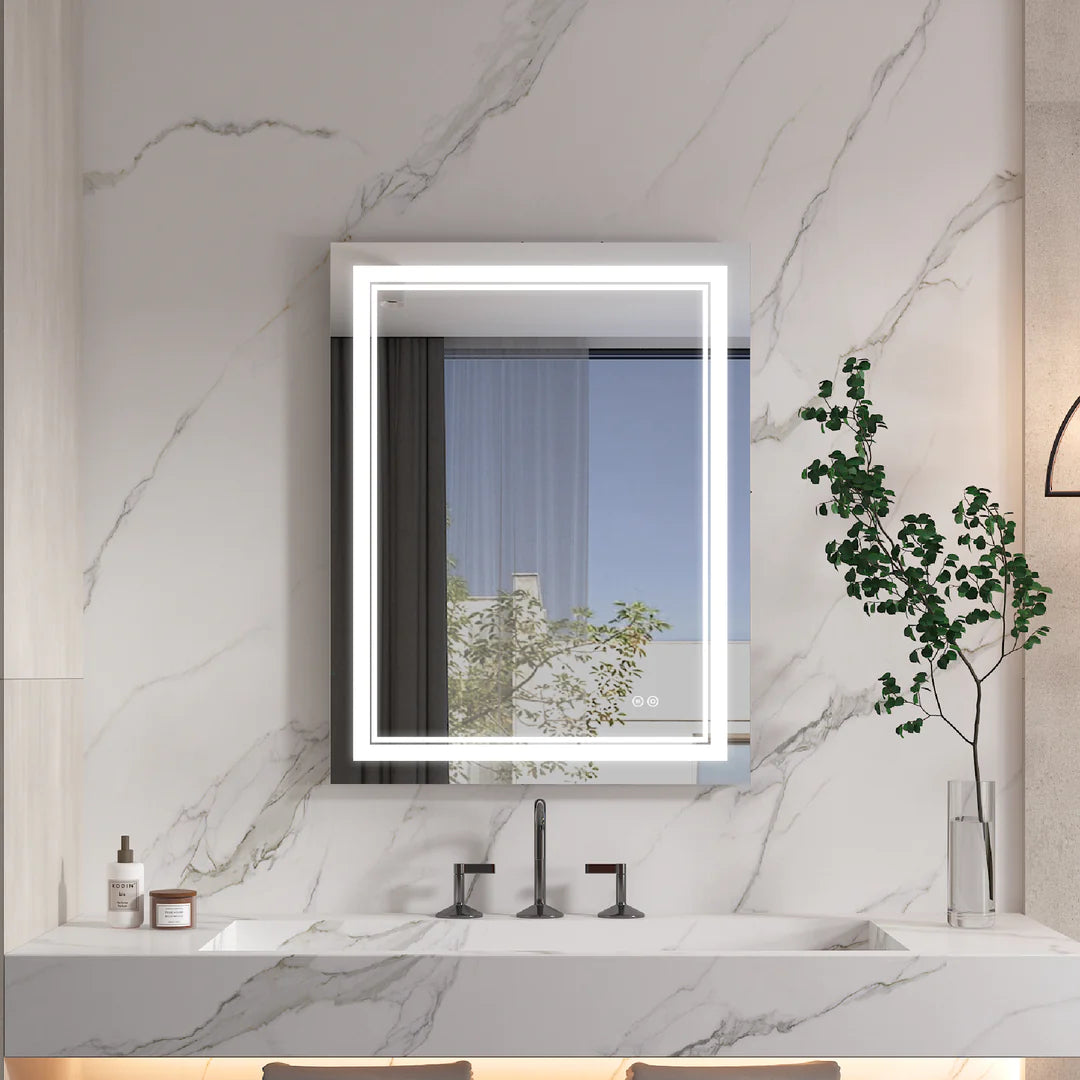
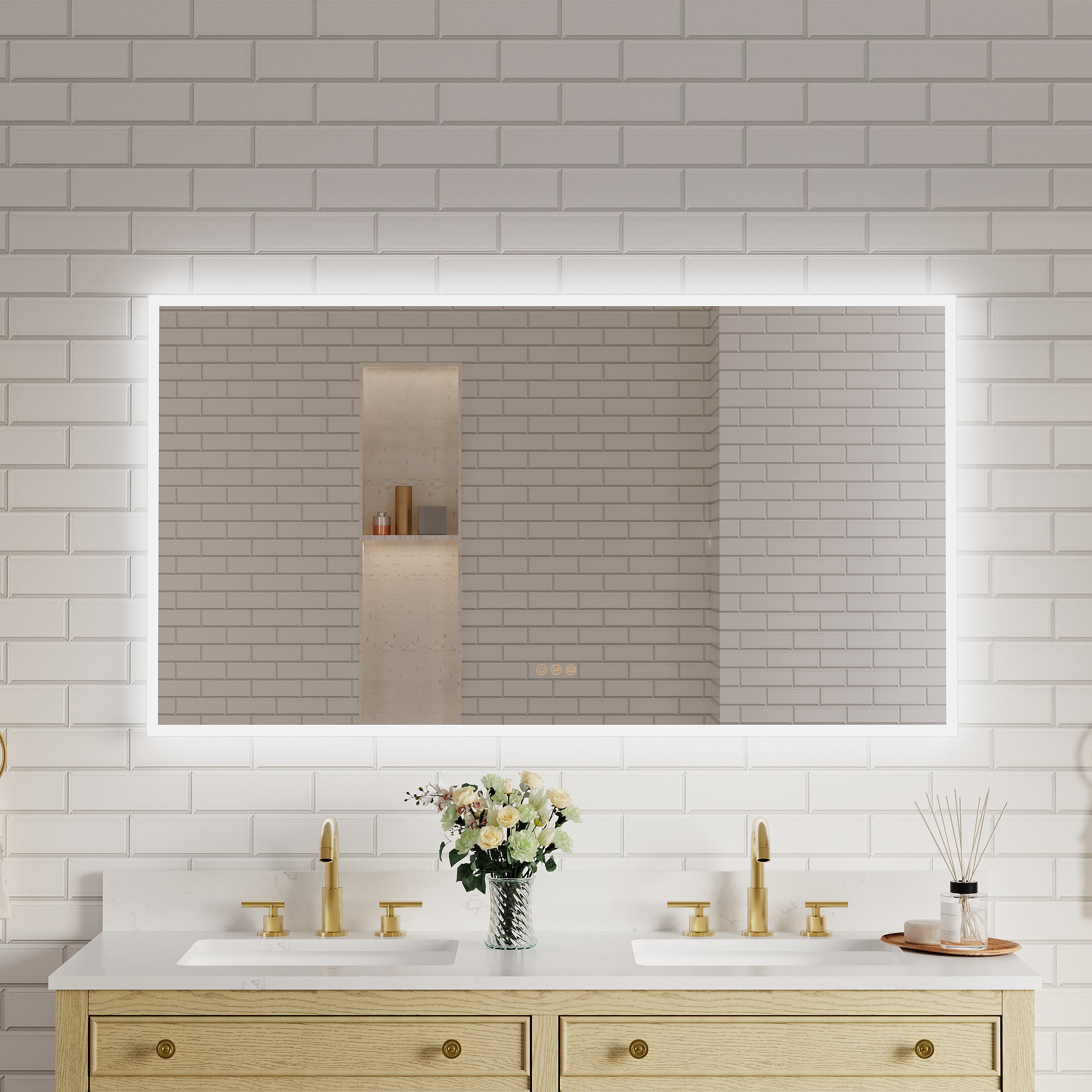
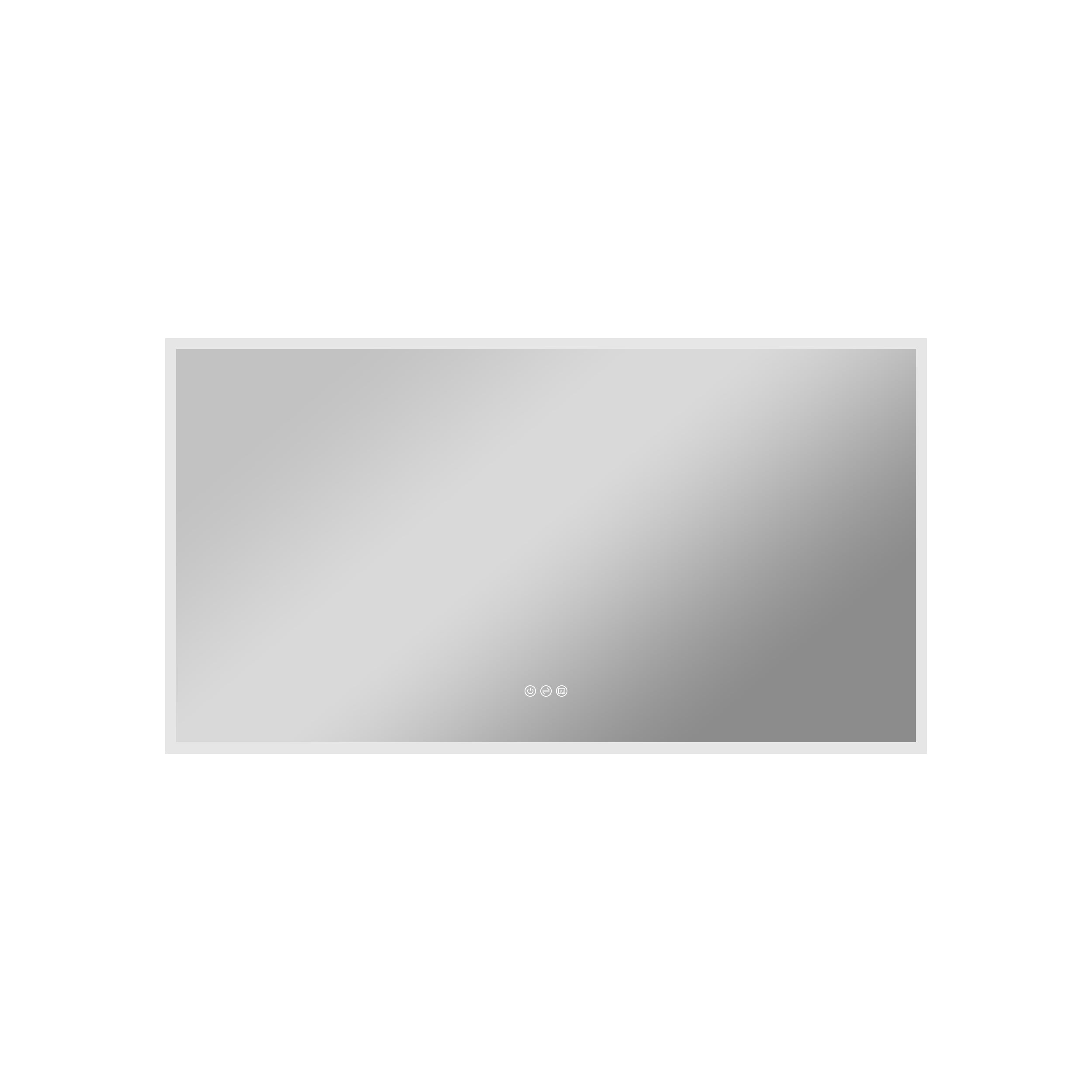
LED mirrors bring the light source closer to the face. They use front- or side-fill lighting to reduce shadows, making it easier to see your true skin tone and details.
As a result, many people experience a very direct improvement in body sensation after installing:
• Morning grooming and skincare are smoother.
• Clearer shaving boundaries and fewer missed cuts
• Makeup is not prone to the gap of "looking good in the mirror, but collapsing with a change of light."
2. 'One mirror for multiple purposes': combining mirror headlights, ambient lights, and night lights into one system
In the past, to meet needs for clear daytime, soft nighttime, and a high-end atmosphere, multiple lighting layers—mirror headlights, tube lights, and light strips—were needed. These were costly and complex to control.
Now, LED mirrors offer an "out of the box" solution: many products feature dimming, color temperature adjustment, memory mode, and even low-light night lights.
One practical reason for its popularity is the role of provincial decision-making. There is no need to learn how to set up lighting fixtures, match color temperatures, or separate switches. Simply fix the "mirror task lighting" in the correct position for a more reliable experience.
3. Anti-fog enhances the 'frequency of use', not a minor feature
The bathroom mirror fogging up essentially interrupts the process: after taking a shower, you have to wait, wipe, and then it gets messy.
The anti-fog LED mirror maximizes its usability - you don't need to change your habits to keep the mirror usable in high-humidity environments.
Many people originally thought that anti-fog was just icing on the cake, but after installing it, they realized that it is a feature that "saves time and emotions every day":
• After taking a shower at night, you can directly take care of your skin, blow your hair, and tidy up your appearance.
• When two people use it successively, it will not affect each other due to fogging.
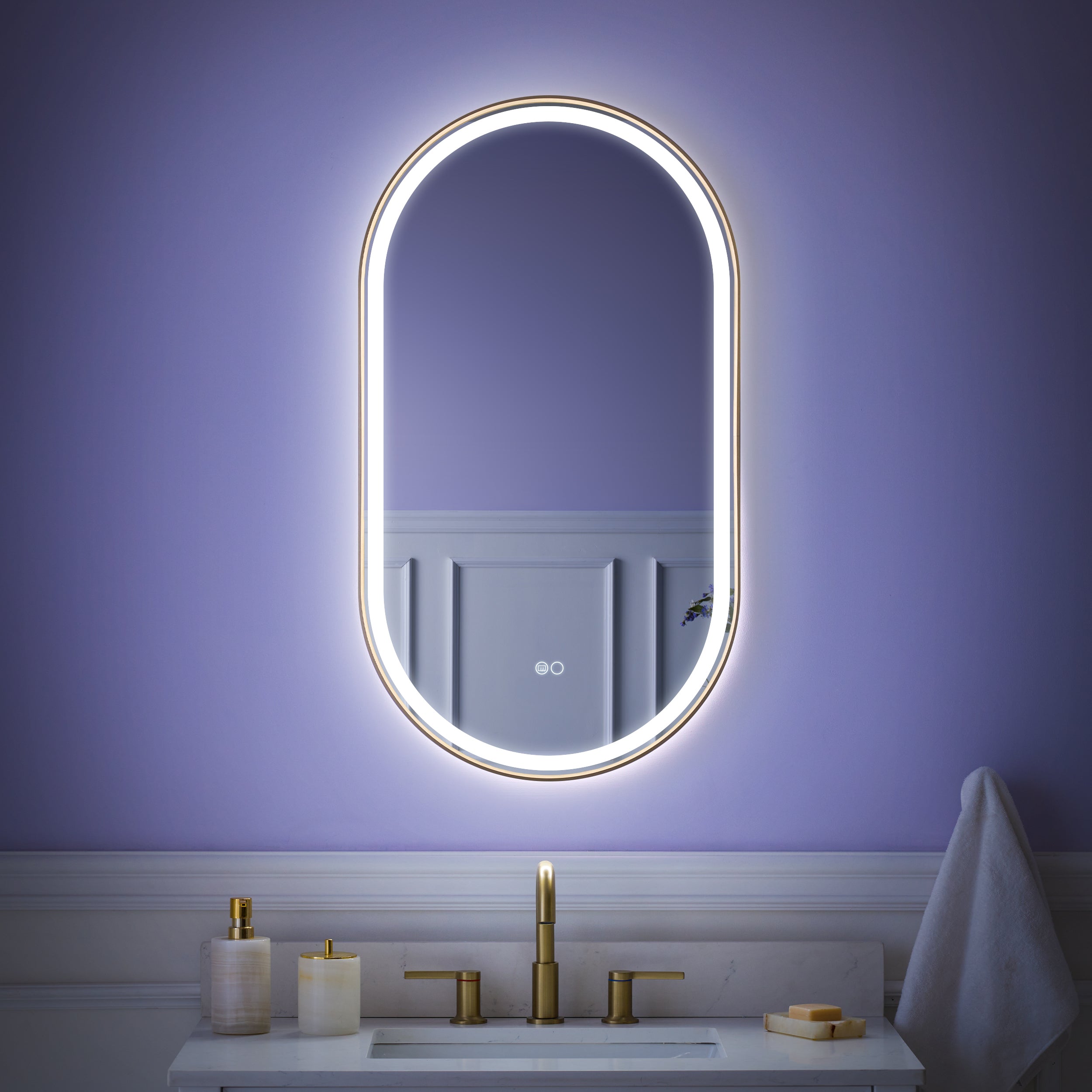
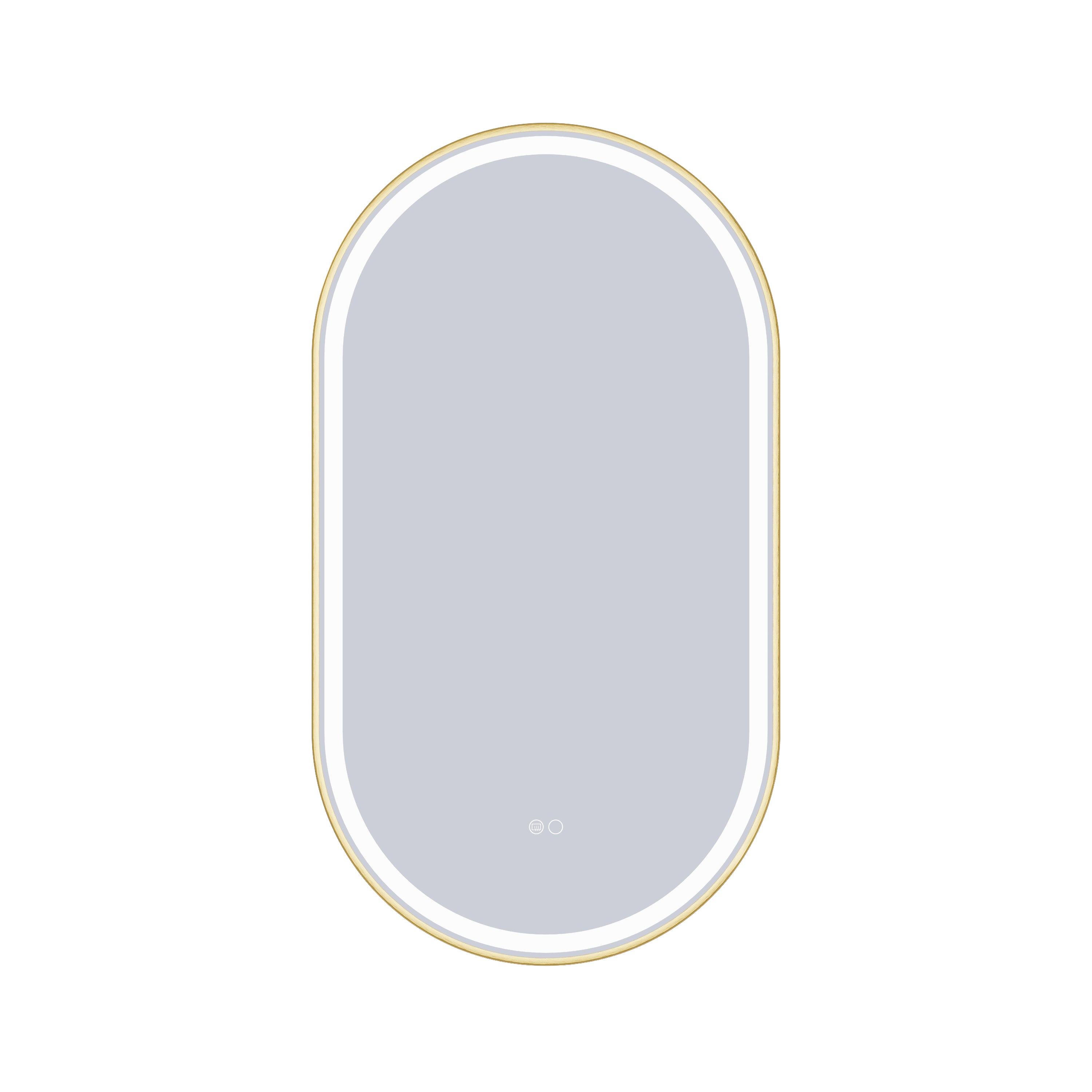
4. More suitable for creating a "clean wall": frameless and illuminated edge visual magnification
The popularity of LED mirrors is also tied to aesthetic trends: minimalism, thin edges, frameless designs, and a suspended feeling.
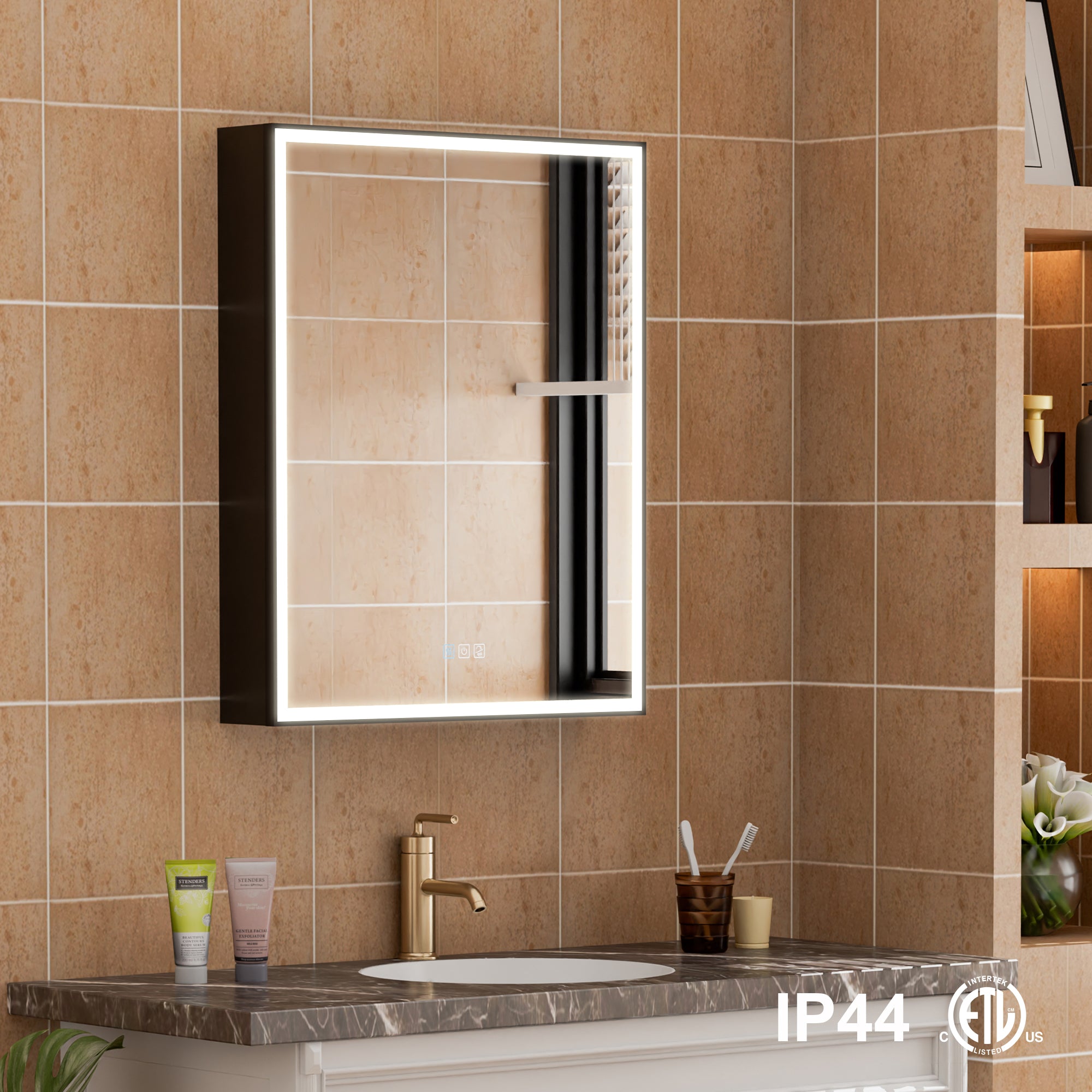
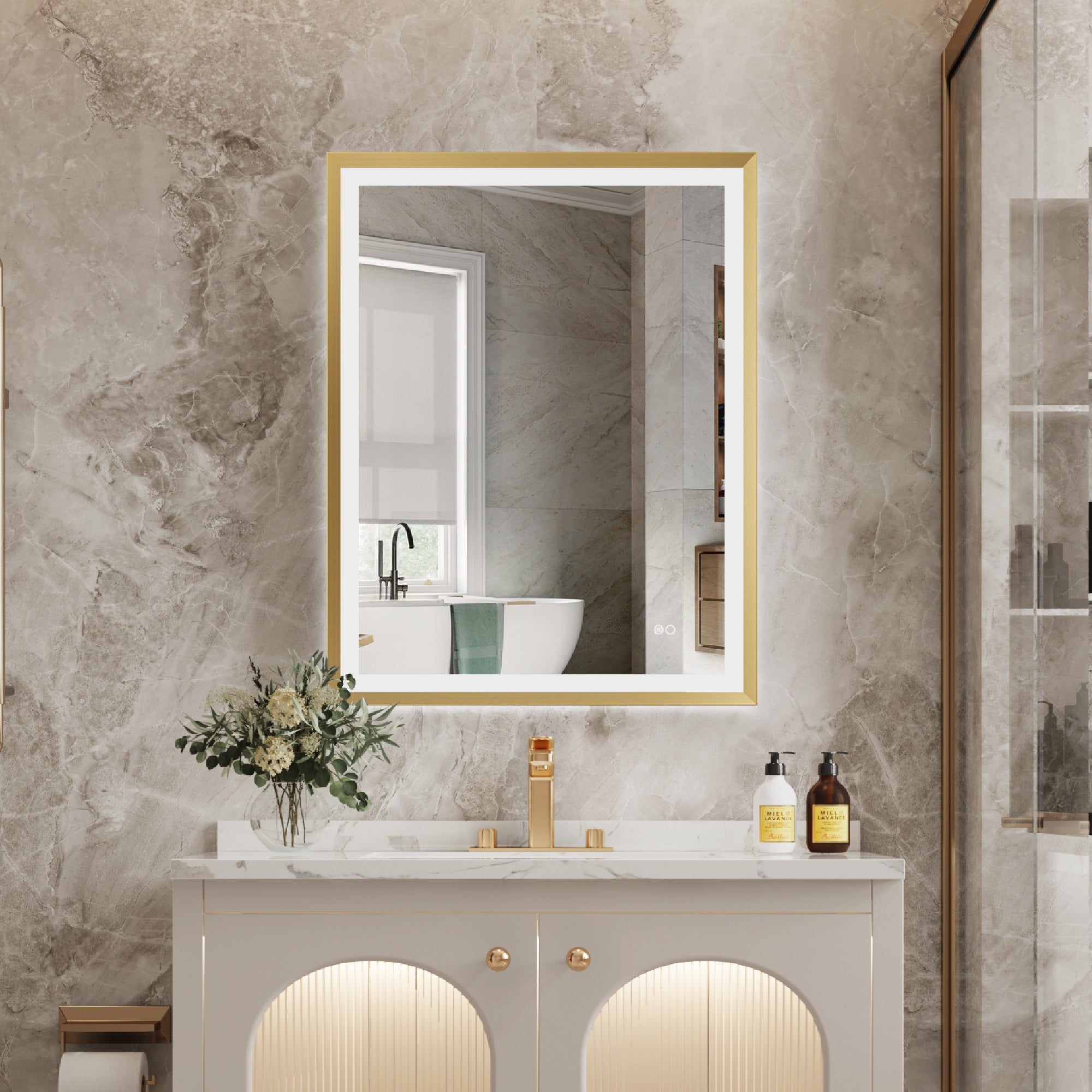
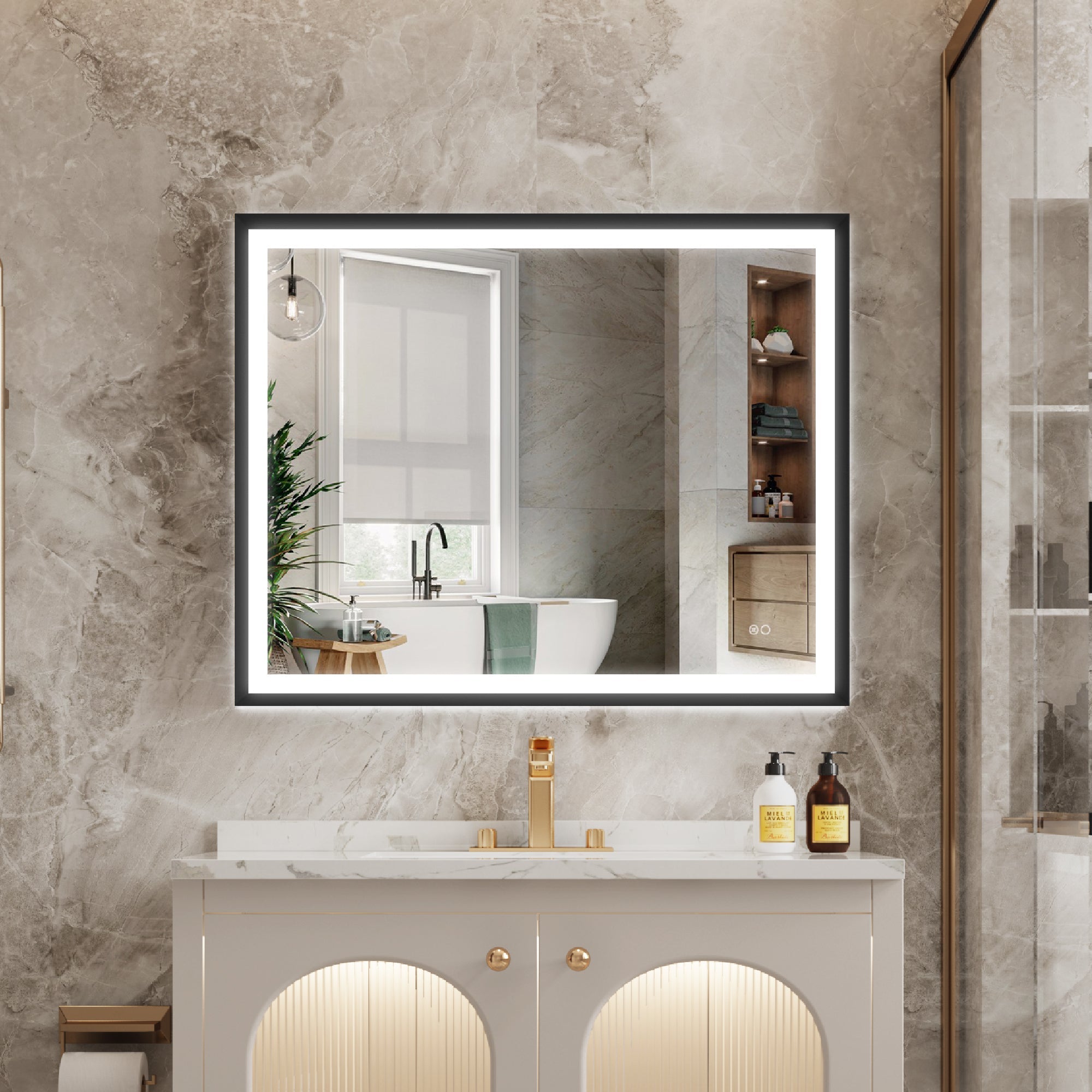
Backlighting or illuminated edges will enhance the contour of the mirror, making the wall more "neat" and the space appear larger, more like a hotel. Especially in small bathrooms, the visual magnification effect of mirrors is very obvious.
Look at new bathrooms, and you'll see a trend. They don’t have many fixtures, but they appear empty and tidy. LED mirrors fit this look perfectly. They combine lighting and mirrors, reducing the need for extra lights.
5. Energy efficiency and lifespan bring a 'long-term cost-effectiveness': using it for a long time and being more daring to drive it
The energy efficiency and lifespan advantages of LED are among the underlying reasons it has become mainstream. Many publicly available energy-efficiency data indicate that LEDs can significantly reduce energy consumption and have longer lifespans than traditional incandescent light sources.
This will bring about a very realistic psychological change: you will be more willing to turn on the lights and use the appropriate brightness, rather than 'save as much as possible'.
But it should also be made clear that the true impact on the lifespan of LED mirrors is often not the LED beads themselves, but the power supply, heat-dissipation structure, and connectors in humid environments.
So being "popular" does not mean being "durable when bought casually", and when choosing, attention should be paid to reliability (as will be discussed below).
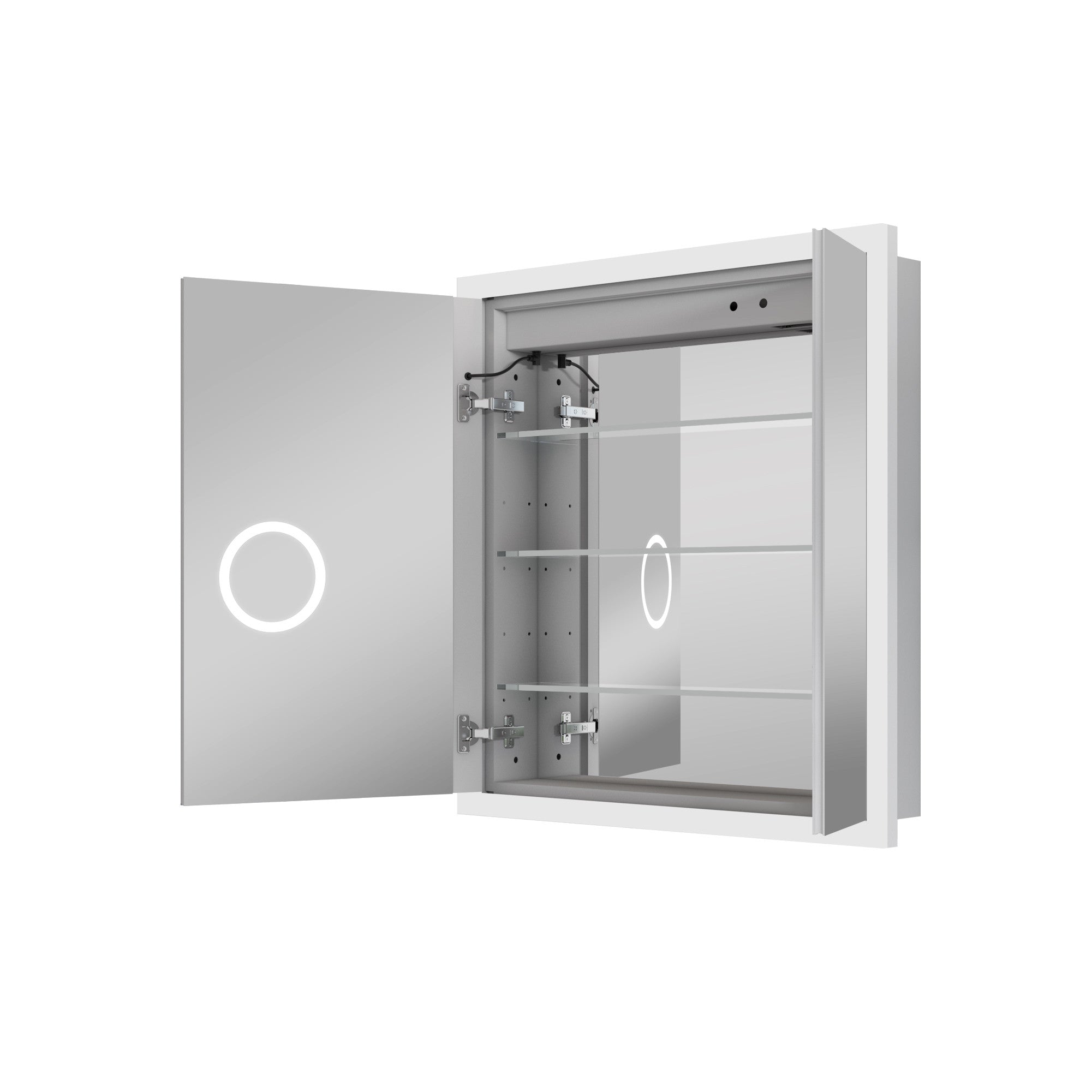
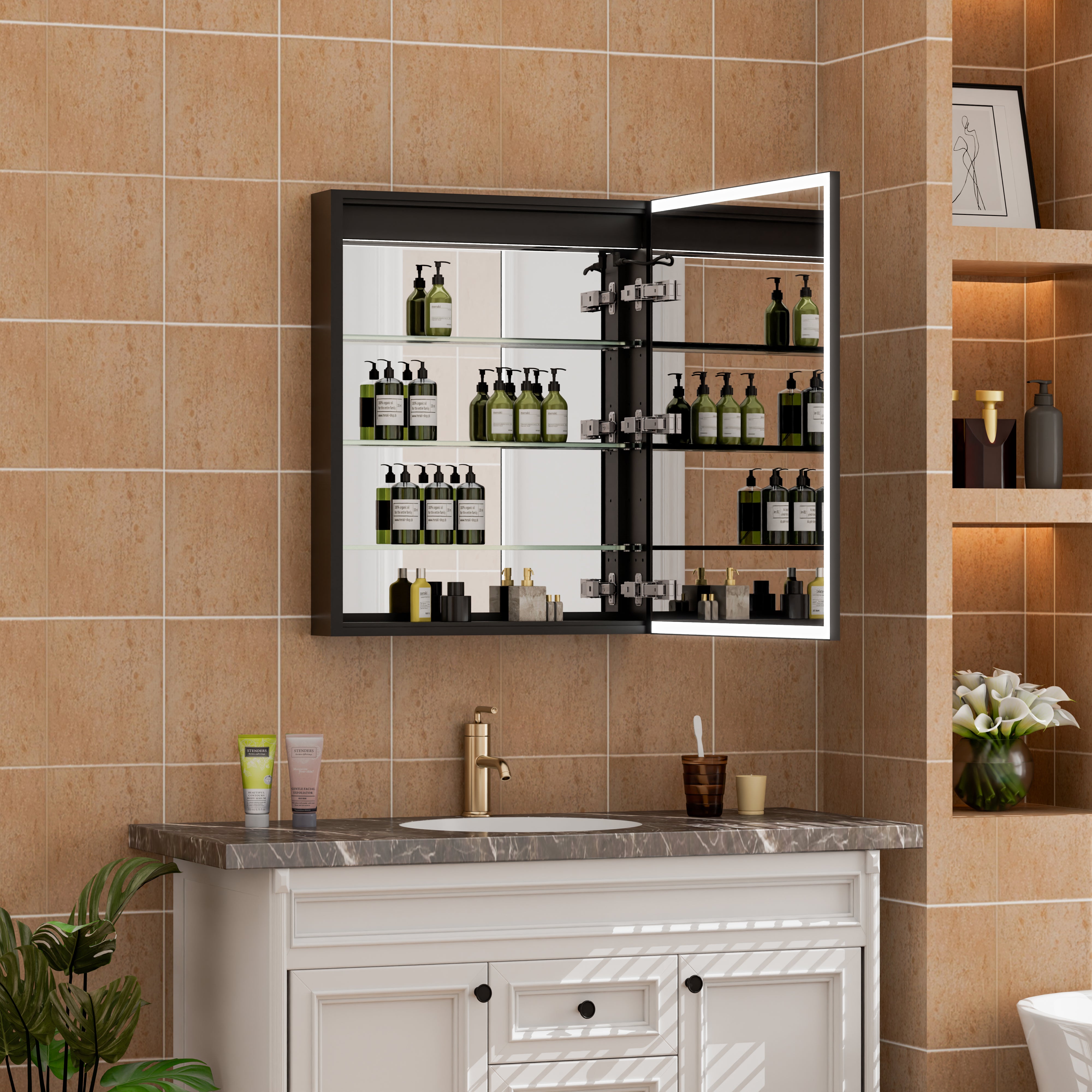
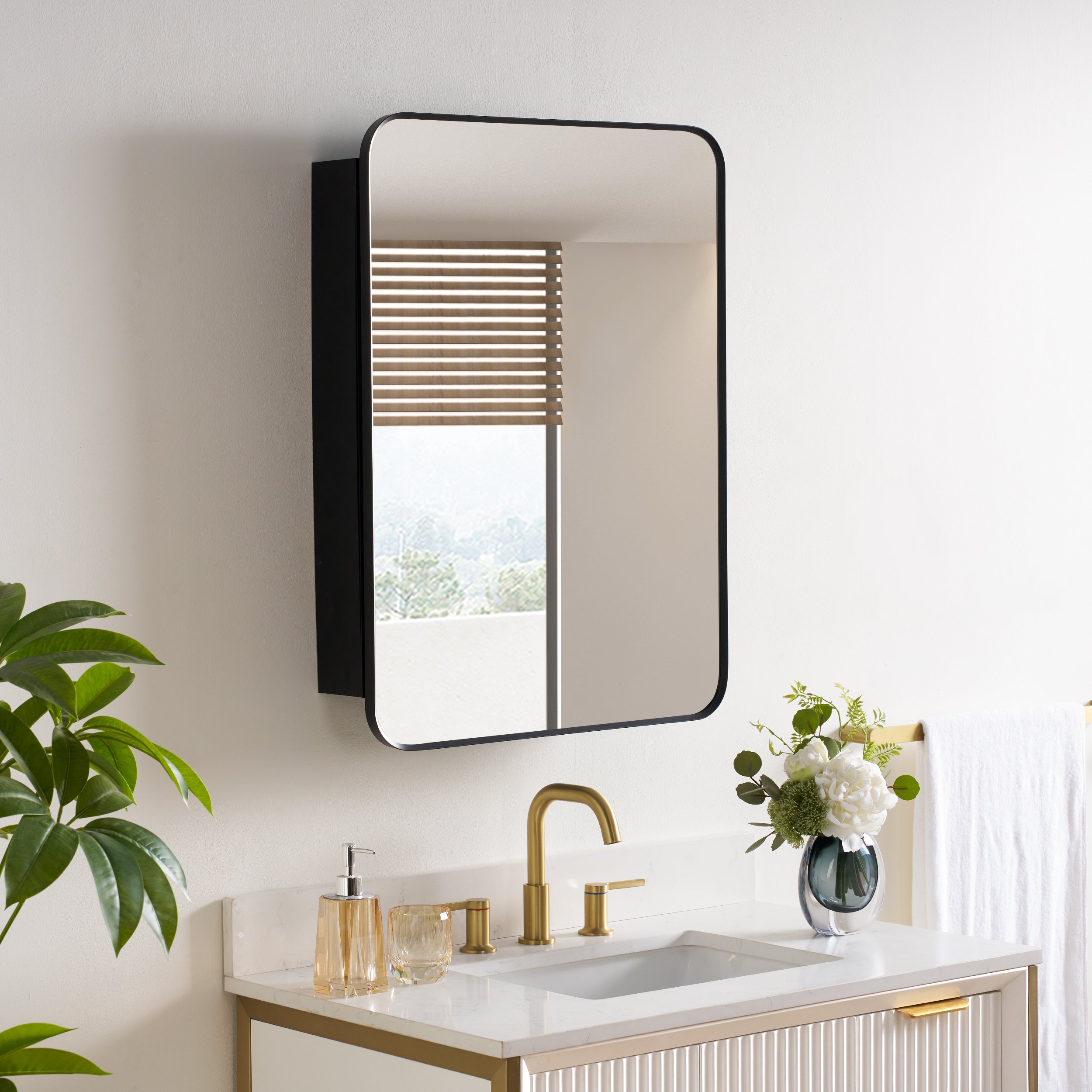
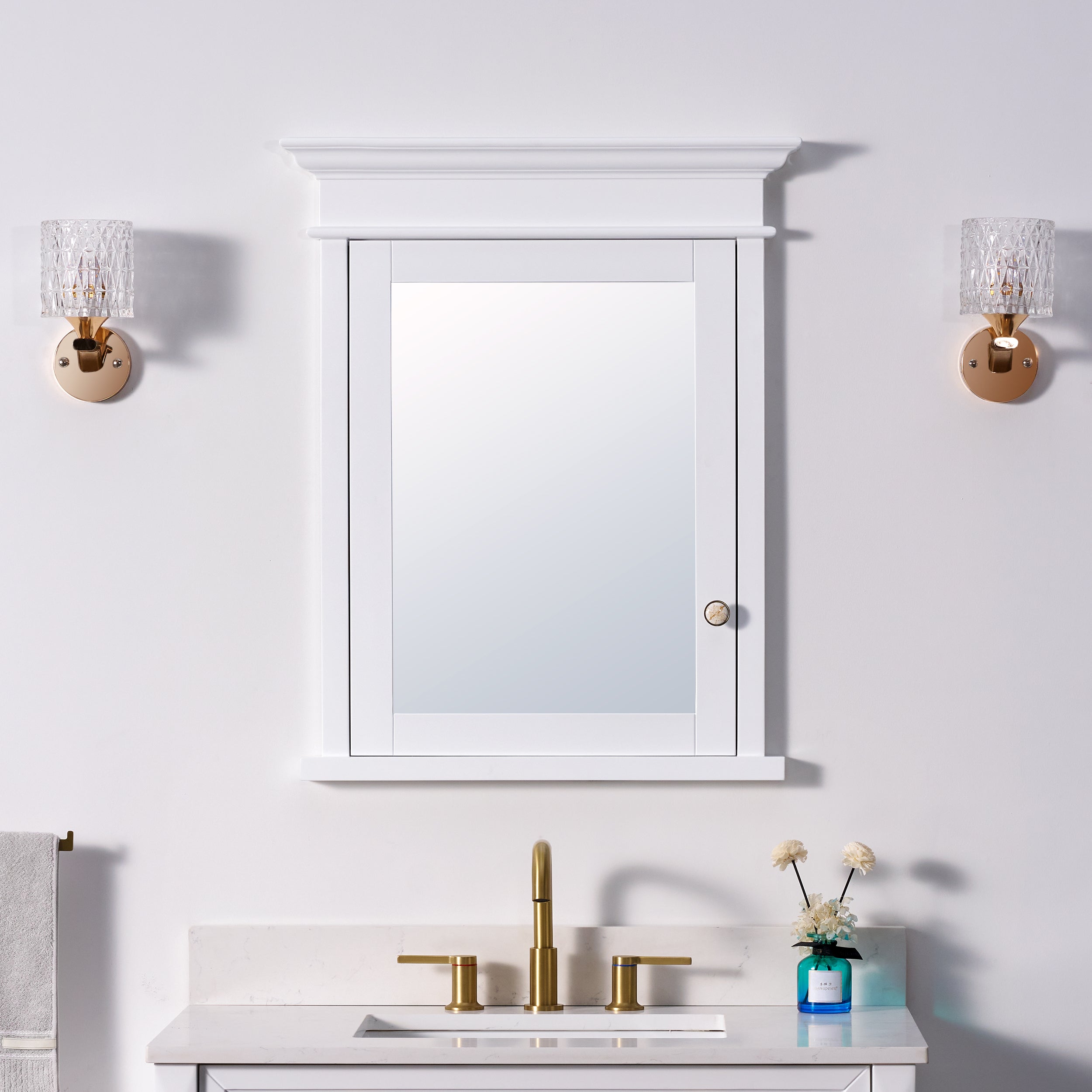
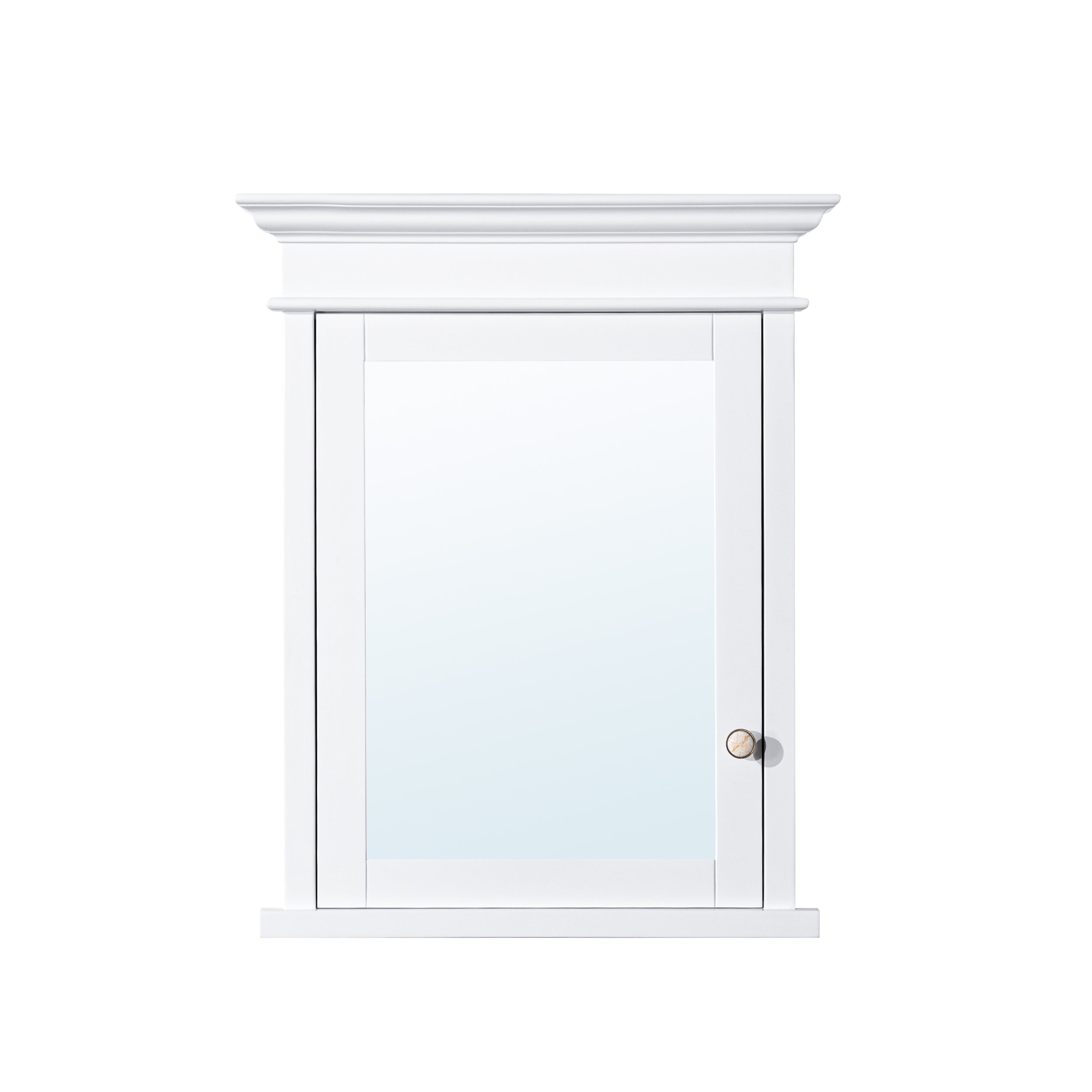
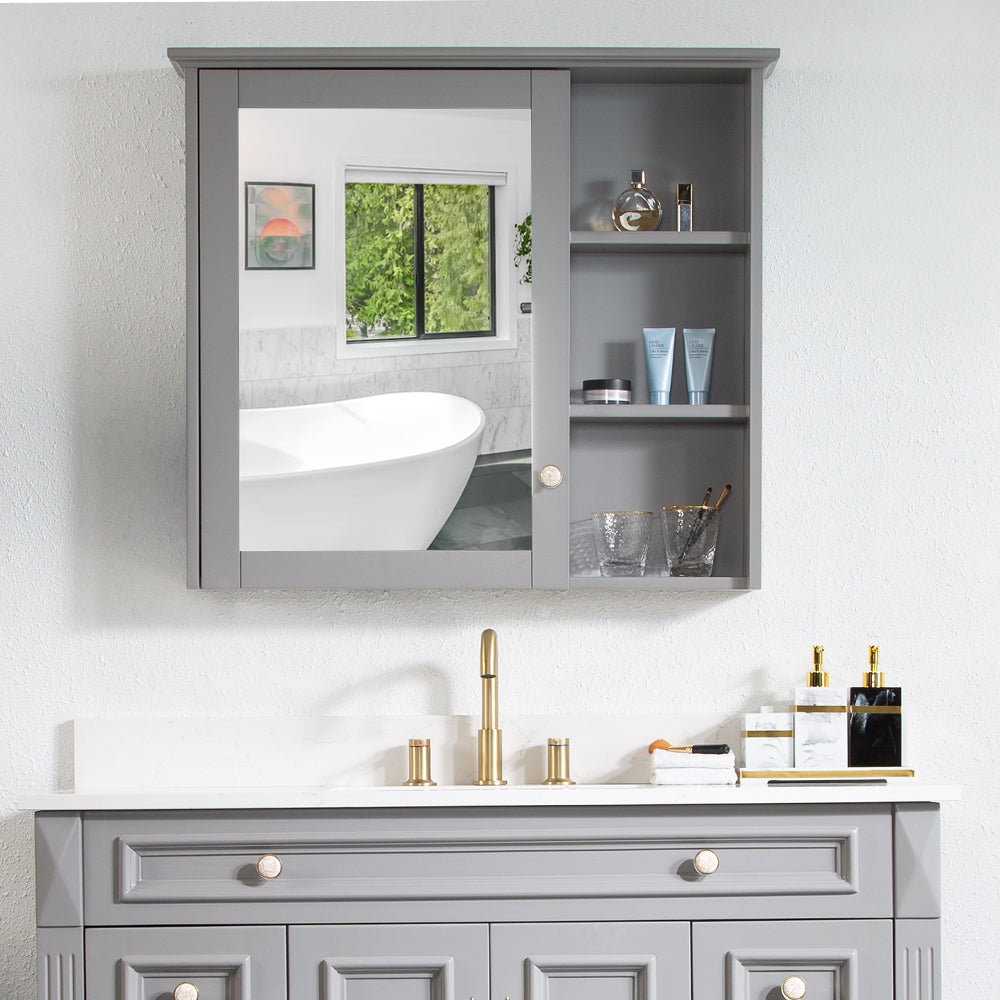
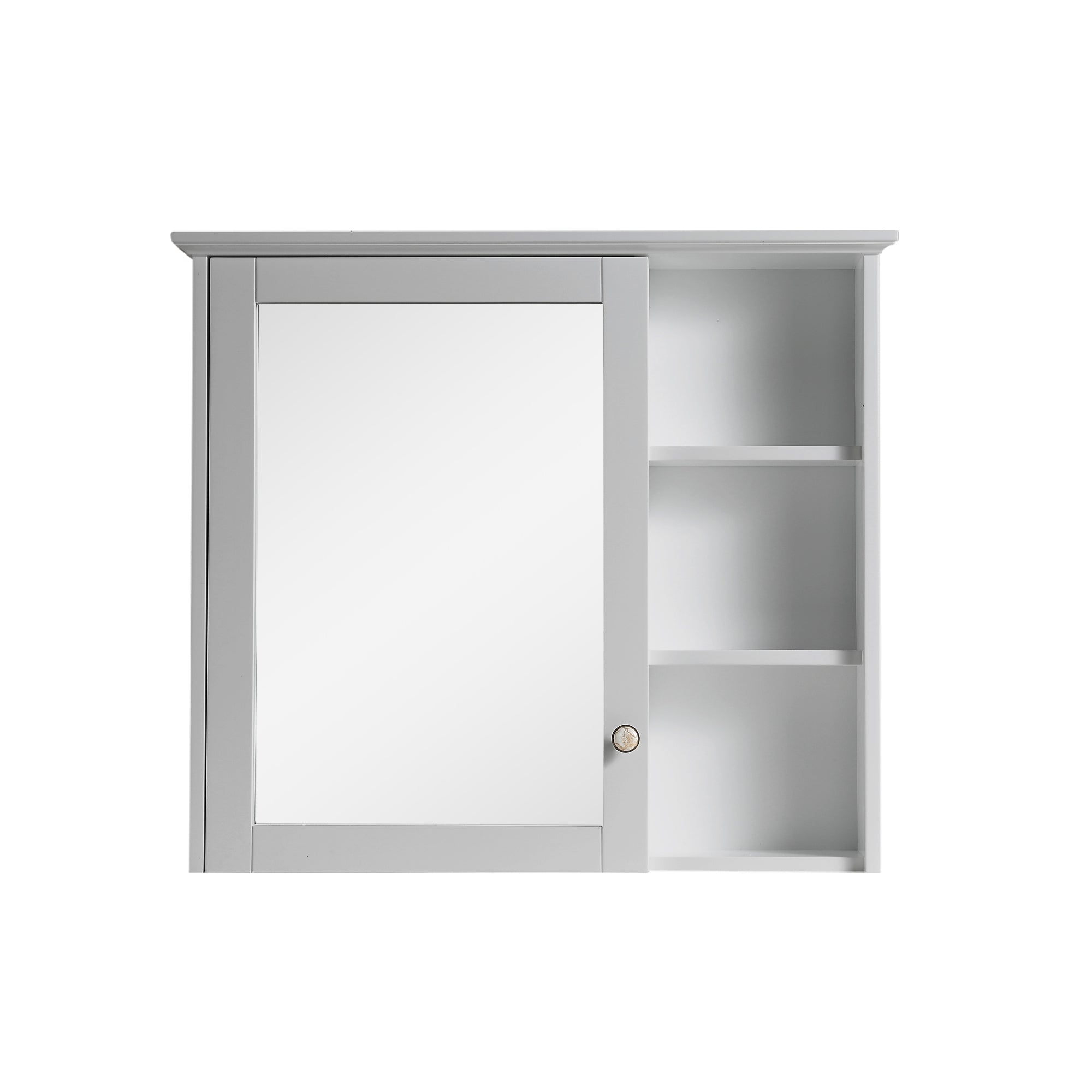
6. It also solves the problem of cluttered countertops: the mirror cabinet type LED mirror hides storage
For many families, mirrors are not just for lighting, but also for storage logic: toothbrushes, razors, skincare bottles, and jars placed on the countertop will definitely be visually messy.
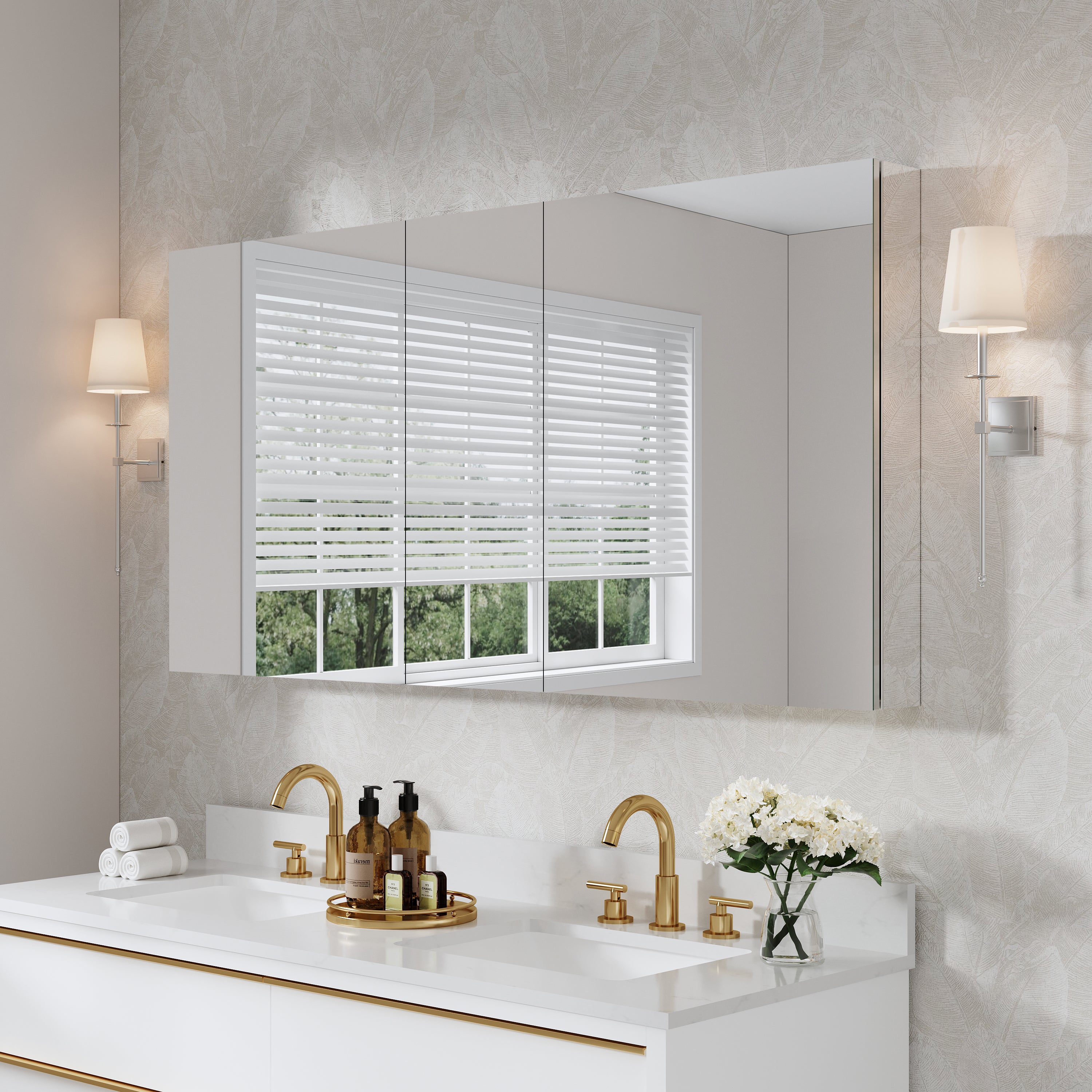
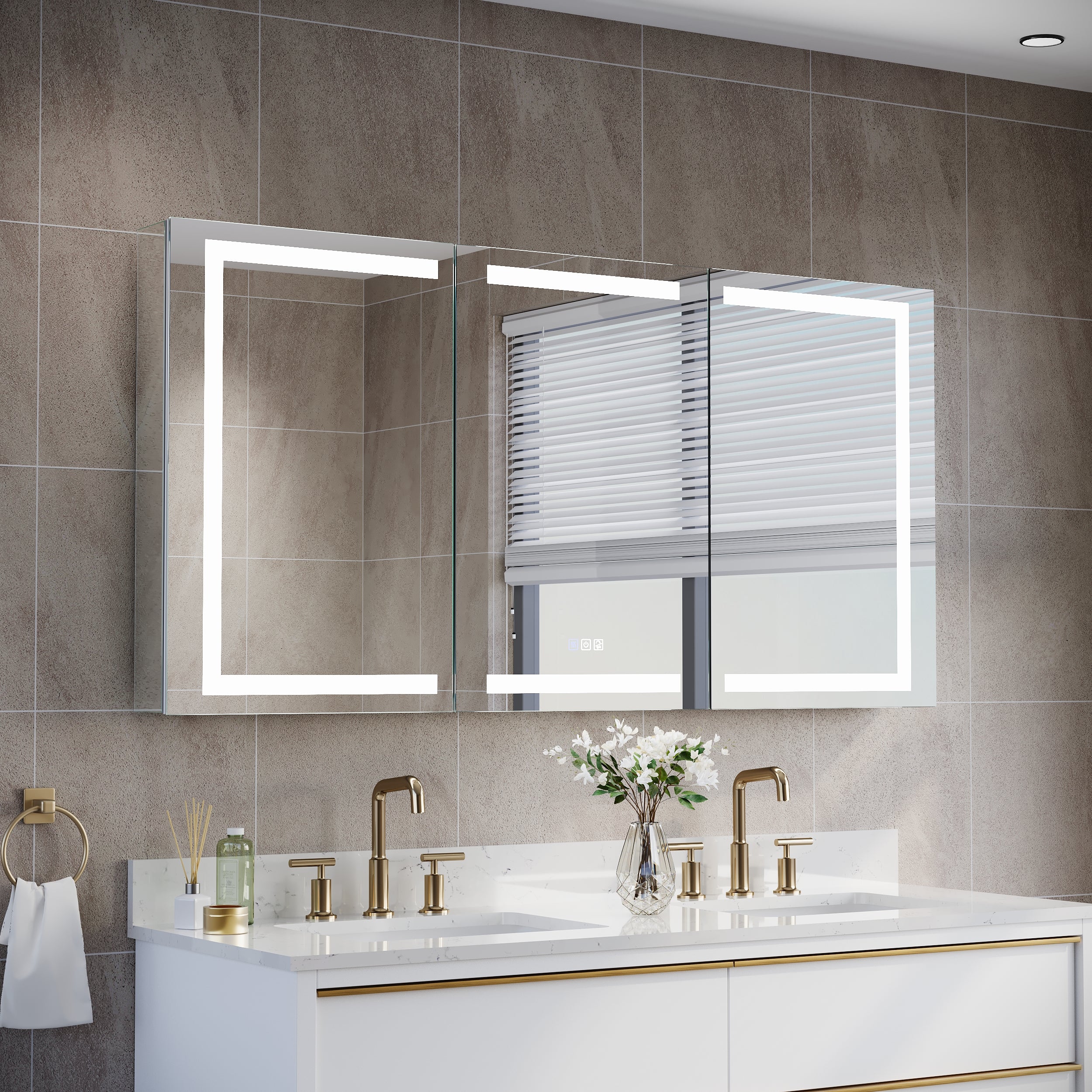
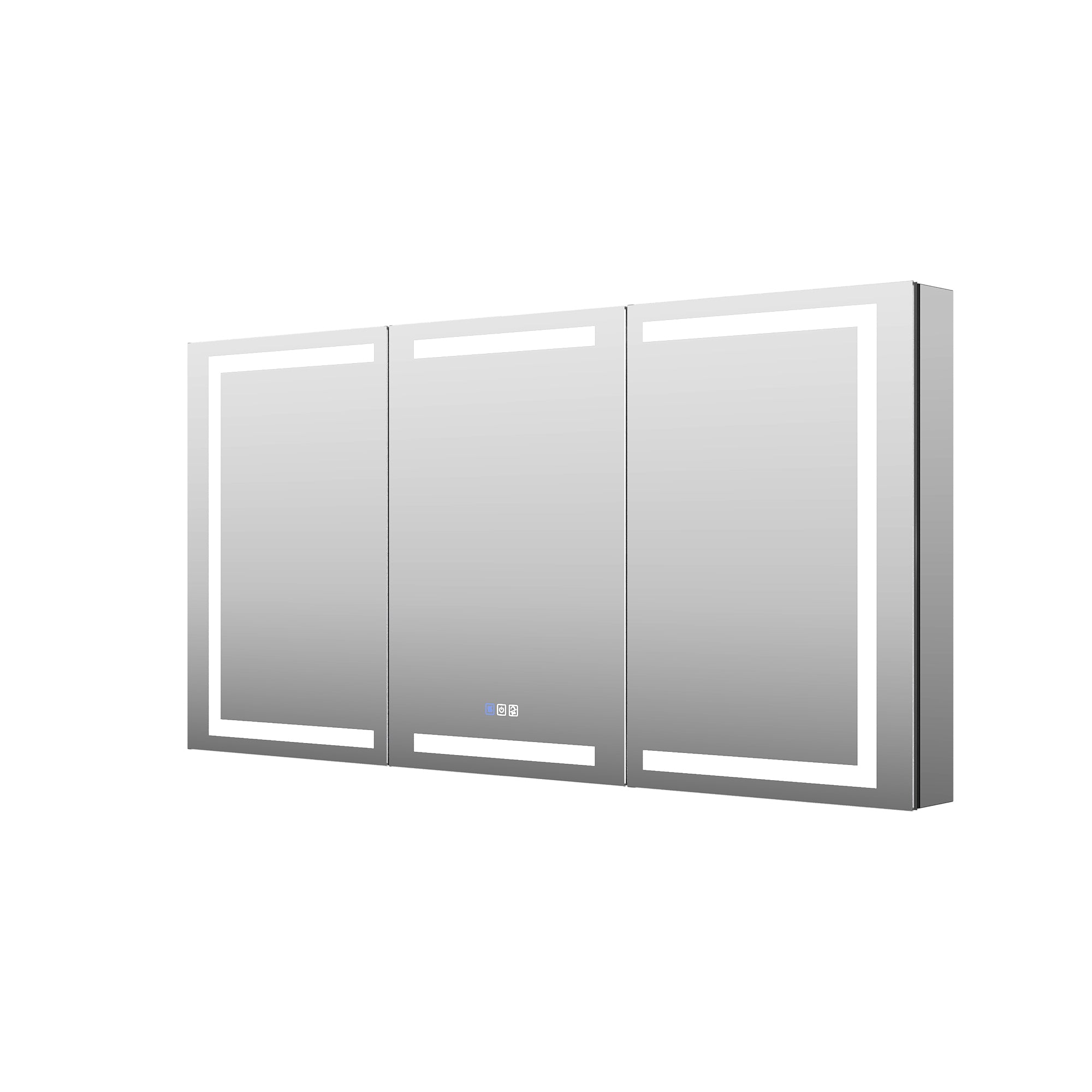
A medicine cabinet with lights hides storage on the wall, making the countertop immediately clean and easier to clean.
This is also an important reason for the increasing popularity of LED mirrors: they have transformed from a single product into the "functional center" of the bathroom (lighting+mirror+storage).
7. Why did you see it explode on e-commerce platforms? Because the installation threshold has been lowered
In the past, to achieve the same experience, it was necessary to customize light strips, make slots, branch switches, and coordinate work types.
Nowadays, many LED mirrors support plug-in or hard-wired connections, with more complete supporting brackets, templates, and instructions, and more standardized installation paths.
For users, decision-making is simpler; For construction, landing is more controllable; For sellers, it is also easier to scale up promotion.
8. Popularity remains popularity, and what truly makes people "enjoy using it" are these 5 key points
If you want to understand why it can remain popular for a long time rather than becoming a short-term internet celebrity, the answer lies in its ability to capture high-frequency experiences:
• Correct direction of light: positive illumination/lateral fill light is more friendly for makeup and shaving
• Dimmable: Not glaring at night, clear enough during the day
• Adjustable color temperature: more stable makeup effect in different environments
• Anti-fog controllable: It is best to have independent control to avoid turning on the heating every time the lights are turned on
• Electrical and structural reliability: driver quality, heat dissipation, and adaptability to humid environments determine how many years it can last.

9. Conclusion: It's popular not because it's "cooler", but because it's "easier and more certain."
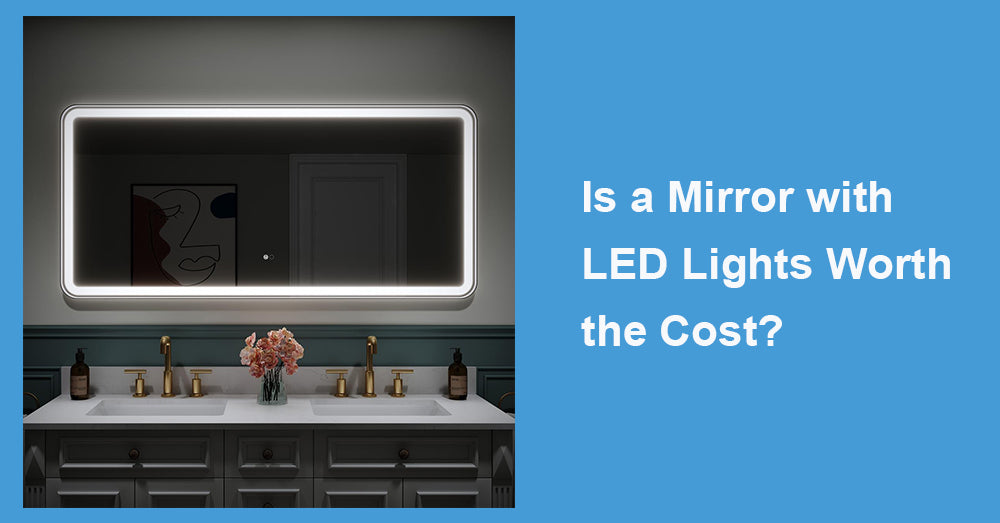
The popularity of LED bathroom mirrors is essentially a standardization of experience upgrade: packaging the correct mirror front light, commonly used anti-fog, clean vision, and simpler installation into a mature category.
For consumers, it reduces the cost of trial and error; for bathroom spaces, it makes daily use smoother and more stable.
If you treat the bathroom as a high-frequency functional space rather than a decorative one, its popularity is easy to understand: it's not the trend that pushes you to buy; once you use it, it's hard to return to the experience of "ceiling light+ordinary mirror".












Leave a comment
This site is protected by hCaptcha and the hCaptcha Privacy Policy and Terms of Service apply.