

















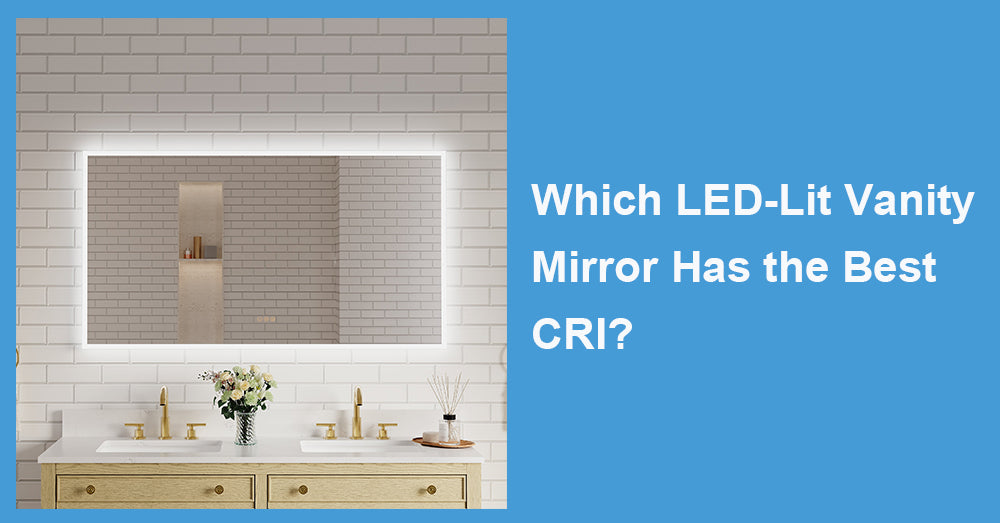
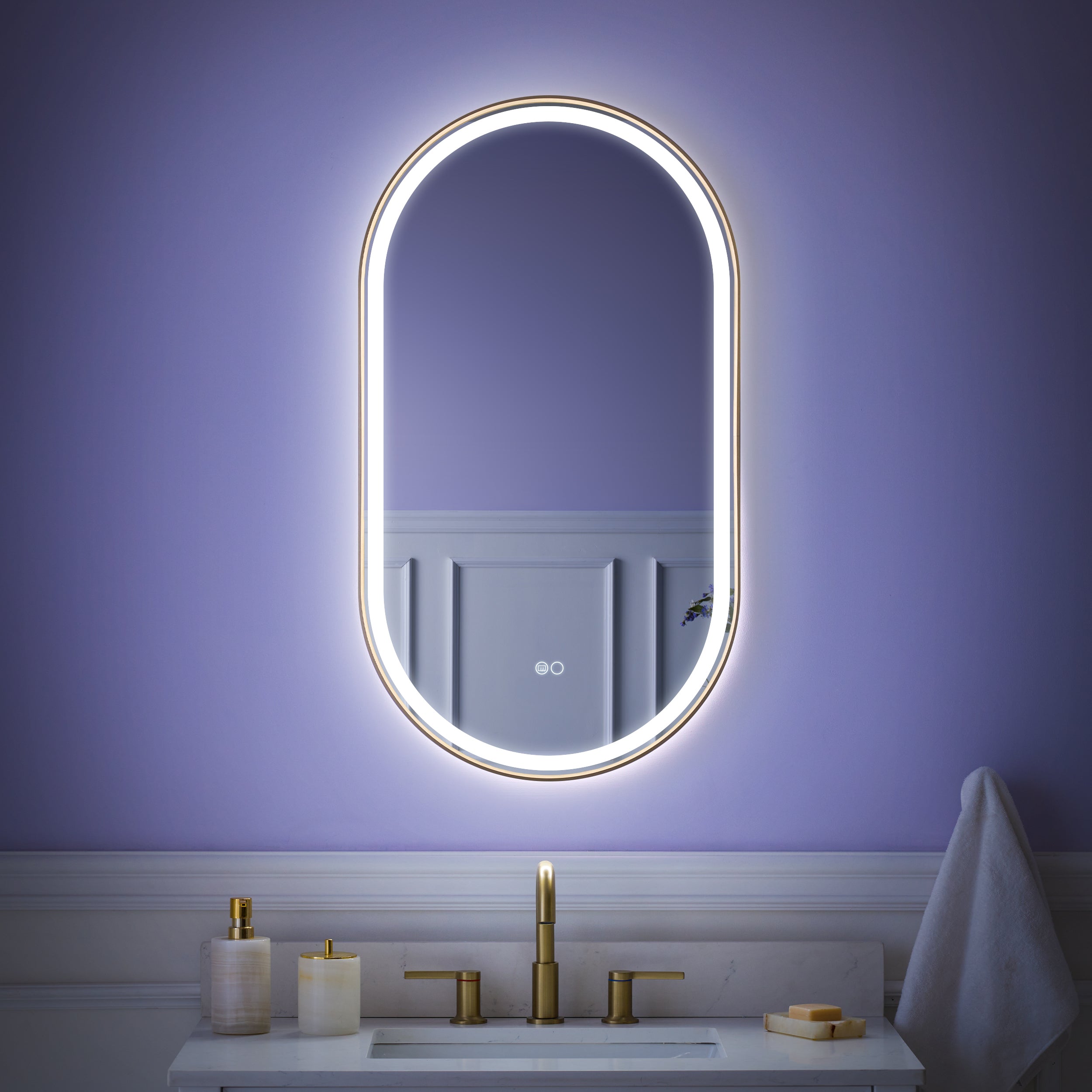
An LED-lit vanity mirror with “the best CRI” is not simply the one with the highest Ra number on a spec sheet. The category is shifting toward richer, more verifiable color-quality claims because shoppers and specifiers are noticing the difference in skin tones, makeup accuracy, and how finishes read under bathroom lighting. DOE guidance also warns that CRI alone is an incomplete predictor of color quality, especially for saturated reds, which is why newer metrics and supplemental values are increasingly used alongside Ra.
CRI Is the Headline Metric, but It Is Not the Whole Story
Most listings still lead with CRI (often written as Ra), because it is familiar and easy to compare. In simple terms, CRI scores how closely a light source renders colors compared with a reference source, with higher numbers generally indicating better color fidelity. DOE notes that a CRI of 90 or higher is typically considered excellent, and LEDs can meet that level.
The catch is that CRI is “averaged” in a way that can hide weaknesses. DOE specifically calls out that CRI is poor at predicting saturated red performance, and that the supplemental value R9 is often used to fill this gap. That matters for vanities because red content influences how skin, lips, and warm wood or brass tones appear in the mirror.
The Best “CRI” Vanity Mirror Usually Means High Ra Plus Strong Reds
If the goal is the most flattering, most accurate vanity lighting, you want more than “CRI 90.” You want “CRI 90+ with strong red rendering,” and ideally, you also want TM-30 metrics that better describe color fidelity and saturation.
DOE explains that TM-30’s fidelity index (Rf) and gamut index (Rg) provide a more comprehensive evaluation of color rendering than CRI alone. The IES also emphasizes TM-30 as a broader system, and notes that using TM-30 metrics for fidelity (Rf and related measures) is conceptually similar to using R9 alongside Ra, but more accurate for human color vision.
So, when the title question asks “Which mirror has best CRI,” the industry-grade answer is: the best-performing model is the one that pairs high Ra with high R9, and backs it up with strong TM-30 performance.
Why This Question Became “News” in the Vanity Mirror Category
A few years ago, “lighted mirror” was mostly a design statement. Now it is a functional upgrade that appears frequently in renovation data. In the 2024 Houzz bathroom trends study, LED lighting is the top upgraded mirror feature at 21%, with anti-fog close behind at 20%, and smaller shares choosing hidden outlets and other add-ons.
As more mirrors become illuminated fixtures rather than passive glass, the lighting spec becomes more important. That is why CRI and related color metrics are increasingly appearing in product copy, spec sheets, and merchant requirement checklists.
A Practical Definition of “Best CRI” for Vanity Use
For vanity tasks, “best” usually means three things at the same time:
First, accurate skin tones. This is where red rendering matters, so R9 becomes a critical companion to Ra. DOE explicitly flags the CRI limitation for saturated reds and the common use of R9 to address it.
Second, balanced saturation. Two products can share the same CRI yet make colors look dull or overly vivid. TM-30’s Rg helps describe whether the light source tends to reduce saturation or increase it, which affects how tile, paint, and cosmetics appear in real life.
Third, consistency across the mirror surface. Even a high-CRI LED engine can look cheap if the diffuser produces hot spots or uneven facial lighting. This is less about a single metric and more about optical design, LED spacing, and diffusion quality.

The Baseline Has Moved, and So Has Verification
A key reason the CRI conversation is heating up is that baseline requirements are widely understood, so premium brands are trying to differentiate above them.
For example, ENERGY STAR’s luminaire requirements set a common floor: for solid-state (LED) luminaires, the product must meet Ra of at least 80 and R9 greater than 0. That is a reasonable general-quality threshold, but it is not “best CRI” for a vanity mirror where skin tones are central.
On the verification side, DOE’s CALiPER program exists specifically to provide unbiased testing and reduce inaccurate performance claims. DOE states CALiPER testing helped discourage low-quality products and inaccurate claims, and that product quality improved as a result. This matters because “CRI 95” is only meaningful if it is backed by credible photometric testing (for lighting products, LM-79 style reporting is commonly referenced in these programs and specs).
How to Spot the Best Color Quality Without a Lab
If you are evaluating listings, line sheets, or supplier spec packs, here is a clean, no-table checklist you can apply.
1. Look for a Ra (CRI) of 90 or higher. DOE frames 90+ as excellent color fidelity.
2. Demand R9, not just Ra. If R9 is missing, you do not really know how well reds will render, and DOE specifically warns that CRI is weak there.
3. If available, prefer TM-30 reporting, especially Rf and Rg. DOE and IES both point to TM-30 as a more comprehensive approach than CRI.
4. Watch for the “too good to be true” combo. A very high CRI claim with no R9, no TM-30, and no credible test report is a risk in a category where optics and thermal design can vary widely. CALiPER exists because this problem has been common enough to require independent testing programs.
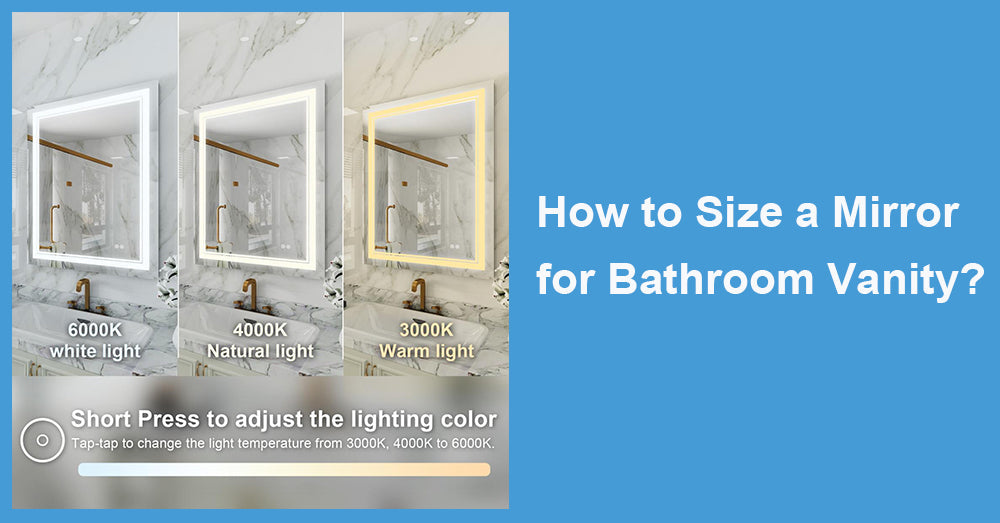
5. Confirm the light appearance you want. Many vanity mirrors offer selectable color temperatures. For everyday grooming, specs often focus around the 3000 K to 4000 K range, but the key is consistency and usable dimming rather than chasing extremes.
What “Best CRI” Looks Like in a Modern LED Lighted Vanity Mirror Spec
If you are writing a product requirement, reviewing factory proposals, or optimizing a premium listing, a strong target profile often reads like this:
Start with Ra at 90+ and push higher when the brand position supports it. Add a meaningful red target via R9, because that is where CRI can hide problems. DOE explicitly highlights the need for supplemental metrics, such as R9, and broader evaluation methods, such as TM-30.
Then layer TM-30 expectations. TM-30’s Rf aligns with fidelity, and Rg helps you avoid mirrors that either wash out cosmetics and finishes or oversaturate them. DOE’s TM-30 guidance notes the method’s expanded scope and superior accuracy versus predecessor tools.
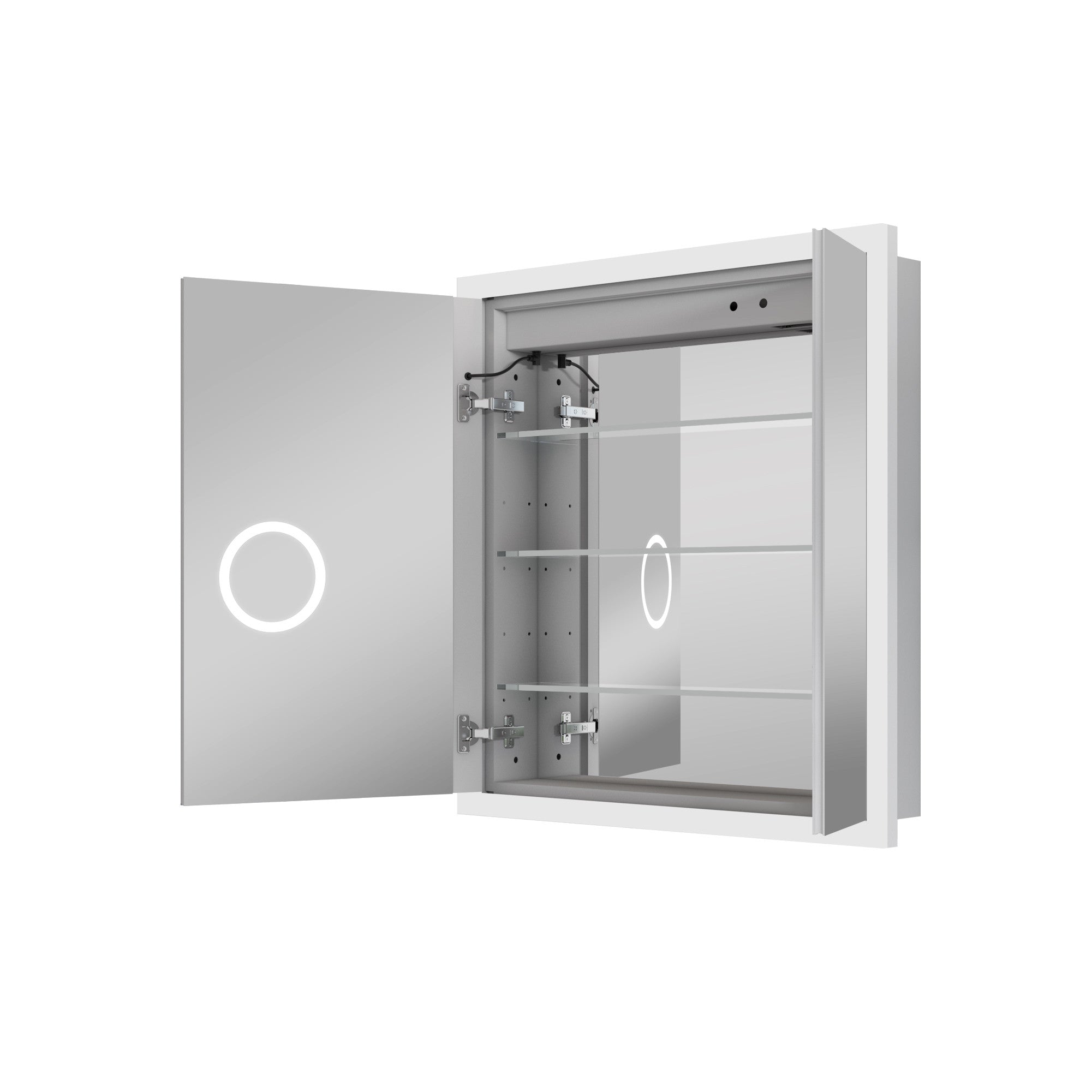
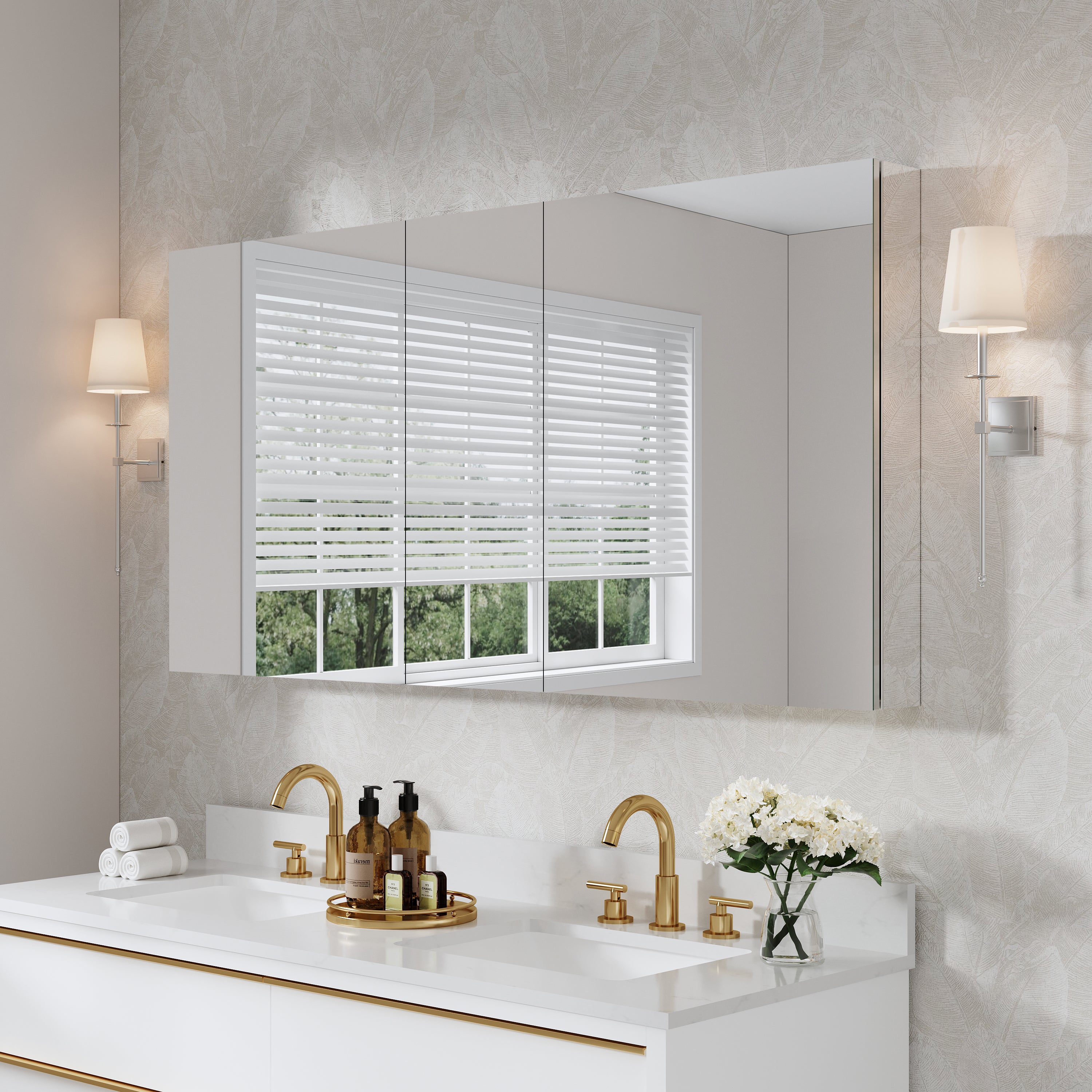
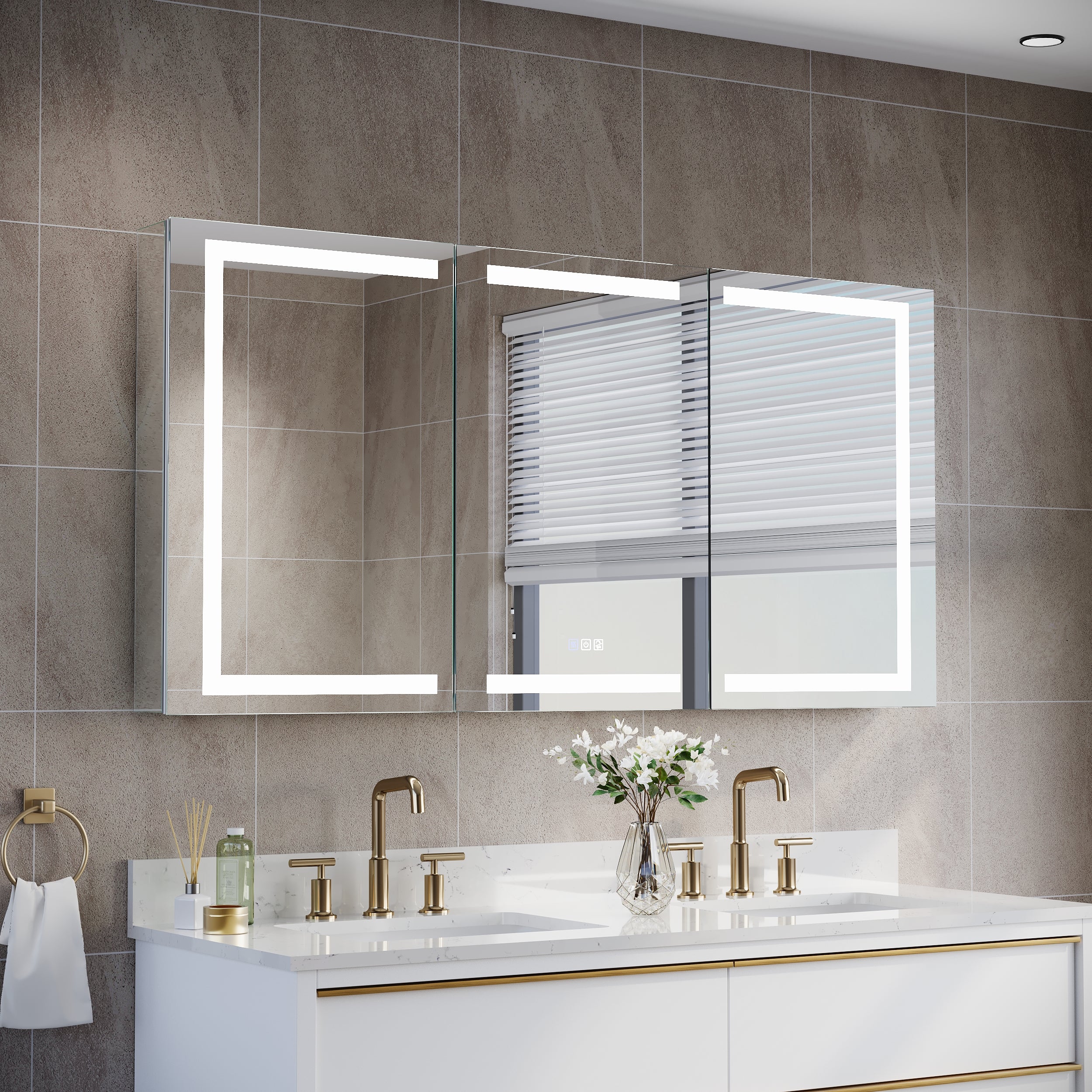
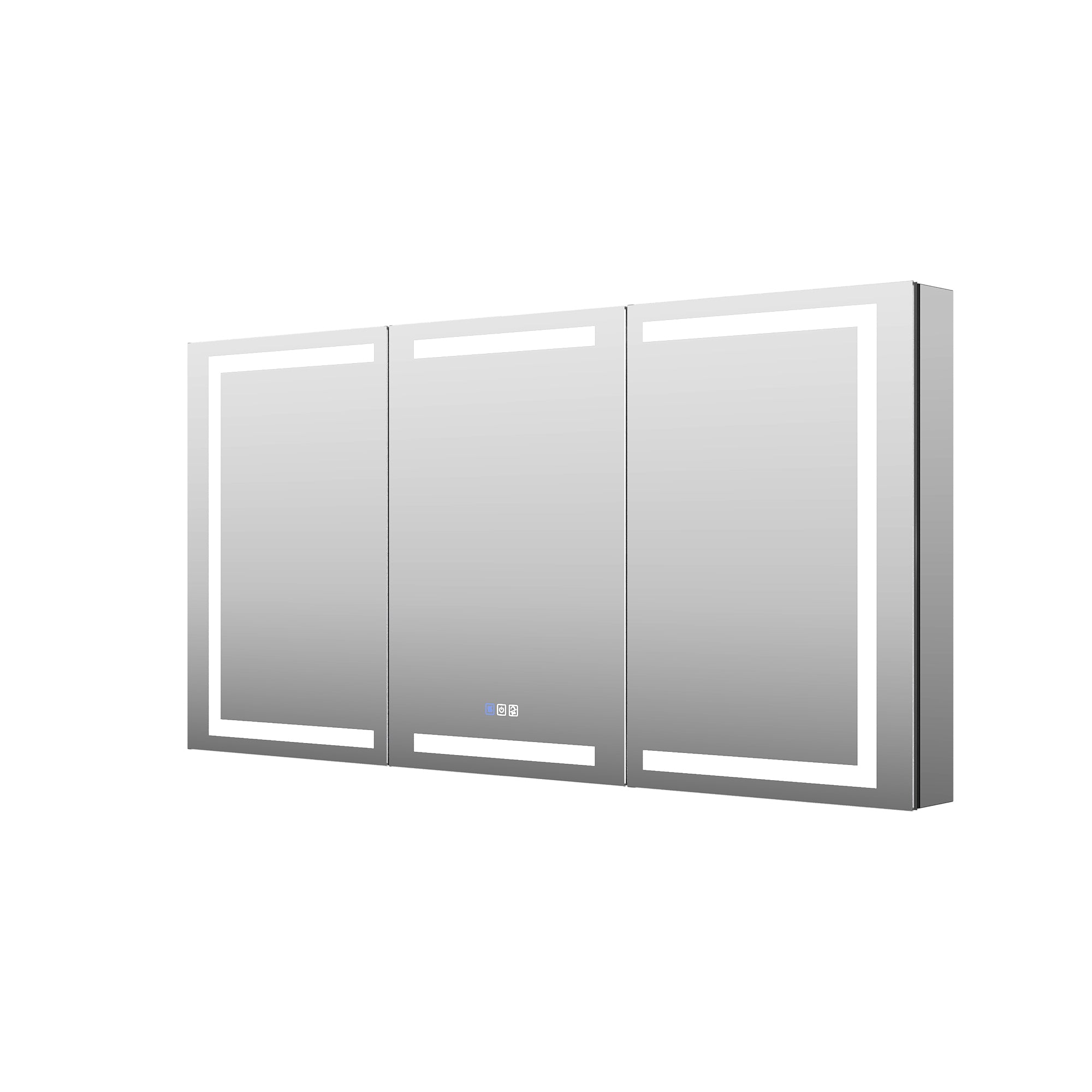
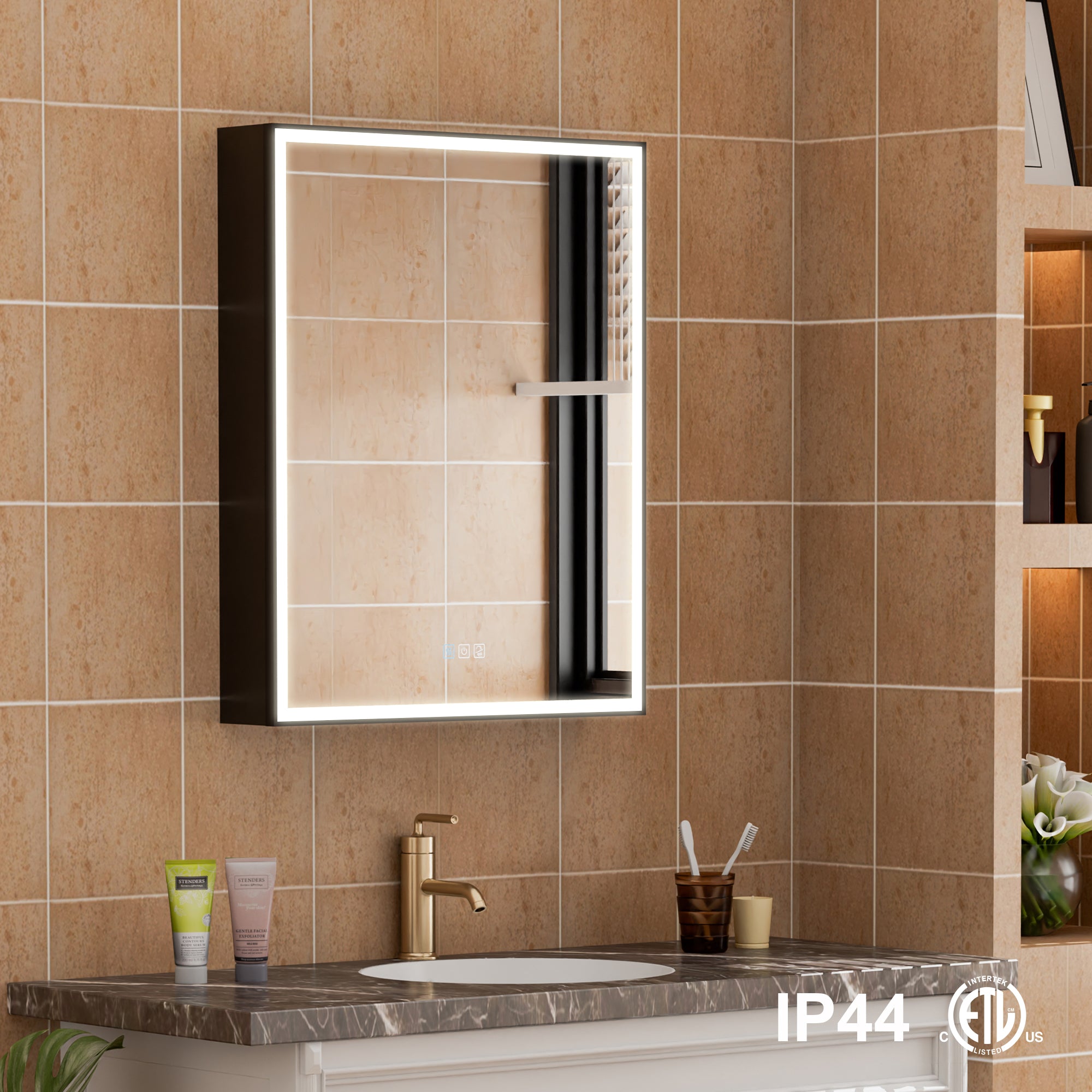
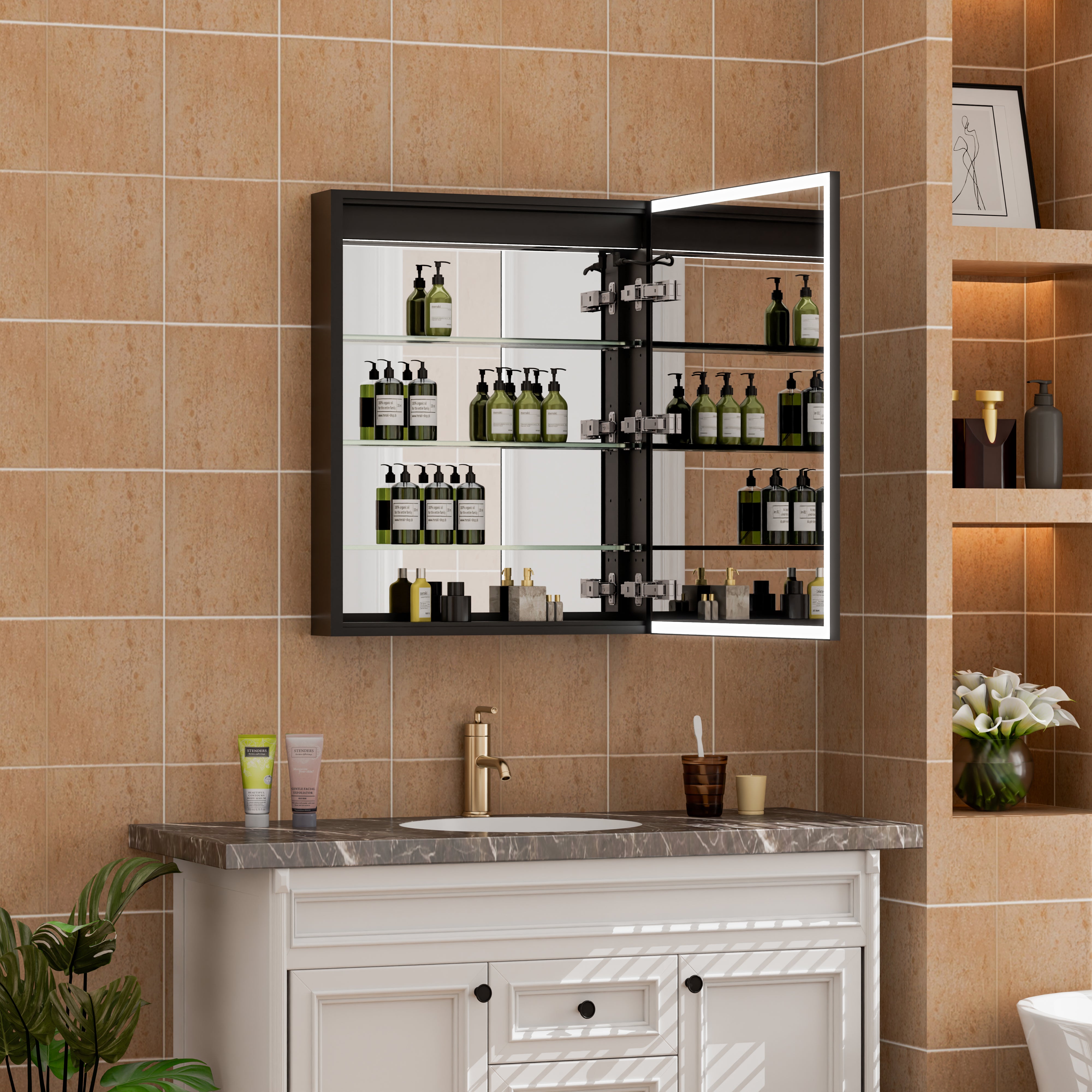
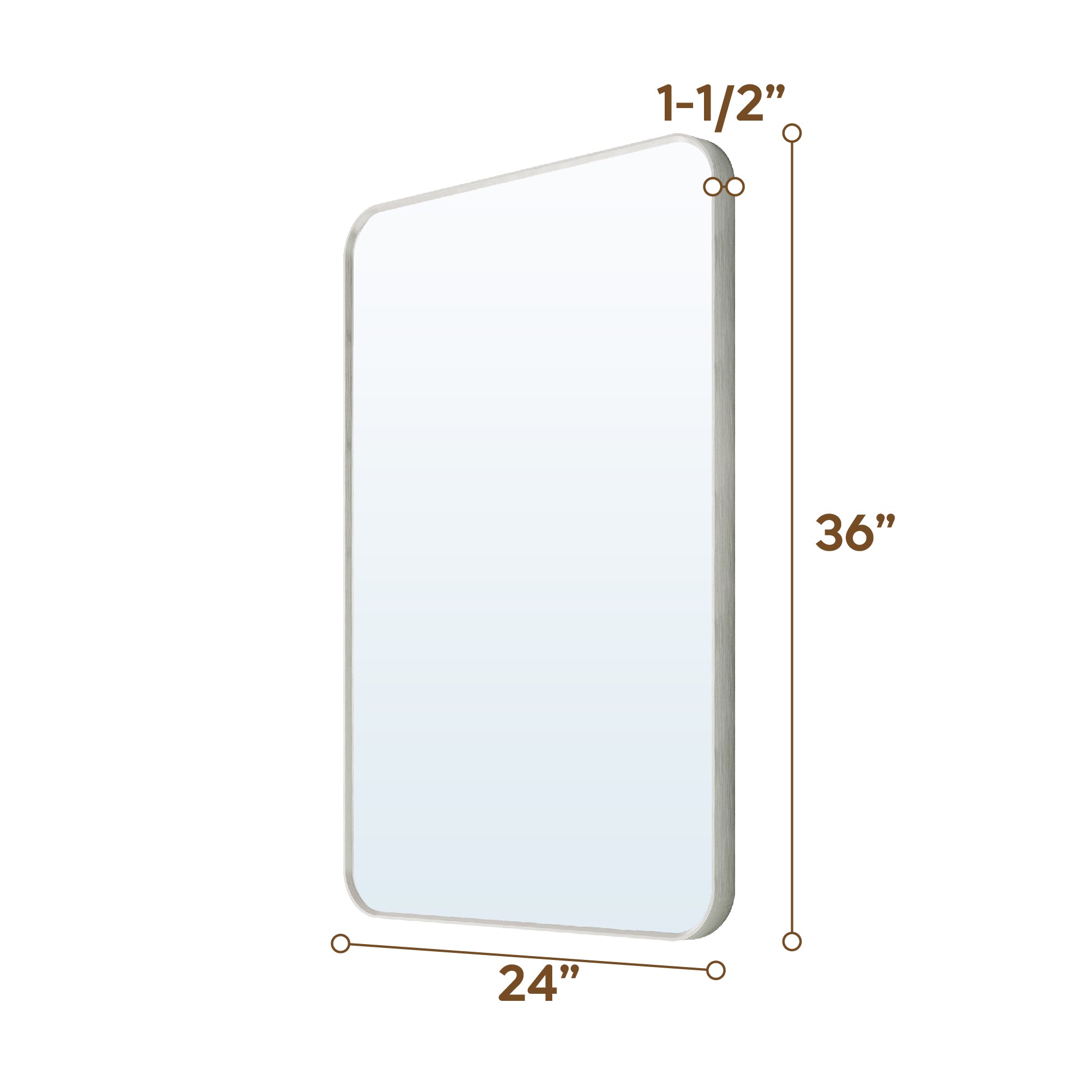
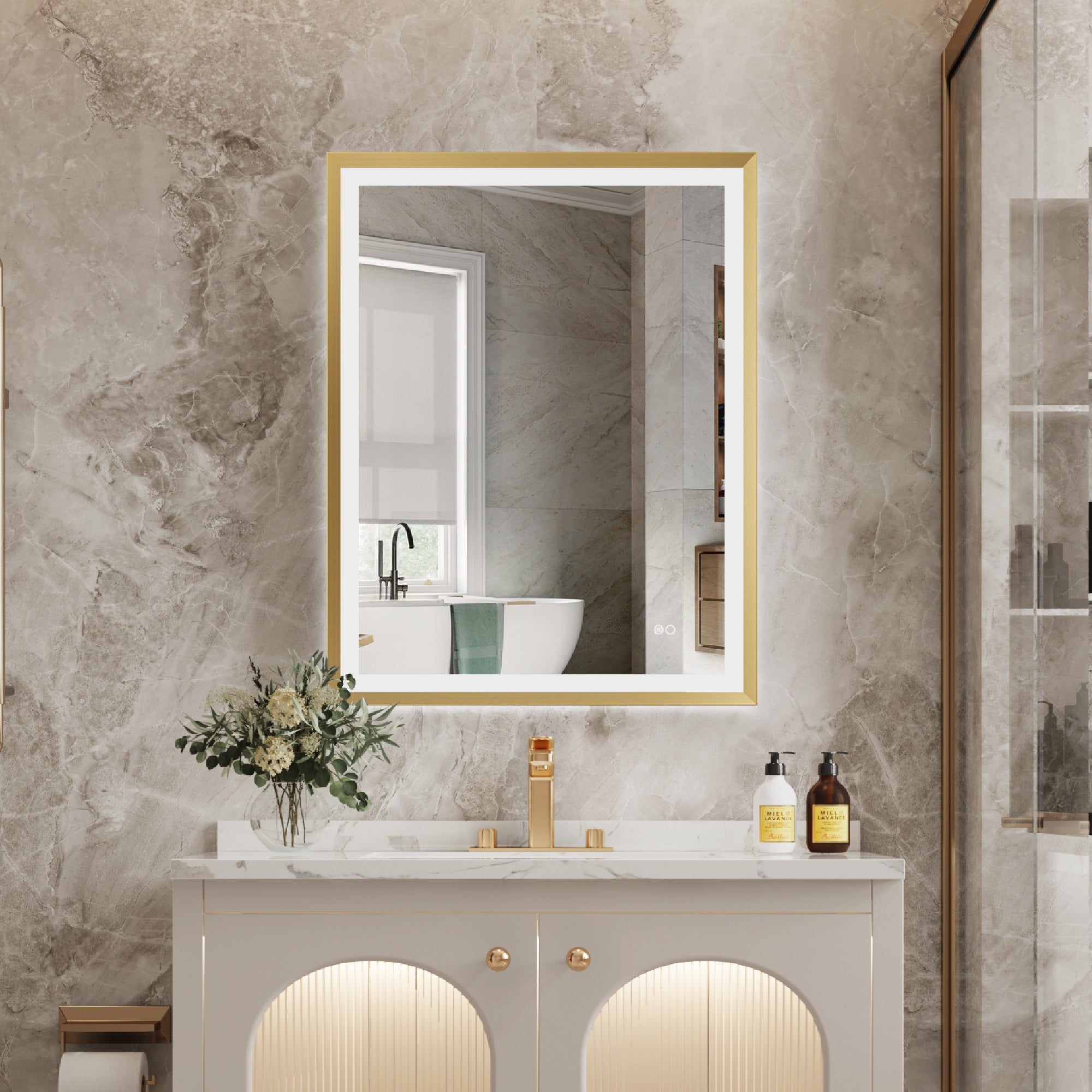
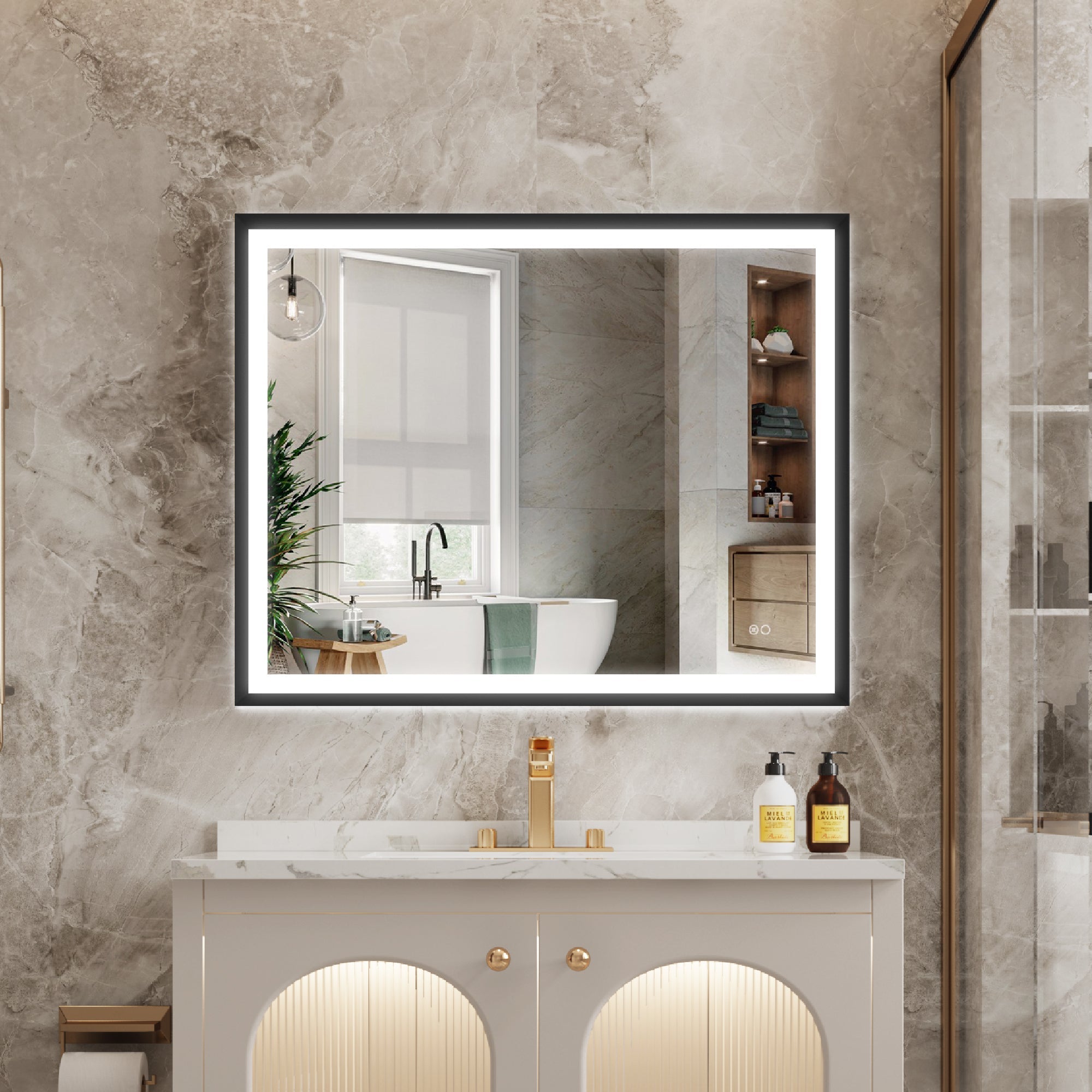
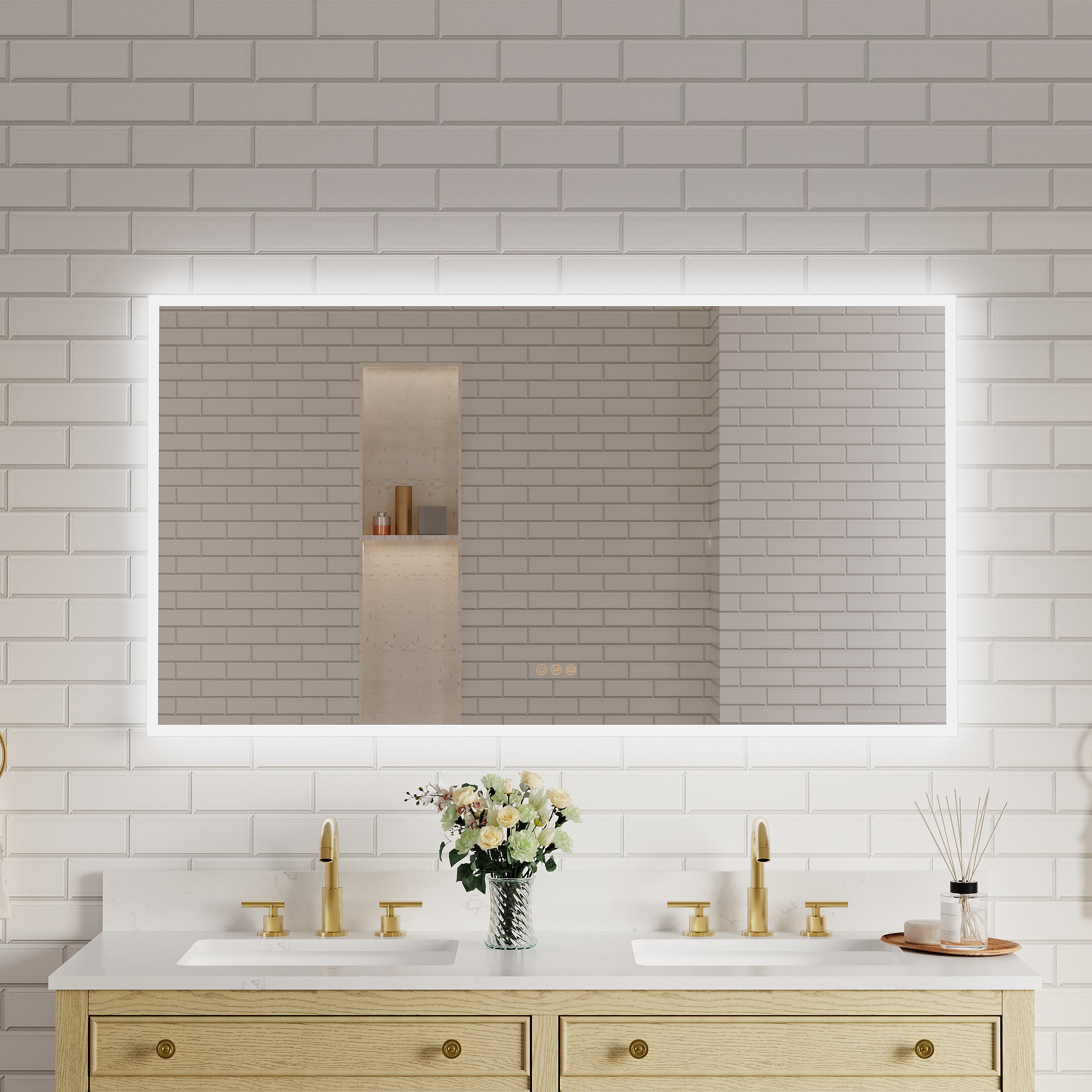
Finally, connect color quality to physical execution. The best-looking mirrors typically also handle real bathroom constraints: damp conditions, consistent diffusion, and stable output over time. Mirror sizes commonly merchandised at 24, 30, 36, and 48 inches should maintain uniform facial lighting across the usable viewing area, not just at the brightest edge band.
So, Which Mirror Has the Best CRI?
In strict industry terms, there is no single universal winner, because “best” depends on what is measured and what is disclosed. The highest-performing LED lighted vanity mirror on paper is the one that shows:
· High Ra (CRI) well above baseline requirements.
· Strong R9 performance, not hidden or omitted.
· TM-30 reporting (Rf and Rg) that confirms fidelity and controlled saturation.
· Credible, test-based documentation aligns with the direction of programs like CALiPER that exist to reduce inaccurate claims.













Leave a comment
This site is protected by hCaptcha and the hCaptcha Privacy Policy and Terms of Service apply.