

















When searching for “shower systems,” many people care less about aesthetics and more about whether the water pressure is strong enough when turned on, whether it remains stable, and whether it fluctuates when multiple people use it simultaneously. First, the bottom line: “Water pressure” is rarely determined solely by the showerhead set. Greater factors include your home's water supply pressure, pipe diameter/layout, valve flow rate, and flow-limiting design. However, choosing the right system can indeed optimize existing conditions—especially under the same water pressure—delivering fuller, more stable, and more powerful water flow.
First, clarify what “water pressure” means to you.
When people casually say “high water pressure,” they typically mean three things:
Flow: The volume of water per unit time, directly determining “punch” and coverage area.
Pressure Stability: Whether your water suddenly weakens or heats up when someone else turns on the sink or toilet.
Spray Pattern: Even with the same flow rate, different nozzle designs create vastly different sensations—concentrated sprays feel more “powerful,” while rain-like sprays feel more “gentle.”
Therefore, the “best water pressure” shower systems aren't necessarily those with the highest flow rate. Instead, they feature high-flow valves that remain stable during pressure fluctuations and showerheads that deliver water with greater force.
The Three Core Factors Truly Determining Water Pressure: Water Supply, Valve Body, Spray Head
Water Supply Conditions (Your Home's Foundation)
Municipal water supply, floor height, water heater output capacity, pressure-reducing valve settings, resistance from water softeners/filters, and aging/scaled pipes can all contribute to perceived “insufficient water pressure.”
Valve Body & Manifold (The System's “Heart”)
The valve body's bore size, internal flow path design, and inlet specifications directly determine water throughput. No matter how luxurious the exterior, a low-flow valve body is useless.
For multi-function systems (overhead shower + handheld + side spouts), pay extra attention to whether the manifold supports high flow rates and whether pressure loss is significant during switching.
Showerhead/Handheld (The “Amplifier” of Sensation)
Larger overhead sprays require higher flow rates; if the flow is inherently low, they will feel weak and limp.
At the same flow rate:
- Finer, denser pinholes create a softer feel
- More concentrated spray holes or pressurized structures deliver a firmer, more invigorating feel

Which Shower System Types Are More Likely to Deliver a “Powerful Water Pressure Sensation”?
Ranked by likelihood of delivering a more substantial sensory experience:
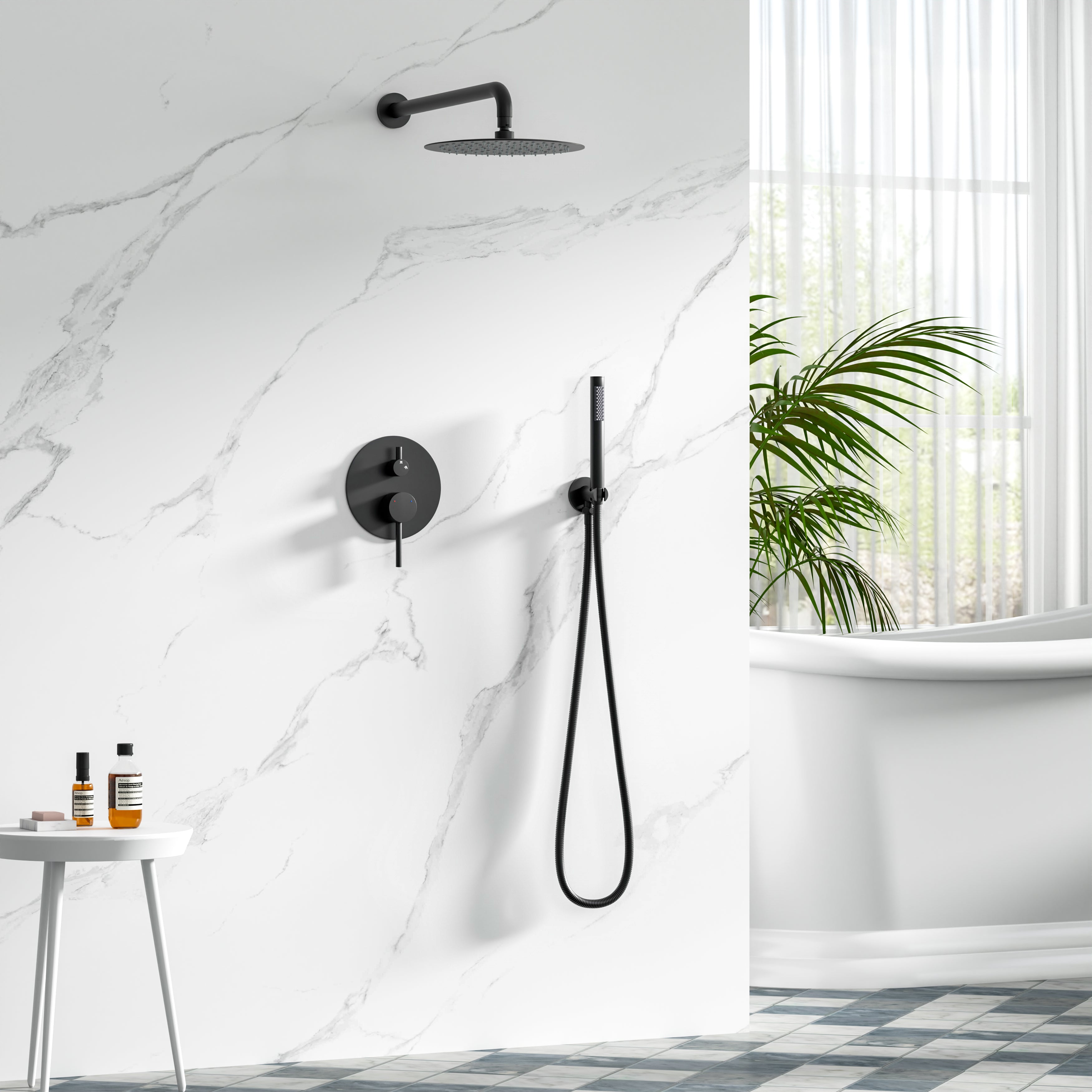
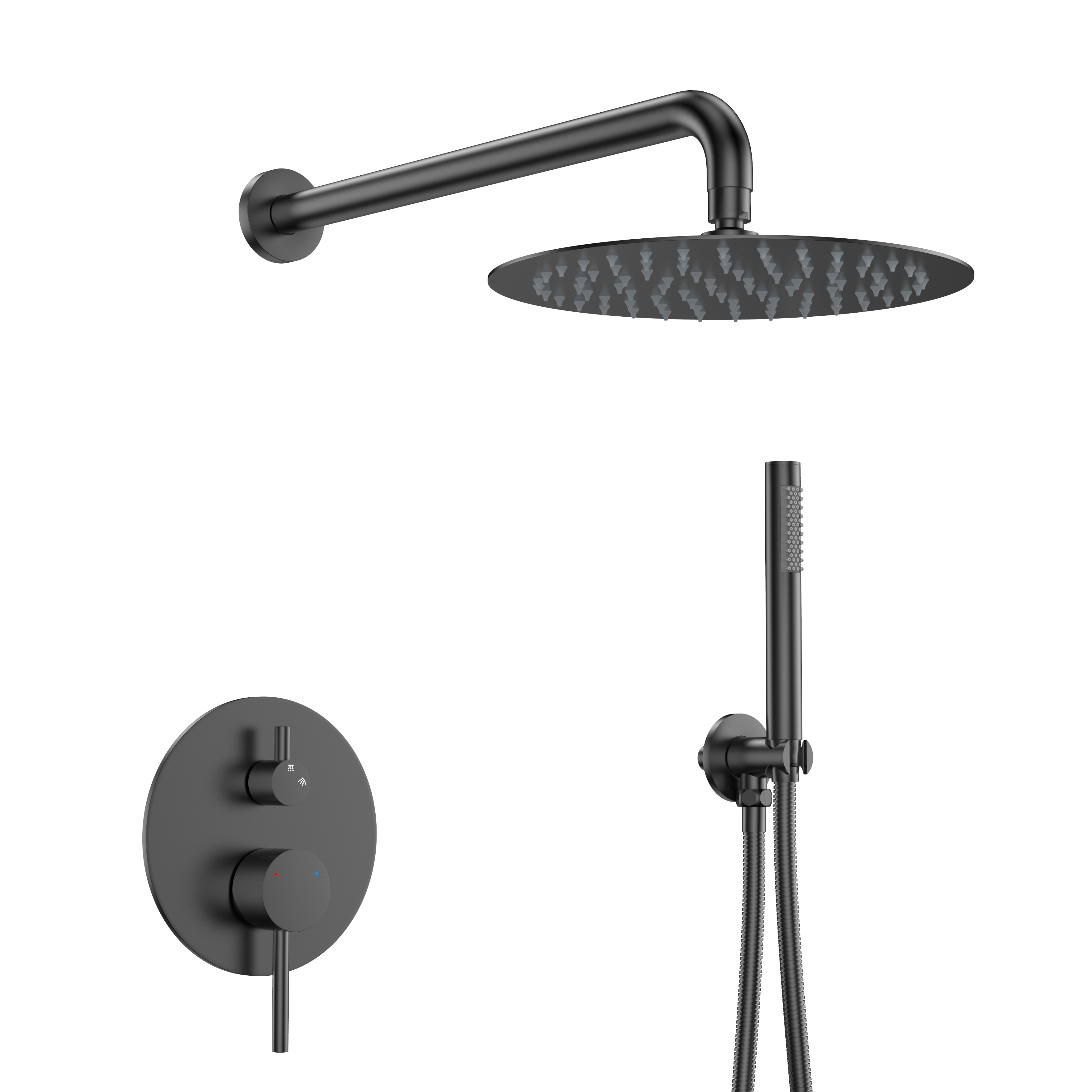
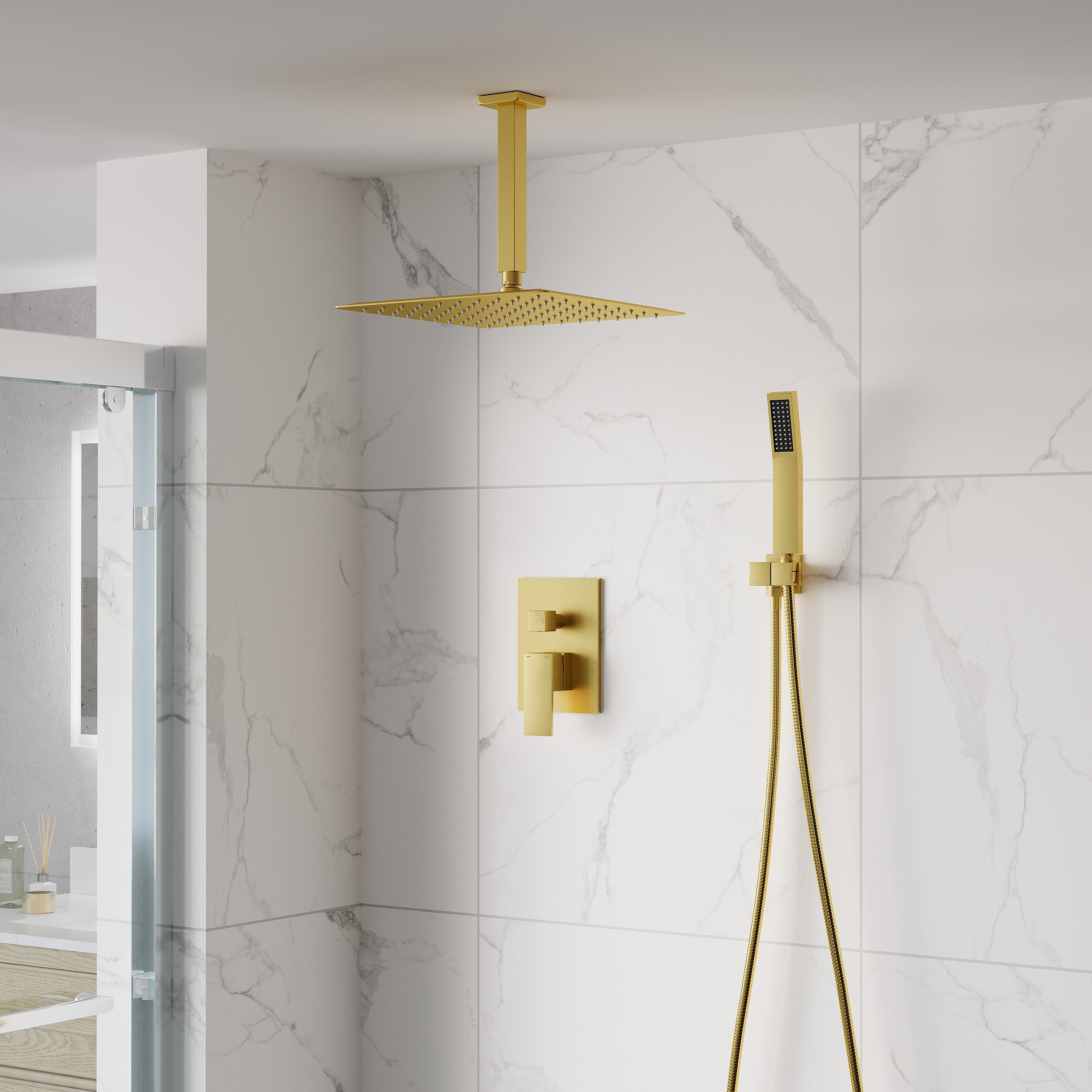
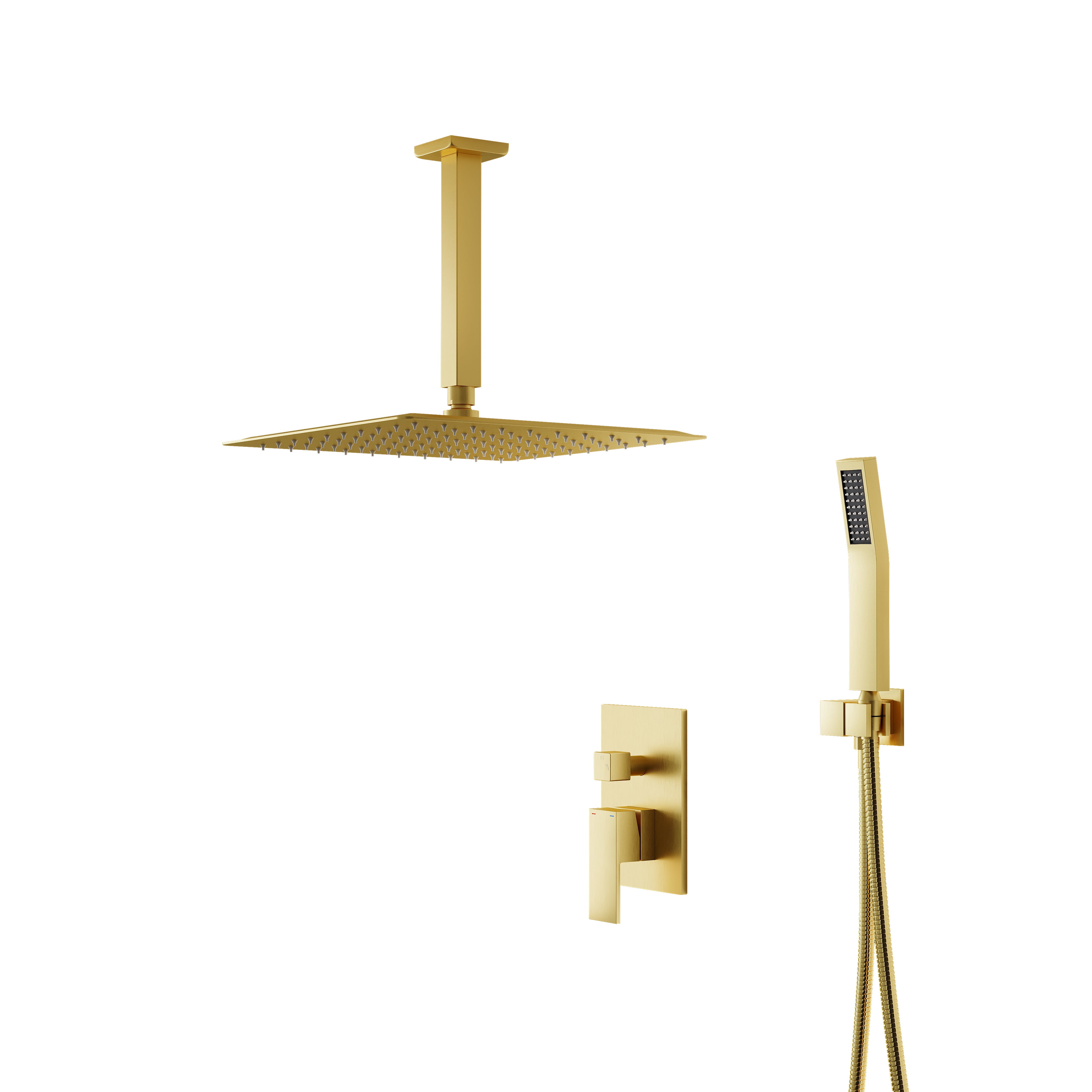
A. High-flow valve body + standalone overhead shower/handheld combo (concealed or exposed installation)
These typically feature sturdier valve bodies with larger flow channels, plus optimized nozzle structures for both overhead and handheld units.
Key terms to look for: high-flow valve body / large bore / low-pressure drop diverter.
Suitable for: Households seeking pronounced “powerful flow,” stable performance, and ample upgrade potential.
B. Exposed Shower Column with Higher-Spec Valve Body
Exposed columns simplify installation, but many entry-level models feature highly integrated valve bodies with narrower flow channels.
If choosing an exposed column, prioritize:
Simpler structure with fewer bends
Larger inlet specifications, heavier and more substantial valve body
Clear switching feel and stable damping in the diverter (often indicating more reliable internal construction)
Suitable for: Those wanting to save on installation costs without sacrificing too much water experience.
C. Combination systems with “pressure-boosting spray/turbo handheld” (emphasizing sensory experience)
Some handheld units create a “pressure-boosted sensation” through nozzle design and internal flow guidance (not by increasing actual water pressure, but by concentrating the same water flow).
If your home has low water flow, these systems can make the water feel “stronger.”
Suitable for: Apartments, high-rise buildings, older homes with narrow pipes where “enhanced water sensation” is the priority.
Configurations that “look impressive” but struggle to maintain water pressure
For intense water pressure, exercise caution with these:
Oversized overhead showerheads (fragile, large-panel designs): Require higher flow rates to maintain a cohesive water curtain.
Overloaded shower panels: Multiple nozzles, complex flow paths, and high pressure loss often result in average water pressure, leading to “nothing performing well.”
Excessive series components: Filters, check valves, angle valves, excessively long hoses, and narrow-diameter hoses all steal flow.
Focus on the 6 “High-Pressure Friendly” Criteria When Selecting
No need to memorize specs—just filter by these 6 points:
High-flow valve body/large bore: Prioritize the valve body itself, not just the showerhead's appearance.
Low pressure drop in manifold: Crucial for multi-outlet systems to prevent “stuttering” during switching.
Nozzle-to-flow rate matching: Avoid oversized overhead sprays with average water pressure; opt for concentrated spray patterns or handhelds with “pressure-boosting technology” for stronger flow.
Optimal pipe diameter and connections: Use larger diameters whenever possible, rather than settling for narrower pipes (especially in renovations).
Anticipate flow-restricted designs: Some systems ship with stricter flow limits, resulting in a softer water feel. If you seek a “powerful rush,” choose spray patterns positioned for stronger performance.
Stable hot/cold control: Pressure-balancing valves/thermostatic valves reduce sudden temperature fluctuations. This stability enhances the overall “good water pressure” experience.
When your home's water pressure is suboptimal, take these three steps before replacing the system.
Many people replace the entire system only to find a slight improvement. A more effective sequence is:
Check and clear blockages: Limescale in shower nozzles, clogged inlet filters, and insufficient angle valve opening.
Verify hot water capacity: When the water heater output is insufficient, mixing with cold water will weaken the overall flow.
Assess pipe pressure loss: Old homes with narrow pipes, excessive bends, or high-resistance filters can prevent even the best shower systems from performing optimally.
After completing these three steps, upgrading to a “high-flow valve body + appropriately sized showerhead” will yield more noticeable and stable improvements.
The Most Practical Conclusion: What Shower Systems Are Most Likely to Deliver “Optimal Water Pressure”
If you want a one-sentence answer:
Choose a shower system featuring a "high-flow valve body/low-resistance manifold + a showerhead matched to your water supply conditions (avoid oversized overhead sprays) + temperature/pressure regulation capability." This configuration delivers the most powerful, consistent, and durable water flow experience.
Don't be fooled by “impressive-looking” large overhead sprays or numerous nozzles. What truly enhances your daily shower experience is the system's inherent flow capacity and pressure loss control, combined with appropriate spray patterns that maximize water force.














Leave a comment
This site is protected by hCaptcha and the hCaptcha Privacy Policy and Terms of Service apply.