

















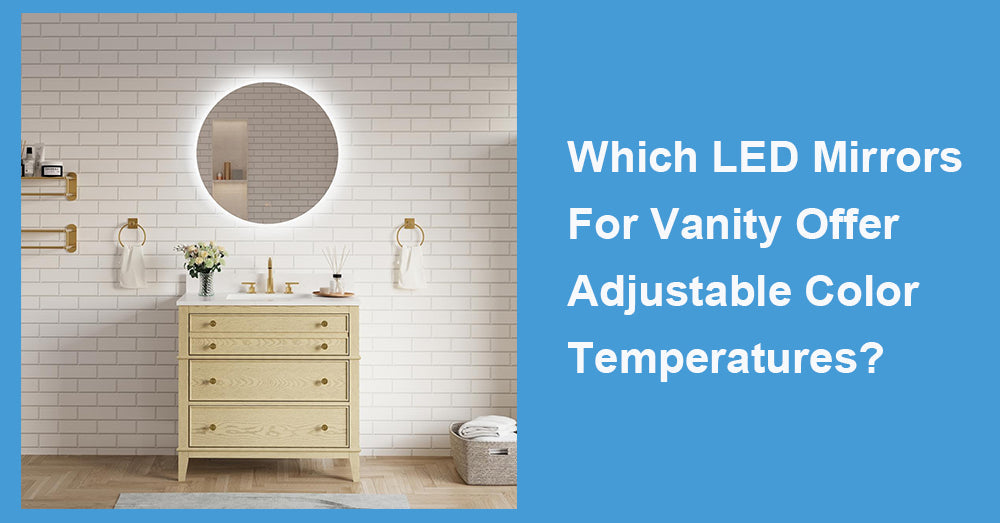
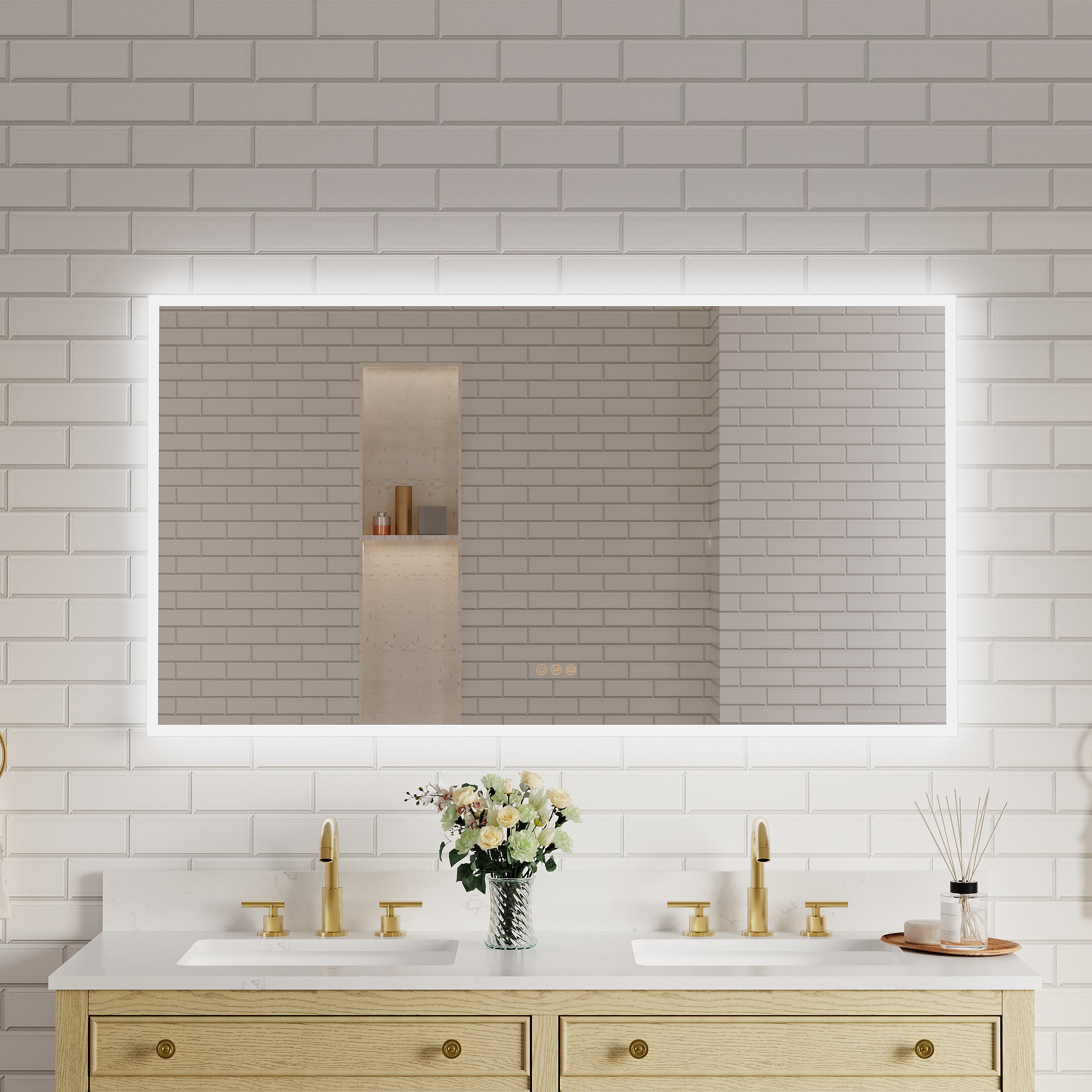
LED mirrors for vanity are no longer just a sleek upgrade. They are becoming a practical lighting tool for shaving, skincare, makeup, and late-night routines, as many newer models now offer adjustable color temperature, dimming, and improved color rendering. That shift makes sense: the Department of Energy notes that good-quality white LED products commonly deliver long useful lives in the 30,000 to 50,000-hour range or more, while ENERGY STAR explains that light quality is often judged by both correlated color temperature, or CCT, and CRI, with qualified bulbs required to reach a CRI of at least 80. In short, today’s better vanity mirrors are doing more than reflecting a face. They are helping shape the light around it.
1. What adjustable color temperature really means
When a vanity mirror offers adjustable color temperature, it means the user can shift the light from warmer to cooler tones depending on the task. Warm settings often sit around 2700K to 3000K, while cooler settings can range from 4000K to 5000K, or even higher. ENERGY STAR materials describe color temperature in kelvin as the visual warmth or coolness of light, and connected LED lighting examples published through ENERGY STAR show tunable-white systems with continuous control from 2700K to 5000K. That range is especially useful at the vanity, since grooming tasks do not always benefit from the same lighting. A softer evening glow and a crisp morning task light are not the same thing, and fixed-output mirrors cannot adapt the way tunable ones can.
2. The mirrors most likely to offer it
The LED mirrors for vanity most likely to offer adjustable color temperatures are integrated LED models with touch controls, dimmable drivers, and memory settings. In the broader lighting world, tunable-white functionality is already established in connected LED luminaires, not as a fringe feature but as a mature one. NKBA’s 2026 Bath Trends Report also points in the same direction: 92% of respondents said task lighting should always be included in the primary bath, and 47% favored integrated lighting in mirrors over the next three years. That means the mirrors most worth watching are not basic framed mirrors with a decorative glow. They are purpose-built vanity mirrors designed as task lighting first and décor second.
3. The best ranges to look for
Not every adjustable mirror is equally useful. Some only switch among three preset color points, such as 3000K, 4000K, and 6000K. Others offer a broader, smoother span, such as 2700K to 5000K. From a practical standpoint, the most versatile vanity mirrors usually cover at least warm white through daylight-style white, because that lets one mirror support relaxed ambient use and precise grooming. ENERGY STAR educational materials aimed at home lighting show 2700K to 3000K as common preferred warm residential tones, while also explaining that higher CCT values appear cooler. For a vanity, that means a mirror with a wider tuning band gives the user more control over how skin tones, beard lines, or cosmetics appear at different times of day.
4. Why CRI matters as much as color temperature
Color temperature gets the headlines, but CRI often makes the bigger difference once the mirror is actually in use. At the vanity, that matters a lot. A mirror can offer adjustable CCT and still feel disappointing if lipstick, foundation, skin undertones, or shaving detail look flat or off. The best adjustable vanity mirrors are the ones that pair tunable white light with CRI 90 or better, not just flashy touch buttons.
5. Mirror formats that perform best for grooming
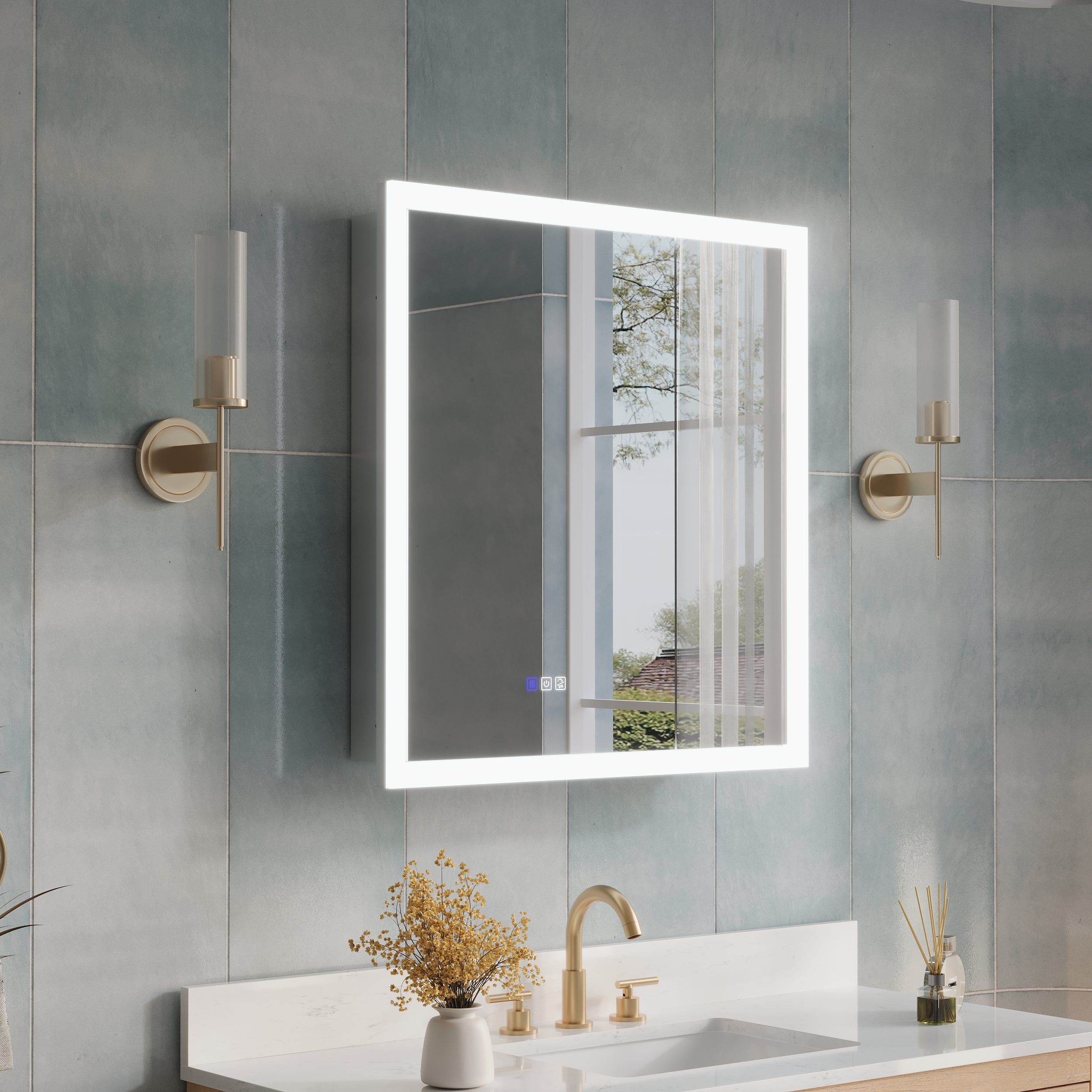
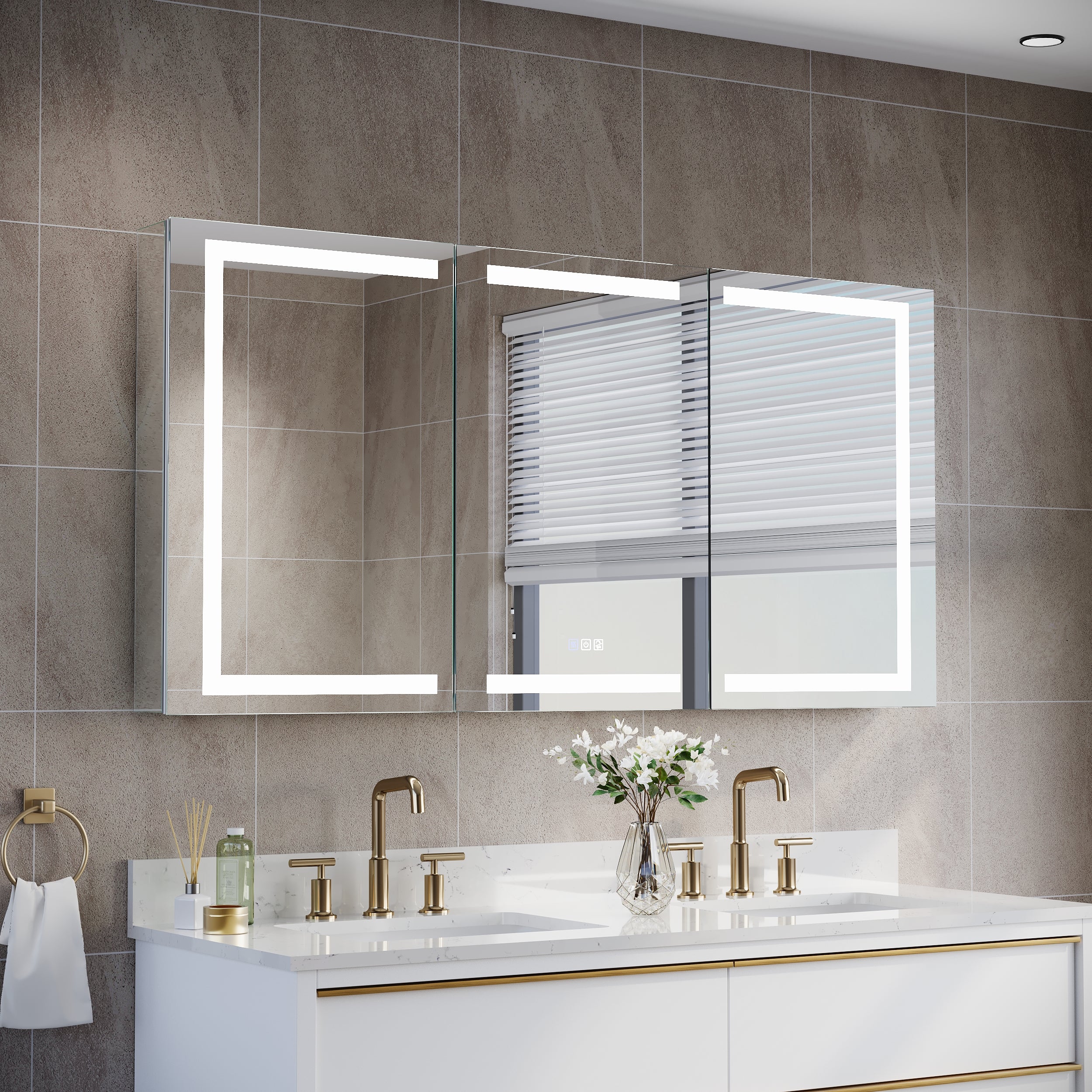
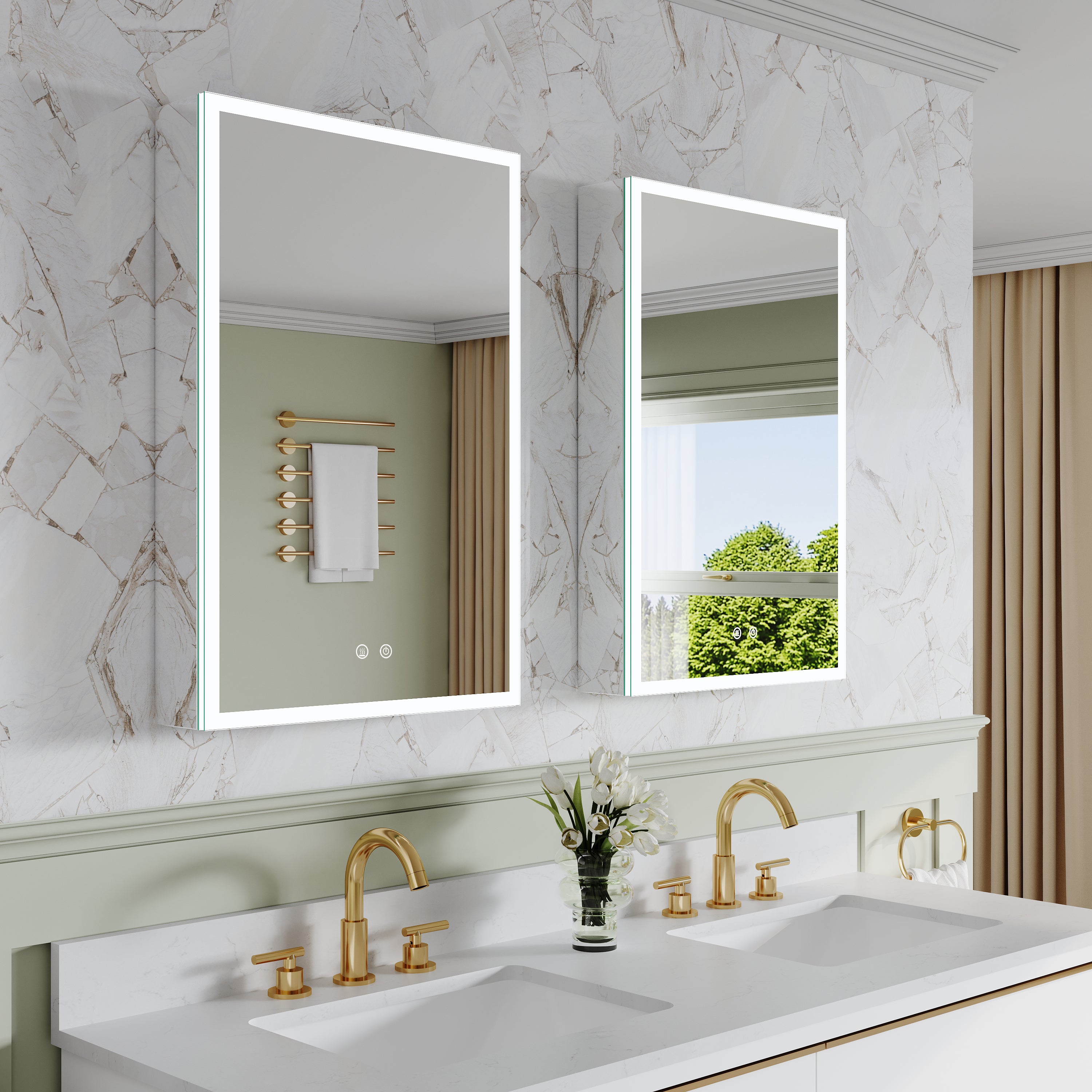
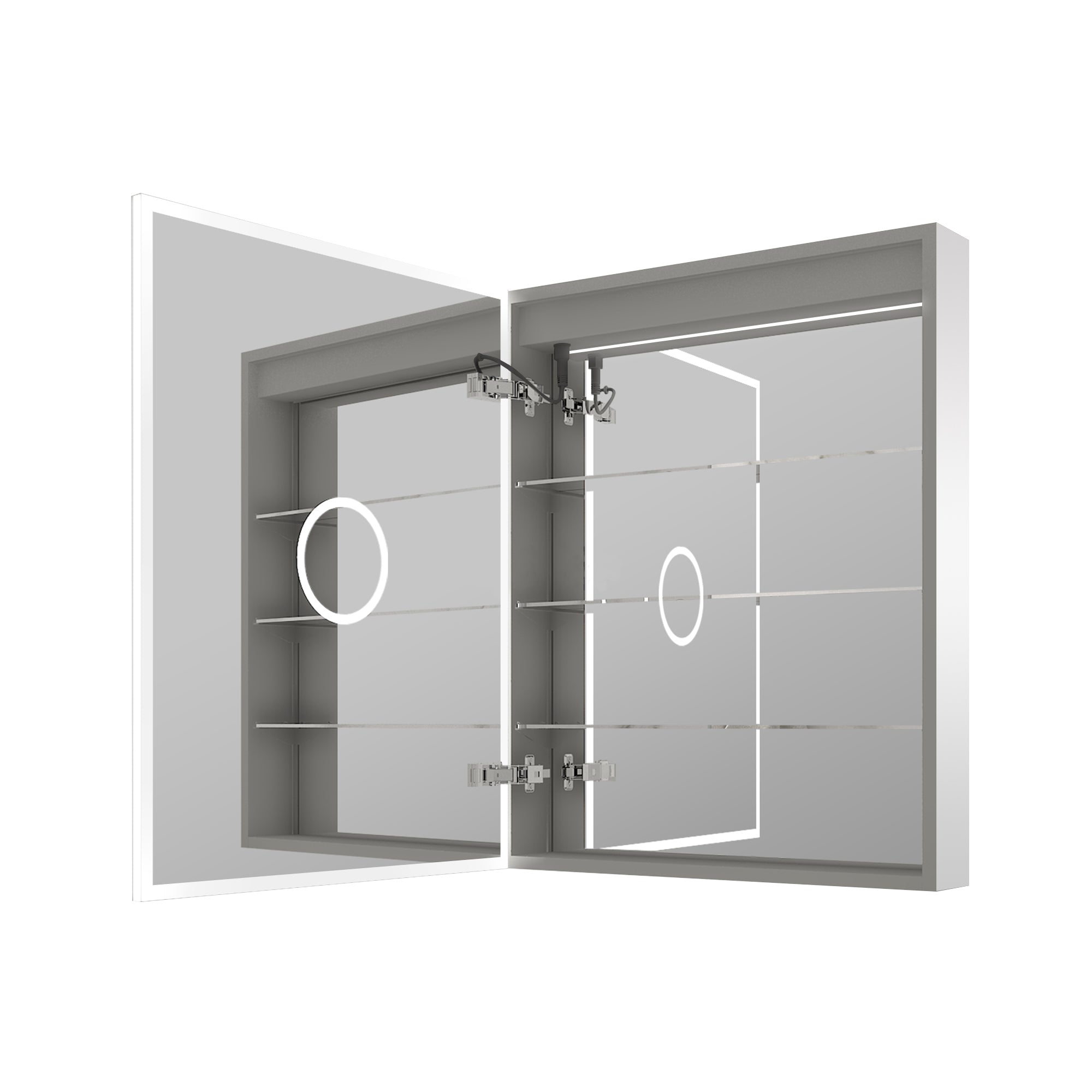
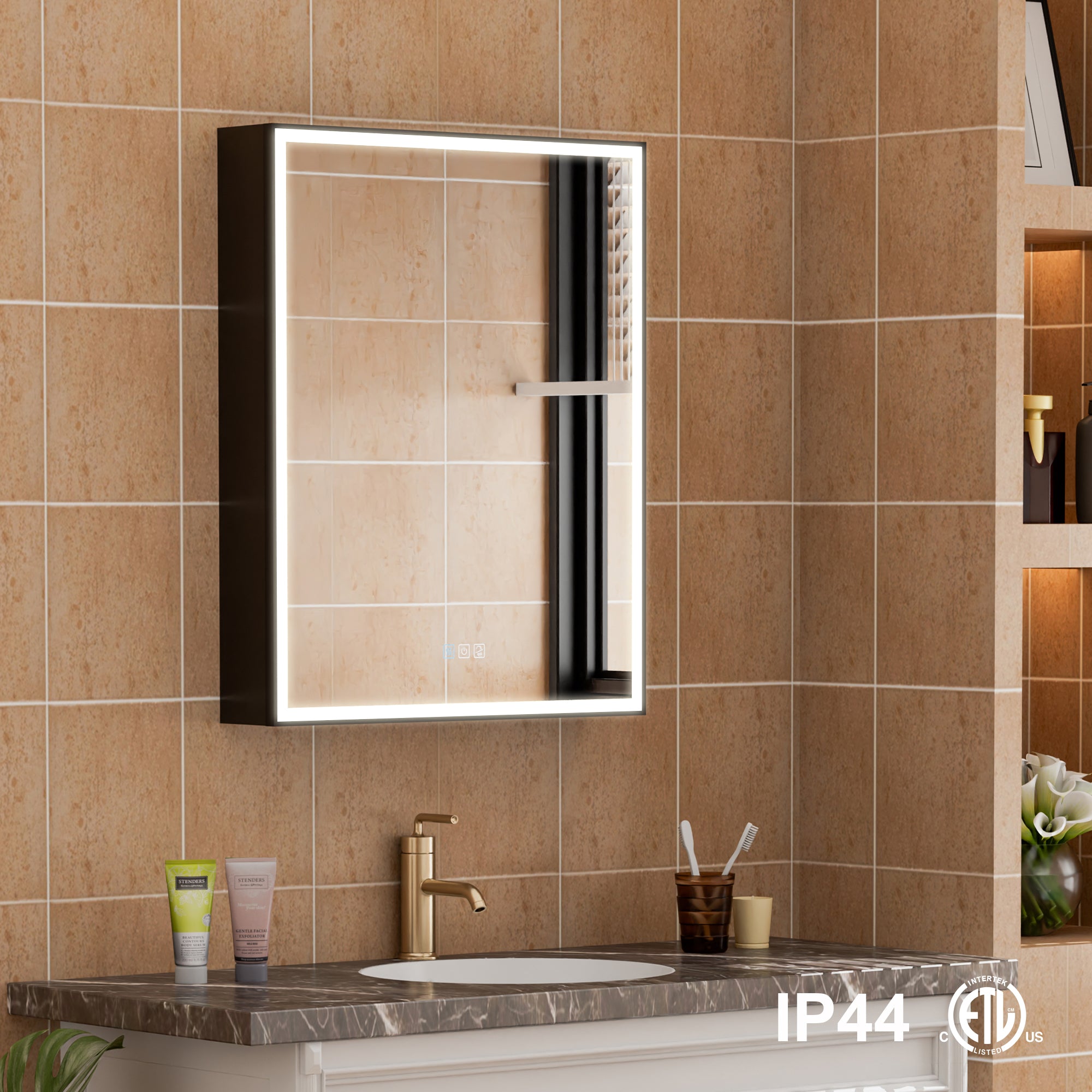
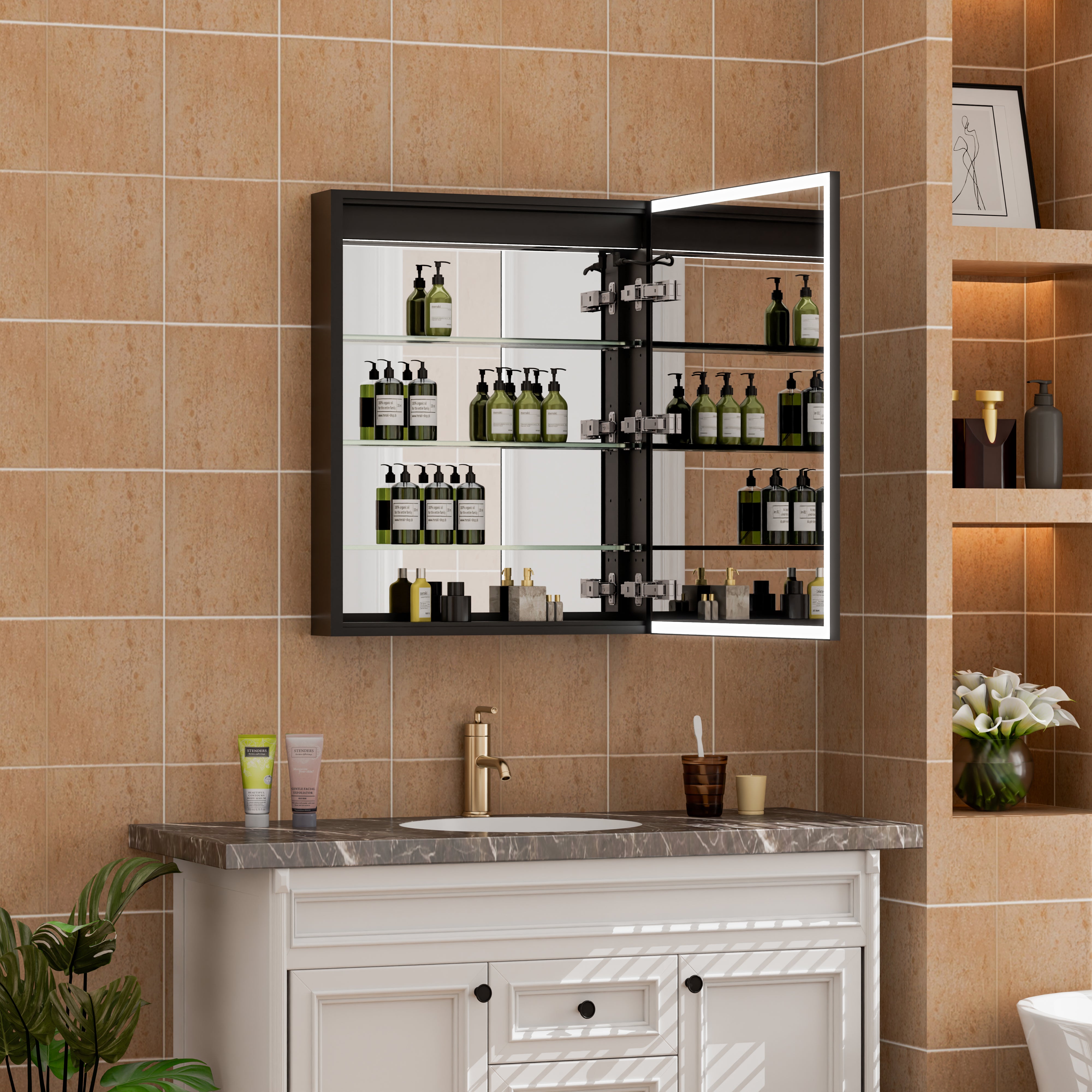
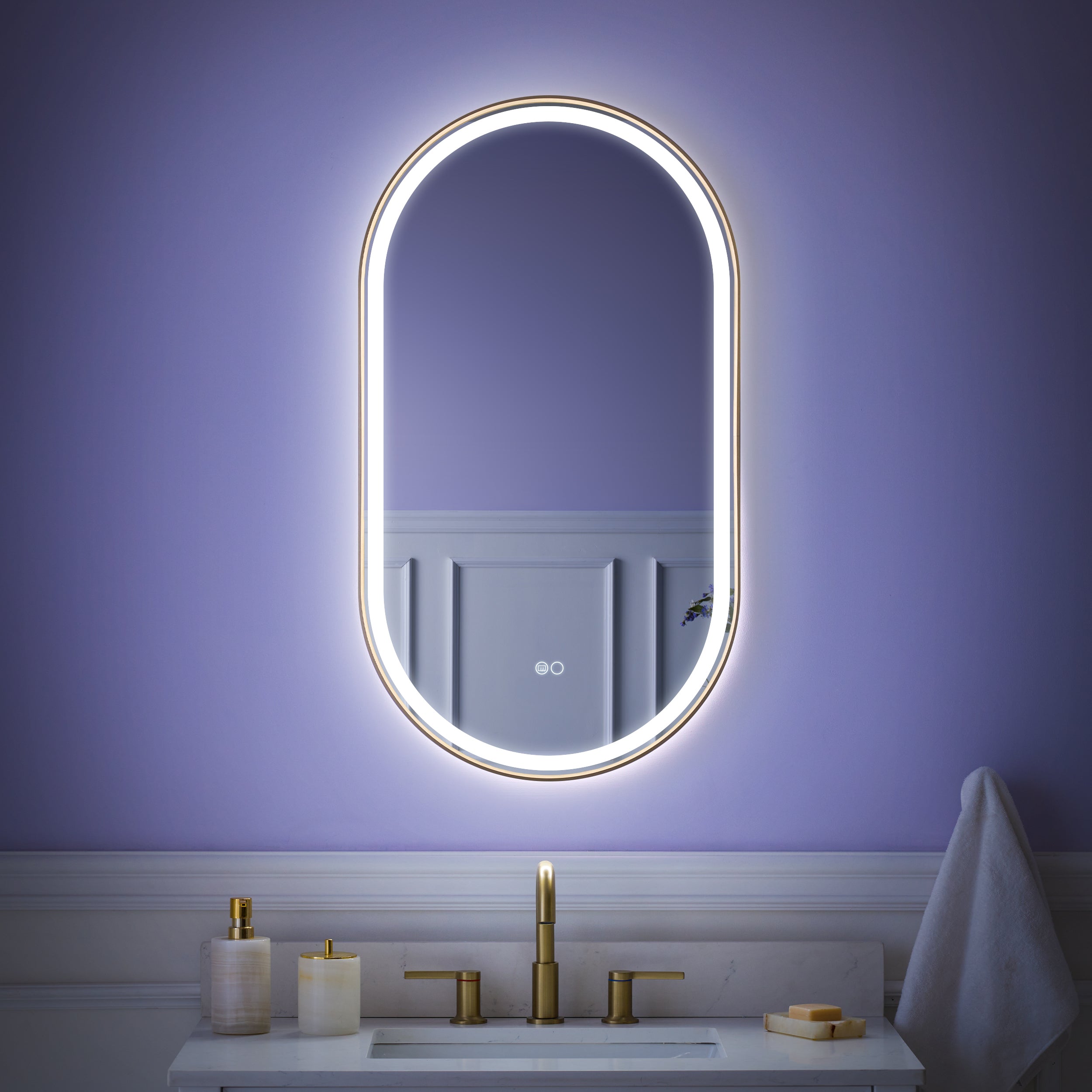
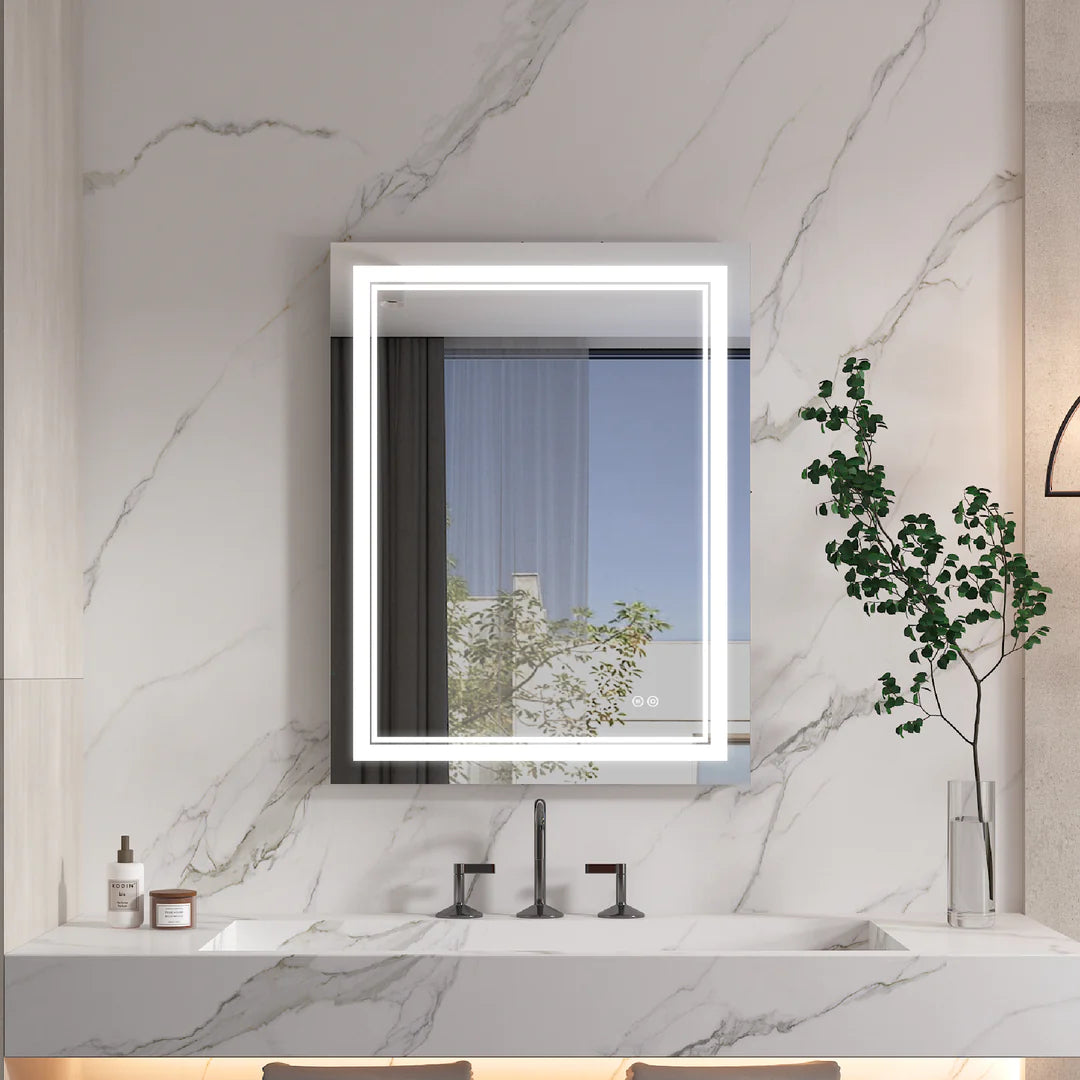
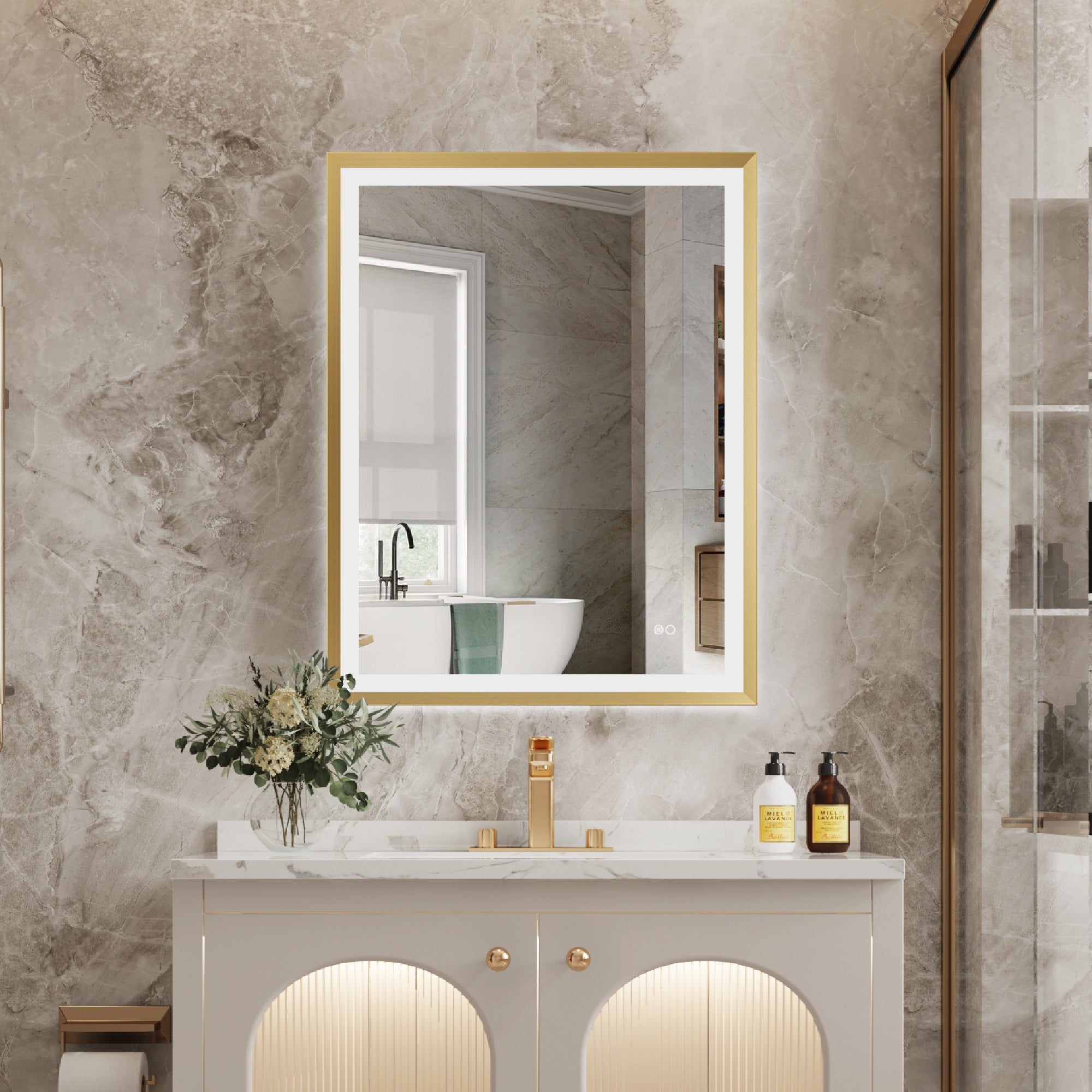
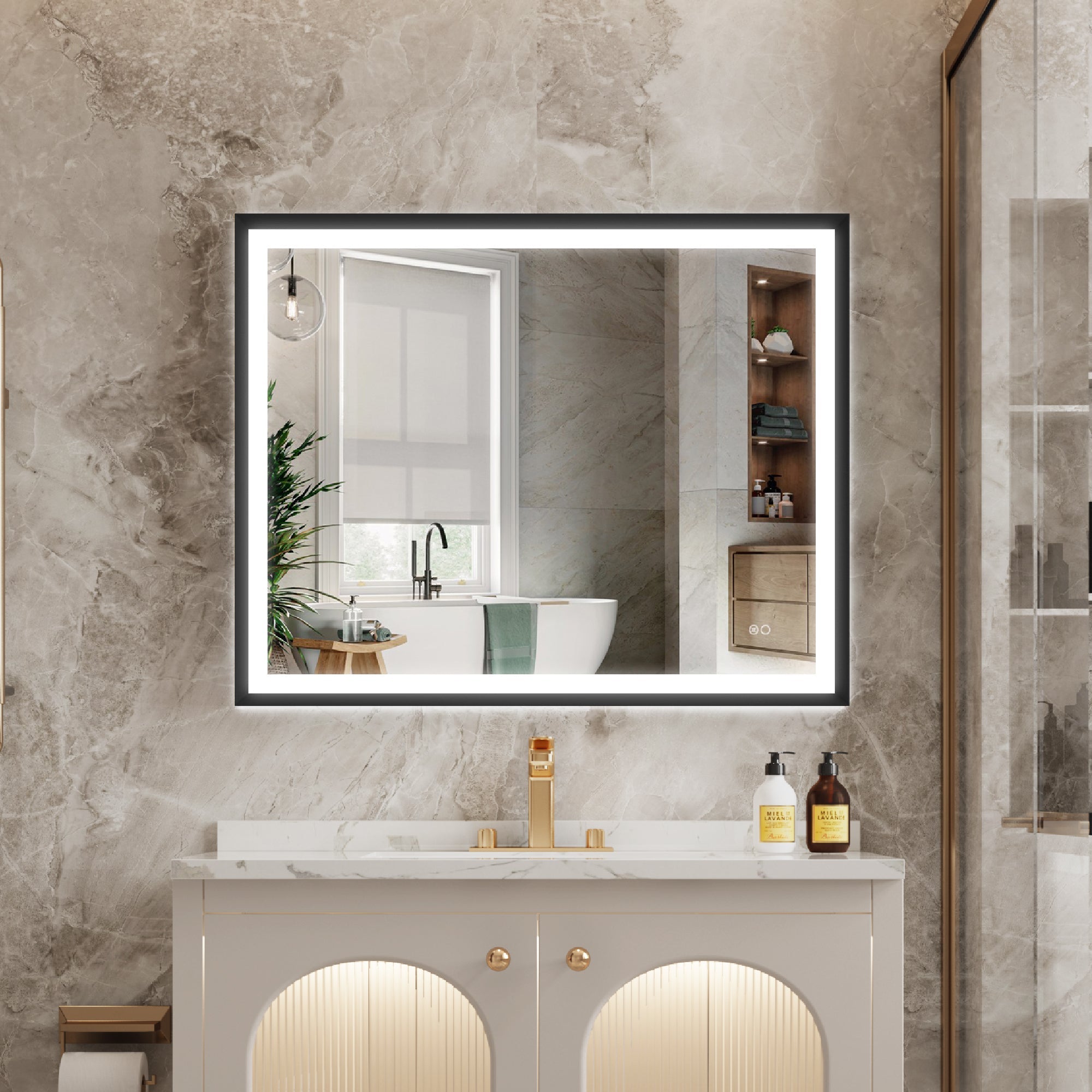
From a usability standpoint, the strongest performers are usually front-lit or dual-lit mirrors rather than mirrors that rely only on a halo glow behind the glass. That is because facial tasks need direct, even illumination, not just decorative perimeter light. A Lighting Research Center case study on bathroom mirror lighting described a vanity mirror using full-length integrated LED strips along both sides of the mirror surface, specified at 3000K and 90 CRI, which highlights the same principle: placing light where it can reach the face evenly improves function. For shoppers comparing formats, the takeaway is simple. If adjustable color temperature is important, look beyond the phrase itself and check how the LEDs are positioned. Side-lit or front-lit designs usually provide more useful task light than mirrors built mainly for ambiance.

6. Features that separate a good mirror from a gimmick
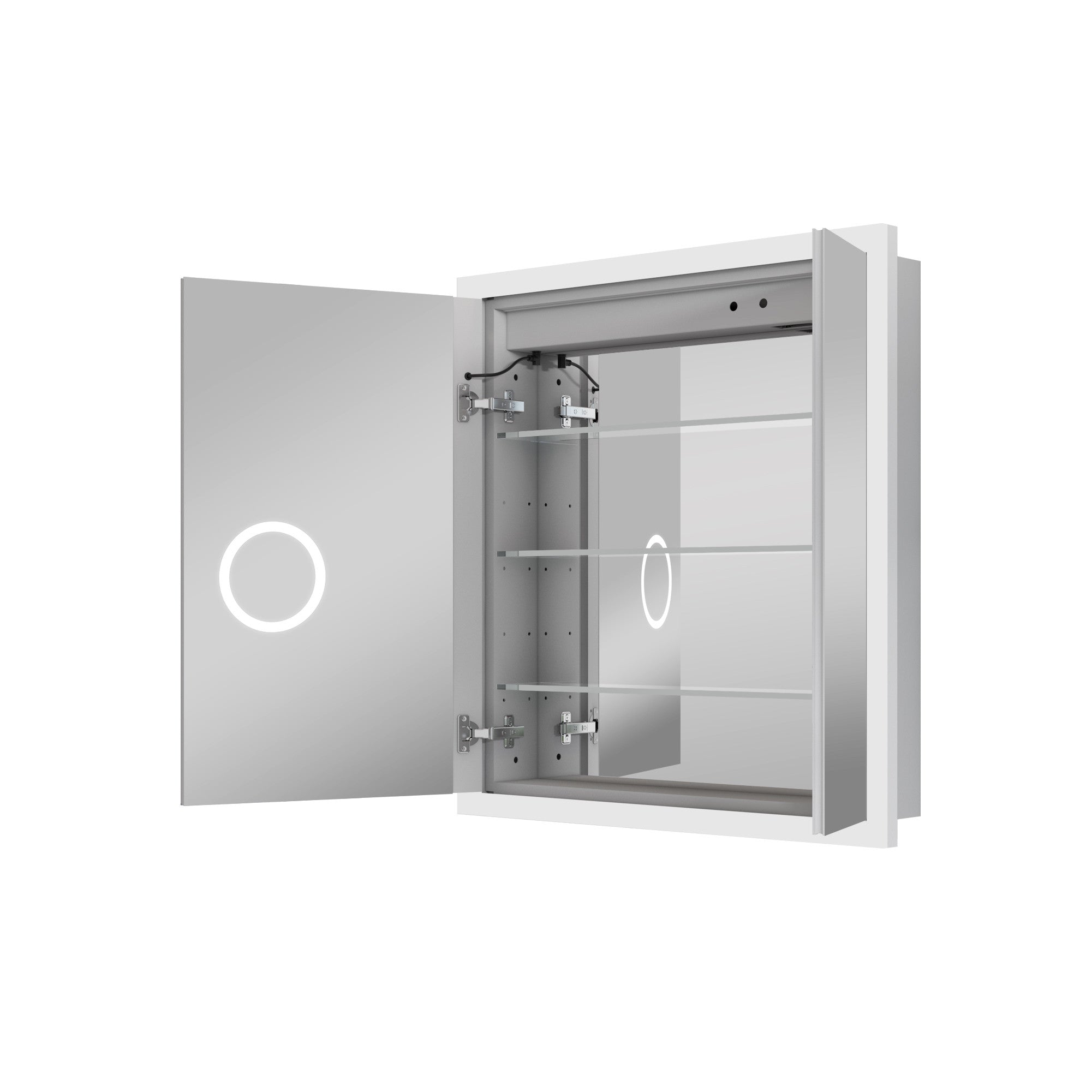
The mirrors that truly deserve attention usually combine several features: adjustable color temperature, dimming, memory, anti-fog capability, and long-life integrated LEDs. The Department of Energy says good-quality white LEDs commonly last 30,000 to 50,000 hours or more, which helps explain why integrated mirror lighting has become more acceptable for permanent bathroom installations. Meanwhile, Houzz bathroom design trend research shows that upgraded lighting is a leading wellness-oriented bathroom feature, with 30% of renovated bathrooms in its 2025 study featuring it. That matters because buyers increasingly expect the vanity mirror to handle multiple roles at once, from task light to comfort light to visual centerpiece. Mirrors that only offer one fixed brightness and one fixed color temperature are starting to feel dated.
7. How to choose the right one
The smartest way to choose is to focus on five checkpoints. First, confirm that the mirror offers genuine CCT adjustment, not just on/off. Second, look for a useful range that spans warm to cool light. Third, check for CRI 90 or better whenever color accuracy matters. Fourth, prioritize front-lit or dual-lit designs for clearer facial illumination. Fifth, pay attention to how the controls work, because touch buttons, wall-switch memory, and anti-fog integration can affect daily convenience more than spec sheets suggest. The broader bath industry is already signaling that integrated mirror lighting and task-focused solutions are gaining traction, so adjustable-color vanity mirrors are not a fad purchase. They are part of a larger move toward more responsive, layered bathroom lighting.
8. The bottom line
Which LED mirrors for vanity offer adjustable color temperatures? The best candidates are integrated LED vanity mirrors with tunable-white lighting, dimming, and strong CRI, especially those with front-lit or side-lit illumination rather than decorative backglow alone. The most useful models typically move across warm and cool settings, support detailed grooming, and maintain stable color quality over long service lives. In today’s bath design landscape, adjustable color temperature is no longer just a premium extra. It is quickly becoming one of the clearest signs that a vanity mirror was designed to be used, not just admired.


















Leave a comment
This site is protected by hCaptcha and the hCaptcha Privacy Policy and Terms of Service apply.