
















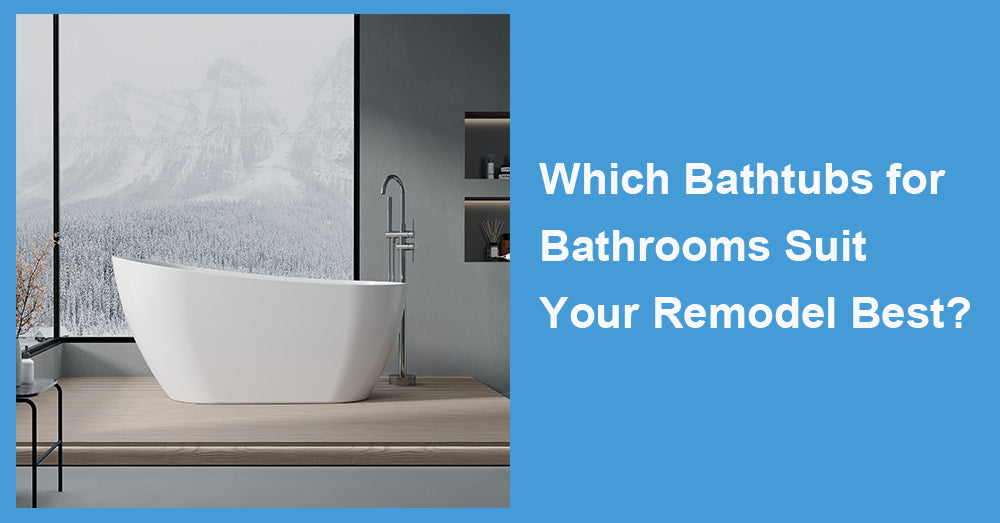
Choosing bathtubs for bathrooms is no longer just about style. Renovation research shows clear patterns in what people actually install—what materials dominate, which tub styles win floor space, and how “future-proof” features are shaping layouts. In other words, the best tub for your remodel is the one that matches your room constraints, comfort goals, and the kind of maintenance you’ll actually keep up with.
Start With What Real Remodels Are Picking
If you want a data-backed starting point, recent bathroom-renovation findings point to three big signals:
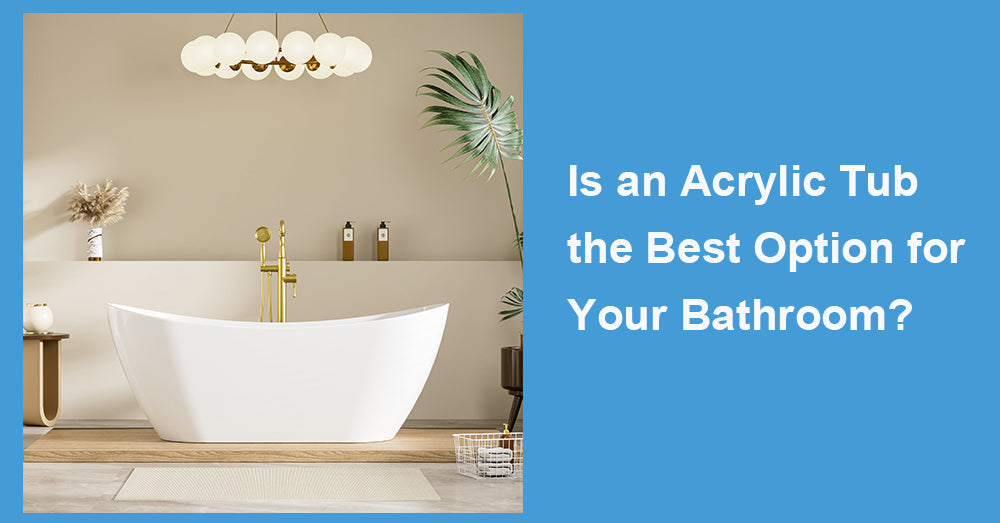
l Material: Acrylic leads by a wide margin (60%), followed by fiberglass (16%), enameled cast iron (8%), and cast polymer (6%).
l Tub type: Soaking tubs are the top choice (62%), while standard tubs are less common (29%), and walk-in tubs remain niche (1%).
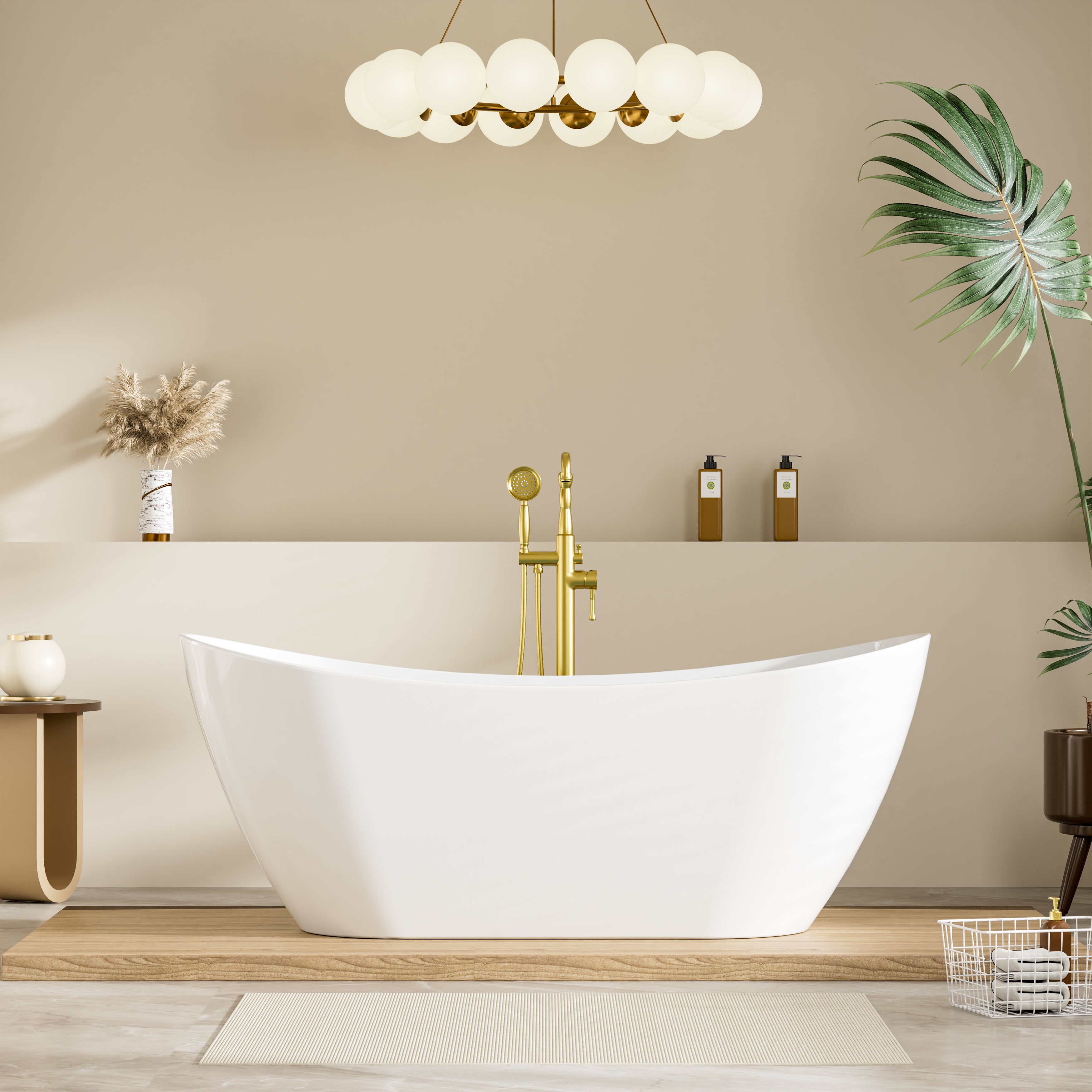
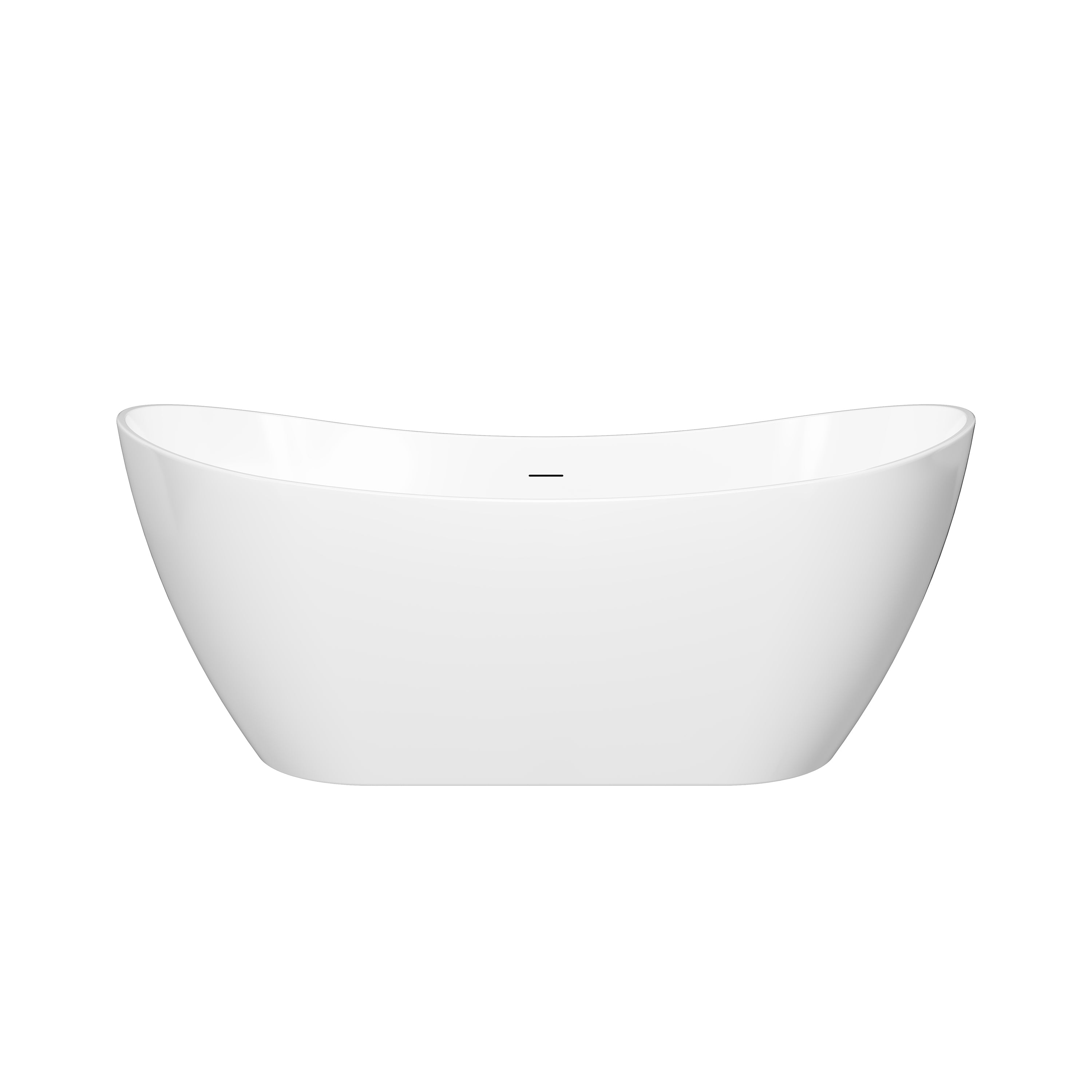
l Style: Freestanding flat-bottom tubs rank highest (45%), with alcove tubs close behind (40%).
Use these numbers as a reality check: you’re not just picking “a bathtub,” you’re choosing between a few dominant paths that already fit most remodel constraints.
Decide the Footprint: Alcove vs Freestanding vs Deck-Mounted
The fastest way to narrow options is to focus on footprint and plumbing constraints.
l Alcove tubs (the classic 3-wall install) usually make the most sense when you want a predictable rough-in, and the room is tight. A common reference size is 60 inches x 30 inches, which appears across mainstream product lines.
l Freestanding tubs often deliver the “spa” look, but they demand more clear space around the tub body and more planning for drain location and cleaning access. Their popularity in remodels (45% for freestanding flat-bottom) suggests many projects are reallocating floor area to make this work.
l Deck-mounted tubs (built into a platform) have slipped in share (down to 6%), which matches what designers often see: platforms can eat up usable space and complicate waterproofing details.
A practical rule: if you cannot comfortably spare circulation space, the alcove wins. If you can, freestanding can be worth the trade.
Pick the Material Based on Handling, Not Just Looks
Material is where remodels can get expensive fast—mostly because of weight, delivery, and installation complexity.
l A typical 60-inch x 30-inch acrylic alcove tub can weigh around 56 lb (example spec) and list a capacity of 40 gallons, making it easier to move through hallways and upstairs stairwells.
l A comparable cast iron alcove tub can weigh about 316 lb (example spec), which can change labor needs, delivery planning, and sometimes floor-structure considerations.
This is why acrylic dominates remodel selections at 60%. It’s not just cost—it’s install risk and logistics.
Comfort Isn’t Only “Soaking Depth”—It’s Geometry
“Soaking tub” has become the default aspiration, and the numbers reflect that (62% choose soaking tubs).
But comfort is not a single spec. It’s a combination of:
l Back slope and lumbar support (how your shoulders and hips sit)
l Bottom width (whether you feel perched or stable)
l Soaking depth (how high water can rise relative to the overflow)
l Water capacity vs hot-water supply (a tub can be large, but frustrating if you can’t fill it to a satisfying level)
If you’re comparing two tubs with the same nominal length (like 60 inches), focus on the bathing-well dimensions and backrest shape rather than chasing “bigger is always better.”

Accessibility Is Becoming the Quiet Remodel Driver
A major shift in bathroom remodeling is that more projects are designed around current or future special needs. In one large renovation dataset, 68% of homeowners incorporated special-needs solutions, and many expect needs to arise later (47% anticipate five or more years out).
How does this change tub choice?
l Lower step-over becomes more important (often favoring certain alcove designs or low-threshold concepts)
l Slip-resistant surfaces and safer entry/exit matter more than a dramatic silhouette
l Wet-room planning can also influence tub decisions; soaking tubs dominate wet rooms (74% within that subset).
If your remodel needs to age well, prioritize entry/exit safety and layout clearance before you prioritize a sculptural look.
Water and Efficiency: Think System, Not Just Tub
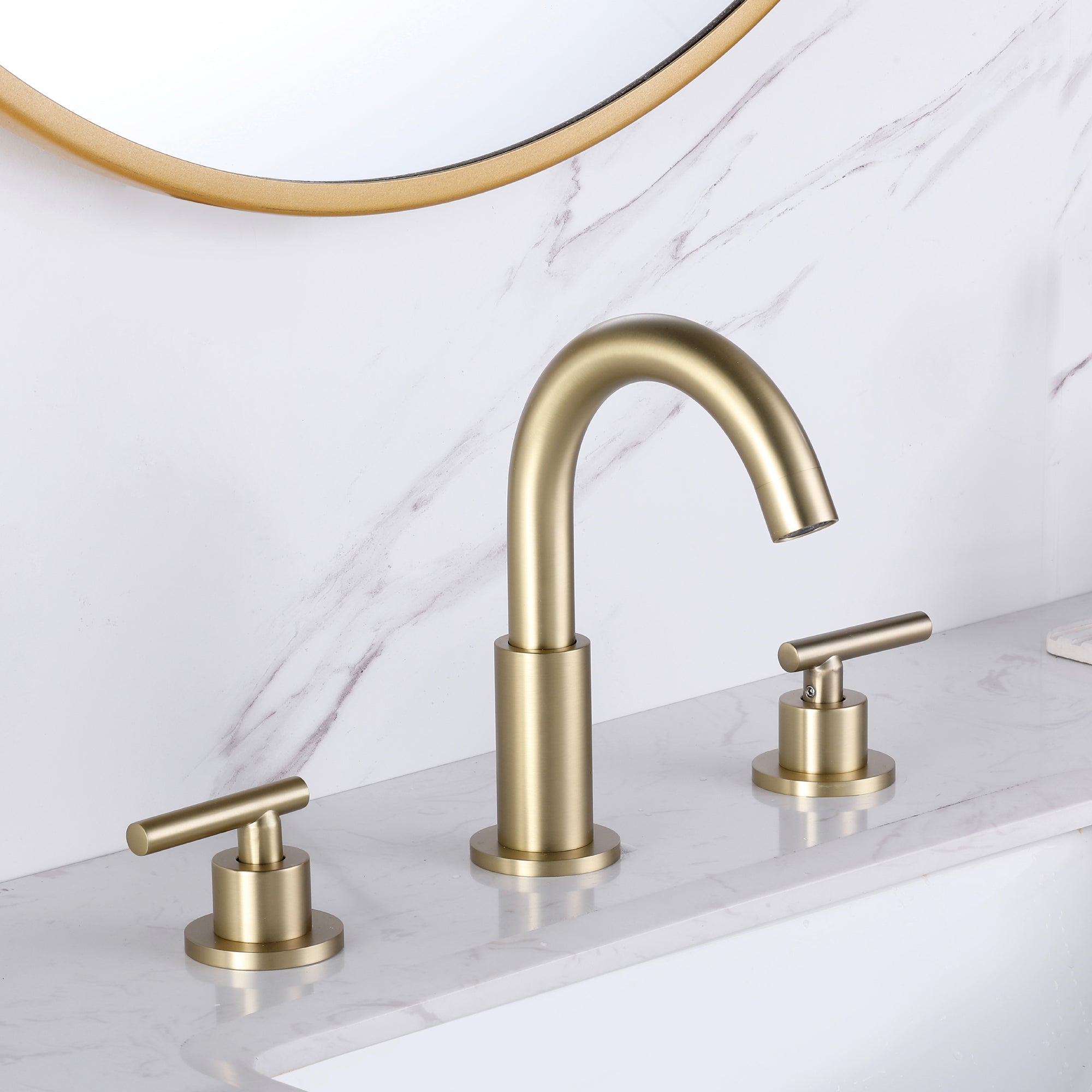
Bathtubs don’t carry efficiency labels the way some fixtures do, so the smartest efficiency gains usually come from the “rest of the system.” For example, bathroom sink faucets that meet recognized high-efficiency criteria are capped at 1.5 gallons per minute, down from the standard 2.2 gallons per minute, delivering a meaningful reduction without significantly changing the user experience.
Why this matters for tub selection: if you choose a larger tub for comfort, you can still keep the overall bathroom water profile reasonable by upgrading the fixtures you use daily.
Budget and Timeline Reality: Reduce Surprises
Remodeling conditions affect product choices. Leading remodeling indicators suggest spending growth is expected to ease through 2026 (for example, projections moving from 2.9% growth early in the year to 1.6% by year-end), which generally pushes more projects to favor predictable installs and lower risk.
That typically means:
l acrylic over heavy materials when timelines are tight,
l alcove over complex platform builds when labor scheduling is uncertain,
l “standardize where you can, customize where it counts” (tile, lighting, storage).
A Simple “Best Fit” Match Guide
Here’s a clean way to match tub types to remodel goals (no charts, just decision logic):
l Choose an acrylic alcove tub if you want the smoothest install path, especially in tight bathrooms or upstairs scenarios; common 60-inch x 30-inch formats are widely supported across brands and listings.
l Choose a freestanding soaking tub if the remodel is reworking the layout anyway, and you can dedicate floor space; the style leads remodeled-bath selections for a reason.
l Choose enameled cast iron if you prioritize long-term feel and rigidity, and you can accommodate heavy handling; its share is smaller but rising, suggesting renewed interest where projects can support it.
l Consider walk-in tubs only when safety and entry requirements are the overriding goal; they remain a small share of tub upgrades overall.
The Three Questions That Prevent Regret
Before you finalize, answer these three questions in writing:
l What’s my fixed envelope? (room size, door swing, clearances, and whether 60-inch x 30-inch is the natural fit)
l What’s my installation risk tolerance? (Can the project handle a 316 lb cast iron delivery/install, or do you need lighter handling like a ~56 lb acrylic example?)
l Am I optimizing for now or later? (If future needs are likely, bake in safer entry, stability, and space planning early)
If you tell me your target tub length (for example, 60, 66, or 67 inches), bathroom type (hall bath vs. primary), and whether it’s upstairs, I can recommend the best tub category and the key specs you should prioritize—without overbuilding or overspending.














Leave a comment
This site is protected by hCaptcha and the hCaptcha Privacy Policy and Terms of Service apply.