
















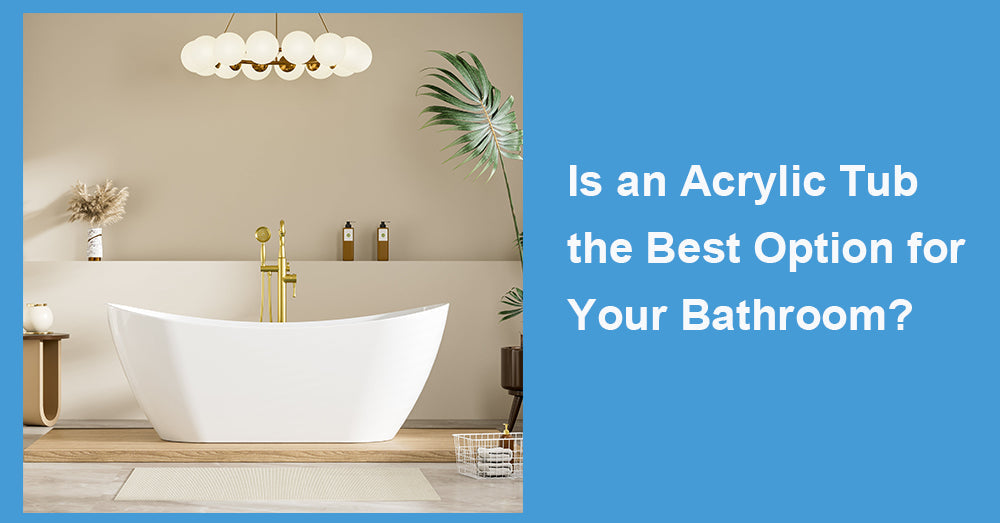
If you’re weighing a refresh or a full remodel, an acrylic tub often ends up on the shortlist for a simple reason: it hits a sweet spot between comfort, style flexibility, and practicality during installation. Recent renovation data shows acrylic is the most commonly selected tub material when homeowners upgrade, outpacing alternatives by a wide margin.
Why Acrylic Tubs Keep Winning in Real Remodels
Acrylic isn’t a new material. Its popularity connects to what today’s projects demand: predictable performance, fewer surprises during installation, and a wide range of shapes and finishes. In renovation research, over half of homeowners choosing a new tub selected acrylic (54%). Fiberglass came in far behind.
That preference matters because tub decisions are rarely isolated. Budgets, timelines, and labor availability shape material choices. Broad remodeling outlooks also show continued (though moderating) spending through 2026, which tends to favor materials that keep installation efficient and carry lower risk.
Weight, Handling, and “Will This Be a Nightmare Upstairs?”
The most practical argument for acrylic is weight. A typical 60-inch acrylic alcove tub typically falls in the 50–70 lb range (e.g., 56 lb and 66 lb listed for standard 60-inch acrylic models), making it easier to move through doorways, stairs, and tight turns.
Compare that to cast iron, where a classic 60-inch alcove model can list around 300+ lb (for example, 316 lb on a 60-inch cast iron alcove spec listing). That difference can affect labor needs, delivery logistics, and—depending on the home—structural considerations.
Comfort: Warmth, Feel, and Soak Expectations
Comfort can be "good enough" or "not quite," depending on expectations. Cast iron is famous for heat retention. Acrylic cools faster, though comfort also depends on water temperature, air, and soak duration. Many acrylic tubs compensate with deeper wells, lumbar shapes, and slip-resistant floors found in molded designs.
A practical note: water capacity is often misunderstood. Many standard alcove tubs are rated at 40–70 gallons, but the actual bath volume is typically lower because you don’t fill to the brim and your body displaces water.
Durability and Maintenance: What Acrylic Does Well (and Where It Doesn’t)
Acrylic’s durability is highly tied to construction quality—especially thickness and reinforcement. Well-built acrylic tubs are resilient and easy to clean with non-abrasive products, and the surface can stay glossy for years. The trade-off is that acrylic can be more prone to scratching than enamel-coated iron when harsh abrasives are used or heavy objects are dropped.
In day-to-day maintenance, the biggest advantage is simplicity: fewer special cleaners, easier polishing, and less concern about surface chipping turning into rust (a risk associated with damaged enamel on iron). If you want the “always looks perfect” effect, treat acrylic like you would a high-gloss finish—gentle cleaners, soft cloths, and quick rinsing to reduce residue buildup.

Design Flexibility: Why Shapes Trend Freestanding
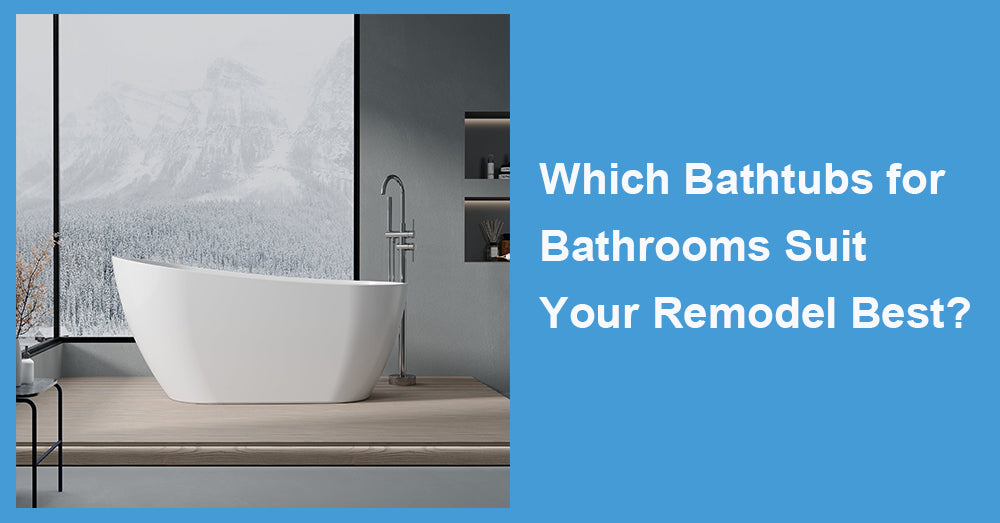
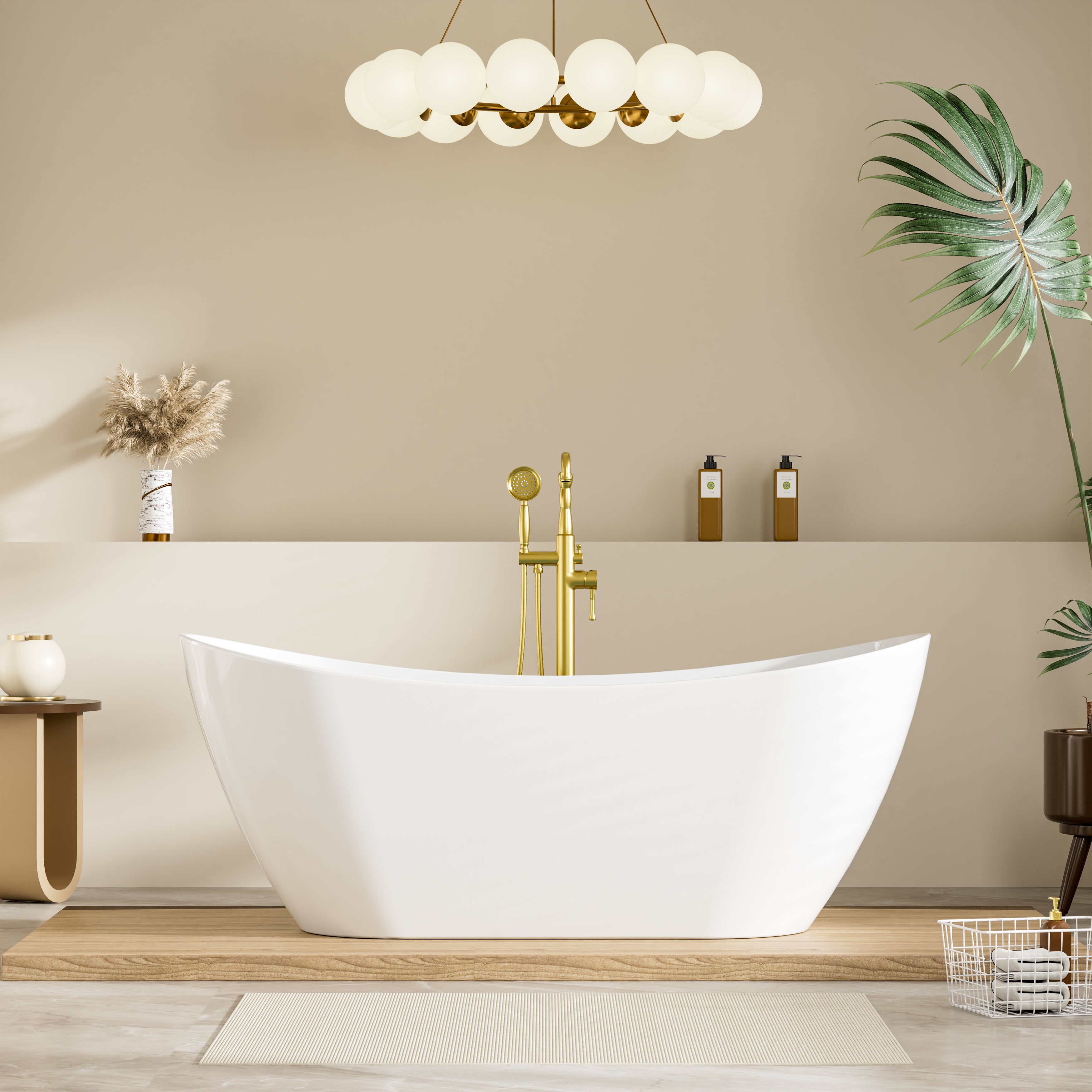
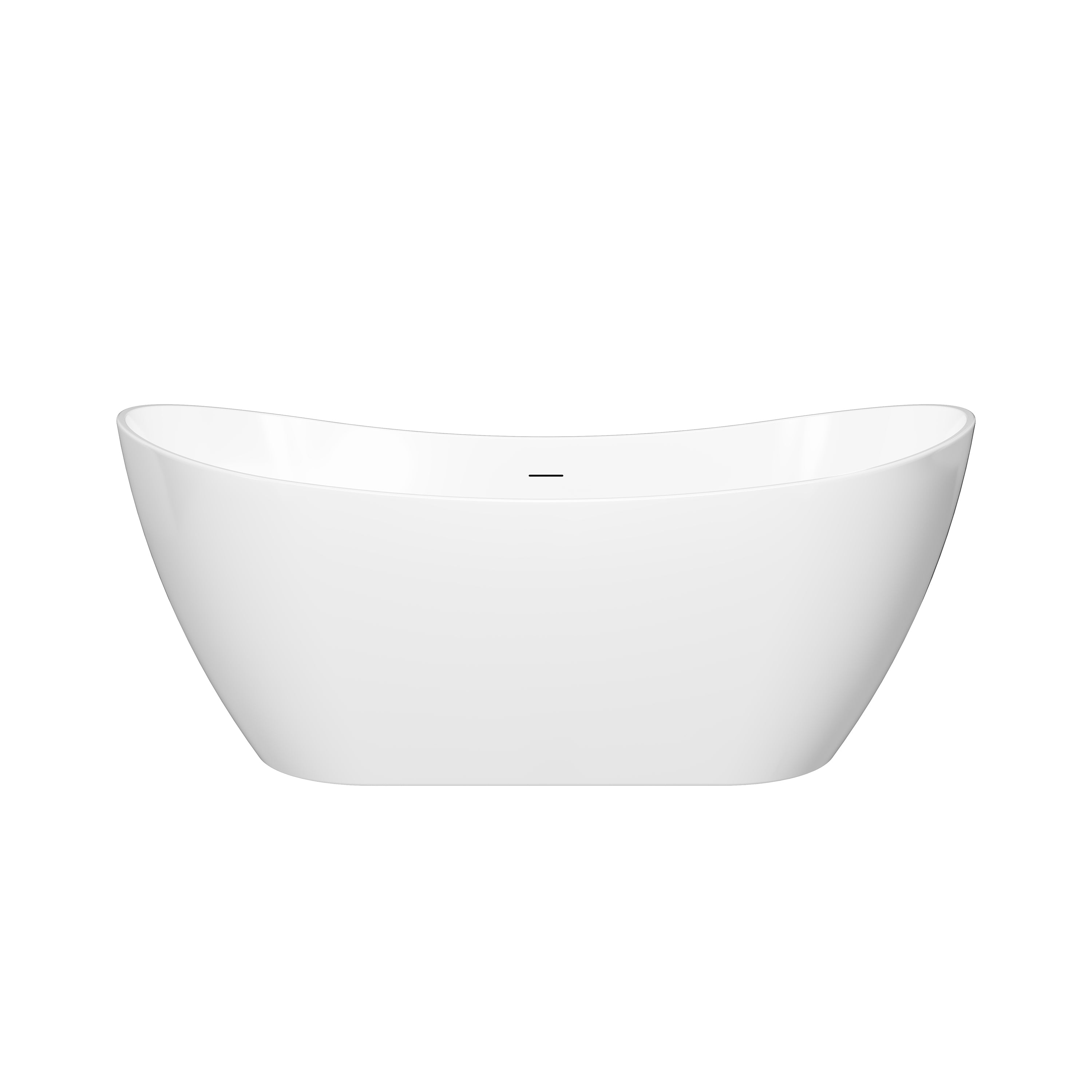
Material choice also connects to shape trends. Renovation studies have shown a steady rise in the selection of freestanding tubs among people who upgrade their tubs, with freestanding styles often leading other configurations.
Acrylic makes this easier because it’s commonly used across alcove, drop-in, and freestanding forms, and manufacturers can offer more silhouettes at more accessible weights. That’s why many “spa-look” bathrooms end up pairing a freestanding acrylic tub with a separate shower—without turning installation into a structural project.
Budget Reality: Material Choice Under Real Spend Levels
Even without calling out markets directly, spend benchmarks from large-scale renovation reporting show that median bathroom project budgets sit in the five-figure range, with major remodels higher and larger spaces rising further. In one recent annual report, the median spend for 2024 was around $13,000 overall, with major remodels at around $22,000.
In that context, acrylic often functions as a “budget stabilizer.” It can free up dollars for items that visually define the space—tile, lighting, cabinetry, and fixtures—while still delivering a comfortable bath.
Water and Efficiency Considerations (Without the Hype)
A tub decision can also affect water planning. Water use varies by tub size and bathing habits, but it’s still helpful to calibrate expectations: many common tubs fall within the 40–70-gallon capacity range, and households can reduce overall indoor use meaningfully by installing water-efficient fixtures across the home.
The practical takeaway isn’t “never take baths.” It’s to match tub size to how you actually bathe. A compact 60-inch by 30-inch alcove tub may be perfectly comfortable for quick soaks, while oversized soakers can push higher fill volumes that may strain hot water availability if the heater capacity is tight.
When Acrylic Is the Best Option—and When It Isn’t
Acrylic is usually the best option when:
· You need a manageable install (tight access, second-floor bathroom, quick turnaround)
· You want many style choices without committing to very heavy materials.
· You prefer easy, low-fuss cleaning and a smooth surface feel.
Acrylic may not be your best option when:
· You prioritize maximum heat retention for long soaks (cast iron often wins here)
· You expect the tub to take decades of heavy wear with minimal cosmetic change.
· You strongly prefer a specific “weighty” feel and acoustic dampening that heavier materials provide.
A Simple Decision Checklist
Before you decide, sanity-check these specs and constraints:
· Size and clearance: Is 60 inches by 30 inches right, or do you need more shoulder room?
· Weight and pathway: Can the tub move through the stairwell and doorway smoothly?
· Soaking depth: Look for a depth that matches your comfort expectations (not just overall height)
· Water capacity: Make sure your hot water setup can support your typical fill level
· Finish care: Commit to non-abrasive cleaning to keep acrylic looking new
If you want, tell me the tub type you’re considering (alcove vs. freestanding), your target size (for example, 60 inches by 30 inches or 67 inches by 31 inches), and whether it’s upstairs. I’ll give you a recommendation framework that’s specific to your constraints.















Leave a comment
This site is protected by hCaptcha and the hCaptcha Privacy Policy and Terms of Service apply.