




















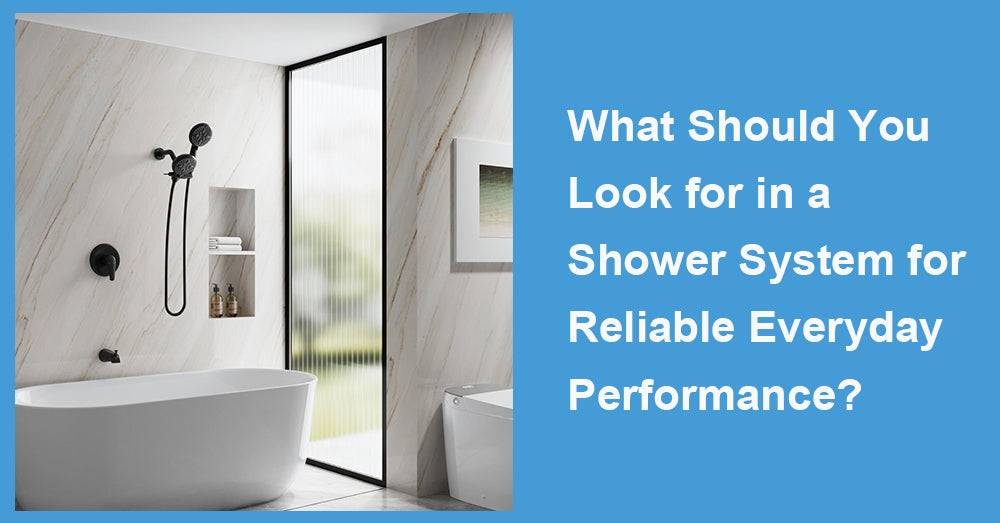
A reliable shower system isn’t defined by how many spray modes it advertises—it’s defined by what happens on an ordinary morning: steady temperature, predictable pressure, simple controls, and parts that keep working after years of daily use. To choose well, you need to evaluate the “behind-the-wall” components (valves and diverters), the “at-the-wall” components (showerheads, hand showers, body sprays), and the real-world limits that govern water flow and safety. This guide breaks the decision into practical checkpoints, backed by measurable standards and data.
1. Put the Valve First: Temperature Stability Is the Core of Daily Comfort
If water temperature swings when another fixture turns on, the shower will never feel “high-end,” no matter how fancy the trim looks. The valve type determines how well the system compensates for pressure and temperature changes.
Look for automatic compensating valves designed to reduce scalding and thermal shock risk. ASSE documentation explains that automatic compensating valves are used to reduce the risk of scalding and thermal shock, and describes types including pressure-balancing and thermostatic designs (Source: ASSE “Adjustment of Automatic Compensating Valves…” PDF).
Practical takeaway
· Pressure-balancing valves help limit sudden temperature changes caused by pressure shifts (like a toilet flush or a sink opening).
· Thermostatic valves aim to maintain a set outlet temperature more precisely, which can feel calmer for longer showers and multi-outlet setups.
Safety reality check: Consumer safety guidance notes that a water heater thermostat setting of 120°F may be necessary to reduce or eliminate the risk of most tap water scald injuries (Source: U.S. CPSC “Avoiding Tap Water Scalds” PDF).
Even with a good valve, stable and reasonable hot water settings make the whole system safer and more predictable.
2. Know the Flow Rules: “Better Performance” Usually Means Better Engineering, Not More Water
Many people assume a premium shower equals higher flow. In practice, showerhead flow is capped, so “performance” comes from spray design, pressure compensation, and smart distribution.
Federal limit: The maximum water use allowed for showerheads is 2.5 gpm at 80 psi (Source: eCFR, 10 CFR § 430.32).
So when you see a showerhead that “feels strong,” it’s usually because of nozzle design and how it shapes droplets—not because it exceeds this ceiling.
WaterSense benchmark: WaterSense-labeled showerheads must use no more than 2.0 gpm and are intended to deliver a satisfactory shower equal to or better than conventional showerheads (Source: EPA WaterSense “Showerheads”).
EPA’s supporting statement also describes that 2.0 gpm represents a 20% reduction from the 2.5 gpm federal maximum (Source: EPA WaterSense supporting statement PDF).
Why this matters for reliability: If a system relies on “more water” to feel good, it’s fragile—small pressure changes can make it disappointing. A well-designed system feels consistent within the real limits.
3. Decide How You’ll Actually Use It: Single Outlet vs. Multi-Outlet Logic
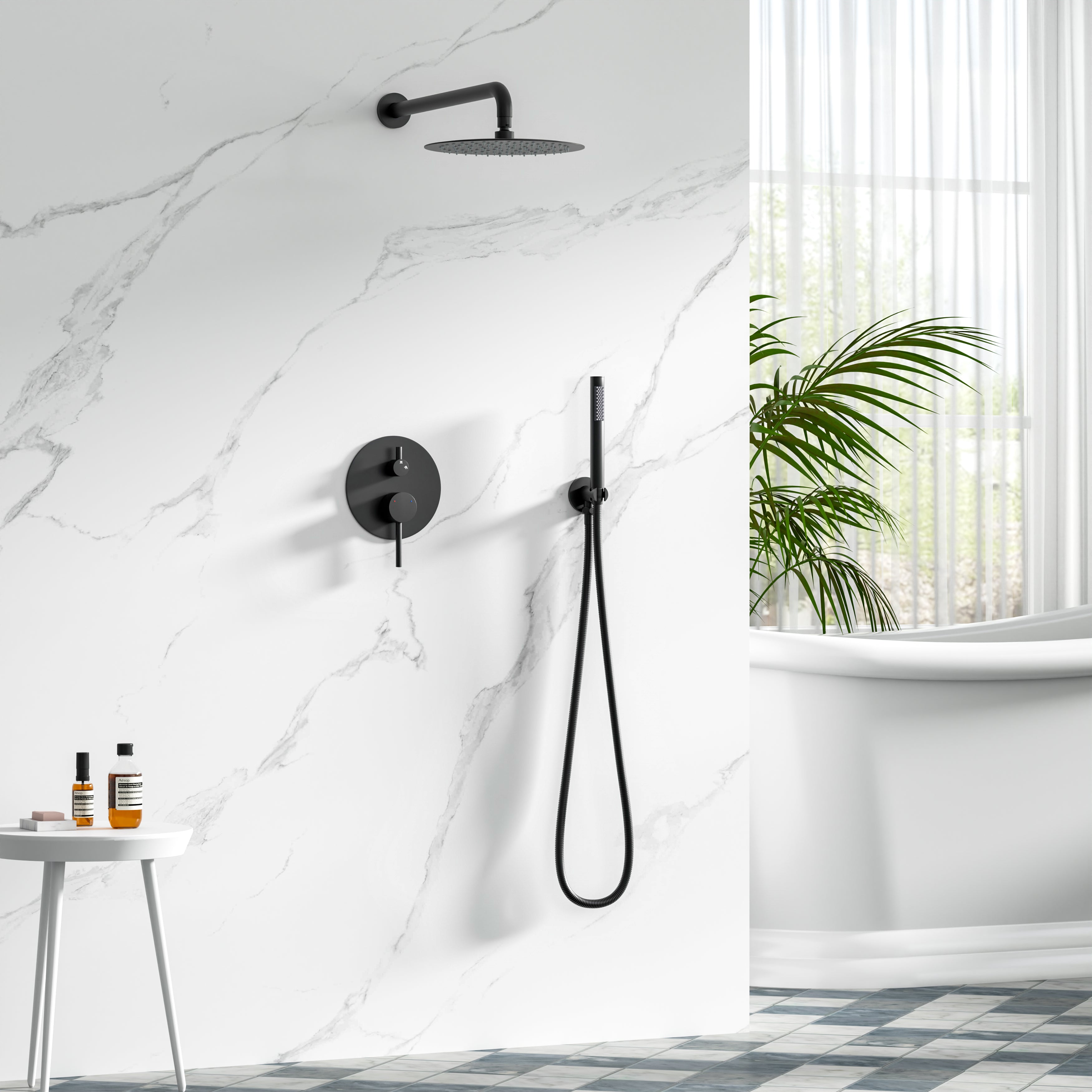
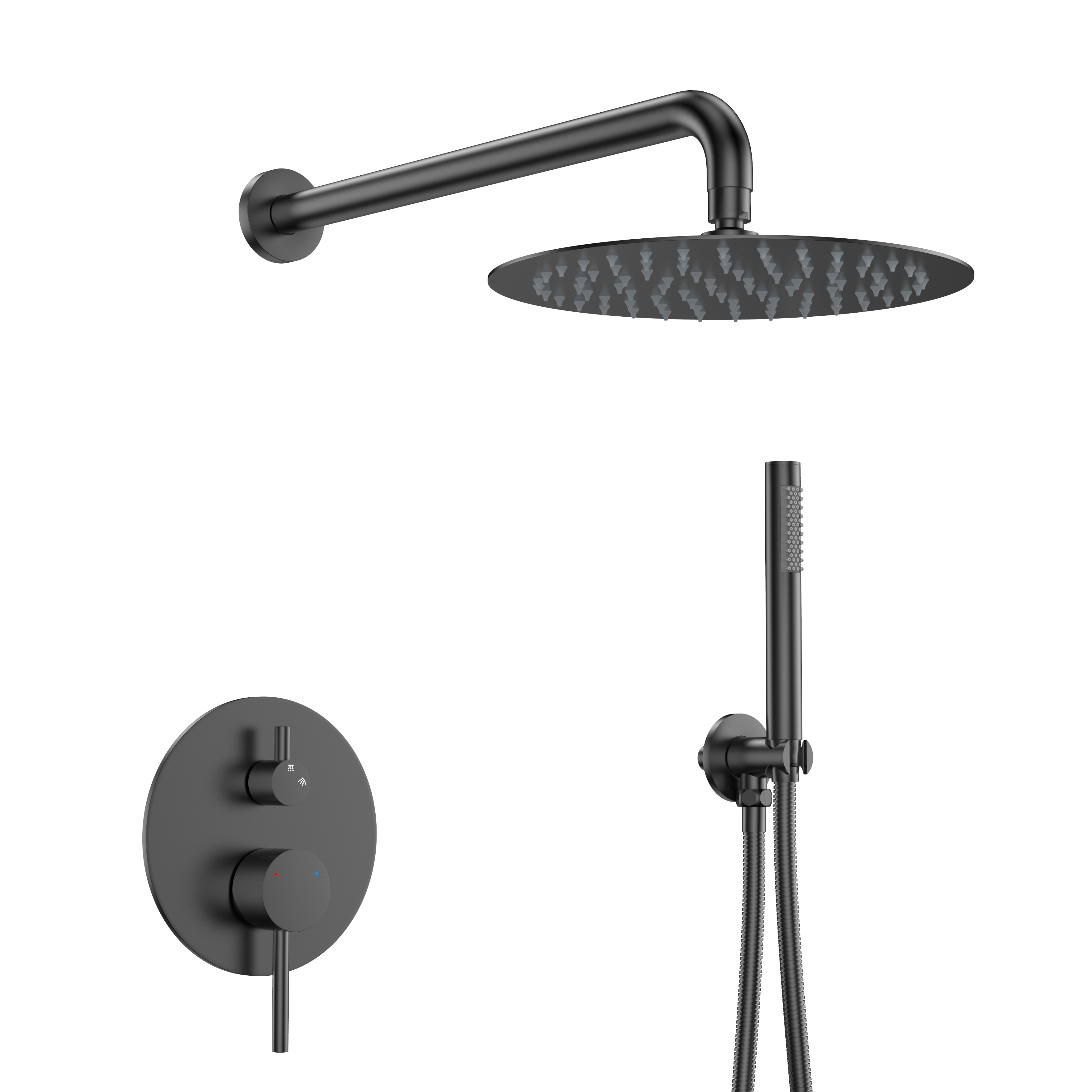
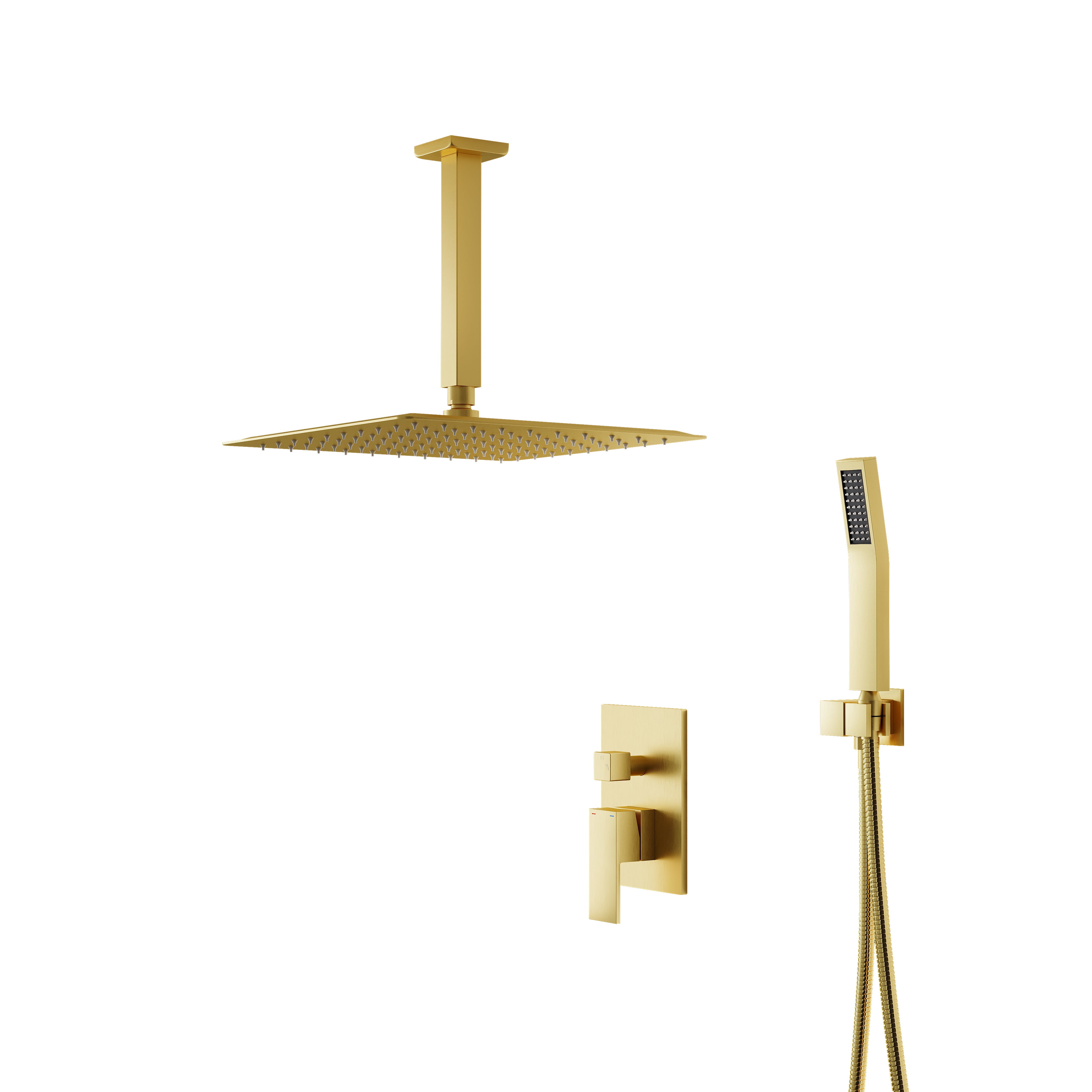
Many shower systems include a fixed showerhead plus a hand shower, sometimes a rain head or body sprays. Reliability depends on whether the system’s control logic matches your routine.
Two common designs
1. One outlet at a time (diverter-based): Simple, often very reliable, fewer failure points.
2. Multiple outlets at once (shared or dedicated controls): Luxurious when engineered well, but more demanding on plumbing supply and valve design.
A common disappointment: buying a multi-outlet trim kit without confirming whether the valve and diverter support simultaneous use, or whether the plumbing can deliver acceptable performance when more than one outlet runs.
What to verify on the spec sheet
· Can outlets run simultaneously, or only one at a time?
· Is the diverter integrated (fewer external parts) or a separate component?
· Are there serviceable cartridges (replaceable parts) and clear parts diagrams?
4. Check Pressure Compatibility: Your Showerhead Must Match the Valve Type
Lower-flow showerheads can increase risk when paired with older or non-compensating valves. An ASSE white paper notes that restricting flow through non-automatic compensating type shower valves can lead to pressure imbalances and thermal shock/scalding concerns, and references matching showerhead flow with an automatic compensating type shower valve (Source: ASSE “Scald Hazards Associated with Low-Flow Showerheads” PDF).
The same paper also notes that prior to 1992, showerhead flow rates were often 3 to 7 gpm (Source: ASSE low-flow showerheads PDF).
That historical context explains why some older valves behave poorly with modern restricted-flow heads: they were designed around different flow conditions.
Bottom line: If you’re modernizing the showerhead, modernize the valve strategy too—especially if reliability and safety are priorities.
5. Prioritize Materials Where It Matters: Internal Components and Corrosion Resistance
High-end finishes can still hide weak internal parts. Reliability comes from the components that endure daily cycling and humid conditions.
Look for
· Solid, corrosion-resistant internal parts (valve body quality, durable diverter mechanisms)
· Replaceable cartridges and readily available replacement parts
· Clear installation and service documentation (exploded diagrams, part numbers)
If a brand can’t provide replacement cartridges or documentation, reliability becomes a gamble—because every valve will eventually need maintenance.
6. Choose the Right “Everyday” Feature Set: The Best Systems Aren’t Overcomplicated
A reliable shower system often has fewer gimmicks and more practical usefulness.
High-utility features that tend to hold up
· Hand shower (cleaning the shower, rinsing hair, bathing kids/pets, accessibility support)
· Simple diverter logic you can operate without thinking
· Stable temperature control (pressure-balance or thermostatic)
Features that can add complexity without daily payoff
· Large arrays of body sprays (more connections, more seals, more maintenance points)
· Overly complex electronic controls (unless you specifically want and maintain them)
If you want “premium,” aim for engineering fundamentals rather than maximum features.
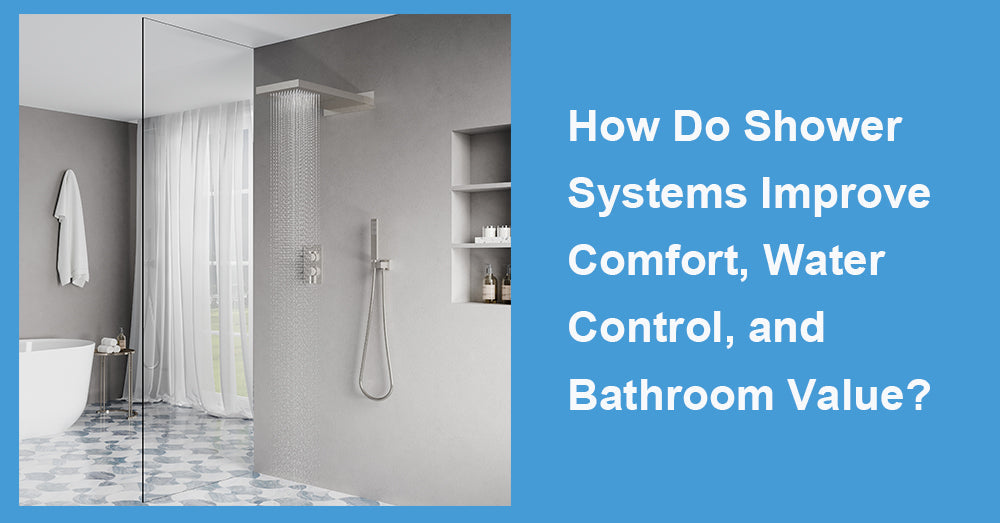
7. Water Control and Efficiency: Reliable Performance Can Also Reduce Waste
Efficiency doesn’t have to feel weak—especially with modern spray engineering.
· WaterSense-labeled showerheads are capped at 2.0 gpm and include performance criteria intended to ensure user satisfaction (Source: EPA WaterSense “Showerheads”).
· An ICC technical article discussing multi-showerhead water efficiency cites potential savings of more than 1,200 gallons per showerhead per year and about 370 kWh annually in related energy terms (Source: ICC article).
Even if you don’t chase labels, using a well-designed head with stable temperature control reduces the “extra minutes fiddling with the handle,” which is a hidden source of wasted water.
8. Bathroom Value: Why Reliable Shower Upgrades Tend to Be Noticed
A shower system is not the entire bathroom, but it’s a high-touch daily-use upgrade. In resale terms, bathrooms are consistently among the projects that retain meaningful value.
The 2025 Cost vs. Value Report lists Bath Remodel | Universal Design at 61% cost recouped (Source: JLC 2025 Cost vs. Value Report).
A shower system upgrade won’t automatically deliver that ROI by itself, but a reliable, modern shower experience contributes to the “finished” feel that buyers notice—especially when controls are intuitive and the shower feels stable and comfortable.
9. A Copy-Friendly Checklist for Buying a Reliable Shower System
Valve and safety
· Automatic compensating valve approach to reduce scald/thermal shock risk (Source: ASSE compensating valves PDF).
· Sensible hot water safety planning; 120°F is a widely cited scald-risk-reduction setting (Source: CPSC PDF).
Flow and performance
· Showerhead flow aligns with 2.5 gpm at 80 psi maximum (Source: 10 CFR § 430.32).
· If WaterSense-labeled: ≤ 2.0 gpm and performance criteria for satisfaction (Source: EPA WaterSense showerheads).
Control logic
· Confirm whether outlets run one-at-a-time or simultaneously, and how the diverter works.
· Choose simple operation you’ll actually use daily.
Compatibility
· Avoid pairing restricted-flow heads with non-compensating older valves (Source: ASSE low-flow showerheads PDF).
Serviceability
· Replaceable cartridges available, parts diagrams published, and support that still exists years later.

Conclusion
Reliable everyday performance comes from the unglamorous decisions: the right compensating valve strategy, realistic flow expectations, simple outlet logic, and serviceable components. Choose a shower system that stays stable within the real flow limits, prioritizes temperature control, and can be maintained with readily available parts. That’s how the shower stops being a daily variable—and becomes a consistent, comfortable routine.
If you share your current setup (single-handle valve vs. separate hot/cold, tub/shower combo vs. shower-only, and whether you want one outlet or multiple at once), I can turn this into a one-page purchase spec with the exact features and documentation to require.


































Leave a comment
This site is protected by hCaptcha and the hCaptcha Privacy Policy and Terms of Service apply.