














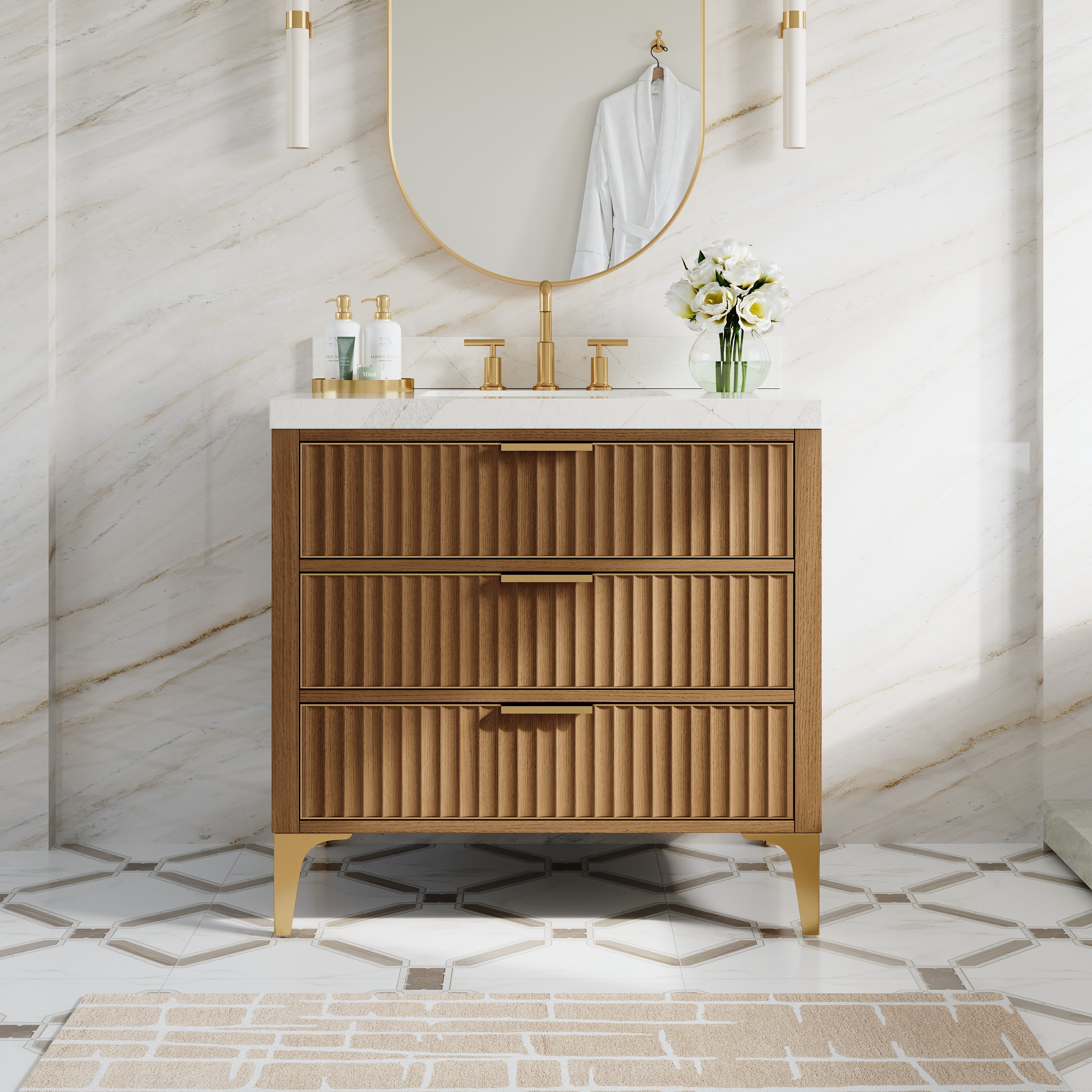
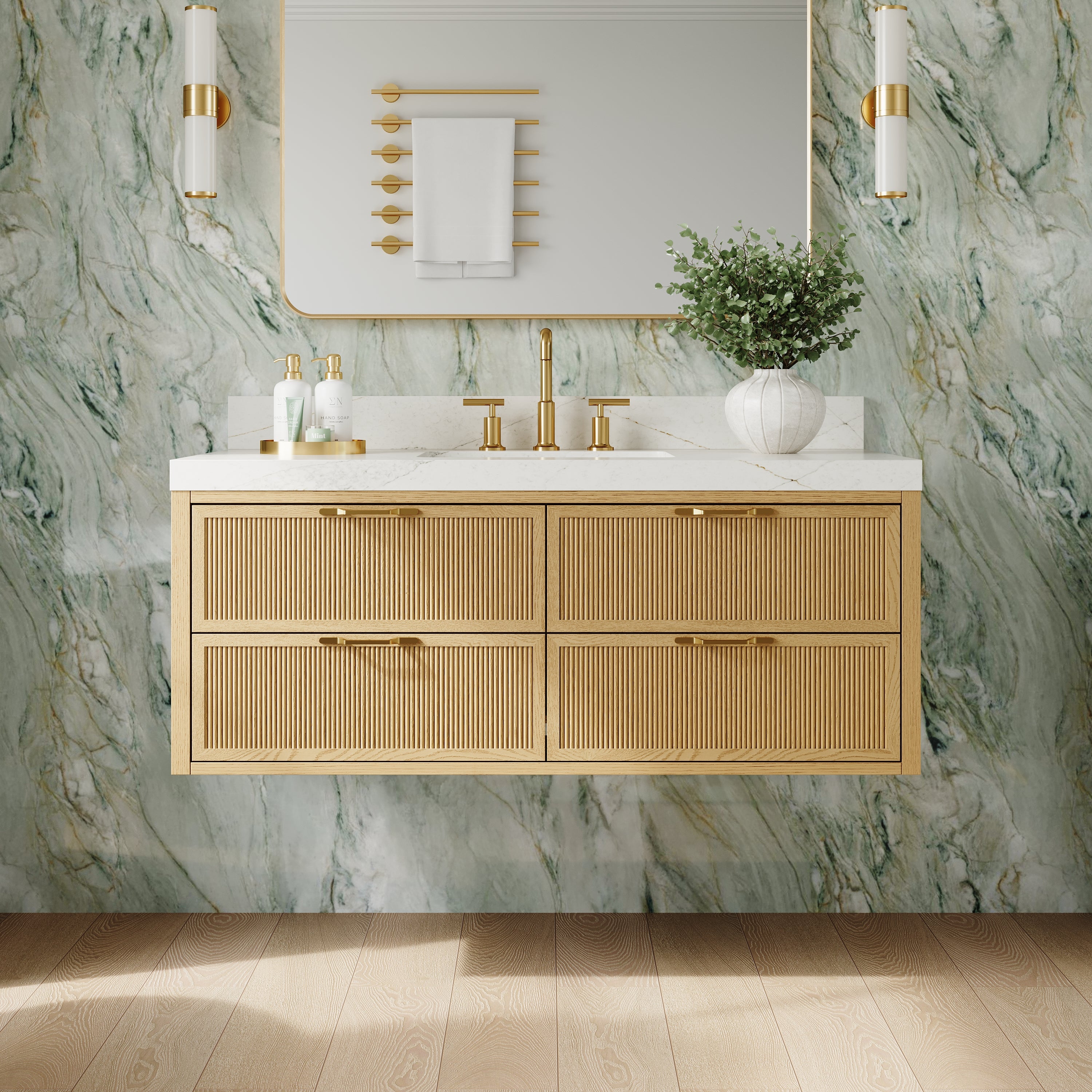


In recent years, minimalism has been gaining popularity in both residential and commercial spaces across North America, becoming one of the most iconic and enduring trends in interior design. Within this evolving trend, the frameless mirror, a seemingly simple yet visually striking element, has quietly become a key decorative option sought after by designers and developers. They not only reshape spatial structure but also reinterpret the core concept of "less is more" in modern design.
This article will delve into the application logic of frameless mirrors within the minimalist aesthetic, their functional advantages, market acceptance, customization trends, and their profound impact on the American interior design industry.
1. The Rise of Minimalism and the Compatibility of Frameless Mirrors
Minimalist design originated in the mid-20th century, but truly became mainstream in the past decade. Its core concept is "removing the unnecessary and retaining only the essential," pursuing spaciousness, structural purity, and the authenticity of materials.
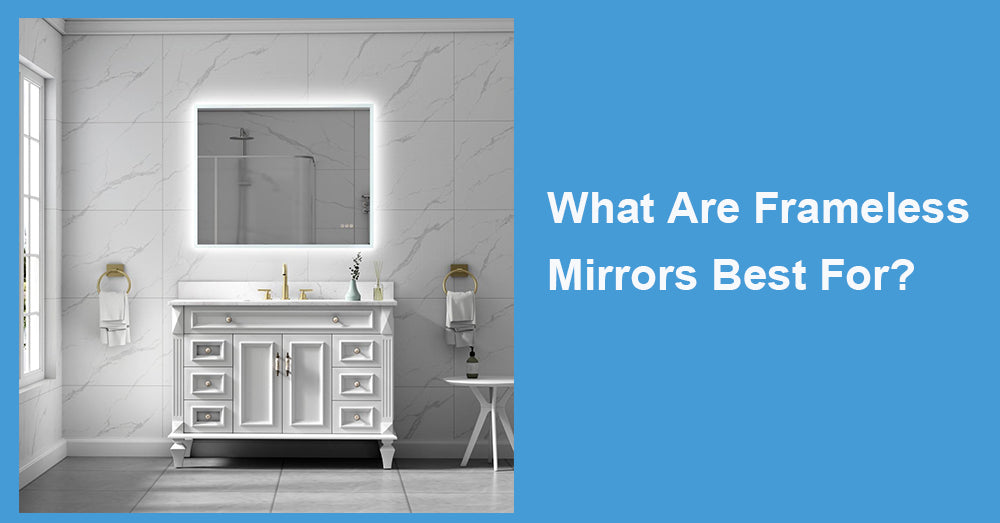
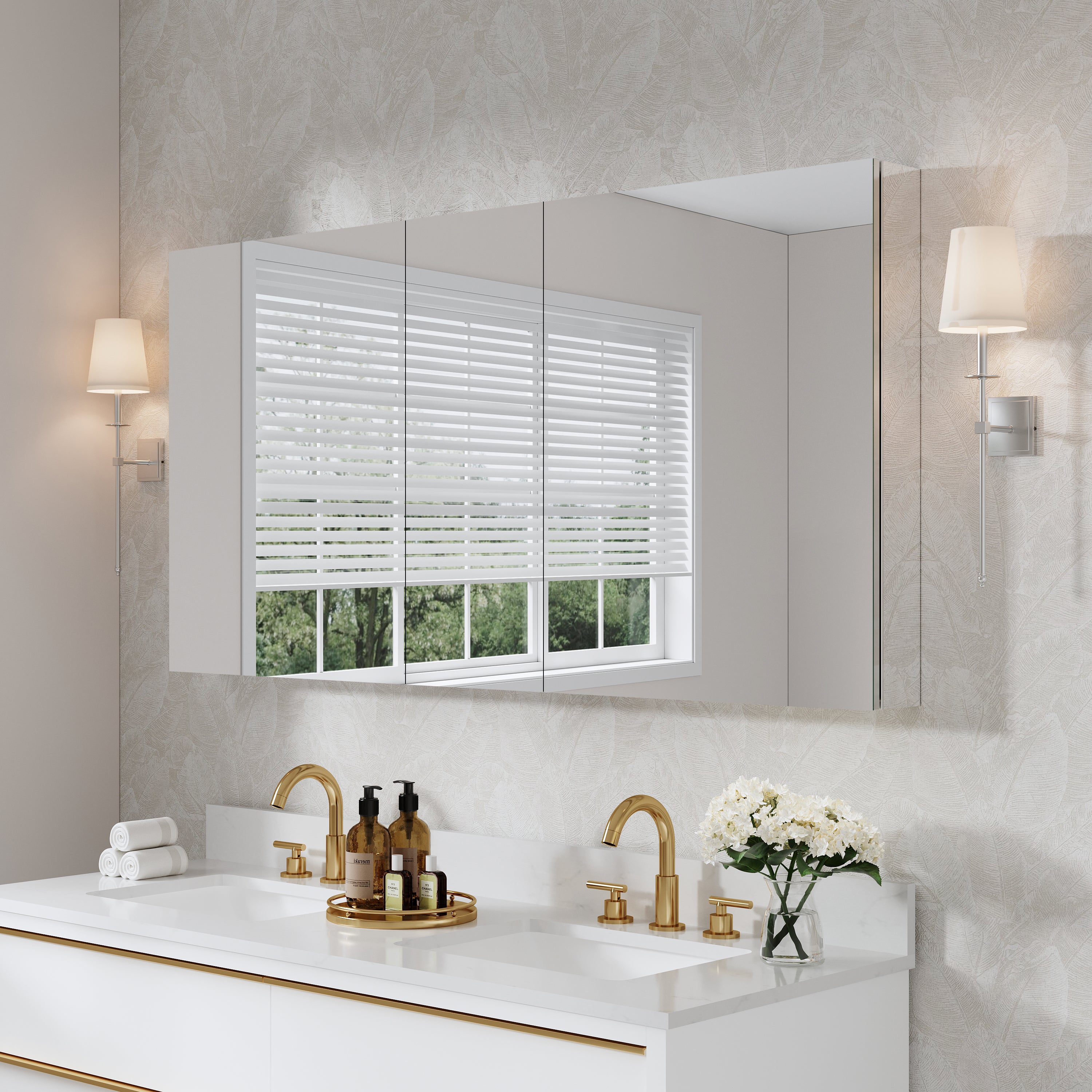
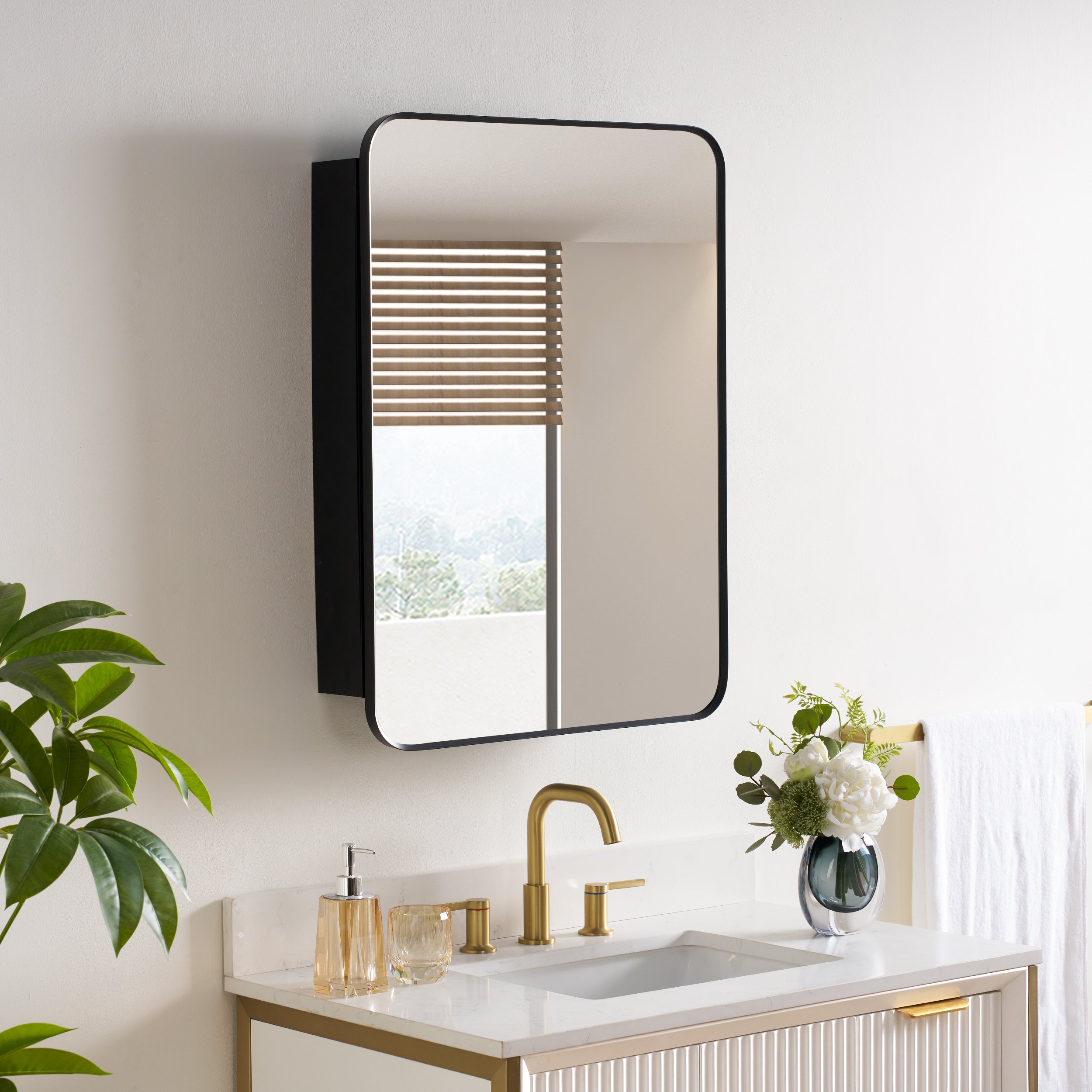
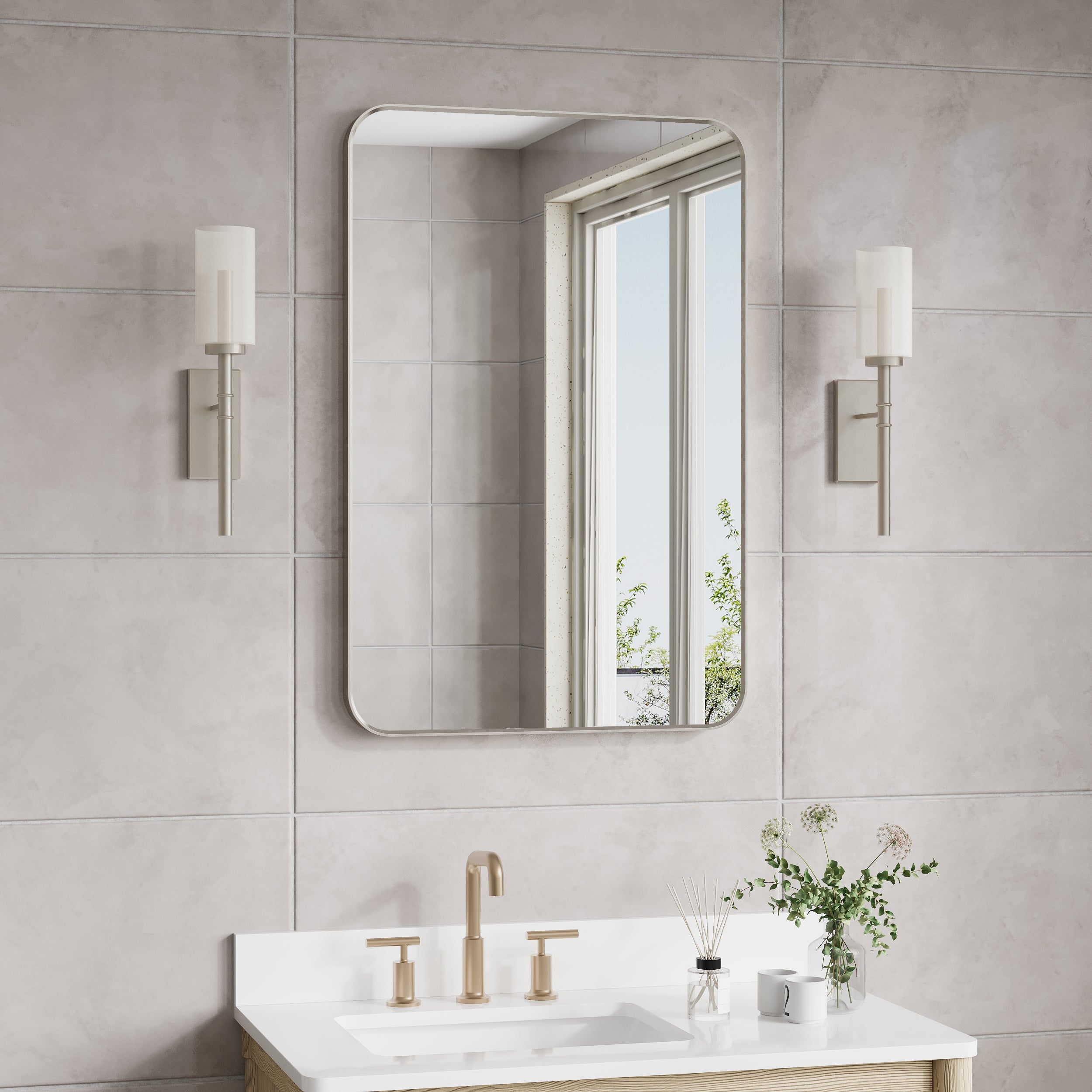
As one of the best embodying minimalist principles, frameless mirrors are characterized by their "elimination of boundaries." Without the bulk and distraction of traditional frames, mirrors seamlessly blend into the wall, focusing the visual focus on the space itself. This "subtle" design technique creates a more open and modern feel.
Frameless mirrors have become a standard feature in new apartments and luxury homes in cities like New York, Los Angeles, and San Francisco. Designers are increasingly turning to full-length, floor-to-ceiling or wall-to-ceiling mirrors in areas like bathrooms, hallways, gyms, and closets to amplify the sense of space and create a sophisticated atmosphere through the interplay of light and shadow.
2. Functional Advantages: Sense of Space, Light, and Visual Extension
Frameless mirrors offer far greater visual spatialization capabilities than traditional mirrors. By removing the frame, the entire wall is transformed into a reflective surface, offering the following key advantages:
✨ Enhanced Sense of Depth: Particularly suitable for small or narrow residences, mirrored reflection effectively stretches the visual boundaries of the space;
✨ Optimised Lighting: Combined with natural light or LED lighting, frameless mirrors maximise reflection and evenly diffuse light, reducing the need for additional lighting;
✨ Increased Material Combination Flexibility: Frameless mirrors are highly adaptable to various materials, including cement grey, wood grain, stone, and metal, blending seamlessly into a variety of modern spaces;
✨ Easy Cleaning and Maintenance: The frameless design reduces corners where dust can accumulate, making cleaning easier and maintaining a long-lasting aesthetic.
3. Consumer Trends: High-End Customisation Drives Popularisation
In the US home improvement market, the consumer base for frameless mirrors is shifting. From being limited to luxury homes and high-end commercial spaces, it is now expanding to middle-class households. This is due to two factors:
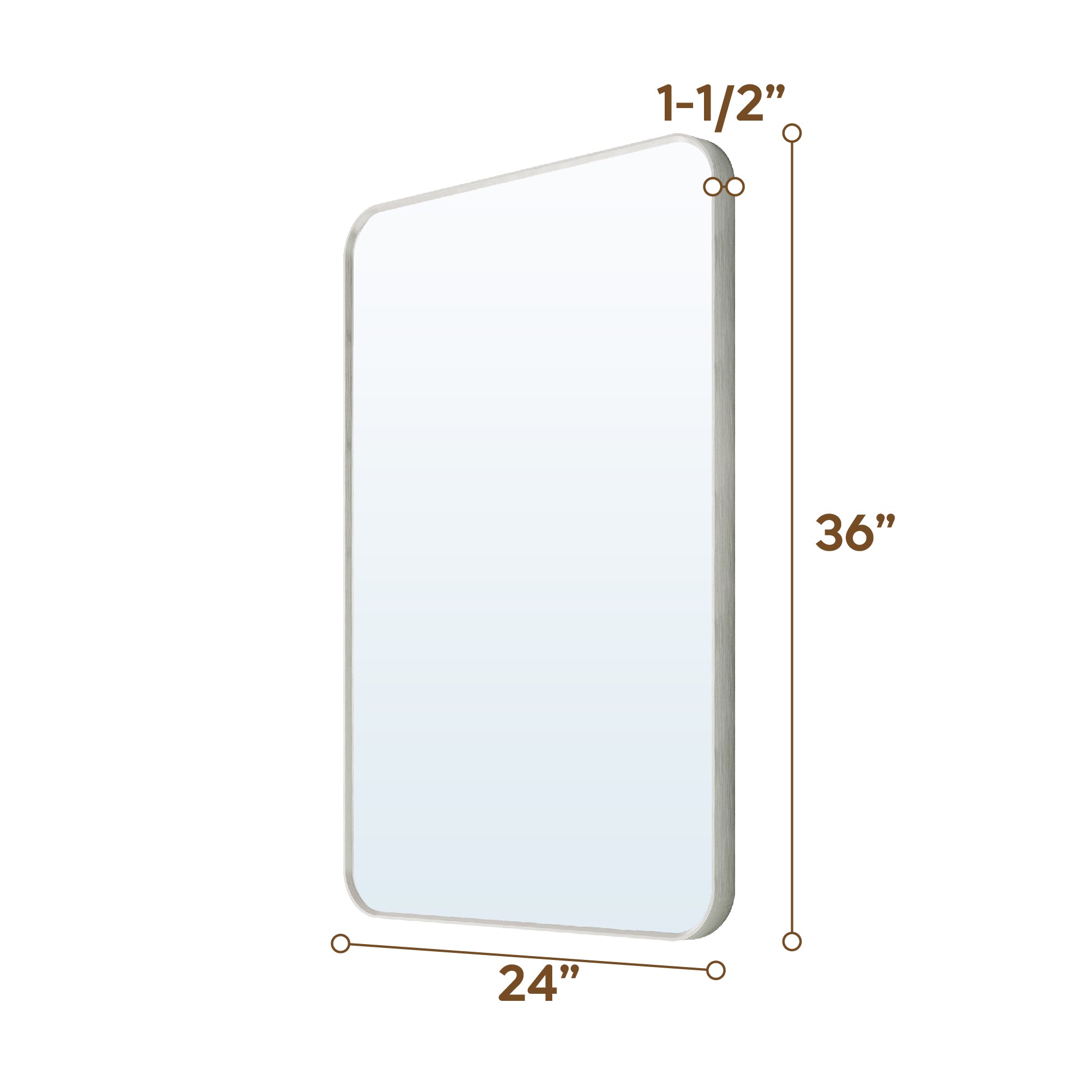
✅ Customization services are expanding to lower-tier markets: More brands, such as Kohler, Renwil, and Umbra, are offering custom options based on standard sizes, including mirror size, thickness, backlighting, and installation methods, to meet the needs of different home types and styles;
✅ E-commerce platforms are promoting consumer transparency: The extensive product reviews and use-case videos on platforms like Amazon, Wayfair, and Home Depot are enabling consumers to make more rational and confident purchasing decisions.
According to a Houzz home survey released in early 2025, over 42% of consumers in the US plan to renovate their master or guest bathrooms in the following year. Among these renovation projects, "de-framing" has become a key term for mirror upgrades.

4. Diversified Installation and Application Scenarios
Frameless mirror installation options have expanded beyond traditional recessed and wall-mounted options to include a broader range of creative combinations, including:
✅ Full-Wall Mirror Design: Commonly used in gyms, dance studios, or commercial spaces, enhancing the functionality of a space;
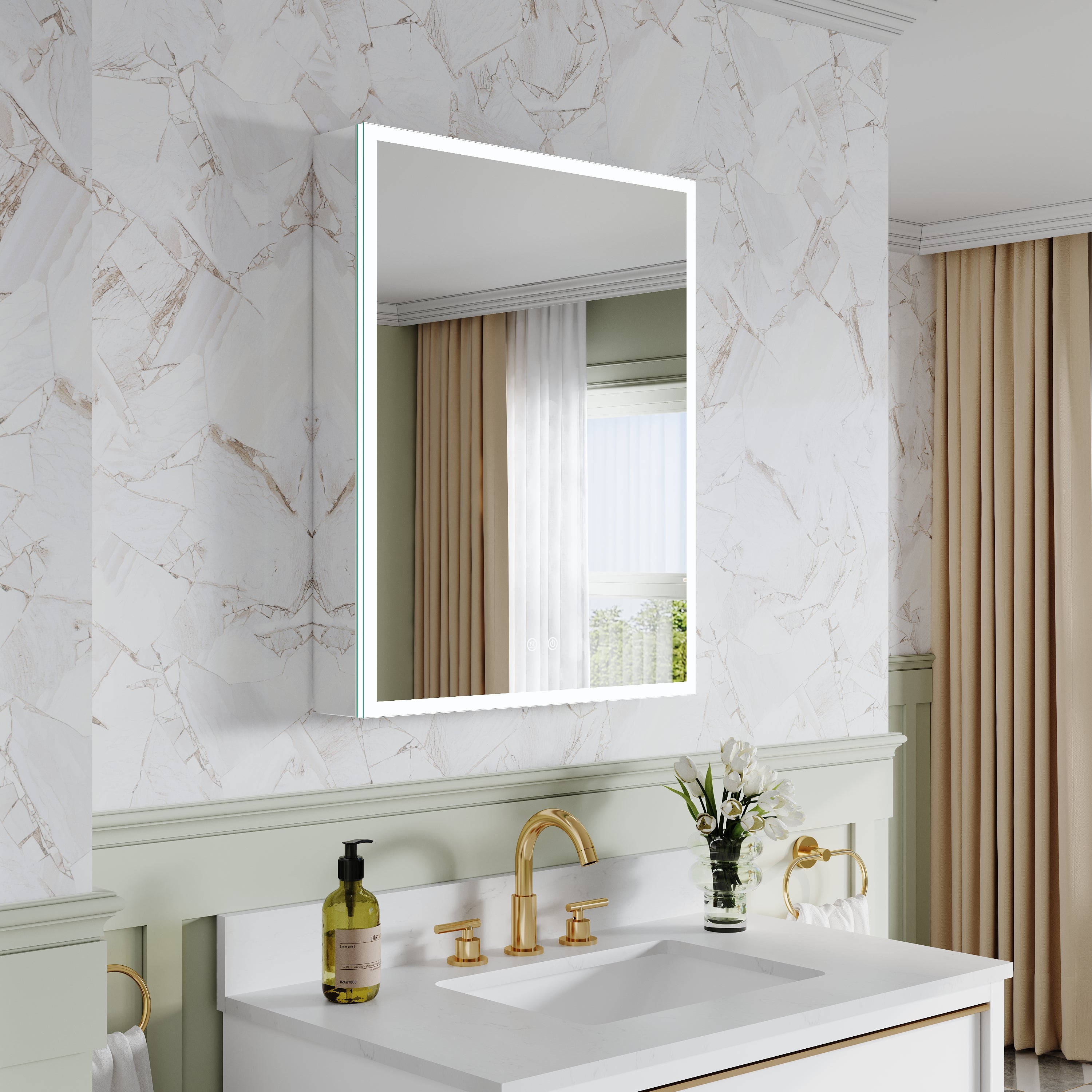
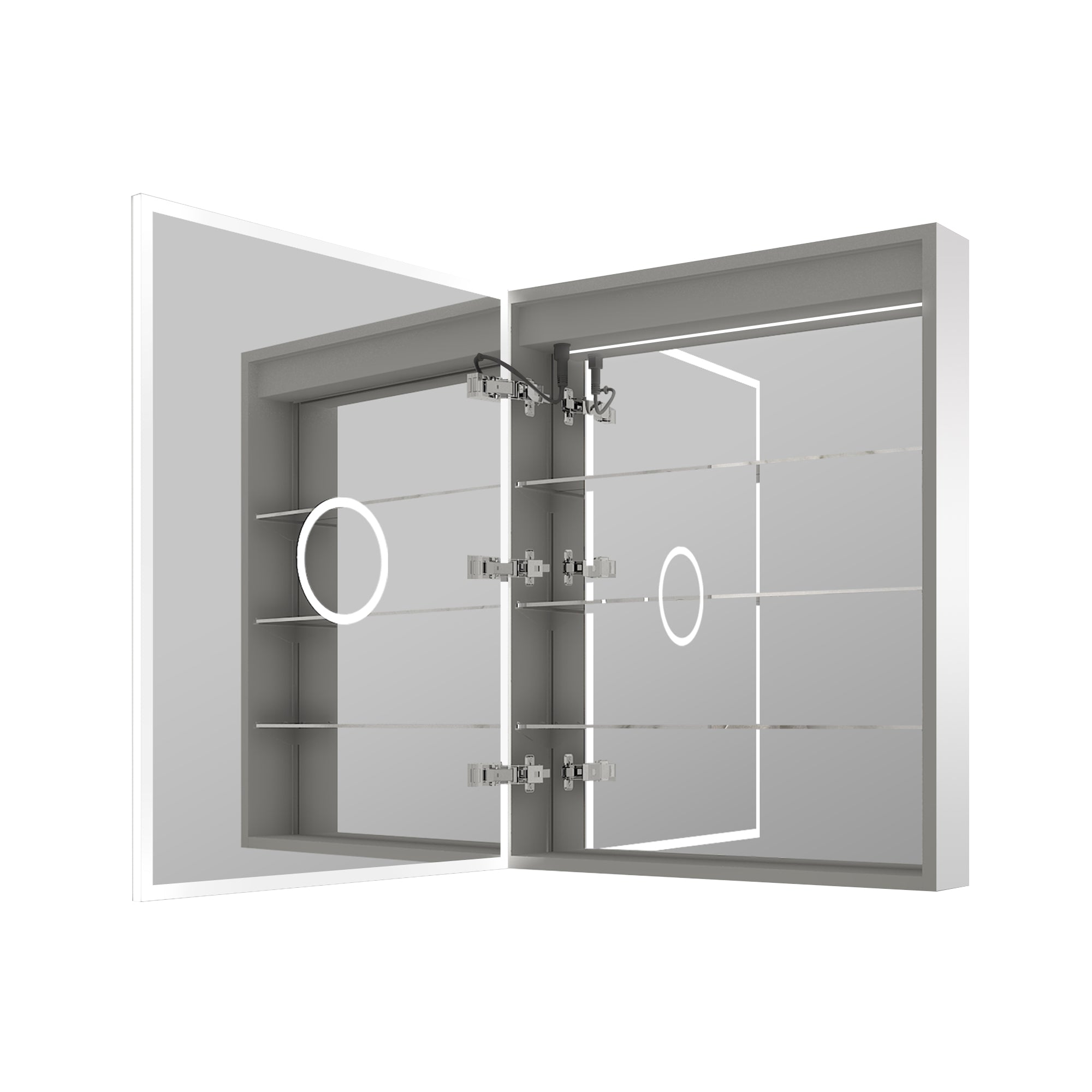
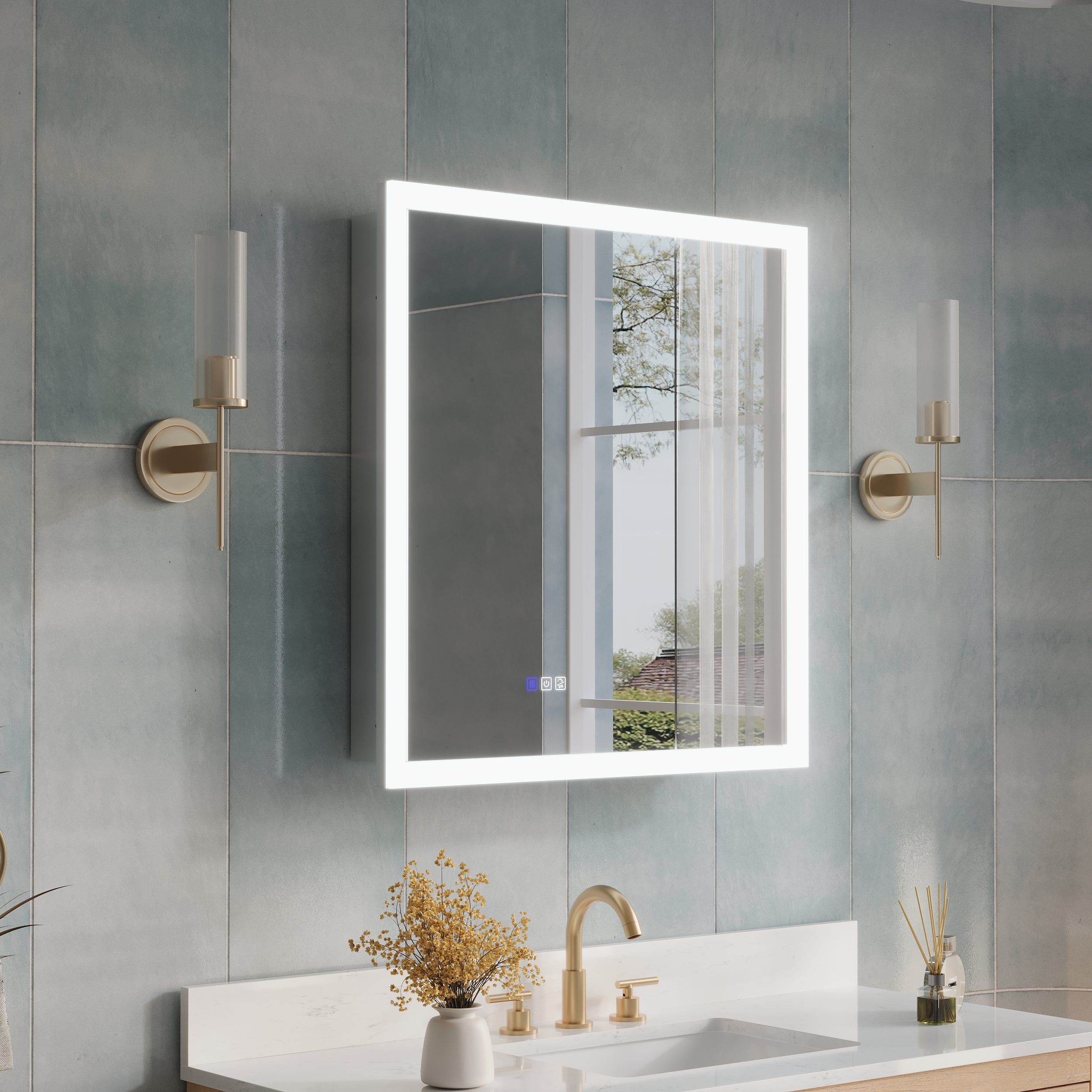
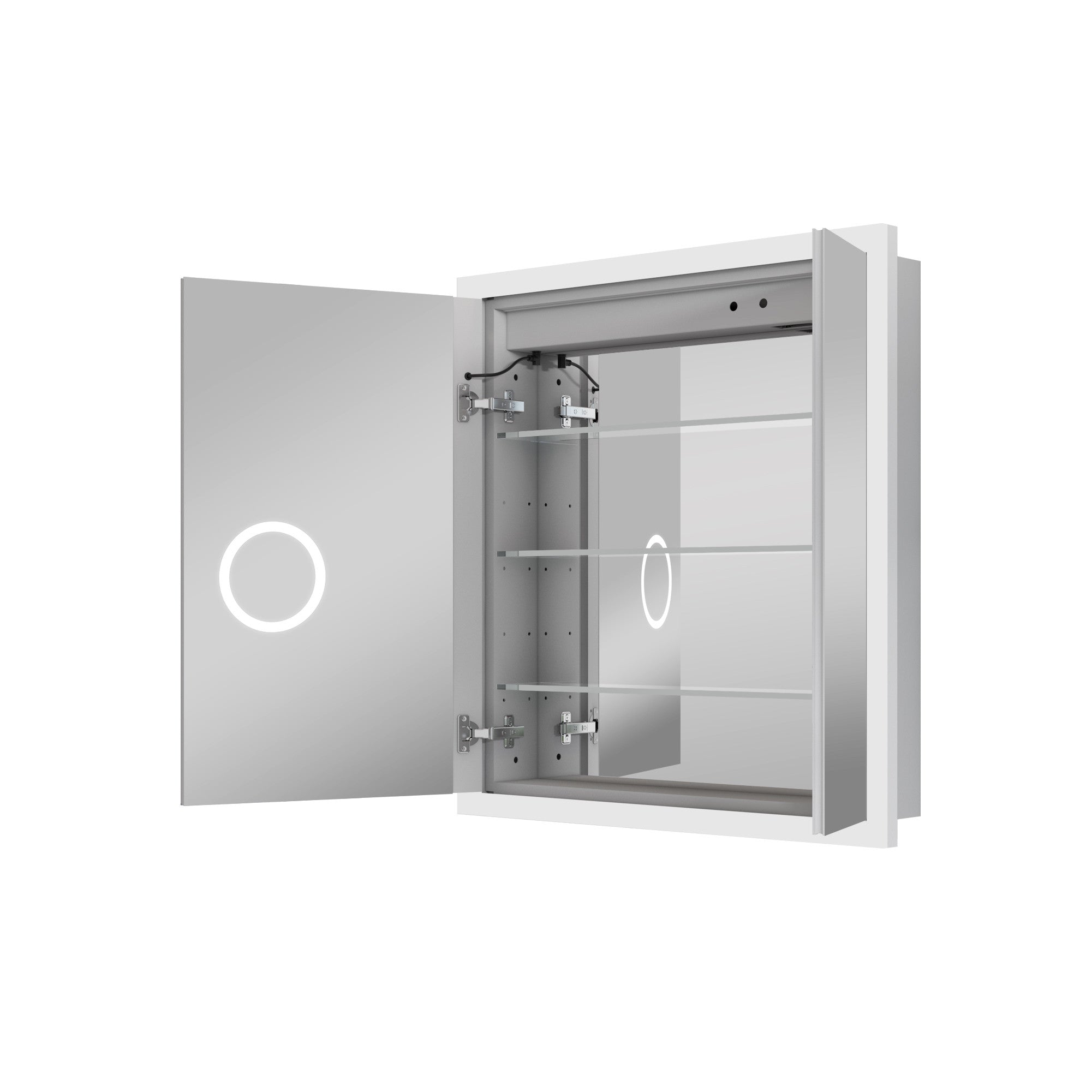
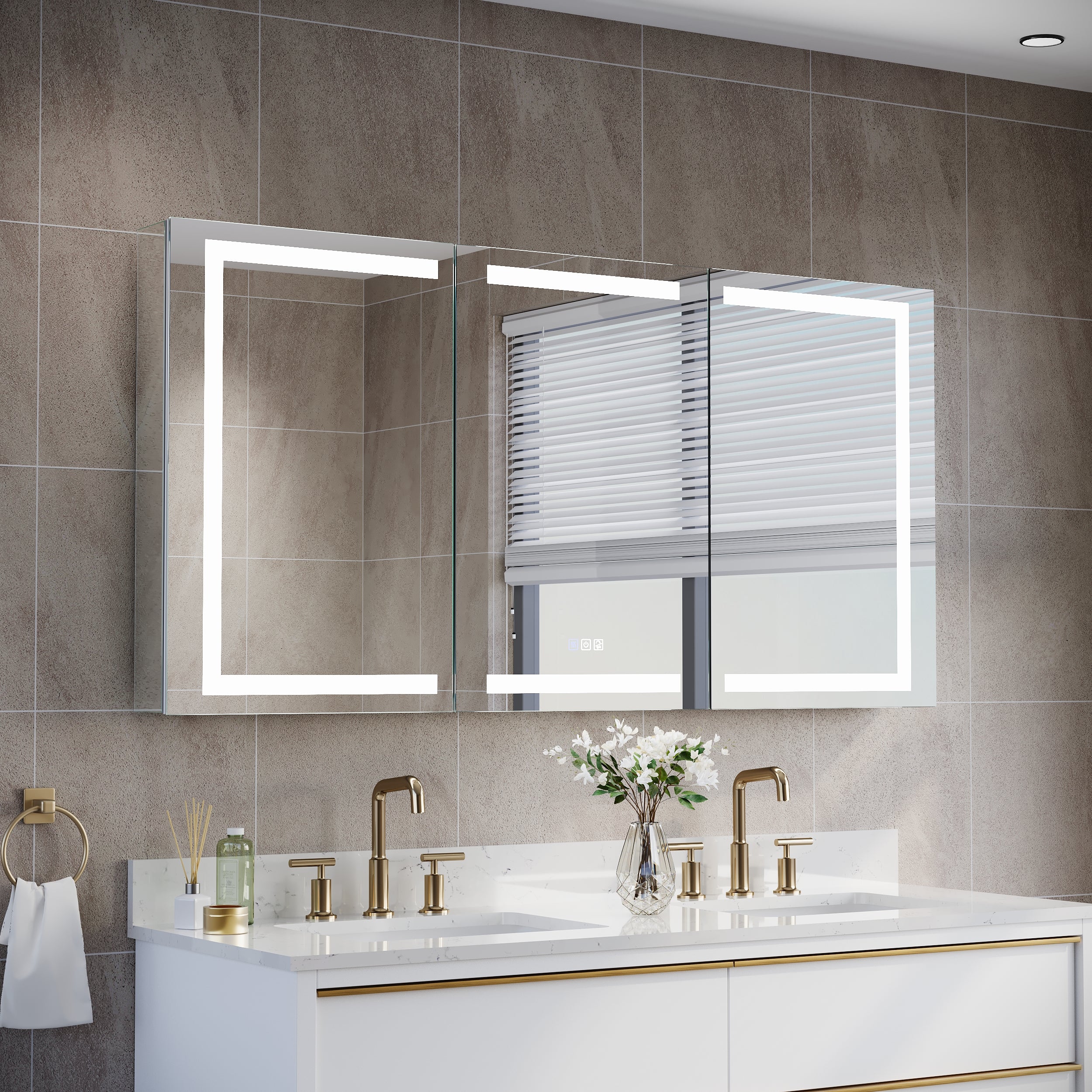
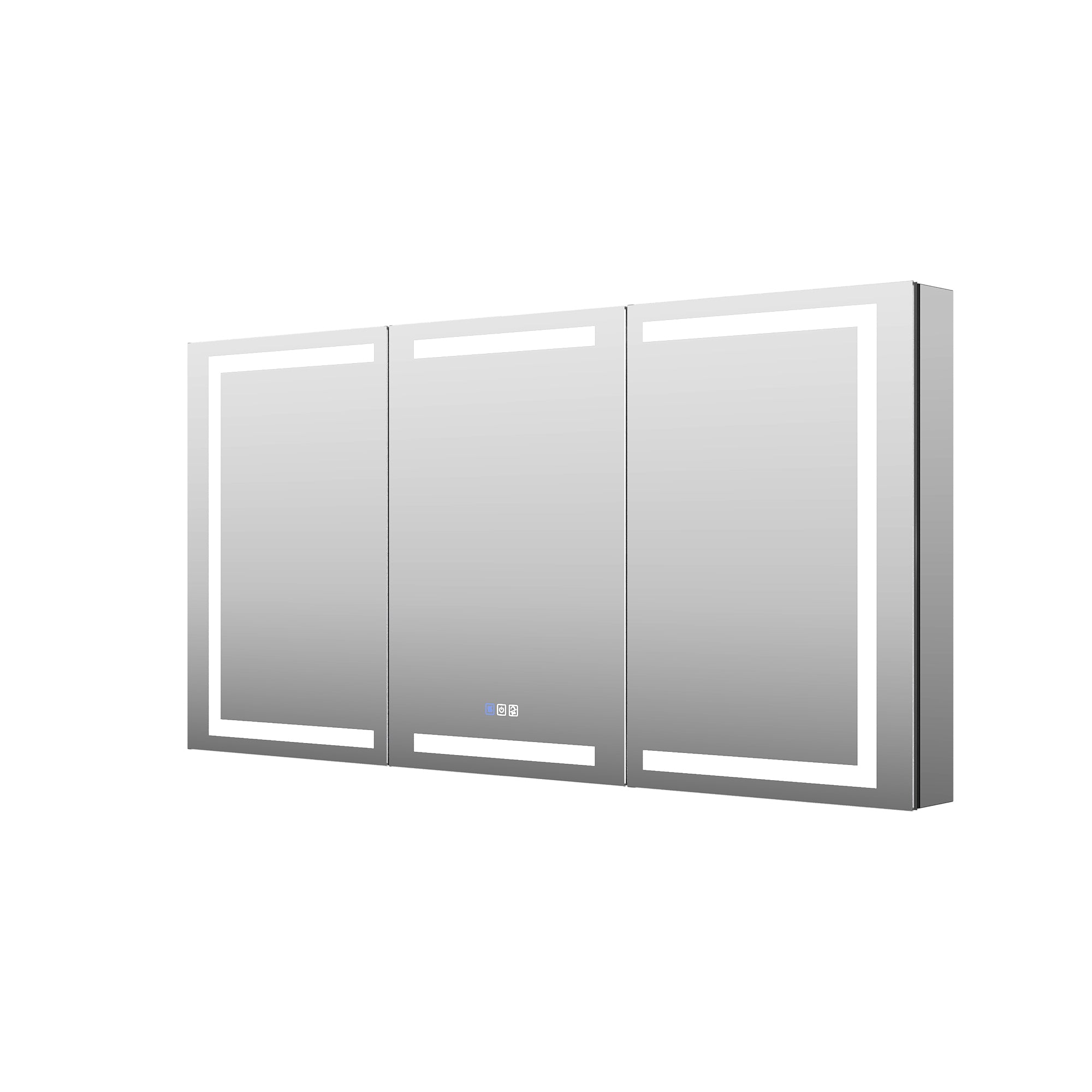
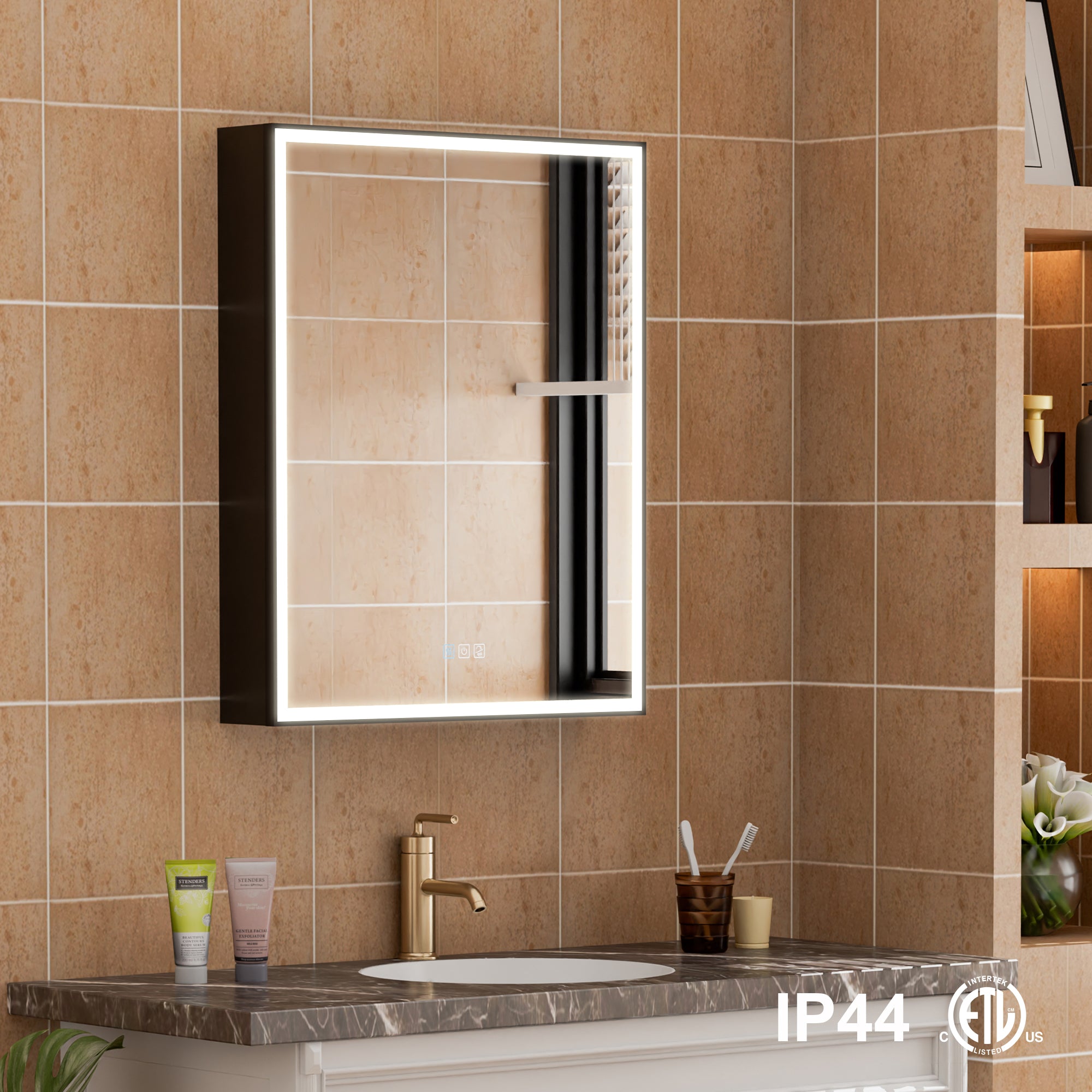
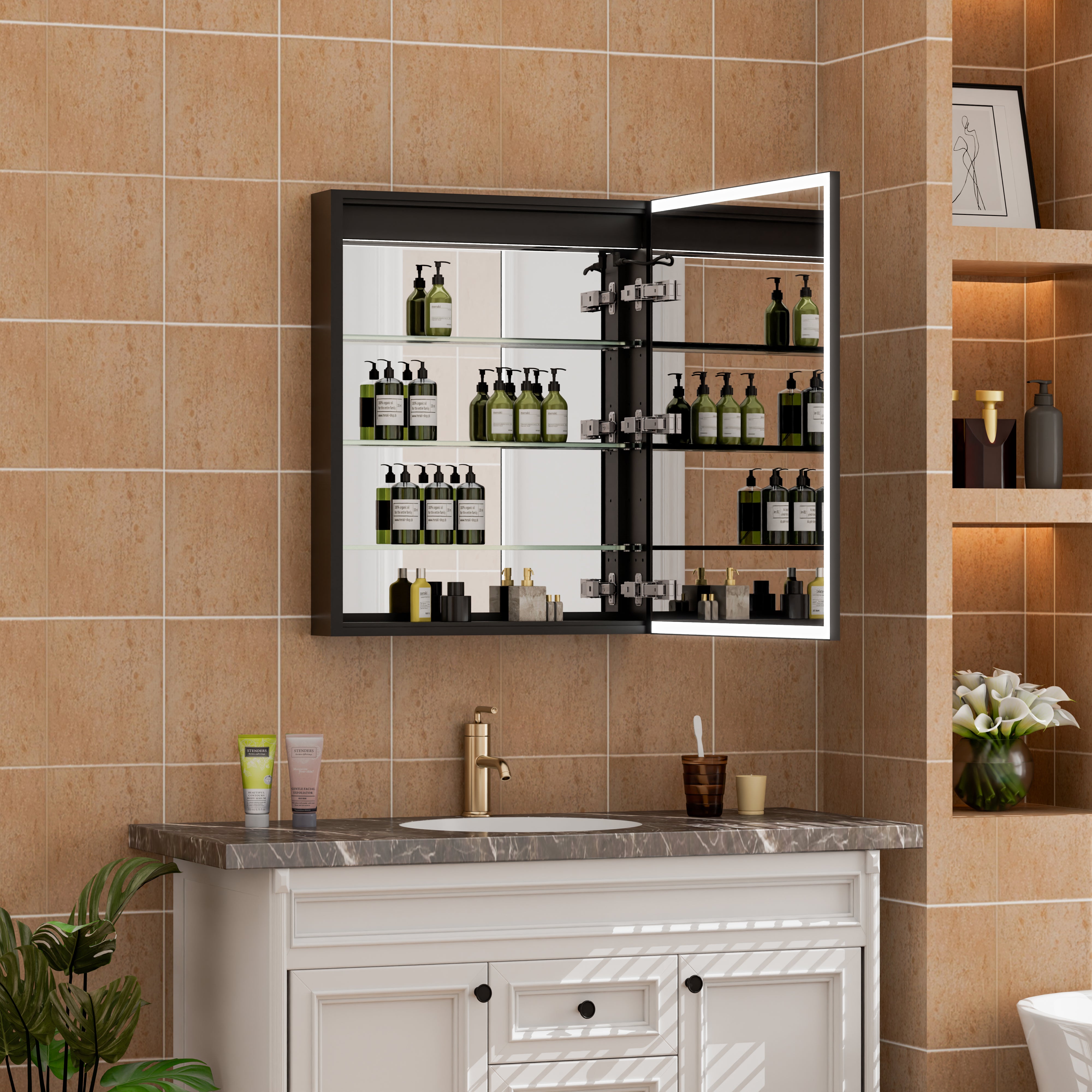
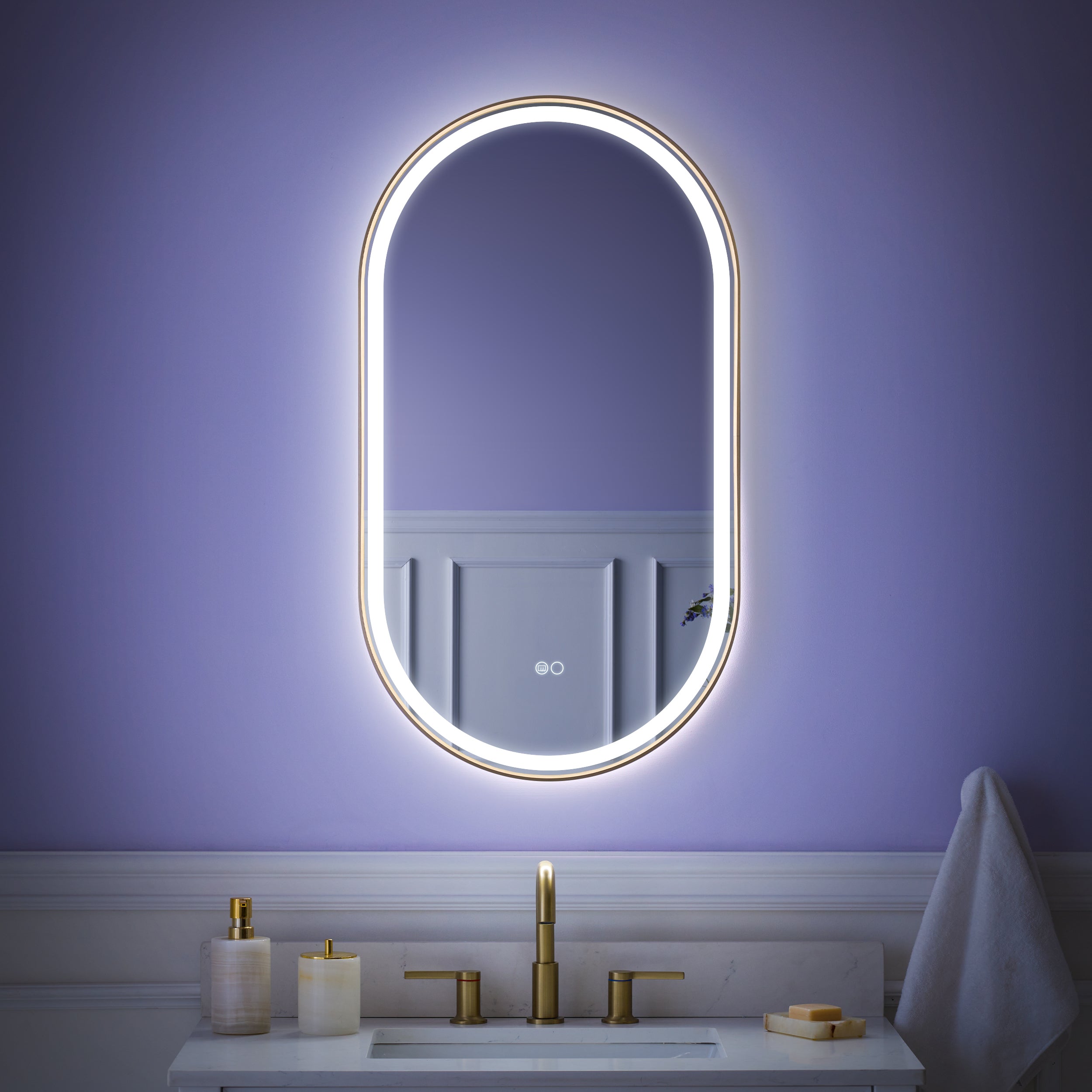
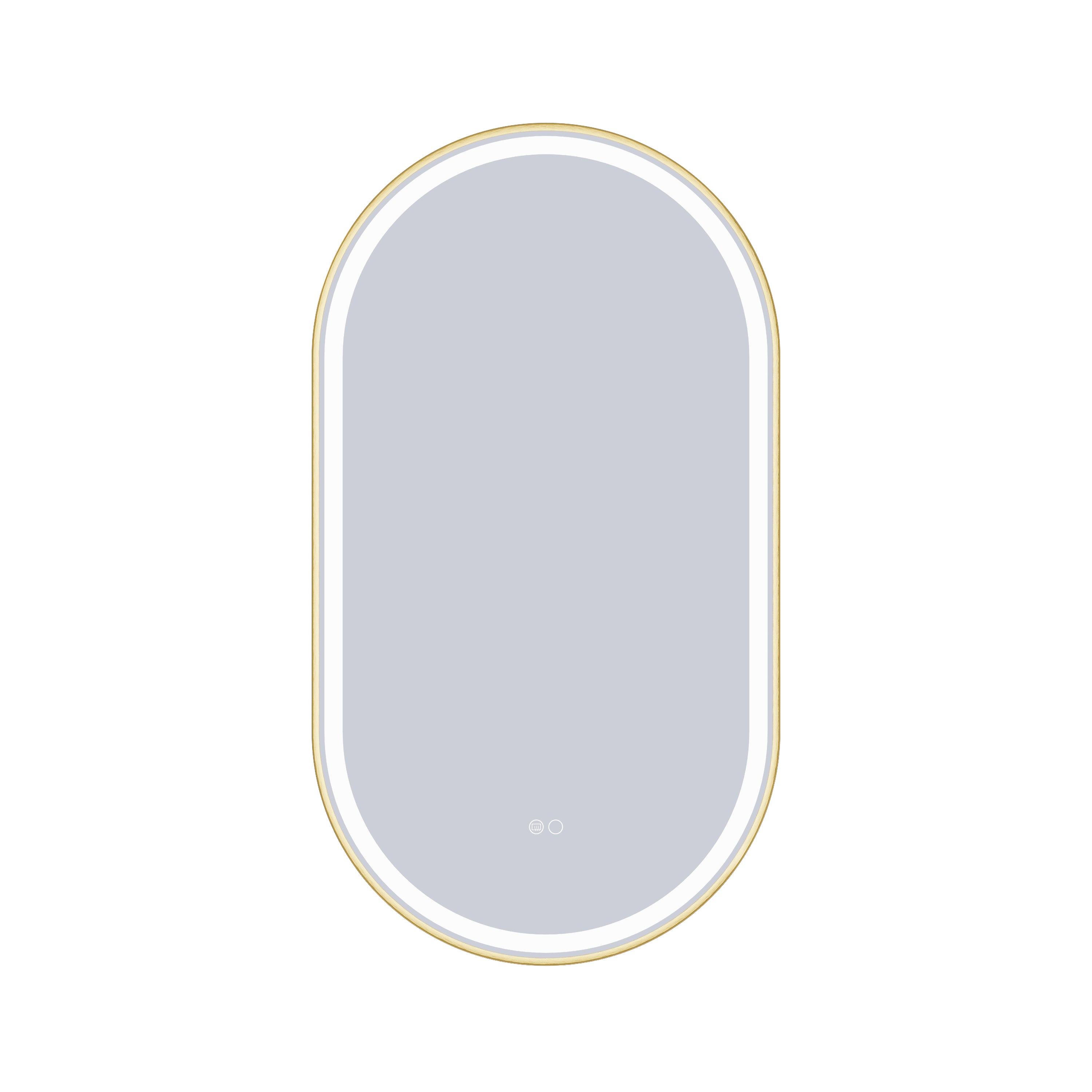
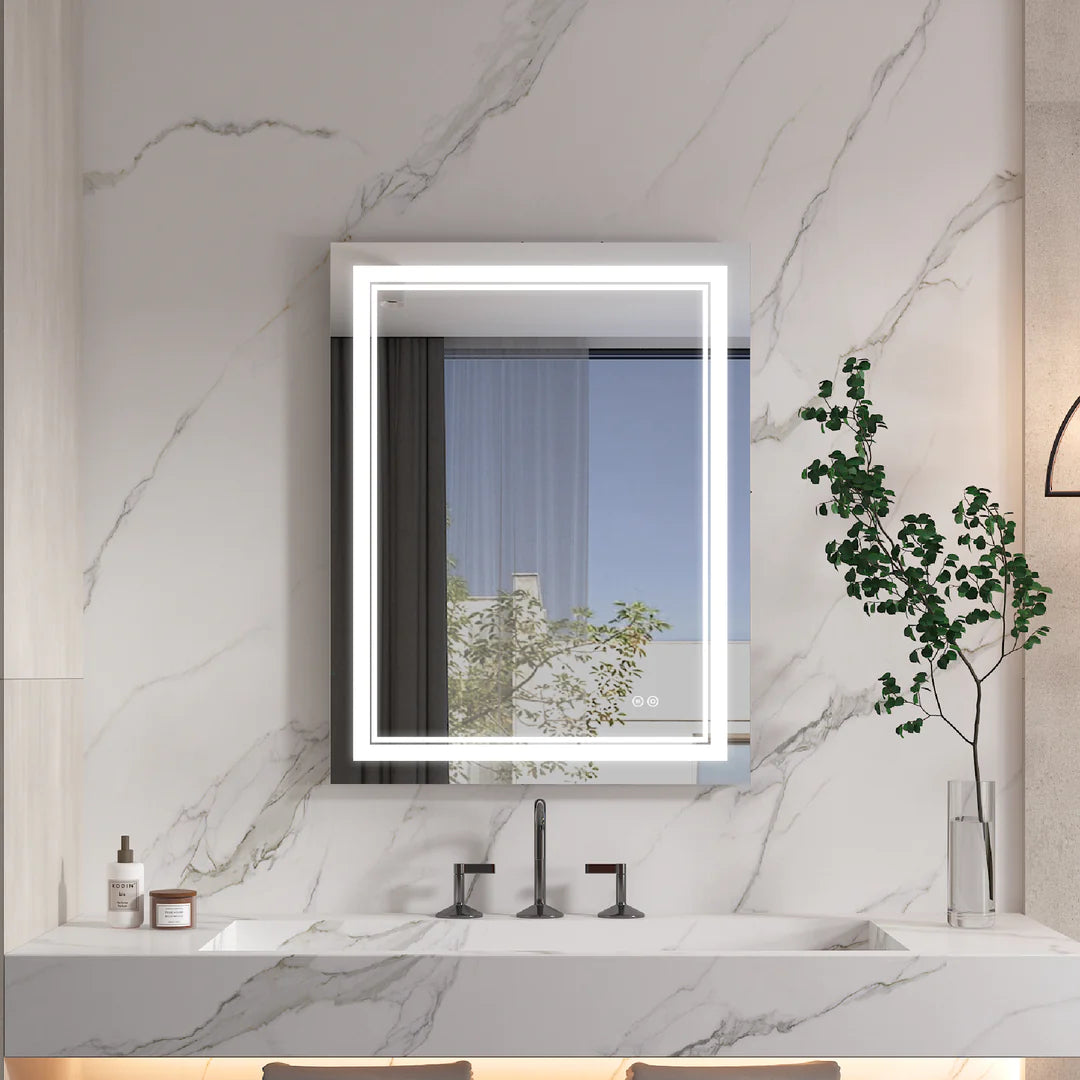
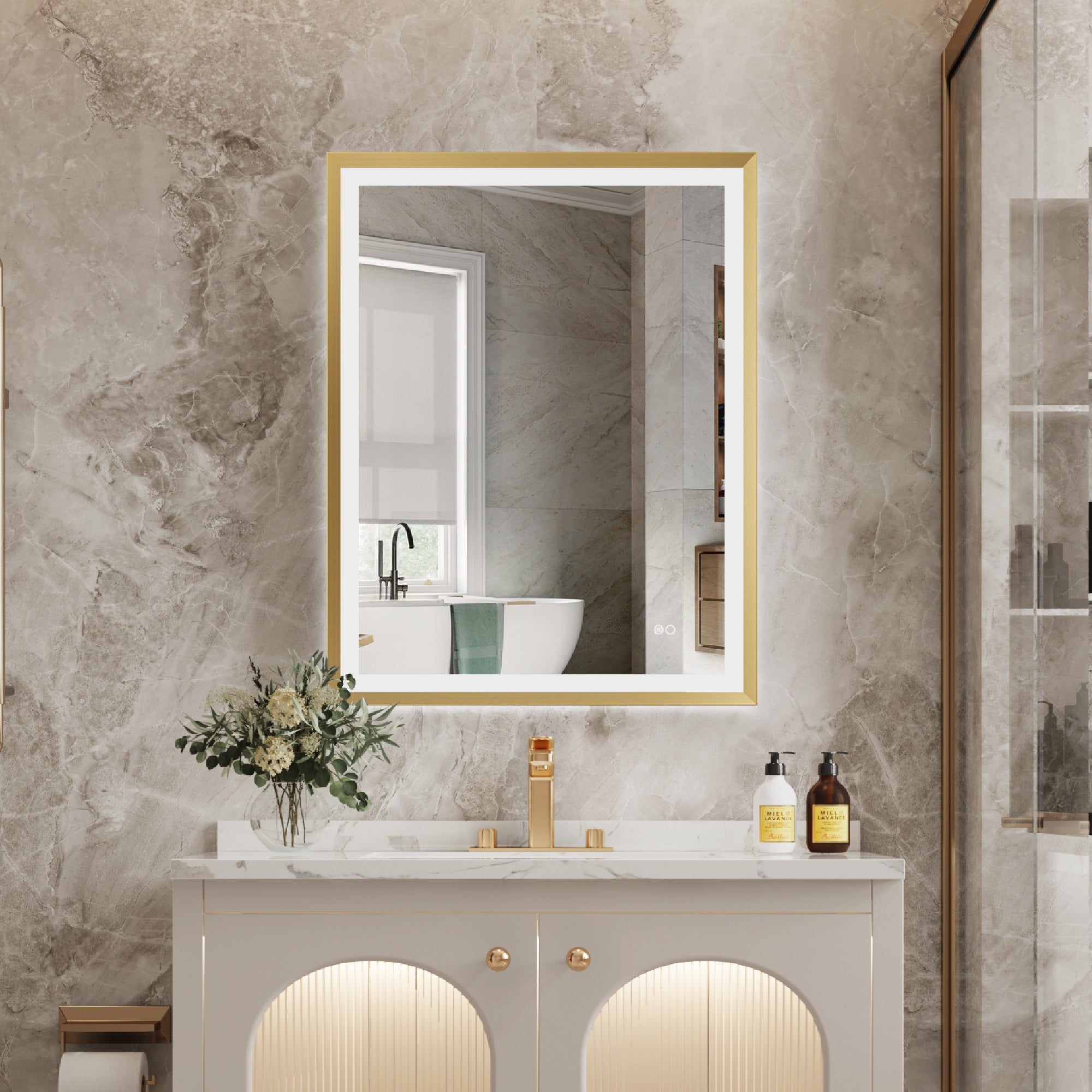
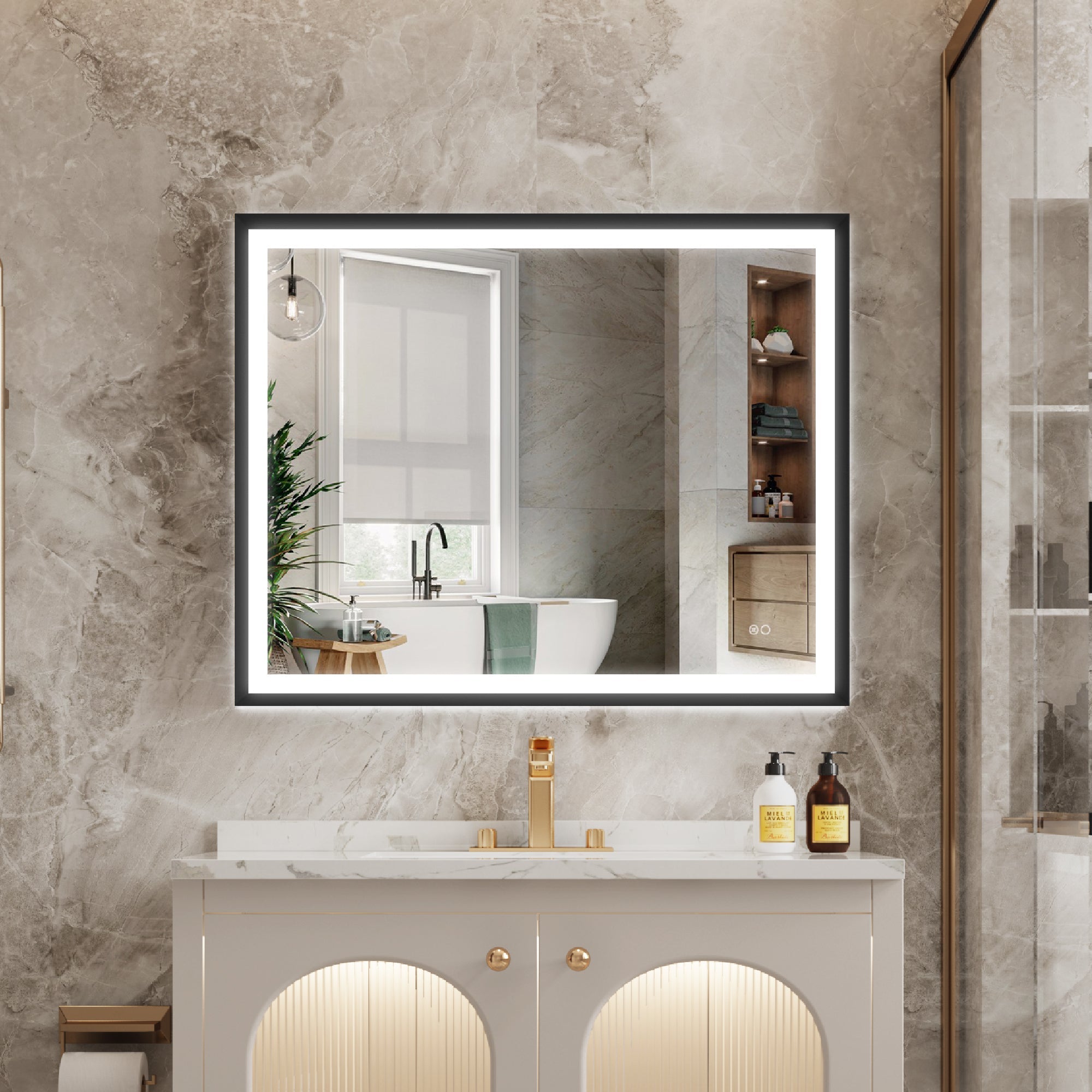
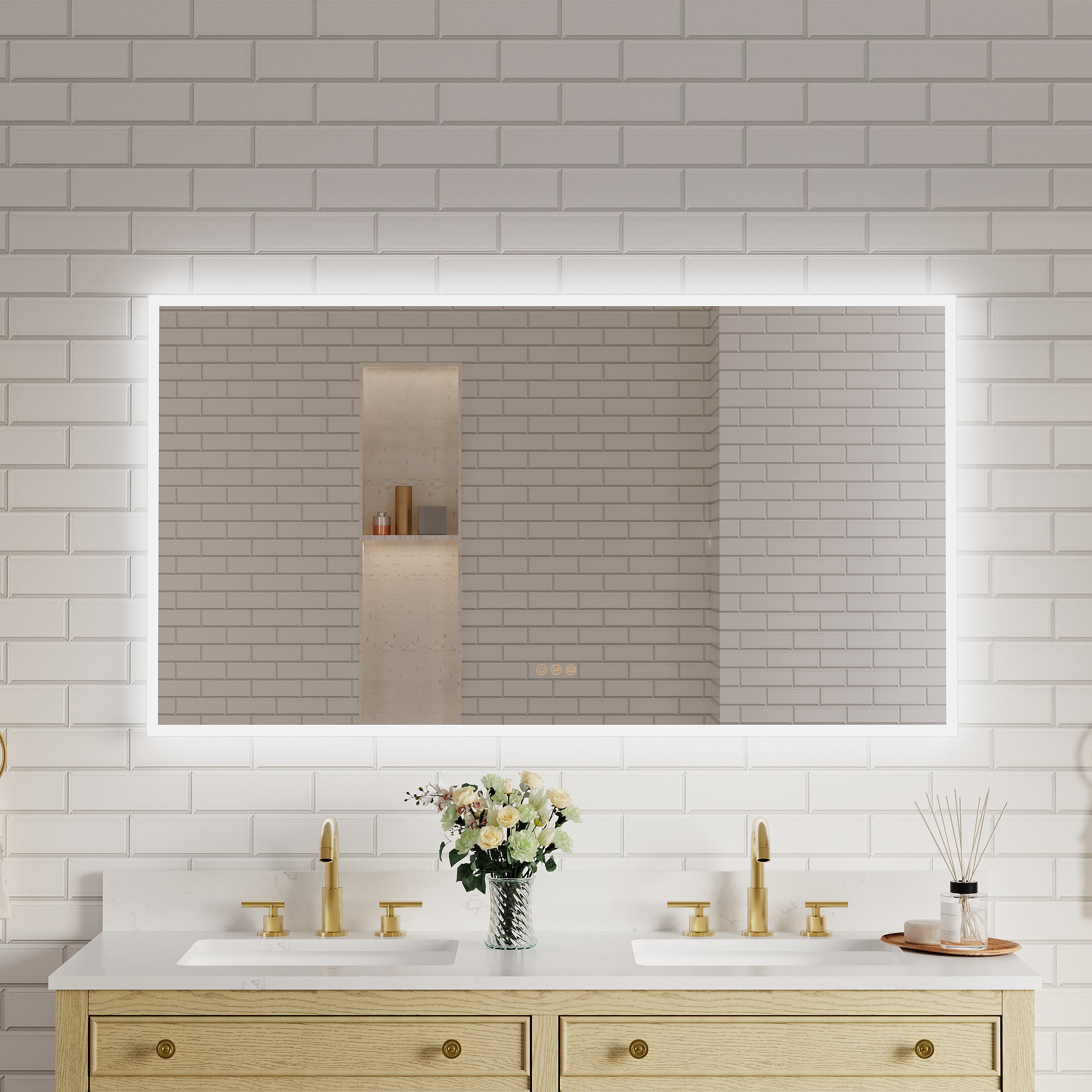
✅ Recessed LED Frameless Mirror: Integrates the mirror with a lighting system, suitable for high-function areas such as bathrooms and hallways;
Floating Mounting Structure: Uses lightweight metal supports to create a "floating" effect in front of the wall, creating a sense of spatial depth;
✅ Mixed Mirror Wall: Combines multiple mirror panels to create geometric patterns or abstract shapes, suitable for artistic decorative projects.
Frameless mirrors are also widely used in commercial spaces, such as hair salons, boutiques, office reception areas, and hotel corridors, where they can enhance the space and provide visual guidance.
5. Materials and Environmental Trends Go Hand in Hand
With consumers' increasing focus on green practices, frameless mirror manufacturing is gradually shifting towards low-carbon and sustainable approaches. Currently, mainstream frameless mirrors on the market mostly use copper-free silver mirrors, which are not only more environmentally friendly and highly resistant to oxidation, but also more durable and non-discolouring.
In addition, backing materials are beginning to use recycled MDF boards, moisture barriers, or PET panels, and mounting adhesives are now aligned with environmental standards for lower VOC emissions. These changes improve the overall health performance of the product and make frameless mirrors more suitable for use in environmentally sensitive spaces such as bedrooms and children's rooms.
6. Future Outlook: Technological Convergence Leads to Mirror Innovation
In the next few years, frameless mirrors will be increasingly integrated with smart home technologies, demonstrating the following development trends:
✨ Integrated touch and voice interaction modules: Micro sensors can be embedded in the mirror surface, enabling functions such as lighting adjustment, weather display, and calendar synchronization;
✨ OLED display mirrors: Visual information is projected directly onto the mirror surface, achieving a unified mirror and display.
✨ Modular splicing systems: Allow users to rearrange and combine mirror units based on spatial changes, improving product lifecycle and adaptability;
✨ AI-assisted customisation: Based on user habits, aesthetic preferences, and spatial structure, AI automatically generates matching mirror size and layout suggestions, improving customisation efficiency.
Conclusion:
Frameless mirrors are not just a decorative tool; they are an expression of lifestyle. Their role in modern design has long transcended the definition of "utility" and has become a part of "visual language." Their minimalist style creates a sense of grandeur in a space, and their transparent texture magnifies the scale of life.
In the future, whether in high-end residences, multi-functional commercial spaces, or bathroom upgrades for a broader range of middle-class families, frameless mirrors will continue to set new standards for modern interior design with their low-key yet irreplaceable attitude.










Leave a comment
This site is protected by hCaptcha and the hCaptcha Privacy Policy and Terms of Service apply.