














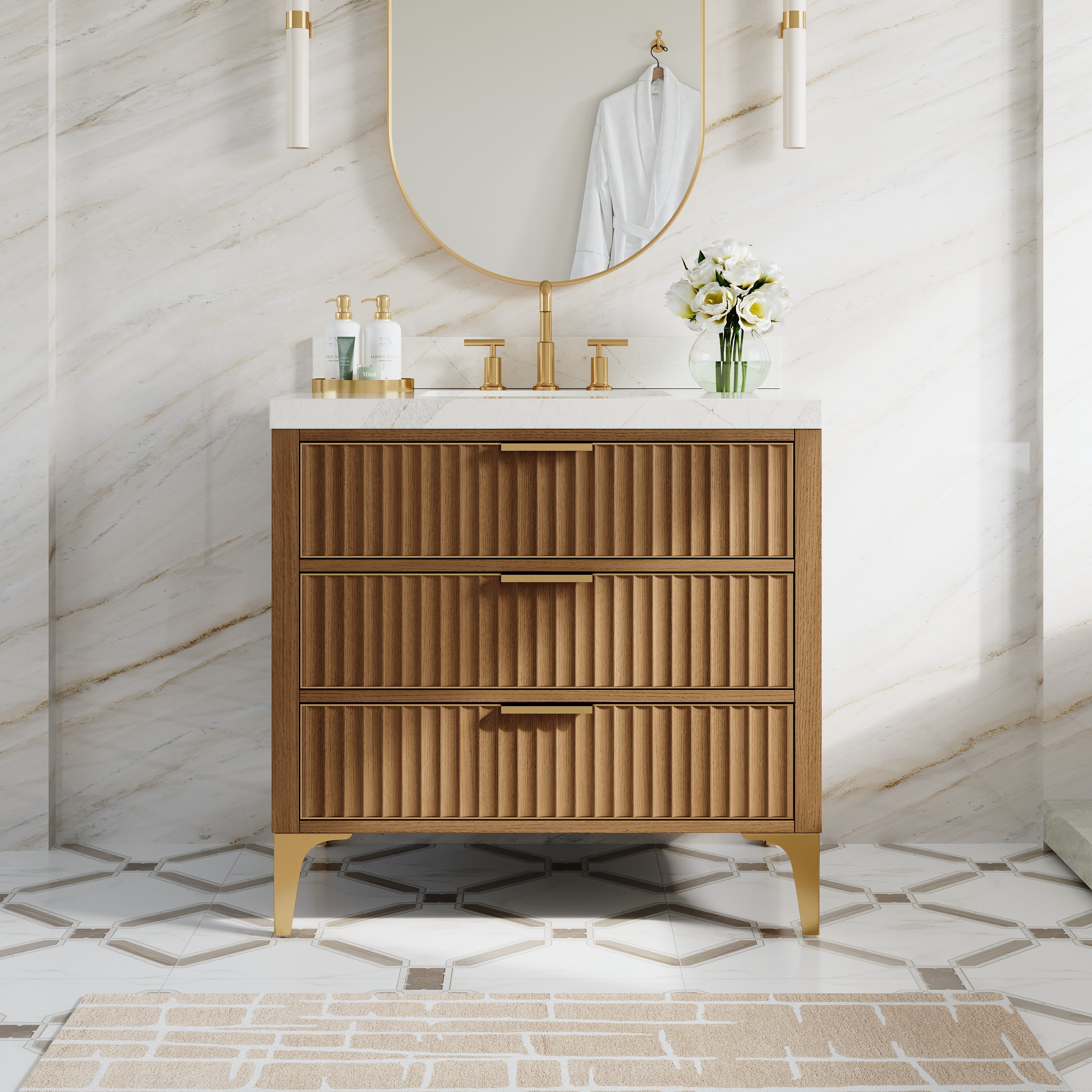
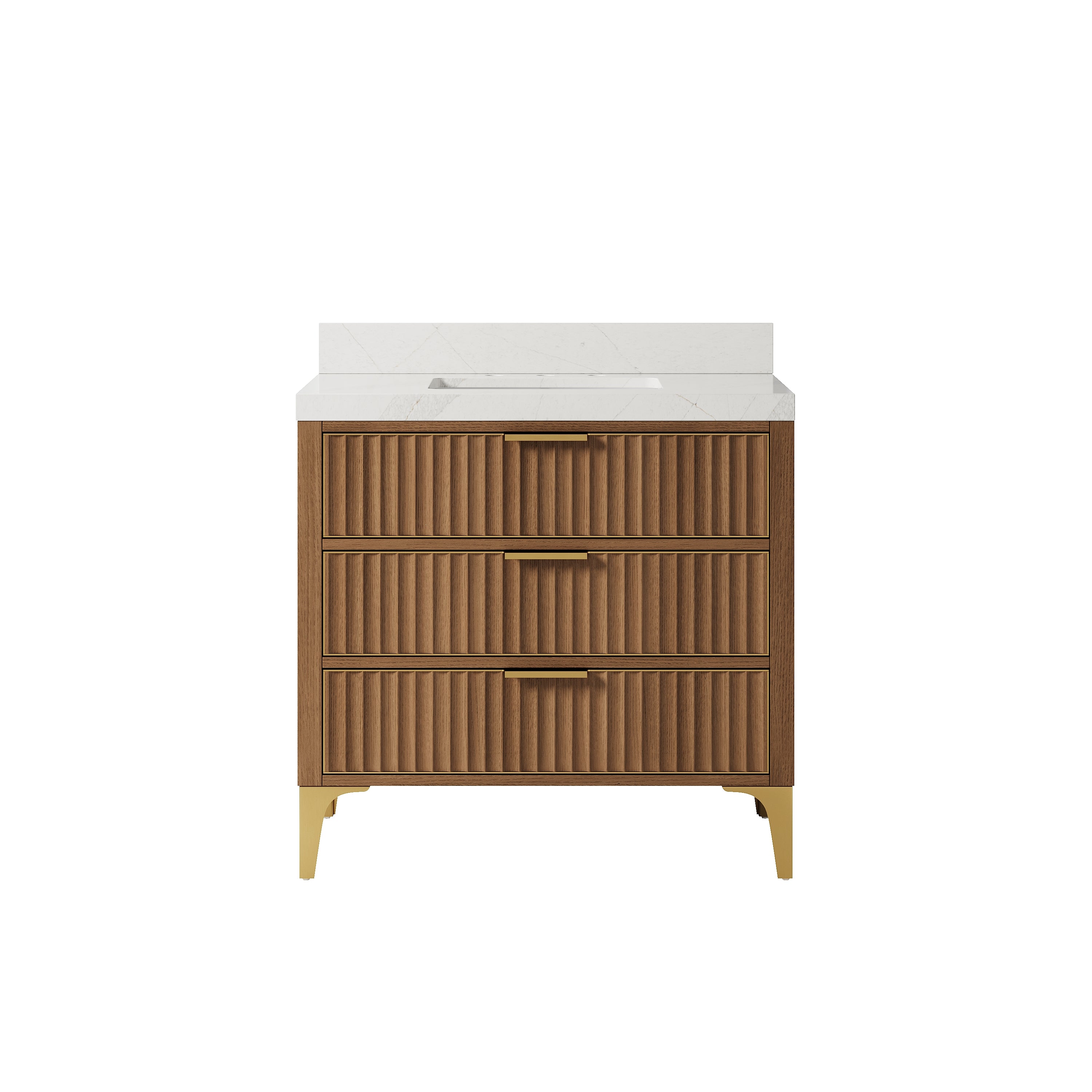
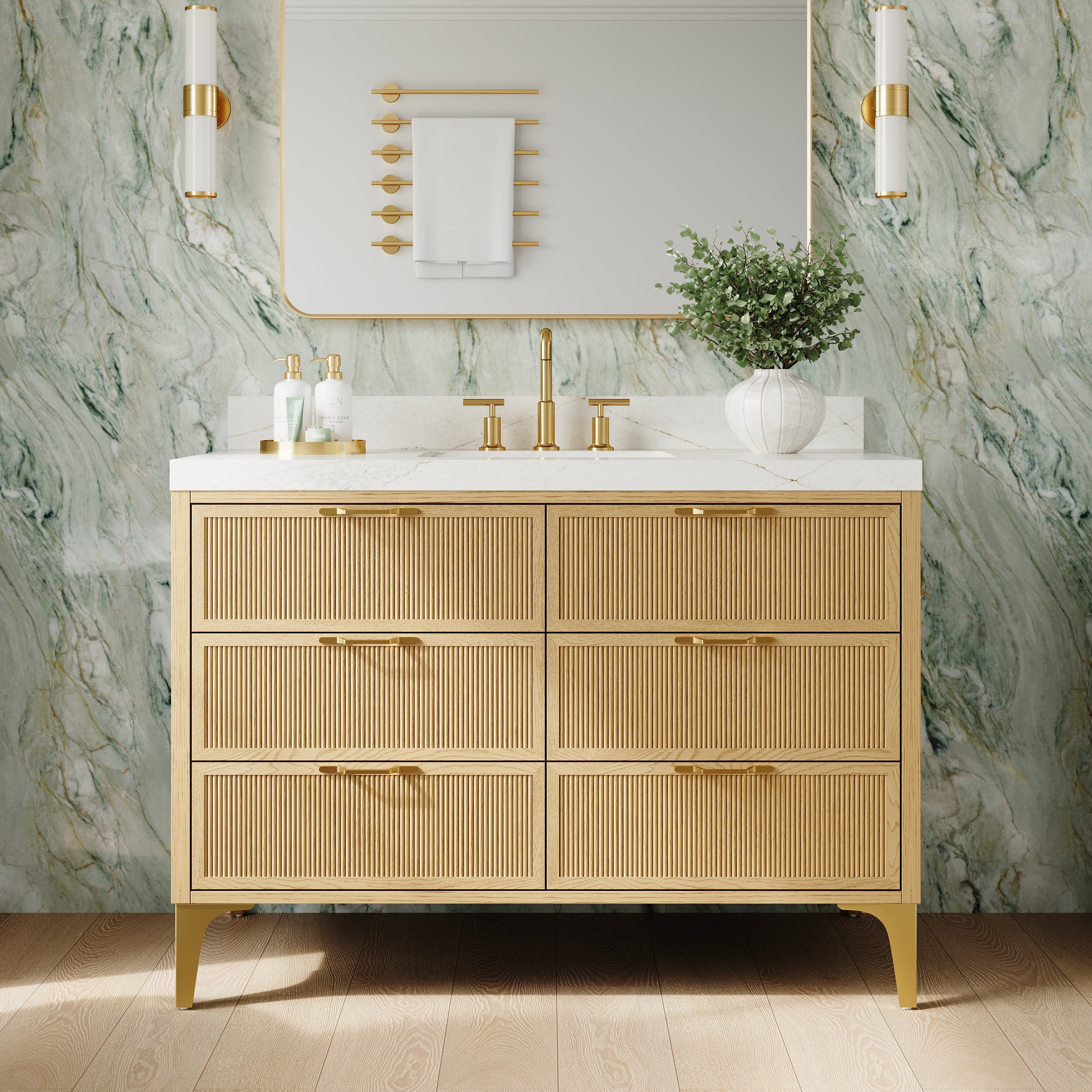
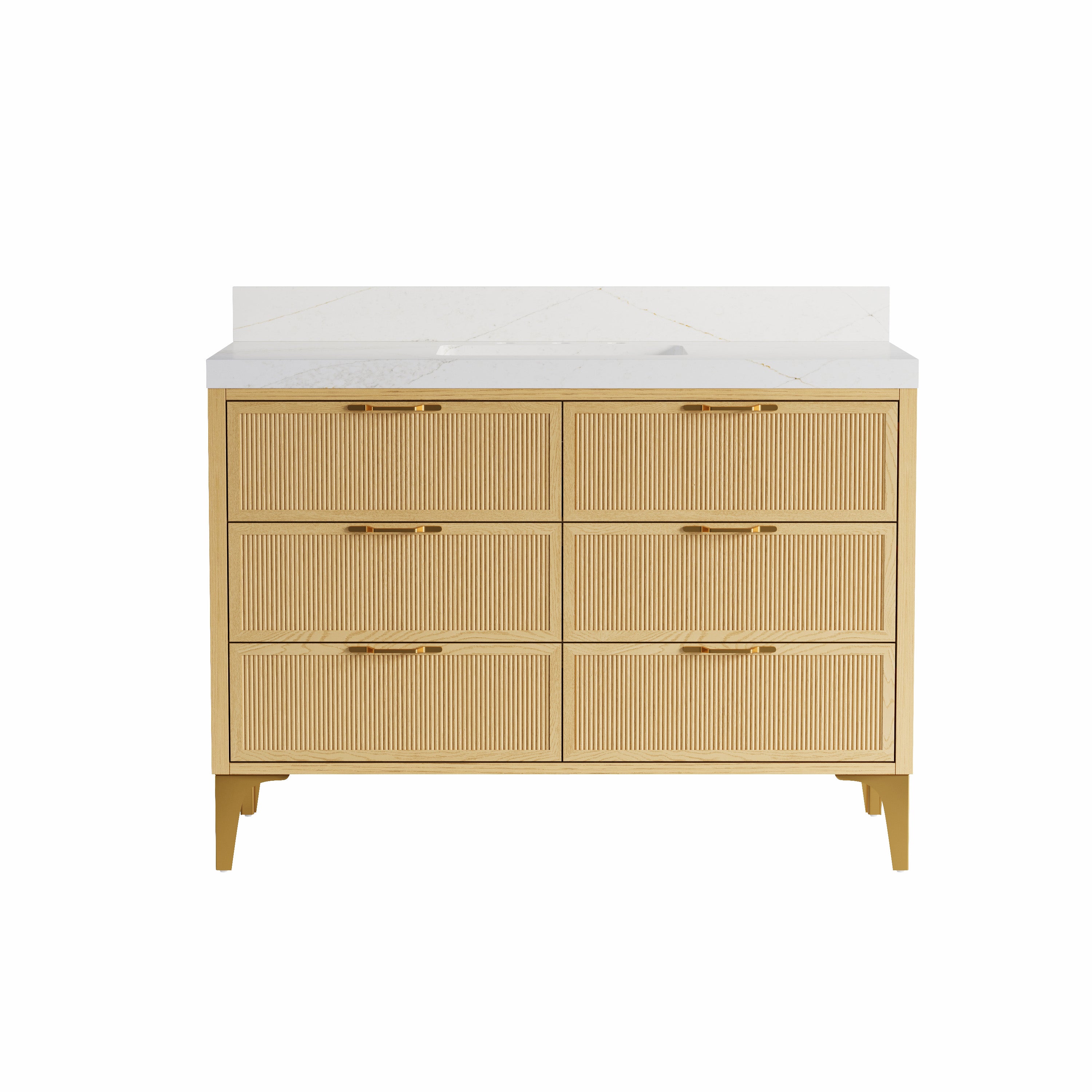


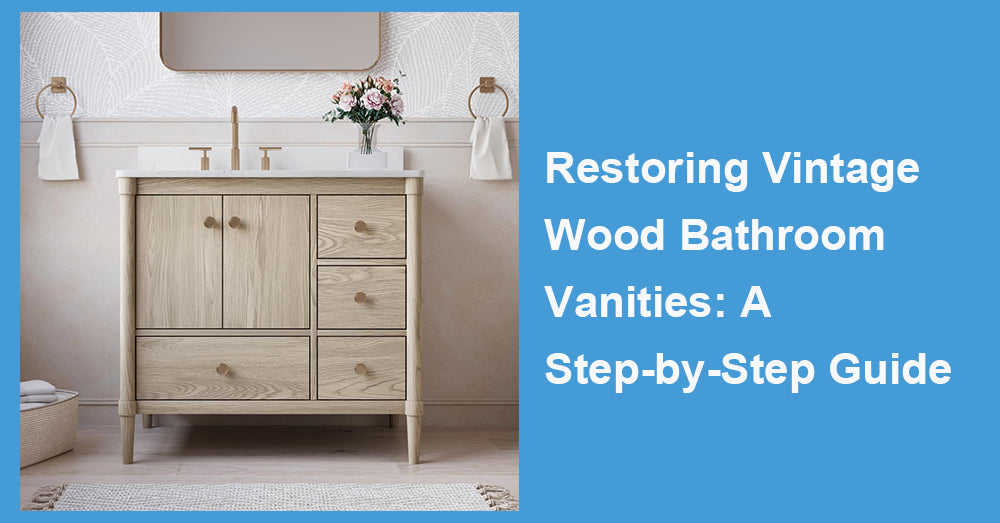
Wood bathroom vanities are having a real moment again, and it’s not just nostalgia. Search data from Houzz shows interest in “vintage bathroom vanities” spiking 4x year over year, which aligns with a broader wave of bathroom upgrades across the remodeling industry. At the same time, NAHB reported that bathroom remodels were cited as a common job by 65% of remodelers, keeping bathrooms at the center of renovation activity. Put those together, and you get a simple industry takeaway: more bathrooms are being refreshed, and more people want pieces that feel unique and built to last.
1. Decide if the Vanity Is Worth Saving
Start with the unglamorous part: a quick health check. Open the doors, pull out drawers, and look for problem zones—especially around the sink cutout, the back panel where plumbing comes through, and the bottom edges near the floor.
You’re trying to answer two questions.
First, is the structure solid (tight joints, stable frame, drawers that aren’t collapsing)?
Second, is the damage cosmetic or structural (surface wear vs. soft, crumbling wood)?If the vanity is a common size like 30 in. or 36 in. wide, it’s tempting to replace it quickly. But if it’s real wood with sturdy joinery, restoration can still be the smarter long game—especially when the “damage” is mostly grime, finish wear, or outdated hardware.
2. Fix Moisture Problems Before You Touch the Finish
This is the step people skip and later regret. If the bathroom stays damp, even a perfect refinish won’t hold up.
EPA guidance is clear: try to keep indoor humidity below 60%, ideally between 30% and 50%, because high humidity increases the risk of moisture damage and mold. If you’re seeing condensation on windows or pipes, that’s usually a sign the space is running too wet.
Also, wood doesn’t “get used to” moisture. The Forest Service research on wood and moisture emphasizes that wood is hygroscopic—it exchanges moisture with the air and continues to shift as humidity changes. Translation: if the room is humid, the vanity will continue to absorb moisture, which can lead to swelling, sticking drawers, joint creep, and finish failure.
Before restoration, handle the basics: fix any plumbing drips, refresh failing caulk, and make sure ventilation is doing its job.
3. Take It Apart Like You Plan to Put It Back Together
Remove doors, drawers, hinges, knobs, and pulls. Bag screws and label parts. This sounds fussy, but it saves hours later.
If the vanity has vintage hardware, don’t toss it immediately. Many older pulls clean up well and look better than modern “fake vintage” replacements. If you do replace hardware, measure carefully so you don't drill a bunch of new holes that conflict with the original design.
4. Clean First, Then Rejudge the “Damage.”
A lot of “ruined finish” is actually a layer of soap film, hairspray, wax buildup, and oils. Deep-clean the vanity before sanding. Once the gunk is off, the surface often looks dramatically better—and you may not need to strip as aggressively as you thought.
This step also prevents you from sanding dirt into the grain, which can leave the wood looking cloudy or uneven after staining and topcoating.
5. Repair the Wood Before You Make It Pretty
Now deal with the real problems:
· Loose joints: reglue and clamp.
· Wobbly drawers: fix runners, tighten corner joints, replace broken bottoms.
· Water-damaged edges: cut back to sound wood and patch with a clean splice if needed.
Go easy on filler if you’re planning to stain. Big patches tend to show. If you’re painting, filler is more forgiving, but you still want the repairs smooth and level, or they’ll telegraph through the paint.

6. Choose a Finish Strategy That Matches Bathroom Reality
Not every vanity needs a full strip to bare wood. Here are three practical paths:
· Refresh: scuff-sand + new protective topcoat (best when the existing finish is mostly stable).
· Full refinish: strip + sand + stain/paint + new protective system (best when peeling, blotchy, or badly stained).
· Hybrid: strip only problem areas, then blend (useful when you want to preserve patina).
The Forest Service's wood-and-moisture research underscores a basic truth: moisture swings affect wood performance. So your finish choice needs to be about durability, not just looks. Bathrooms are rough environments—steam, splashes, constant wiping—so pick products meant for high-moisture spaces and allow proper cure time. Rushing cure time is one of the fastest ways to end up with a finish that feels tacky, prints easily, or chips early.
7. Upgrade Function Without Killing the Vintage Vibe
This is where restorations can feel “new” without looking new.
Good stealth upgrades include:
· soft-close hinges (if the door style allows it)
· smoother drawer slides
· a protective liner or sealed surface inside the cabinet bottom
· improved sealing around the sink rim and backsplash area
You keep the old-school character, but daily use becomes easier and quieter.
8. Reinstall With Leak-Spotting in Mind
When the finish is done and cured, reassemble everything carefully. As you reinstall plumbing, make sure you’re not forcing pipes against cabinet walls. A vanity should support plumbing—not be under stress from it.
Give yourself a way to spot leaks early. A tiny drip under the sink can quietly destroy a restored cabinet. And once water gets into the end grain or seams, damage accelerates.
9. What the Trend Data Is Really Saying
The reason restoration is showing up more often isn’t just aesthetics. It matches what the industry is seeing: bathrooms are consistently active remodeling jobs (NAHB’s 65% figure is a strong signal), and interest in vintage vanities is rising fast (Houzz’s 4x search jump). People are trying to get a bathroom that feels personal and higher quality—without everything looking identical.
10. Bottom Line
Restoring a vintage vanity isn’t complicated, but it works best when you do it in the right order: check the structure, fix moisture, disassemble cleanly, deep-clean, repair, then refinish with bathroom conditions in mind. Keep humidity within a safer range—ideally 30% to 50%—and your restored piece has a much better chance of staying beautiful long-term.



















Leave a comment
This site is protected by hCaptcha and the hCaptcha Privacy Policy and Terms of Service apply.