

















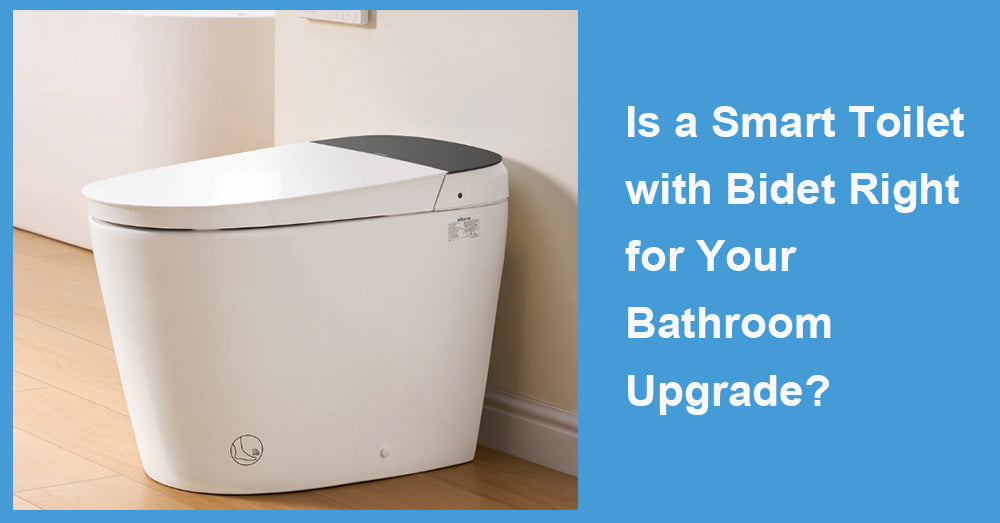
A smart toilet with bidet is no longer just a luxury feature for high-end bathrooms. It has become part of a larger shift toward cleaner, more comfortable, and more practical bathroom design. Houzz’s 2024 bathroom trends study found that 41% of renovating homeowners installed toilets with specialty features, including bidet seats, self-cleaning functions, air dryers, and heated seats. That shows the category is moving into everyday renovation planning, especially for homeowners who want better hygiene and long-term convenience.
1. Better hygiene is the main reason to consider it
The strongest benefit of a smart toilet with bidet is improved personal cleaning. Instead of relying only on toilet paper, users can use warm water washing with adjustable spray pressure and nozzle position. This can feel cleaner, gentler, and more comfortable, especially for people with sensitive skin or mobility limitations.
A good model should include front wash, rear wash, adjustable water temperature, adjustable spray strength, and automatic nozzle cleaning. Some models also offer oscillating or pulsing wash modes for wider coverage. These features matter more than decorative technology because they directly affect daily use. If several people share the bathroom, user memory settings are also helpful, as each person can save their preferred water pressure, water temperature, and seat temperature.
2. Comfort features can change the daily experience
Many buyers first notice the bidet function, but comfort features often become the reason they keep appreciating the upgrade. A heated seat is especially useful in colder seasons or bathrooms with tile flooring. Warm air drying can reduce toilet paper use, though it usually takes longer than a quick wipe. A soft night light can make late-night bathroom visits easier without turning on bright overhead lighting.
Automatic lid opening, soft-close seating, deodorizing, and foot-sensor flushing can also make the bathroom feel cleaner and more modern. However, the best features should feel simple, not complicated. A smart toilet should be easy for guests, older family members, and daily users to operate without confusion.
3. Water efficiency should still be checked
A smart toilet should not only feel advanced. It should also flush efficiently and reliably. According to the EPA WaterSense program, toilets account for nearly 30% of average indoor household water use. WaterSense-labeled toilets use 1.28 gallons per flush or less, which is at least 20% less water than the federal standard of 1.6 gallons per flush, while still meeting performance requirements.
This is important because some buyers focus too much on bidet functions and forget the toilet’s basic job. Before choosing a model, check the gallons per flush, flush type, trapway design, and whether the toilet is designed for strong waste removal. Dual-flush models can be useful, but the full-flush function must still perform well for daily use.

4. Installation may require extra planning
A smart toilet with bidet usually needs more planning than a standard toilet replacement. Most models require a nearby electrical outlet to power the heated seat, washing system, air dryer, night light, deodorizer, and control system. If the toilet area does not already have an outlet, an electrician may be needed.
The rough-in size must also be measured carefully. A 12-inch rough-in is common, but some bathrooms may require a different fit. Buyers should also check the toilet’s total depth, bowl shape, seat height, and side clearance. In a compact bathroom, an elongated smart toilet may look attractive online but feel too large after installation. Door swing, vanity clearance, shower door clearance, and walking space all need to be considered before ordering.
5. Accessibility value is becoming a bigger reason to upgrade
A smart toilet with a bidet can be especially useful in bathrooms designed for long-term comfort. Features such as automatic flushing, remote operation, warm water washing, and air drying can reduce bending, twisting, and reaching. That can make daily bathroom use easier for older users or anyone with limited mobility.
The CDC reports that falls are the leading cause of injury for adults ages 65 and older, and more than 14 million older adults, or about 1 in 4, report falling each year. A smart toilet will not prevent falls on its own, but easier controls, better lighting, and reduced movement can support a safer bathroom layout when combined with grab bars, slip-resistant flooring, and proper clearance.
6. Maintenance and serviceability matter
Smart toilets include more parts than traditional toilets, so maintenance should be part of the buying decision. Look for automatic nozzle rinsing, removable nozzles, easy-clean glaze, a skirted base, and a quick-release seat. These details make cleaning easier and help keep the toilet fresher with less effort.
It is also important to check the availability of replacement parts. Remote controls, filters, nozzles, seats, and electronic components should be serviceable. A low-cost model with impressive features may not be a good value if parts are hard to find later. Warranty coverage, customer support, and clear installation instructions are just as important as the feature list.
7. Cost should match how often the bathroom is used
A full smart toilet with bidet usually costs more than a standard toilet plus a bidet seat. That does not mean it is a bad investment, but the value depends on the bathroom. In a primary bathroom used every day, the comfort and hygiene benefits may justify the cost. In a rarely used guest bathroom, a simpler high-efficiency toilet or an add-on bidet seat may be more practical.
Houzz’s 2025 bathroom trends study found that 68% of renovating homeowners considered special needs during bathroom projects, while 84% hired professionals for bathroom renovations. This suggests that many bathroom upgrades are being planned with long-term usability, comfort, and professional installation in mind.
A smart toilet with bidet is right for your bathroom upgrade if the space has the proper rough-in, safe electrical access, enough clearance, and users who will benefit from the features every day. The smartest choice is not always the model with the most technology. It is the one that cleans well, flushes reliably, fits correctly, operates easily, and improves everyday bathroom comfort.














Leave a comment
This site is protected by hCaptcha and the hCaptcha Privacy Policy and Terms of Service apply.