
















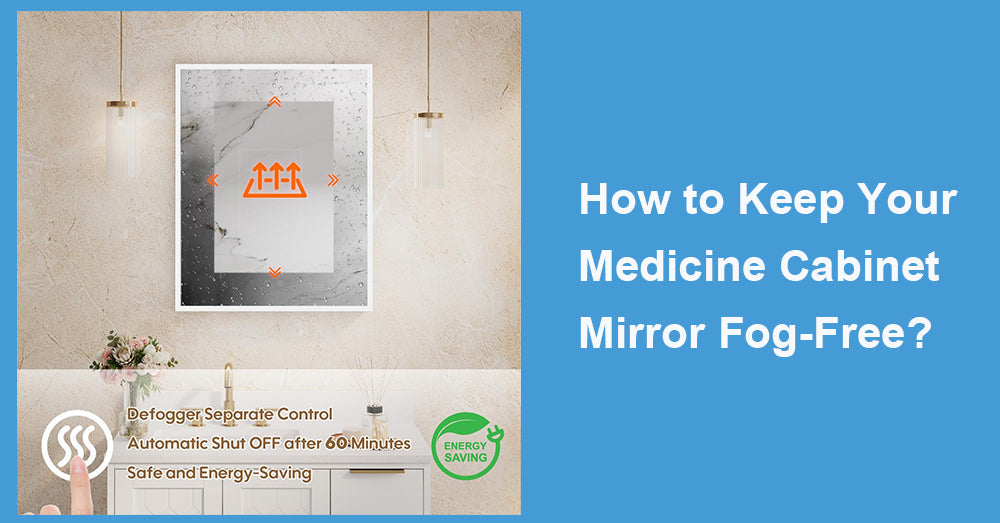
In daily use, fogging of medicine cabinet mirror is almost a problem encountered in every bathroom. Especially after a hot shower, the air humidity rises rapidly, and when the mirror temperature is lower than the air temperature, water vapor condenses on the surface, forming mist. Data shows that after showering in a confined space for 10 minutes, the air's relative humidity can quickly rise to 70% or higher, which is the main reason for mirror fogging. So, how to effectively maintain the clarity of the mirror cabinet? The answer does not rely solely on a single product, but rather on the comprehensive application of ventilation, temperature control, and technological means.
1. Understanding the principle of fogging: temperature difference and humidity
The core principle of mirror fogging is condensation. When hot water vapor comes into contact with a low-temperature mirror surface, it forms tiny water droplets on the surface.
In a room at about 70 ° F, if the shower water temperature reaches 100 ° F or higher, steam quickly fills the space. When the temperature of the mirror surface is below the air's dew point, condensation occurs.
Test data show that when the bathroom humidity exceeds 75%, and the mirror temperature is more than 5 °F lower than the air temperature, fogging is almost inevitable.
2. Improving the ventilation system is the first step
The most effective way is to control humidity. The standard exhaust fan air volume is usually between 50 and 110 CFM (cubic feet per minute).
For a bathroom with an approximate area of 80 square feet, a minimum airflow of 80 CFM is recommended. If the space exceeds 120 square feet, it is recommended to use 100 CFM or more.
Data shows that turning on the exhaust system for 15 to 20 minutes after showering can reduce humidity by about 20% to 30%, significantly reducing the time for mirror fogging.
If the exhaust fan's power is insufficient or it is aging, upgrading to a newer model should be considered.
3. Install defogging heating film
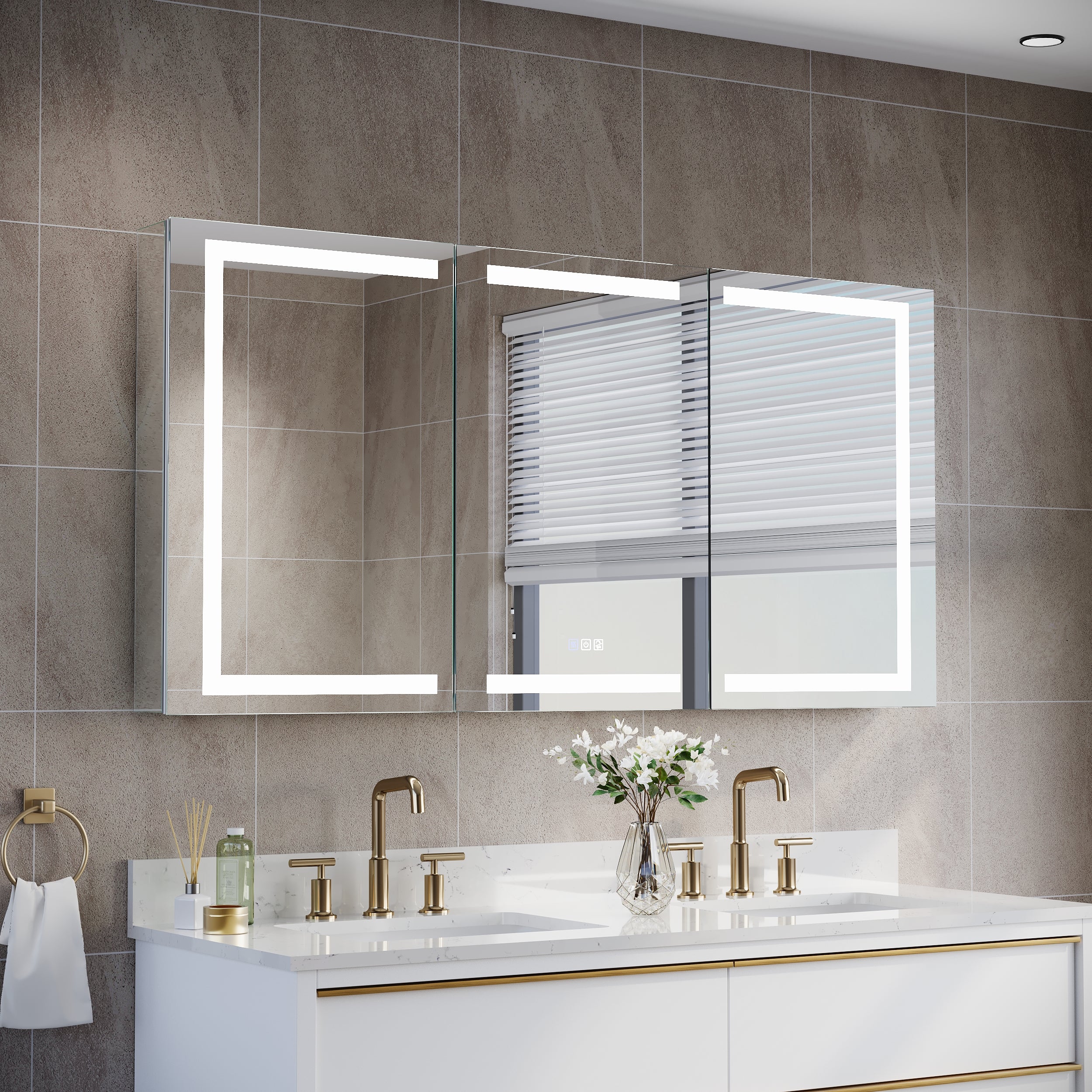
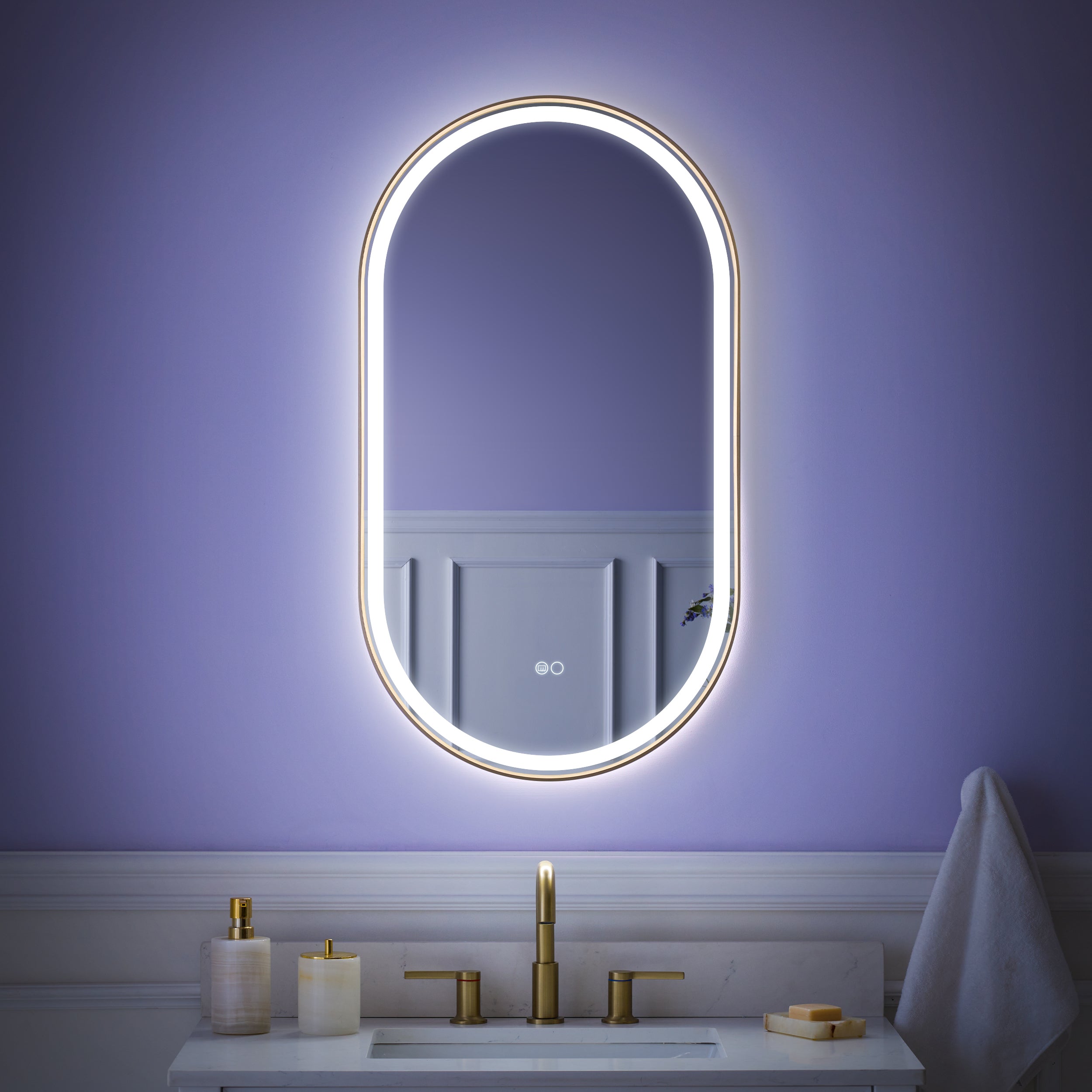
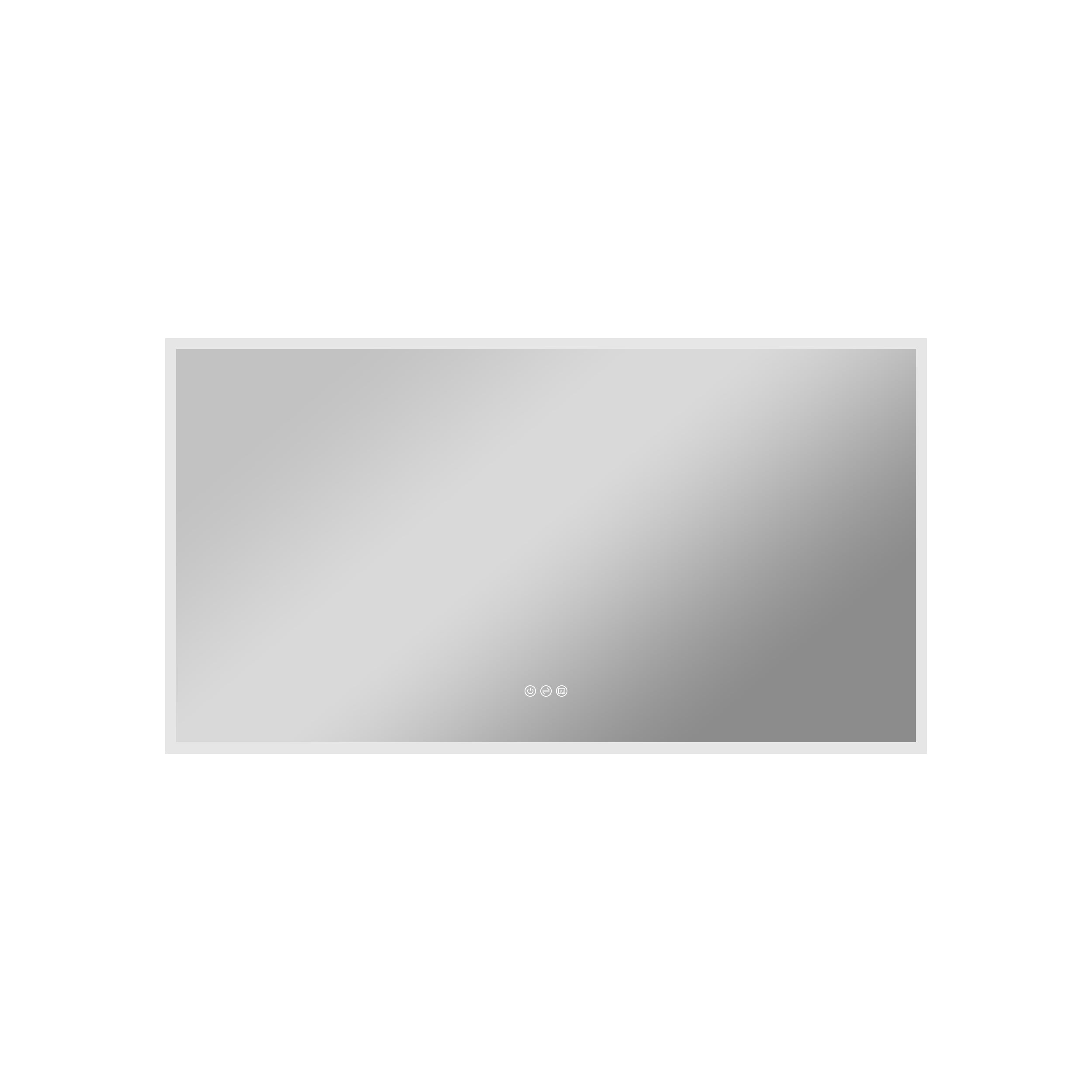
Modern mirror cabinets are often equipped with a back heating film. The heating film prevents condensation by raising the mirror temperature to near or slightly above the air temperature.
The typical heating power is 20-40W, and the heating time is usually 2-5 minutes.
Test data show that in environments with humidity exceeding 80%, the clarity retention rate of mirrors with a heating function exceeds 90%, which is significantly better than that of ordinary mirrors.
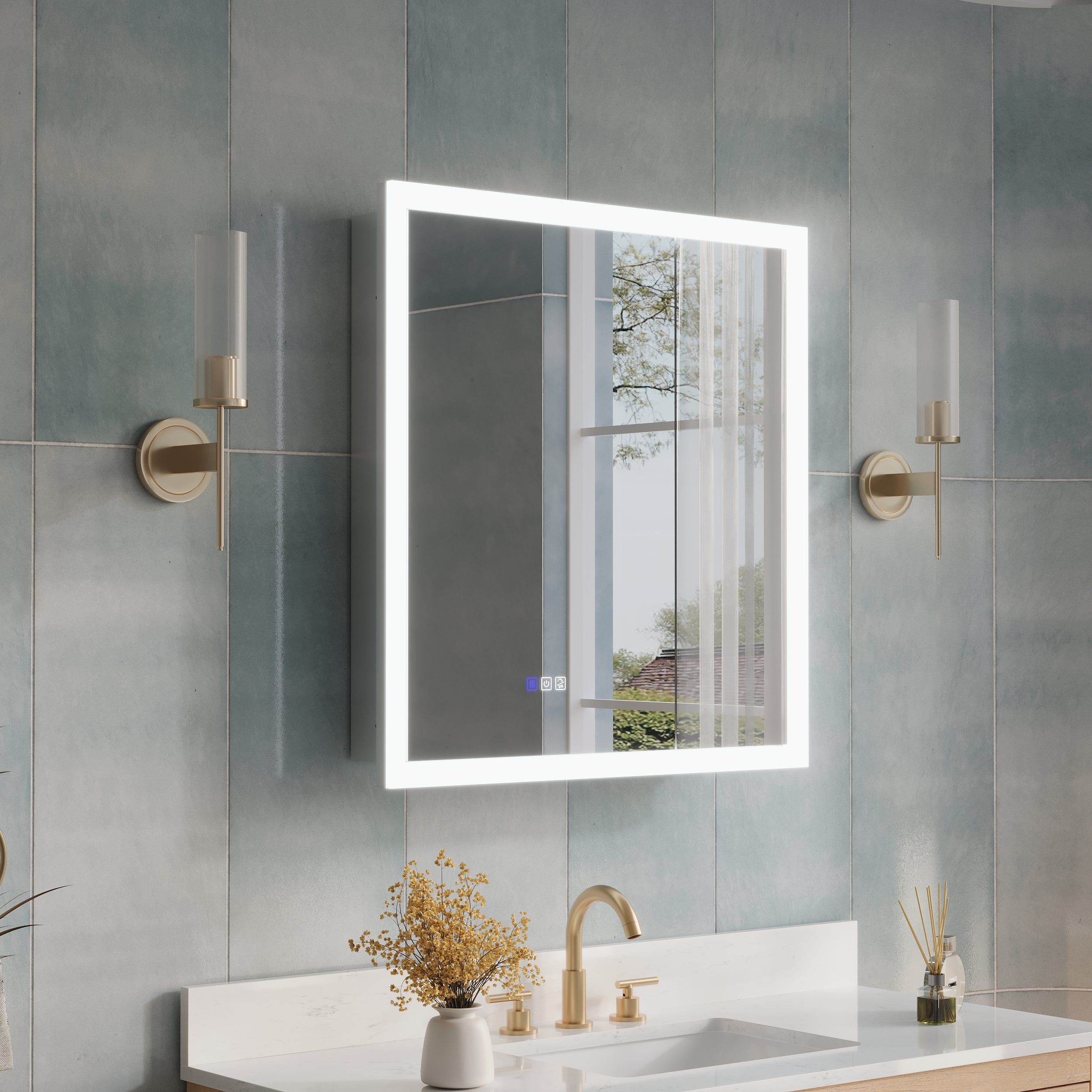
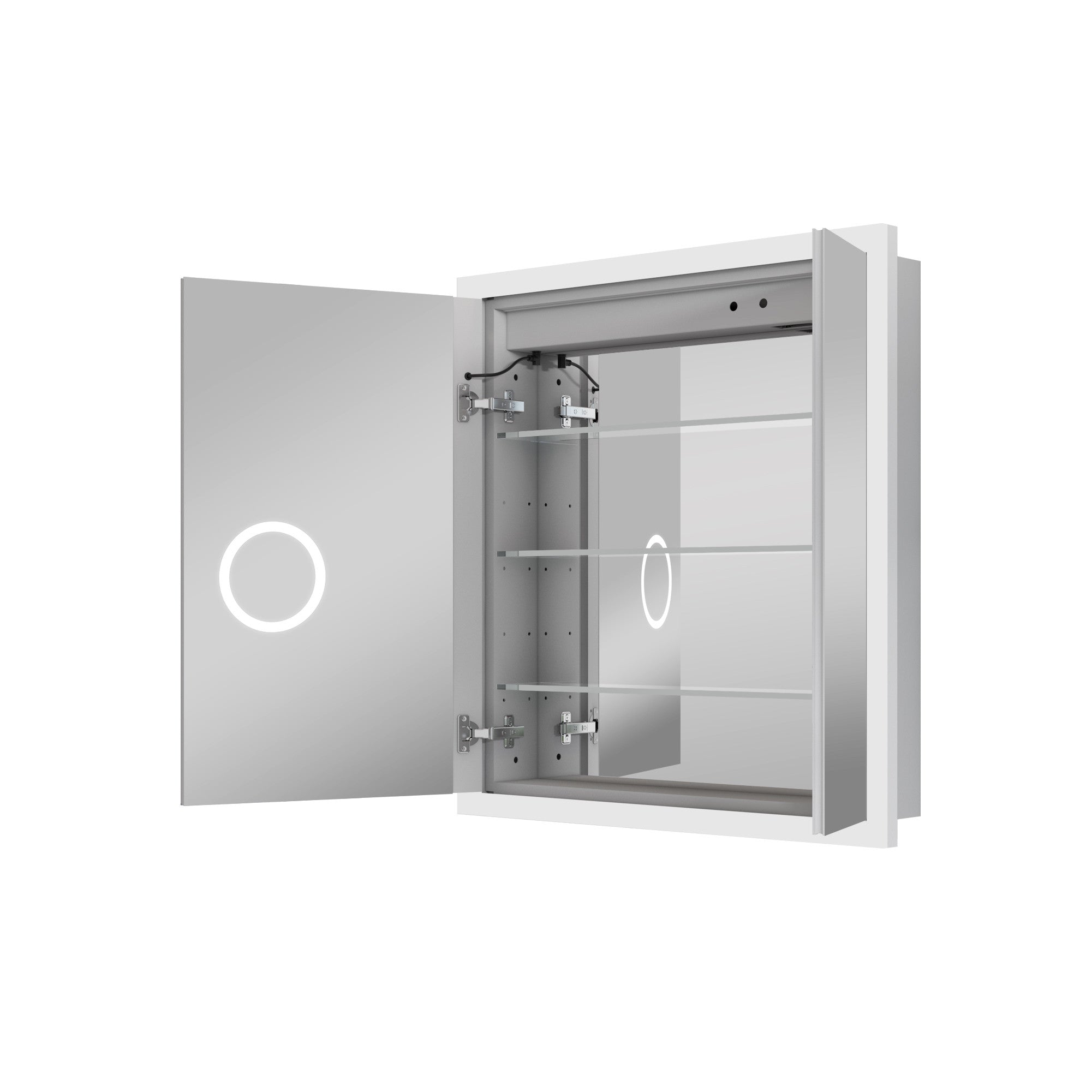
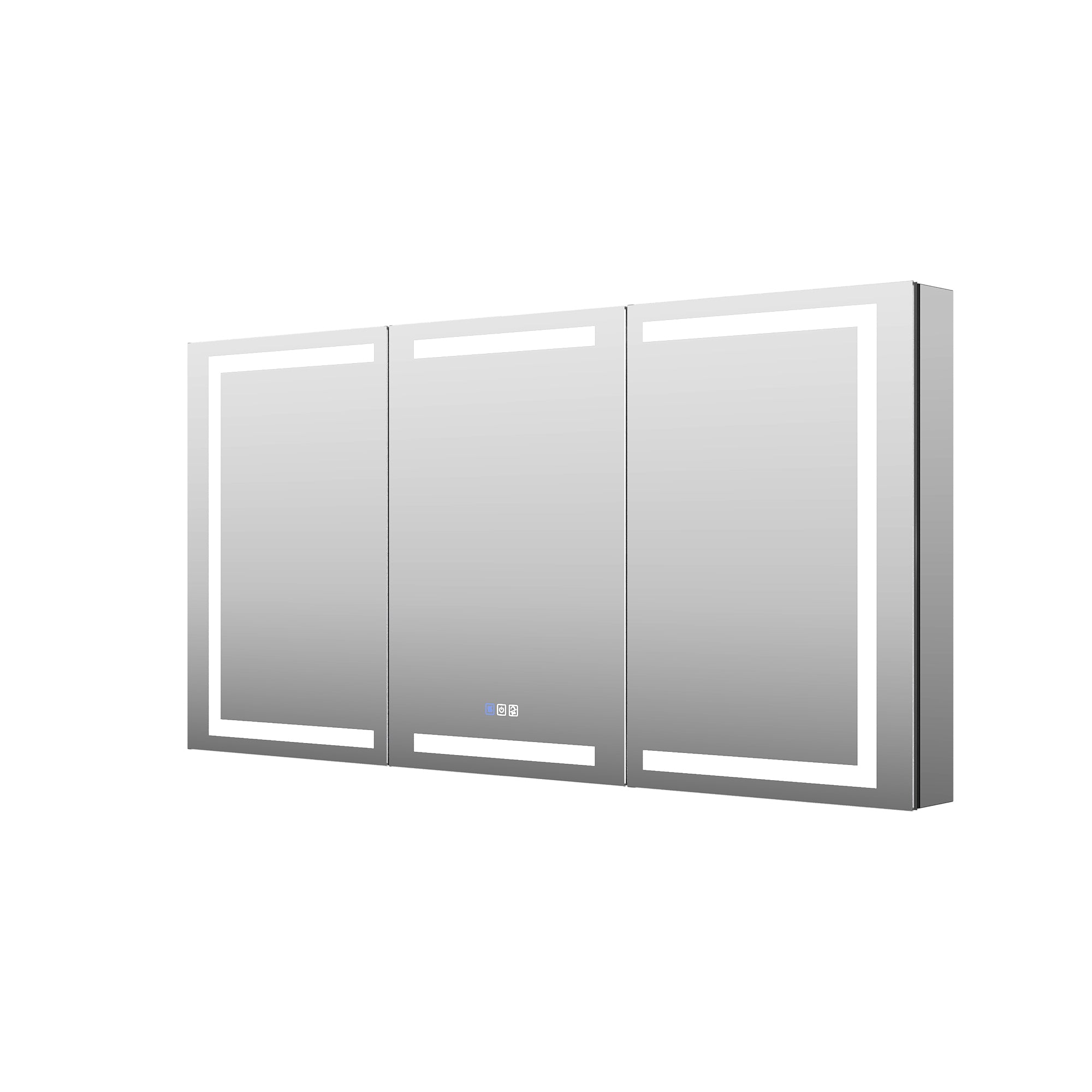
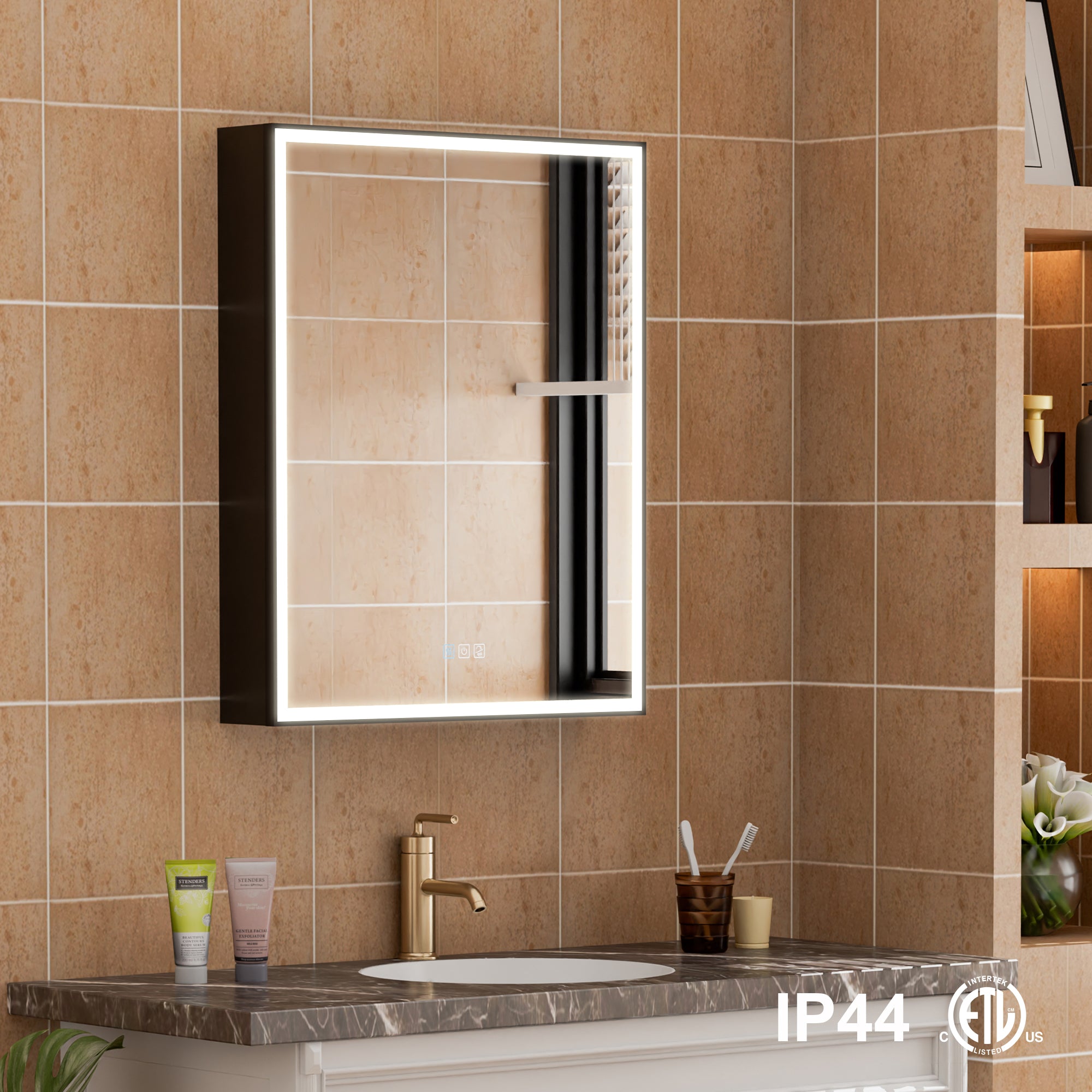
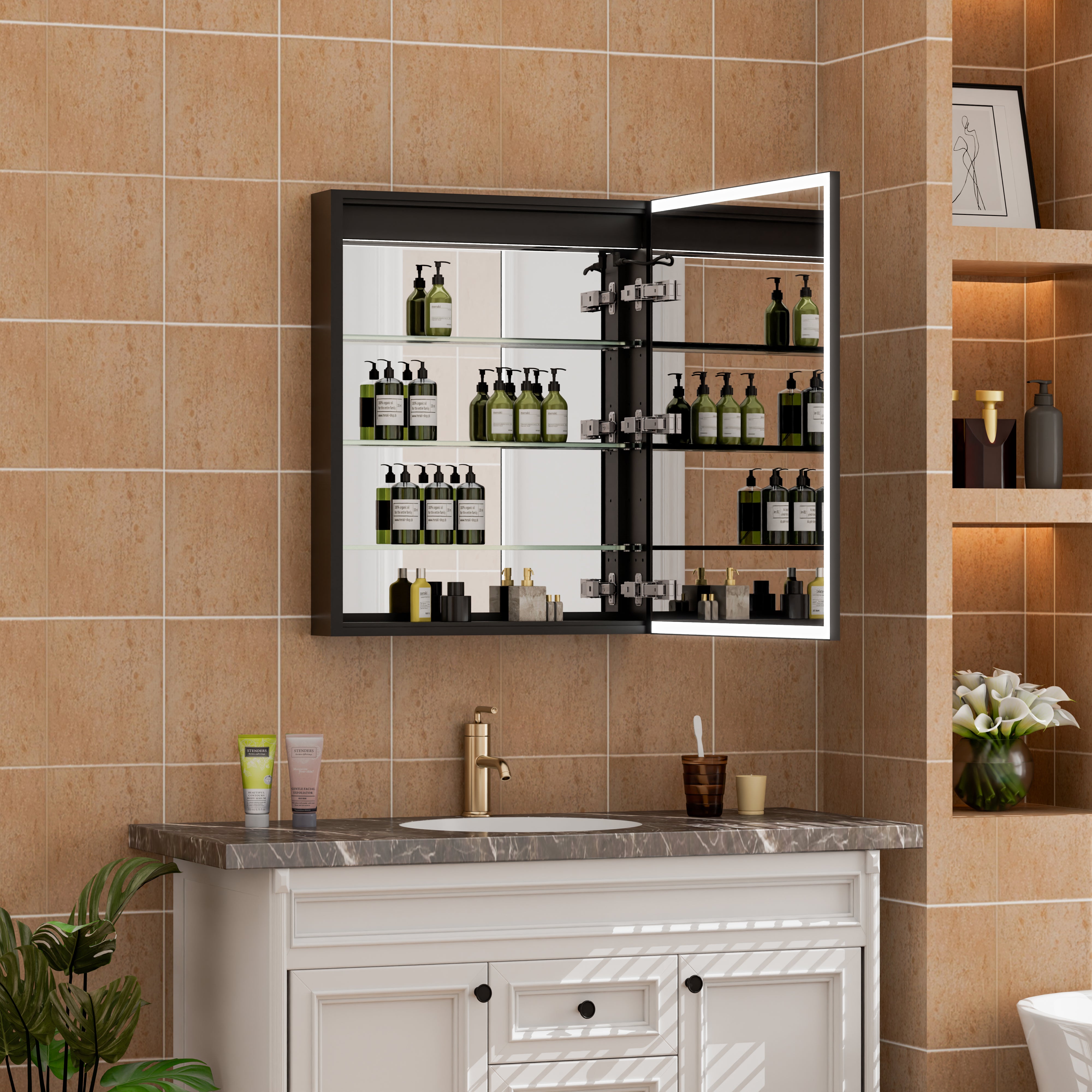
For embedded mirror cabinets or light structures, choosing the built-in defogging function can significantly improve the user experience.
4. The effect of anti-fog coating
Some mirrors are coated with anti-fog or nano-hydrophilic coatings. This type of coating alters the distribution of water droplets, forming a uniform water film rather than dispersing them.
The data show that fog formation on the coated mirror surface is delayed by about 30% to 40% in an environment with 70% to 80% humidity.
But the coating effect will gradually weaken over time, usually requiring regular maintenance or re-coating.
5. Simple daily methods
If there is no defogging function, some simple measures can also be taken:
• Preheat the mirror with warm water before showering.
• Wipe the mirror surface with a small amount of soapy water to form a temporary anti-fog layer.
• Open doors and windows to increase air circulation.
Although these methods are not very effective, they can quickly reduce fogging.
The data shows that preheating the mirror can delay the formation of fog for about 2 to 3 minutes.
6. Control the indoor humidity range
In the long run, maintaining bathroom humidity between 40% and 55% can help reduce condensation.
If humidity remains above 65% for a long time, not only will the mirror be prone to fogging, but the cabinet and hardware will also age more quickly.
Data shows that in an environment with stable humidity control at around 50%, the probability of mirror oxidation and silver removal decreases by about 20%.
7. The influence of the mirror cabinet structure
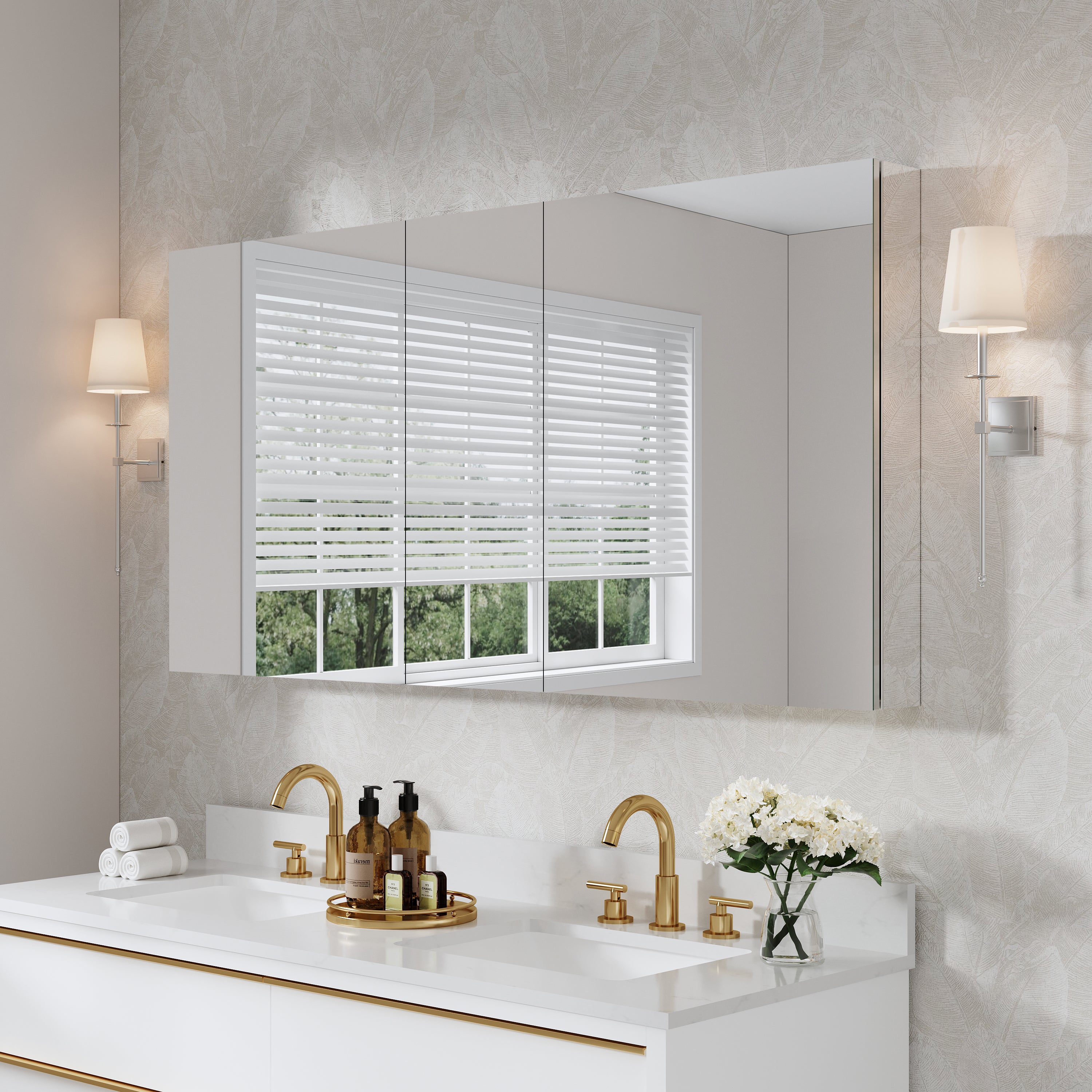
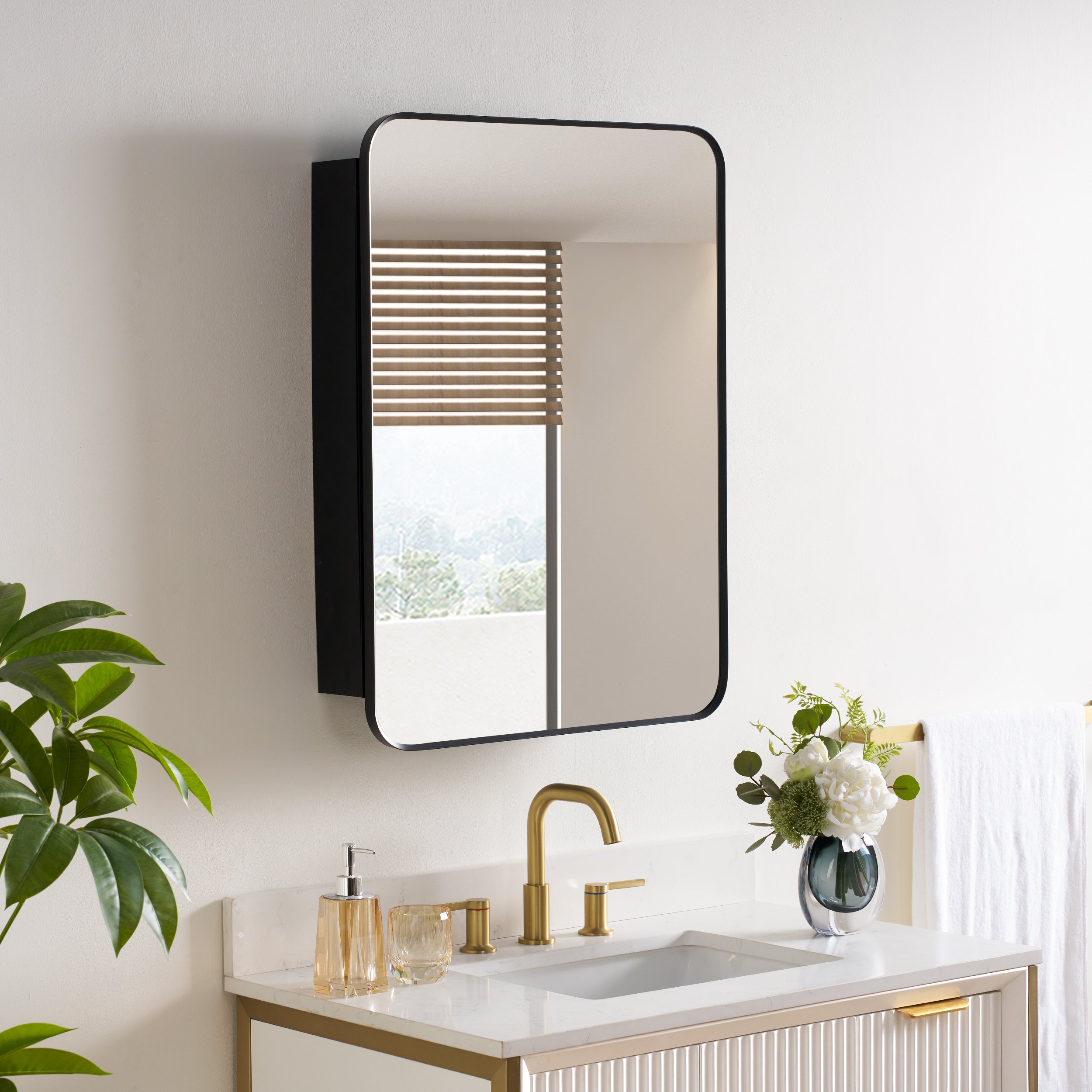
The embedded mirror cabinet has a large contact area with the wall, and the temperature change is relatively slow; surface-mounted structures are more susceptible to air temperature differences.
In addition, mirror cabinets with LED lighting experience a slight increase in internal temperature when the lights are turned on, which helps reduce local condensation.
8. Is it worth upgrading with a defogging function?
Mirror cabinets with defogging function are usually priced about 20% to 30% higher than regular models. But in high-humidity environments or households with frequent use, its convenience is obvious.
Data shows that in households with an average daily shower frequency of more than 2, satisfaction with a defogging mirror cabinet has increased by about 18%.In practical bathroom planning, the best fog-free result often comes from combining multiple methods rather than relying on one solution alone. For example, a medicine cabinet with built-in defogging can handle immediate surface condensation, while a properly sized exhaust fan helps manage overall humidity in the room. For households with frequent showers, this layered approach is usually more effective and more stable over time than temporary daily fixes. It also explains why long-term fog prevention is closely linked to both product selection and ventilation design.

9. Conclusion
Keeping the medicine cabinet mirror clear is not only a visual requirement, but also related to usage efficiency. From controlling humidity and improving ventilation to installing heating films and anti-fog coatings, each method revolves around the principles of temperature differences and condensation. With proper ventilation and temperature control, mirror fogging can be effectively alleviated. Understanding the relationships among humidity, temperature, and airflow is key to creating long-term, clear mirrors.













Leave a comment
This site is protected by hCaptcha and the hCaptcha Privacy Policy and Terms of Service apply.