
















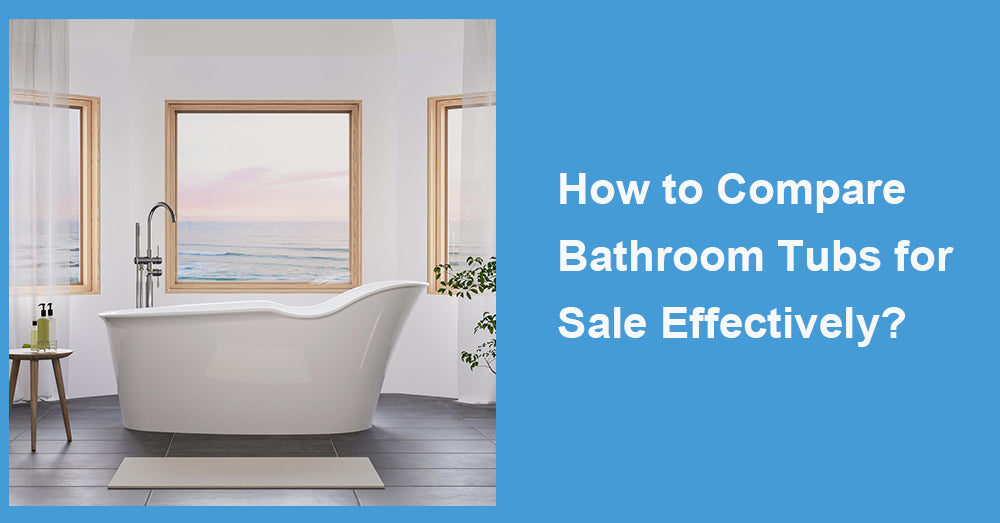
bathroom tubs are not only an essential functional area in modern bathrooms, but also represent the embodiment of quality of life and personal style. Choosing a suitable bathroom tubs for sale is not only related to comfort, but also directly affects the layout, efficiency and visual presentation of the entire bathroom space. Faced with a wide range of bathtub products on the market, different sizes, materials, shapes, functions and price ranges are dazzling. If consumers lack clear judgment criteria, they are often prone to make wrong choices, which ultimately affects the user experience.
To effectively compare bathroom tubs on the market, you must not only understand the product's parameters but also consider the actual usage needs and space conditions to evaluate them from multiple angles comprehensively. This article will help you sort out your thoughts and systematically analyse the key points of bathtub comparison, focusing on core dimensions such as material selection, size matching, shape style, functional configuration, and installation method, to avoid "looking good, but uncomfortable to use" during the purchase process.
1. Clarifying the use needs is the premise
Before starting to compare, you must answer a few basic questions:
l Do you take a bath every day or occasionally?
l Is it for single use, or do you want to bathe with two people at once?
l Is the bathroom space compact or spacious and open?
l Are there elderly individuals or those with limited mobility who require additional safety measures?
This basic information will directly determine the type, size, functional configuration and safety design points of the bathtub you need. For example, a large, free-standing bathtub is suitable for the main bathroom, while a space-saving, built-in bathtub is more suitable for the secondary bathroom or a small apartment.
2. Compare the material to determine durability and feel
The material of the bathtub is directly related to the service life, cleaning difficulty and touch experience. The mainstream materials on the market include:
² Acrylic: Lightweight, good heat preservation, easy to clean, and one of the mainstream choices.
² Cast Iron: Strong structure, long-lasting heat preservation, but heavy weight, and requires a ground load-bearing.
² Enamelled Steel: Hard surface, strong scratch resistance, but slightly cold to the touch.
² Solid Surface: Advanced appearance and texture, supports a variety of customised shapes, but the price is high.
² Fibreglass: Cheap, light, but not durable enough and easy to deform.
You can choose the most suitable material based on your budget, frequency of use, and cleaning habits.
Comparison of common bathtub materials
|
Material |
Advantages |
Disadvantages |
|
Acrylic |
Good heat retention, lightweight, variety of shapes |
Prone to scratches, requires maintenance |
|
Cast Iron |
Extremely durable, excellent heat retention |
Very heavy, may require floor reinforcement |
|
Enameled Steel |
Scratch-resistant, smooth surface |
Feels cold to the touch, less heat retention |
|
Solid Surface |
High-end look, customizable, easy to clean |
Expensive, may not suit every budget |
|
Fiberglass |
Lightweight, affordable |
Less durable, prone to fading or warping |

3. Matching size with space layout is crucial
No matter how advanced the bathtub is, the wrong size is a big problem. The standard bathtub length is typically 60 inches, but there are also different specifications available, including 48 inches, 66 inches, and 72 inches. Additionally, the width and depth of bathroom tubs also vary. You need to ensure that the selected bathtub can not only be smoothly moved into the bathroom, but also has enough space for drainage, cleaning, use and other equipment layout.
It is recommended to make accurate measurements before purchasing, including:
u The actual wall length and width reserved for the bathtub.
u Entrance size (whether it can be carried in);
u Pipe layout and drain location.
Special reminder: Freestanding bathroom tubs require reserved cleaning channels around them, and embedded bathroom tubs must be sealed with countertops or tile edge treatments.
4. Shape and style affect the overall atmosphere
Different bathtub shapes not only reflect functional differences, but also directly affect the design sense of the bathroom. Common types include:
v Rectangular bathtub: the most traditional, easy to fit with the wall, suitable for embedded or wall-mounted design.
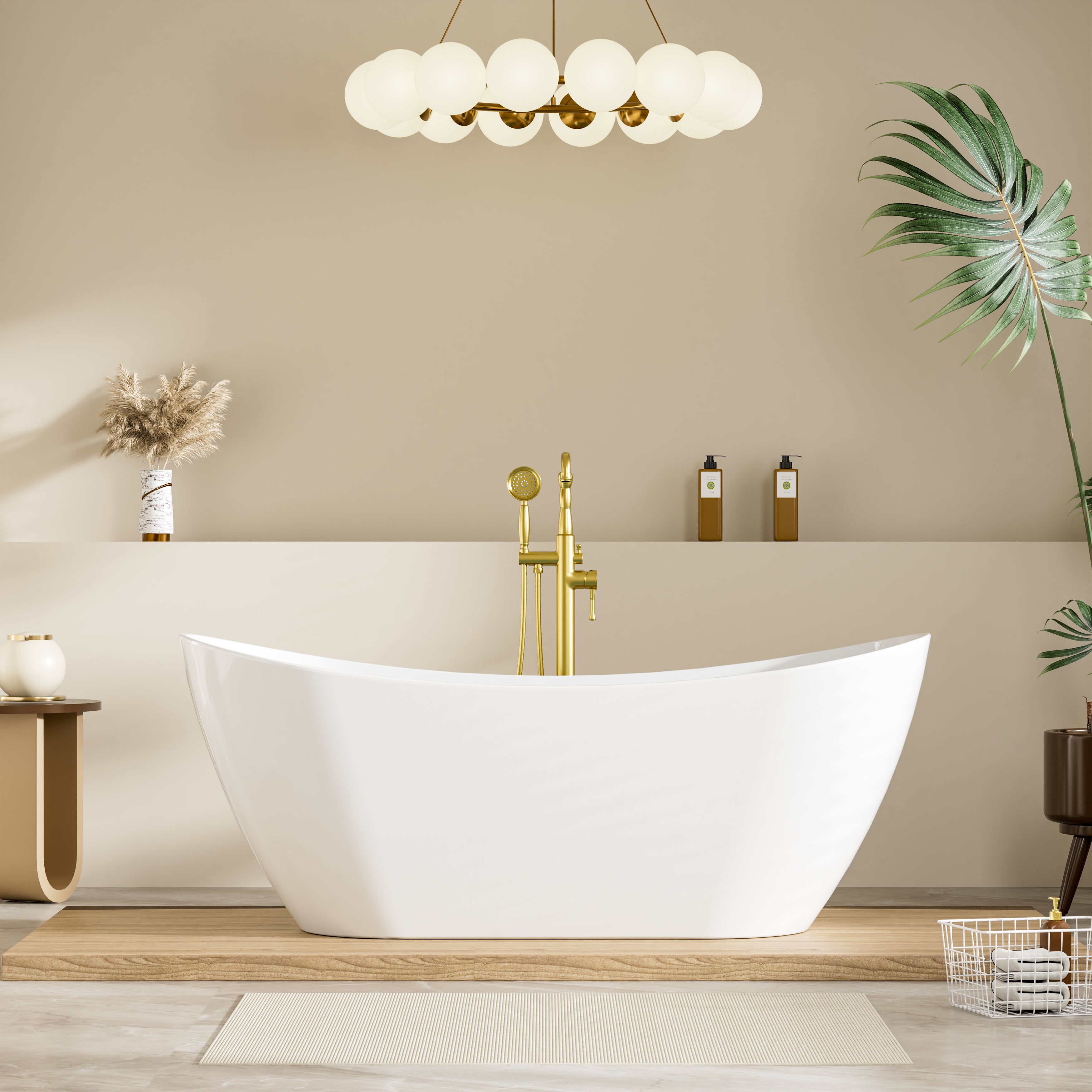
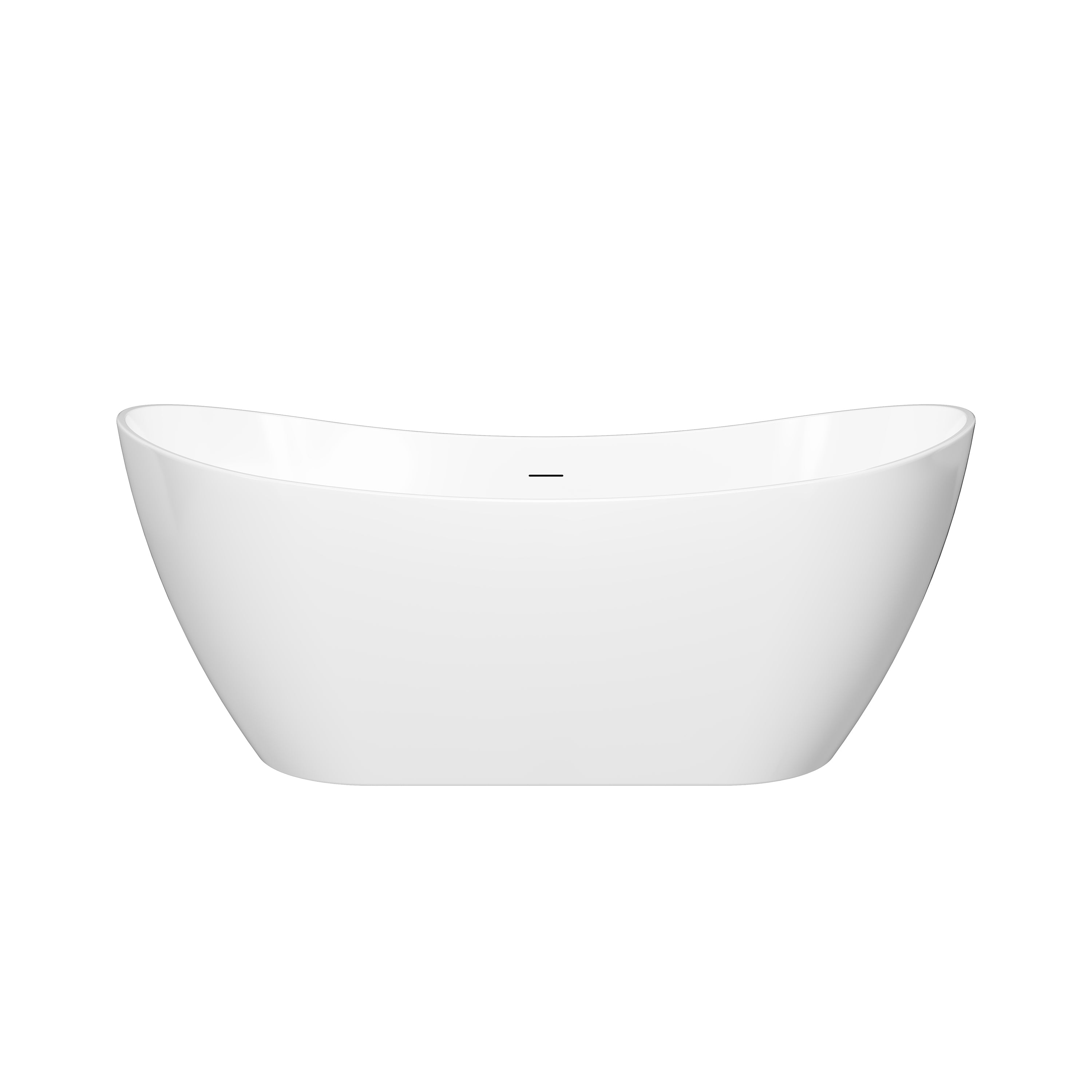
v Oval bathtub: soft lines, suitable for independent placement, creating a sense of luxury.
v Round or corner type: suitable for asymmetrical spaces or designs that focus on decorative effects.
Modern irregular shapes offer a strong sense of design, making them suitable for personalised bathroom customisation.
It is recommended to choose items that complement the overall decoration style. For example, the minimalist style is suitable for a freestanding oval bathtub with clean lines. In contrast, the classic American or retro style is more appropriate for cast-iron models with a "claw feet" design.
5. Additional functions to enhance the user experience
Modern bathroom tubs are not only a tool for bathing, but they may also provide multiple experiences, such as massage, spa, and lighting. The following are standard additional functions:
ü Massage jets (Whirlpool jets): massage the body through water flow or bubbles to relieve fatigue.
ü Constant temperature system: maintains a steady water temperature to prevent temperature fluctuations during the bathing process.
ü LED lighting system: enhances the situational atmosphere and makes it safer to use at night.
ü Anti-slip bottom design: enhances safety, making it especially suitable for families with children or older individuals.
ü Remote control system/intelligent control: parameters such as water temperature and water level can be set remotely.
Although these functions will increase the price of the product, it is a worthwhile investment for individuals who frequently bathe or enjoy a home spa experience.
6. The installation method affects maintenance and budget
The installation method of the bathtub will affect the overall construction cost, future maintenance convenience and appearance. Standard installation methods are:
Ø Embedded (Alcove): three sides against the wall, compact structure, suitable for bathrooms with limited space.
Ø Freestanding (Freestanding): free appearance, strong visual appeal, but high space requirements.
Ø Drop-in: embedded in a dedicated base, high aesthetics, high construction complexity.
Ø Corner: Utilise the corner of the bathroom to maximise the use of compact space.
Drainage structures, water pipe wiring, power connections, and other related components should also be considered during installation. It is recommended to communicate and plan with the installation service provider in advance.
7. summary: comparison should be systematic, and avoid looking at the price only
When buying a bathtub, you can't just focus on the price tag. Seemingly inexpensive products may conceal long-term costs, such as difficulty in installation, complex maintenance, and premature wear and tear. If high-priced products bring a continuous comfort experience and low maintenance expenses, they are more cost-effective.
It is recommended to establish a "demand priority" list when comparing different bathroom tubs, such as whether it must have a massage function. Does it need to accommodate two people simultaneously? Are the materials and style compatible with the current decoration style? The answers to these questions will help you make a more rational purchase decision that meets your actual needs.











Leave a comment
This site is protected by hCaptcha and the hCaptcha Privacy Policy and Terms of Service apply.