
















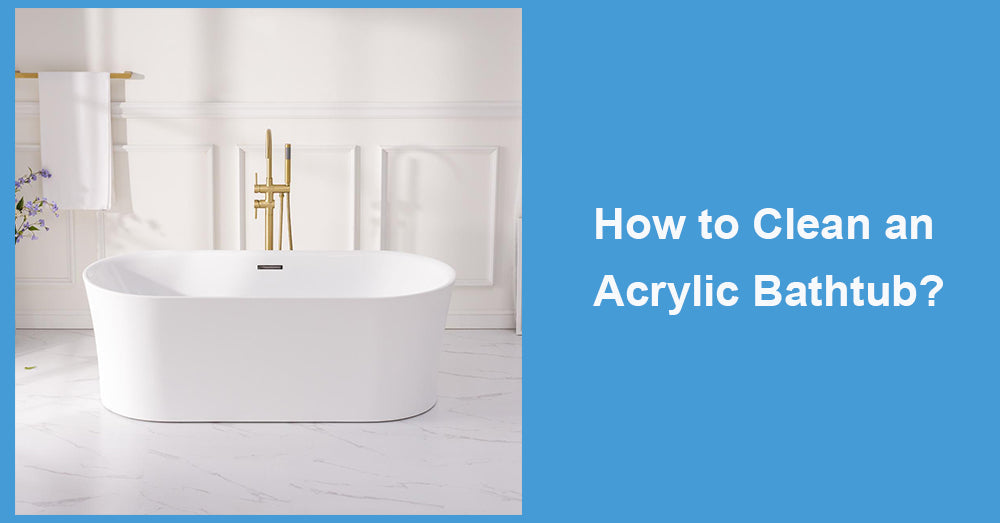
In modern home design, the bathroom has become more than just a place for cleansing; it's also a vital space for relaxation, rejuvenation, and personal well-being. Among the many bathroom fixtures, acrylic bathtubs, with their lightweight material, warm feel, and diverse designs, have become a popular choice for many families. However, after long-term use, bathtub surfaces inevitably develop water stains, soap residue, and even stubborn grime. Improper cleaning methods not only affect the appearance but can also damage the bathtub's finish.
This article, drawing on practical experience, provides consumers with a simple and easy-to-follow cleaning guide to help you easily maintain the cleanliness and beauty of your acrylic bathtub, giving your bathroom a fresh, new look.
1.Why do acrylic bathtubs require special cleaning methods?
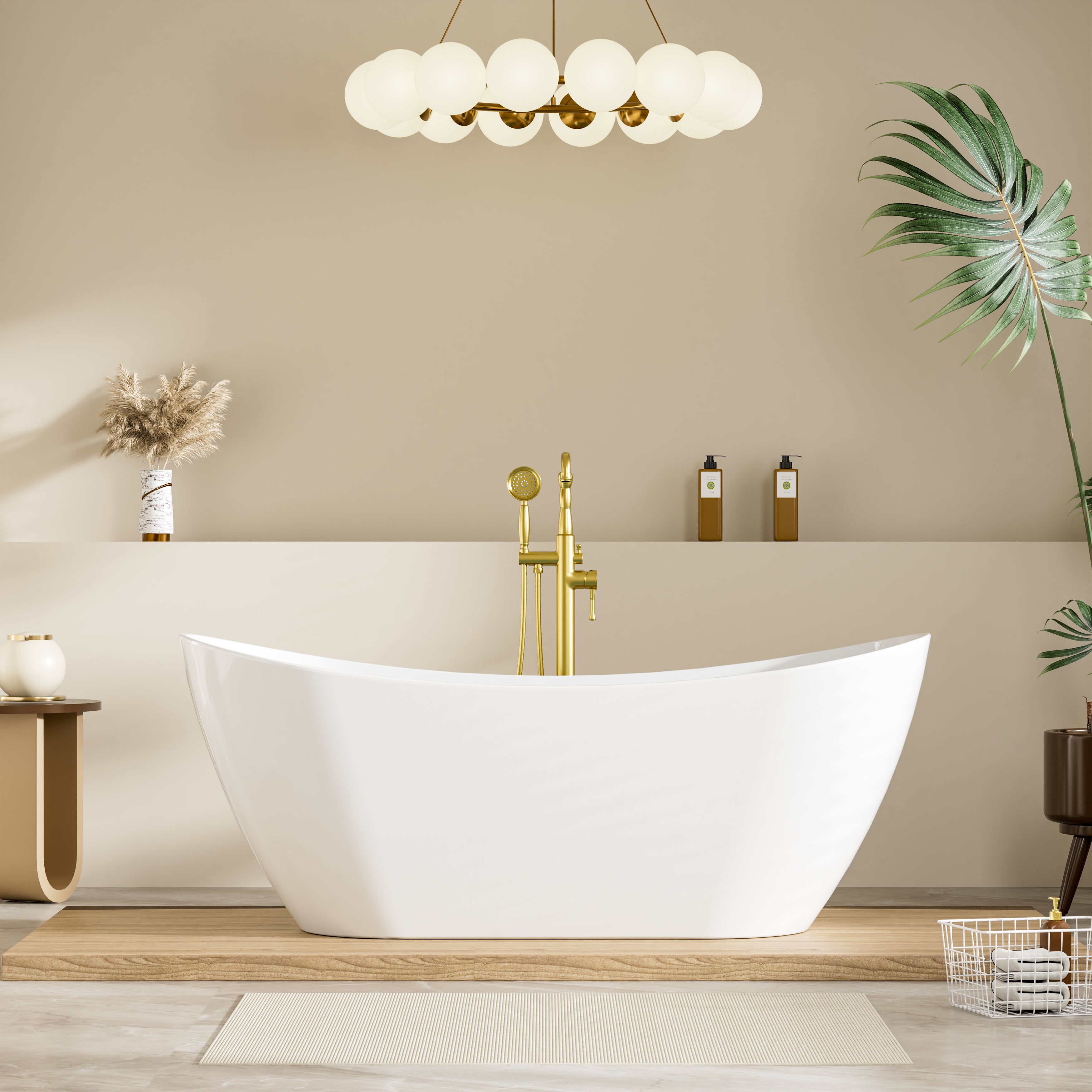
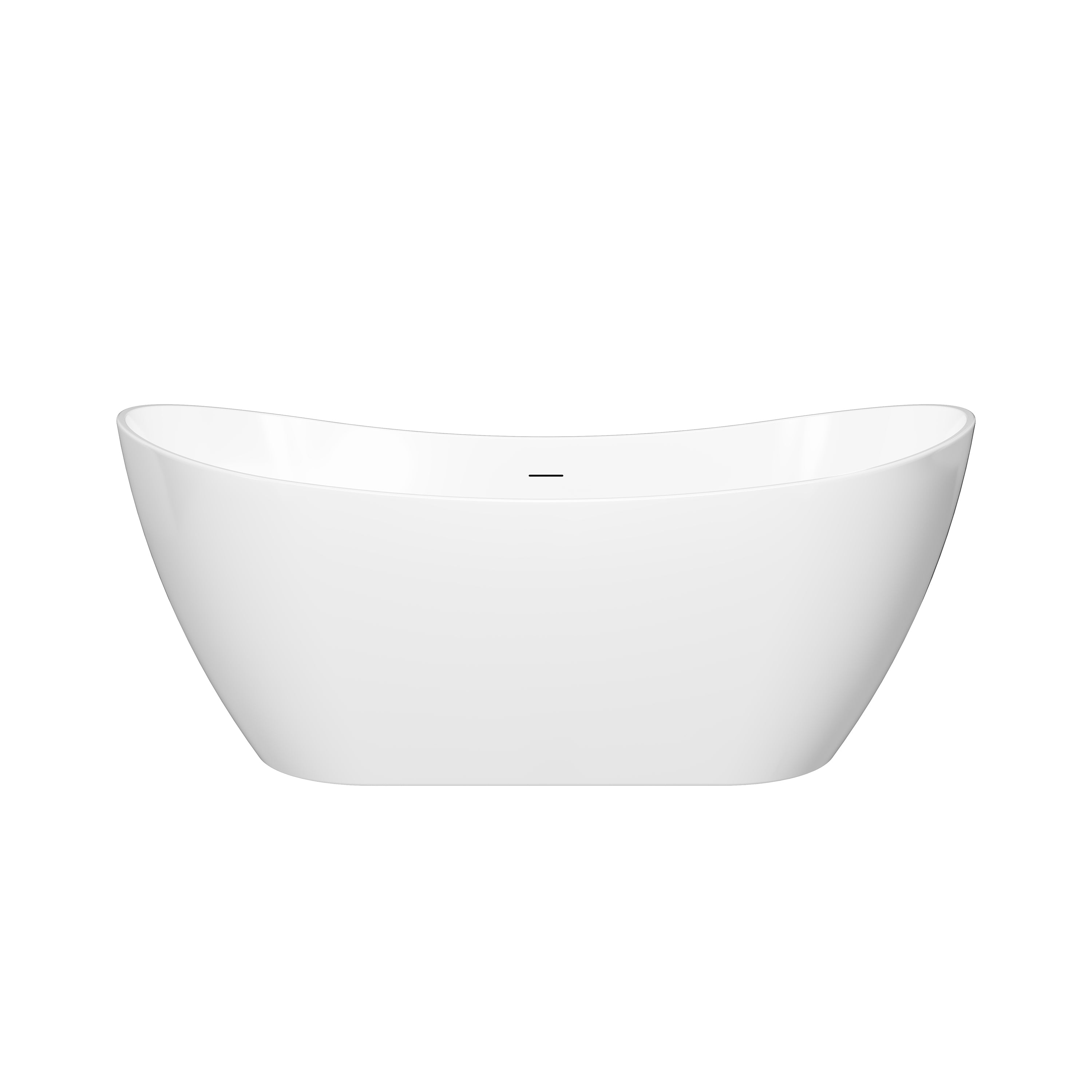
Unlike traditional cast iron or enamel bathtubs, acrylic is a lightweight polymer material with a smooth surface and a warm touch. Still, it is also sensitive to strong acids, alkalis, and rough friction. If the wrong cleaning agent is used or excessive friction is applied, scratches or loss of original lustre can easily occur.
In the market, many families choose acrylic bathtubs because they combine aesthetics and practicality.
l Flexible design: suitable for modern, minimalist, and even luxurious style bathrooms.
l Excellent insulation performance: Compared to metal bathtubs, the water temperature drops more slowly.
l Easy to install: Lightweight, easy to handle and construct.
But whether these advantages can be maintained in the long run depends on whether daily cleaning and maintenance are reasonable.
2. Daily maintenance: Small habits determine significant results
If you want the bathtub always to stay clean and bright, the key lies in daily, small actions.
l Rinse quickly after use
After each bath or shower, rinse the bathtub with warm water to remove any soap or shower gel residue.
l Avoid water accumulation and drying up
After the water evaporates, it will leave calcium and magnesium deposits on the surface of the bathtub, forming unsightly water stains. If the water quality in the bathroom is too hard, it is recommended to quickly dry it with a soft cloth after rinsing.
l Regular gentle cleaning
Even if it doesn't look dirty, use a mild cleaning agent to wipe it once a week. Maintaining regularity is more efficient than a one-time 'big cleaning'.
3.Practical methods for removing stubborn stains
When daily maintenance is insufficient, stubborn stains will gradually accumulate. The following methods can help you effectively cope.
l Water stains and soap stains
Solution: Spray diluted white vinegar on the stain, let it stand for 10 minutes, and then wipe it with a soft cloth.
Caution: Do not let vinegar stay for a long time to avoid damaging the surface.
l Oil stains or residual body care products
Many bath oils and essence are not completely dissolved in water, which will form an oil film over time.
Solution: Add a small amount of mild dishwashing liquid to warm water and wipe with a sponge.
l Slight scratches
Solution: There are specialized acrylic polishing pastes available on the market, which can be lightly polished with ultra-fine fiber cloth to restore some of the gloss.

4.Mistakes to avoid during cleaning
Many consumers choose strong cleaning agents or hard brushes to save time, but the result is counterproductive. The following are common misconceptions:
l Use a steel wire ball or a hard bristled brush
This will leave permanent scratches on the surface of the bathtub, and the more you rub it, the worse it will be.
l Using chlorine bleach
Although bleach can quickly remove dirt, it can corrode acrylic and cause it to lose its original brightness.
l Neglecting cleaning frequency
Waiting until the stains are severe before treating them requires greater effort and often yields unsatisfactory results.
5.Tips for Environmental Protection and Cleaning
Modern consumers are increasingly concerned about environmental protection, and can also use more natural ways to clean bathtubs:
l Baking soda powder+water: Mix into a paste, gently wipe off stains, safe and non irritating.
l Lemon juice: It has a good effect on dealing with slight water stains and can also bring a fresh scent.
These methods are not only environmentally friendly, but also prevent potential impacts of chemical residues on family members.
6.Long term maintenance: keep the bathtub as new as ever
In addition to cleaning, daily usage habits can also affect the lifespan of the bathtub.
Avoid contact with sharp objects such as razors, metal bottle caps, etc.
l Control water temperature: Extreme high temperatures may cause slight deformation of the acrylic material.
l Moderate use of bathtub mats: They can prevent slipping and reduce friction damage to the surface.
Many high-end families choose to use professional protective coatings during decoration to increase their resistance to dirt and scratches. If the budget allows, this is a good choice to extend the lifespan of the bathtub.
7.Summary: Easy maintenance, say goodbye to stains
The reason why acrylic bathtubs are popular is not only because of their moderate price and beautiful appearance, but also because they can bring a comfortable user experience to families. As long as you develop good cleaning habits and master some simple tips, you can keep the bathtub clean and bright, avoiding stubborn stains.
Whether you are a busy office worker or a homemaker who values quality of life, with just a small amount of time, you can make the bathroom a clean, tidy, and relaxing private space.
So, if you have an acrylic bathtub at home, remember: instead of waiting for the stains to become severe before dealing with them, it's better to stick to daily maintenance to make cleaning simple and efficient.















Leave a comment
This site is protected by hCaptcha and the hCaptcha Privacy Policy and Terms of Service apply.