














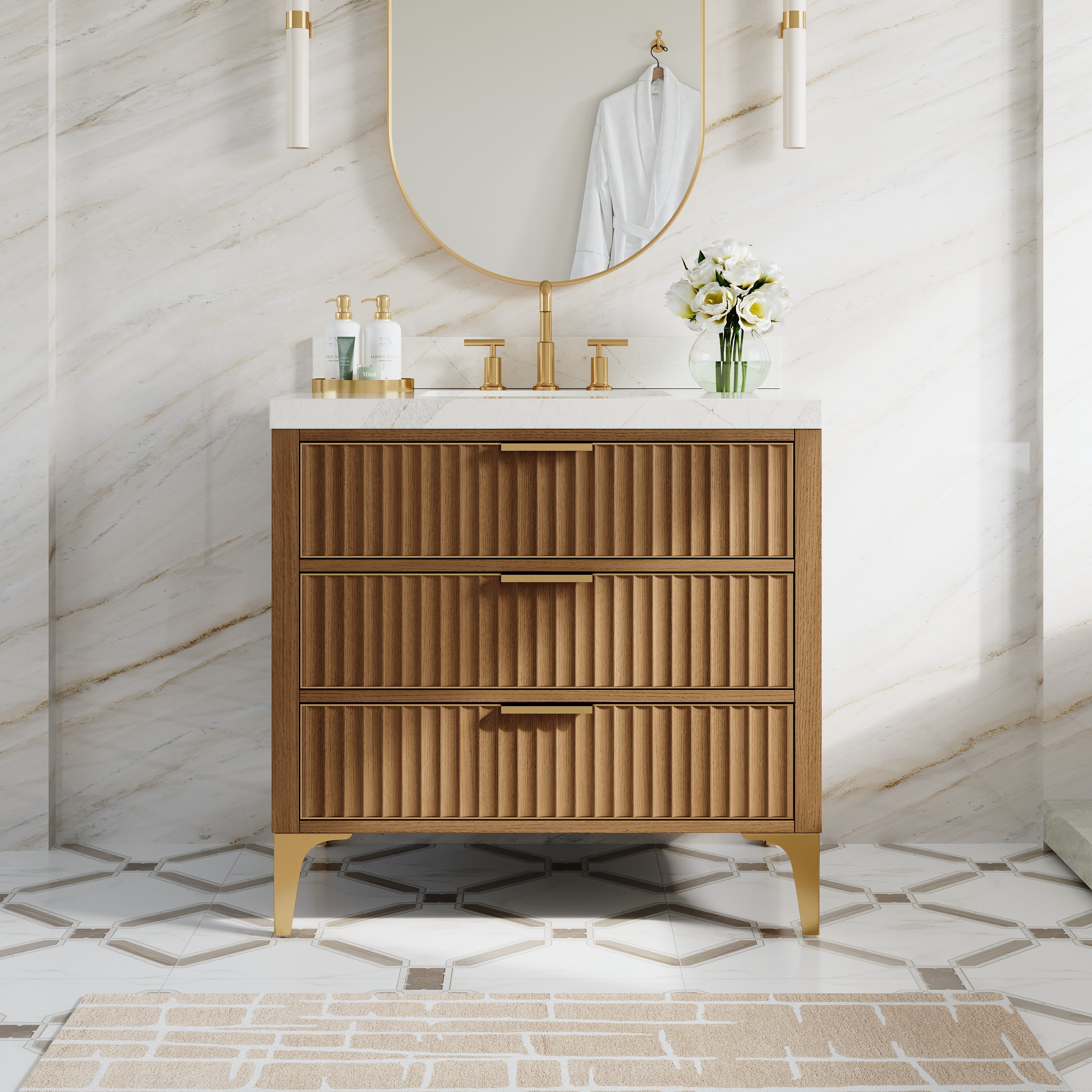
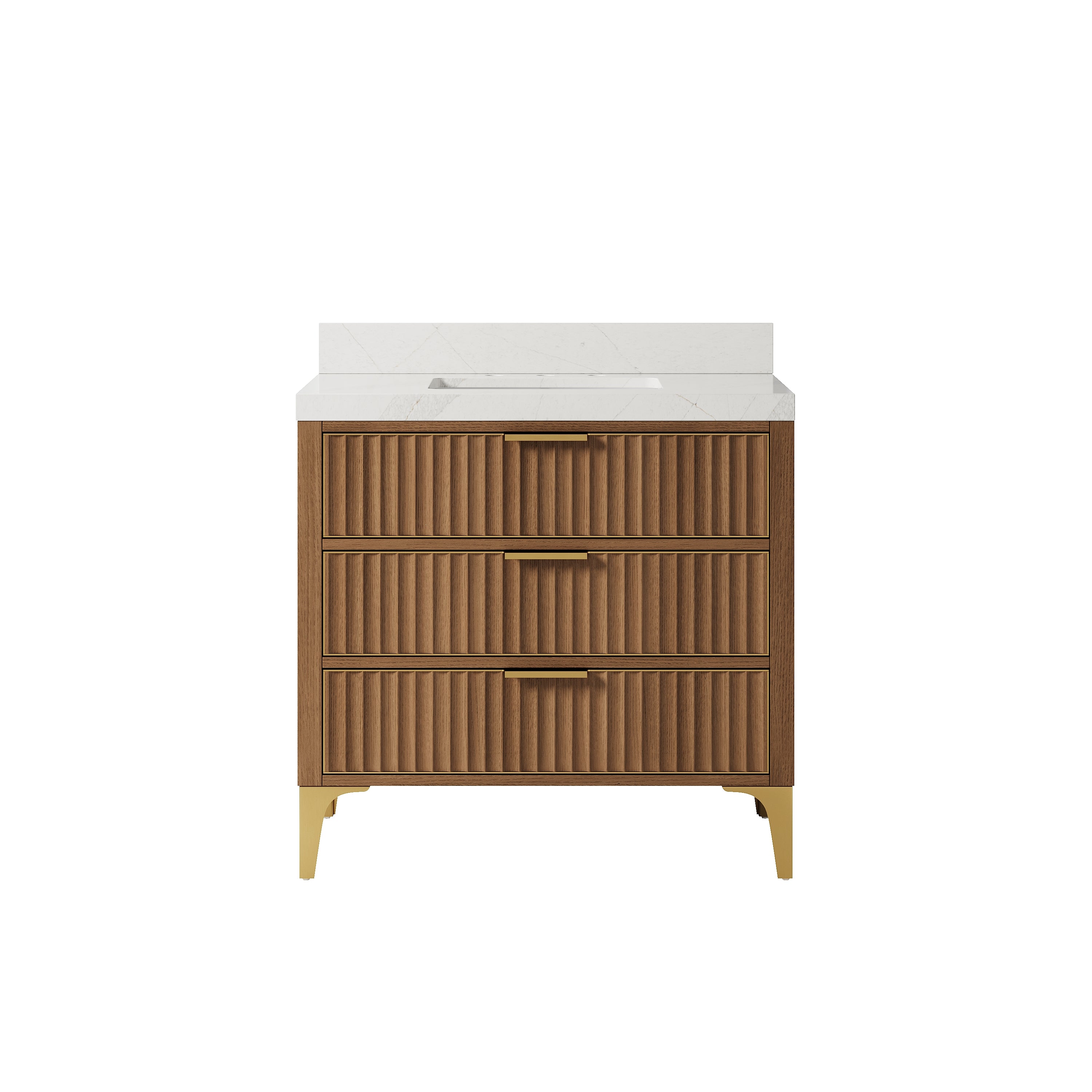
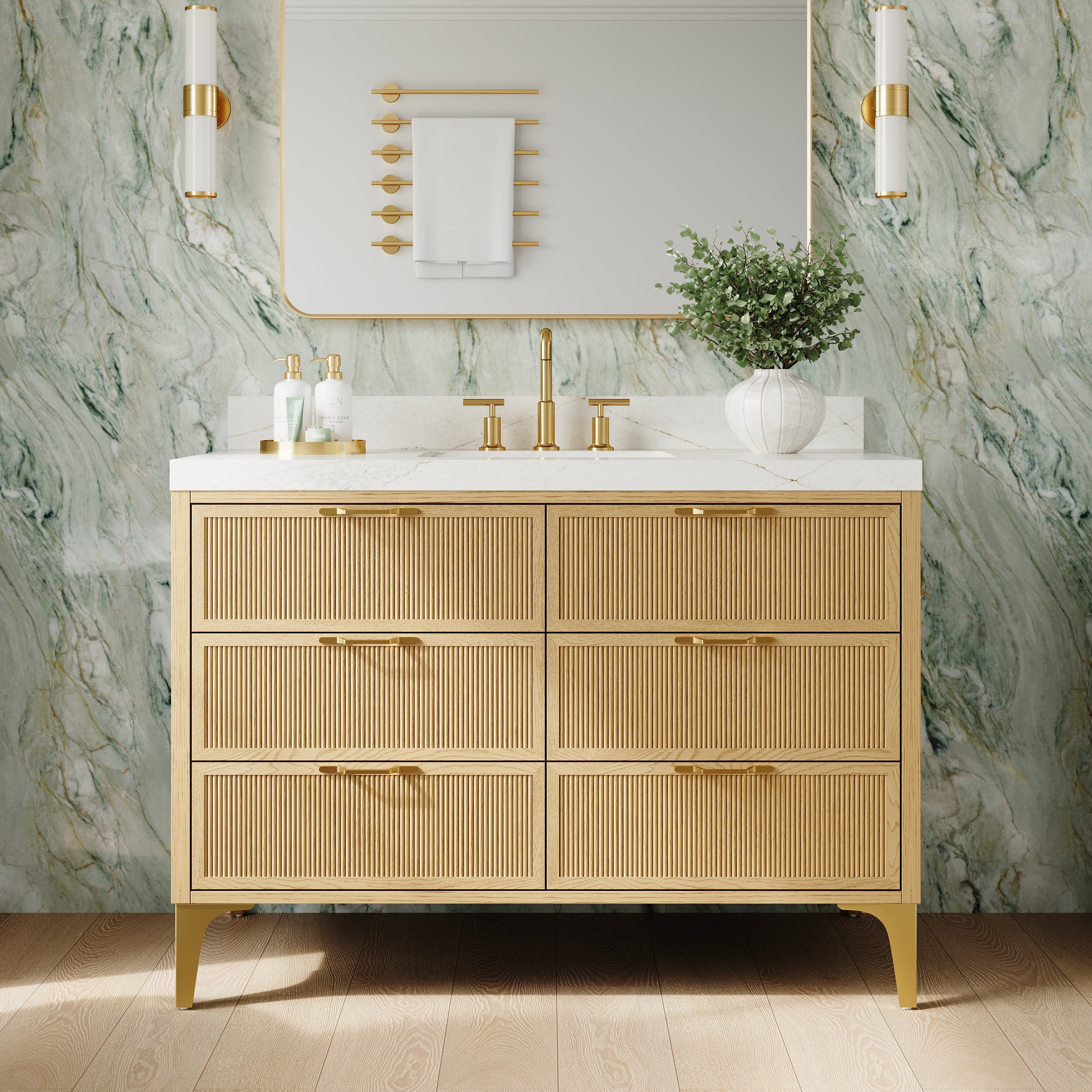
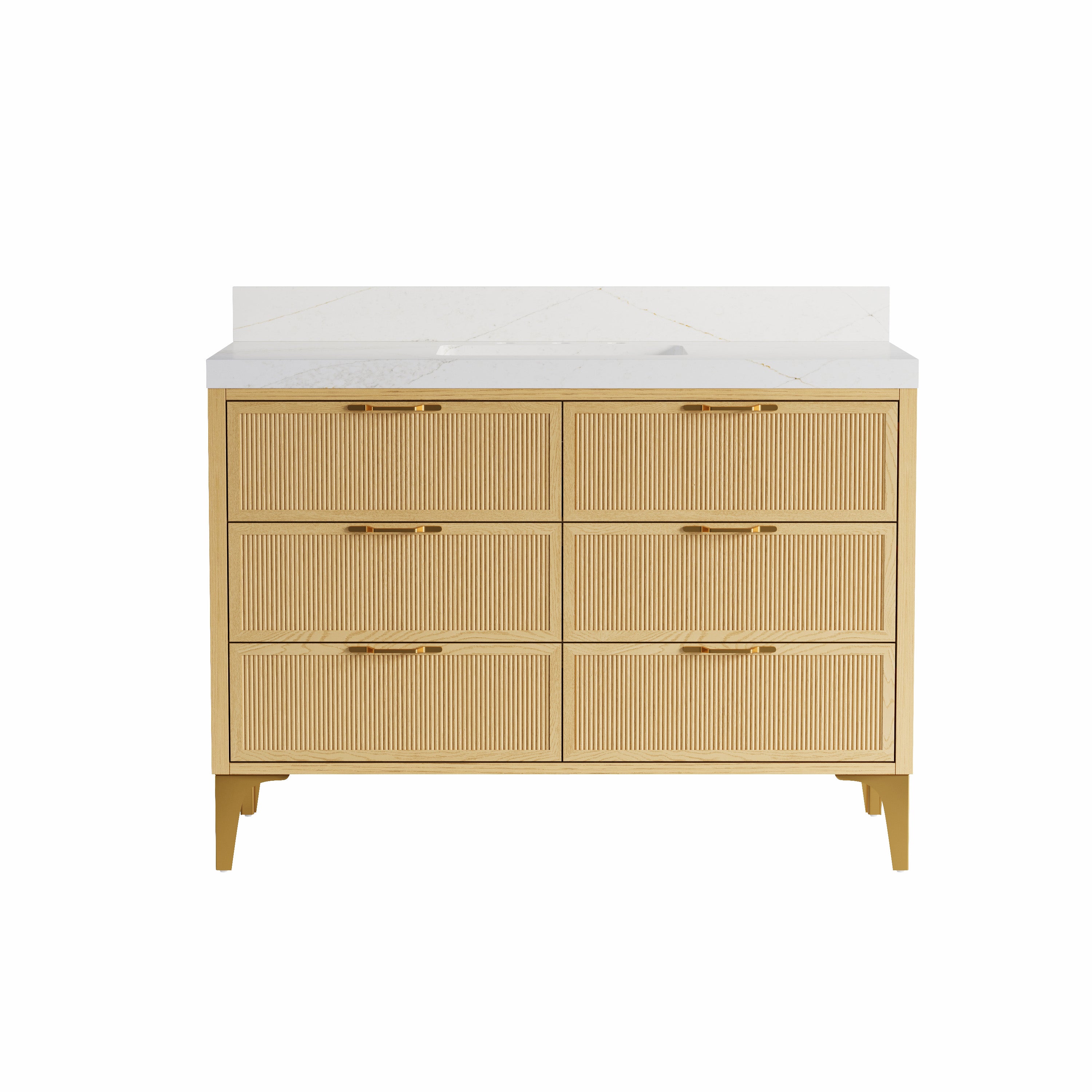


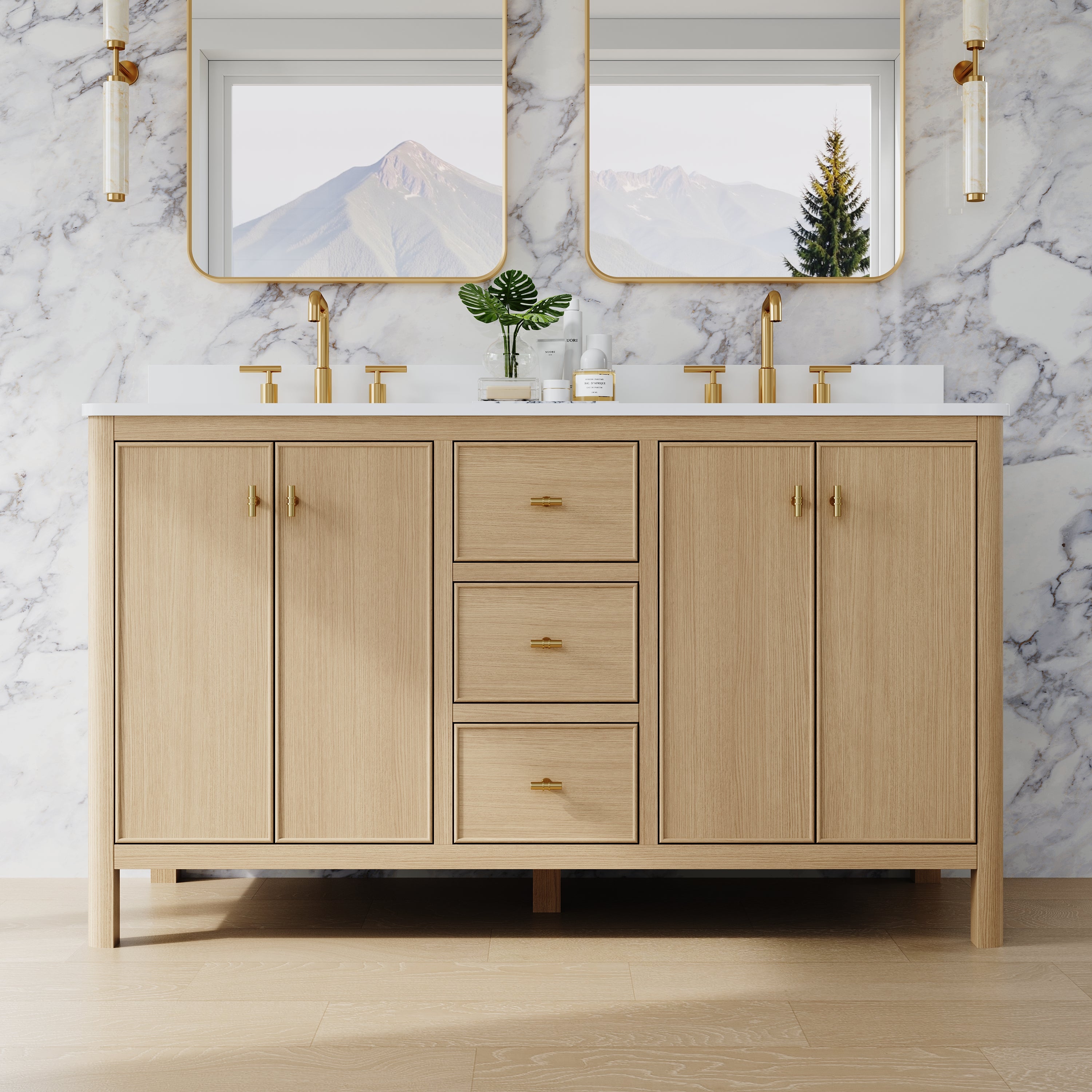
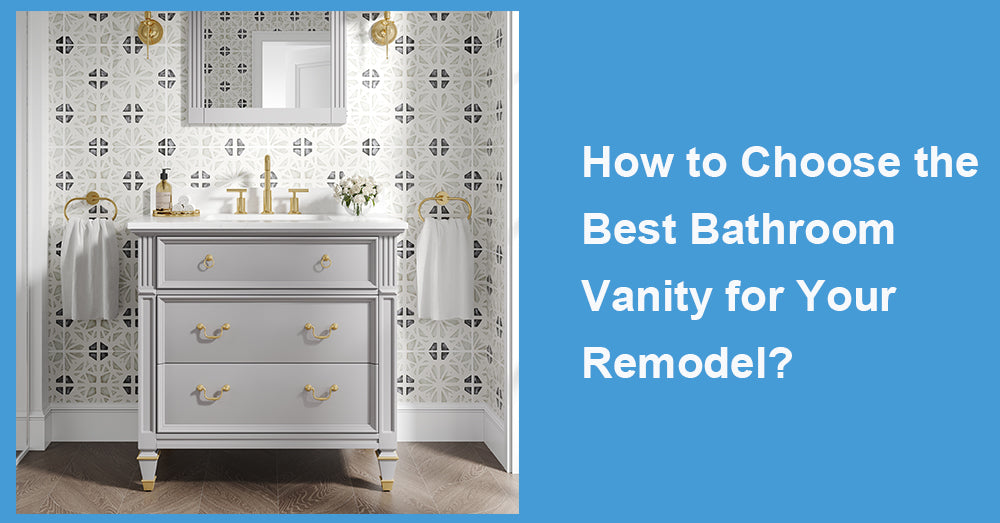
In a bathroom renovation, the bathroom vanity is no longer just a set of cabinets under the washbasin, but a core module that simultaneously determines the flow, storage, lighting coordination, cleaning difficulty, and budget efficiency. In the recent round of bathroom renovation data, the primary reason driving people to start construction is still the outdated style of the old space, followed by aging and damage. At the same time, insufficient storage, inadequate lighting, and the desire for better use of space are also at the forefront. In other words, choosing Vanity should not be based solely on appearance; the real question is usually whether you can use it smoothly, keep it in place, and maintain it well.
1. First, determine the size, not the style.
Many people start with the color of the door panel and the pattern on the countertop, and end up buying a cabinet that looks high-end but is crowded to use. A more realistic order would be: first look at the space, then look at the width, and finally decide on the style. In publicly available trend data, among those upgrading to Vanity, 51% choose 48 inches or less, 18% choose 60 inches, 15% choose 72 inches, and only 12% choose 72 inches or more. This indicates that most renovations are not simply about expanding, but rather about pursuing efficiency within usable scales. At the same time, NKBA's bathroom planning proposal suggests that it is best to reserve 30 inches of clear activity space in front of washbasins and other sanitary fixtures, with a minimum of 21 inches. So, the criterion for determining whether a set of vanities is "appropriate" is not whether it looks full, but whether cabinet doors, drawers, stands, and corridors will fight each other.
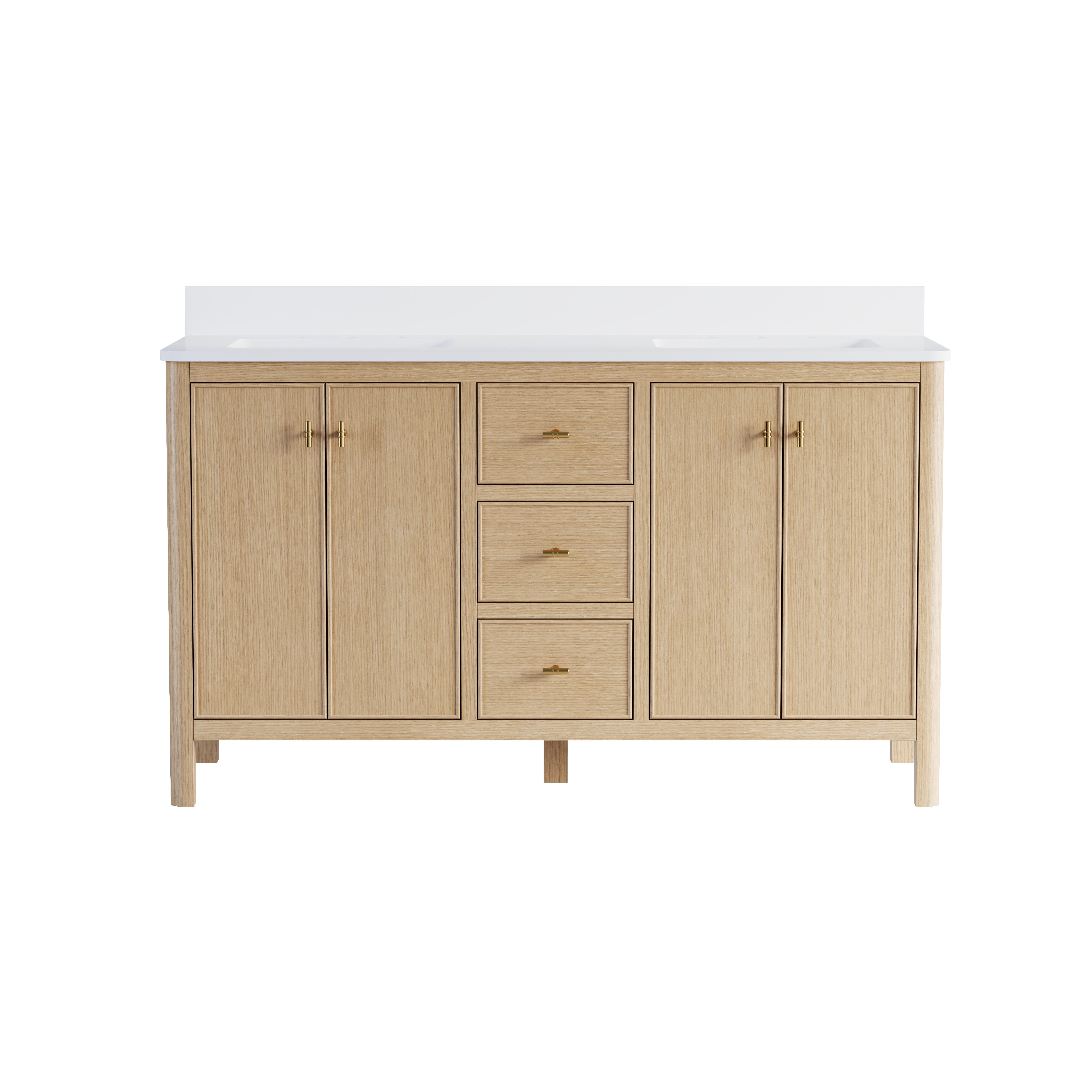
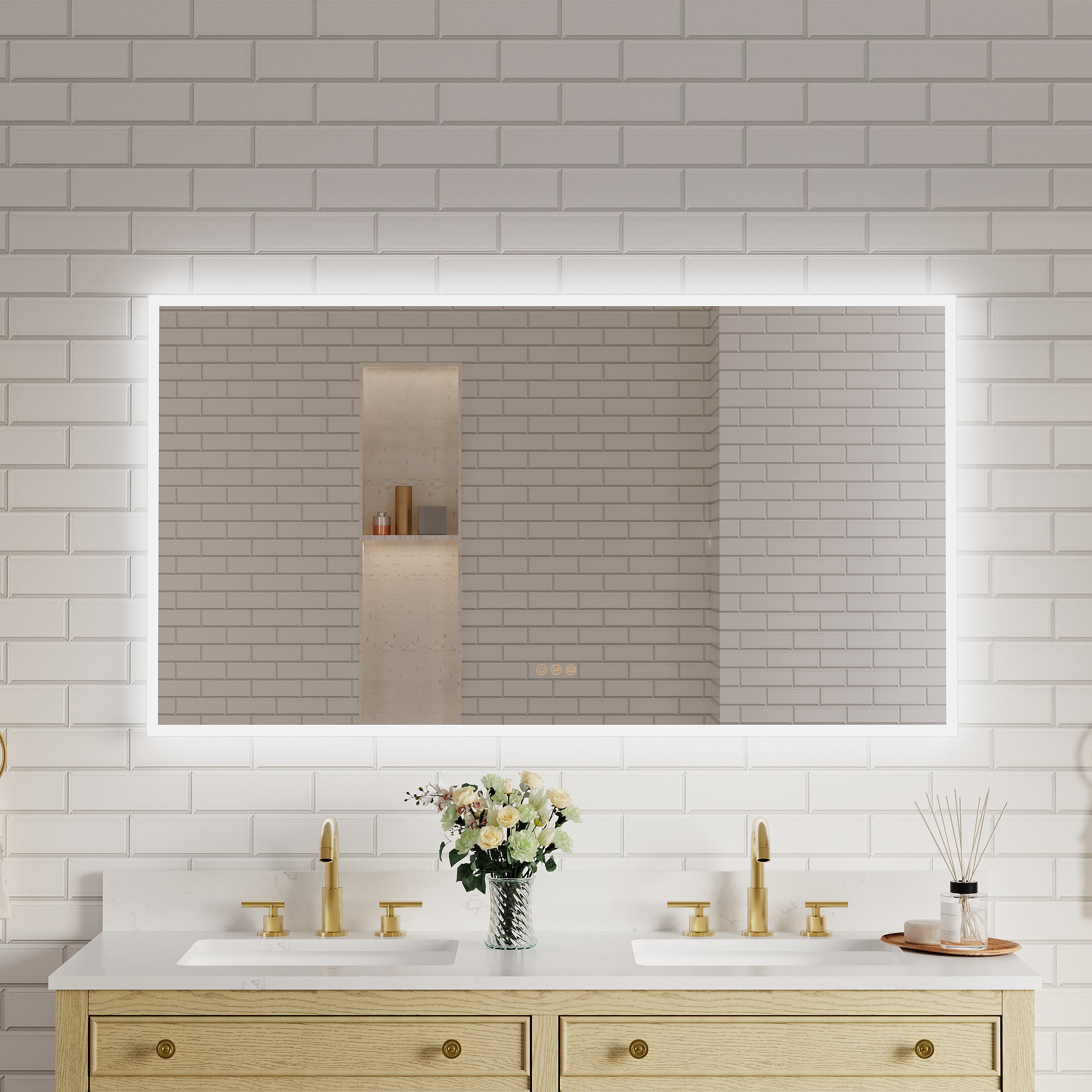
If it is a secondary guard, guest guard, or a space with limited width, 36-48 inches is often easier to balance: it preserves the countertop landing area without crushing the passage too tightly. If the main guard has a wider face, consider 60 inches or 72 inches. The easiest mistake to make here is to assume that "double basin cabinet" is the default correct answer. In fact, double pots can truly improve efficiency only when two people use them at high frequency simultaneously, and the wall length and middle clearance are sufficient; otherwise, they often just take up more countertop space and reduce drawer depth.th. This judgment can also be seen in the data: although double pots are common, the proportion choosing them in the latest sample is 44%, which is not an absolute majority.
2. Height should follow people, not follow the "standard map."
Vanity's height should not be criticized for its so-called uniform standards. NKBA's suggestion is straightforward: the height of the washbasin/vanity can range from 32 to 43 inches, to match the user's height and habits. It is recommended to have at least 36 inches between the centerlines of the two pots, with a minimum common specification value of 30 inches. This means that the truly reasonable height is not the most common one online, but the one that feels least uncomfortable on your back and shoulders when you stand to wash, bend to wash your face, or use it for your child. The main bathroom can be slightly elevated, while children or families sharing bathrooms should be more cautious.
3. The cabinet structure determines whether you are "showcasing" or "living."
From an industry perspective, 57% of the renovation population still choose custom or semi-custom, 31% choose stock, and another 7% choose ready-to-assemble. In terms of installation form, built-in luxury accounts for 56%, freestanding accounts for 31%, and floating accounts for 12%. This set of data is very interesting: it shows that most people will eventually come back to a reality judgment - the bathroom is not the living room. While visual lightness is important, storage, dust removal, plumbing, and durability are more important. Built-in is usually more suitable for spaces that pursue complete storage and a stronger sense of unity; Floating is lighter, more modern, and more convenient for robotic vacuum cleaners to enter, but deep suction and internal capacity are often discounted. Freestanding is somewhere in between, suitable for people who want to preserve some furniture feel without completely sacrificing functionality.
4. Don't just consider whether the material is expensive; also consider whether it can withstand moisture.
The most essential elements in the bathroom are moisture, temperature fluctuations, and daily cleaning. In the trend data, when upgrading Vanity, 72% chose Solid Wood, followed by MDF (13%) and Plywood (7%). In terms of countertops, engineered quartz ranks first at 42%, followed by quartzite at 20%, granite at 15%, and marble at 13%. The logic behind this is very straightforward: the truly popular materials are often not the most "expensive", but stable, stain-resistant, and have controllable maintenance costs. To make the renovation more stable, the cabinet should prioritize structural stability and edge-sealing technology, and the countertop should prioritize impermeability, scratch resistance, and ease of daily maintenance. Many projects ultimately fail not because the materials are not advanced enough, but because the bathroom is treated as a display cabinet, ignoring that it is primarily a high-frequency wet area.
5. The value of good vanity is often hidden in the details.
truly affects long-term experience is often not color, but hardware and internal organization. In public data, the most popular features for upgrading Vanity are soft-pack drawers at 78% and soft-pack doors at 75%, followed by built-in power supply at 29% and drawer separation at 22%. This indicates that most people are no longer satisfied with just having a cabinet, but are pursuing a quieter, more convenient, and less cluttered daily experience. My judgment is that when budgets are limited, prioritize spending on drawers, rails, hinges, moisture resistance, and internal partitions rather than investing in complex designs first. Because the shape of the door can be seen at a glance, whether the drawers are smooth or the things are messy will affect you for many years to come.
6. The basin and mirror cabinet must be viewed together.
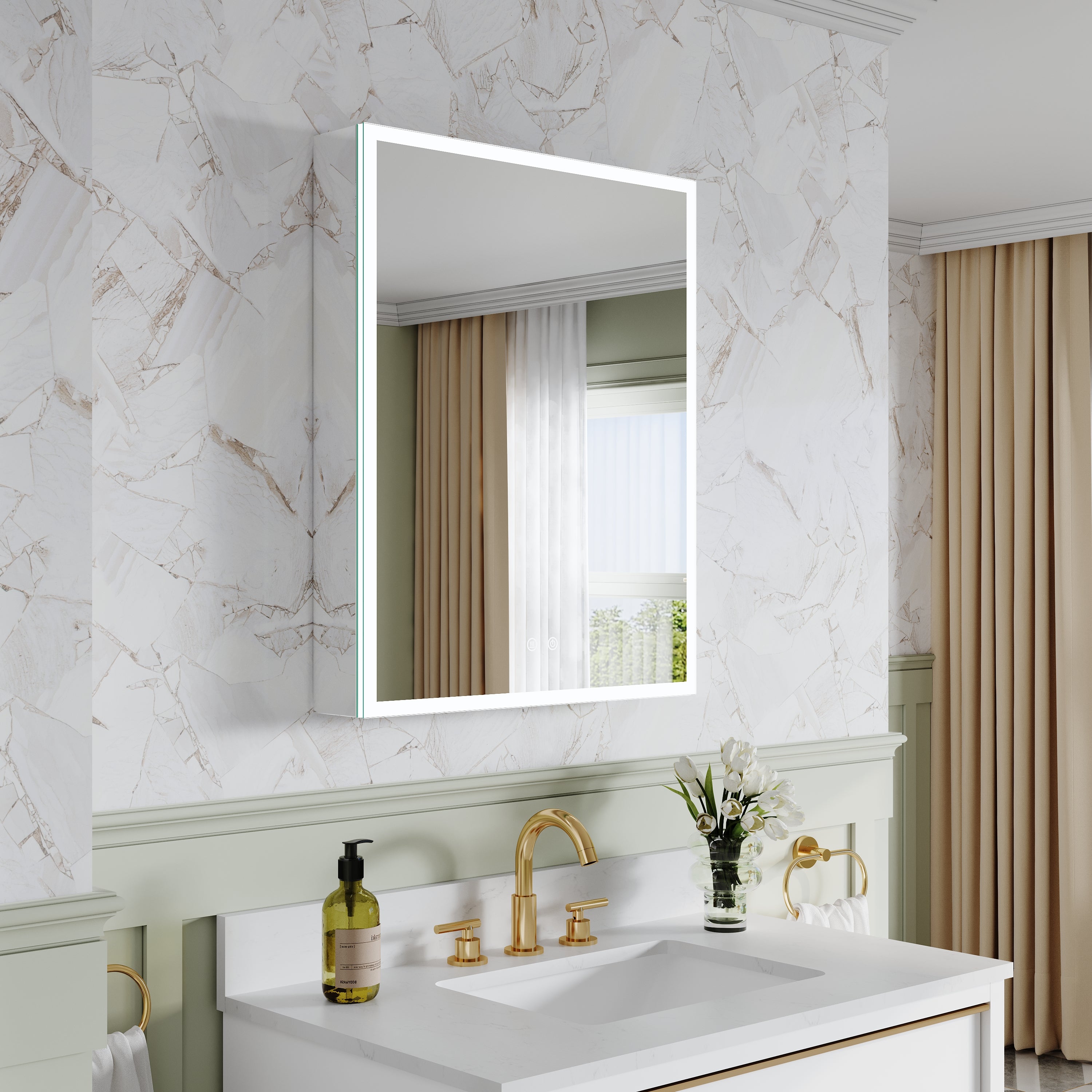
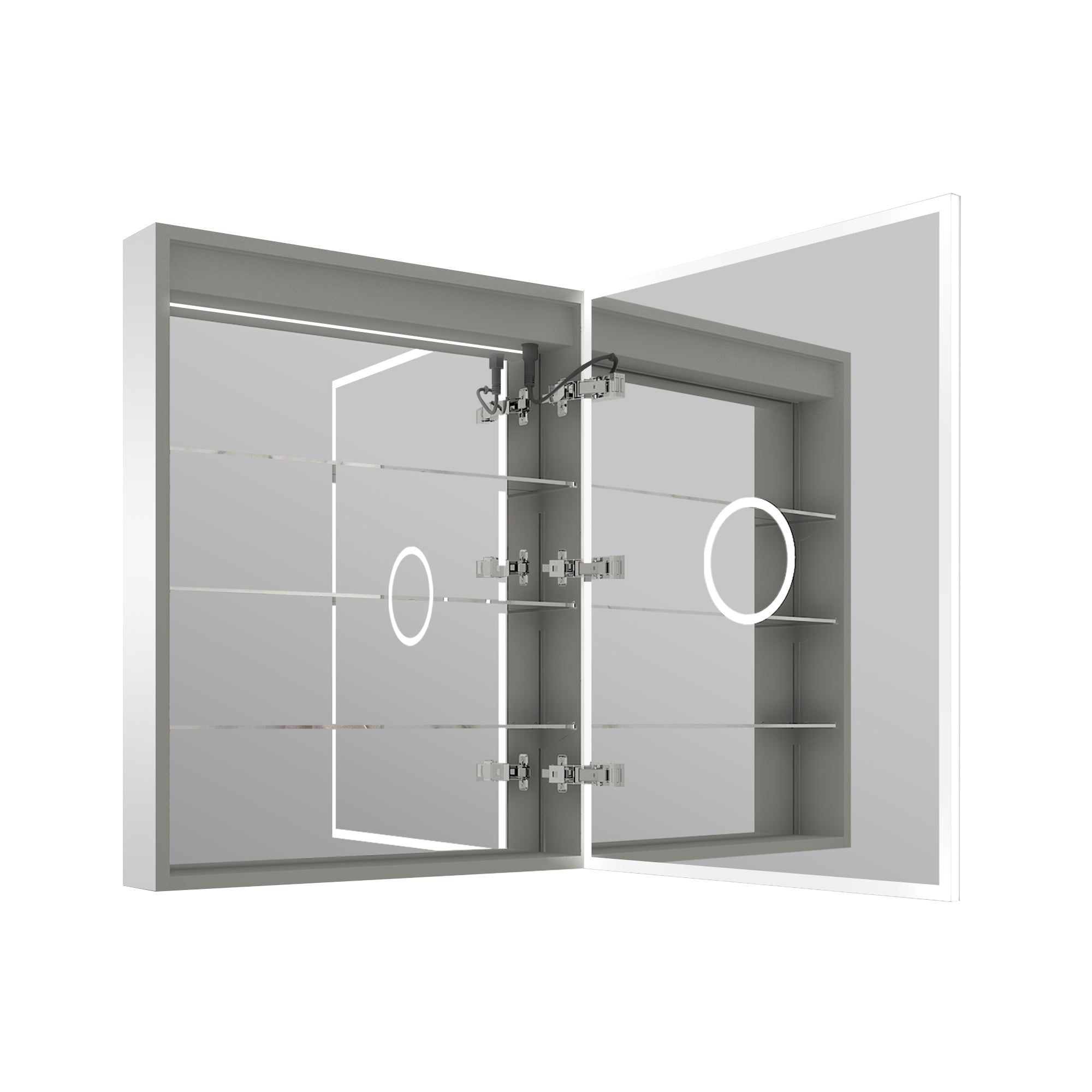
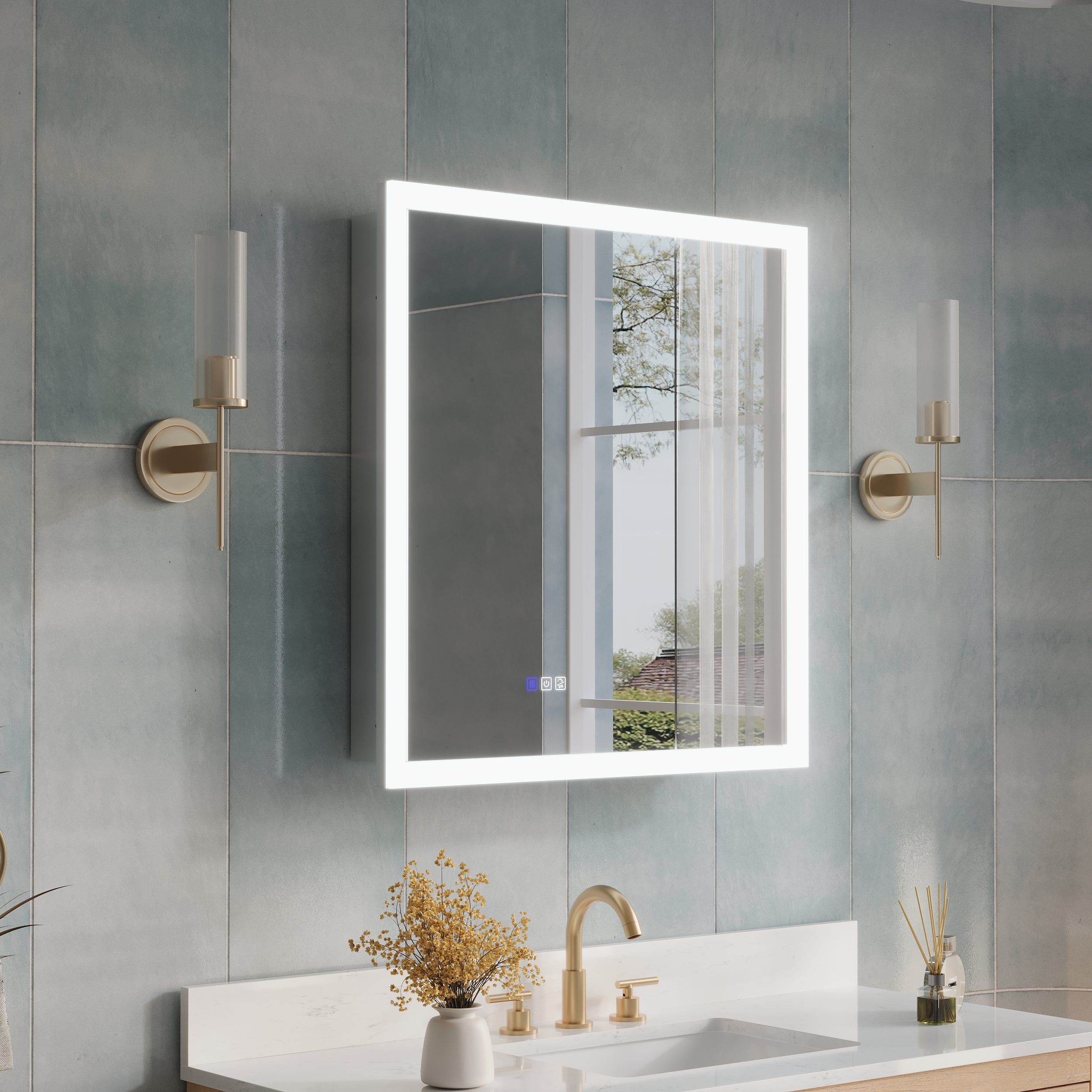
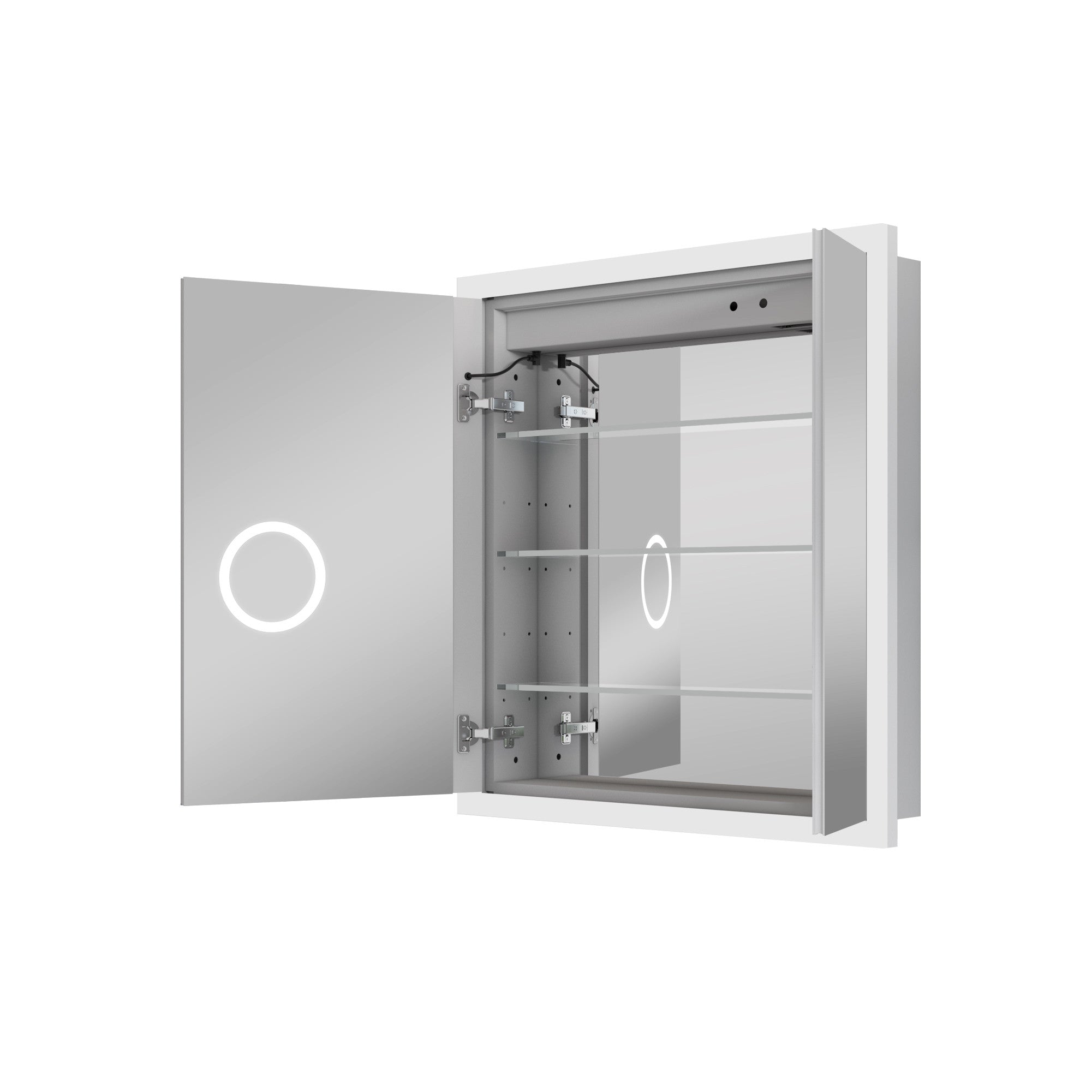
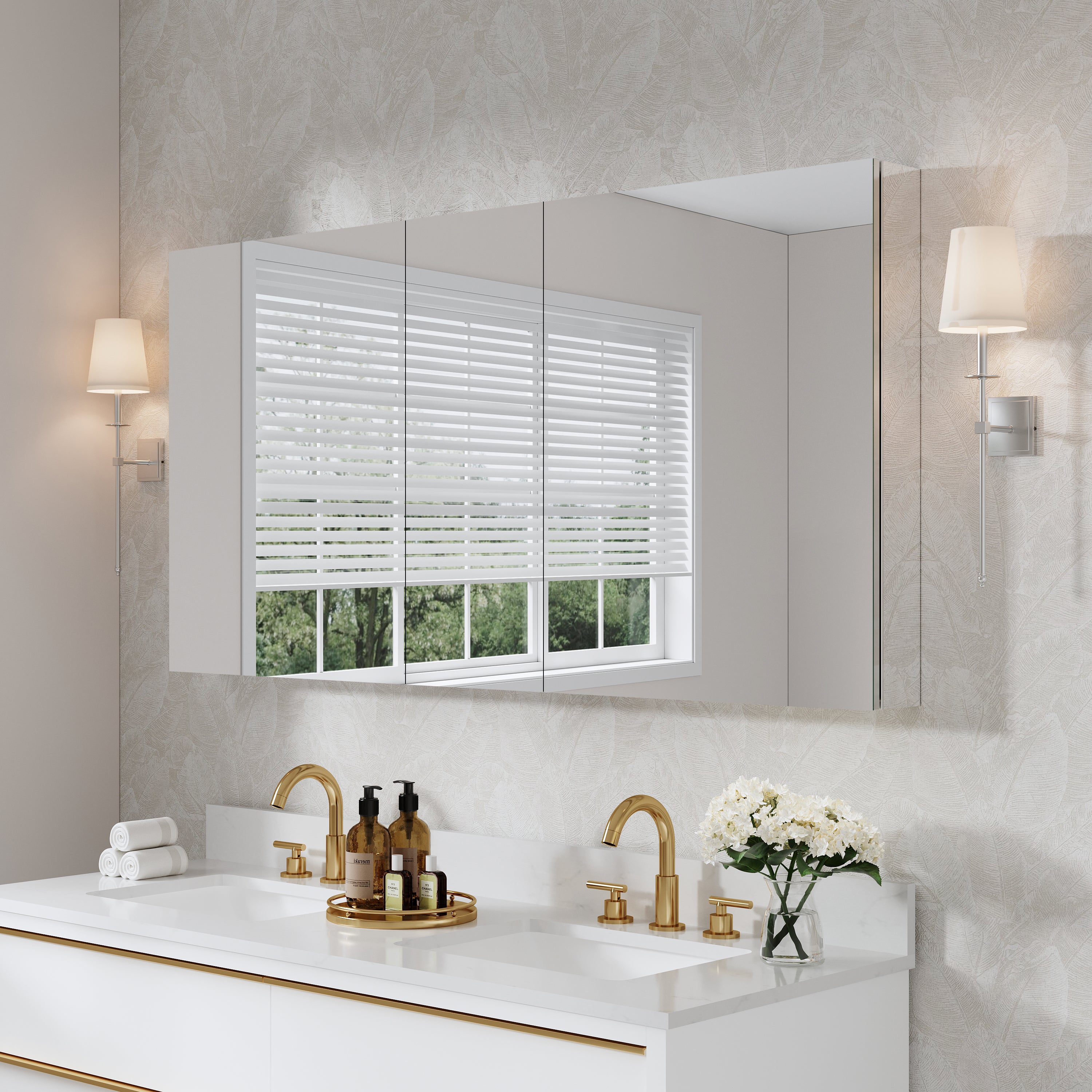
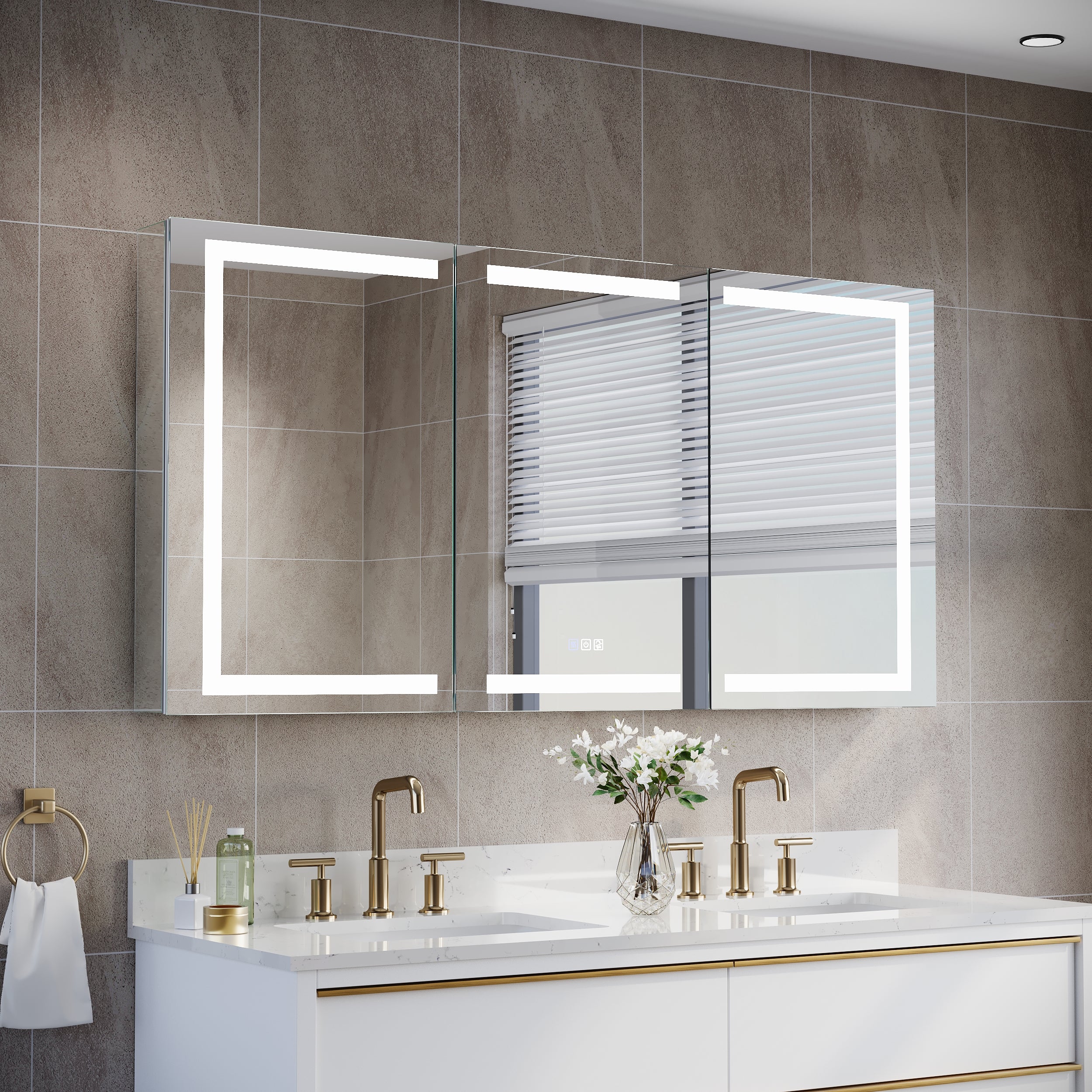
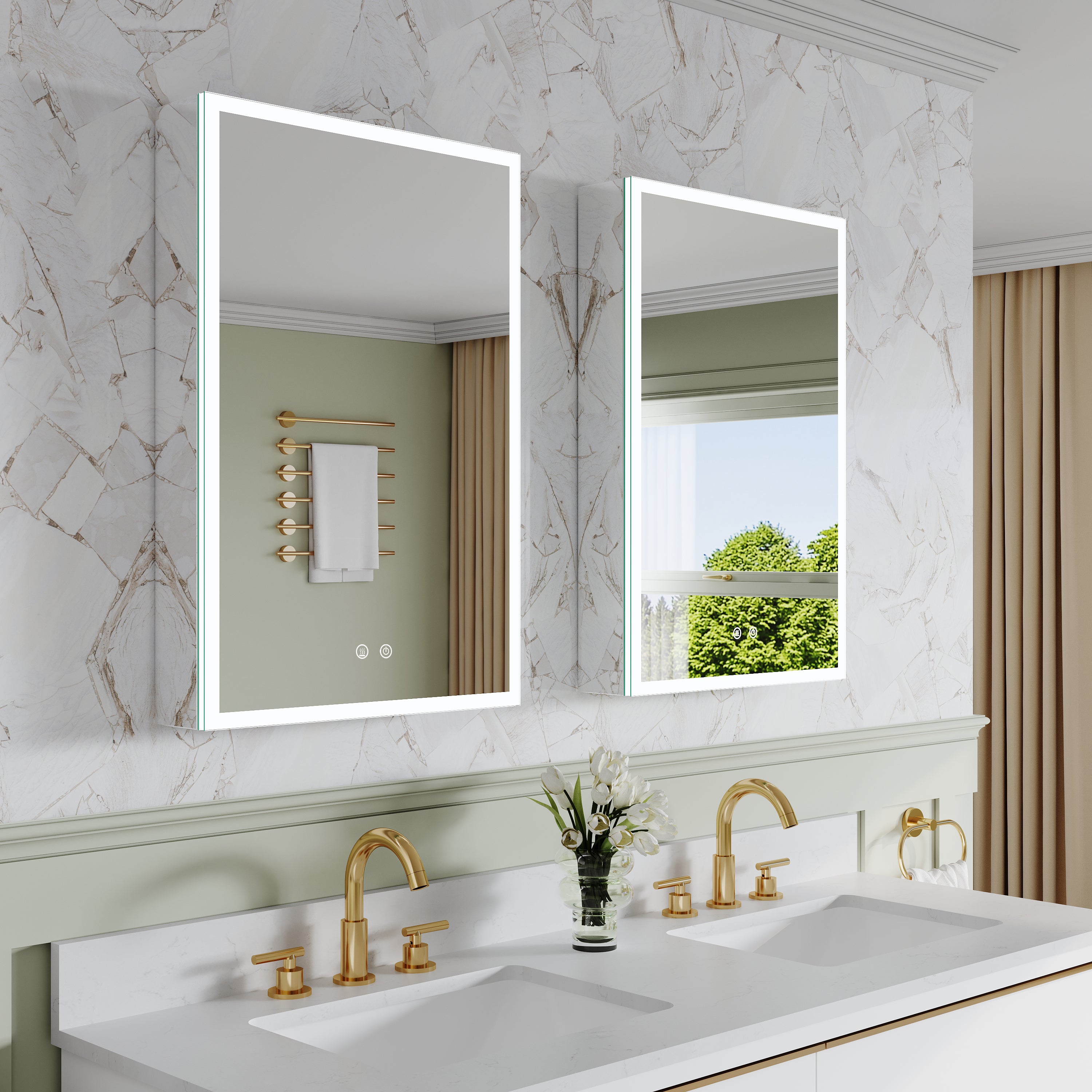
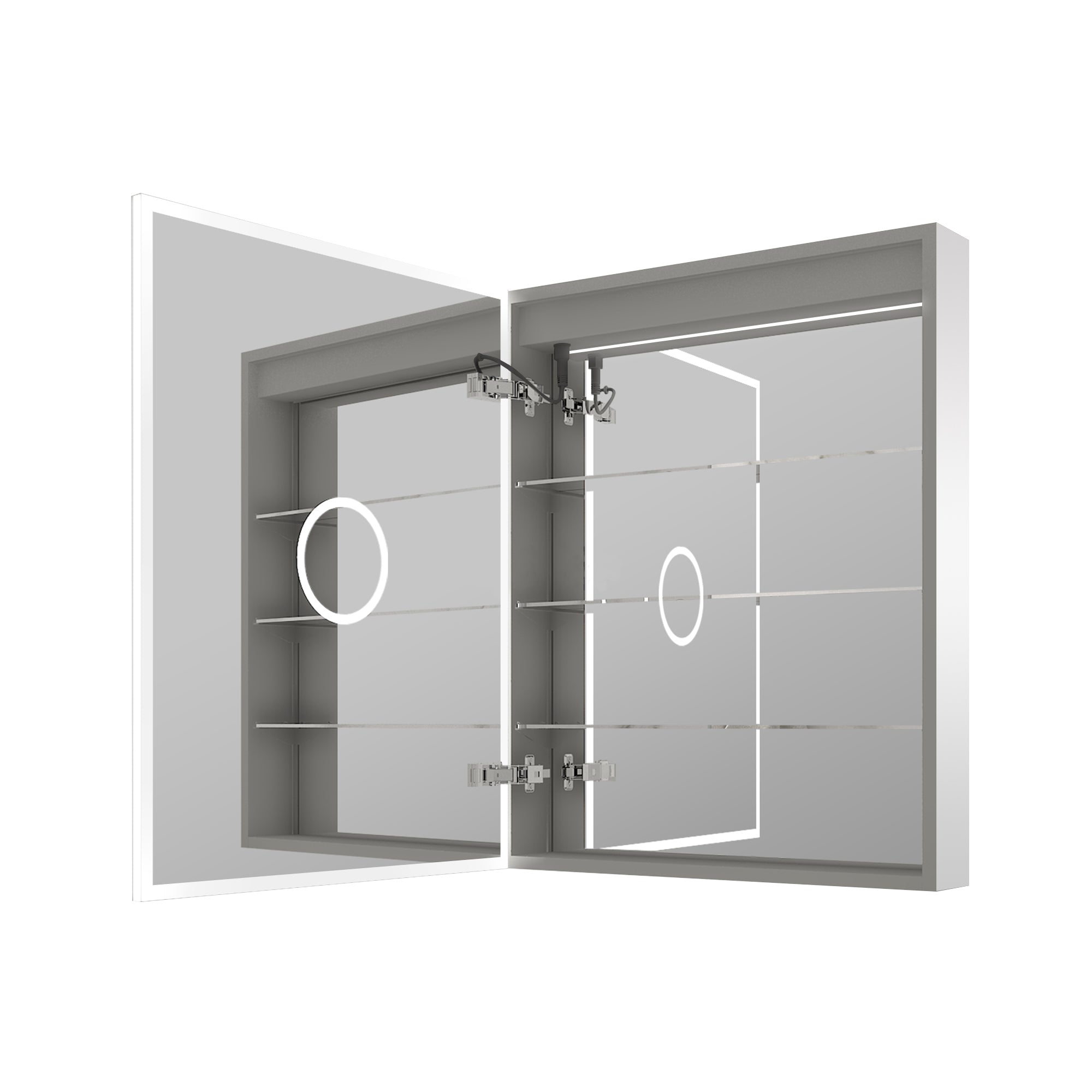
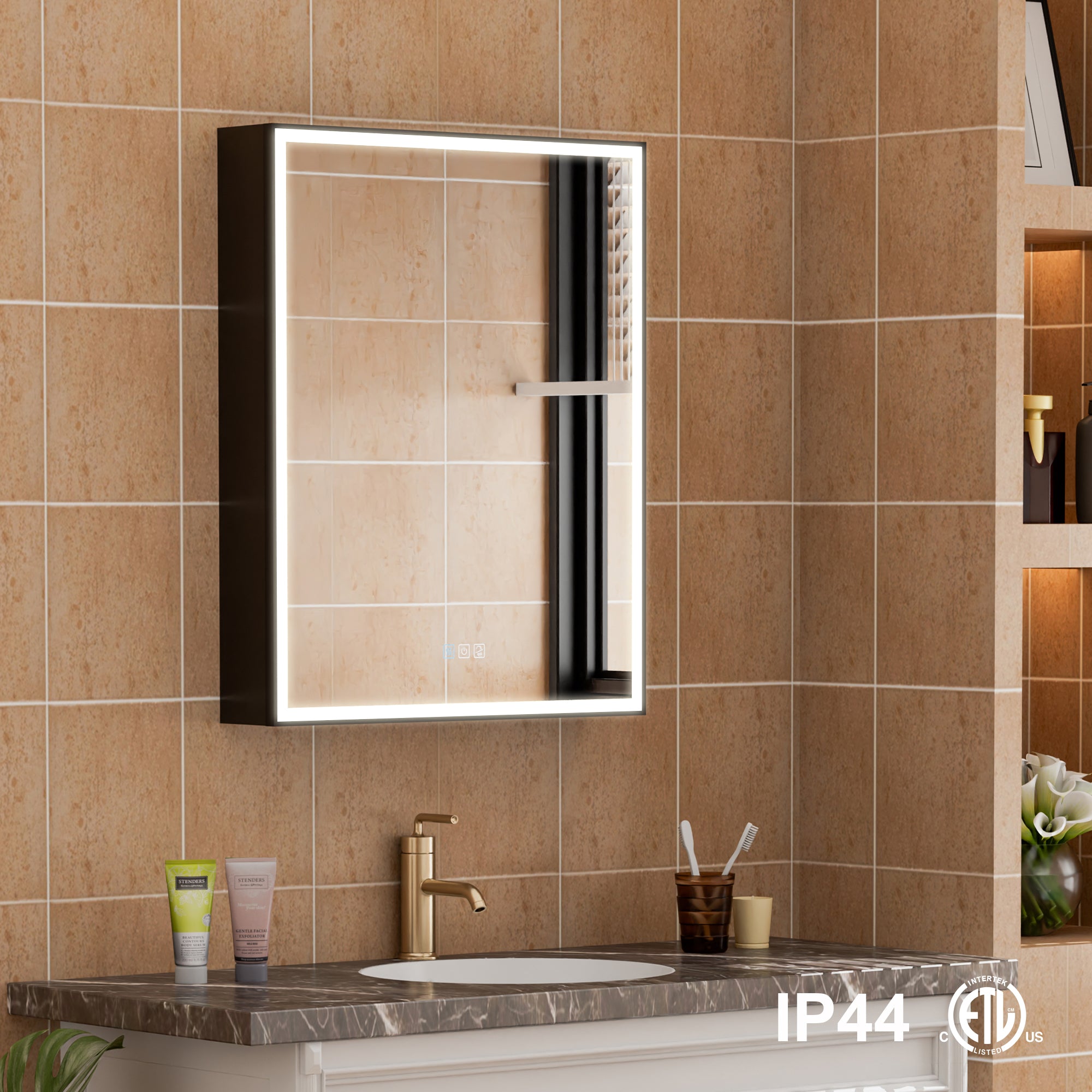
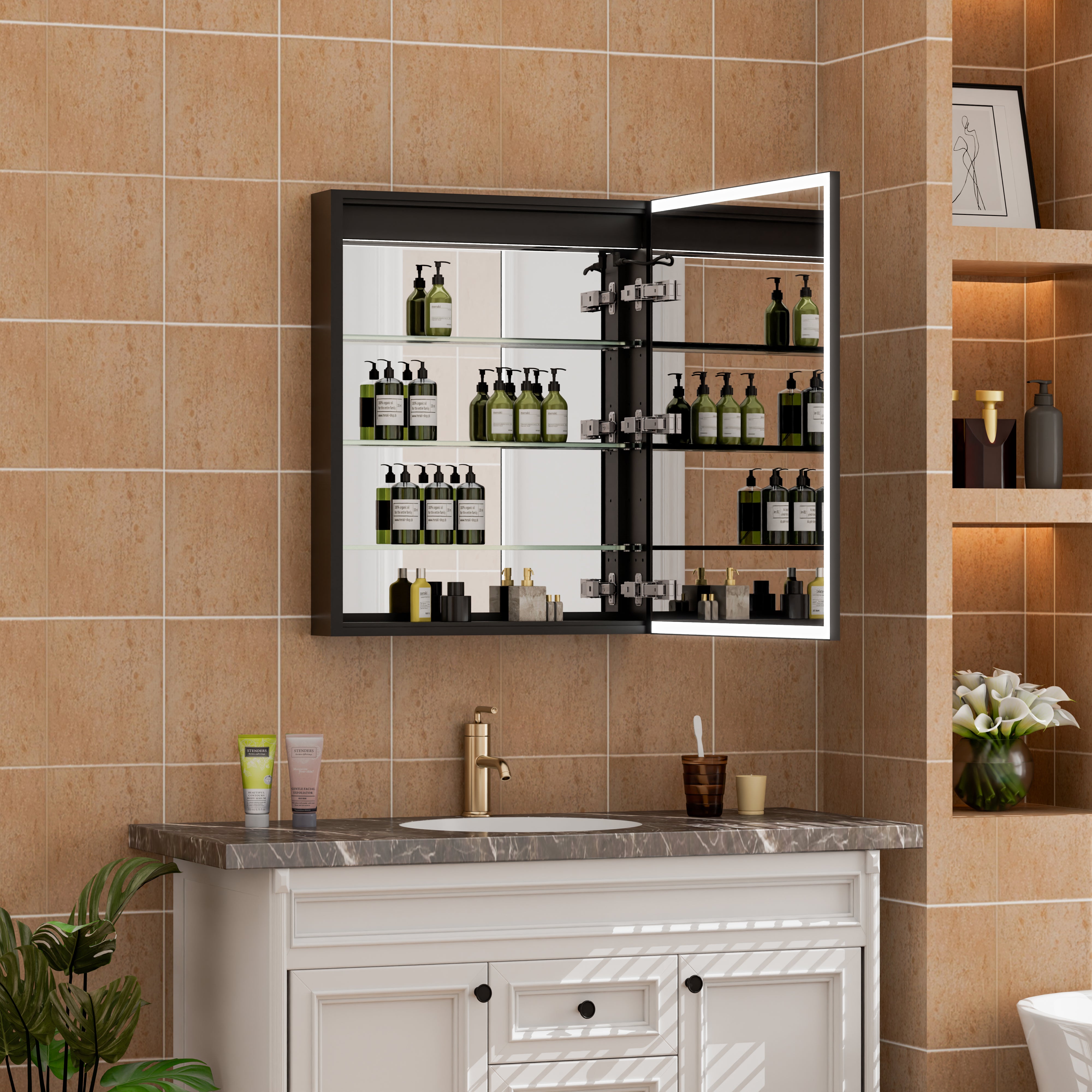
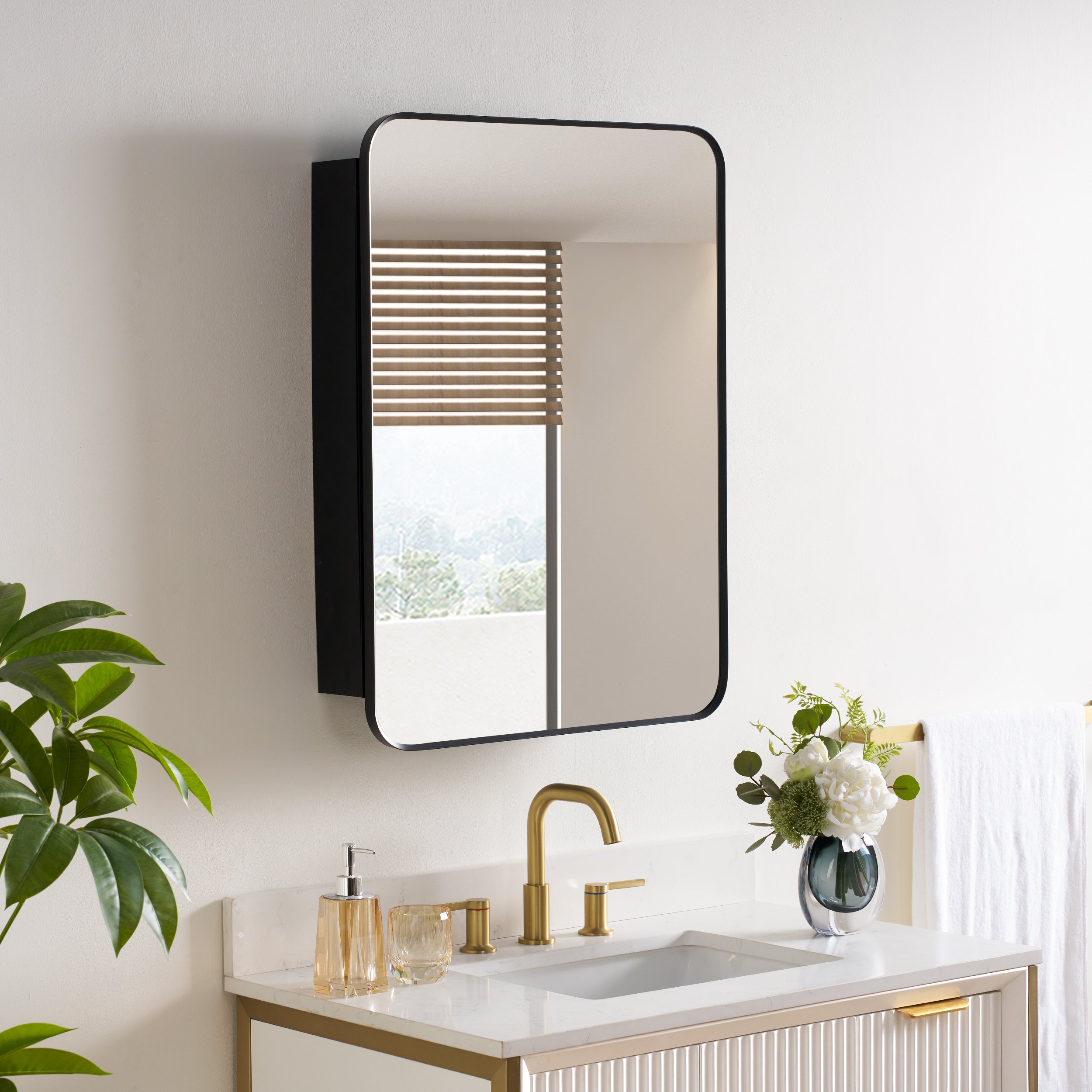
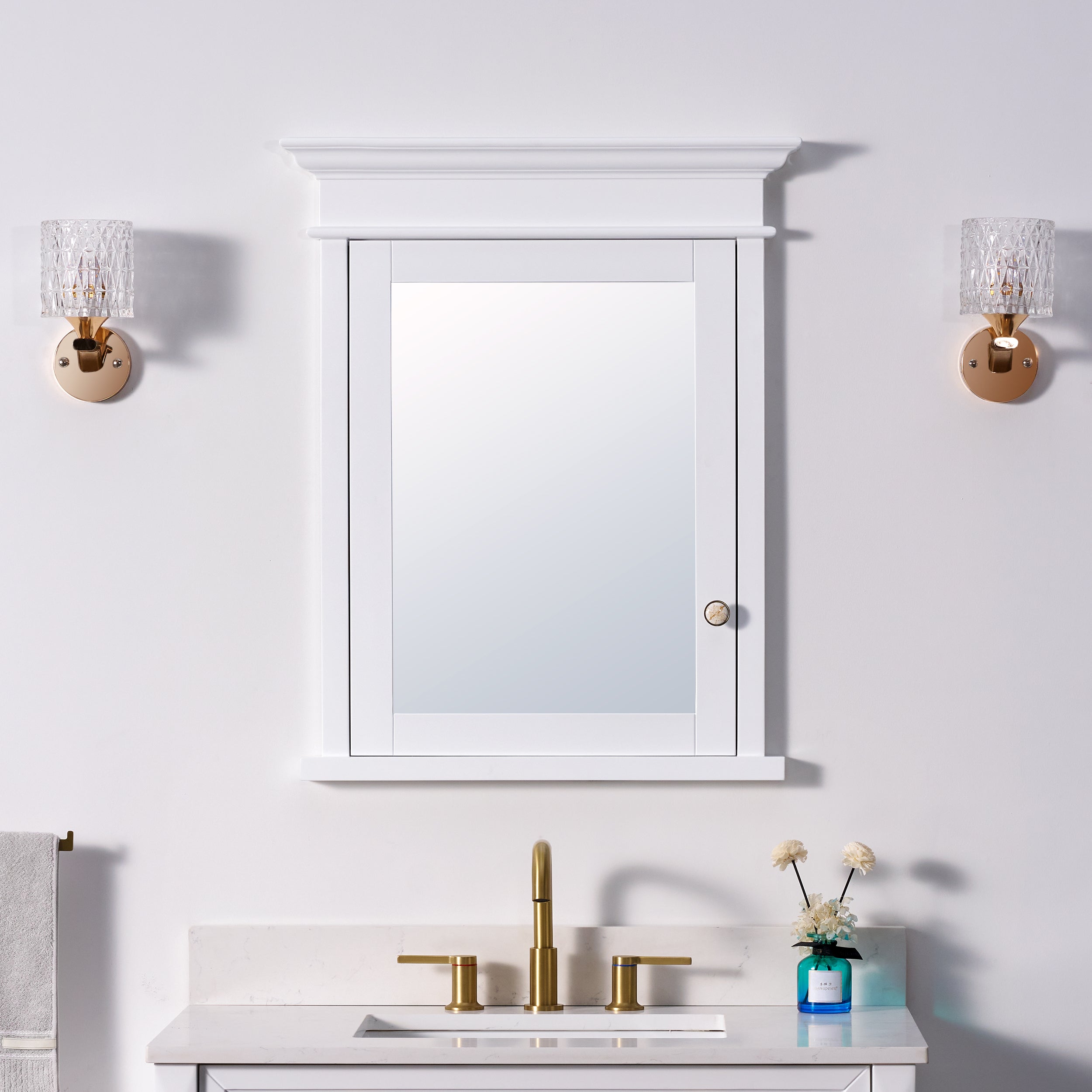
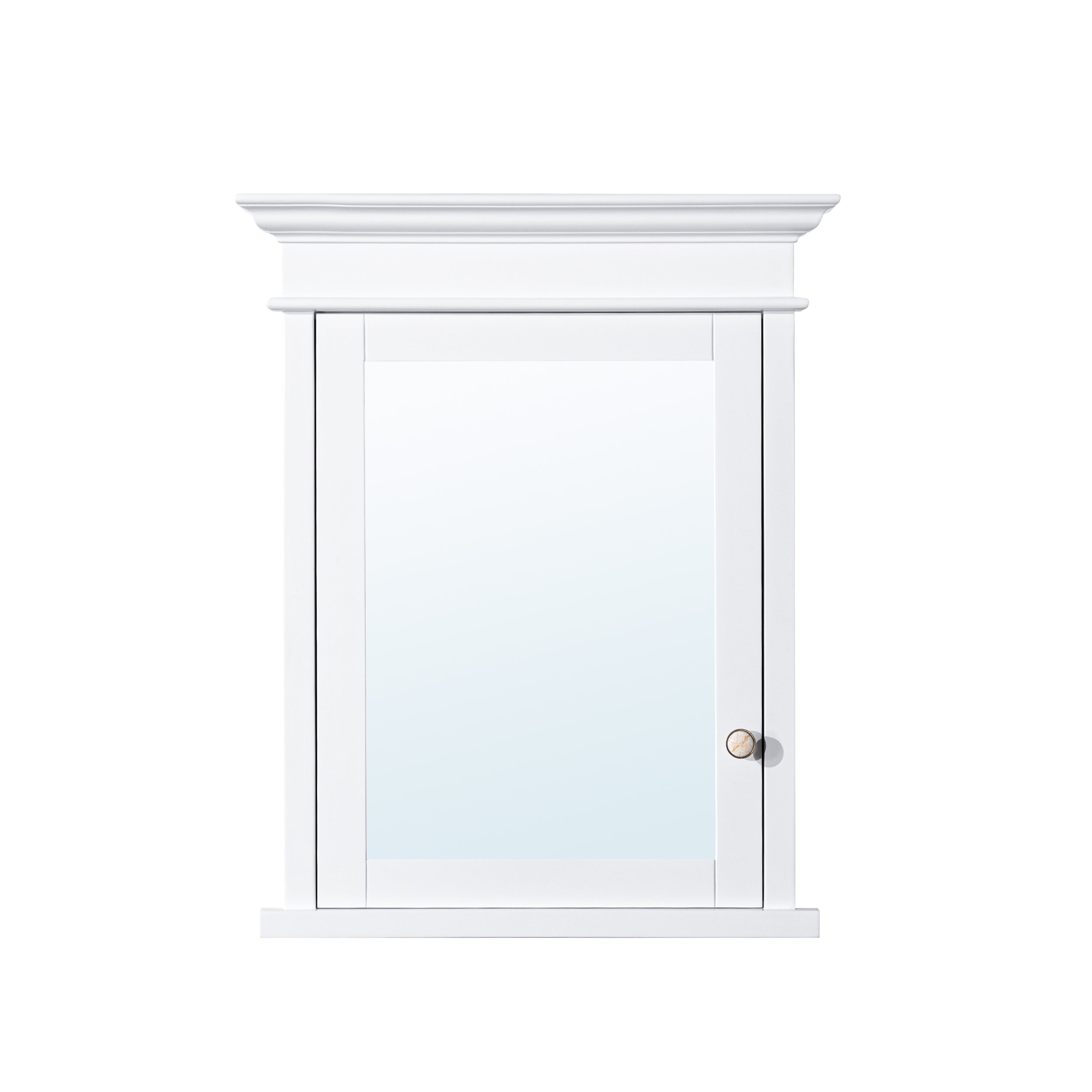
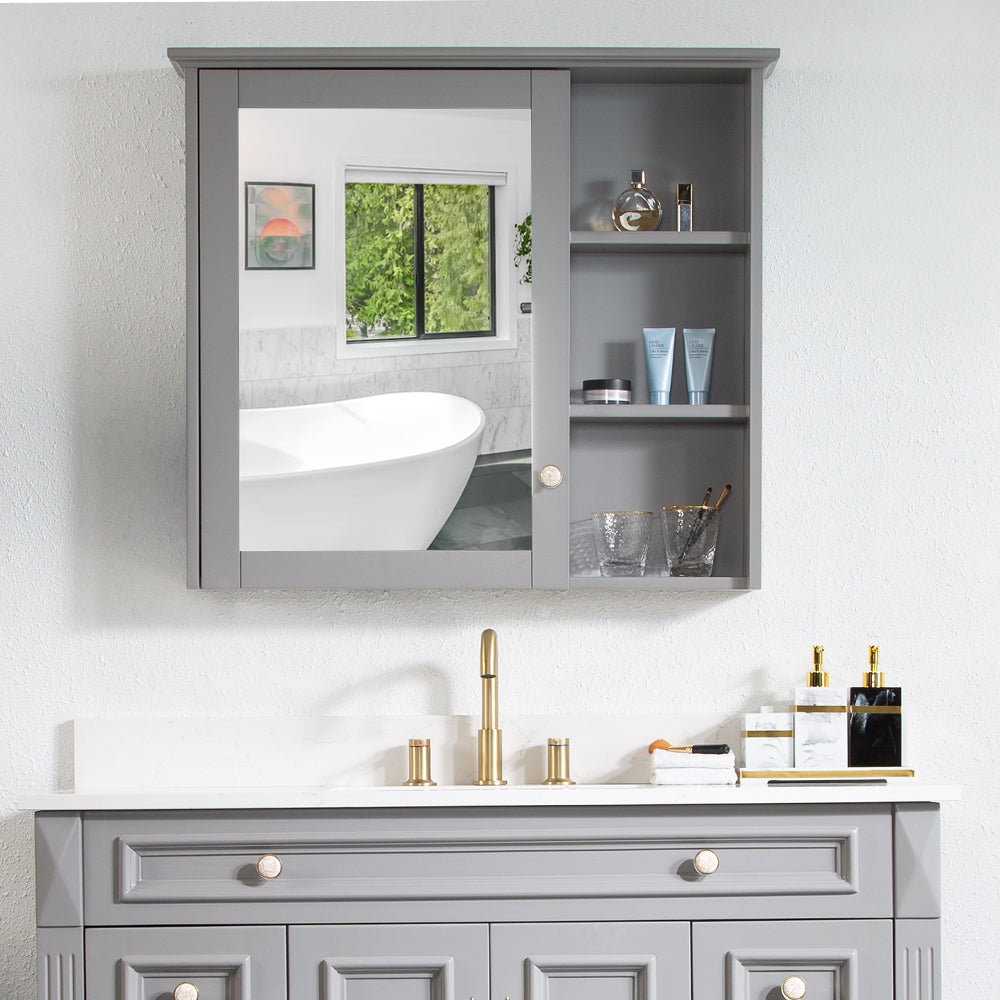
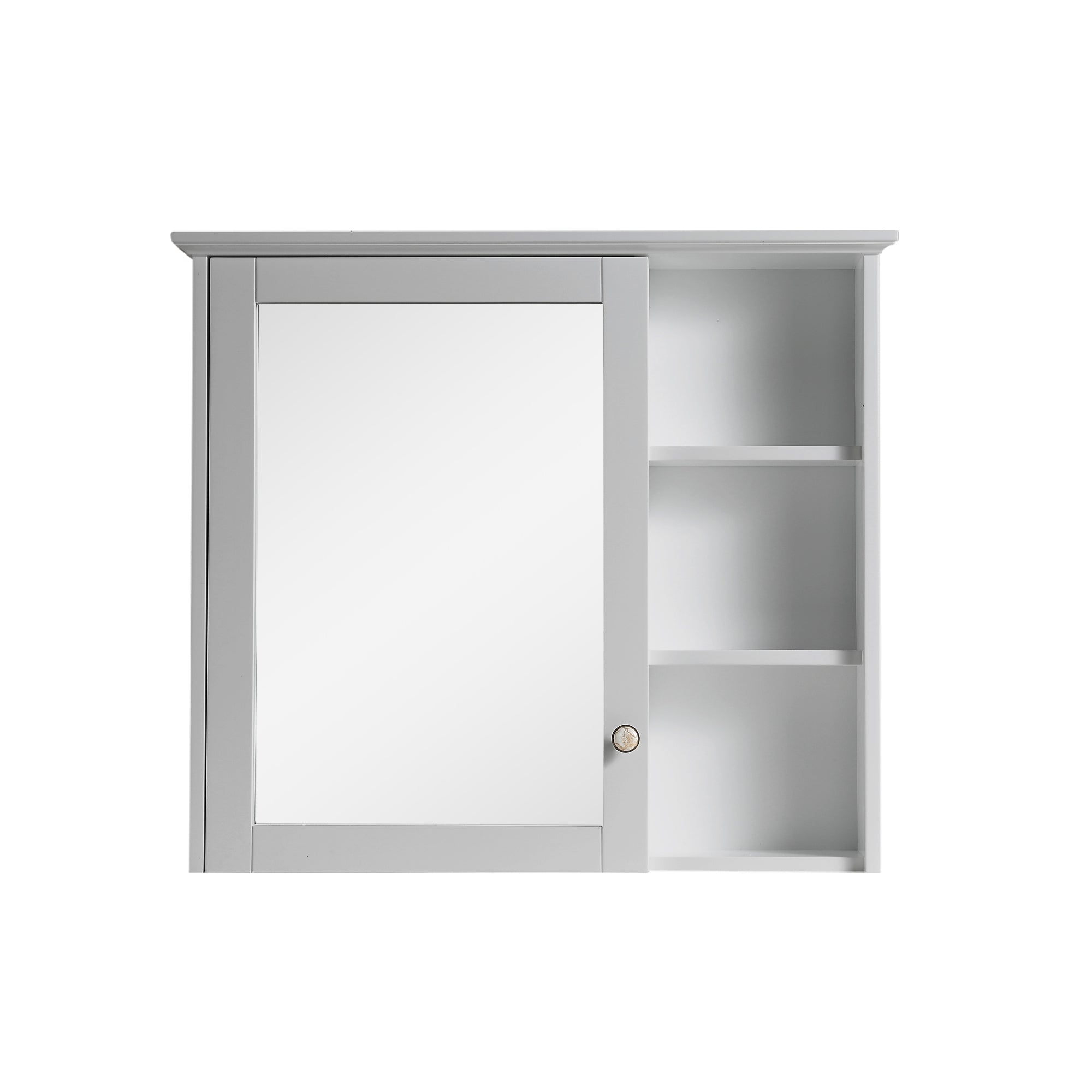
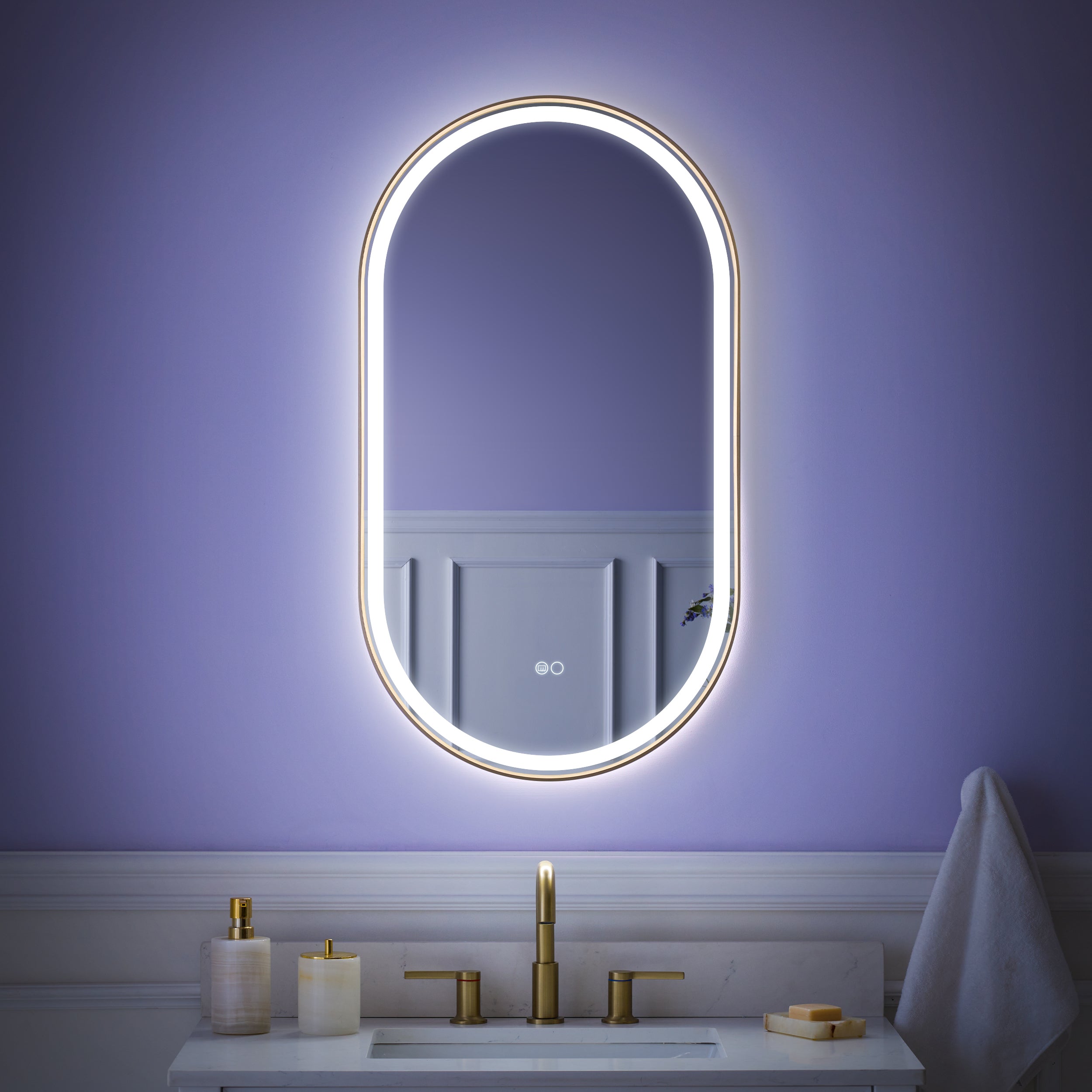
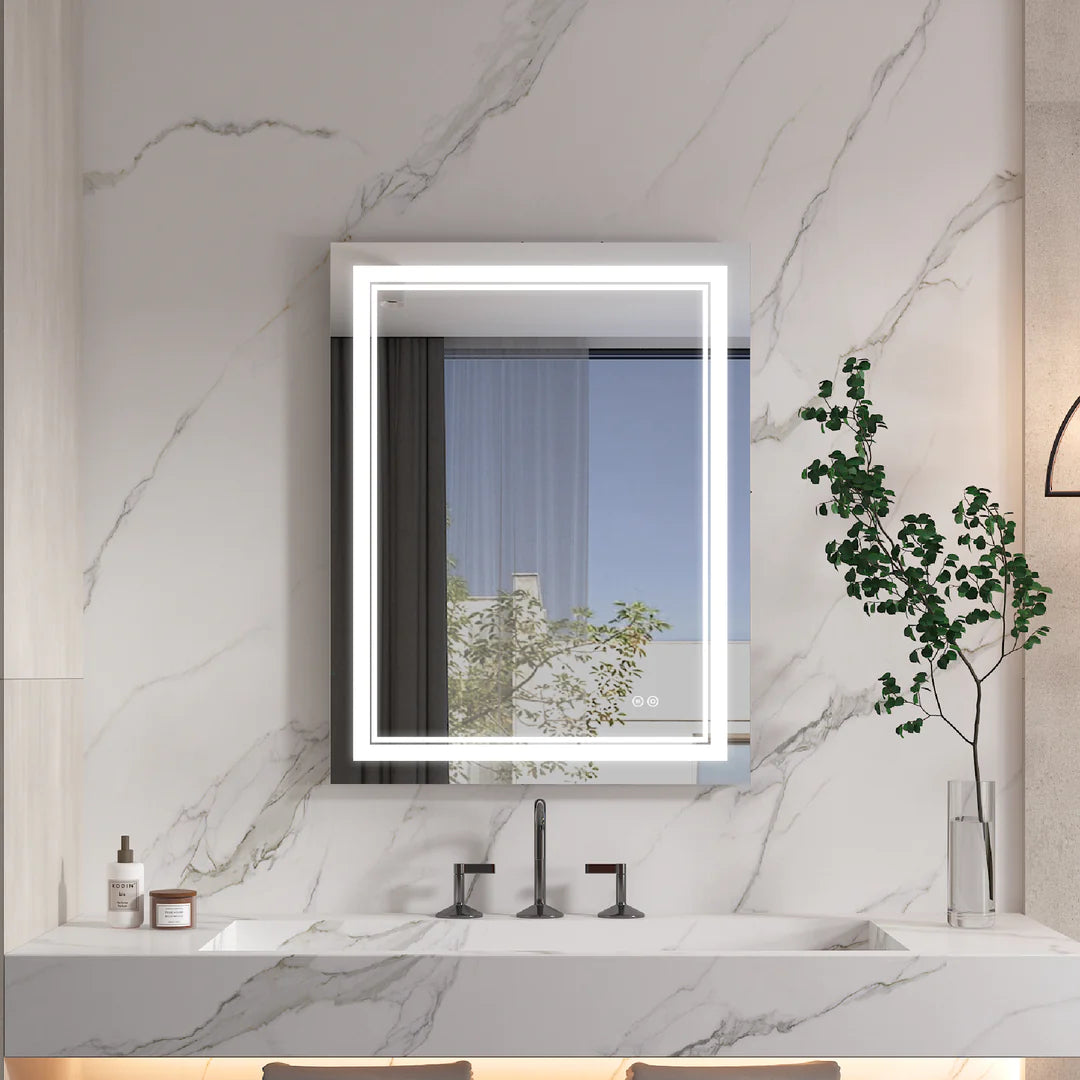
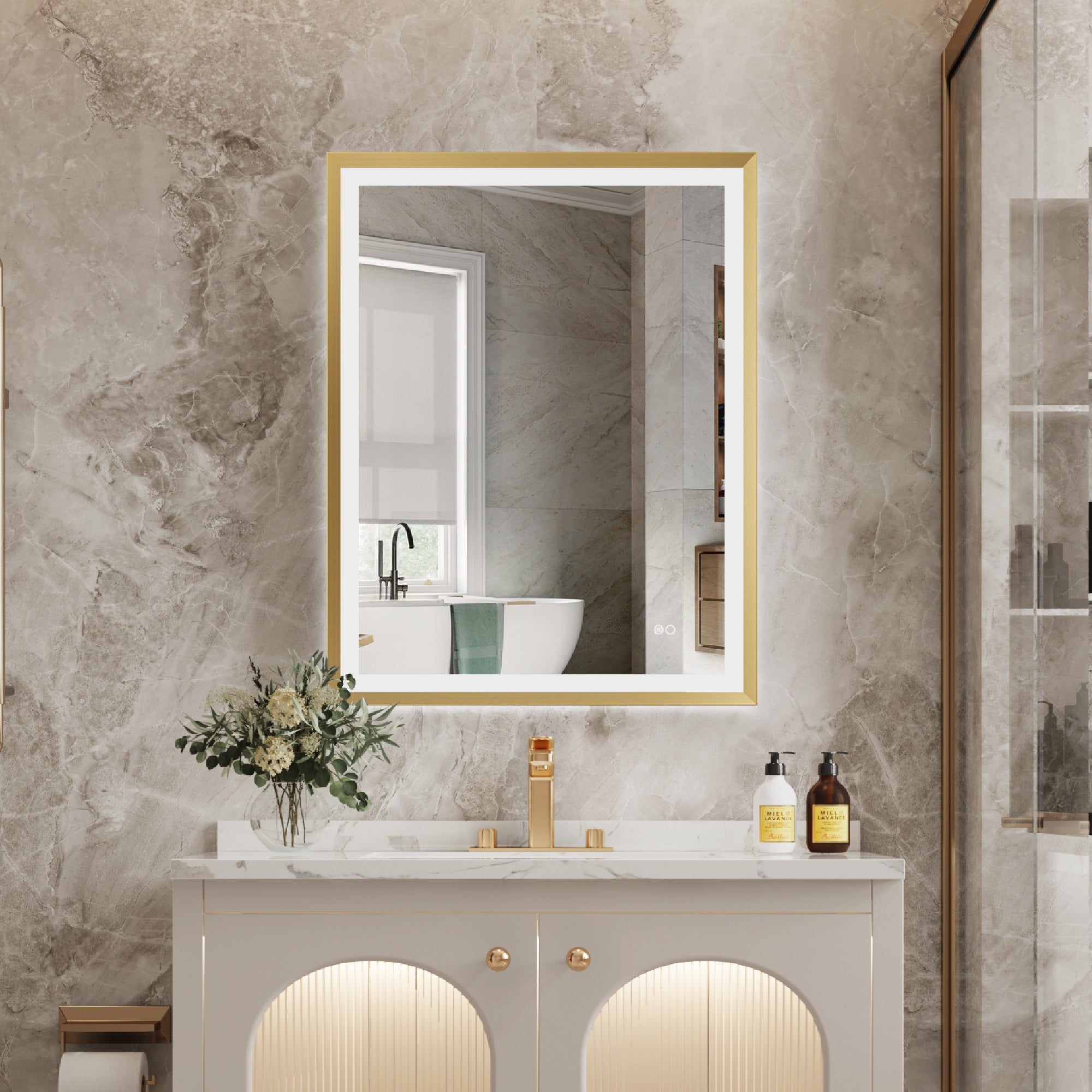
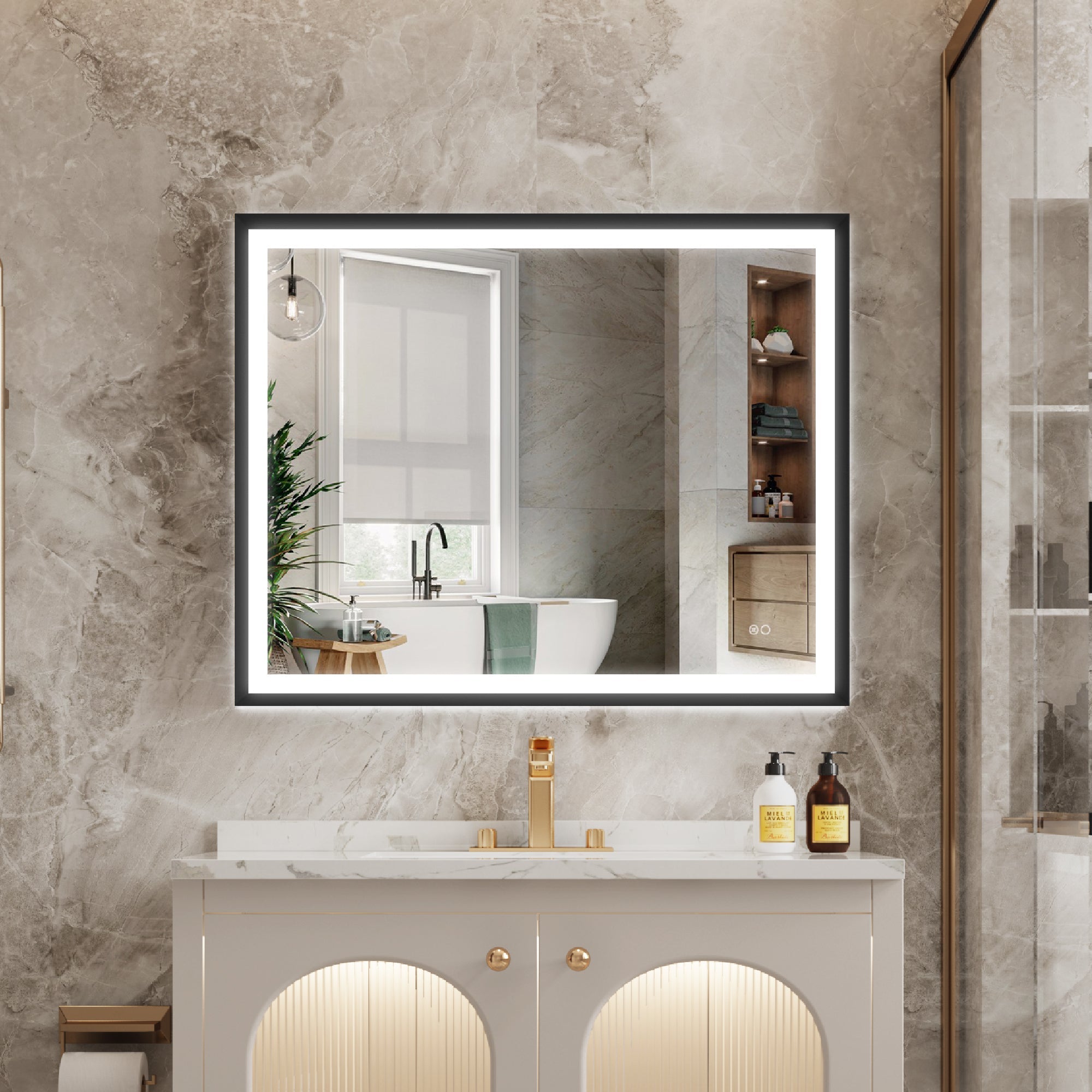
Many reOperations fail not because Vanity was chosen incorrectly, but because it was not properly matched with the system above.ve. In the latest sample, 72% of renovation projects will upgrade their sinks, with undermount accounting for 61%, significantly ahead of integrated at 15% and drop-in at 14%. This is reasonable because it is easier to directly apply water and toothpaste foam back into the basin under the table, resulting in higher cleaning efficiency. The mirror cabinet section is also worth planning together: among those who upgrade their medicine cabinet, 71% choose to receive, 23% add hidden outlets, and 14% choose the anti-fog system. This indicates that the "most useful vanity" is rarely isolated and should be designed with mirror cabinets, lighting, and sockets. The solution of having a beautiful countertop but no place to plug in a hair dryer, no place to hide a razor, and a mirror that always fogs up is usually not very good in practice.
7. Finally, let's take a look at the budget: Don't invest money in the wrong place.
In terms of budget judgment, the most important thing is to be more realistic. In publicly available cost-return data, the national average for a mid-range bath remodel is approximately $25,251, with a recovery rate of approximately 74%; the average value of an upscale bath remodel is about $78,840, with a recovery rate of about 45%. This is not to say that high-end products cannot be made, but rather that the more materials and customization are piled on, the more necessary it becomes to confirm whether the money is exchanged for long-term use value or just for short-term "looks more expensiFor most renovations, the best vanity is often not the most expensive group, but the one with a reasonable size, a solid structure, easy countertop maintenance, easy coordination of lighting and sockets, and well-handled wet-area detailsdetai
ls.

8. In summary, when choosing bathroom luxury, first check whether the space can accommodate it, then check whether the user can use it smoothly, and finally check whether the style looks good.
The vanity that can simultaneously solve the efficiency of flow, storage, cleaning, and budget is the truly "most suitable for renovation". Beauty is just a ticket; usability is the long-term answer.












Leave a comment
This site is protected by hCaptcha and the hCaptcha Privacy Policy and Terms of Service apply.