














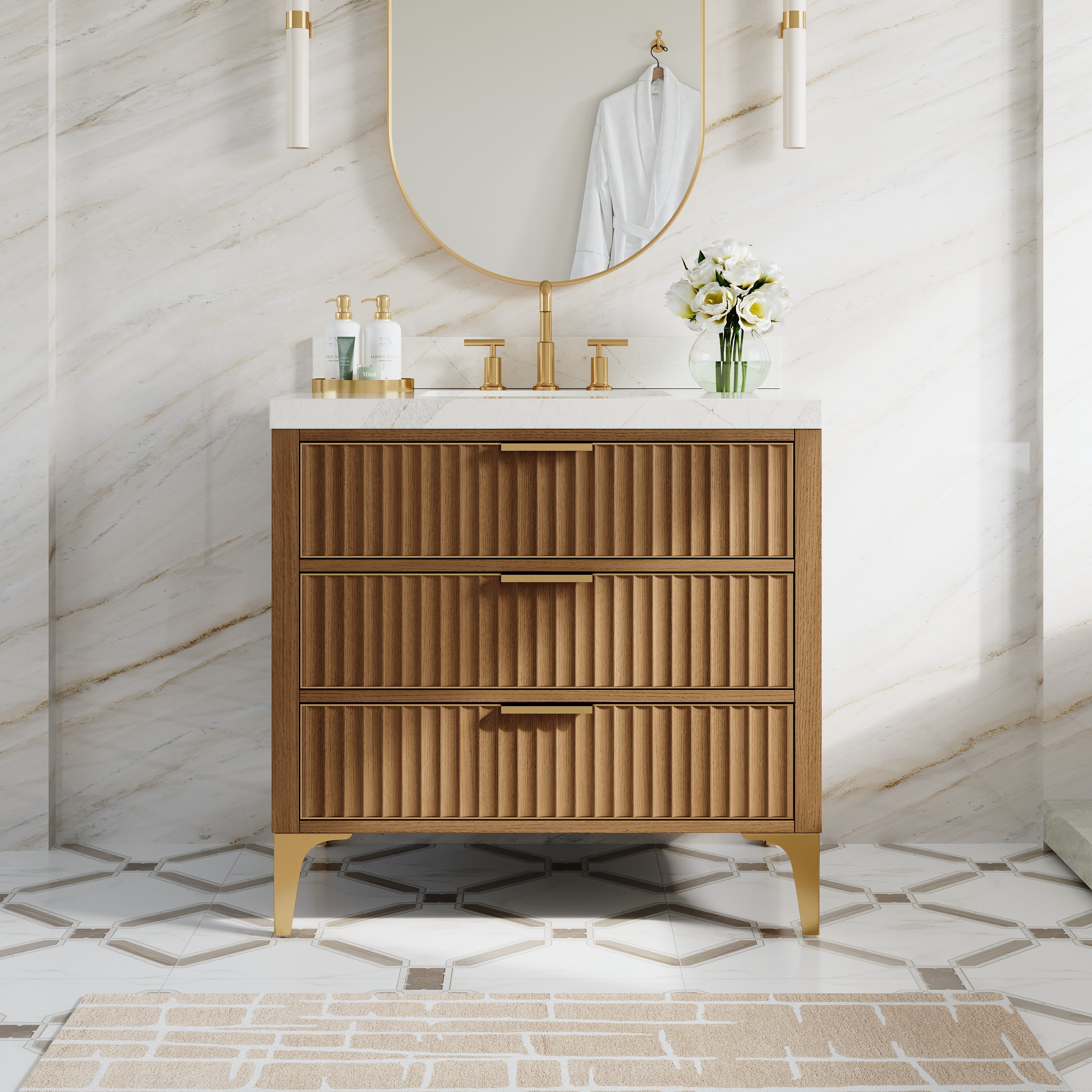
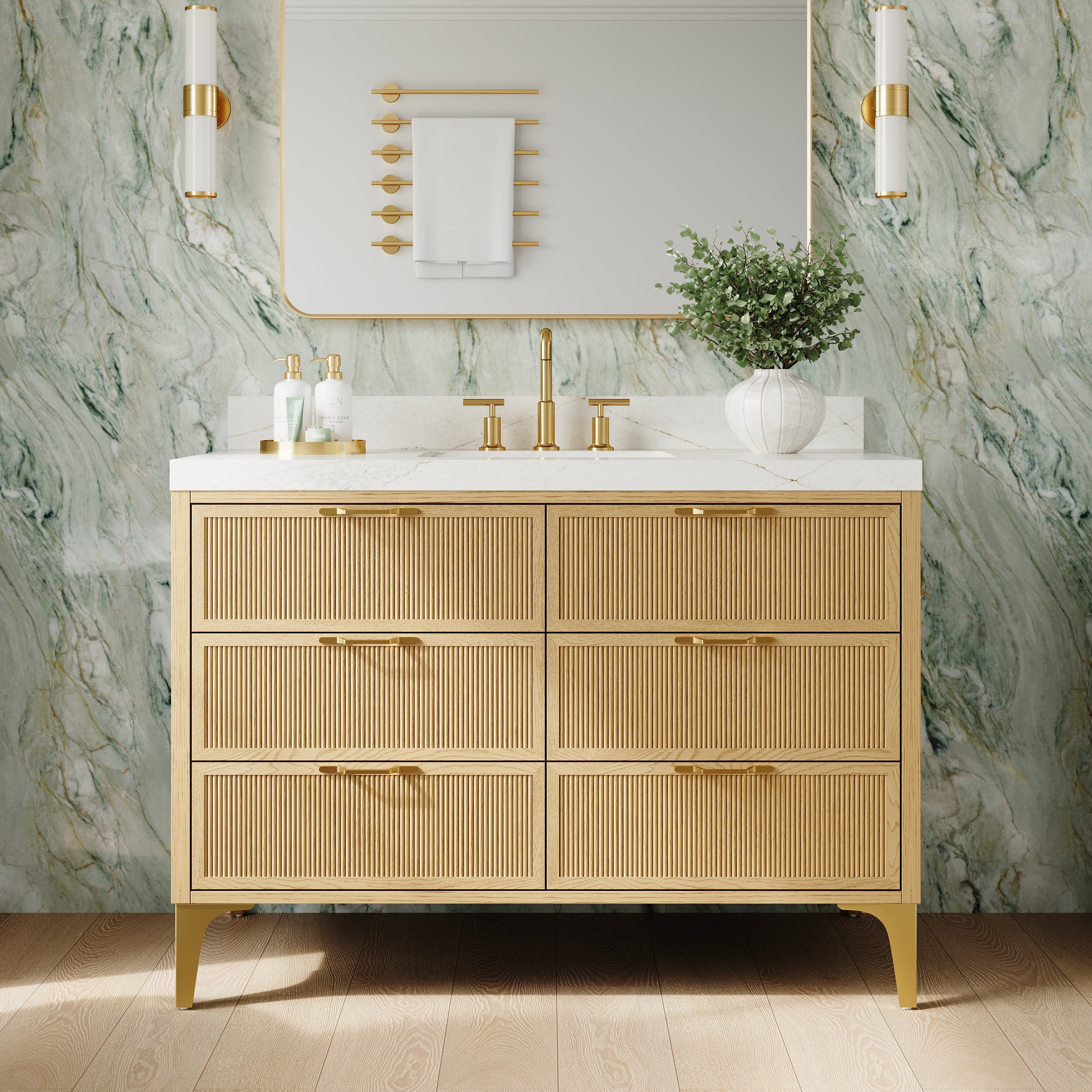



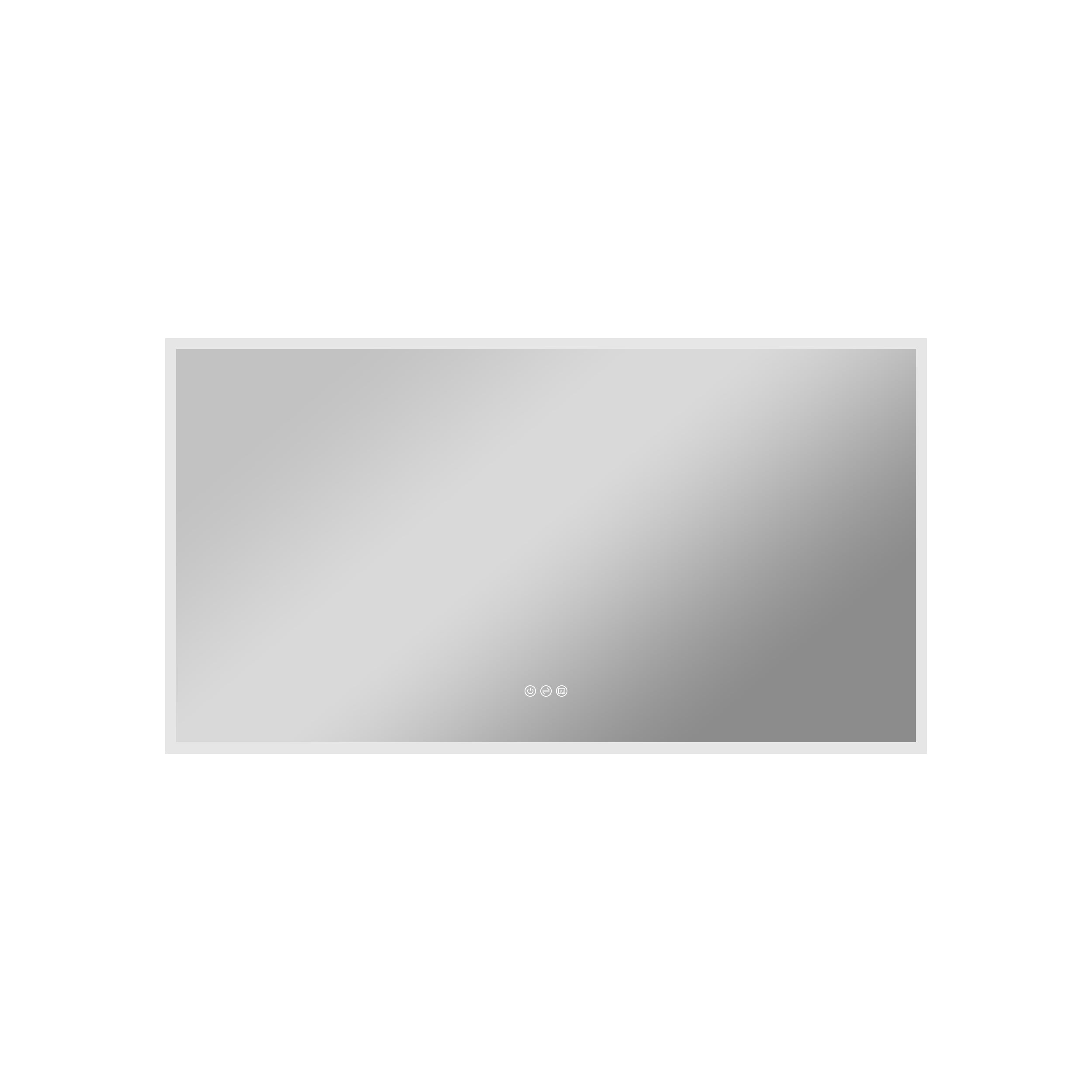
A bathroom cabinet mirror can be the most efficient “two-in-one” upgrade in a bathroom: it gives you a full mirror where you need it and hides daily clutter behind a clean, minimal facade. The challenge is that a cabinet mirror is also a piece of furniture, a wall-mounted fixture, and sometimes an electrical product—so the right choice depends on wall conditions, door clearance, usable depth, humidity durability, and (if included) lighting performance. This guide breaks the decision into practical, measurable checkpoints so you get storage that actually works and a look that stays crisp over time.
1. Pick the Installation Style That Delivers the Cleanest Look in Your Space
Most cabinet mirrors come in two installation types:
Recessed (in-wall)
Recessed cabinets sit inside the wall cavity and look the most “built-in.” This is usually the cleanest aesthetic because the cabinet doesn’t project far into the room. However, recessed installation depends on what’s inside the wall—studs, wiring, plumbing, and available depth.
A common planning reference is that a recessed cabinet often needs around 4 inches or more of wall depth to fit comfortably (Source: AquaDom USA sizing guidance). If your wall cavity is tight, recessed may require reframing or a shallower cabinet.
Surface-mount (on-wall)
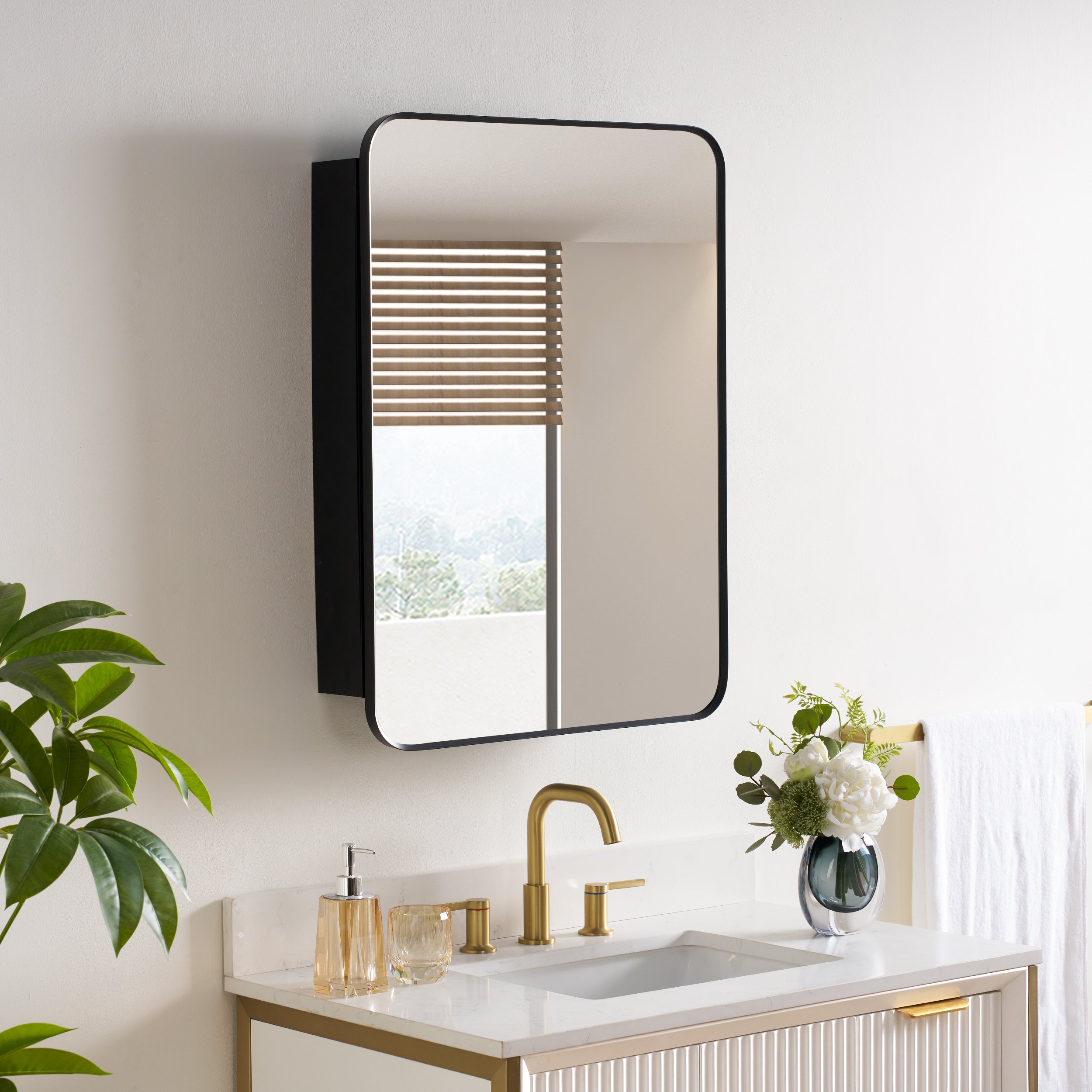
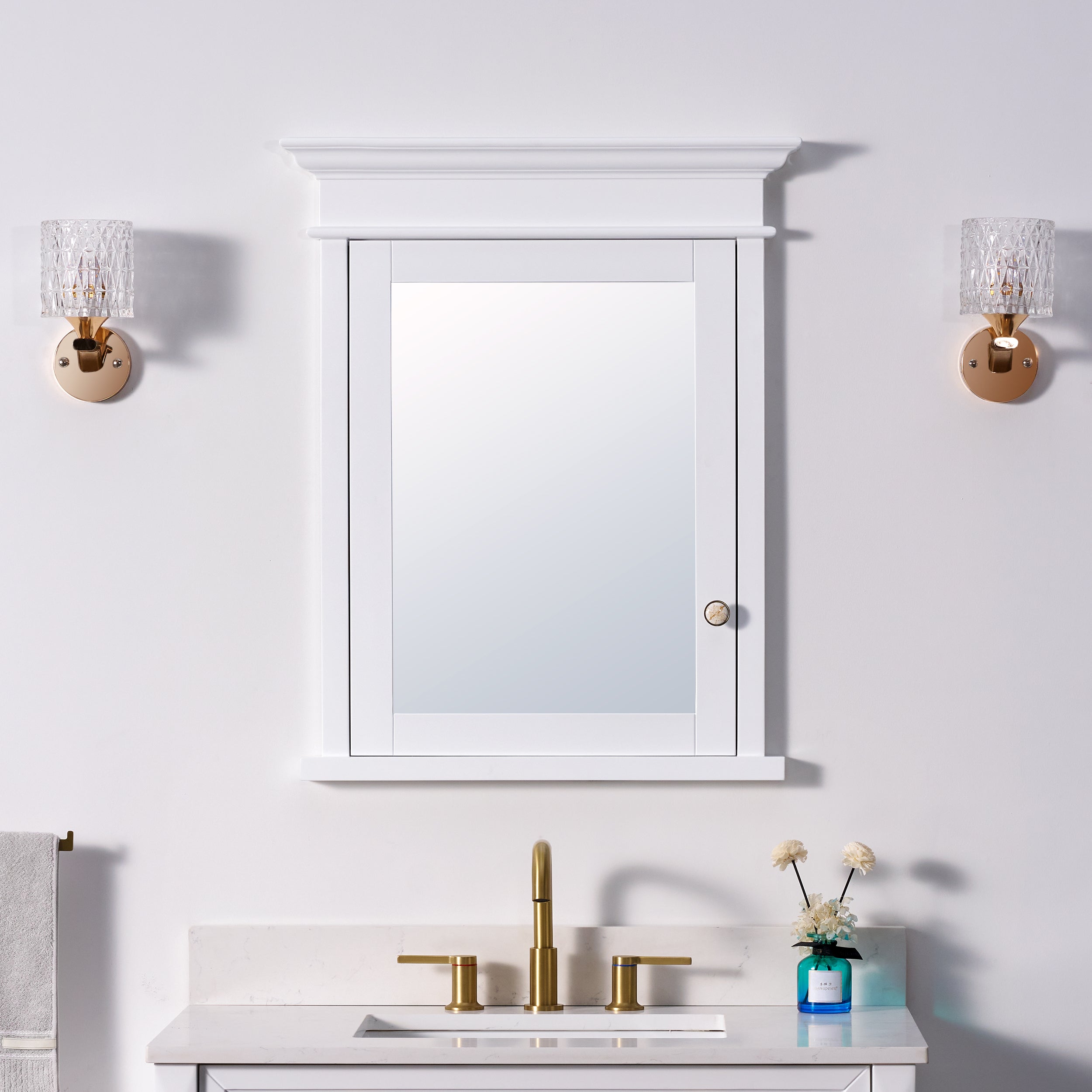
Surface-mount cabinets are typically easier and faster to install—especially on finished tile walls—because you’re not cutting a recess. The tradeoff is projection into the room. The best surface-mount cabinets keep the profile as slim as possible while still offering usable storage.
If your priority is “clean design,” either option can work. Recessed gives the sleekest silhouette; surface-mount wins on installation simplicity and fewer wall surprises.
2. Size It for Proportion First: Width and Height That Look Intentional
A cabinet mirror should visually relate to the vanity. Oversized cabinets can feel bulky; undersized cabinets can make the vanity look top-heavy.
Practical approach
· Match the cabinet width to the sink zone (single vanity) or create symmetry (double vanity: two cabinets or one wide cabinet).
· Leave breathing room if you have sconces, tile borders, or wall trim that need clearance.
Mounting height matters more than people think. A helpful reference comes from widely used accessibility standards:
· If a mirror is located above a lavatory/countertop, the bottom edge of the reflecting surface should be 40 inches max above the finished floor.
· If it is not above a lavatory/countertop, the bottom edge should be 35 inches max. (Source: 2010 ADA Standards, Section 603.3)
Even if you’re not designing for compliance, these numbers are excellent “comfort guardrails” that reduce the risk of mounting the cabinet too high for everyday grooming.
3. Choose Depth Based on What You Actually Store (Not Just What Looks Slim)
Depth is where storage and clean design can conflict. Too shallow and items won’t fit; too deep and the cabinet can dominate the wall.
A commonly cited “standard” depth range is 4 to 5 inches, with about 3 to 4 inches of usable internal storage (Source: Simple Project US, standard medicine cabinet sizing). That range often balances capacity with a tidy profile.
How to decide quickly
· If you mainly store small items (toothpaste, skincare, medications), a standard depth is usually enough.
· If you store tall bottles or bulky tools, consider more depth—but confirm it won’t feel intrusive in a tight bathroom.
A clean design is not only about being thin; it’s about feeling proportional to the vanity and the space around it.
4. Plan Installation Like a Pro: Stud Spacing, Anchoring, and Long-Term Stability
A cabinet mirror is opened and closed thousands of times. If it’s mounted poorly, it will shift, loosen, or feel “cheap” even if the cabinet itself is premium.
Stud spacing reality
Many walls have studs commonly spaced 16 inches apart (Source: The Home Depot, “How to Install a Medicine Cabinet”). This matters because your cabinet’s mounting points may or may not line up perfectly with studs.
Best practice for secure mounting
· Aim to hit at least one stud with mounting screws.
· If you can’t hit studs at all mounting points, use appropriate heavy-duty anchors (such as toggle-style anchors) where needed, rather than relying on light-duty plastic anchors (Source: Signature Hardware installation guidance for surface-mount cabinets).
A cabinet mirror that feels solid is usually the result of boring, correct hardware decisions—not a fancy door design.
5. Pick the Door Configuration That Prevents Daily Annoyances
“Clean design” includes how the cabinet behaves in real life. Door swing conflicts are one of the most common regrets.
Single-door cabinets
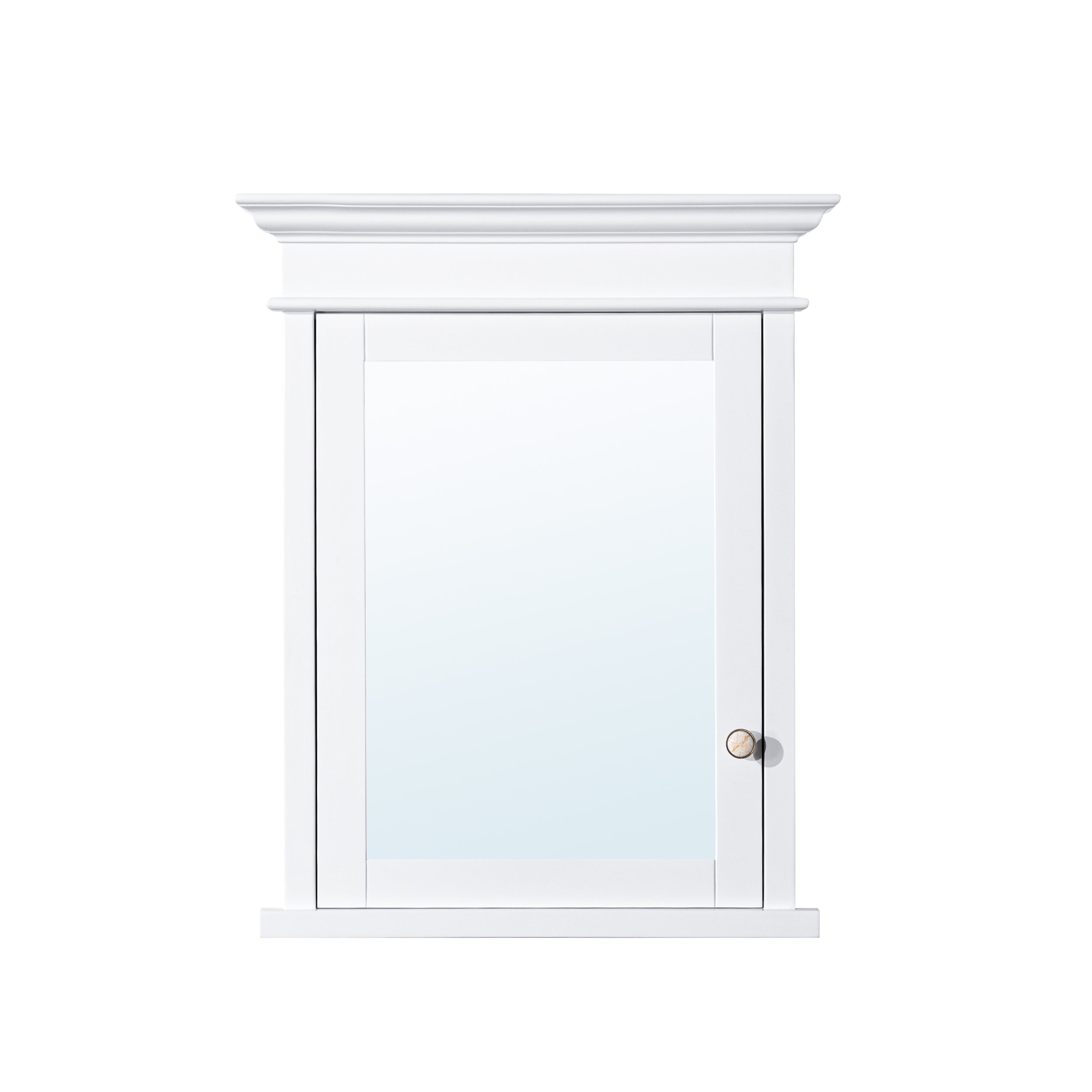
· Minimal seams, very clean look
· Needs more side clearance to swing open
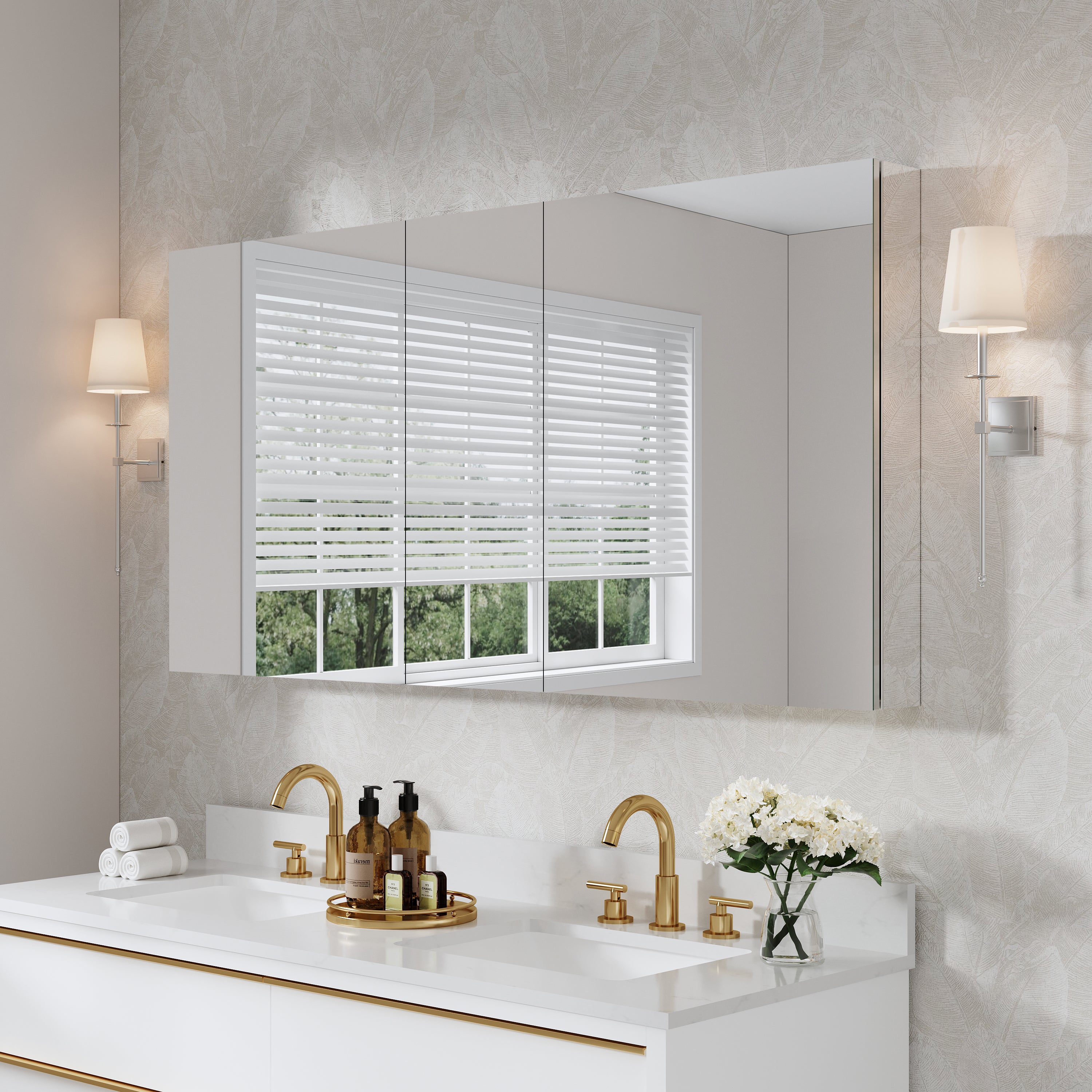
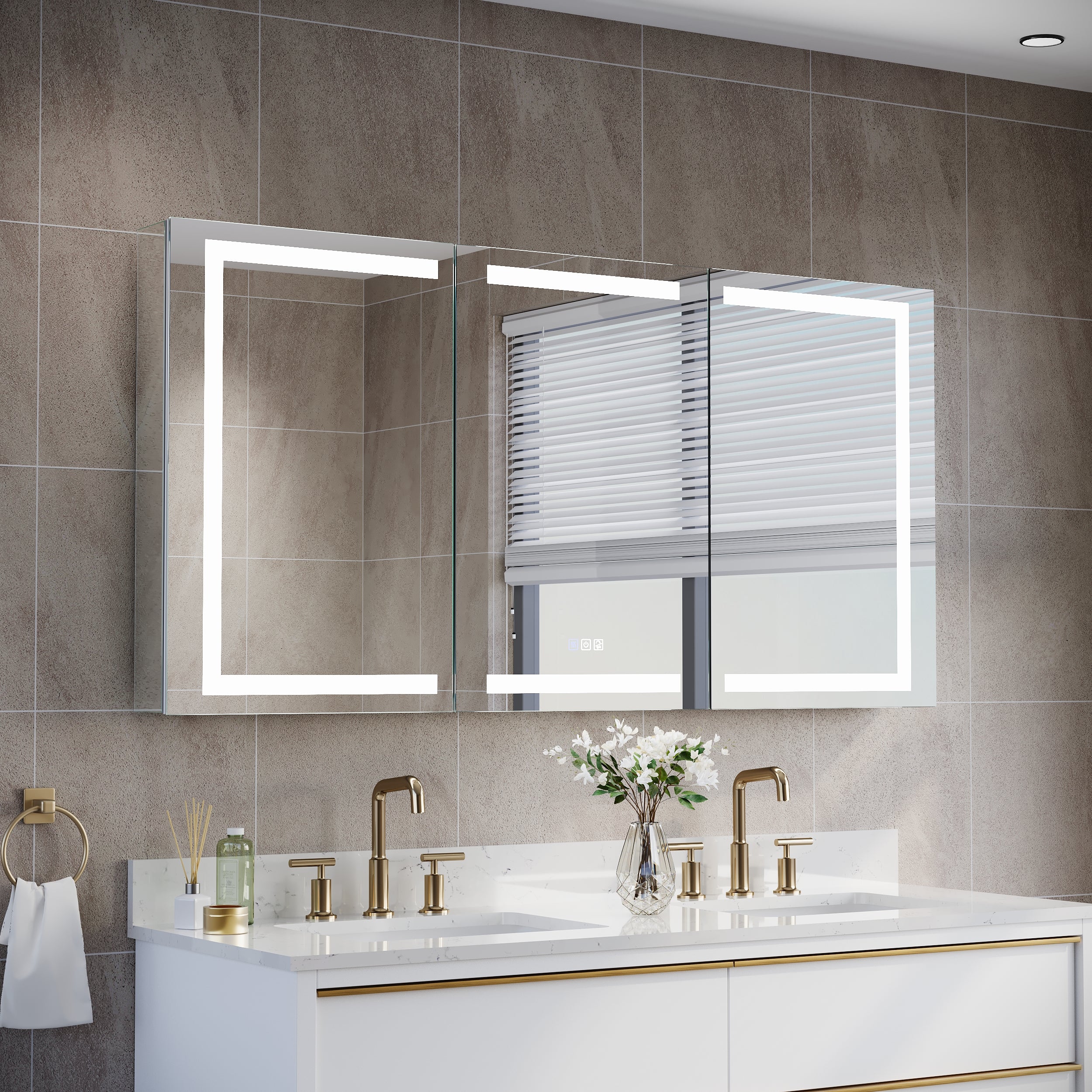
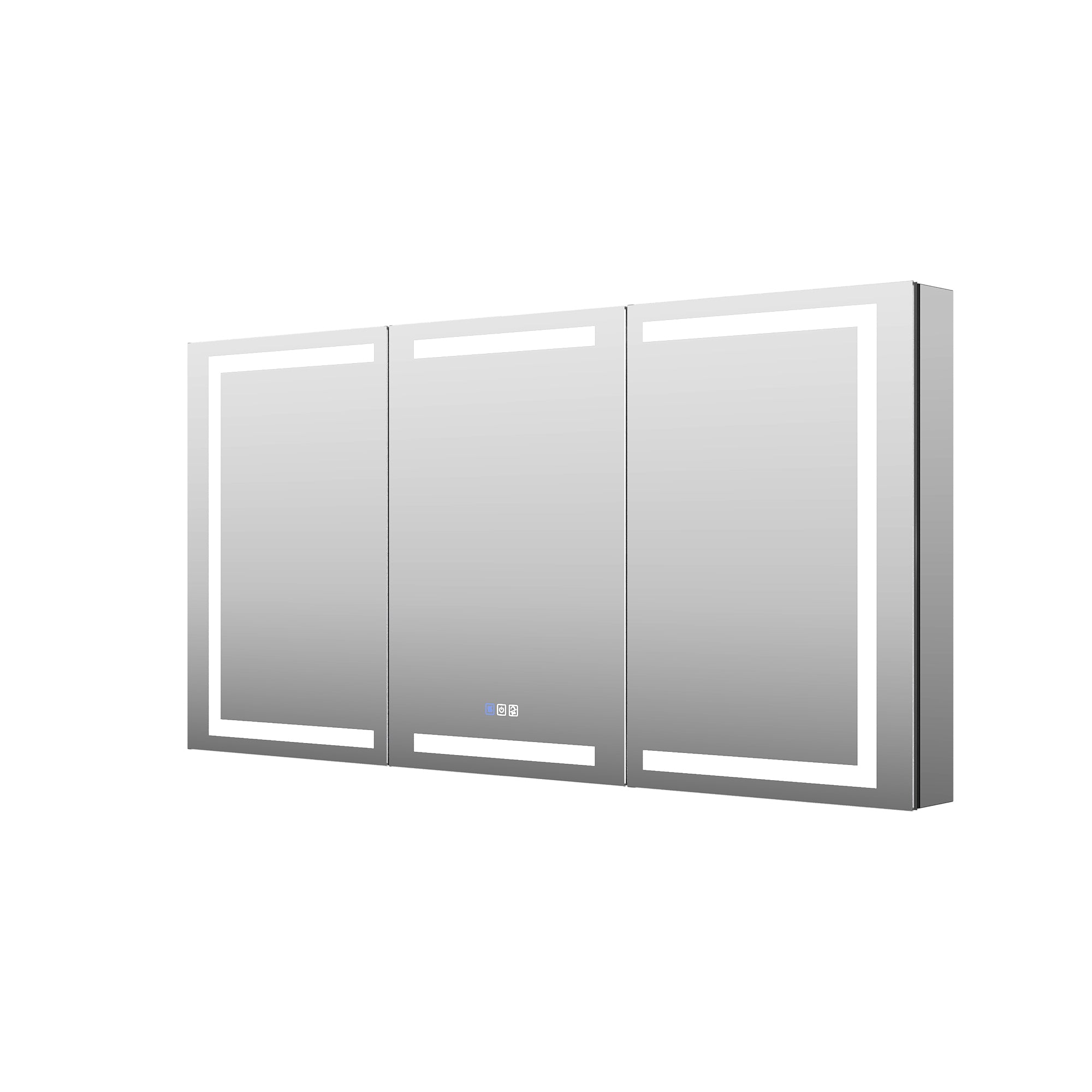
Tri-view (three-door) cabinets
· More flexible in tight bathrooms because doors open in smaller sections
· More hinges and alignment points to maintain over time
If your cabinet is near a side wall, sconce, towel ring, or a doorway traffic path, tri-view may be more practical. If the wall is open and you want the cleanest face, a single large door can look very modern.
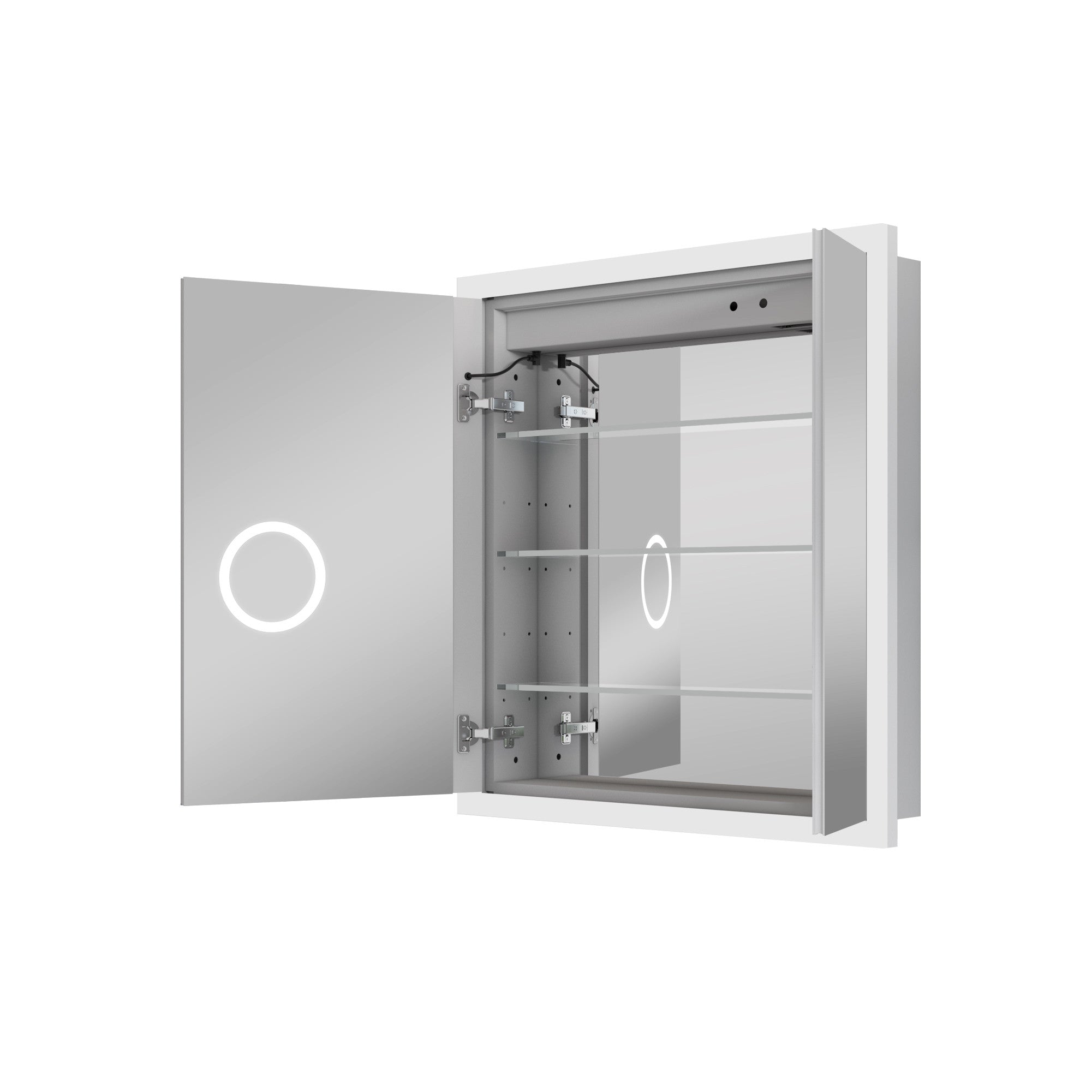
6. Storage Design: The Cabinet Should Fit Real Items, Not Just “Look Organized”
A cabinet can be wide and still store poorly if shelf spacing is wrong.
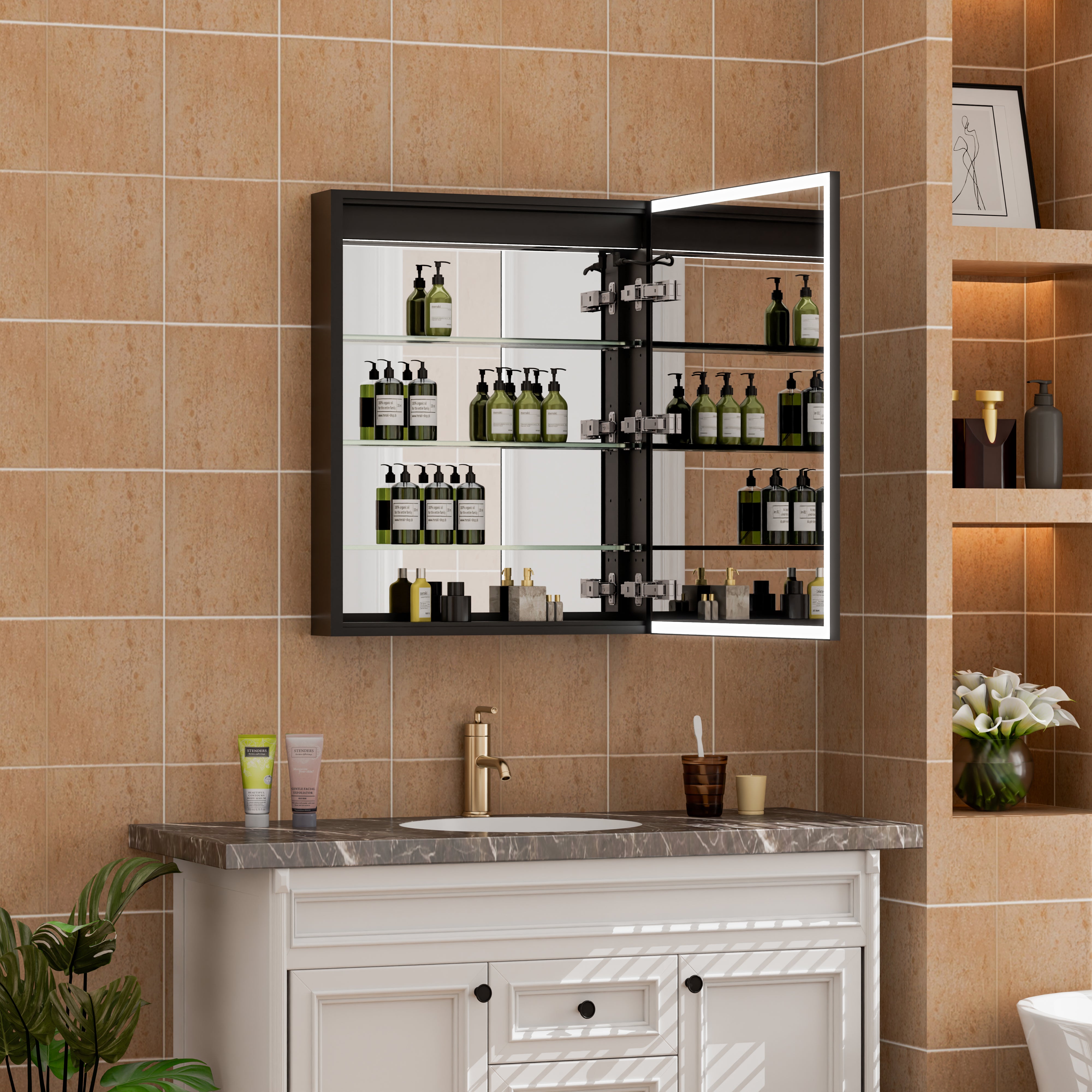
What to look for
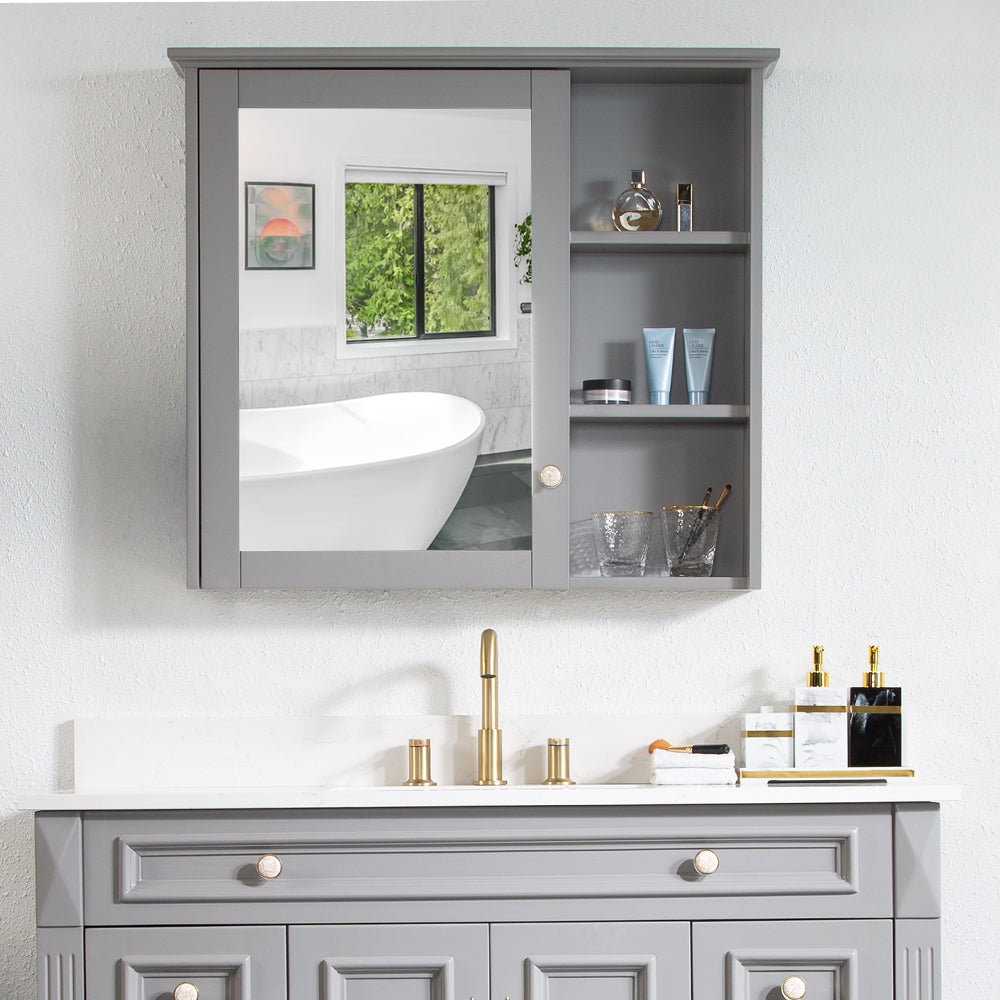
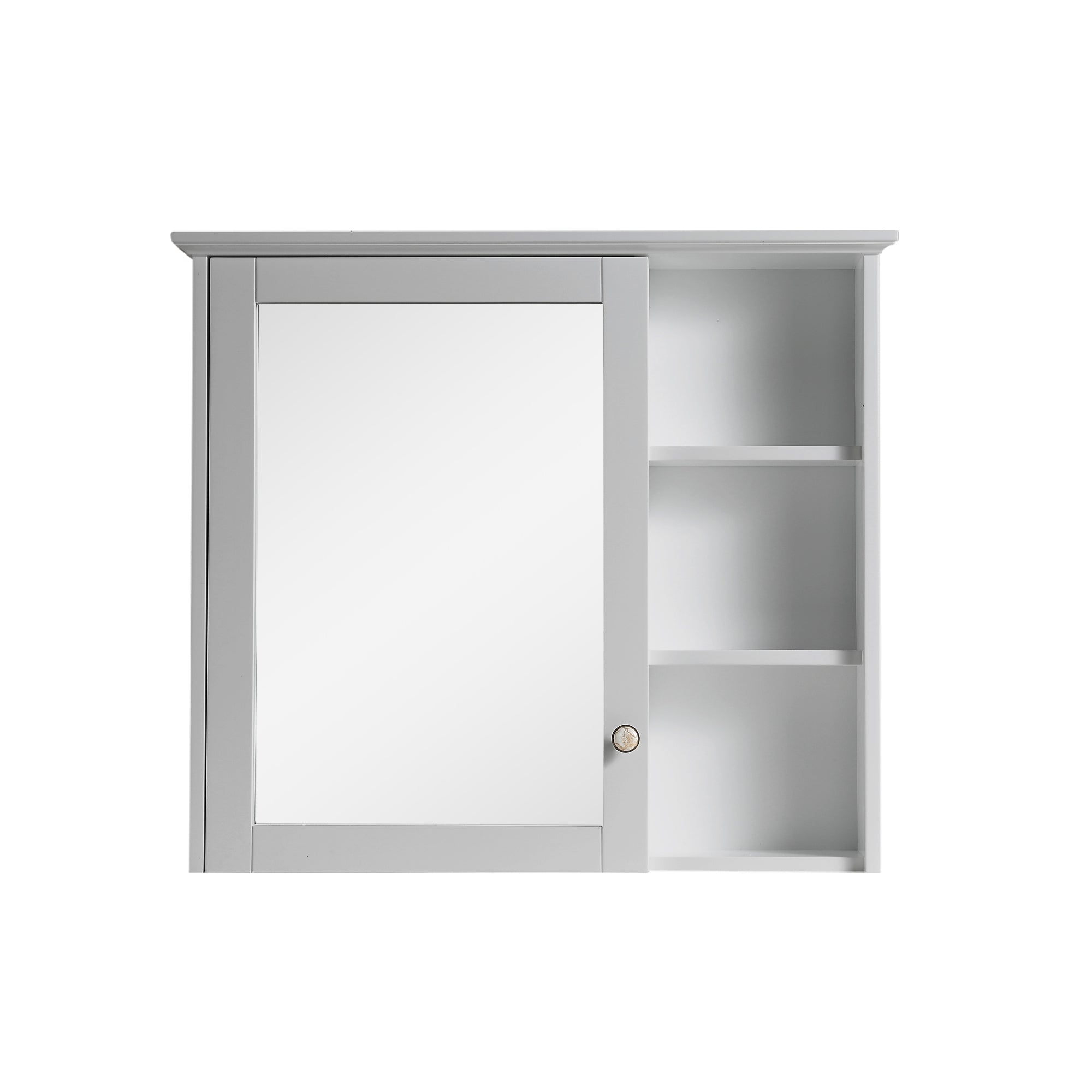
· Adjustable shelves (the biggest usability upgrade)
· Shelf depths that match typical toiletries
· A layout that supports “daily items at eye level, backups higher, rarely used items lower”
Before buying, measure your tallest must-fit item and compare it to the cabinet’s shelf spacing. That single step prevents many “why doesn’t this fit?” headaches.
7. Humidity Durability: Protect the Mirror and Hardware From Bathroom Conditions
Bathrooms create humidity spikes that stress mirrors and hardware. Moisture can lead to rusted hinges, swelling materials, and mirror edge deterioration over time.
EPA guidance recommends keeping indoor relative humidity below 60%, ideally between 30% and 50% when possible (Source: U.S. EPA Mold Course Chapter 2). In a bathroom, that usually means ventilation is part of the product’s “performance.”
Durability signals
· Corrosion-resistant hinges and fasteners
· Sealed interior surfaces
· Clear material specs (aluminum or well-finished wood composites rather than mystery materials)
A clean cabinet face won’t stay clean if hinge rust stains appear after a year of daily steam.
8. If the Cabinet Includes Lighting or Power, Verify Real Performance and Suitability
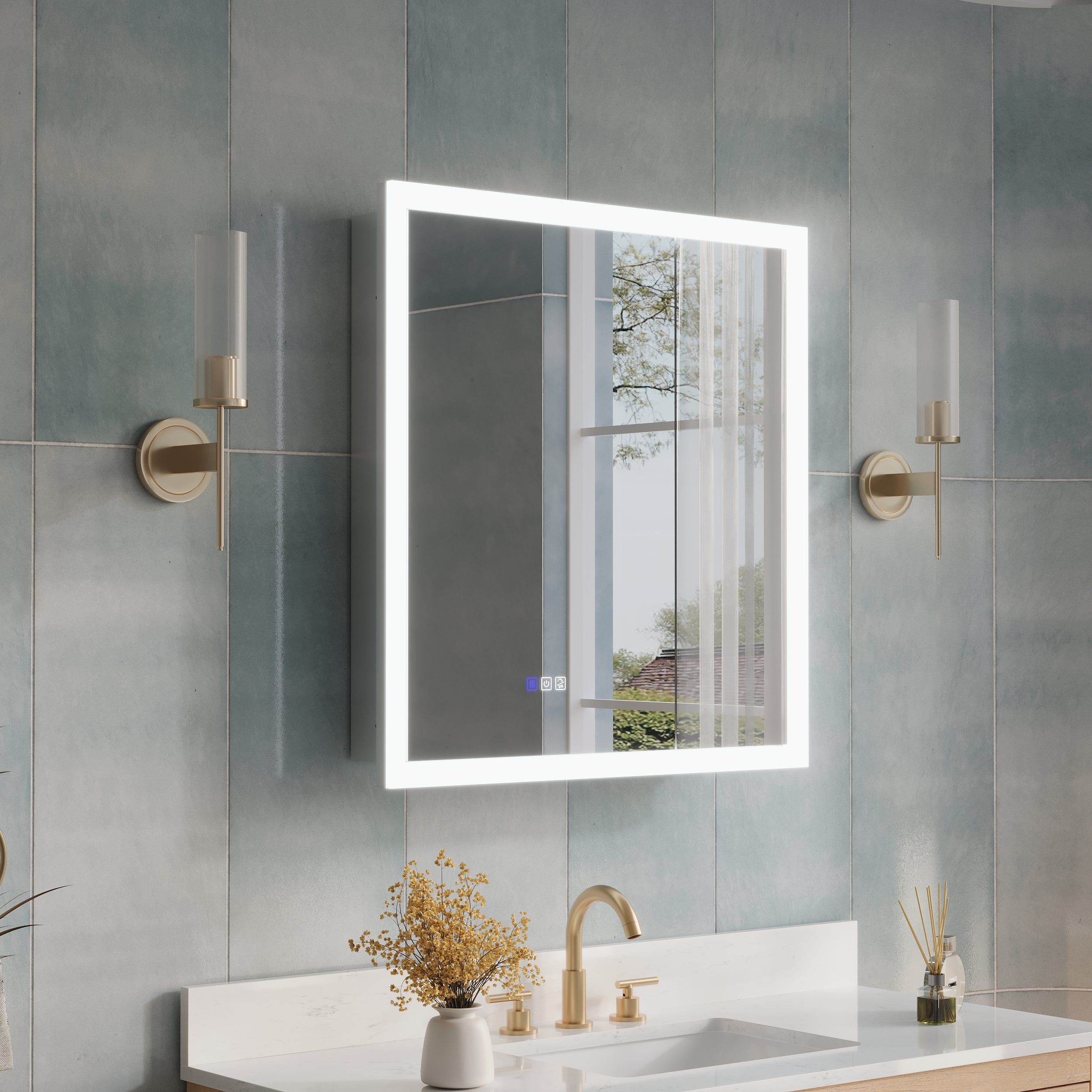
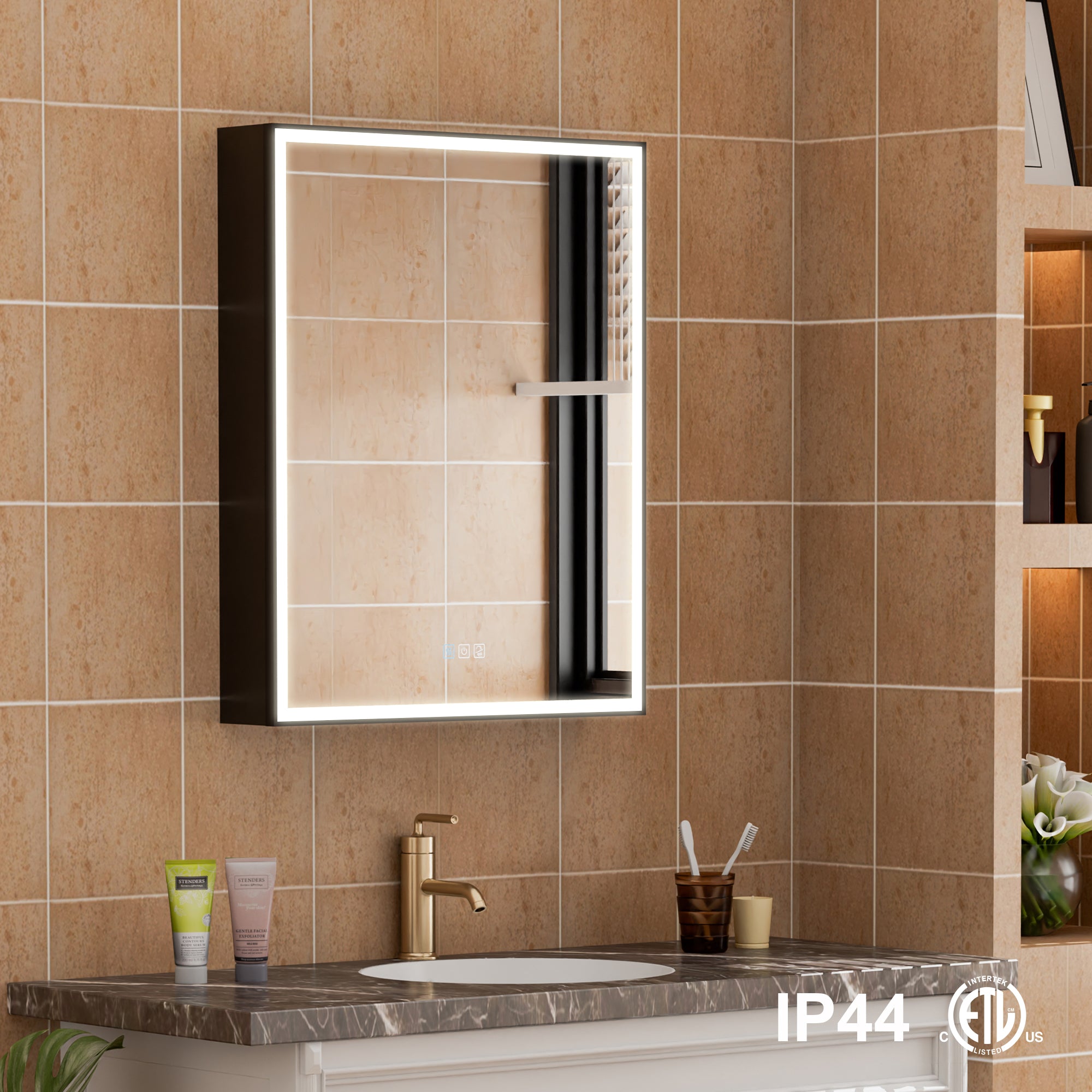
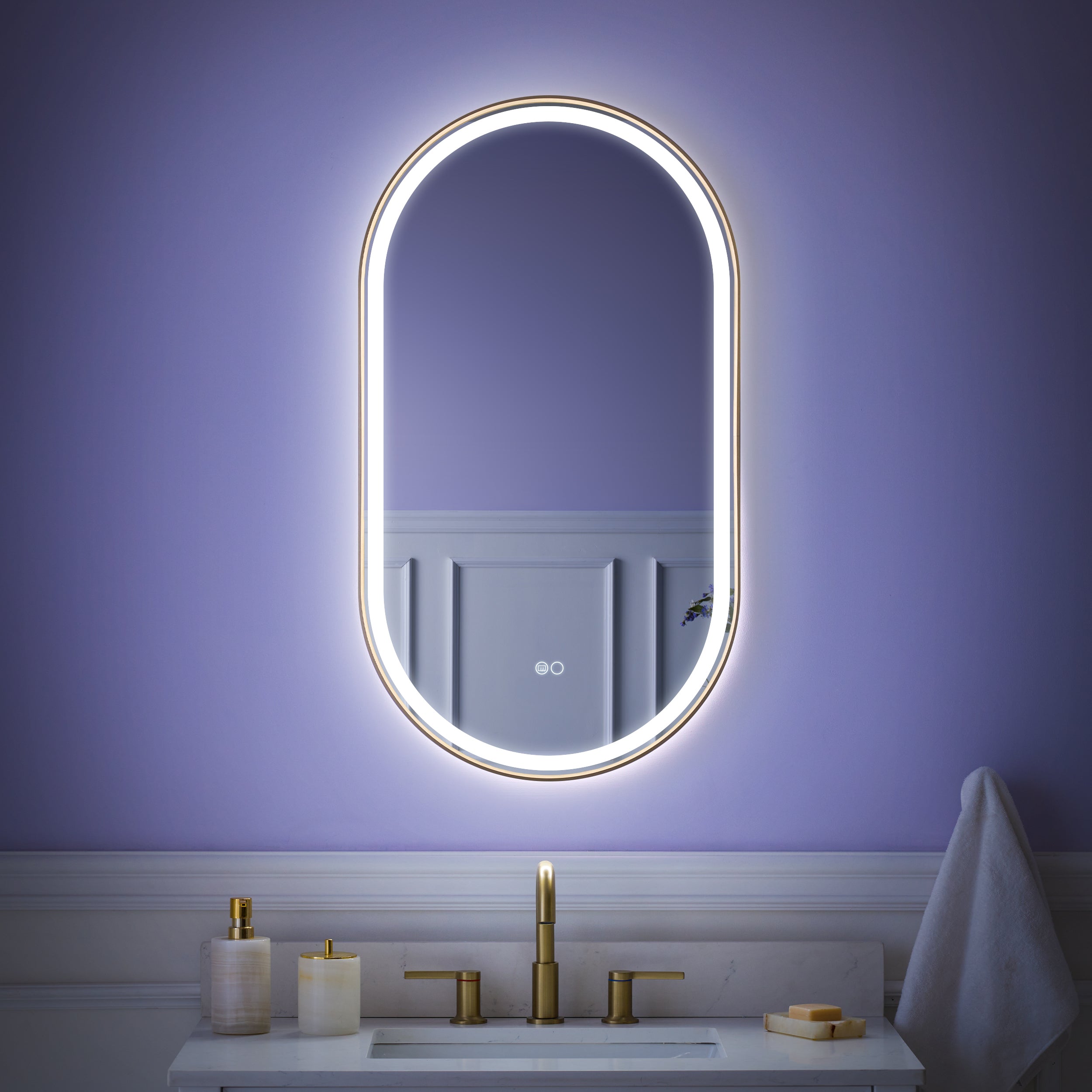
Many cabinet mirrors now include integrated LED lighting, defoggers, or outlets. These features can improve the bathroom experience—if they’re executed well.
LED longevity and efficiency (why it matters)
Residential LEDs—especially ENERGY STAR rated products—use at least 75% less energy and can last up to 25 times longer than incandescent lighting (Source: U.S. Department of Energy, LED Lighting). For a mirror light that’s used daily, that’s a meaningful durability and operating-cost advantage.
Bathroom suitability
If the cabinet includes electrical components, confirm it’s appropriate for moisture-prone environments and that documentation is clear about where it can be installed. Bathrooms are not forgiving of vague specs.
9. A Copy-Friendly Selection Checklist
Use this checklist when comparing cabinet mirrors:
Proportion and placement
· Width aligns with the vanity and room layout.
· Installed height supports comfortable daily use; consider the 40-inch / 35-inch reflecting-surface reference (Source: 2010 ADA Standards, Section 603.3).
Installation and wall readiness
· Plan around typical 16-inch stud spacing (Source: The Home Depot).
· Secure mounting: studs where possible, appropriate anchors where needed (Source: Signature Hardware).
Storage that functions
· Depth in the practical range of 4–5 inches with ~3–4 inches usable storage for many bathrooms (Source: Simple Project US).
· Adjustable shelves for real items.
Clean design details
· Door configuration matches clearance realities (single vs. tri-view).
· Minimal seams if you prioritize a modern look, but not at the cost of usability.
Humidity durability
· Materials and hardware designed for humid rooms.
· Ventilation habits support maintaining RH below 60% and ideally 30–50% (Source: U.S. EPA).
If lighting is included
· LED system quality is documented; DOE LED longevity/efficiency benchmarks support long-term value (Source: U.S. Department of Energy).

Conclusion
The best bathroom cabinet mirror is the one that disappears into your routine: it looks clean on the wall, opens smoothly, holds what you actually use, and stays stable and rust-free through years of humidity swings. Start with installation reality (recessed vs. surface-mount and stud alignment), then choose a depth that fits your daily items without adding bulk. Finally, confirm durable hardware, sensible placement height, and (if included) well-documented lighting and electrical features. That’s how you get storage and clean design—without the typical compromises.












Leave a comment
This site is protected by hCaptcha and the hCaptcha Privacy Policy and Terms of Service apply.