














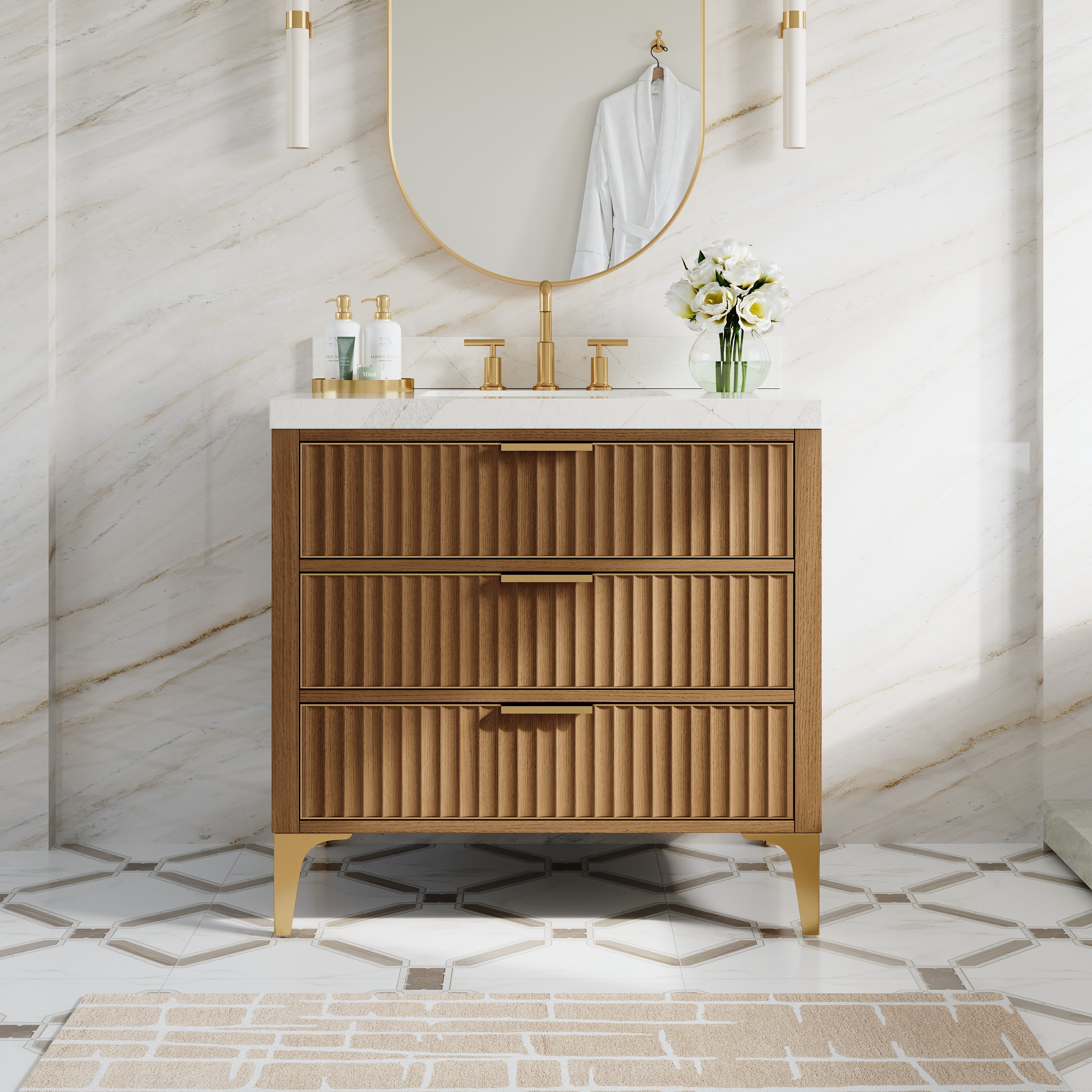
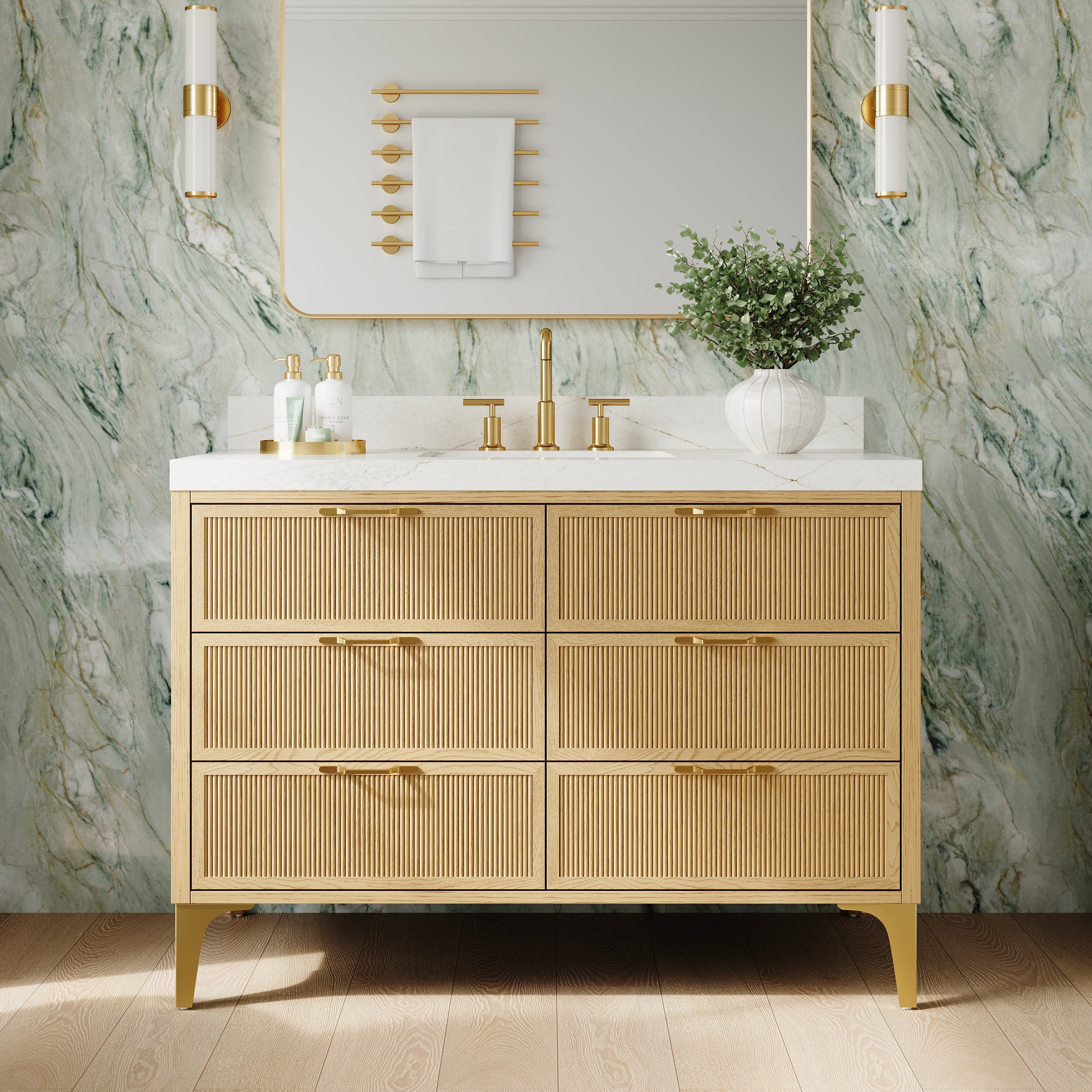


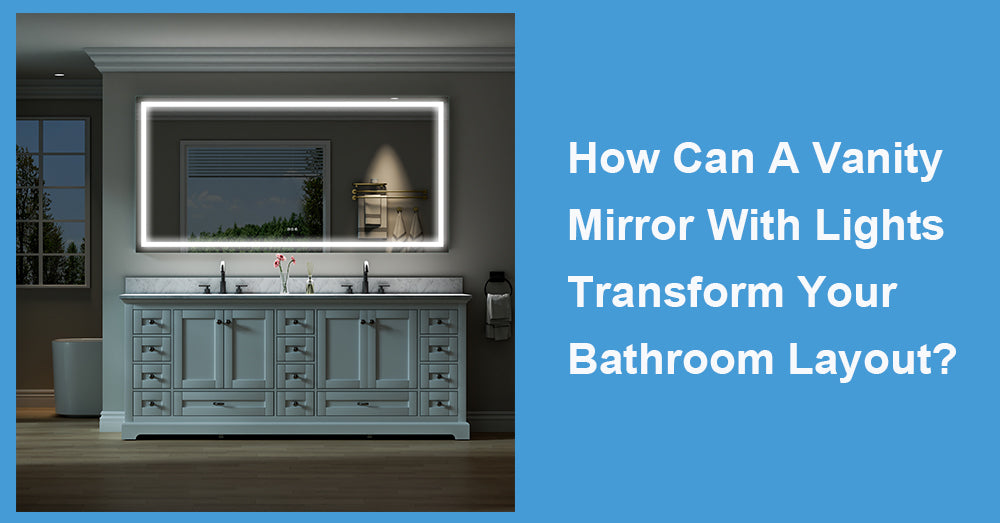
In a complete bathroom renovation, the bathroom mirror is often seen as the "last installed" element, but in reality, it has a significant impact on spatial proportions, lighting, and overall texture. From a 24-inch single-basin layout to a 60-inch double-basin structure, the size, shape, and light-source configuration of the mirrors will directly affect the spatial experience. Industry data shows that in bathroom renovation projects, over 75% of homeowners replace mirrors simultaneously, yet about one-third of spaces have imbalanced proportions or insufficient lighting. To select mirrors that are truly suitable for renovation projects, a systematic evaluation across multiple aspects is needed, including size, proportion, lighting, and style.
1. Size ratio: Width determines visual balance
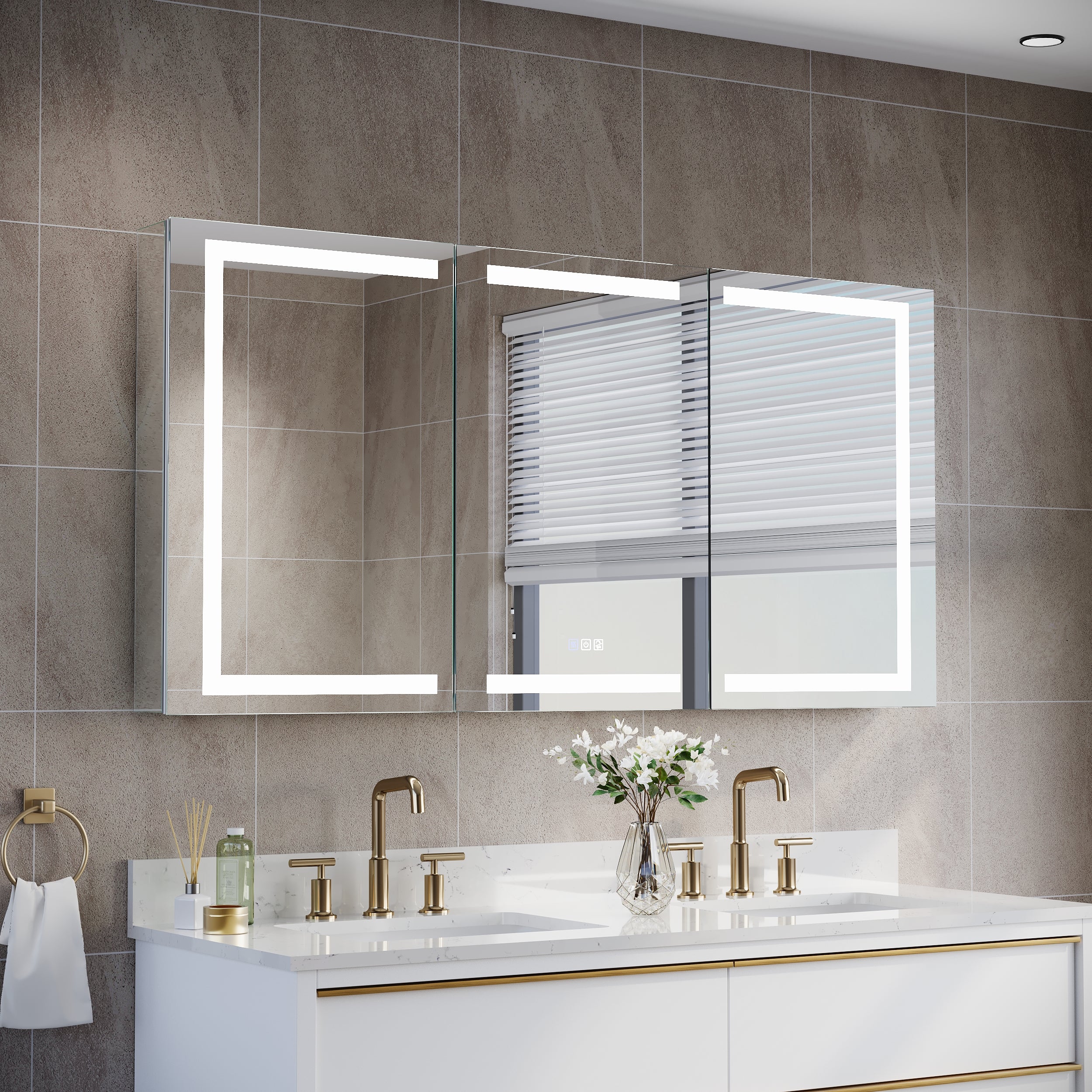
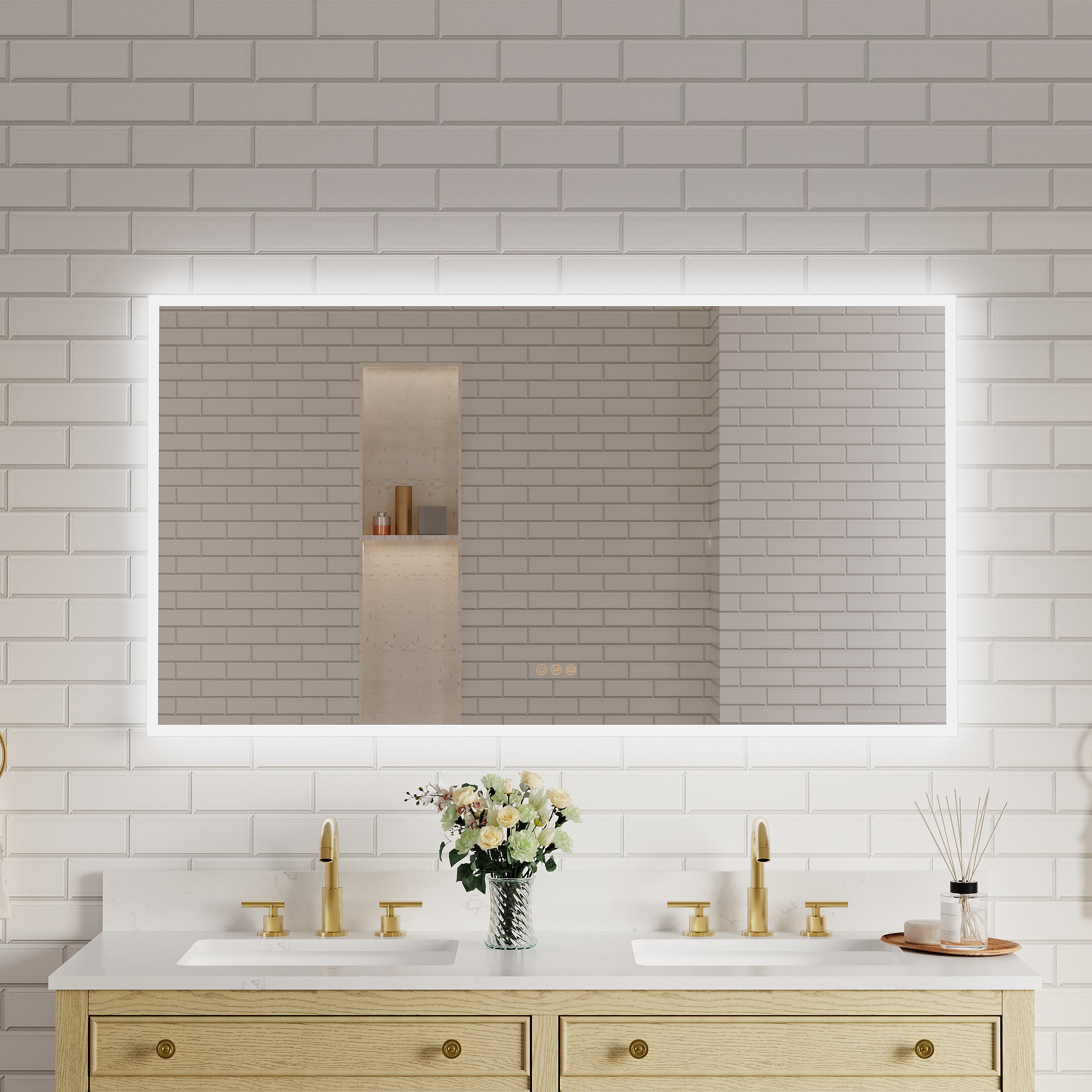
The mirror's width should usually be in proportion to the vanity's width. The common design principle is that the mirror's width should be 70% to 90% of the tabletop's width.
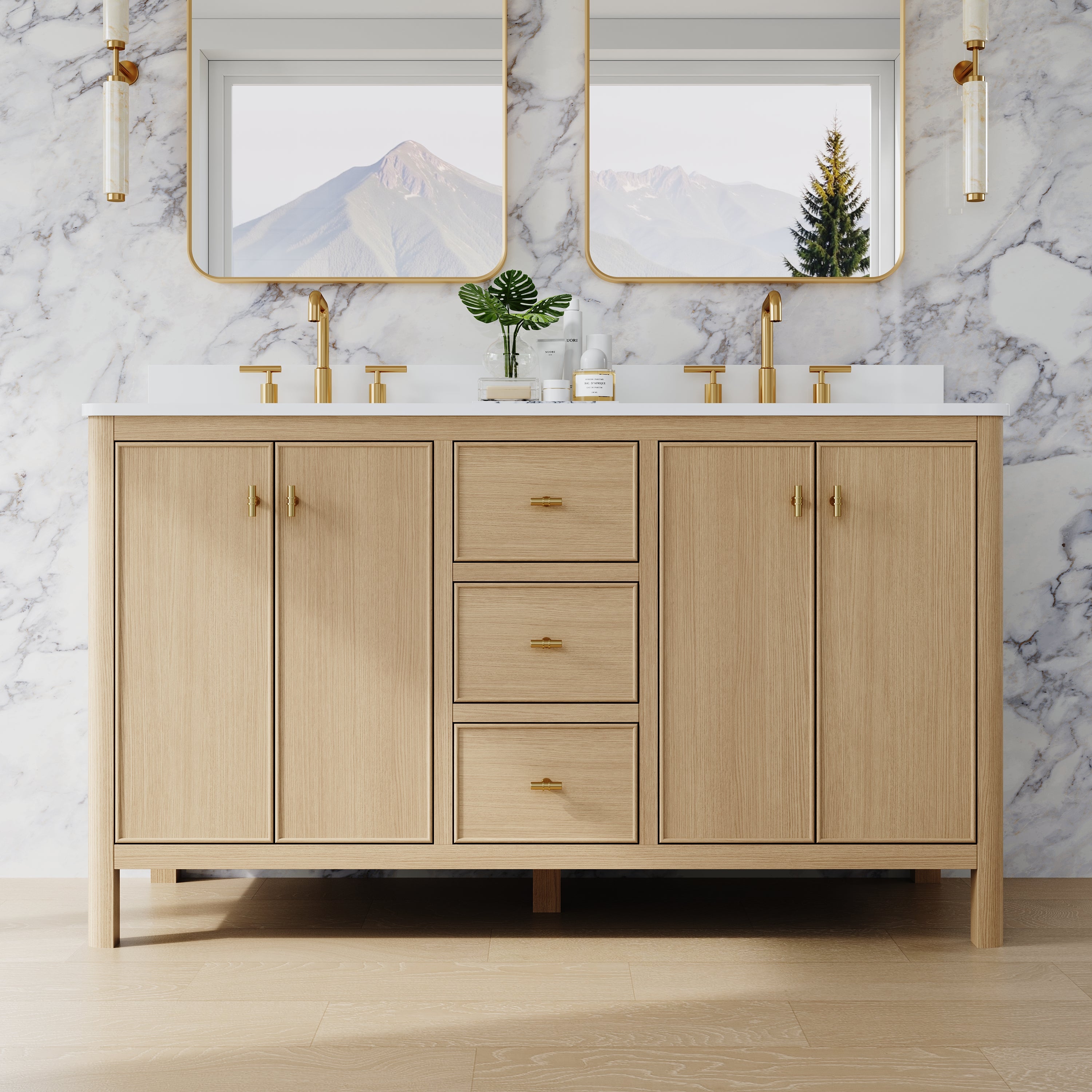
For example, a 36-inch single-basin countertop can be paired with a 28-inch to 32-inch-wide mirror; the 60-inch double-bowl structure can use two 24-inch to 30-inch mirrors or one 54-inch to 60-inch integral mirror.
Data shows that when the mirror's width is less than 60% of the tabletop, the space appears loose; when it exceeds 95%, the view becomes too crowded. Maintaining a reasonable proportion can significantly improve the spatial coordination score.
2. Installation height: ergonomic priority
The installation height of mirrors usually depends on the countertop height and the user's height. The standard vanity height is between 34 inches and 36 inches.
The lower edge of the mirror is usually installed 5 to 10 inches above the tabletop; it is recommended to position the center of the mirror between 60 and 65 inches from the ground. This range is considered to be the most suitable for the visual height of most adults.
The data shows that when the center of the mirror deviates from 60 inches by more than 5 inches, the comfort rating decreases by about 10%.
3. Single mirror or dual mirror layout?
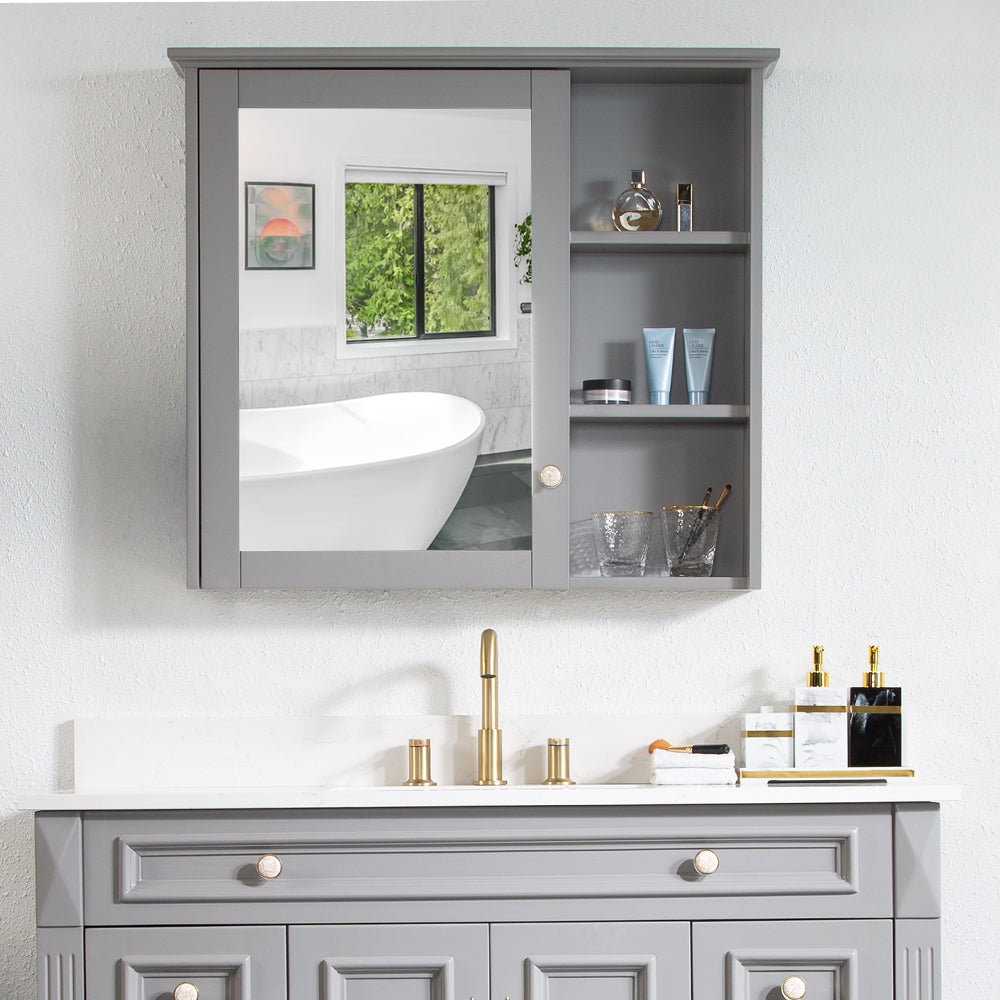
In a 36-inch single basin layout, a full-length mirror is more common. In the 60-inch double-basin structure, the dual-mirror layout has become the mainstream choice.
Leave 8 to 12 inches of wall space between two 24 to 30-inch mirrors for installing wall lights or decorative elements.
Survey data shows that in a shared space for two people, the satisfaction rate of a dual mirror layout is about 18% higher than that of a single mirror, as it reduces interference when used simultaneously.
4. Do you choose to have a light mirror?
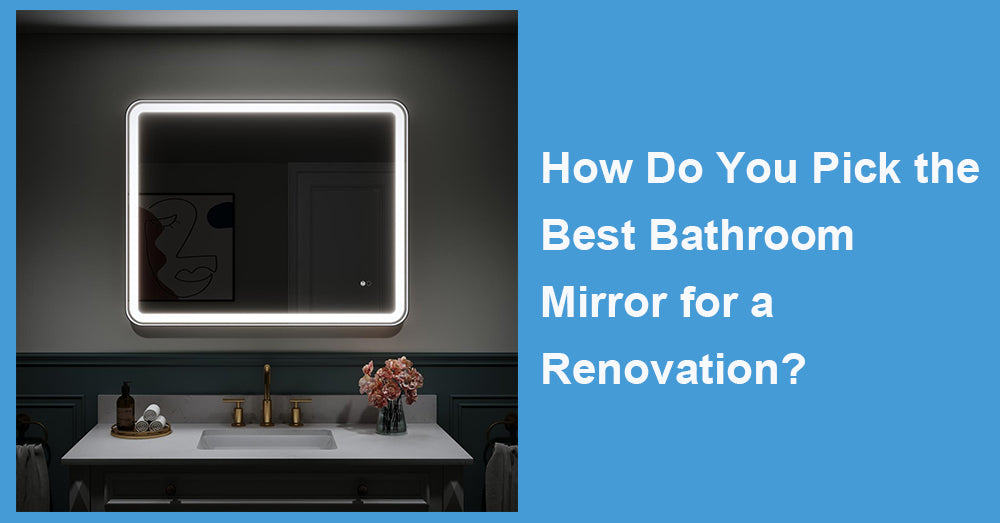
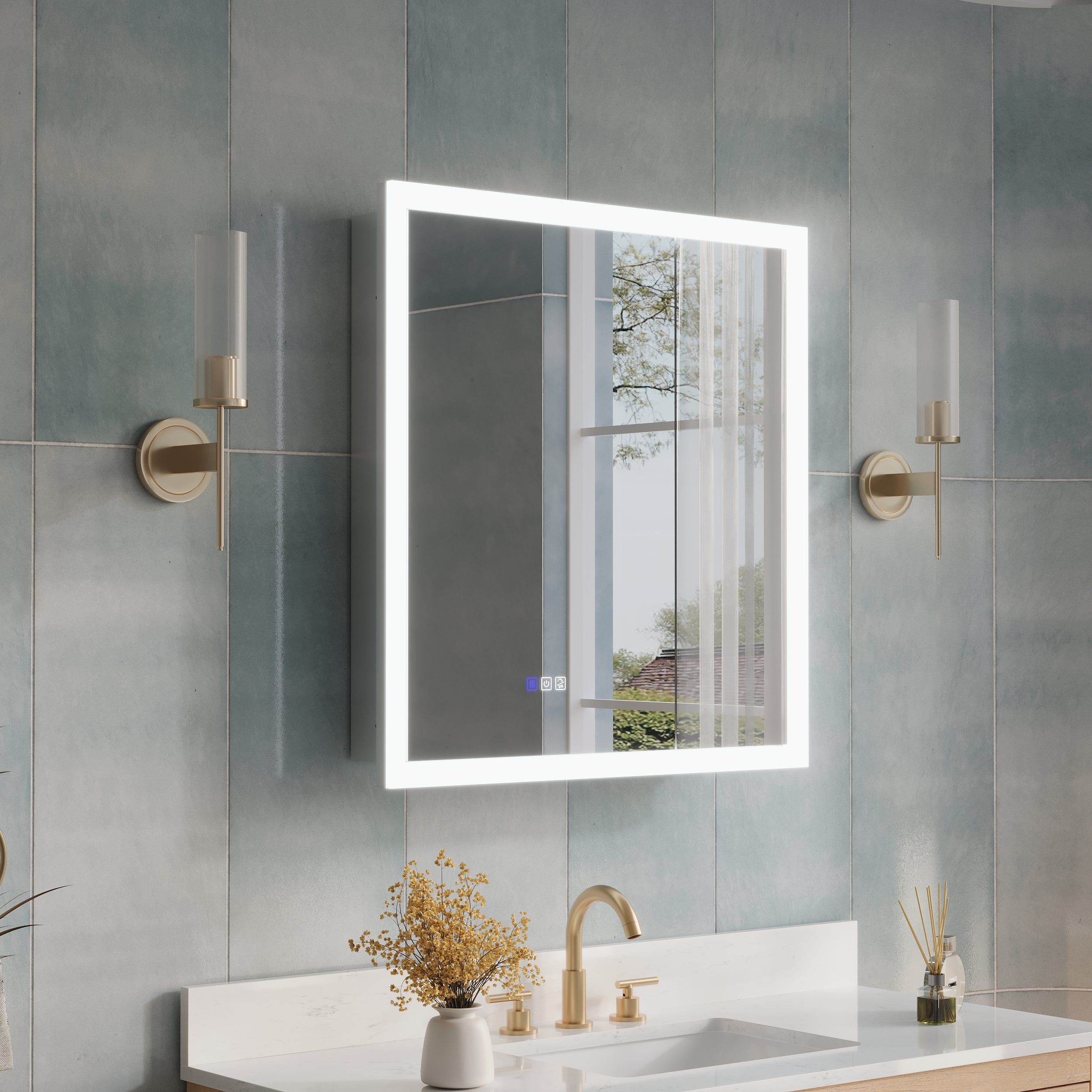
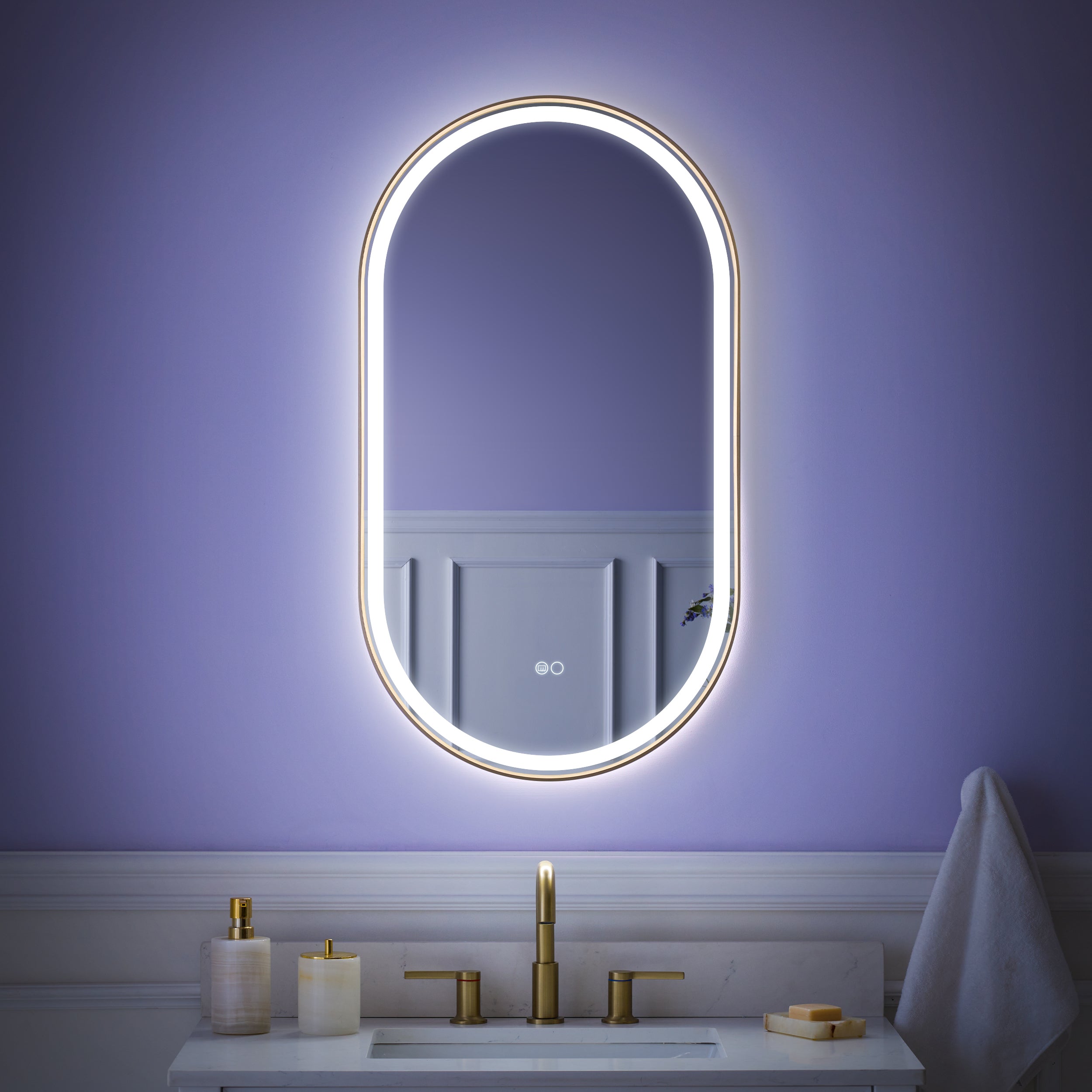
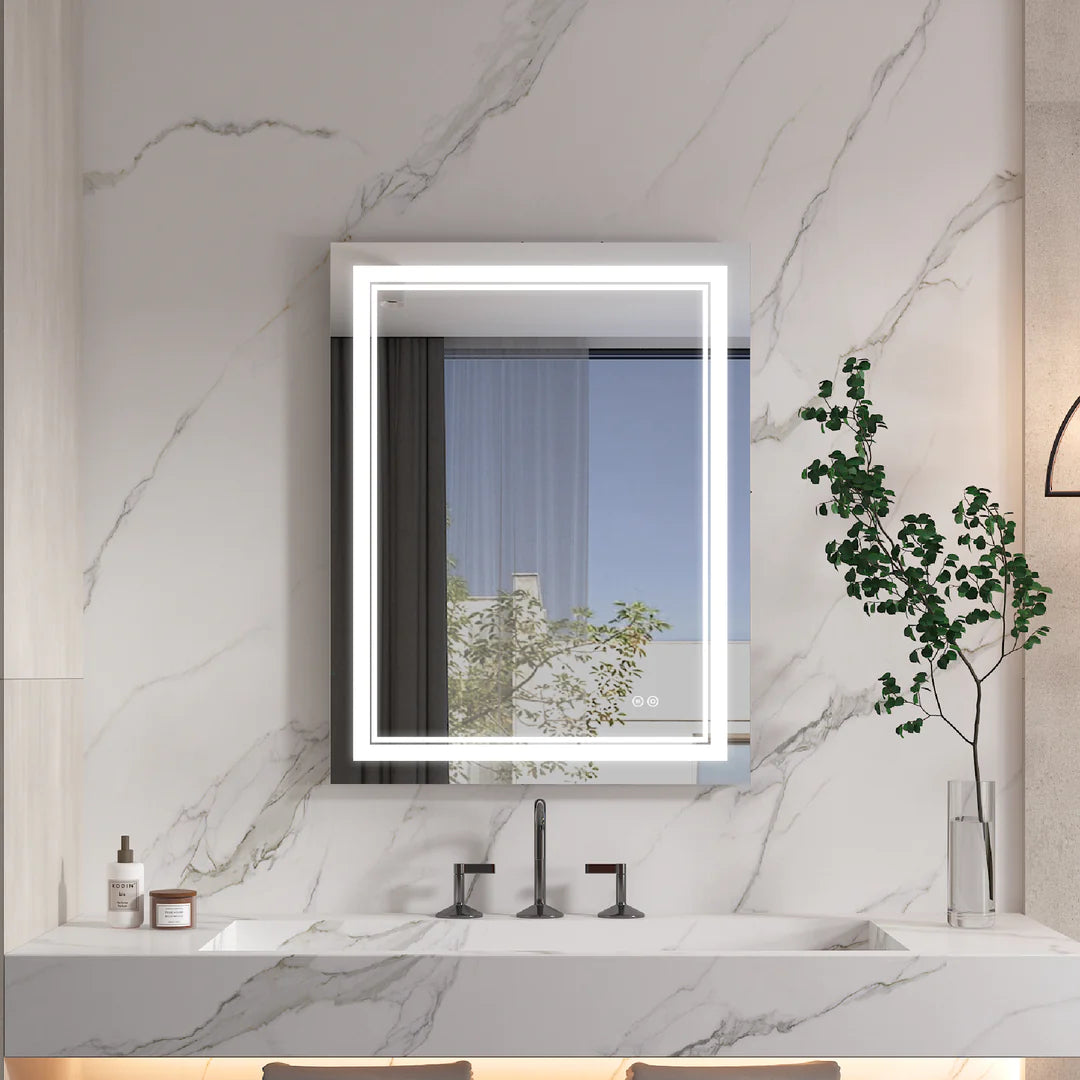
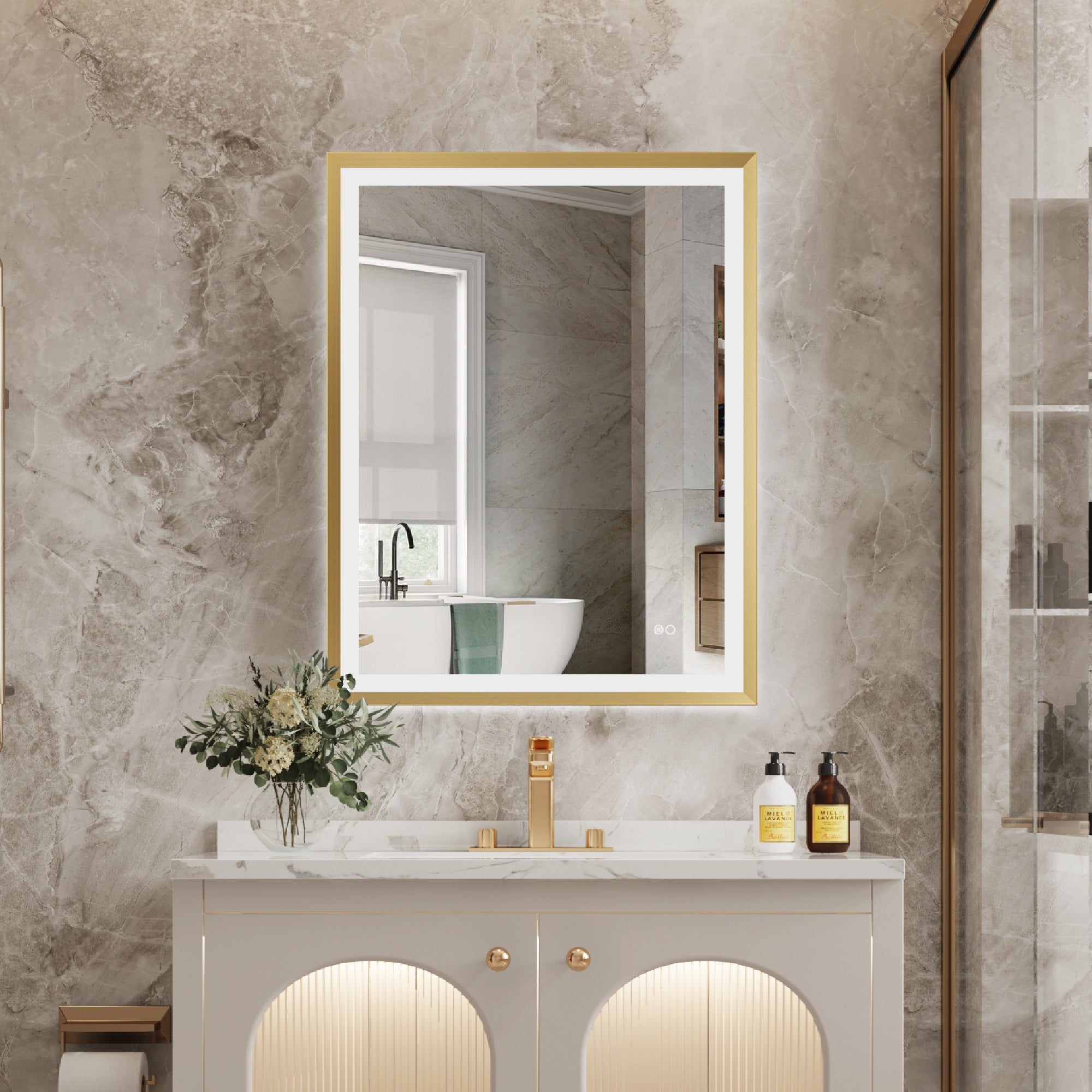
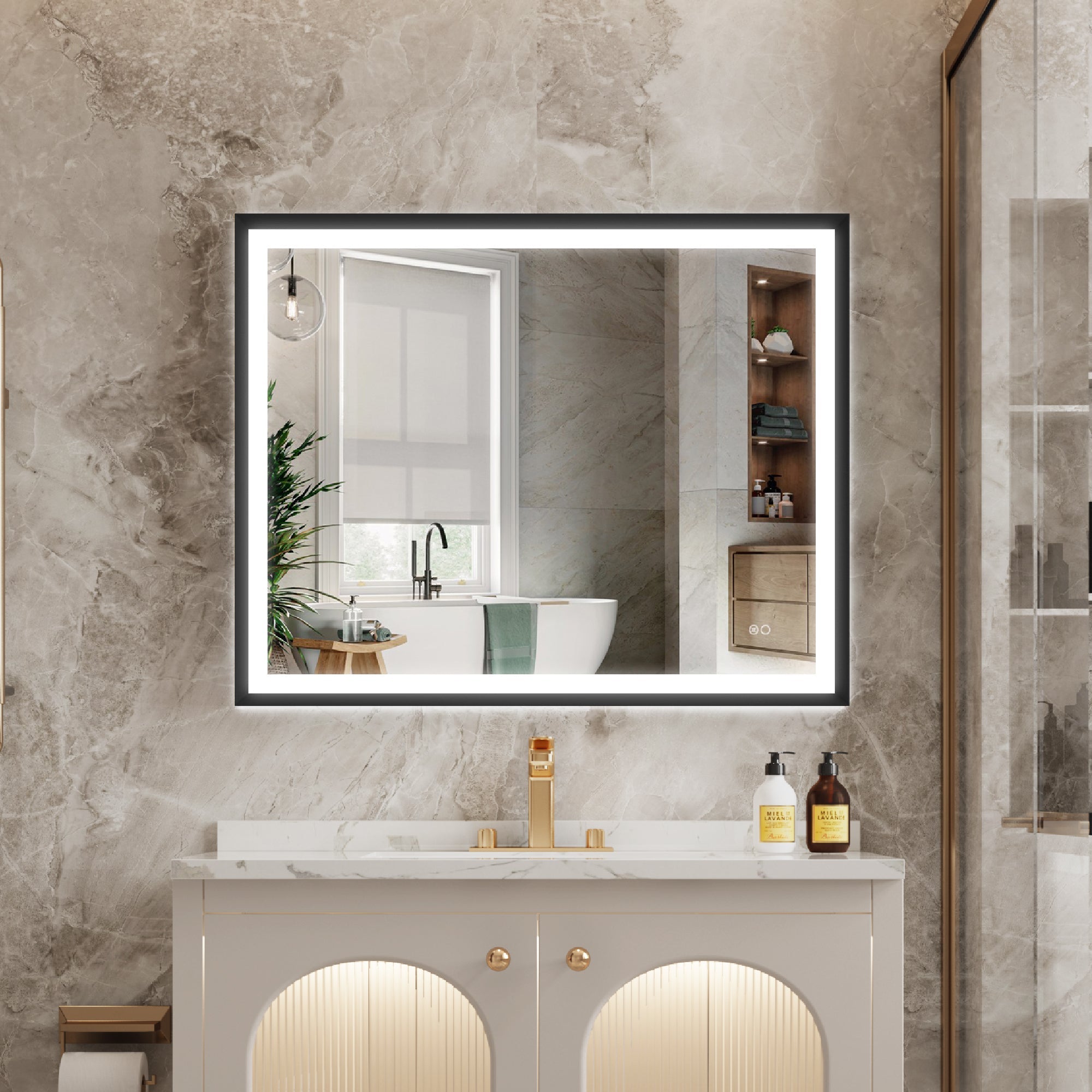
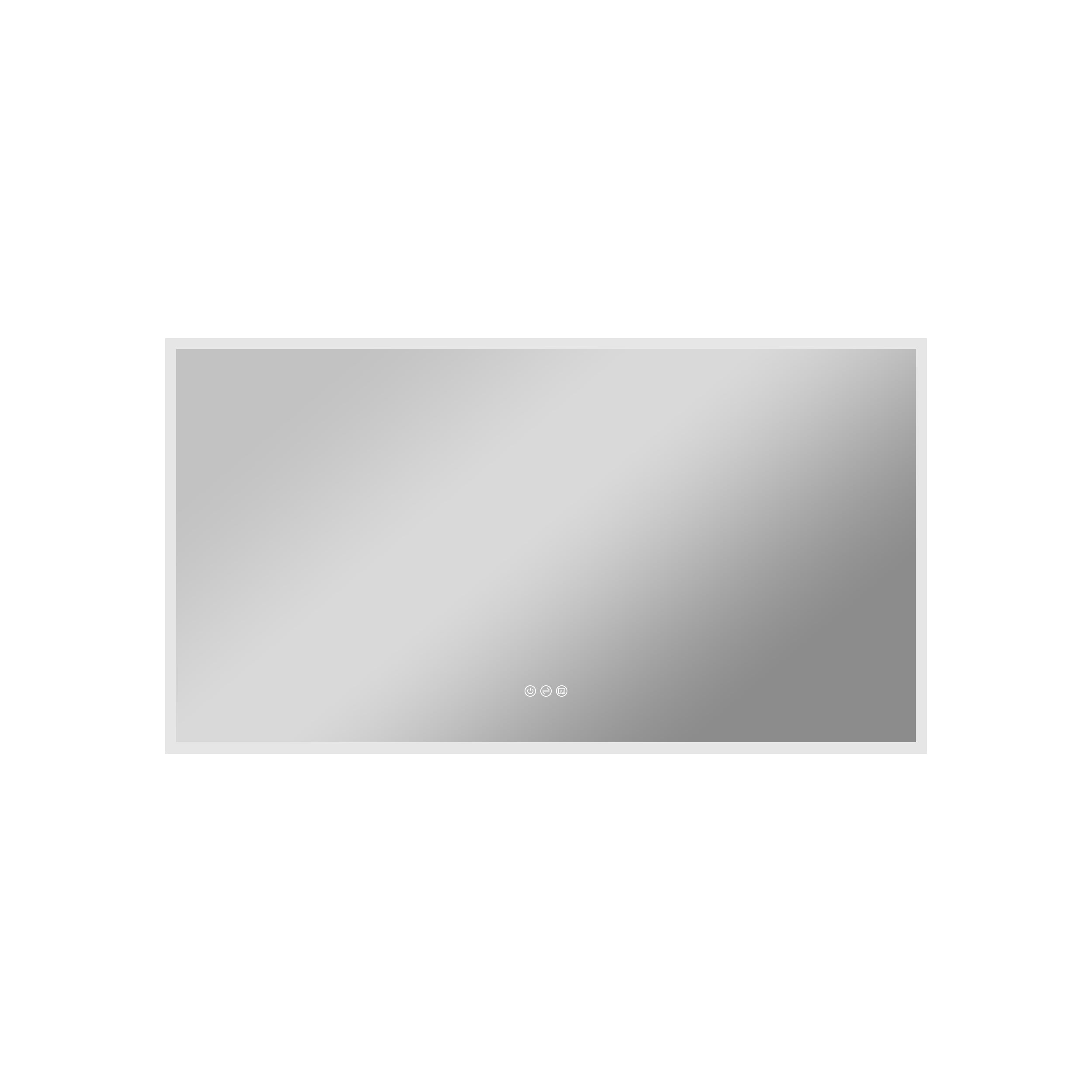
The popularity of illuminated mirrors has significantly increased in recent years. The common output brightness of 36-inch LED mirrors is between 1200 and 2000 lumens; Models ranging from 48-inch to 60-inch can reach over 3000 lumens.
When the color rendering index (CRI) reaches 90 or above, facial shadows decrease by about 20% to 30%, making it more suitable for shaving and makeup.
In bathrooms with an area of less than 80 square feet, illuminated mirrors can even partially replace top task lighting. The data show that under the layered lighting configuration, overall light uniformity improves by about 25%.
5. Matching shape and spatial style
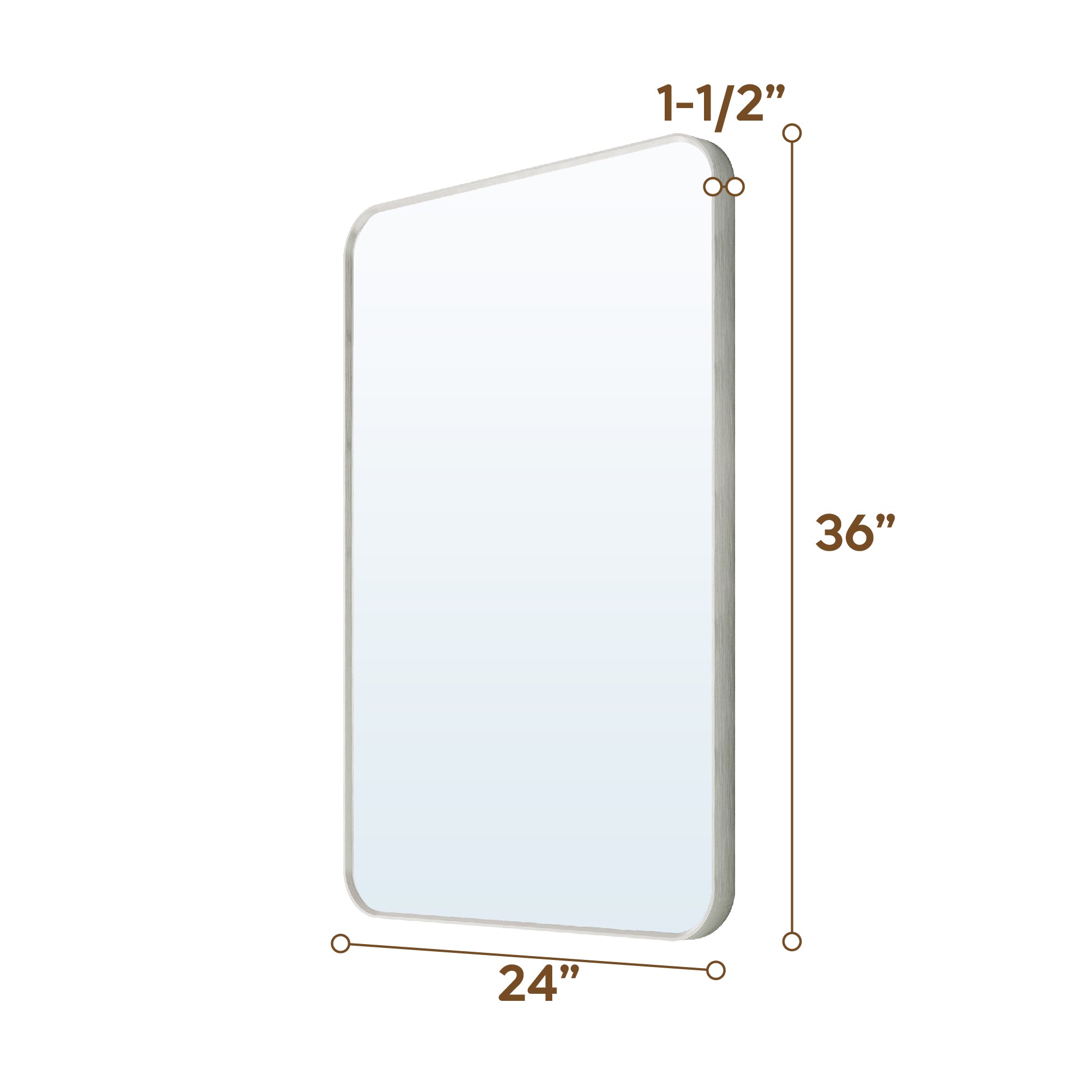
Rectangular mirrors emphasize horizontal proportions, suitable for modern or transitional style spaces; Circular mirrors are commonly seen with diameters ranging from 24 inches to 32 inches, providing a softer feel.
Data shows that in spaces with an area less than 70 square feet, circular mirrors have lower visual pressure ratings than large-sized rectangular mirrors.
For a 72-inch-wide main bathroom, large rectangular mirrors or wide two-sided mirrors are more imposing.
6. Framework selection and visual weight
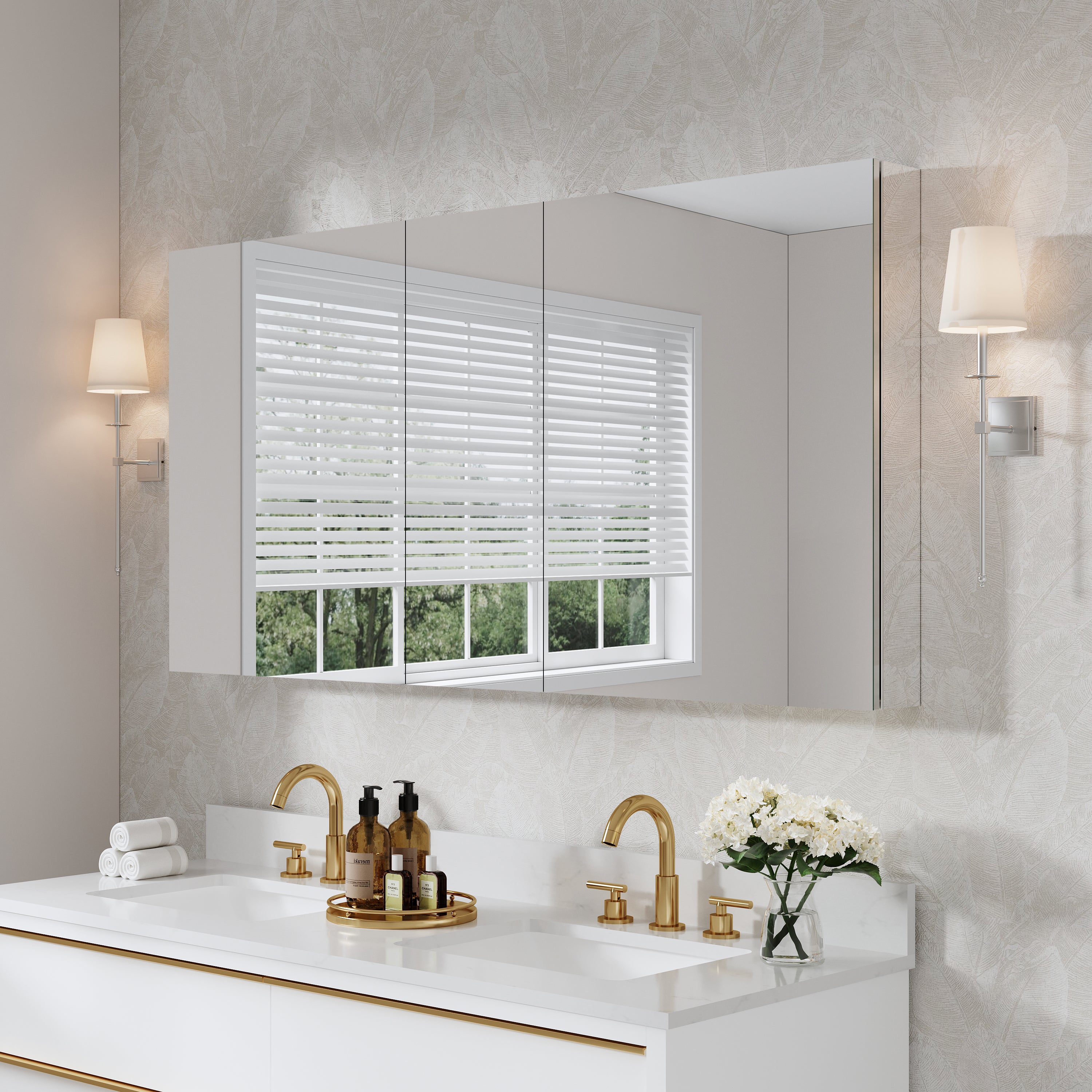
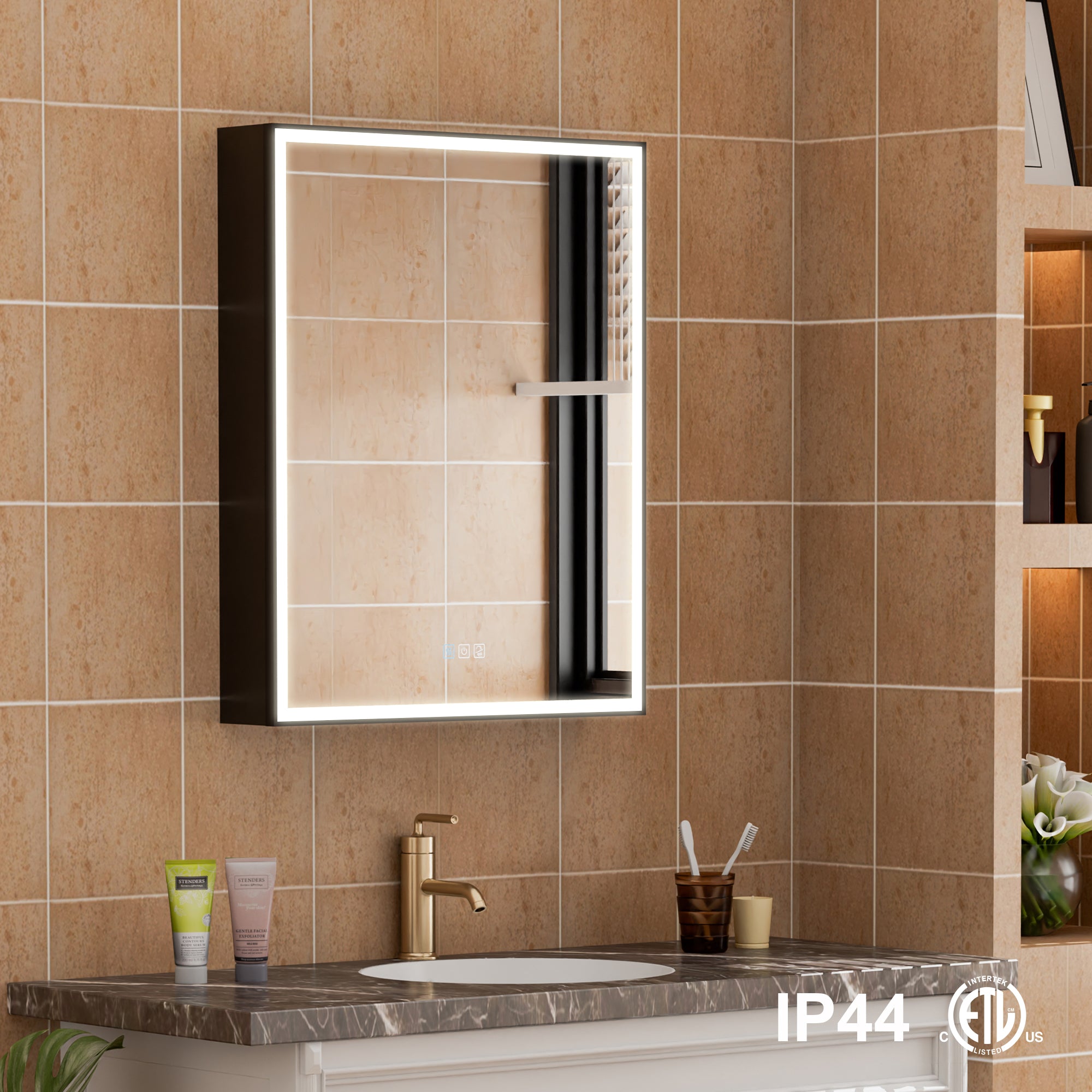
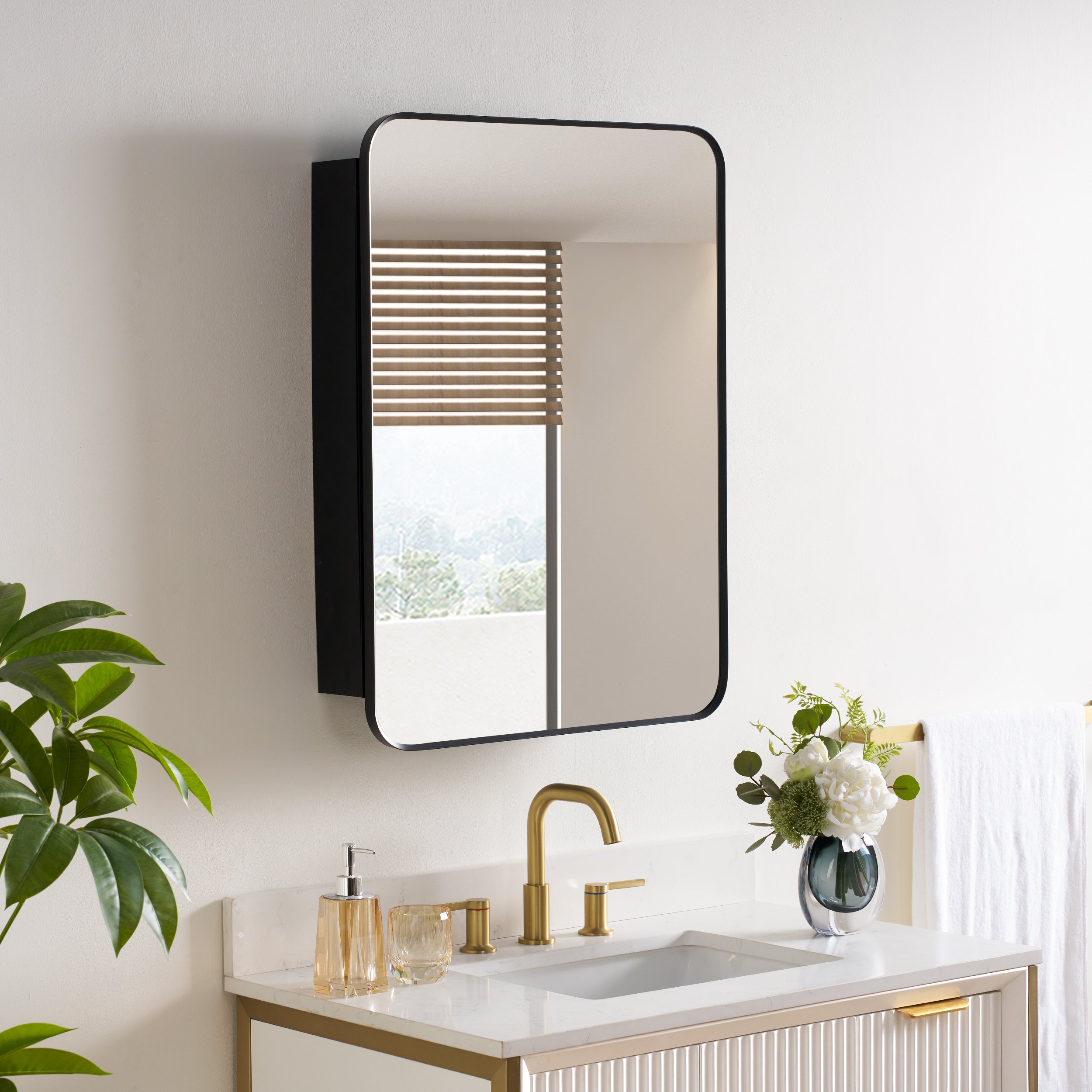
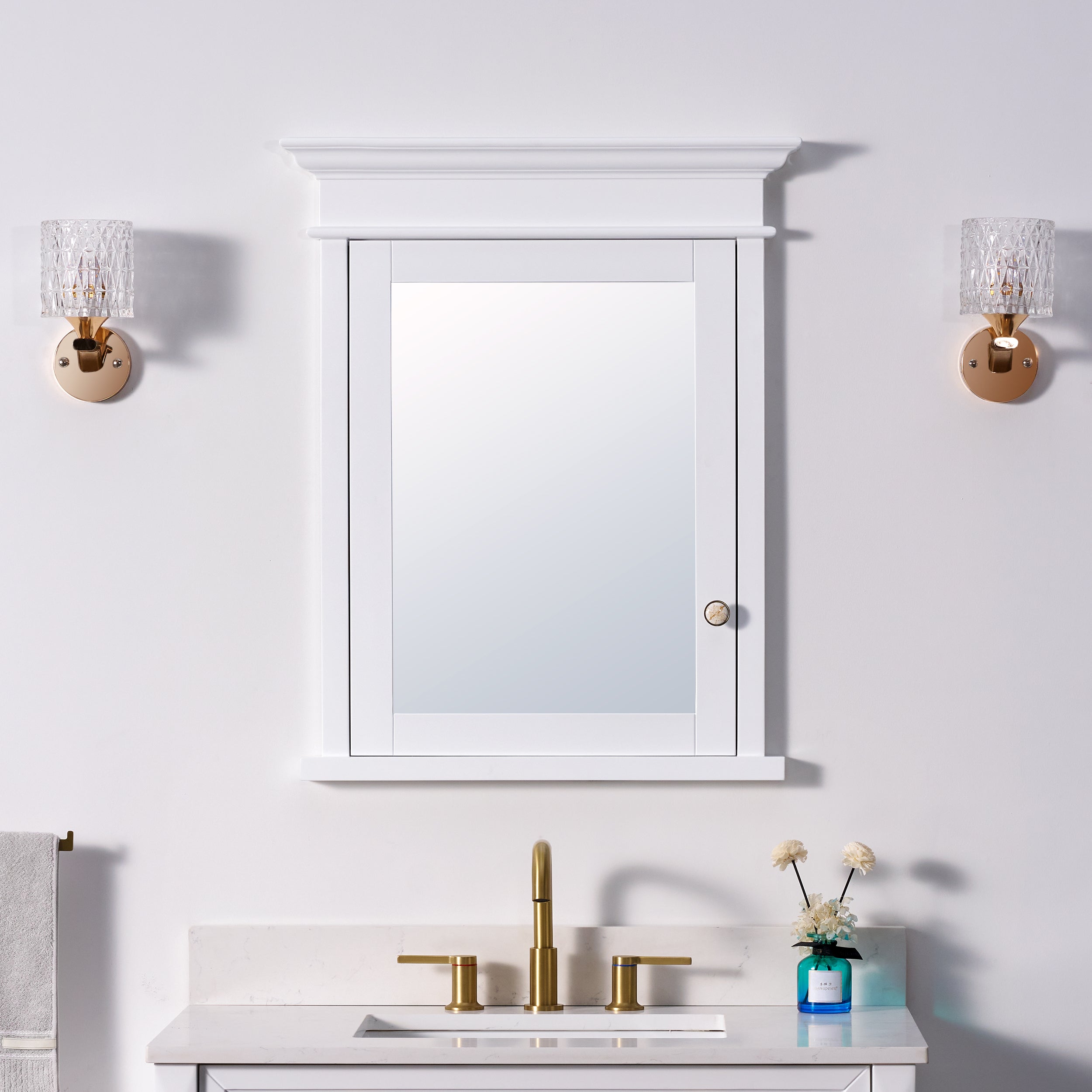
Frameless mirrors emphasize simplicity and expansiveness, and are the mainstream choice in modern design. Mirrors with frames increase visual weight and are more suitable for traditional or classic styles.
On a 36-inch countertop, if a wide-framed mirror is selected, the mirror width should be reduced by 2-3 inches to maintain proportional balance.
Data show that in modern-style renovation projects, the proportion of frameless mirrors exceeds 60%.
7. Anti-fog and durability considerations
The humidity in the bathroom environment usually rises rapidly to over 70% after showering, which can easily cause the mirror to fog up.
Mirrors with defogging function use a heating film on the back to raise the mirror surface temperature to near air temperature, reducing the fogging rate by over 80%.
Maintaining indoor humidity between 40% and 55% can help extend the lifespan of the moisture-proof layer at the edge of the mirror. The data show that in a stable-humidity environment, the detachment rate of mirror silver is reduced by about 20%.
8. Long-term value and maintenance costs
High-quality mirrors typically use glass 1/4 inch or thicker, with sealed edges for greater durability.
In a survey with a usage cycle of more than 5 years, satisfaction with products made from high-quality mirror materials is significantly higher than with low-priced models.
When emphasizing long-term value in renovation projects, durability and optical clarity should be prioritized over just appearance.

9. Conclusion
Choosing the appropriate bathroom mirror is essentially finding a balance between size ratio, ergonomics, and lighting layout. From a 28-inch single mirror to a 60-inch wide design, every inch difference affects the spatial experience. Following the principle of a width ratio of 70% to 90%, controlling the installation height reasonably, and combining lighting and style positioning, can achieve the unity of aesthetics and practicality in renovation projects. Mirrors are not only functional elements but also important tools for shaping a space's atmosphere.












Leave a comment
This site is protected by hCaptcha and the hCaptcha Privacy Policy and Terms of Service apply.