
















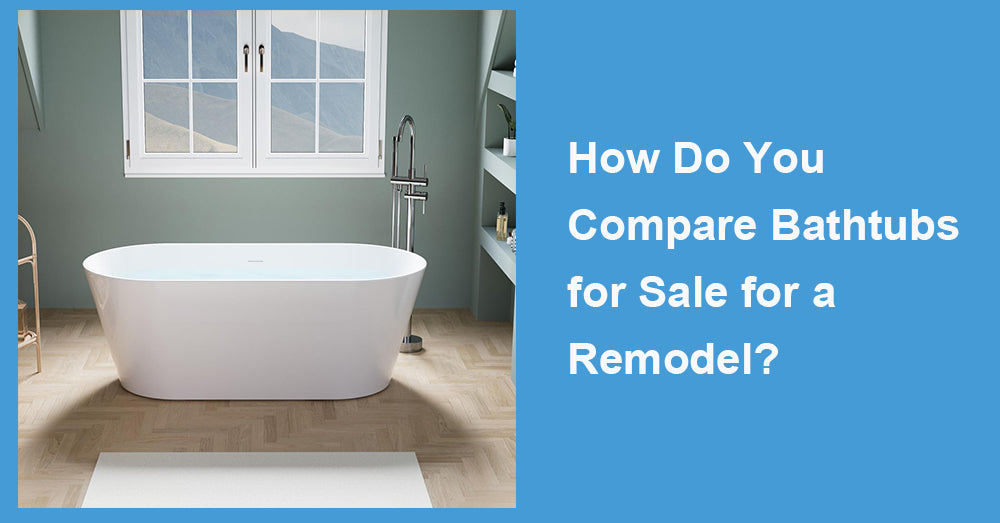
When homeowners start comparing bathtubs for sale for a remodel, the smartest move is to look beyond shape and price. The bath category is still active even in a tighter renovation cycle: Harvard JCHS projected home improvement and repair spending at $509 billion in 2025, while NKBA forecast $235 billion in kitchen and bath industry revenue, with repair and remodeling up 2.6% and professionally led projects growing faster than DIY work. That matters because a bathtub choice affects plumbing layout, waterproofing, floor loading, installation labor, and how well the room will age over time.
1. Start With the Remodel Envelope, Not the Tub Finish
The most common mistake is shopping by appearance first. In a remodel, the tub that fits the existing wall framing, drain position, and wet-area layout usually delivers the best value. Kohler’s own buying guide tells shoppers to begin with project scope, space constraints, and plumbing limitations before style, and The Home Depot’s bathtub guide makes the same point by advising buyers to measure length, width, height, soaking depth, basin length, basin width, and drain orientation before selecting a replacement. In other words, if your remodel is keeping the same alcove footprint, a beautiful freestanding model may still be the wrong product.
2. Compare Size by Use Case, Not by Label
Standard sizing remains the best baseline for comparison. The Home Depot guide notes that the most common alcove bathtub is about 60 inches long, 30 inches wide, and 14 to 16 inches high. Soaking tubs generally run 60 to 72 inches in length with 14 inches or more of depth, while oversized tubs are typically over 70 inches long with 16 inches or more of soaking depth. Those numbers matter because they tell you whether you are buying a simple replacement tub, a deeper relaxation tub, or a model that may trigger broader framing and plumbing adjustments. For a remodel, the closer you stay to the existing footprint, the lower the risk of surprise labor costs.
3. Match the Tub Type to the Room Plan
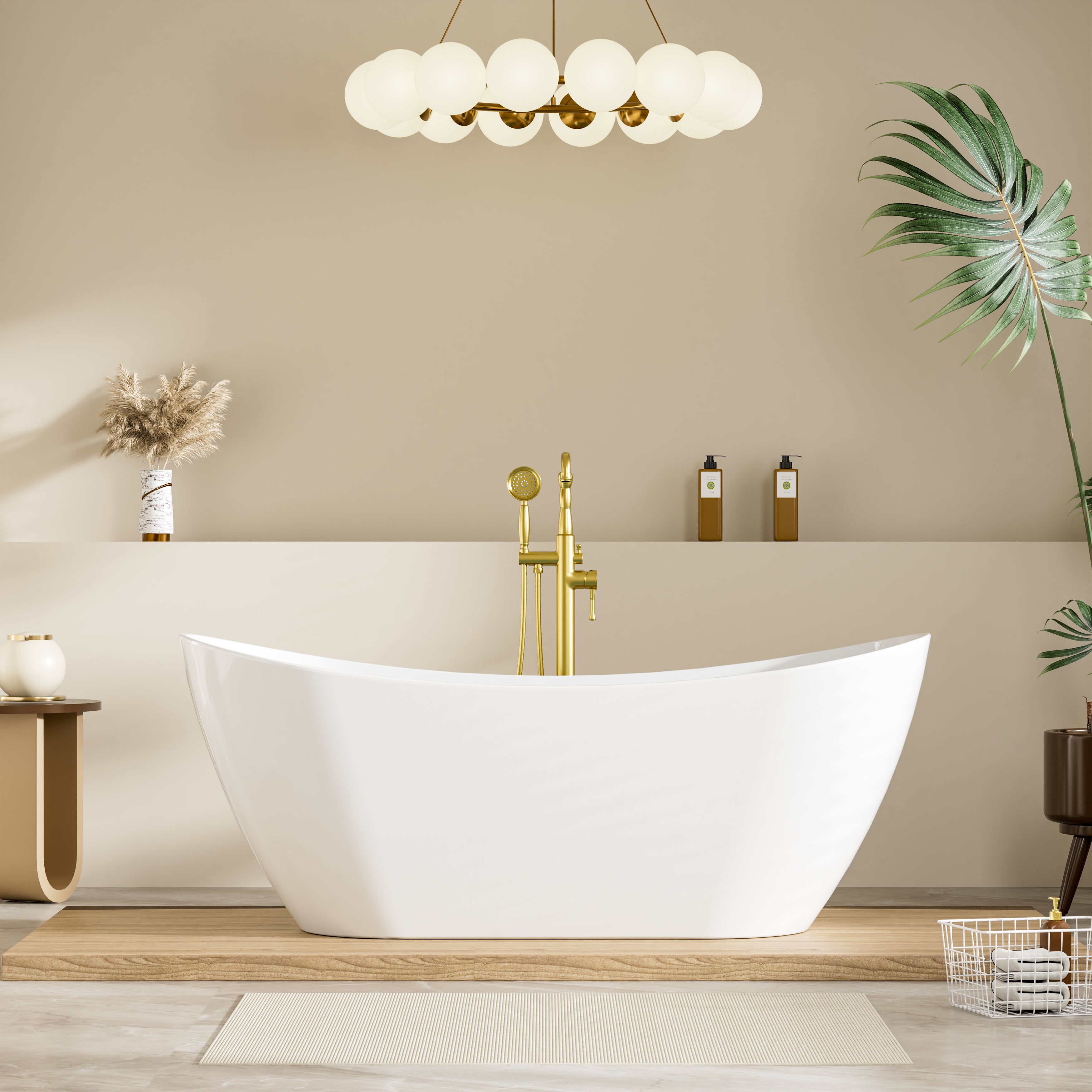
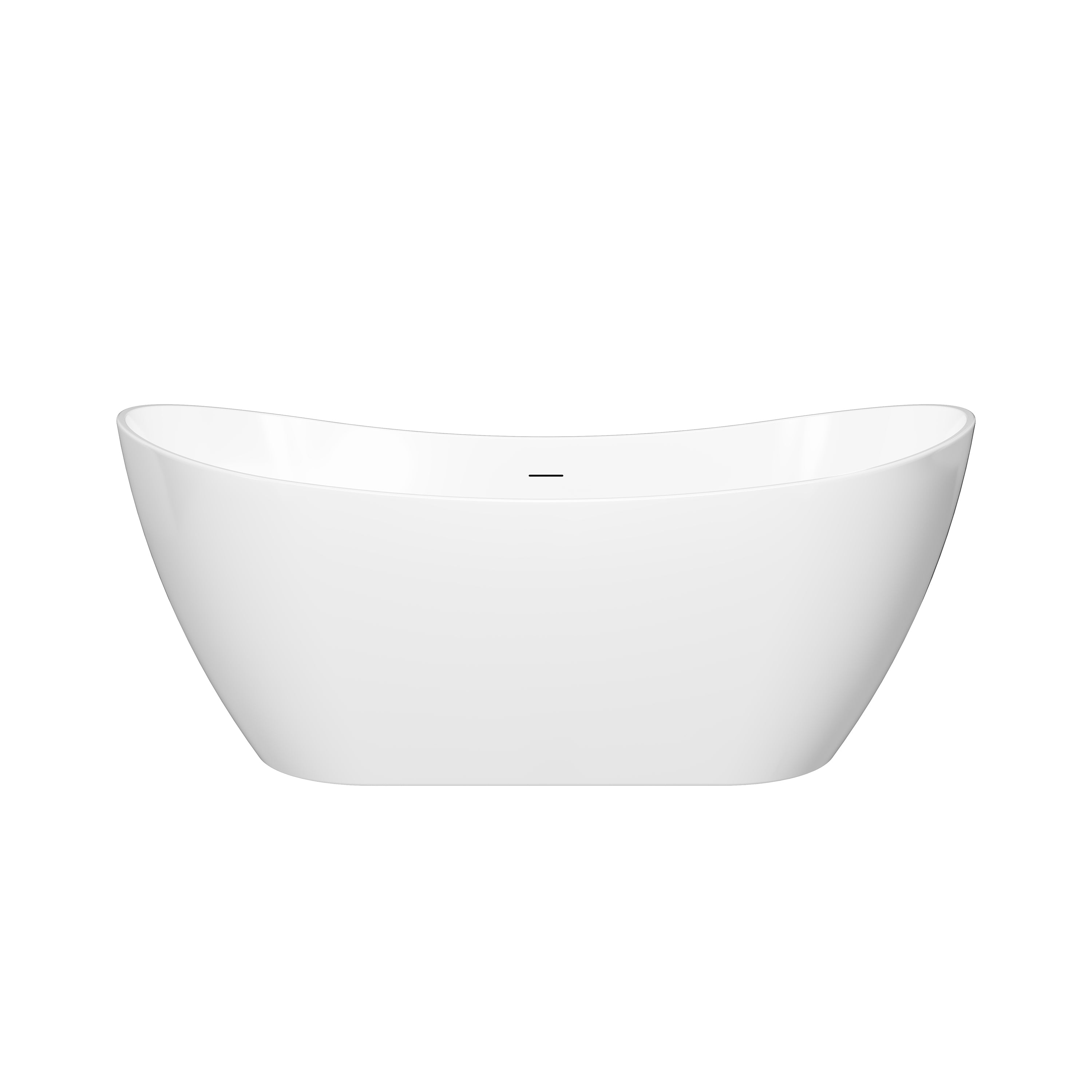
Alcove tubs continue to make the most sense in practical remodels because they are designed for three-wall installation and work well in tub-shower combinations. Kohler describes alcove baths as ideal when walls and plumbing already shape the space, while freestanding tubs are better when the bath is meant to be a focal point visible from all sides. That distinction is not just aesthetic. An alcove tub often uses the room more efficiently, while a freestanding tub can require more clearance around it, more finish work, and more thought about faucet rough-ins and floor protection. If the remodel is trying to gain function without moving plumbing, the alcove usually wins.
4. Use Material to Balance Comfort, Weight, and Installation Risk
Material is where bathtub comparisons become genuinely strategic. Acrylic remains popular because it is lighter, easier to handle, and straightforward to clean. American Standard describes its acrylic alcove tub as offering lightweight convenience, easy cleaning, lumbar support, and a textured floor for slip resistance. On the other end, Kohler highlights enameled cast iron for long-term stain and chip resistance and positions it as a durable, decades-long material. Between those poles, American Standard’s Americast construction is marketed as a lighter alternative to cast iron, combining porcelain enamel, steel, and a structural composite backing to help keep water warmer longer. For remodelers, that means acrylic often reduces install strain, cast iron prioritizes longevity and feel, and steel-based hybrids try to split the difference.
5. Pay Attention to Entry Height, Slip Resistance, and Future Mobility
A remodel is usually the best time to buy for the next ten years, not just for move-in day. Houzz’s 2025 Bathroom Trends Study found that 68% of renovating homeowners considered special needs in their bathroom projects, and nearly half were planning for needs expected to arise five or more years later. Kohler’s Bellwether bath emphasizes a 14-inch apron height for easier entry and exit, while several major tub lines now promote slip-resistant or textured floors as a core feature. This is a useful shift in how tubs should be compared: not only by depth and silhouette, but also by how easy they are to enter, stand in, and clean safely as the household changes.

6. Judge Soaking Appeal Against Real Remodel Priorities
There is still strong demand for comfort-driven bathroom upgrades, but the best remodels separate everyday function from showroom fantasy. Houzz reports that 36% of bathroom remodels now include wellness-focused features, and 18% include indulgent soaking tubs or spa baths. At the same time, only 34% of homeowners upgrade their bathtub during a remodel, while others either keep, remove, or skip the tub altogether. The message is clear: soaking appeal is real, but not universal. If the room is a primary bath with enough square footage and a clear relaxation goal, a deeper soaking tub can be worth it. If the bathroom needs better circulation, easier cleaning, or improved resale flexibility, a simpler model may be the stronger pick.
7. Compare Product Cost With Installed Cost
The tub price itself is only part of the decision. A porcelain-on-steel alcove model can be priced much lower than a cast-iron or designer freestanding tub, as shown by current retail listings and manufacturer positioning. But the more important comparison is installed cost: heavier tubs can require more labor, specialty handling, and more protection during delivery and placement. That reality helps explain why NKBA expects professionally led kitchen and bath projects to grow 2.9%, compared with 0.6% for DIY work. Even in budget-conscious remodels, buyers are leaning toward solutions that reduce risk on waterproofing, rough-in alignment, and fit.
8. Read the Spec Sheet Like a Remodeler
The best bathtub comparison is often hidden in the spec language rather than the hero image. Look for phrases such as integral flange, apron height, slip-resistant floor, drain location, soaking depth, lumbar support, and whether the product is described as a standard-size remodel fit. Kohler explicitly markets some alcove cast-iron models as standard size, which simplifies installation in remodels, and Home Depot’s guide reminds buyers to choose an orientation that matches existing water connections. Those details determine whether the tub slips into the project smoothly or turns into a change order.
9. The Best Tub Is the One That Solves the Room
The market still supports both value-driven replacements and premium spa-like upgrades, but the strongest remodel choice is rarely the most dramatic one. Current industry data shows steady renovation activity, strong professional involvement, and continued investment in bathrooms that improve comfort, accessibility, and long-term usability. In practical terms, compare bathtubs for sale in this order: fit, drain layout, installation type, material, entry comfort, depth, and only then finish and styling. That sequence keeps the remodel grounded in performance, which is usually what makes a bathtub feel like a smart purchase years after the project is complete.













Leave a comment
This site is protected by hCaptcha and the hCaptcha Privacy Policy and Terms of Service apply.