

















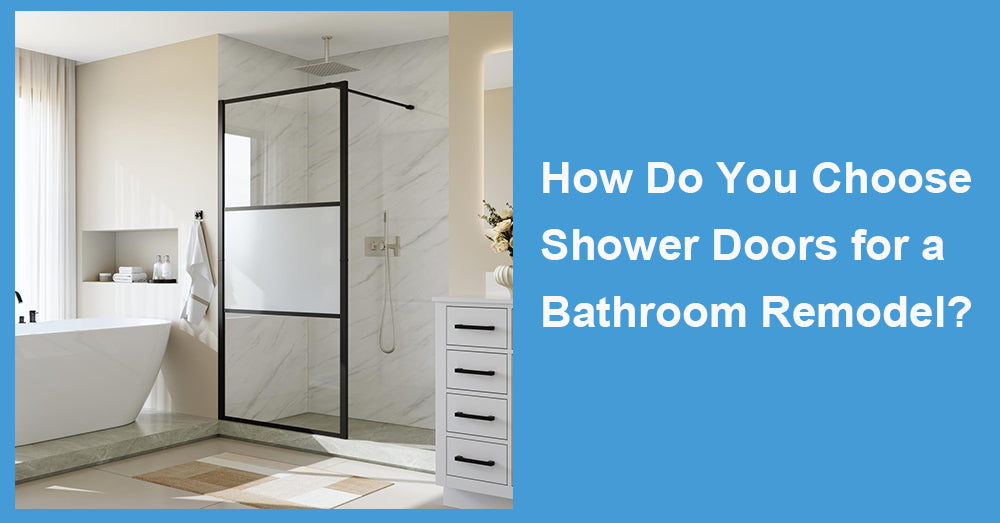
In the trend of modern bathroom renovation, shower doors have become an important component in improving spatial texture and functional efficiency. The type of shower door, glass thickness, and opening and closing method directly affect the comfort of the flow line, the waterproofing effect, and the overall design style, from a 36-inch standard shower room to a 60-inch or larger walk-in layout. Industry data shows that in recent years, over 70% of independent shower spaces in bathroom renovation projects have chosen glass door systems rather than traditional shower curtains or half-wall designs. Making rational choices among numerous options requires a systematic evaluation from multiple aspects such as size, structure, safety, and maintenance.
1. Confirm the size of the shower opening first
The first step in choosing a shower door is to accurately measure the width and height of the opening. The standard shower opening width is 48 to 60 inches, and the standard single door width is 24 to 30 inches.
If the width of the showerIf the shower space is about 36 inches wide, it is usually suitable for a single-leaf swing door or sliding door is usually suitable; if the opening exceeds 48 inches, a double door or a double slide system can be considered.throoms with less than 30 inches of traffic space, sliding door structures can save 6 inches or more of opening space, thereby optimizing the flow line layout.
In terms of height, most shower doors are controlled between 72 inches and 76 inches to maintain proportional coordination.
2. Choose the opening and closing method: sliding or flat opening?
The swing door structure has a flexible opening angle, making it suitable for bathrooms with ample space. But when it is opened, sufficient external space needs to be reserved.
Sliding doors operate through tracks and do not occupy additional opening areas, making them more suitable for compact layouts.
Data shows that in bathrooms with an area of less than 90 square feet, sliding doors are used significantly more than swing doors.
In the walking-in structure, fixed glass and a single-sided open design can also be chosen to enhance modernity.
3. Without frame or with frame structure?
Frameless shower doors typically use tempered glass 3/8-inch to 1/2-inch thick, providing a more concise, modern visual effect.
The framed structure uses approximately 1/4-inch-thick glass and enhances stability with metal frames, resulting in a relatively low cost.
Industry data shows that in mid to high-end renovation projects, the adoption rate of frameless shower doors exceeds 75%. Its advantage lies in reducing the interference from metal lines, making the space lighter.
But the framed structure performs reliably in terms of sealing, making it suitable for families with limited budgets or those who prioritize practicality.
4. Glass type and transparency selection
Transparent glass can maximize the space's transparency, creating a continuous visual effect between the wall and the floor tiles.
Frosted or textured glass enhances privacy and is suitable for environments with many family members.
Data shows that in spaces with an area of less than 100 square feet, the visual width rating of transparent glass shower doors increases by about 20%.
If the shower area is exquisitely designed, transparent glass can better showcase material details.
5. Safety and glass thickness
Modern shower doors usually use tempered safety glass, which has significantly higher impact resistance than ordinary glass.
When the glass thickness reaches 3/8-inch or more, the structural stability and safety are further improved. Test data shows that tempered glass that meets safety standards has an extremely low risk of rupture under normal usage conditions.
In addition, stainless steel or brass should be preferred for hinge and slide materials to enhance corrosion resistance.
6. Waterproof performance and installation accuracy
The sealing strip on the shower door and the bottom water-blocking strip directly affect the waterproofing.
The slope of the shower area floor is usually maintained within a range of about 1/4-inch to prevent backflow. The data show that with a reasonable slope and a high-quality sealing structure, the water overflow rate can be reduced by about 30% to 40%.
The frameless structure requires higher construction accuracy, so installation quality is crucial.
7. Maintenance and cleaning costs
The surface of glass may accumulate scale over time. Research has shown that cleaning once a week can reduce water stains by about 40%.
Glass with anti-scaling coating can delay the formation time of water stains by about 20% to 30% and reduce cleaning frequency.
In hard water environments, it is particularly important to choose glass structures that are easy to clean.
8. Design style and overall coordination
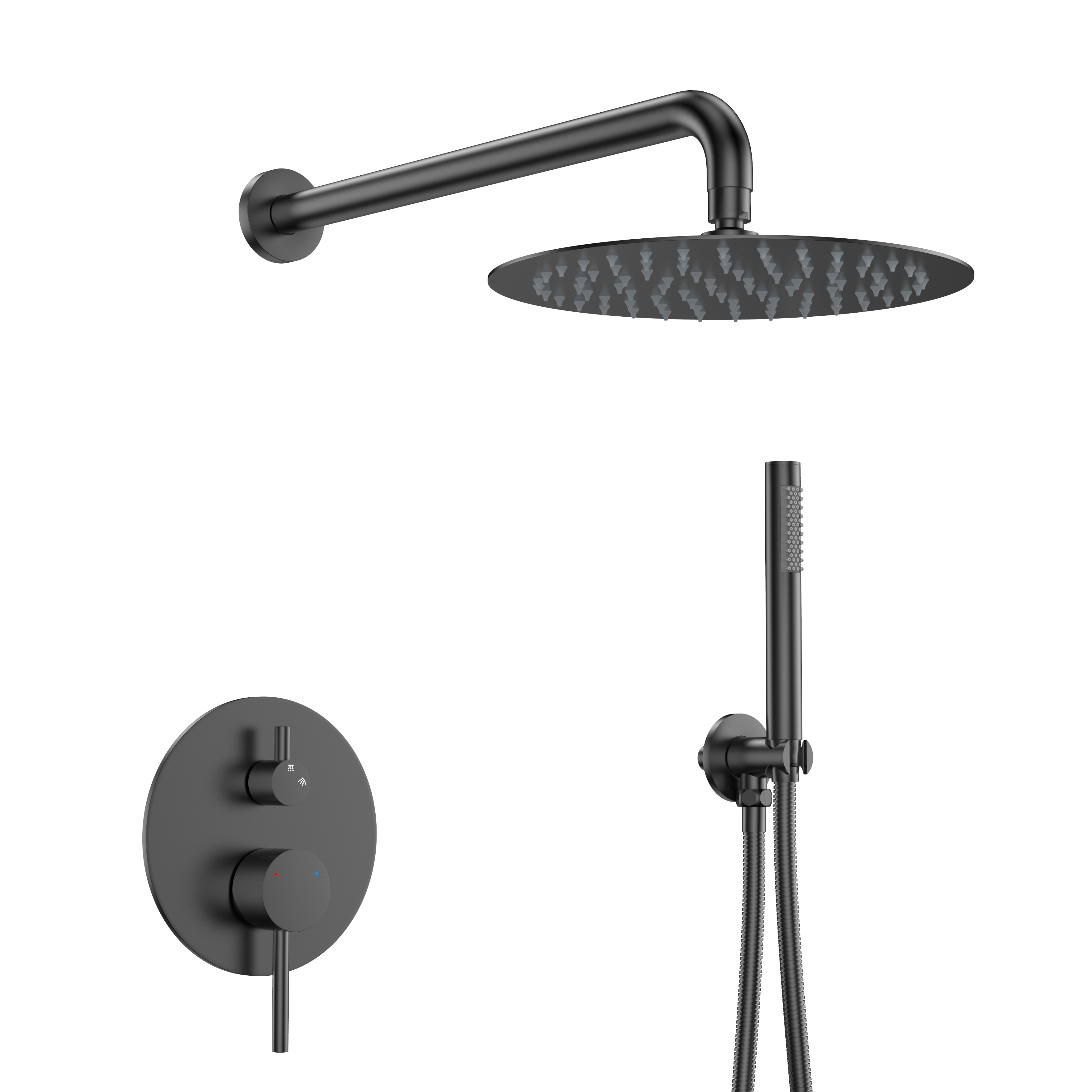
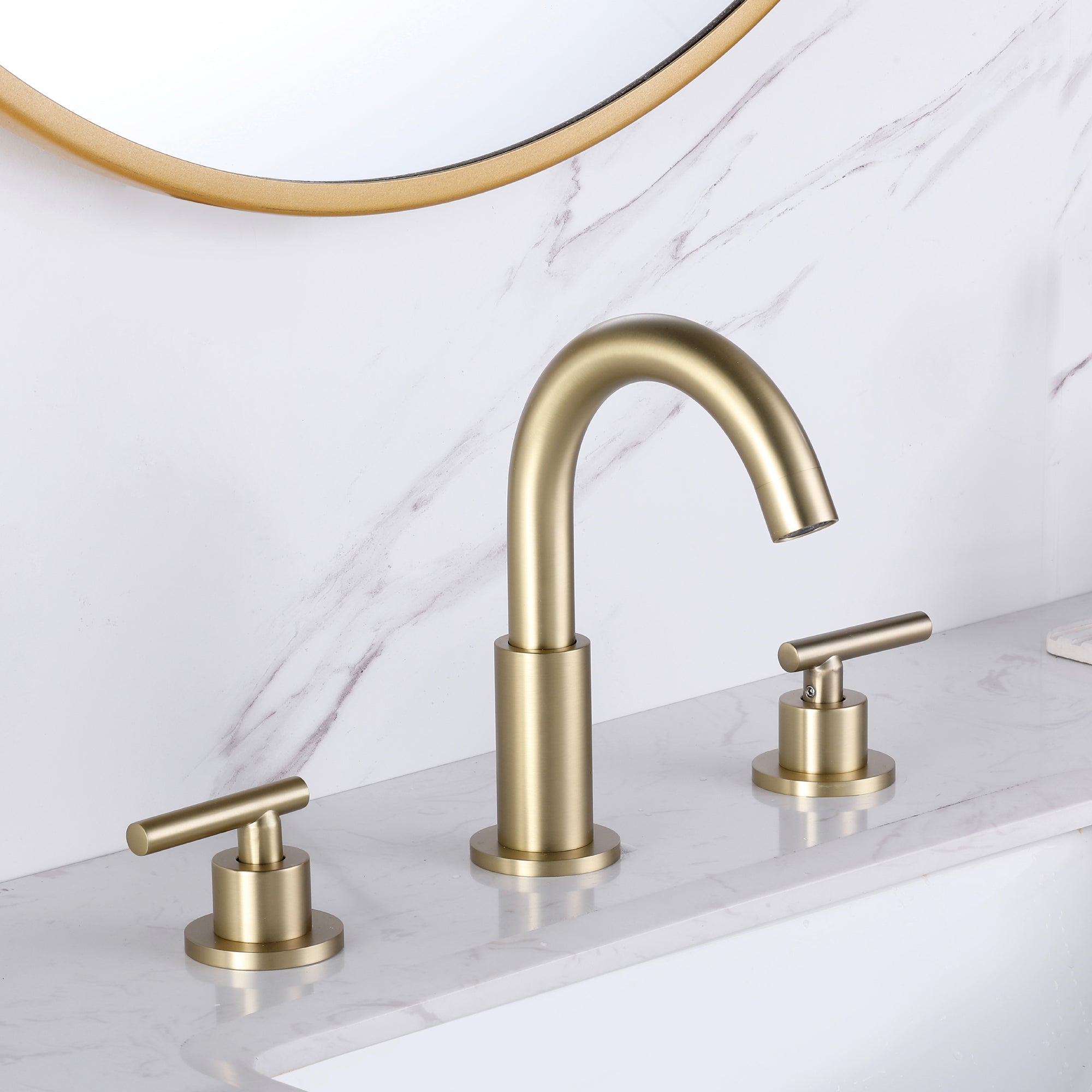
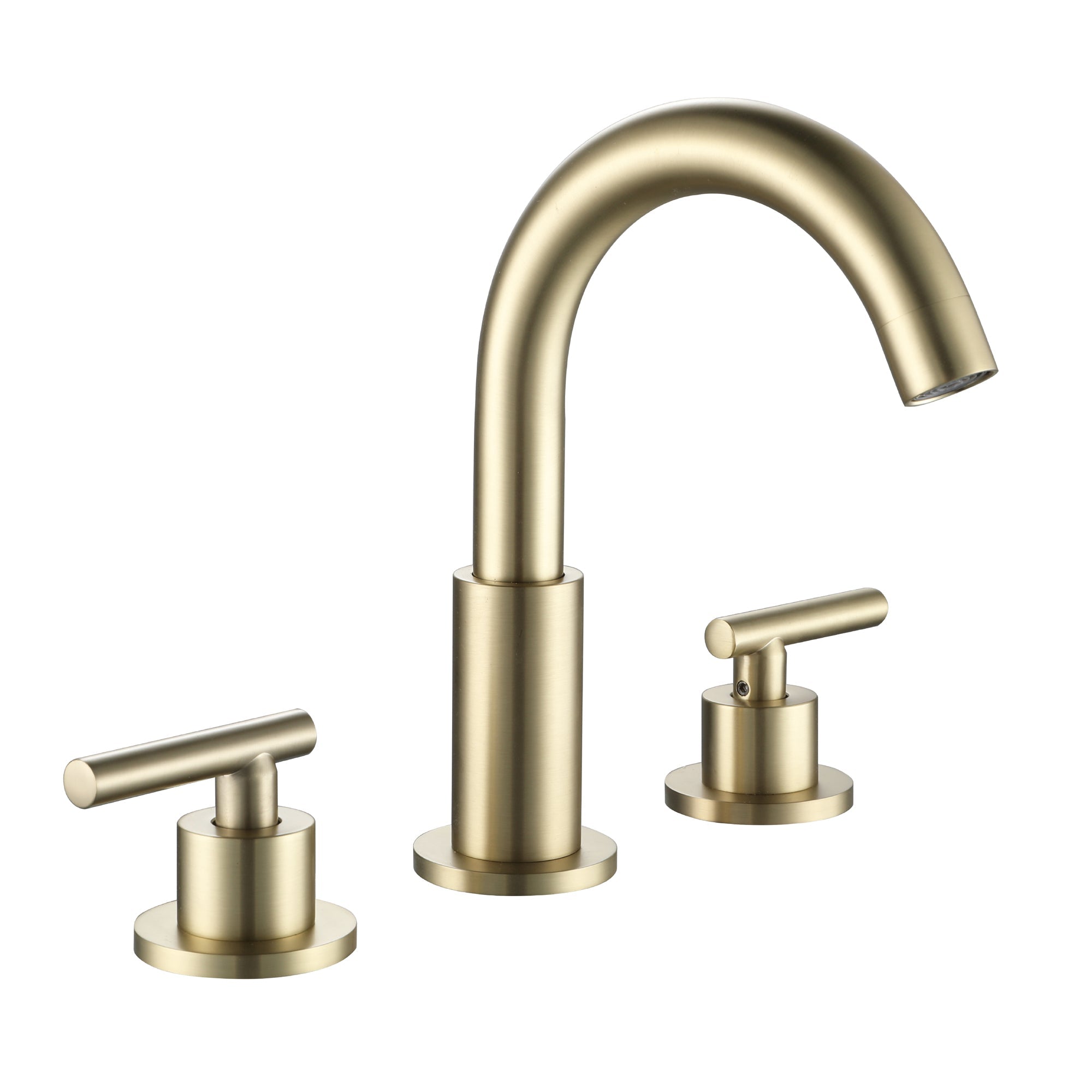
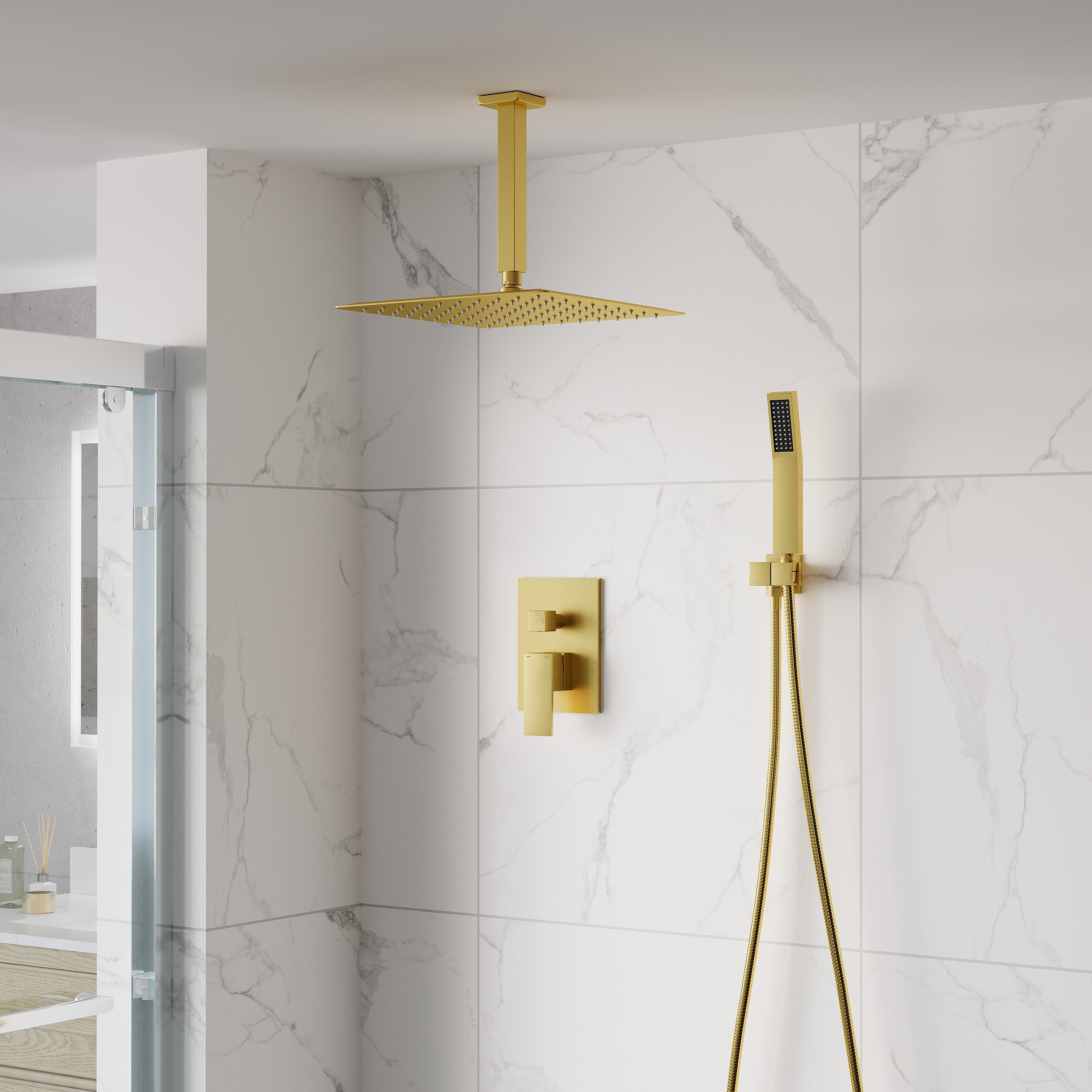
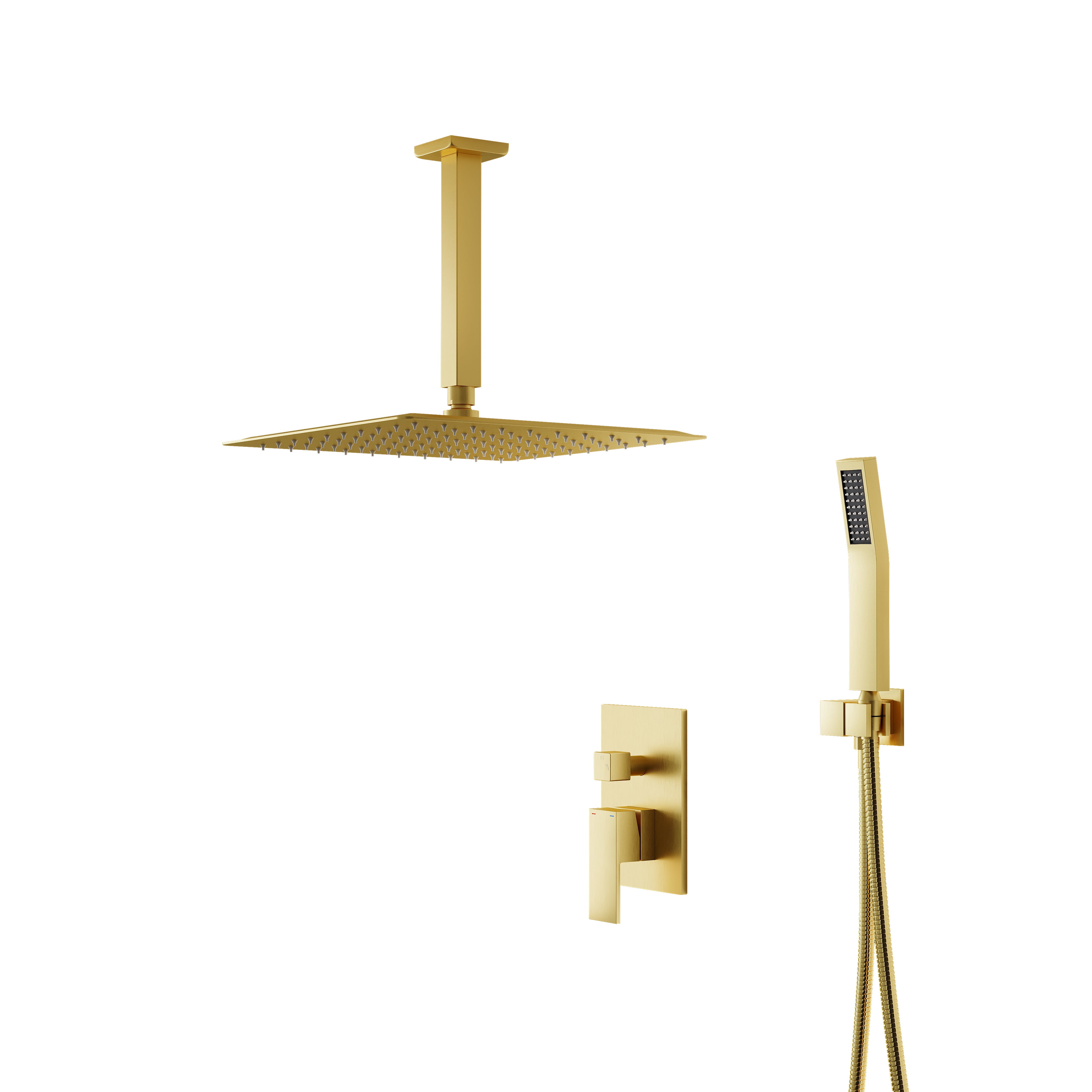
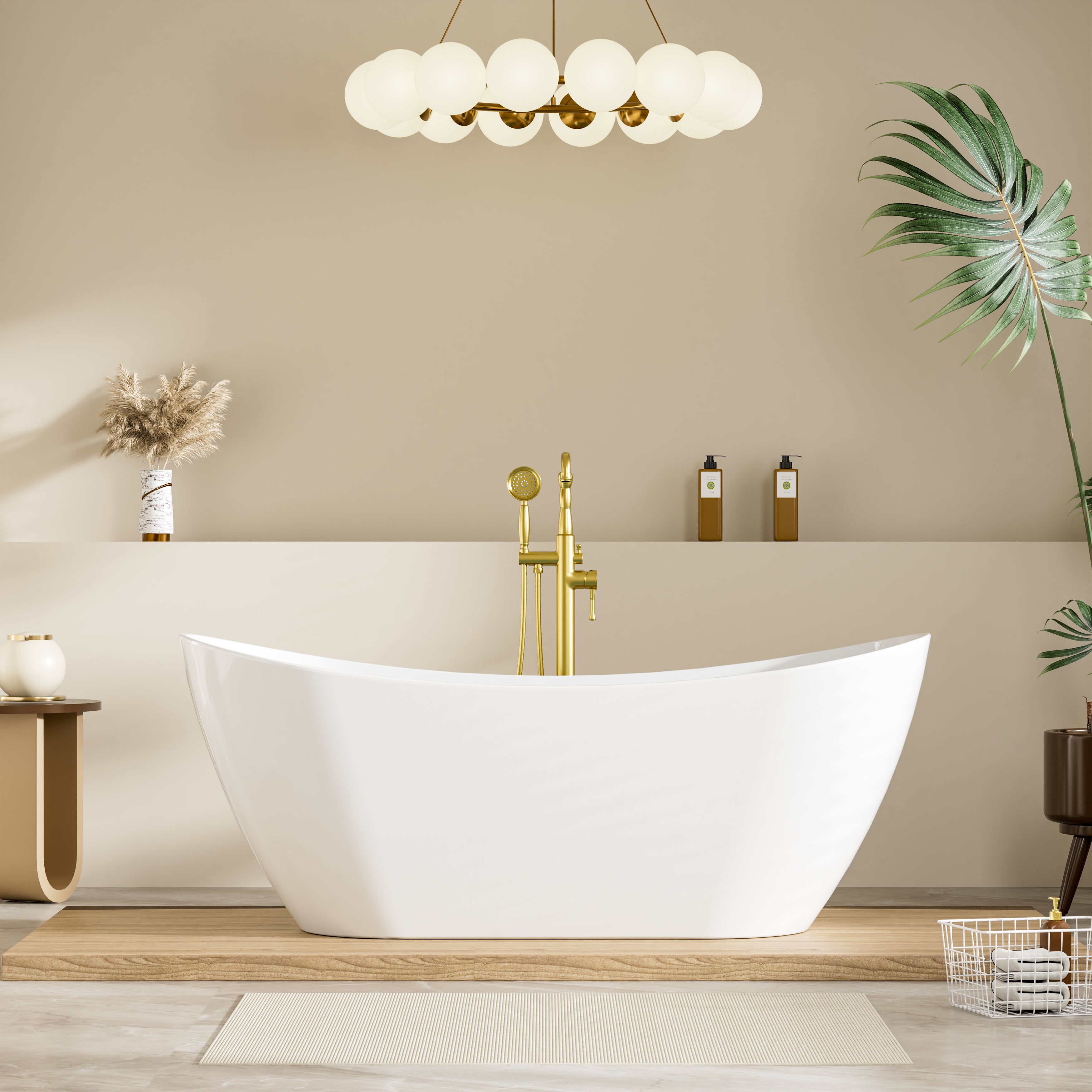
The metal color of the shower door should match the faucet and hardware accessories. Common color tones include brushed nickel, matte black, and brushed gold.
In the 8-foot-high floor space, the height of the glass door is set between 72 inches and 76 inches to maintain proportional balance.
The data shows that in spaces with coordinated proportions and unified styles, the overall satisfaction score increases by about 15%.
9. Budget and Long-Term Value
The price difference of shower doors is significant. Frameless structures are typically about 20% to 40% higher than framed models.
Industry data shows that, in satisfaction surveys conducted more than 5 years after renovation, high-quality shower doors receive significantly better long-term evaluations than low-priced models.
Reasonable investment in durable materials and professional installation can reduce later maintenance costs.

10. Conclusion
Choosing the right shower doors is not simply about pursuing visual effects, but about making a comprehensive judgment on spatial size, opening and closing methods, and long-term maintenance. From a 24-inch door width to 1/2-inch thickness glass, every inch will affect the user experience. Through precise measurement, rational structural selection, and high-quality installation, shower doors not only enhance the modernity of the space but also strike a balance between functionality and durability, truly achieving quality upgrades in bathroom renovations.














Leave a comment
This site is protected by hCaptcha and the hCaptcha Privacy Policy and Terms of Service apply.