
















With the changing population structure and the popularization of accessible housing concepts, bathroom design for wheelchair users is becoming a growing concern in the home decoration industry. In the past, bathroom vanities were seen more as storage and decorative furniture, but now, more and more consumers are paying attention to whether bathroom spaces can meet the daily needs of people with different mobility abilities. From reducing usage height, increasing legroom, to optimizing storage layout, accessible bathroom vanities are driving the bathroom industry from "standardized design" to "people-oriented".
Industry insiders point out that when wheelchair users choose a bathroom vanity, the most important thing is not just the appearance, but the actual user experience. An excellent, accessible bathroom vanity needs to balance height adjustability, legroom, safety, and storage convenience, allowing users to maintain greater independence in daily activities such as washing hands and organizing items. In recent years, the demand for bathroom products that conform to the concept of accessibility has continued to increase in the market, and more and more families are planning in advance for possible future action needs when decorating.
Core design standards for accessible bathroom vanities
For wheelchair users, traditional floor-standing bathroom vanities often have certain limitations. The enclosed structure under the ordinary vanity will occupy knee space, making it difficult for wheelchairs to approach the washbasin. Therefore, suspended bathroom vanities, open bottom designs, and reasonable countertop heights have become popular solutions in the industry.
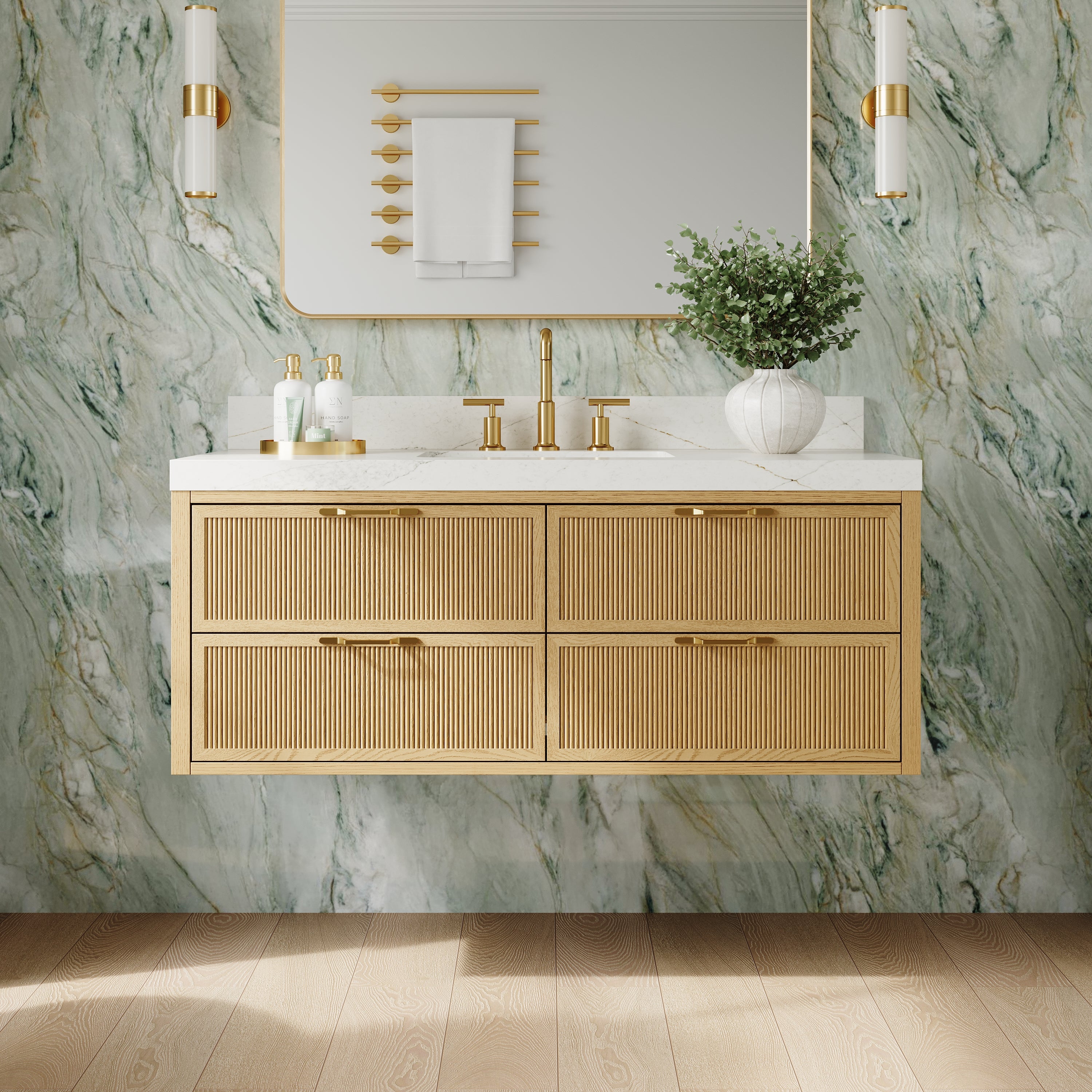
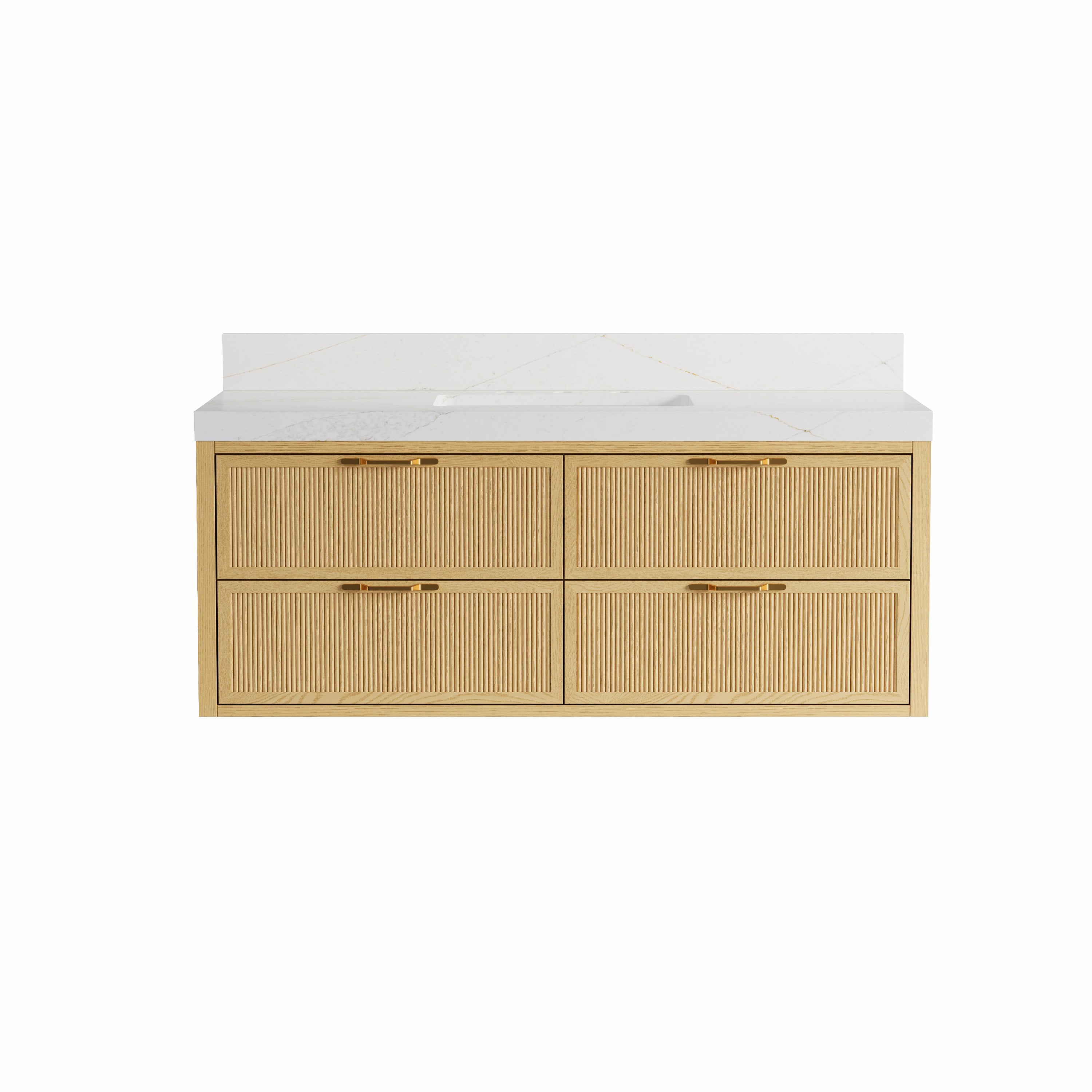
Hanging bathroom vanities can release bottom space through wall installation, making it easier for wheelchair users to approach the sink area. At the same time, the open bottom not only enhances convenience but also makes the bathroom visually more lightweight and modern.
In addition, the height of the countertop is also a key factor. An excessively high washbasin can make it harder to reach and operate, while lowering the height appropriately can help users complete their washing tasks more naturally. Many accessible bathroom designs also use shallow vanity depths, allowing users to reach the faucet and mirror area without leaning too far forward.
WELLFOR Promotes Modern Accessible Bathroom Design
As one of the brands in the bathroom market that focuses on modern, functional design, WELLFOR has launched multiple bathroom vanity products on its official website in recent years that emphasize ergonomics and space utilization, providing consumers with more flexible choices.
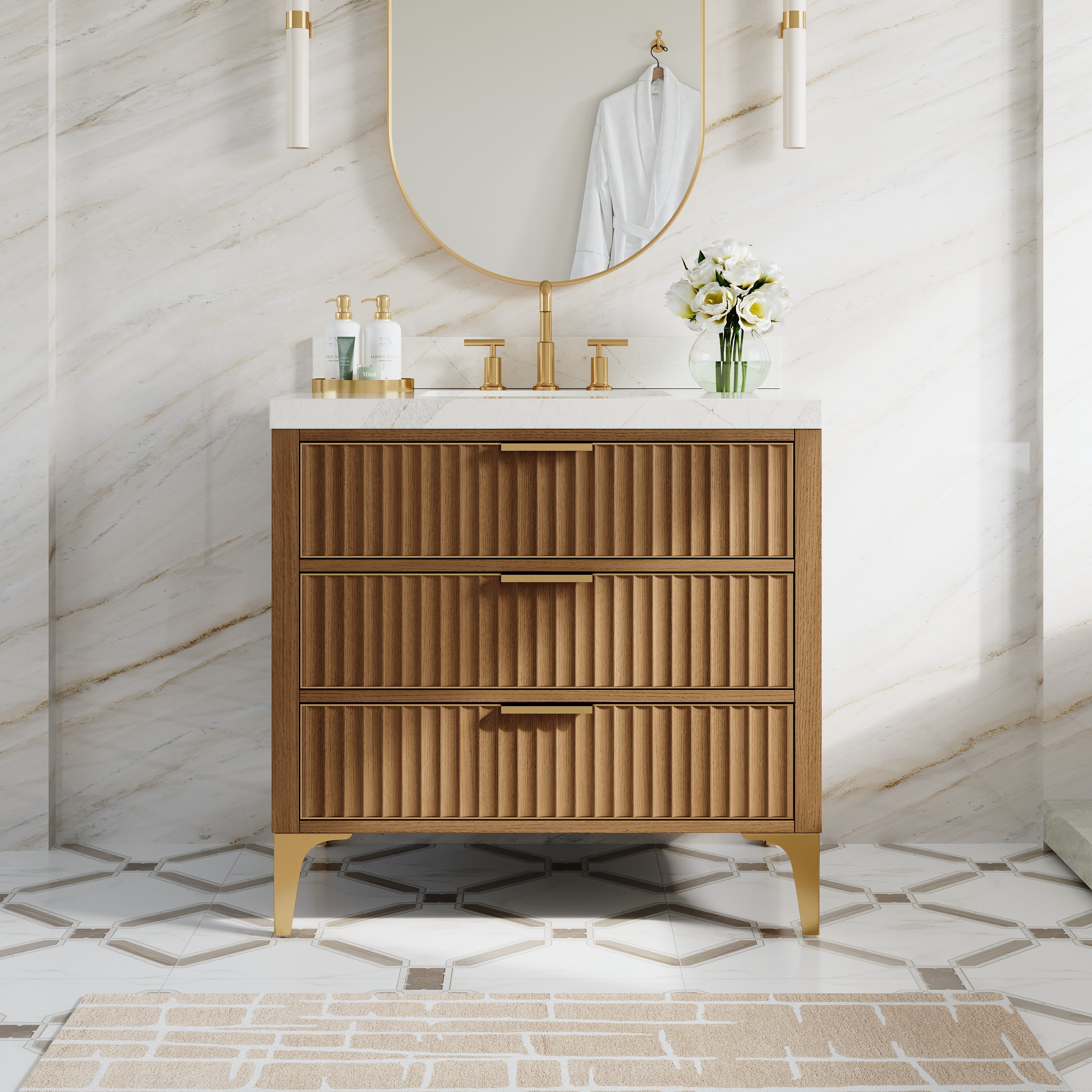
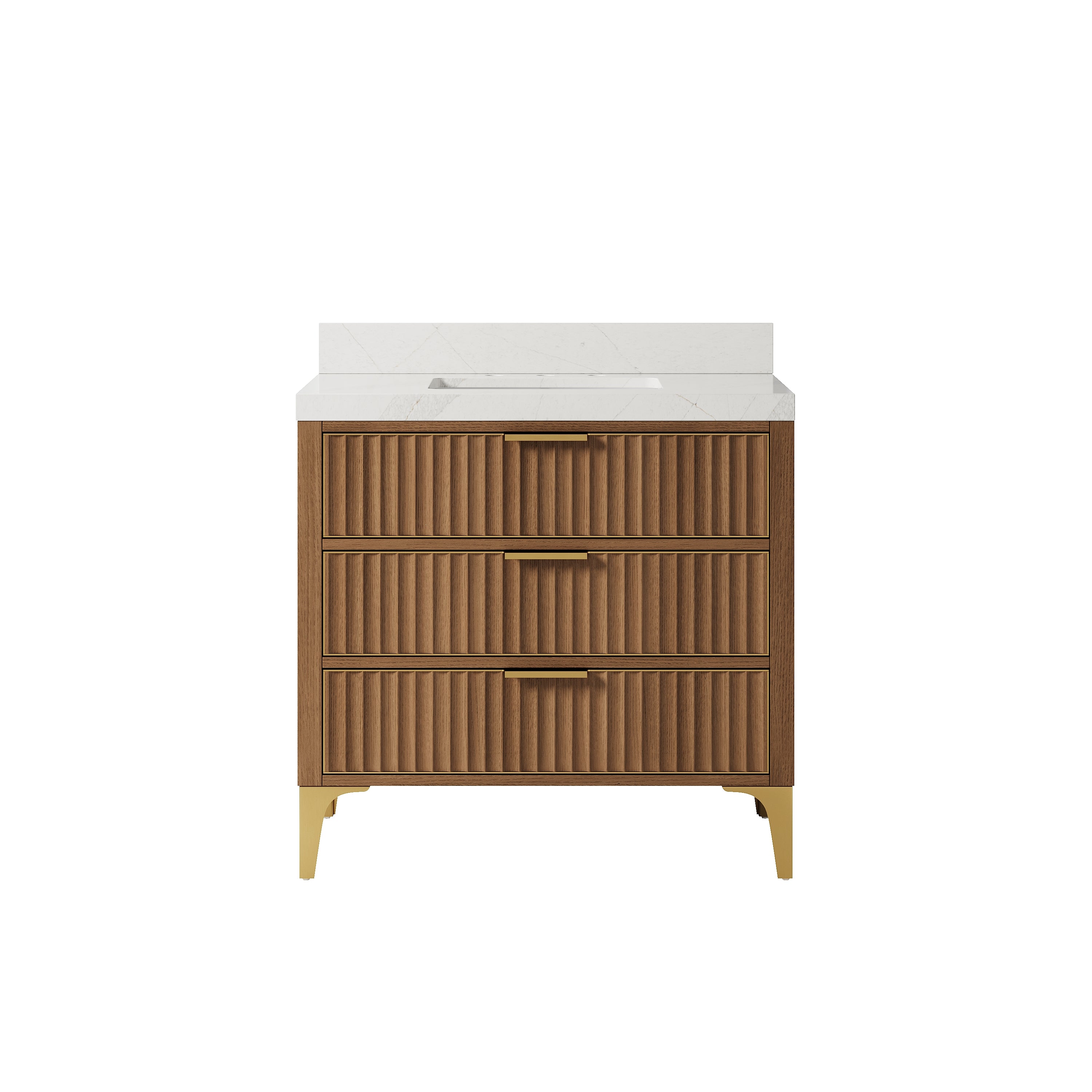
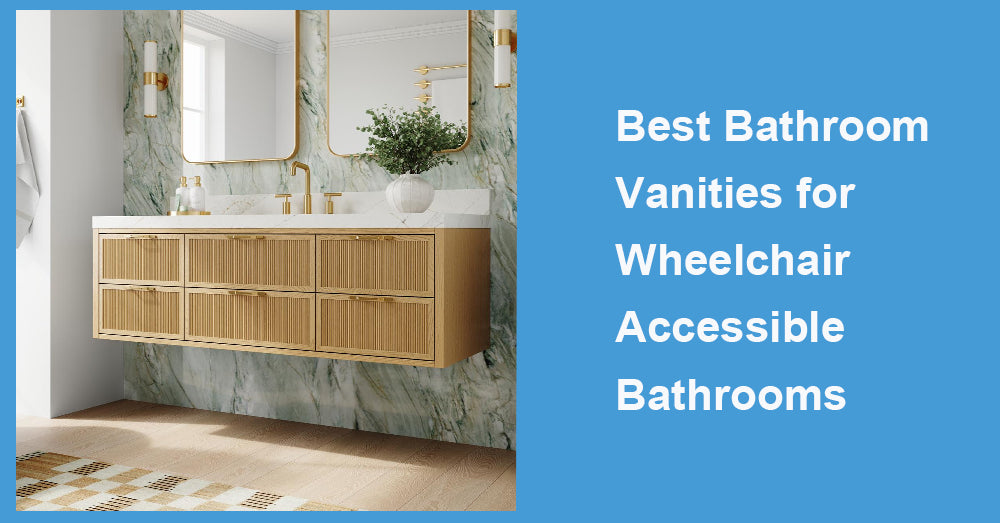
For example, WELLFOR's 36-inch wall-mounted bathroom vanity series adopts a suspended design, reducing bottom obstruction by mounting on the wall and making the bathroom space feel more open. This series combines modern and simple appearance, drawer storage, and moisture-proof materials, making it suitable for families who want to create a spacious and easy-to-clean bathroom environment.
For families of wheelchair users, the advantage of this type of wall-mounted bathroom vanity is that the installation height can be adjusted to suit actual needs. Consumers can customize according to wheelchair height, usage habits, and bathroom layout to enhance overall convenience.
Some WELLFOR bathroom vanity products also focus on durability in humid environments. For example, some vanities use environmentally friendly panels, have waterproof, scratch-resistant surface treatments, and are equipped with a soft-closing drawer system, which not only reduces daily noise but also facilitates easy operation for people with limited mobility.
From functionality to aesthetics: accessible bathrooms are no longer monotonous
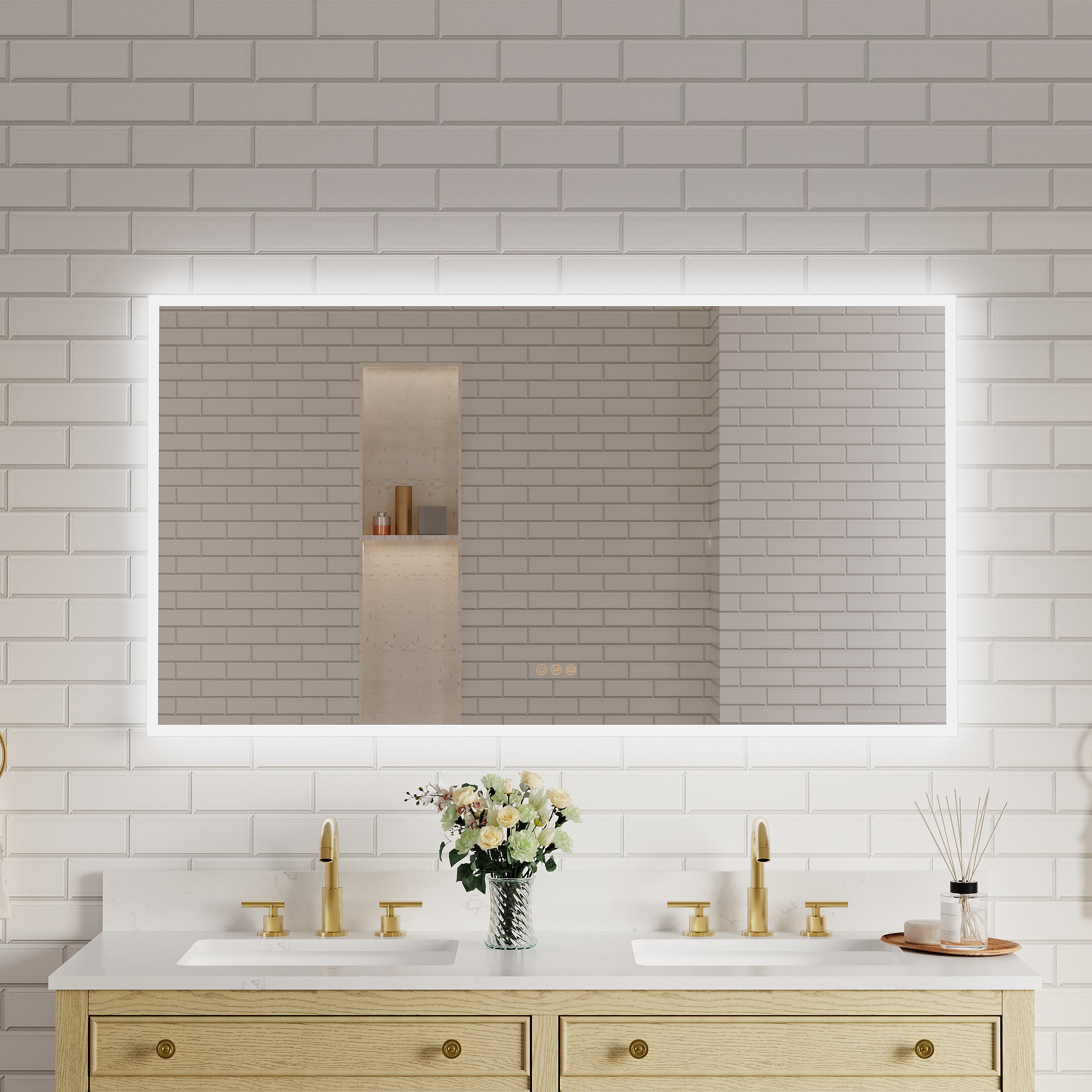
In the past, some accessible bathroom products were often considered to lean towards medical design, but now consumers hope that bathrooms are both safe and aesthetically pleasing. Modern accessible bathroom vanities are integrating more home styles, including wood grain, minimalist white, modern gray, and high-end stone countertops.
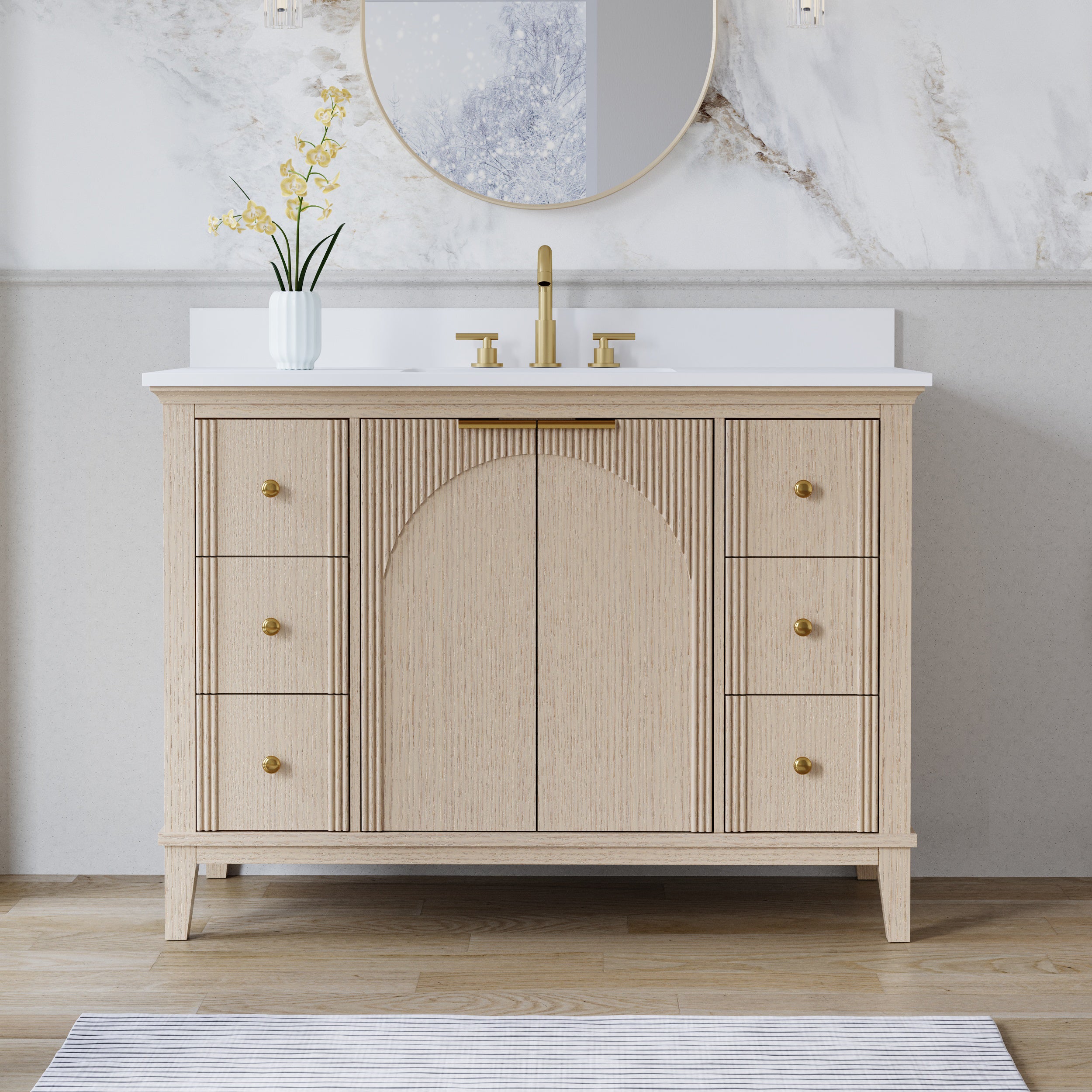
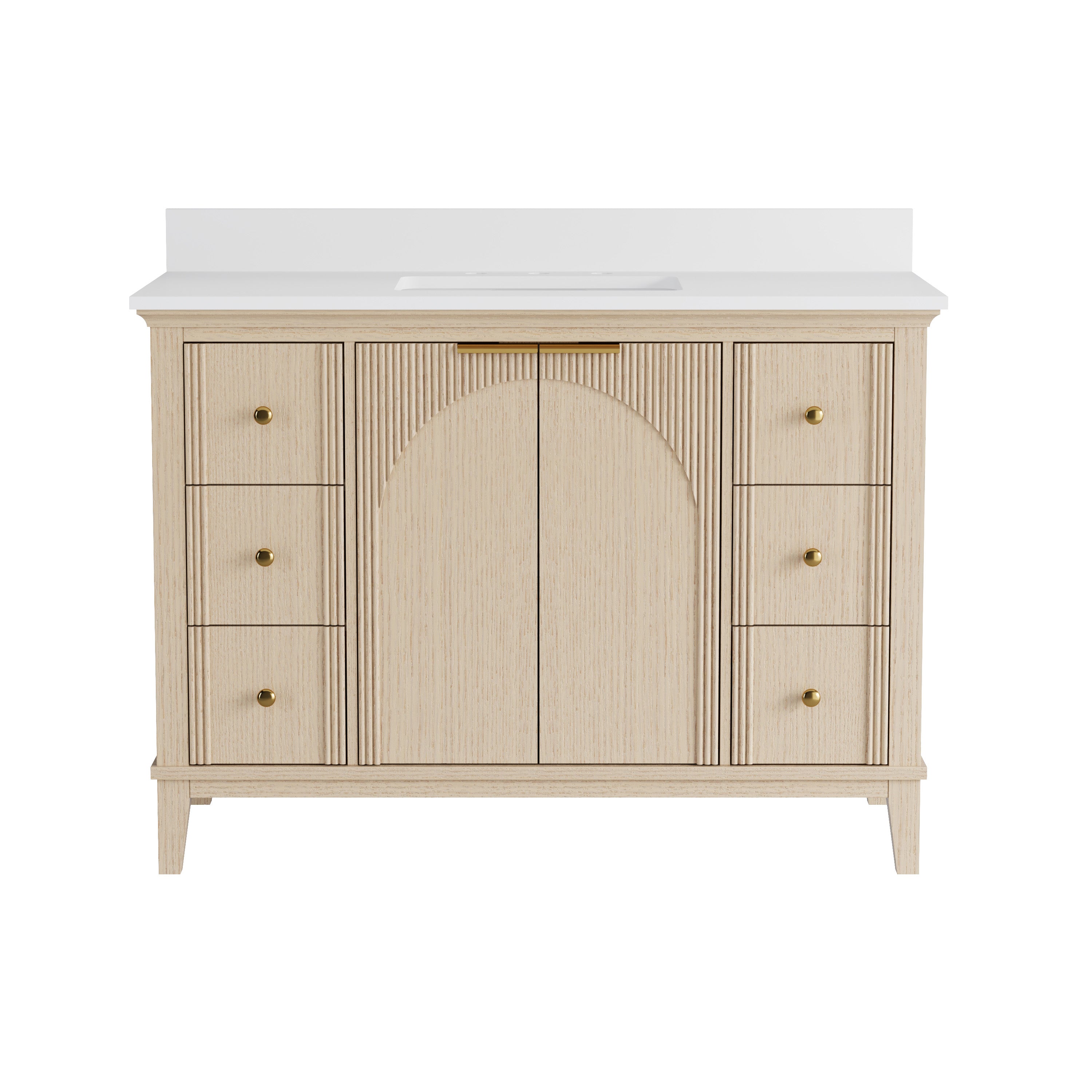
WELLFOR offers a variety of bathroom vanity series, with different sizes, colors, and countertop materials to choose from, allowing consumers to create personalized plans based on the space's size. Its bathroom vanity product line covers a variety of sizes and styles, with corresponding designs ranging from compact bathrooms to large master bathrooms.

For example, small bathrooms can use simple wall-mounted vanities to reduce visual clutter; for larger family bathrooms, a wider vanity size can be chosen to increase storage capacity while preserving wheelchair accessibility.
What details should you pay attention to when choosing a wheelchair-friendly bathroom vanity?
Industry experts suggest that when consumers purchase accessible bathroom vanities, they should focus on checking the following aspects:
Firstly, look at the bottom space. Whether there is enough space under the vanity for wheelchairs to approach is an important criterion for determining suitability.
Secondly, look at the countertop layout. The position of the sink, distance from the faucet, and height of the mirror all need to conform to actual usage habits.
Thirdly, check the storage method. Drawers are usually easier to operate than deep vanity doors, especially suitable for people who require one-handed or limited mobility.
Fourth, look at the installation method. Wall-mounted products are usually easier to adjust in height than traditional floor vanities.
Future trend of the bathroom industry: integration of aging and accessibility
With the ongoing development of the "Aging in Place" concept, accessible bathrooms are no longer just a requirement for special groups but have become part of long-term residential planning for more and more families. Many consumers are starting to install more flexible bathroom facilities in advance, hoping to adapt to different stages of life without the need for large-scale renovations in the future.
As core pieces of furniture used every day, bathroom vanities are also evolving from simple storage to essential amenities that improve the quality of life.
In the future, more brands are expected to integrate ergonomics, intelligent features, and modular design into the development of bathroom vanities. For wheelchair users, an ideal bathroom vanity should not only meet size requirements but also create a comfortable, autonomous, and dignified user experience.
In this trend, brands like WELLFOR that emphasize the combination of modern design and practical functionality are helping families redefine bathroom space: accessibility does not mean sacrificing aesthetics, but rather allowing everyone to enjoy a more friendly home environment.













Leave a comment
This site is protected by hCaptcha and the hCaptcha Privacy Policy and Terms of Service apply.