
















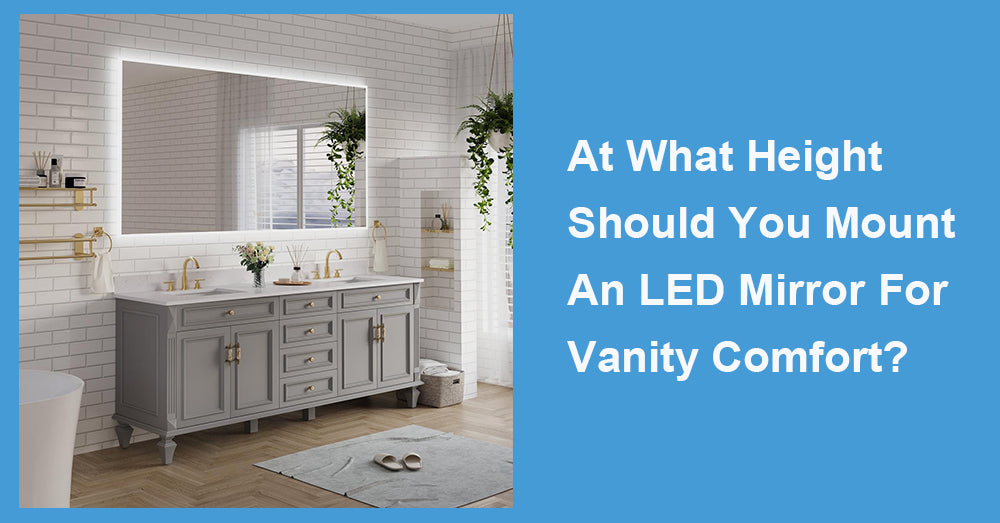
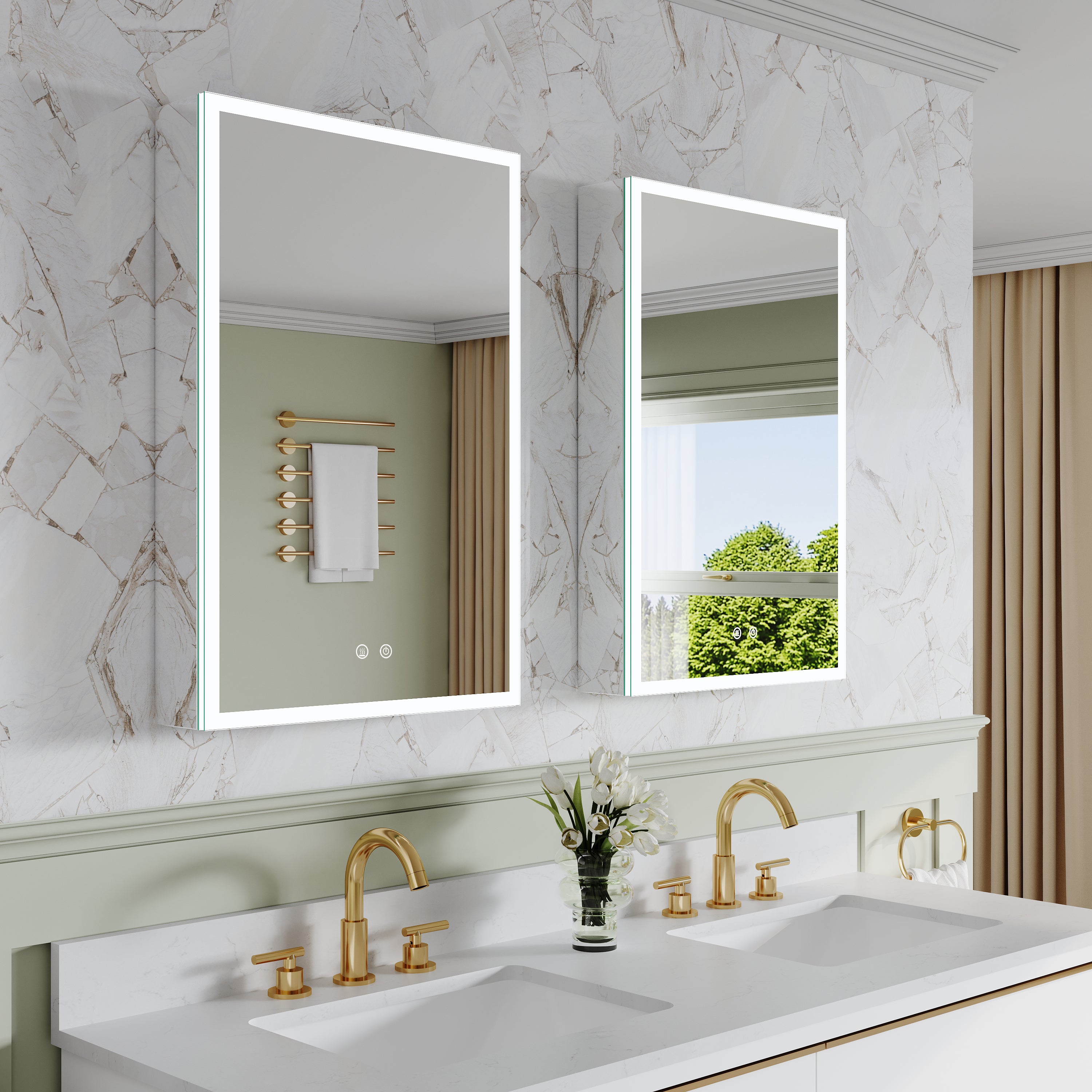
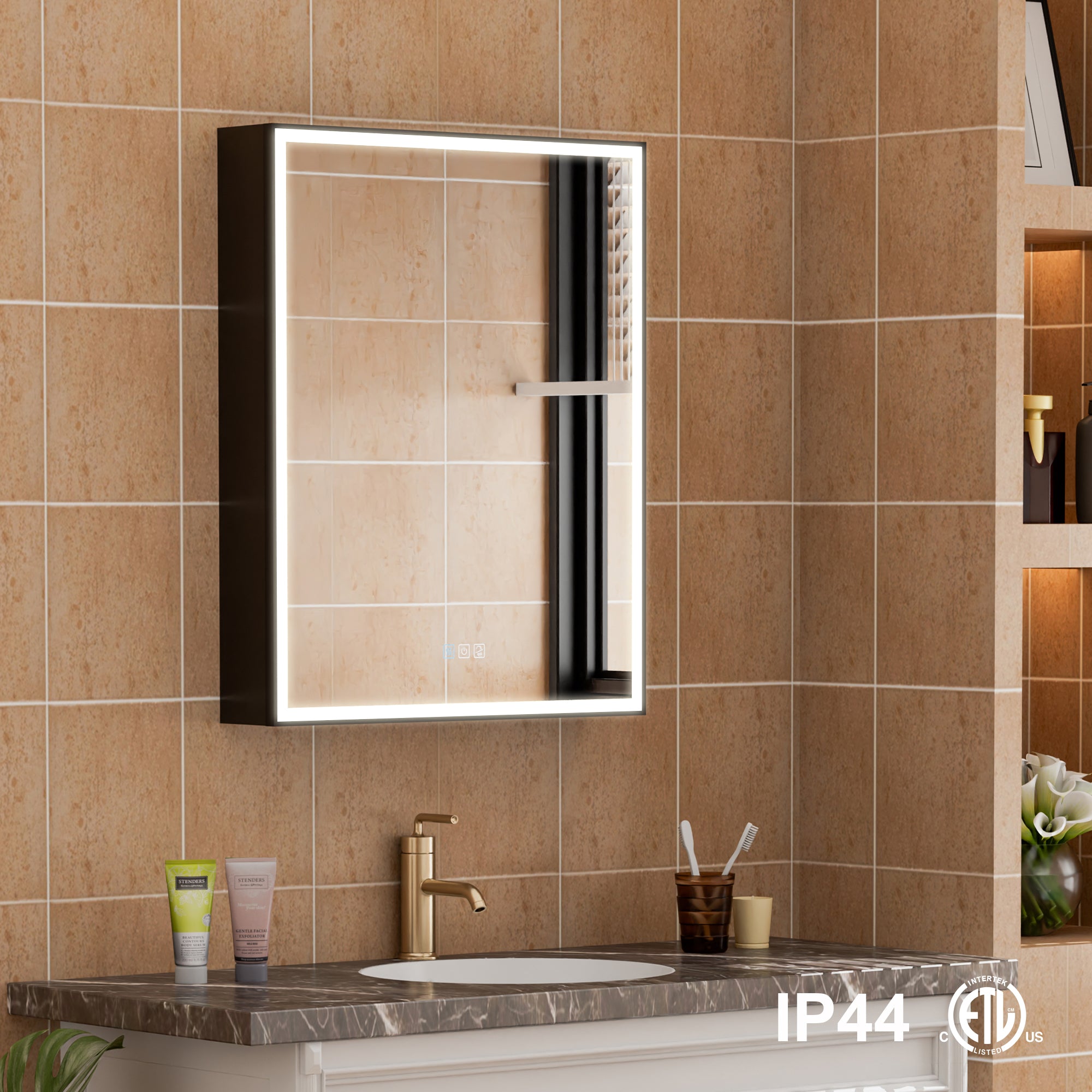
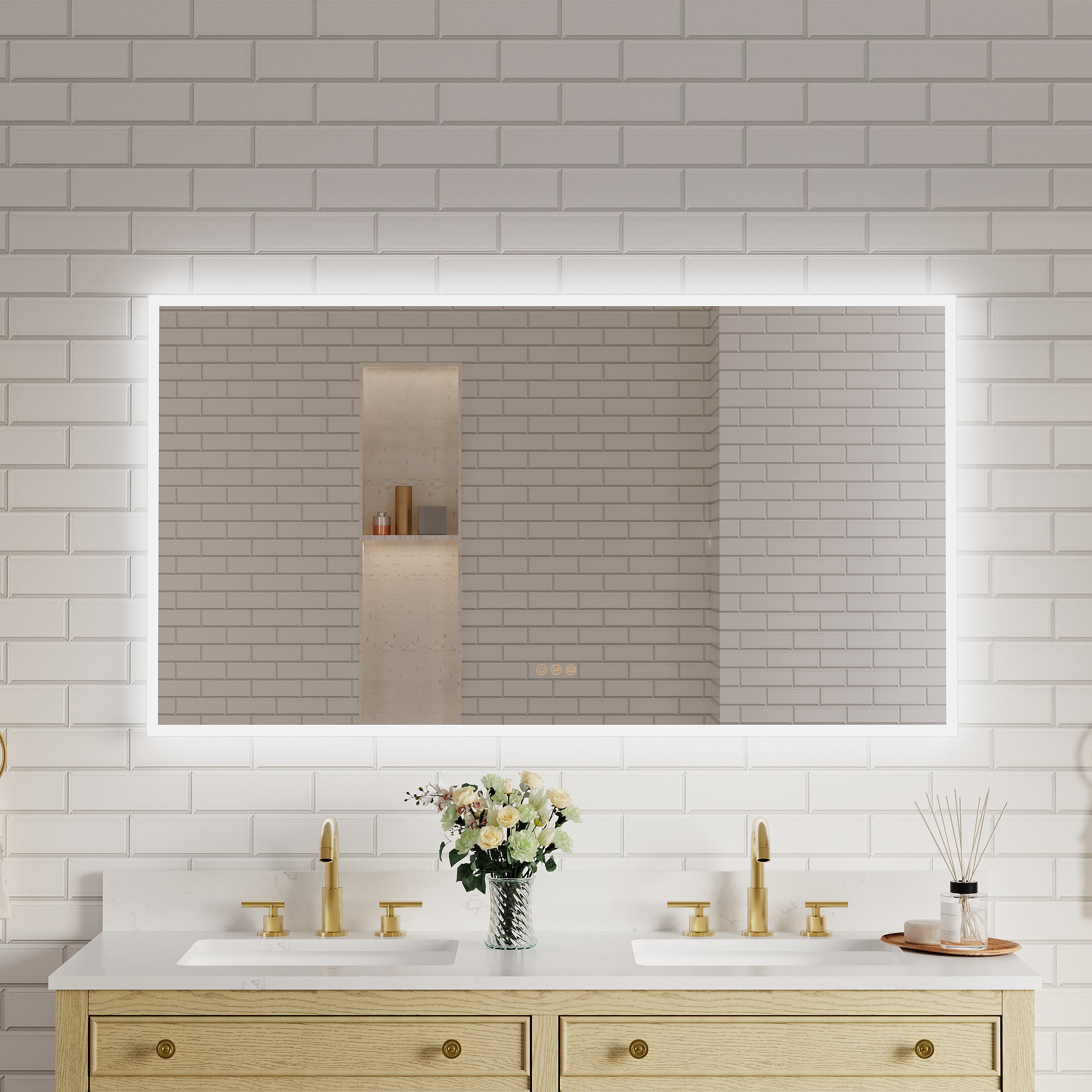
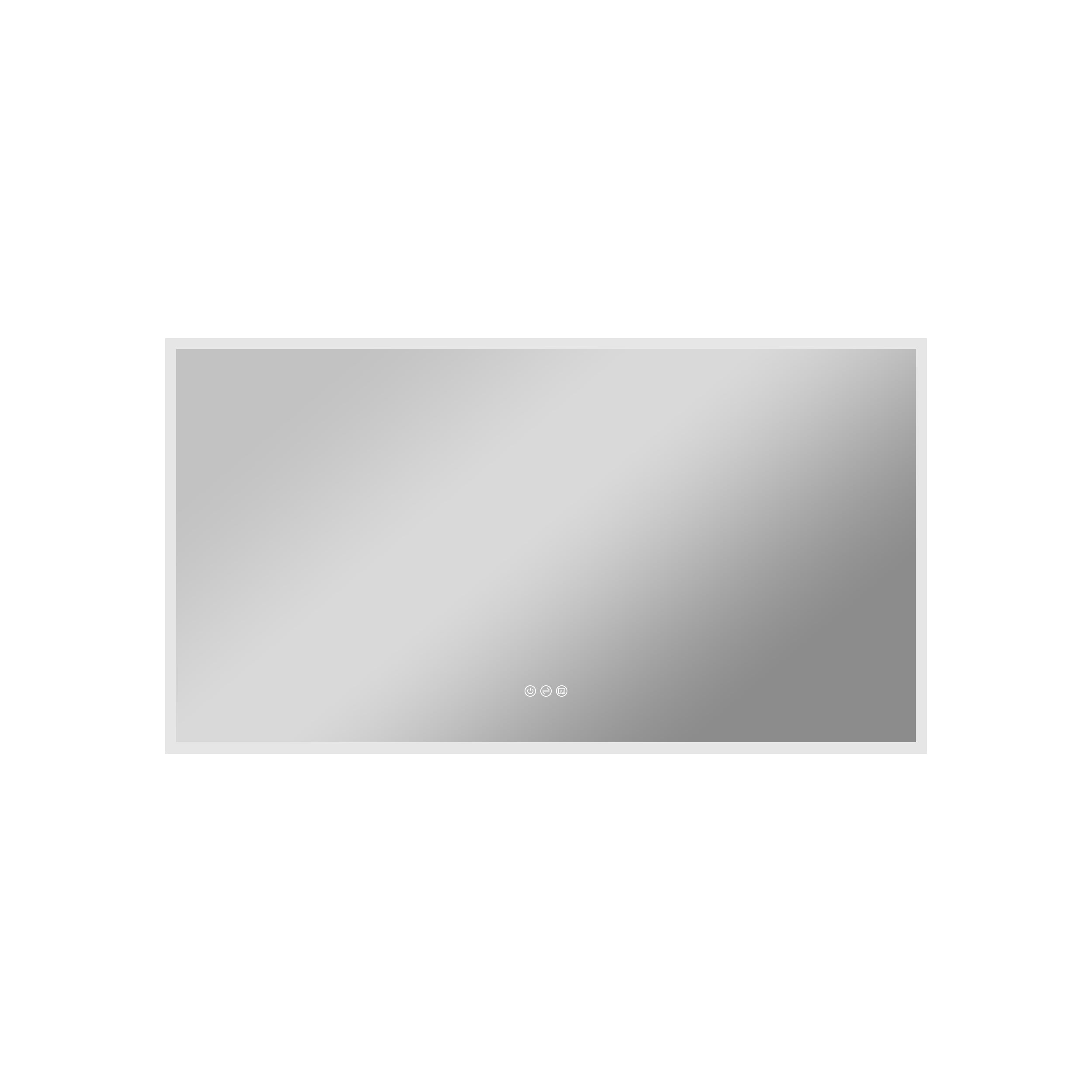
An LED mirror for vanity use does more than reflect a face. It’s also a task-lighting tool for shaving, skincare, makeup, and contact lenses, so mounting height directly affects comfort, posture, and how shadows fall across the eyes and jawline. The “right” height is rarely a single number, because it depends on mirror size, vanity height, who uses the bathroom most, and whether you need accessibility-friendly placement.
Start With What Planning Standards Actually Say
One of the clearest planning references comes from NKBA bath planning guidance: plan a full-height mirror to reflect eye level, regardless of the user’s height or stature. That sounds simple, but it implies a practical rule: don’t treat mirror height as a decoration decision. Treat it as an ergonomic decision based on where people’s eyes land when standing at the sink.
The same NKBA document also points to an accessibility reference used in many projects: mirrors above lavatories should have the bottom edge of the reflecting surface no more than 40 inches above the floor (ICC A117.1 reference noted in the guideline). This isn’t saying every residential mirror must be mounted that low. It’s telling you that “usable viewing” matters, and that the lower portion of the mirror is critical for shorter users and seated users.
Use Real Height Data To Avoid Guessing
If you want a data-driven approach, use measured adult height benchmarks. CDC anthropometric data reports the average height for adults (20+): men, 68.9 inches; women, 63.5 inches.
Why does this matter? Because most people’s eye level is several inches below total height. If you mount an LED mirror too high, average-height users end up lifting their chins, leaning back, or stepping away from the vanity to see their full faces. Over months, that becomes a daily annoyance—especially in small bathrooms where you can’t naturally step back.
A practical takeaway is to design the mirror so that:
· The center “use zone” aligns near the typical eye level for the main users.
· The mirror provides enough vertical coverage so that both shorter and taller users can see from forehead to chin without changing posture.
That’s exactly why “full-height mirror” guidance shows up so often in planning standards.
The Most Reliable Mounting Method For Comfort
Instead of choosing a fixed “magic height,” mount by aligning the mirror’s vertical placement to the vanity and to faces, not to the ceiling line.
Here’s a proven way to do it in real projects:
· Identify the vanity counter height (many vanities land around the mid-30-inch range, but measure yours).
· Decide how much backsplash or ledge space you need.
· Position the mirror so the bottom of the reflective area is low enough that a shorter user can still see their face comfortably when standing close to the sink.
· Confirm the top of the reflective area reaches high enough for tall users without requiring them to step back.
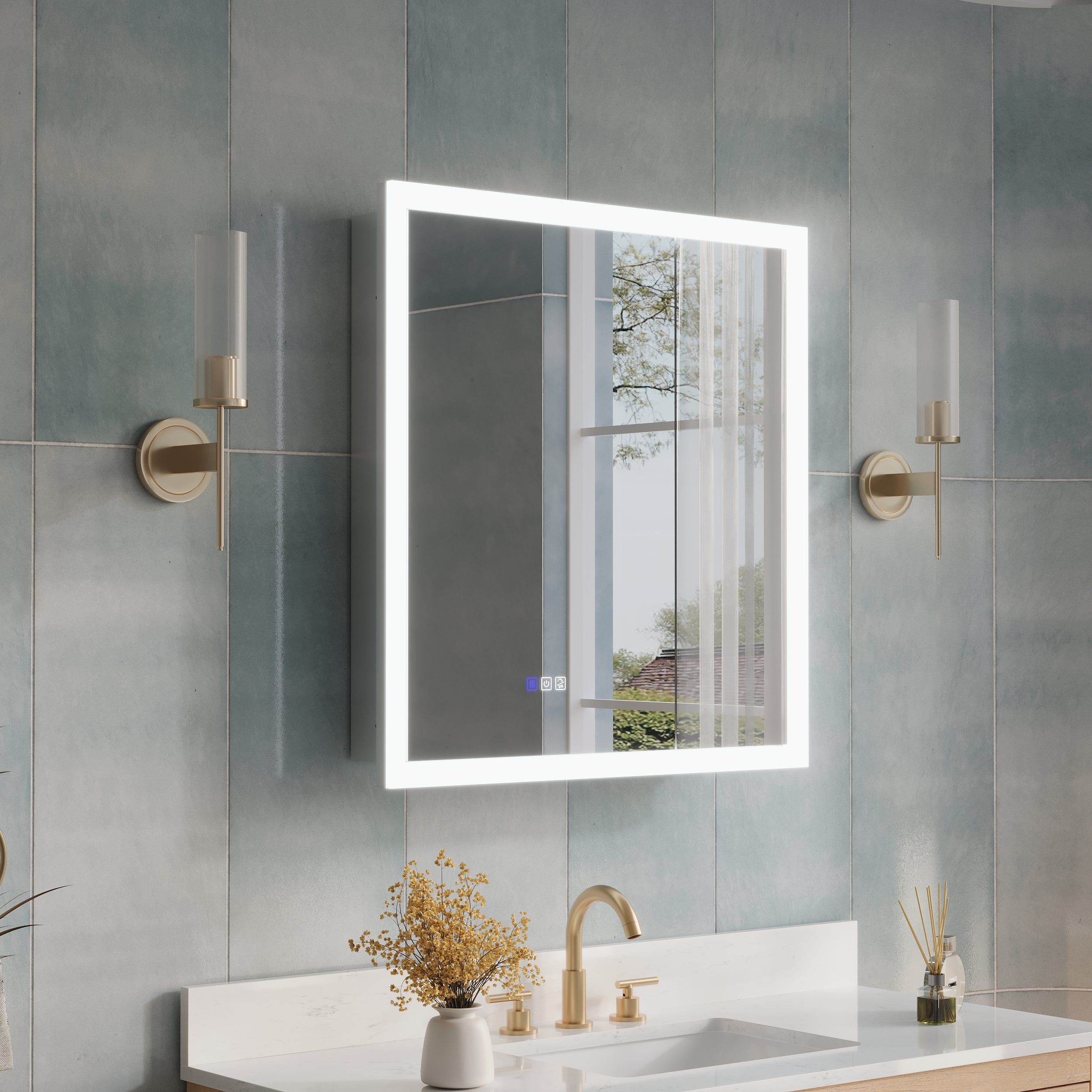
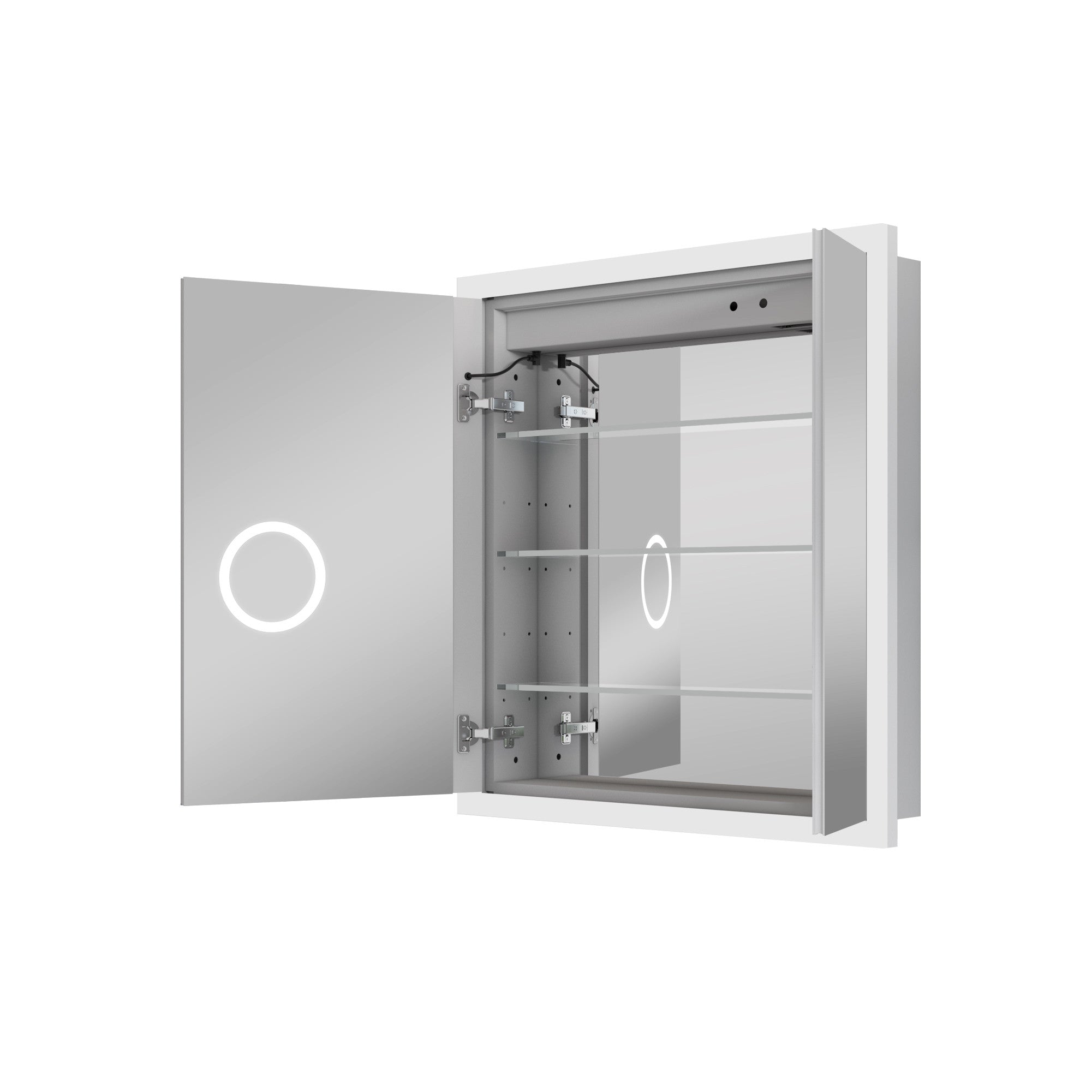
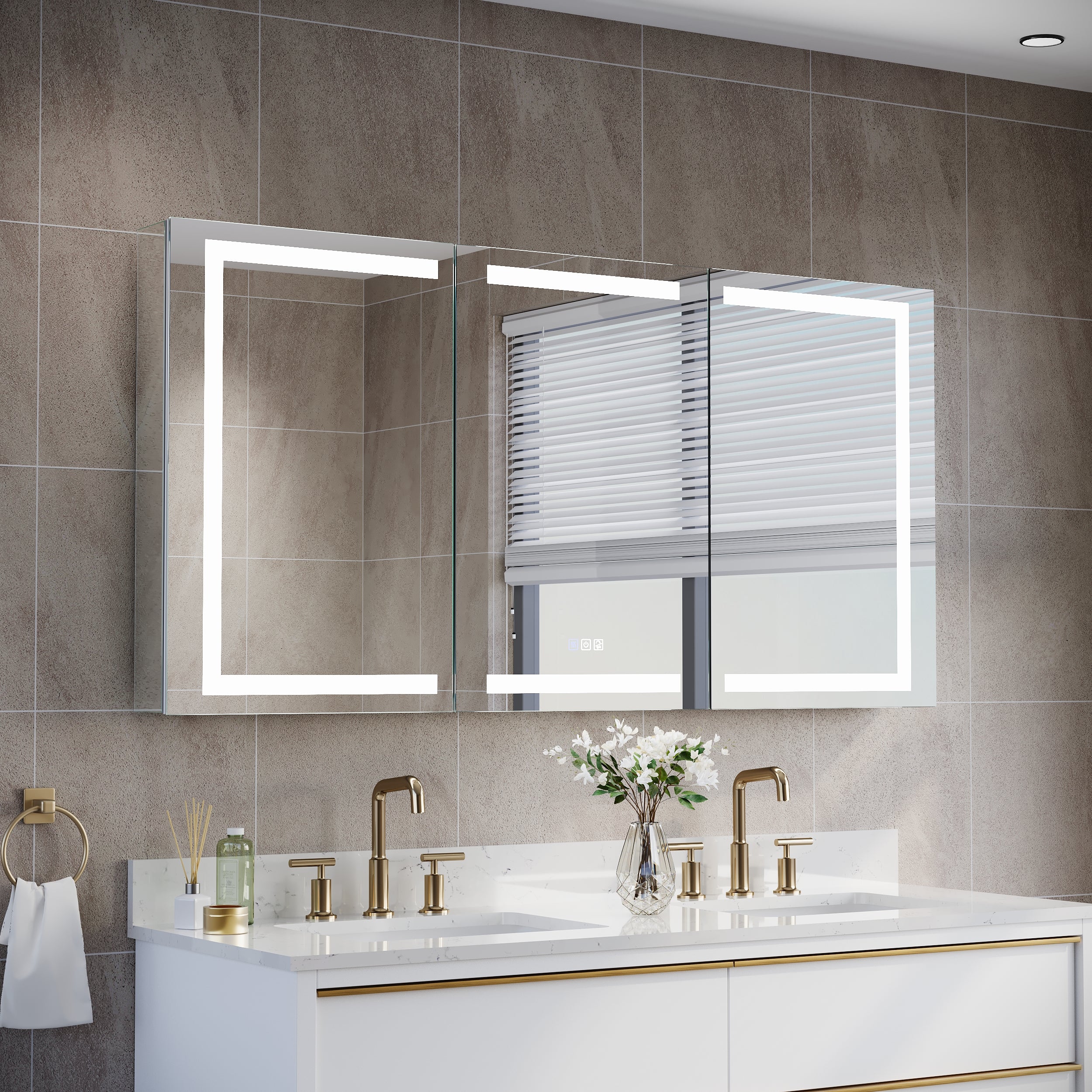
If your LED mirror includes a front-lit light band, don’t forget that the “usable” reflective area can be slightly smaller than the frame size. Treat the reflective surface as the true measurement.
Accessibility: A Simple Number That Prevents Regret Later
Even if you are not designing specifically for accessible use, it’s smart to respect the logic behind accessibility rules. ADA-related guidance explains that for mirrors above accessible lavatories, the bottom edge of the reflecting surface should be no more than 40 inches above the floor, and notes that this is based on seated eye-level ranges.
In practice, this does two things for everyday comfort:
· It prevents the “mirror is too high” complaint that shows up after installation.
· It makes the vanity area more usable for kids, shorter adults, and anyone who occasionally uses a stool or sits while grooming.
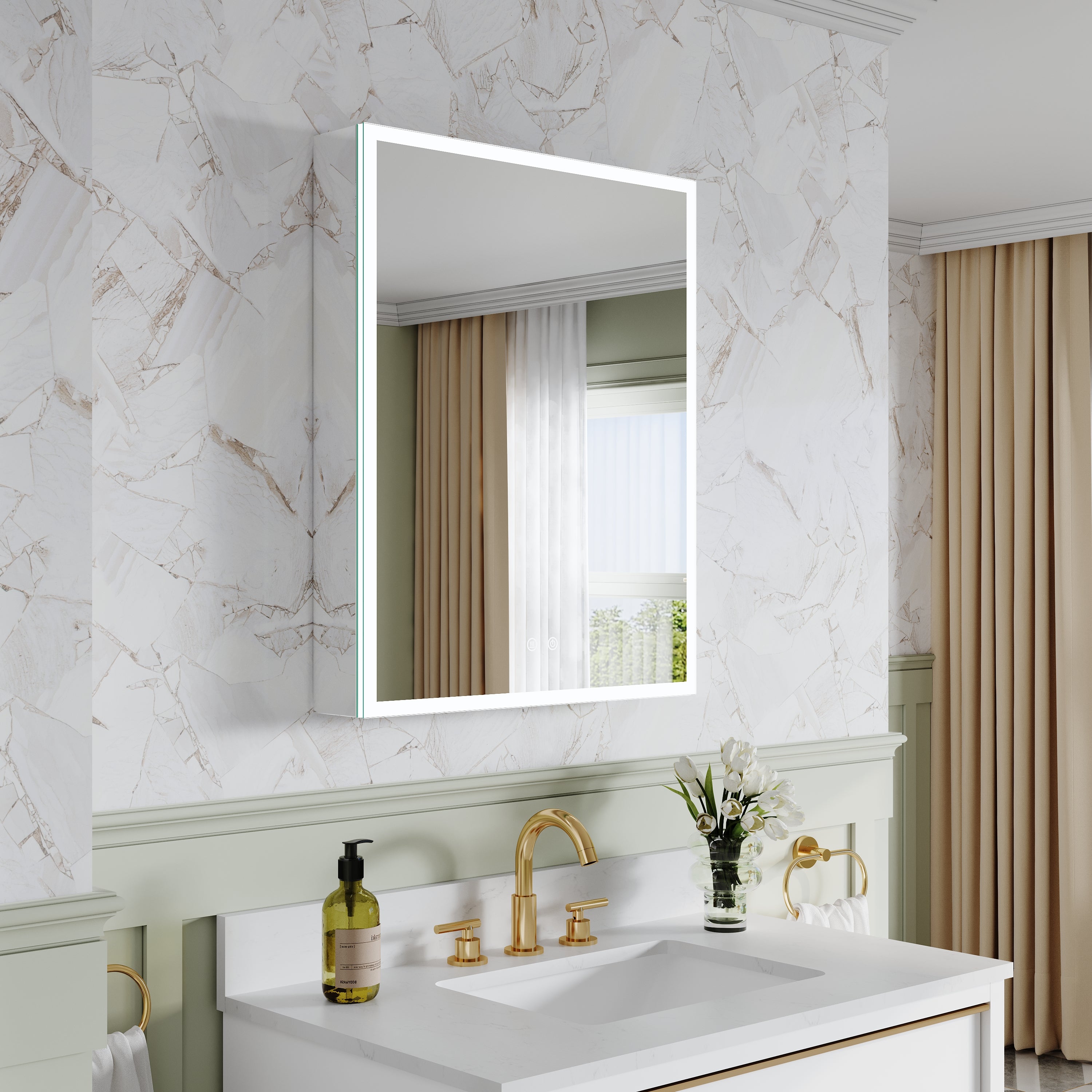
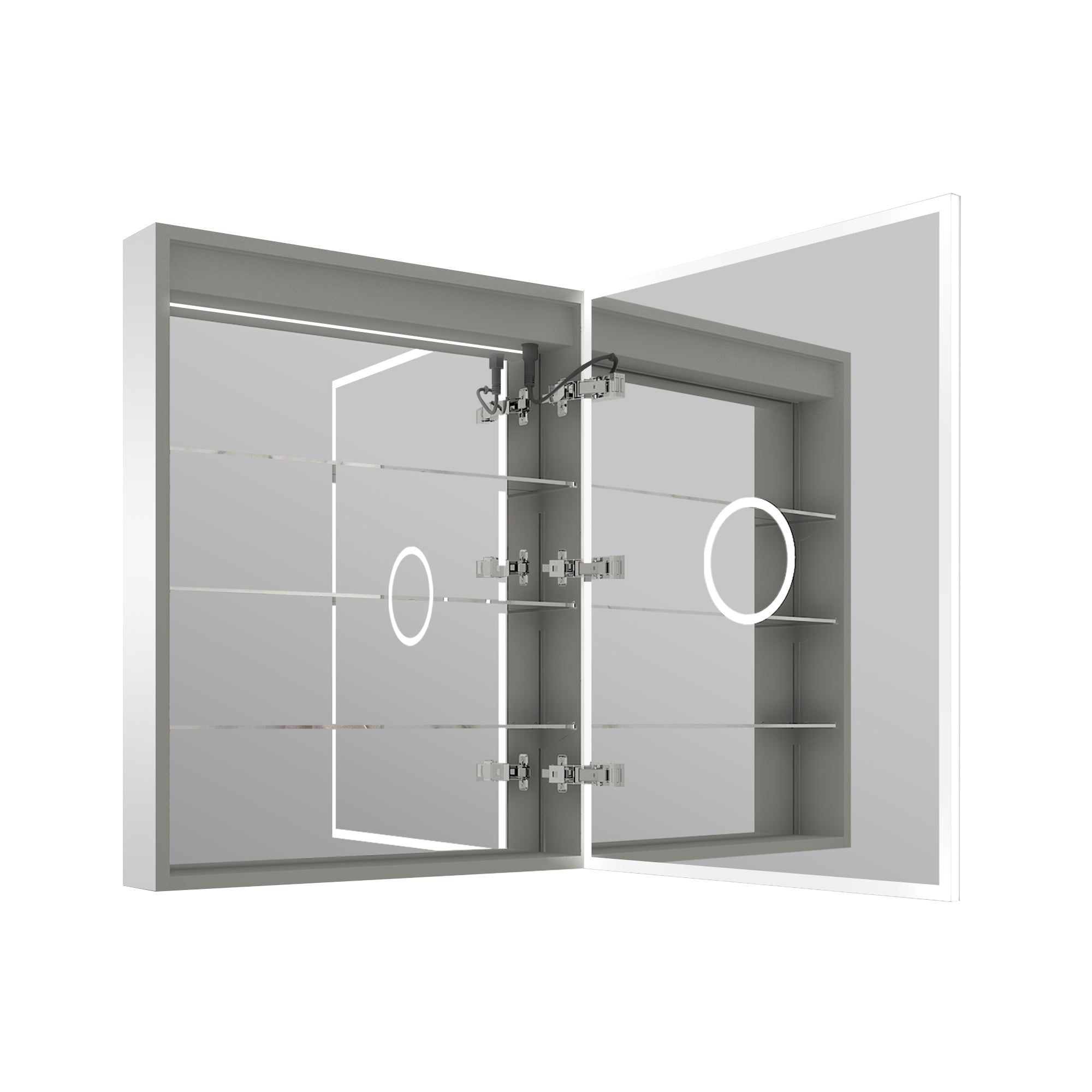
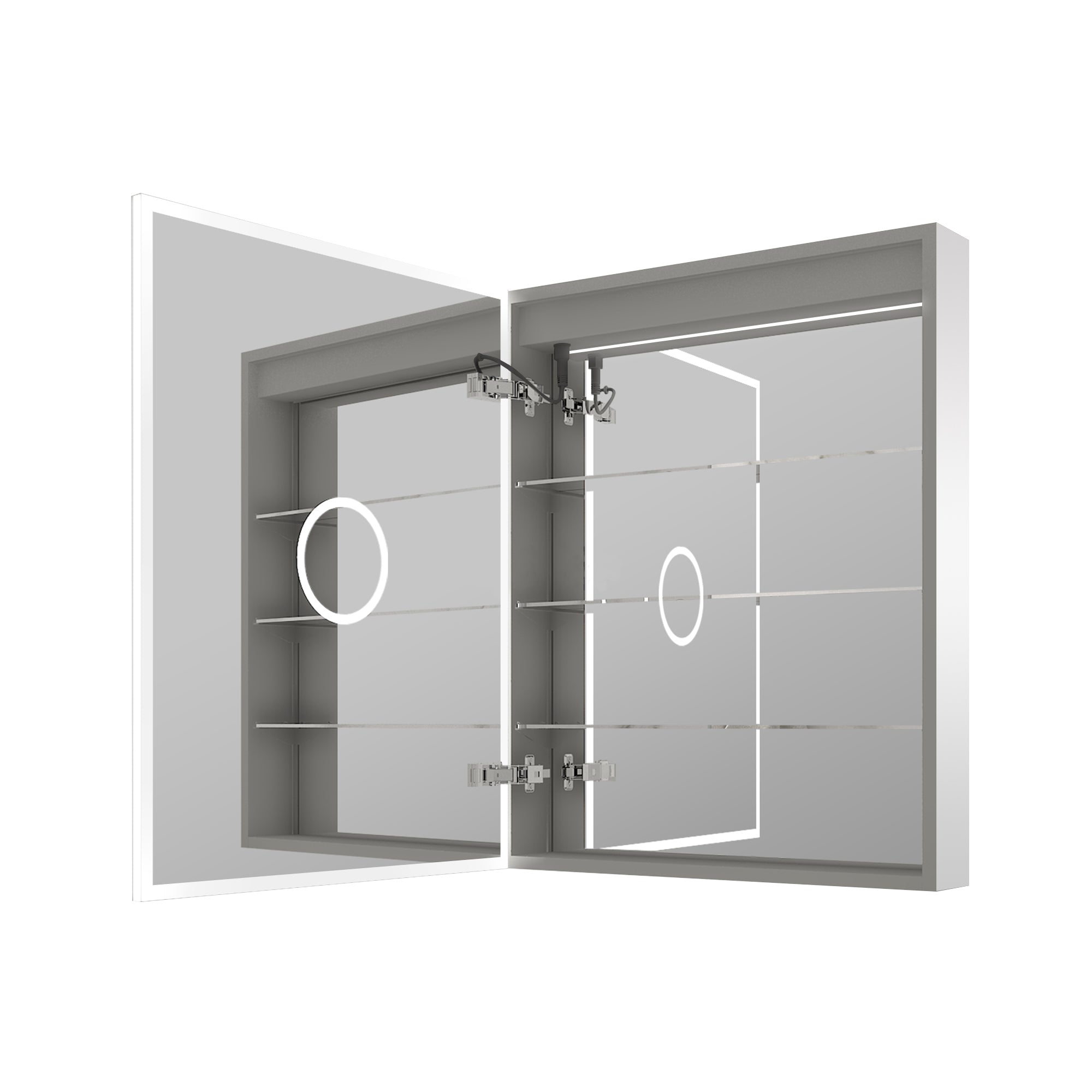
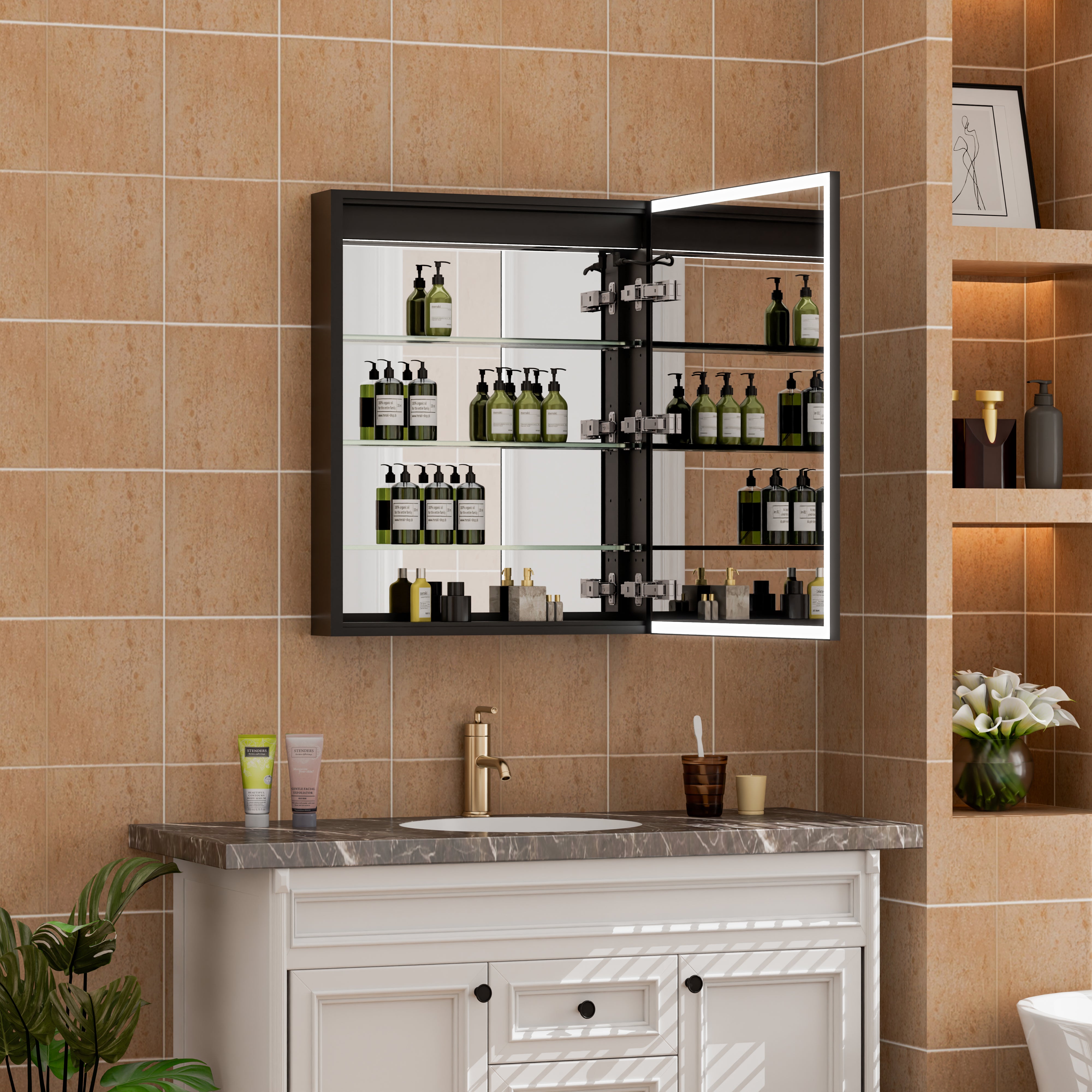
If you’re mounting a tall LED mirror or a medicine cabinet with integrated lighting, keeping the reflective portion starting relatively low is usually a win, provided the faucet and backsplash geometry still looks balanced.

LED Mirrors Add A Lighting Variable Most People Forget
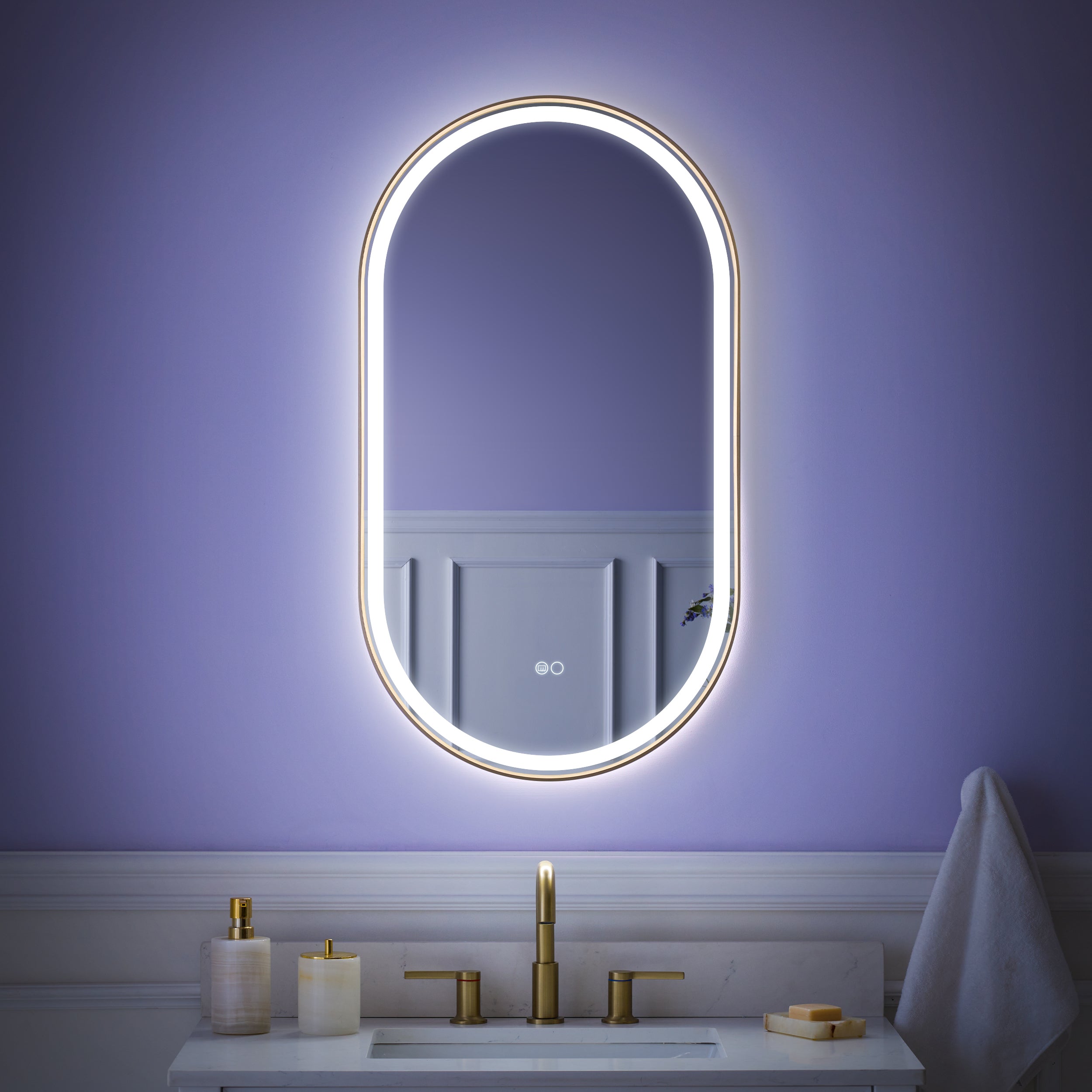
With a standard mirror, you can “fix” bad placement with better sconces or overhead lighting. With an LED mirror, placement affects both the reflection and the direction of light.
The Illuminating Engineering Society (IES) is often cited for recommended light levels by application, and footcandles are commonly used to describe adequate task lighting. The key point is not a single footcandle number—it’s that grooming tasks need even, shadow-controlled vertical illumination on the face.
That’s why mounting height matters for LED mirrors:
· Too high: light hits the forehead first, leaving shadows under the eyes and the chin.
· Too low: light can feel harsh from below, creating unflattering angles.
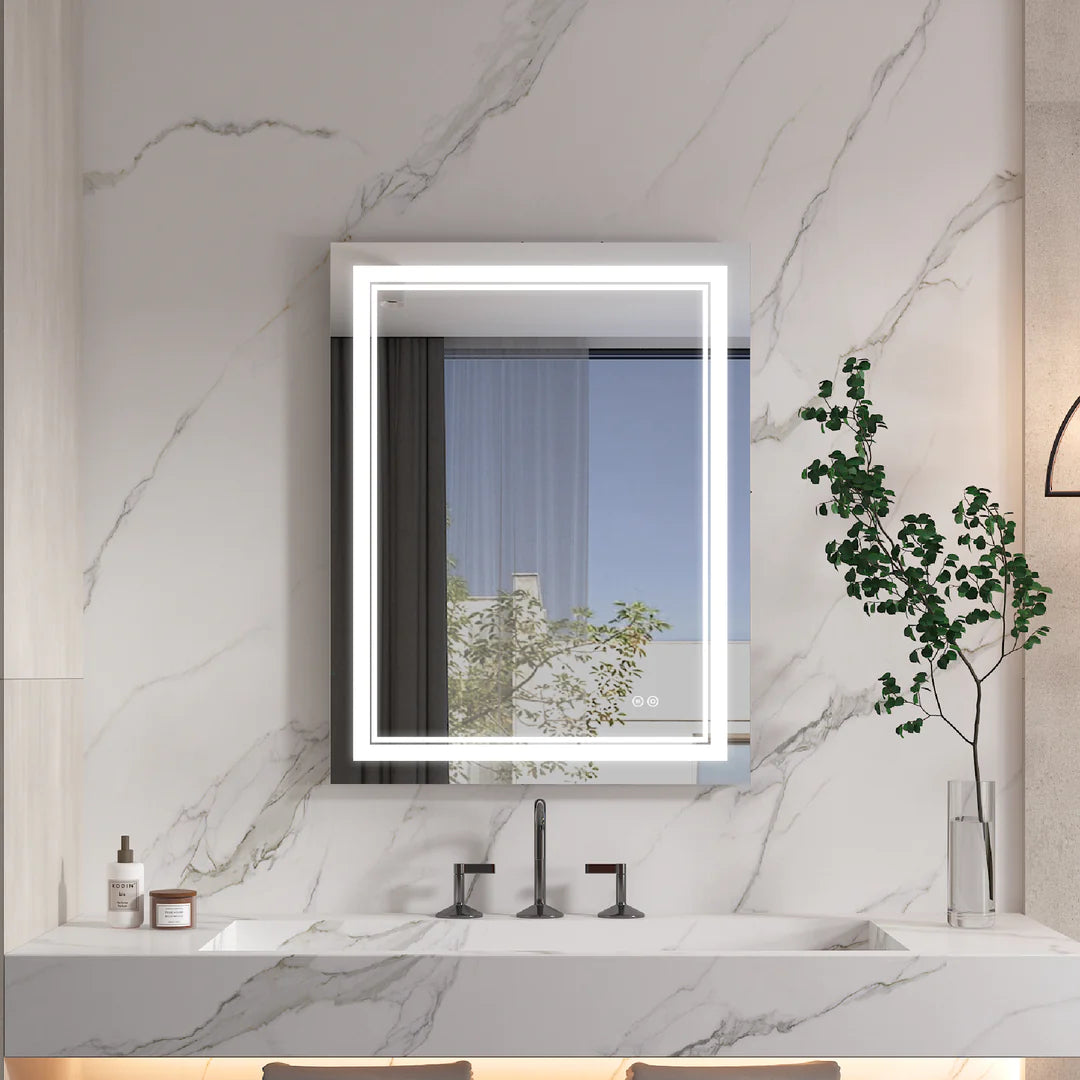
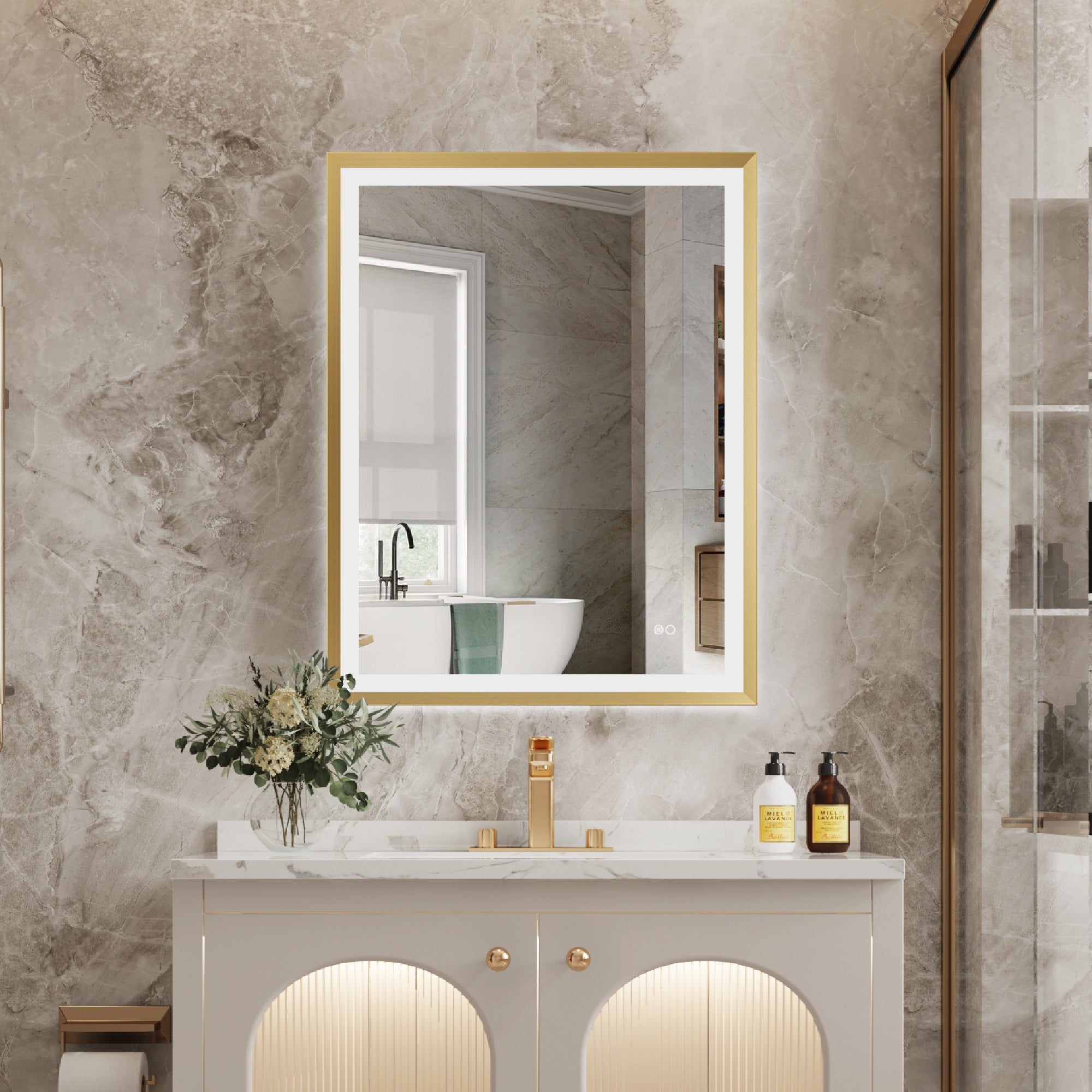
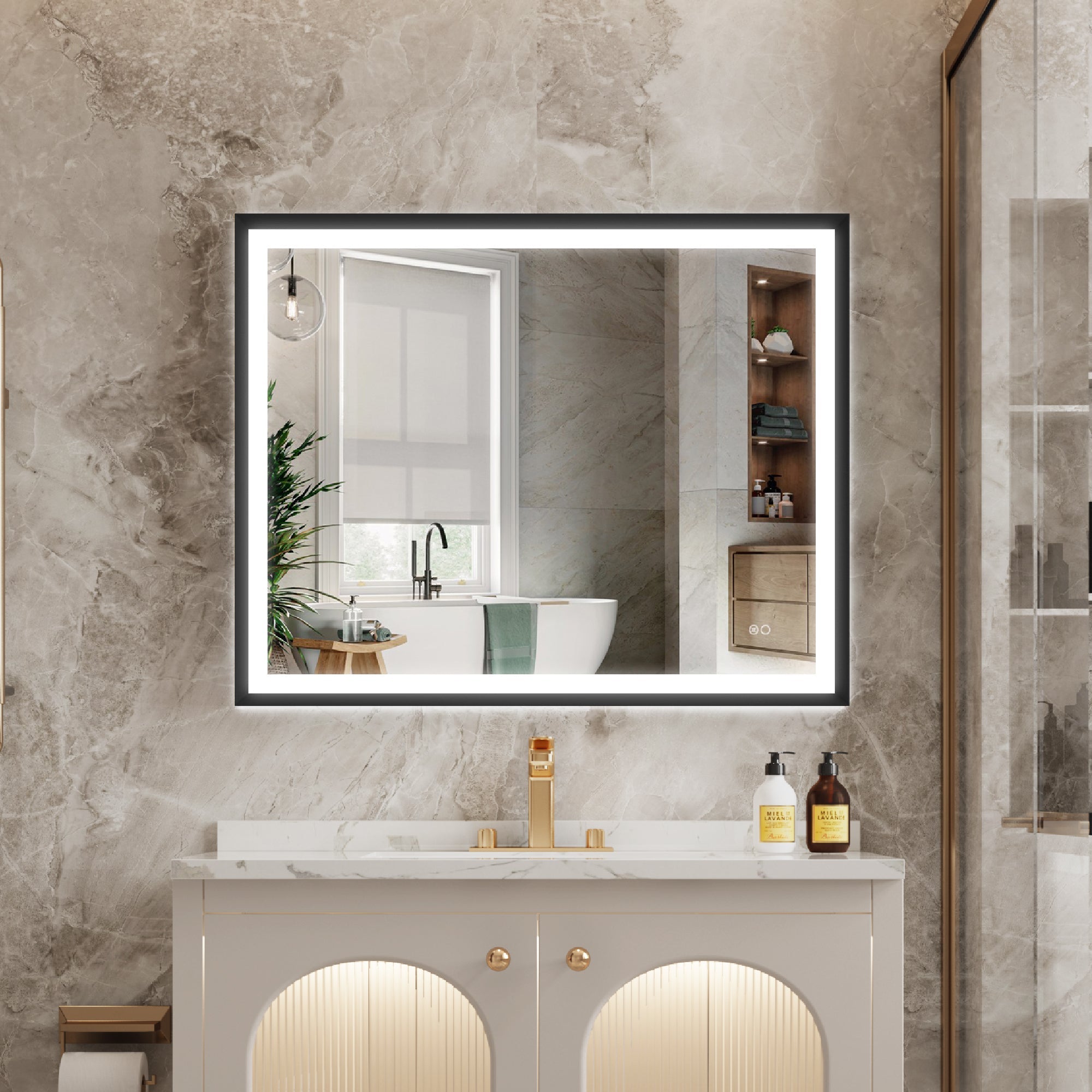
· Centered on the face zone: the light band sits where it reduces shadows across cheeks and jaw, improving visibility for detail work.
If you’ve ever seen “good lighting but weird shadows,” mirror placement is often part of the problem.
Common Scenarios And What They Suggest
A few real-world setups change the ideal height:
Single-user primary bath
Mount to that user’s eye-level comfort first. If the user is significantly taller or shorter than average, it’s worth prioritizing them—this is daily use.
Shared bath with large height differences
Go taller vertically (a larger mirror height) rather than “splitting the difference” on mounting position. A taller reflective area gives everyone a comfortable view band without forcing an awkward posture.
Kids’ bath or guest bath
Favor a lower starting point for the reflective area (again, the accessibility logic helps), because you’re optimizing for a wider range of users.
Vessel sink or extra-tall faucet
These raise sightlines and splash zones. You may need a slightly higher bottom edge to avoid watermarks, but compensate by choosing a taller mirror so shorter users don’t lose viewing area.
The Bottom Line Height Rule That Actually Works
If you want one “industry” rule that rarely fails, it’s this:
Mount the LED mirror so the reflective area covers eye level for the main users, and ensure the bottom of the reflective surface is not unnecessarily high, using accessibility references (like the 40-inch maximum for mirrors above lavatories) as a practical safeguard against usability mistakes.
That approach avoids the most common post-install issues: neck craning, stepping back to see your face, and lighting that casts shadows, making grooming harder than it should be.










Leave a comment
This site is protected by hCaptcha and the hCaptcha Privacy Policy and Terms of Service apply.