















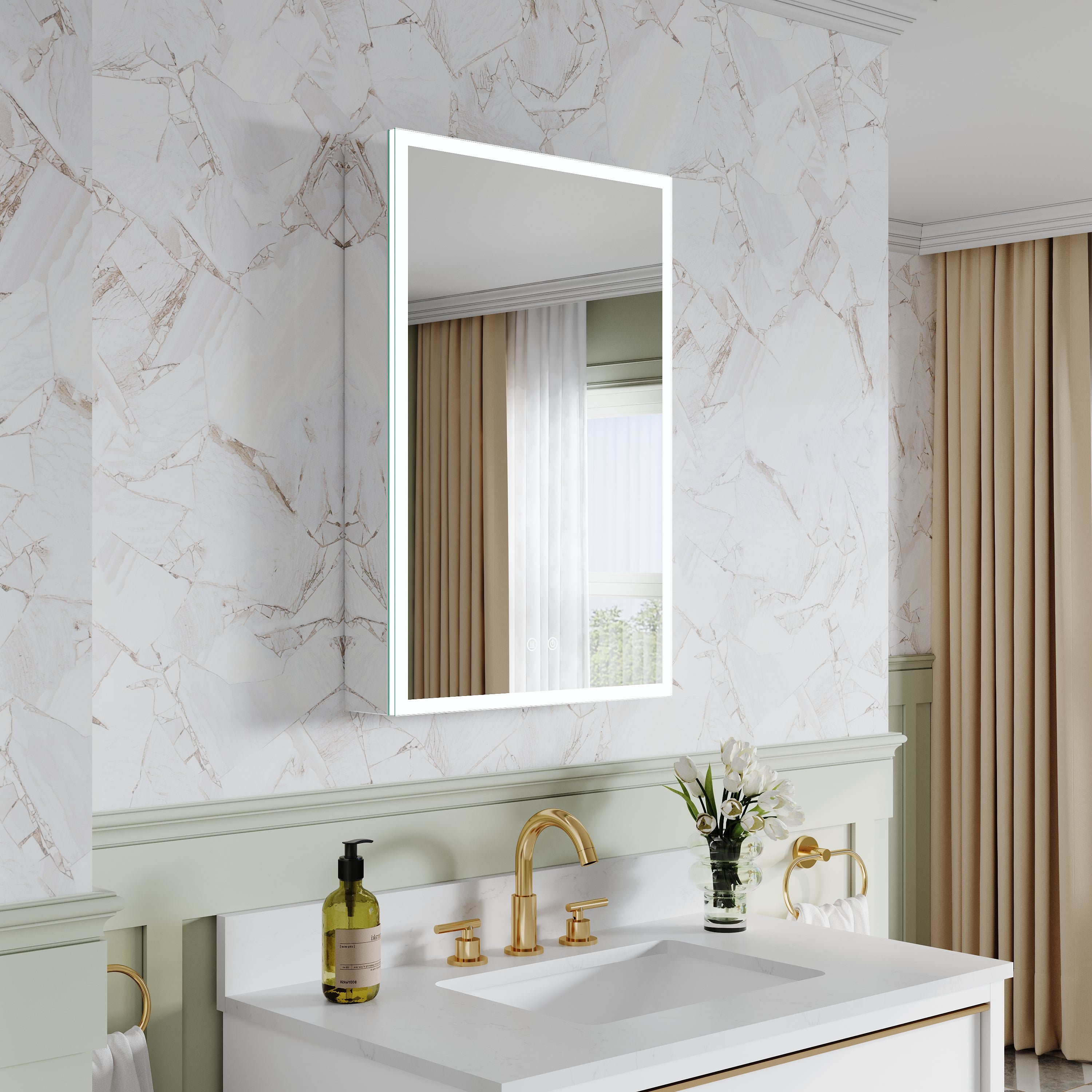
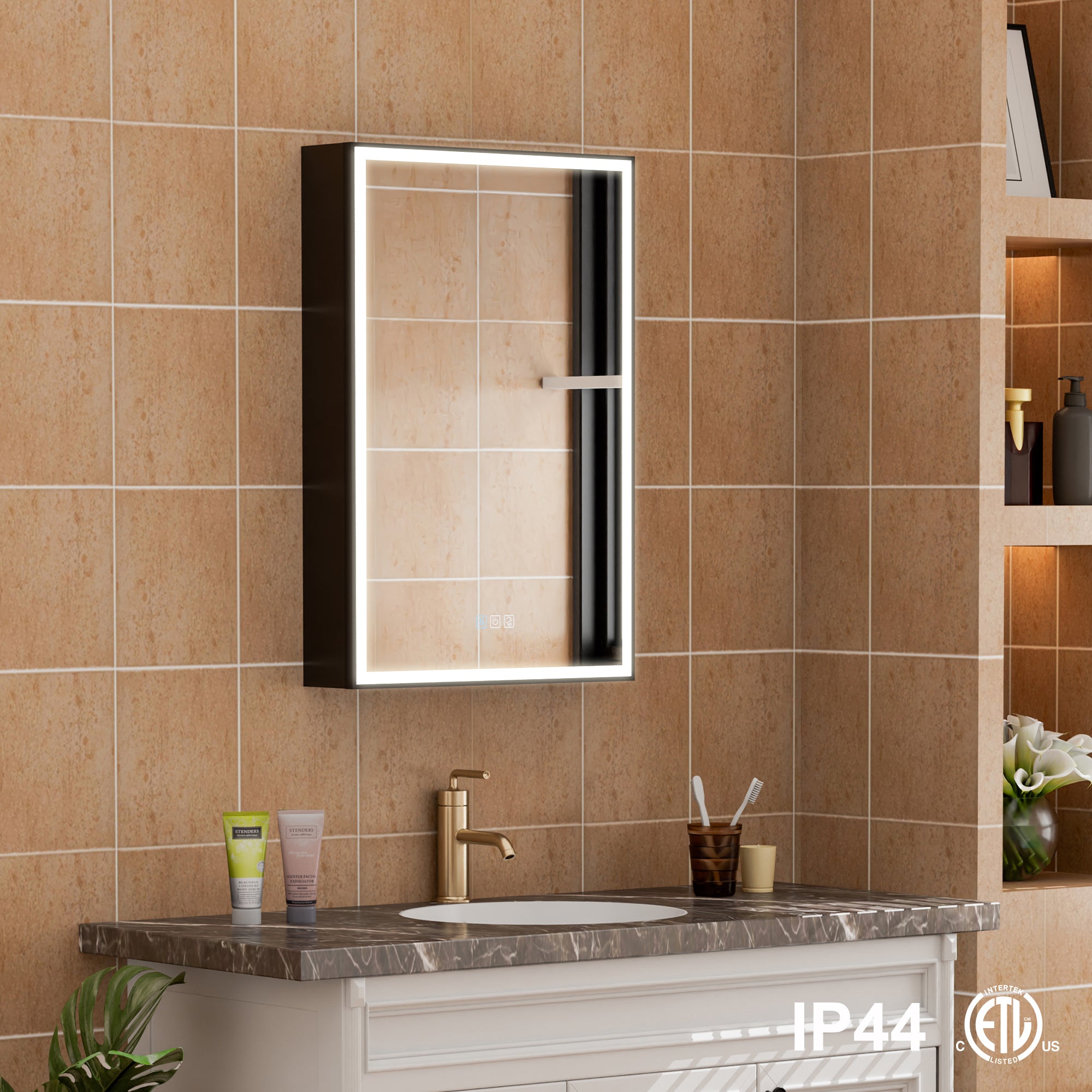










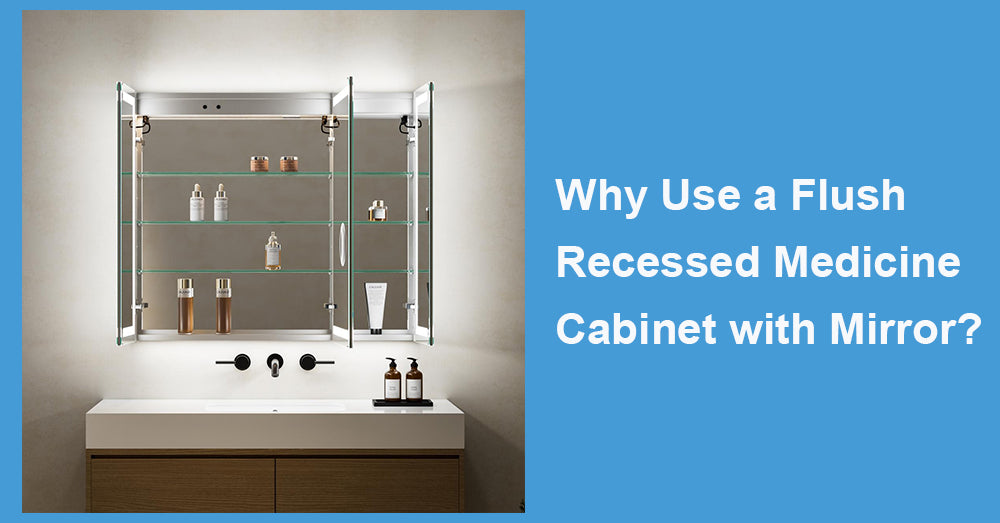
Tight bathrooms are unforgiving. If you have ever tried to dry off in a space where a chunky wall box eats into your walking room, you know the frustration. A recessed medicine cabinet with mirror fixes that problem by doing something almost sneaky: it pushes the storage back into the empty space inside the wall. What is left sticking out is basically just a sleek mirror door. You get all the shelf space, but the room still feels open. Of course, there is a catch—the installation is not exactly a walk in the park. Let’s break down the real-world pros, cons, and safety checks before you grab a saw.
The Brutal Math of Wall Space
To really get why this matters, you have to look at how American houses are built. Standard interior walls are framed with 2x4 studs. Once you add drywall, that hollow cavity inside the wall is usually about 3.5 inches deep.
If you install a recessed cabinet, the main box drops into that 3.5-inch pocket. The only thing projecting into your bathroom is the door and a very thin frame, usually less than an inch.
Now, compare that to a standard surface-mounted cabinet. That thing bolts right onto the face of the drywall and sticks out 4 to 6 inches into the room. In a compact 40- to 60-square-foot bathroom, those extra inches are a big deal. They are the difference between walking straight to the sink and shimmying sideways past the counter. By using the wall's internal volume, you get the storage without sacrificing your actual floor plan.

The "Wow" Factor of a Flush Look
Beyond just physical space, a flush cabinet completely changes how the room looks. A surface-mounted box has visible sides and a top shelf that just collects dust. It feels heavy and clunky.
When you install a recessed unit properly, the mirror sits almost perfectly flush with the drywall. It looks like it was custom-built right into the architecture. This built-in aesthetic makes a small bathroom feel way cleaner and much more spacious. It removes visual clutter because your eye doesn't catch the bulk of a cabinet jutting out. If you are planning to sell your house, this clean, high-end look is a massive selling point.
The Nightmare of Installation (And How to Survive It)
Okay, here is where we need to get real. You cannot just cut a hole in the wall and shove a box in. The pros at This Old House warn that the biggest dangers are hiding right behind the drywall: electrical wires and plumbing pipes.
Think about it. Where are you putting this mirror? Right above the vanity. Where do the wires for your vanity lights run? Usually, right through that exact same wall cavity. Where do the sink supply lines go? Also often nearby.
Before you ever pick up a drywall saw, you need to do a test cut—a small 6x6 inch inspection hole. Shine a flashlight in there. Make sure it is clear.
And if that wall is load-bearing? Do not touch it. Cutting through structural studs without a contractor's sign-off is a disaster waiting to happen. For renters or anyone who does not want to deal with drywall dust, a recessed unit might just not be possible.
Why Depth and Storage Still Matter
While going flush saves room in the walkway, you also need to think about what you are putting inside the cabinet. A typical recessed unit gives you about 3.5 to 4 inches of usable interior depth. That is plenty for toothpaste, razors, and standard pill bottles, but it can be tight for large shampoo bottles or deep skincare jars.
If you have a lot of tall products, look for models with adjustable glass shelves. Being able to move the shelves up and down lets you maximize every inch of that shallow depth. Some deep-recessed models even push the back of the cabinet further into the wall (if you have 2x6 framing instead of 2x4), giving you extra room without making the mirror stick out any further.
When Should You Buy One?
You should absolutely pull the trigger on a recessed cabinet if three things align. First, the wall cavity is actually deep enough. Second, there are no pipes or wires blocking the space. Third, your bathroom is small enough that a few inches of projection would actually be annoying.
If you have a massive master bathroom, a surface-mounted cabinet might actually be the better choice. It is easier to install and often offers more raw storage depth. But in a tiny powder room or a compact guest bath? The flush look wins every time.
The Smart Middle Ground
Here is a trick: buy a "dual-mount" cabinet. Many modern medicine cabinets are designed so they can be installed either recessed or surface-mounted using the same hardware.
This is incredibly useful. You can buy the mirror, cut your inspection hole, and see what you are dealing with. If the cavity is clear and deep, recess it for that beautiful flush look. If you hit a surprise pipe, you can just screw it to the outside of the wall and accept the projection. It saves you from having to return a custom cabinet.
The Final Takeaway
Using a flush recessed medicine cabinet with mirror is basically a cheat code for small bathrooms. By pushing the storage into the wall cavity and leaving only the glass visible, you reclaim both physical space and visual square footage. It's not a magical fix—you still have to deal with drywall and hidden pipes—but if your wall cooperates, the result is a storage solution that feels custom-built rather than bolted on. It makes a tight room feel just a little bit more open, which is exactly what every small bathroom needs.




































Leave a comment
This site is protected by hCaptcha and the hCaptcha Privacy Policy and Terms of Service apply.