

























Squeezing a functional layout into a tiny bathroom is a constant headache. When space is tight, a dark, bulky piece of furniture just makes the whole room feel like a dungeon. That's the main reason a white vanity with a wipeable surface is a total no-brainer for compact spaces. It hits two birds with one stone. The bright finish bounces light around so the room feels less like a closet, and the slick coating means you aren't spending your Saturday afternoon scraping dried toothpaste out of wood grain. Is it the absolute perfect answer for everyone? Probably not. But here is exactly why this specific combo dominates most American homes.
The Squeeze Is Real
Think about how much space you actually have. Most of us aren't working with a luxury spa layout. The National Kitchen and Bath Association backs this up, stating that a whopping 80% of U.S. bathrooms are under 60 square feet. That is officially the industry definition of a "small" space. In a room that tiny, a massive vanity kills the layout. You can't buy a piece that visually eats the room or demands aggressive scrubbing just to look halfway decent.
This is exactly where the white color and easy-clean finish shift from being trendy design choices to absolute survival tools. If you pick the wrong material, your bathroom will instantly become a weekend chore zone instead of a relaxing retreat.
Bouncing Light Around
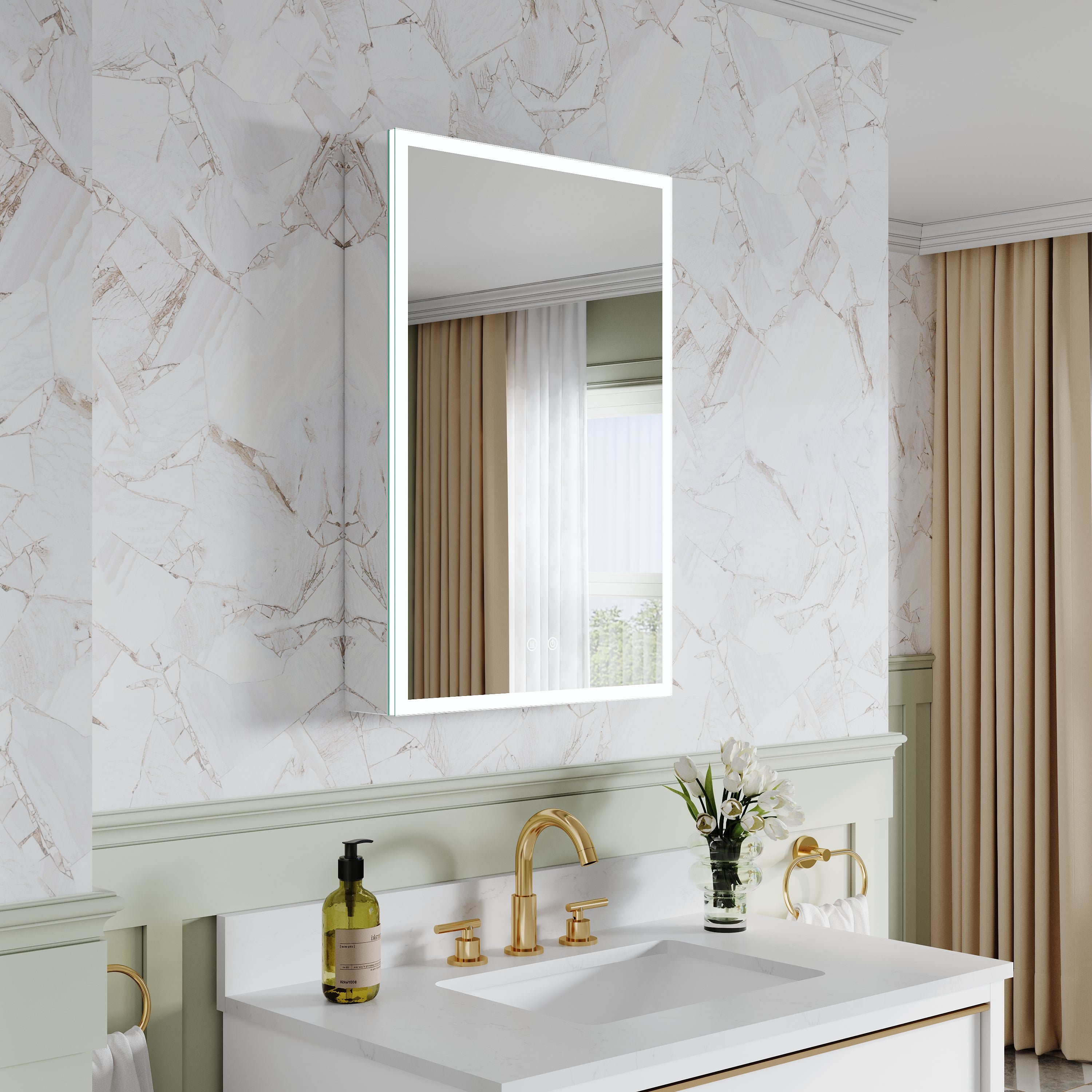
White reflects light. It's basic physics, but in a bathroom with zero windows, it's a massive deal. A white vanity bounces ambient light, keeping the room from feeling like a dungeon. Designers call it a "blank canvas" for a reason—it matches almost any style while keeping the room bright.
Too much white can totally look like a sterile hospital room, though. The trick is adding texture to break it up. A white vanity with shaker-style doors, a subtle wood-grain side panel, or warm brass hardware adds needed depth. You want an open vibe, not a clinic. Even swapping out the faucet to a matte black finish against the white cabinet can create a really sharp contrast that gives the small room some personality.
The Mess Factor
Small bathrooms get gross faster. It makes sense. Less ventilation, tighter corners, and constant foot traffic mean every drop of hair dye or toothpaste splash is instantly visible. If your vanity has carved details or a porous surface, cleaning it is a nightmare.
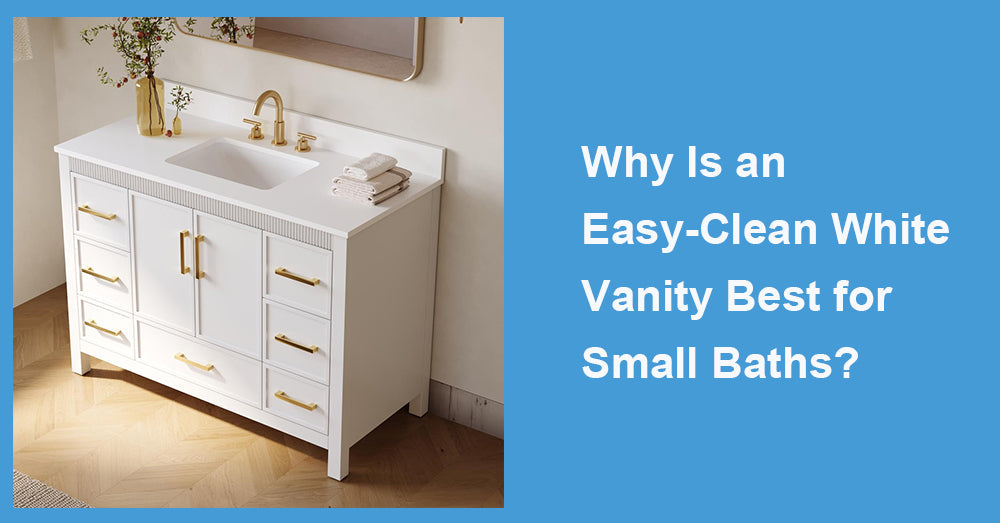
An easy-clean white vanity usually features a sealed finish. Think engineered wood with a melamine coating, ceramic, or solid surface materials. You can wipe these down in seconds. In a cramped bath where you are constantly squeezing past the shower, cleaning with one swipe of a disinfecting wipe is a huge time-saver. Plus, white hides water spots way better than dark wood or black, which show every single smudge and hard water stain. If you live in an area with hard water, you already know how frustrating those white calcium spots are on dark surfaces. With a white vanity, you buy yourself a little bit of visual forgiveness.
Why You Should Float It
If you really want to maximize a white vanity in a small bath, check out the mounting style. Wall-mounted, or floating, vanities are highly recommended by interior designers. Exposing the floor underneath creates a powerful optical illusion of more square footage.
Lifting a white vanity off the floor does a few things. The room feels more open because your eye tracks the uninterrupted floor line. Cleaning the floor becomes effortless, as you no longer have to scrub around wooden legs. You also gain usable floor space underneath for a laundry basket or a bathroom scale. For a room under 60 square feet, that floor space is critical. Just make sure you hire someone who knows what they are doing to secure it to the wall studs, because these things get heavy once they are loaded with toiletries.
Checking the Data
White is a classic, but it's worth checking current trends. The 2026 U.S. Houzz Bathroom Trends Study reports that wood tones are currently the top vanity color choice at 31%. White still holds a solid second place at 19%. These numbers show white is not a passing fad. It is a deep-rooted preference, especially for homeowners who want a clean, timeless look.
The same study found that quartz remains the leading countertop material at 46%, primarily because it is non-porous and easy to maintain. This aligns perfectly with the easy-clean philosophy. Homeowners are actively choosing materials that reduce maintenance time without sacrificing style. Pairing a white cabinet with a quartz or ceramic top creates a nearly indestructible, wipe-and-go surface that handles the daily abuse of a busy family bathroom.

Wrapping It Up
Is an easy-clean white vanity the absolute best choice for every single small bath? Probably not. If you have great natural light and want a cozy, warm vibe, a wood vanity might be better for you. But for most Americans dealing with sub-60-square-foot bathrooms, the combination of light reflection, low maintenance, and space-saving design is incredibly hard to beat.
It solves the two biggest problems of small bathrooms: feeling cramped and being difficult to clean. By choosing a white, wipe-friendly vanity (especially a floating model), you are making a smart practical decision. It simplifies your daily routine and makes your bathroom feel just a little bit bigger.




































Leave a comment
This site is protected by hCaptcha and the hCaptcha Privacy Policy and Terms of Service apply.