






















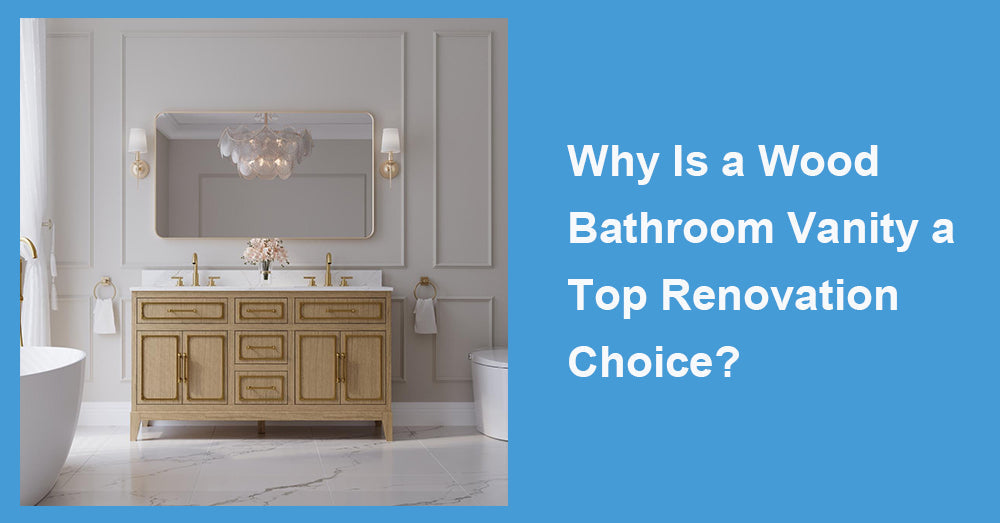
A wood bathroom vanity is one of the most reliable ways to add warmth, storage, and visual character to a bathroom renovation. After more than 20 years of working with cabinetry and bathroom products, I have seen wood perform well in everything from compact guest baths to large primary suites. It softens the hard surfaces that dominate bathrooms, works with many design styles, and can age gracefully when the construction and finish are right. Still, wood is not maintenance-free, and buyers should understand where it performs best.
1. A Wood Bathroom Vanity Brings Warmth to Hard Surfaces
Bathrooms rely heavily on tile, stone, glass, mirrors, and metal. These materials are practical, but a room filled with reflective or polished surfaces can feel cold.
Wood changes that balance. Natural grain introduces movement and texture without requiring decorative patterns. Light oak can make a white bathroom feel less sterile. Walnut gives a larger room more depth, while medium wood tones work well with beige, cream, and warm gray finishes.
This is one reason wood cabinetry has remained relevant through changing bathroom trends. It behaves like a natural material rather than a temporary accent color.
2. Wood Works Across More Design Styles Than Many Buyers Expect
A common misconception is that wood automatically creates a rustic bathroom.
The cabinet profile matters more than the material alone. Flat-front doors and minimal hardware can make wood feel modern or Scandinavian. Shaker doors suit transitional interiors. A richer stain with framed panels can support a more traditional home.
Match the grain to the room
Strong grain can become the focal point of a simple bathroom. That can be beautiful beside plain tile and a restrained countertop.
If the room already has dramatic marble, patterned flooring, or an active shower wall, quieter wood is usually easier to live with. Too many competing surfaces make the room feel busy.
Light finishes also tend to work better in compact bathrooms, while darker woods need enough space and lighting to avoid feeling heavy.
3. Wood Can Provide Long-Term Value
A well-built vanity should survive daily drawer use, moisture changes, cleaning, and years of storing relatively heavy bathroom products.
Solid wood frames and drawer fronts can provide strength and good hardware support. Quality plywood is often a practical choice for the cabinet box because its layered construction remains relatively stable as humidity changes.
Wood also has repair potential. Minor scratches may be touched up, hardware can be replaced, and certain finishes can be refreshed.
That does not mean every wood vanity is durable. Cheap particleboard hidden beneath a decorative surface can swell quickly when water reaches an exposed edge.
Look beyond the product photograph
Ask what the cabinet is actually made from. Check drawer bottoms, edge sealing, hinges, and plumbing cutouts.
I would rather buy a well-constructed mixed-material cabinet with quality plywood than a poorly assembled vanity marketed vaguely as “solid wood.”
4. Storage Design Can Improve Everyday Use
Renovation decisions should make the bathroom easier to use, not merely better looking.
Deep drawers work well for skincare, brushes, grooming tools, and smaller toiletries because everything remains visible. Open cabinet space beneath the sink suits cleaning products, tall bottles, and spare paper goods.
Check whether visible drawer fronts actually open. Some are decorative because the basin occupies the space behind them. Plumbing cutouts can also remove more storage than expected.
For a family bathroom, practical drawer organization is usually more valuable than decorative legs. A lightly used guest bath can manage with a simpler interior.
5. Wood Has Real Limitations in Wet Environments
Wood is moisture-resistant when properly finished. It is not waterproof.
Standing water, poor ventilation, and slow plumbing leaks can damage even expensive cabinetry. Natural wood may also expand or contract slightly as humidity changes, which can cause doors or drawers to need occasional adjustment.
A wood vanity is a strong choice for ventilated primary bathrooms, guest baths, and family spaces where splashes are wiped promptly.
It is less suitable for open wet rooms, bathrooms with recurring floor water, or rental properties where maintenance may be inconsistent. If the room has condensation problems or leaking plumbing, fix those issues first.
6. Floating and Freestanding Designs Suit Different Renovations
A floating wood vanity makes more of the floor visible, helping a compact bathroom feel lighter. It also simplifies cleaning and pairs naturally with modern interiors.
Its disadvantage is installation. The wall must safely support the cabinet, countertop, sink, stored items, and daily use. Some floating models also sacrifice storage height.
Freestanding vanities are usually easier to install around existing plumbing and often provide greater capacity. They suit traditional and transitional bathrooms well, though a deep model can feel bulky in a narrow room.
Choose the mounting style based on the floor plan, not just the appearance.
7. Measure Before Ordering
Measure wall width, cabinet depth, countertop overhang, doorway clearance, toilet spacing, and the path of the shower door.
Then mark the full footprint with painter’s tape. Stand at the sink position and open nearby doors and drawers. This simple test reveals circulation problems that are difficult to judge from an online photograph.
Compare the drain and supply-line positions with the cabinet interior too. If pipes conflict with drawers, the installer may need to relocate plumbing or remove useful storage.

8. Installation and Maintenance Protect the Investment
Install the cabinet level so doors and drawers stay aligned. Floating models require secure wall framing or an approved mounting system.
Seal the sink, faucet openings, countertop, and backsplash joints carefully. Test every plumbing connection before filling the cabinet.
Routine maintenance should be simple. Wipe standing water promptly, use a mild non-abrasive cleaner, and run the exhaust fan after showers. Avoid leaving wet towels against cabinet doors. Check beneath the sink several times a year for slow leaks or finish damage.
When comparing Wellfor options, focus first on construction, storage, dimensions, moisture protection, and the room’s actual use. Then choose the grain, stain, and mounting style that fit the design. A carefully selected wood bathroom vanity can give a renovation lasting warmth and practical value, provided the cabinet is built well and the bathroom environment is managed properly.









































Leave a comment
This site is protected by hCaptcha and the hCaptcha Privacy Policy and Terms of Service apply.