














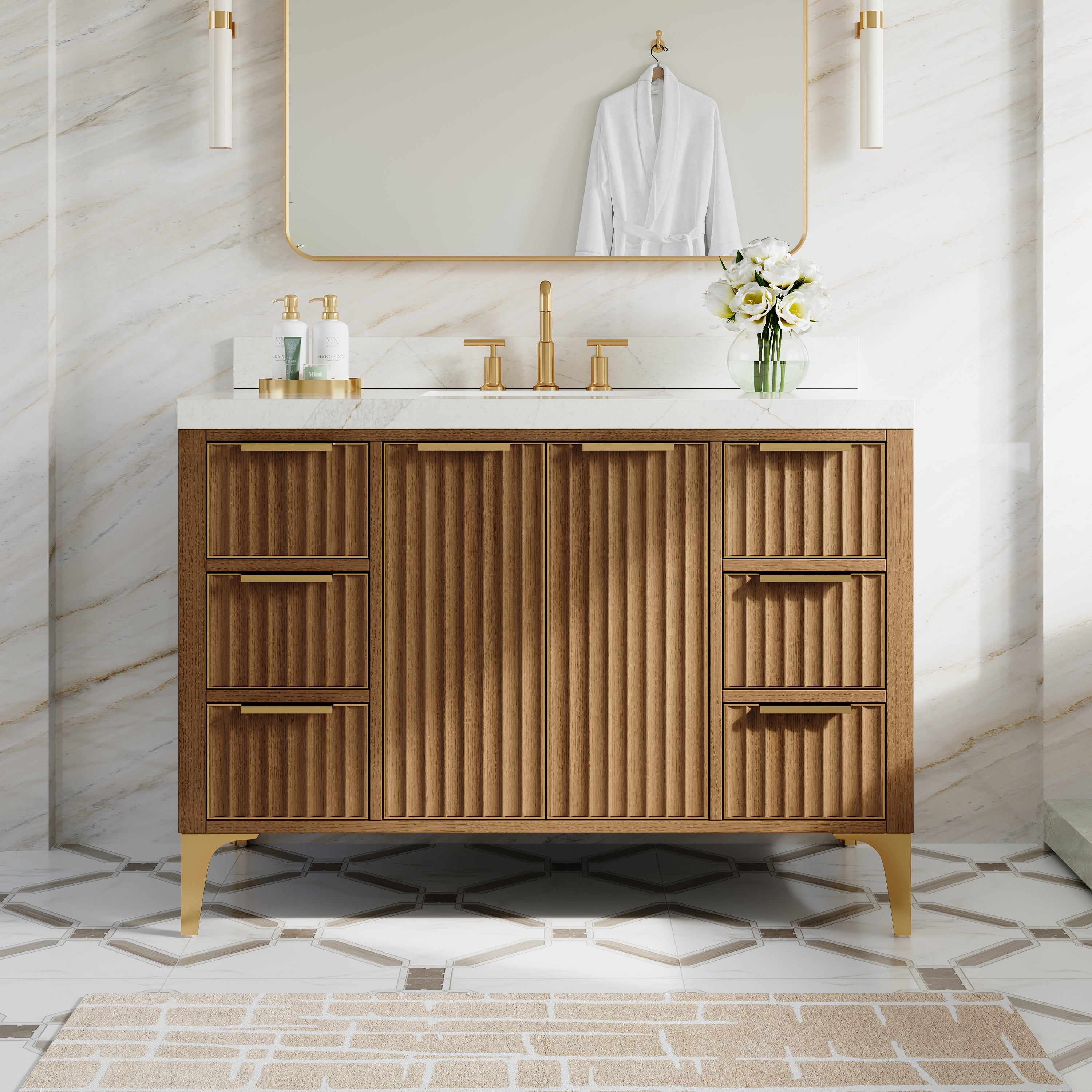
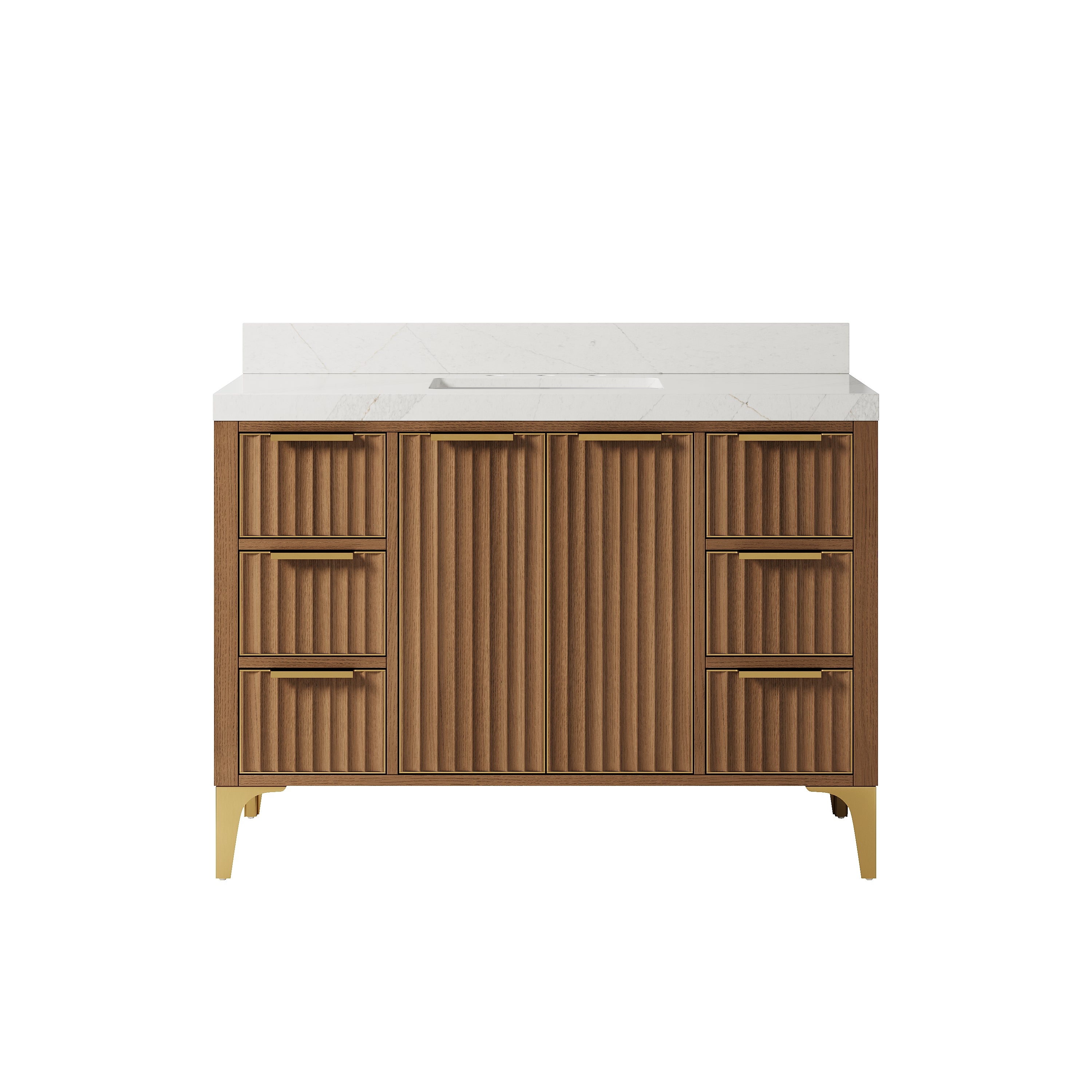


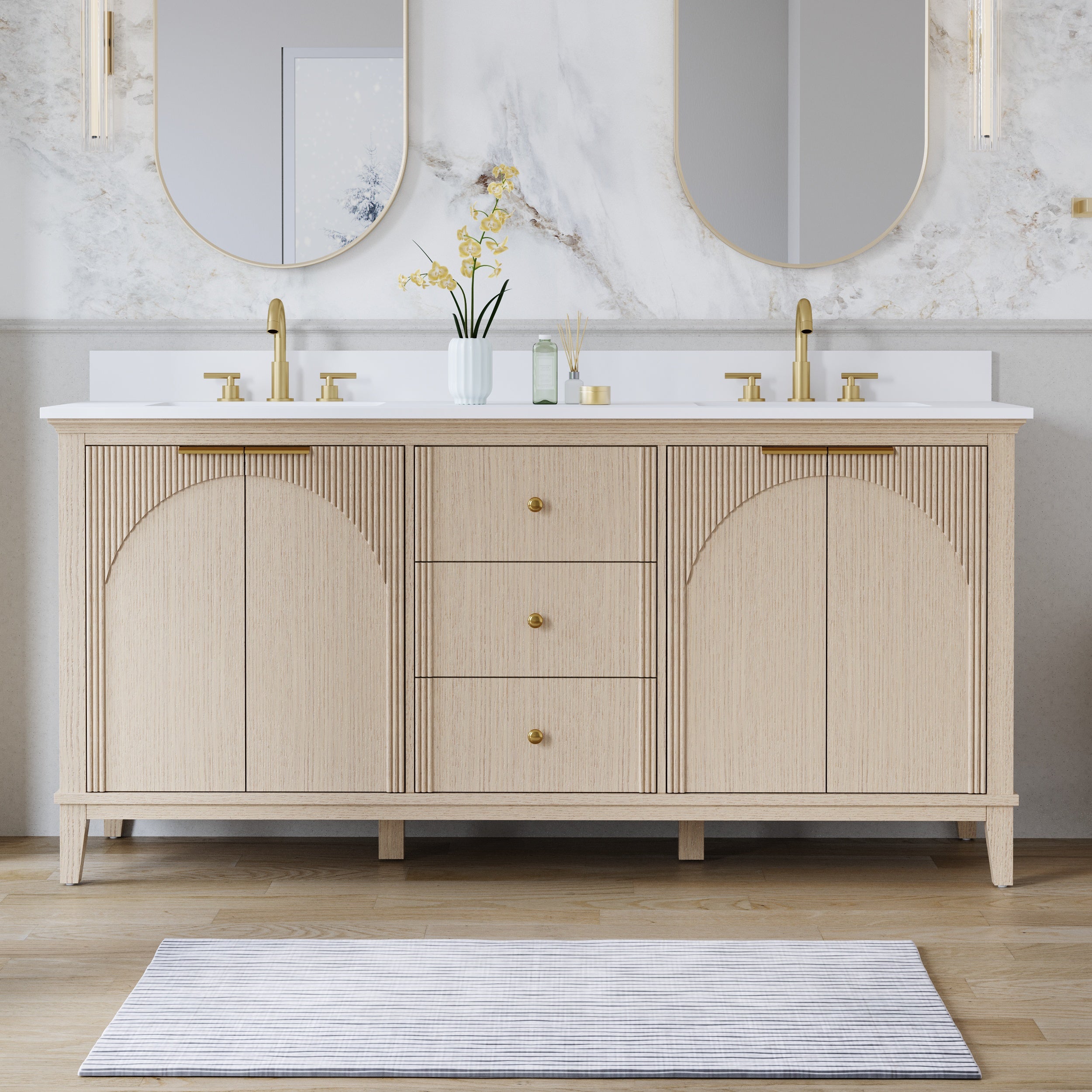
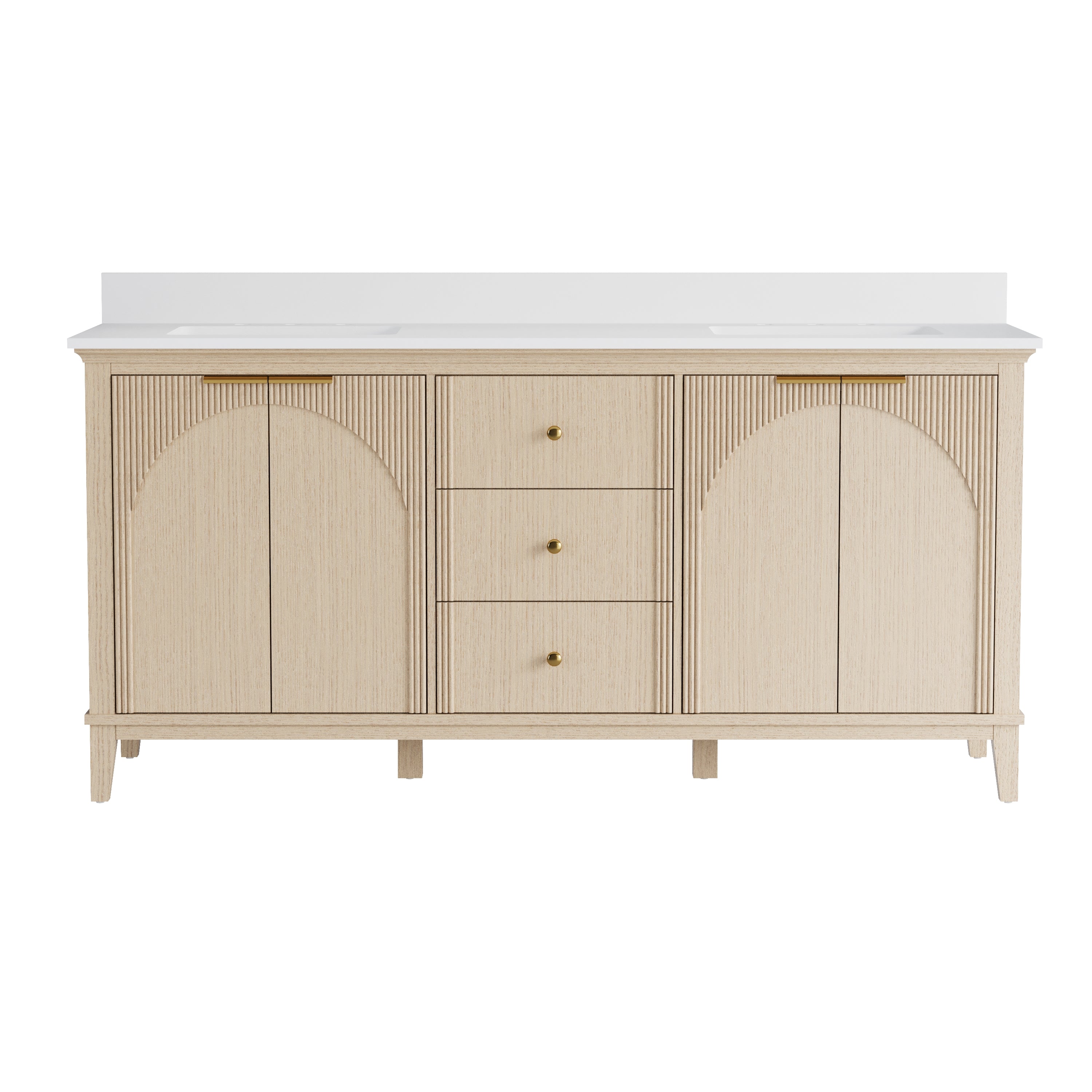
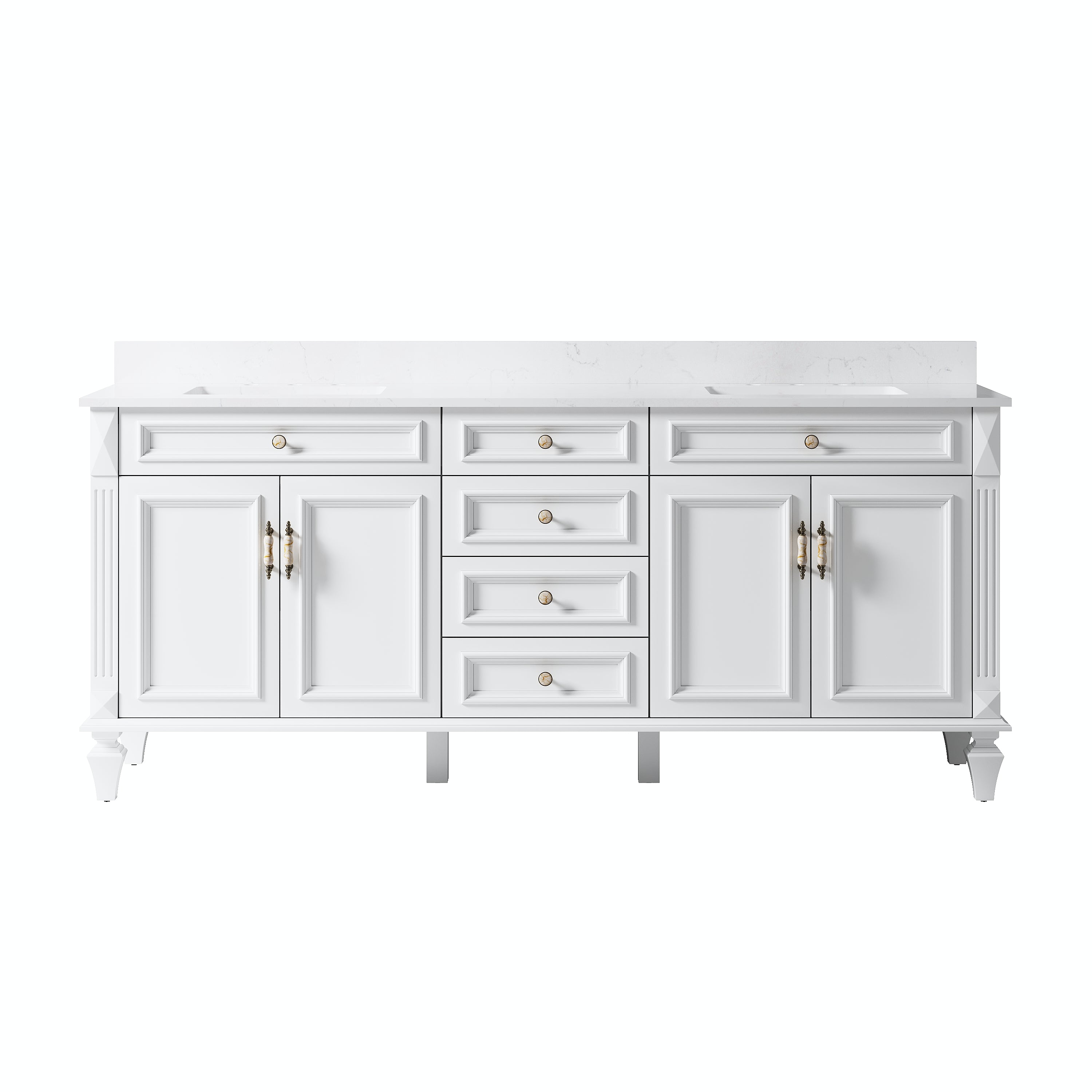
A white vanity remains one of the safest and most adaptable choices for a bathroom in 2026. That does not mean it is boring. After years of reviewing cabinetry, finishes, countertops, and real renovation plans, I have found that white vanities work because they give homeowners room to change everything around them. Tile trends shift. Hardware finishes come and go. A well-proportioned white cabinet can stay relevant through several design updates.
Its success, however, depends on construction quality, the shade of white, and how the vanity is used. Not every white cabinet performs equally well.
1. Why the White Vanity Continues to Sell
Bathroom design has moved through strong color trends, natural wood revivals, and increasingly decorative furniture-style cabinets. White has remained present through all of them.
The reason is practical. White reflects light, makes a compact room feel less crowded, and works with a broad range of wall colors and materials. It can sit beside warm limestone, cool gray porcelain, patterned cement tile, or a simple painted wall without creating a difficult color conflict.
For buyers who expect to sell or rent the property later, white also feels familiar. It does not force the next owner to accept a very specific style choice.
That familiarity can be an advantage, but only when the vanity has enough detail to avoid looking generic.
2. A White Vanity Is More Versatile Than It Appears
Many people picture a plain shaker cabinet when they hear “white vanity.” In practice, the finish can support several distinct looks.
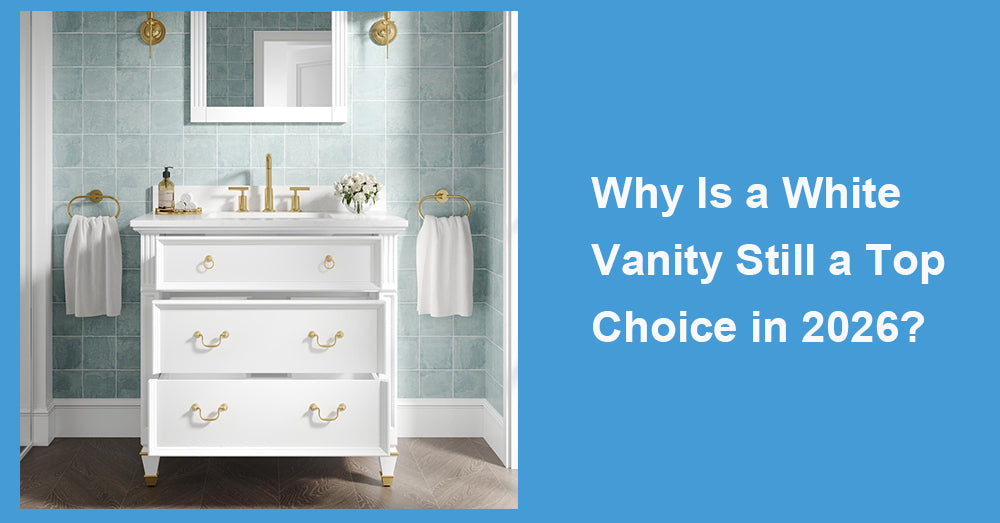
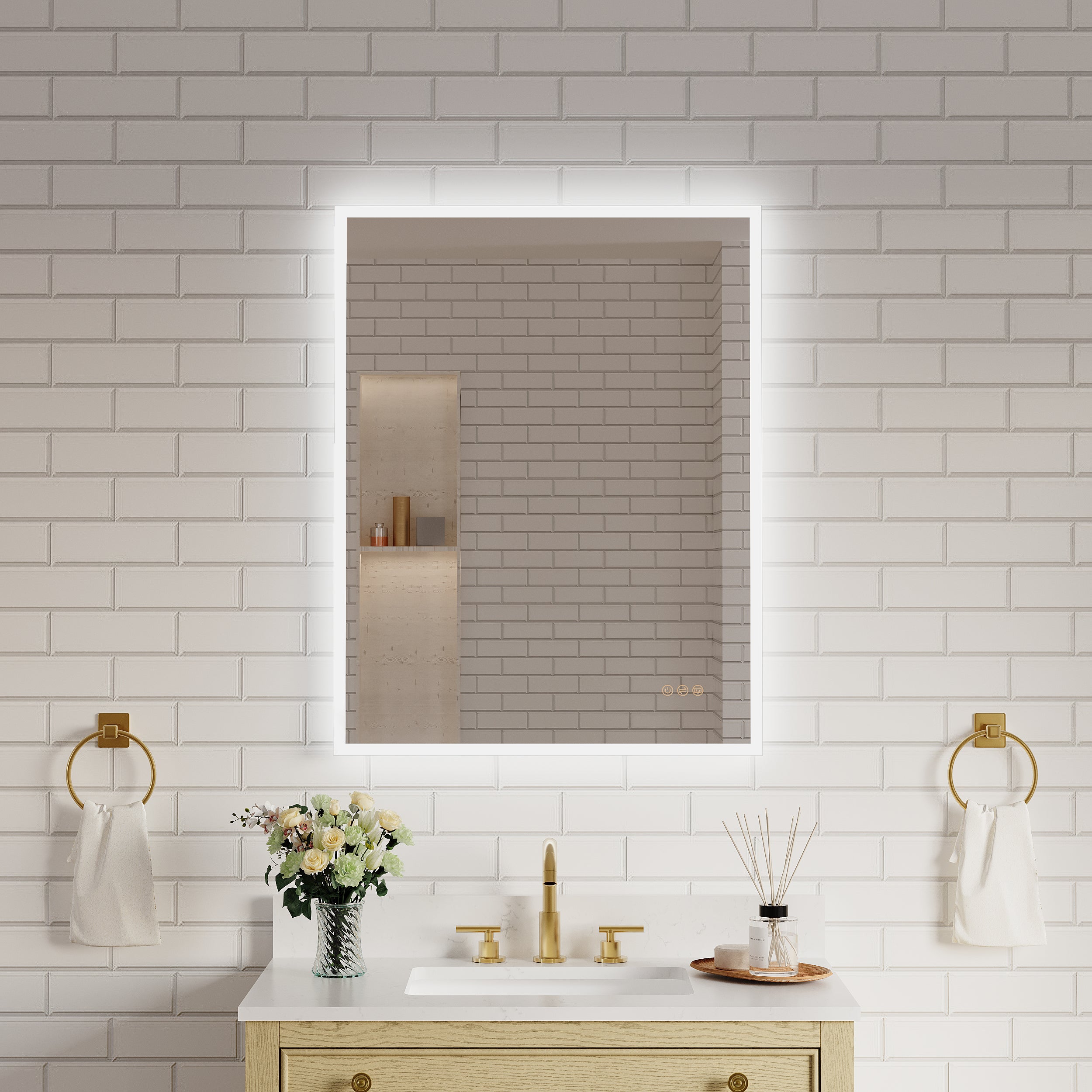
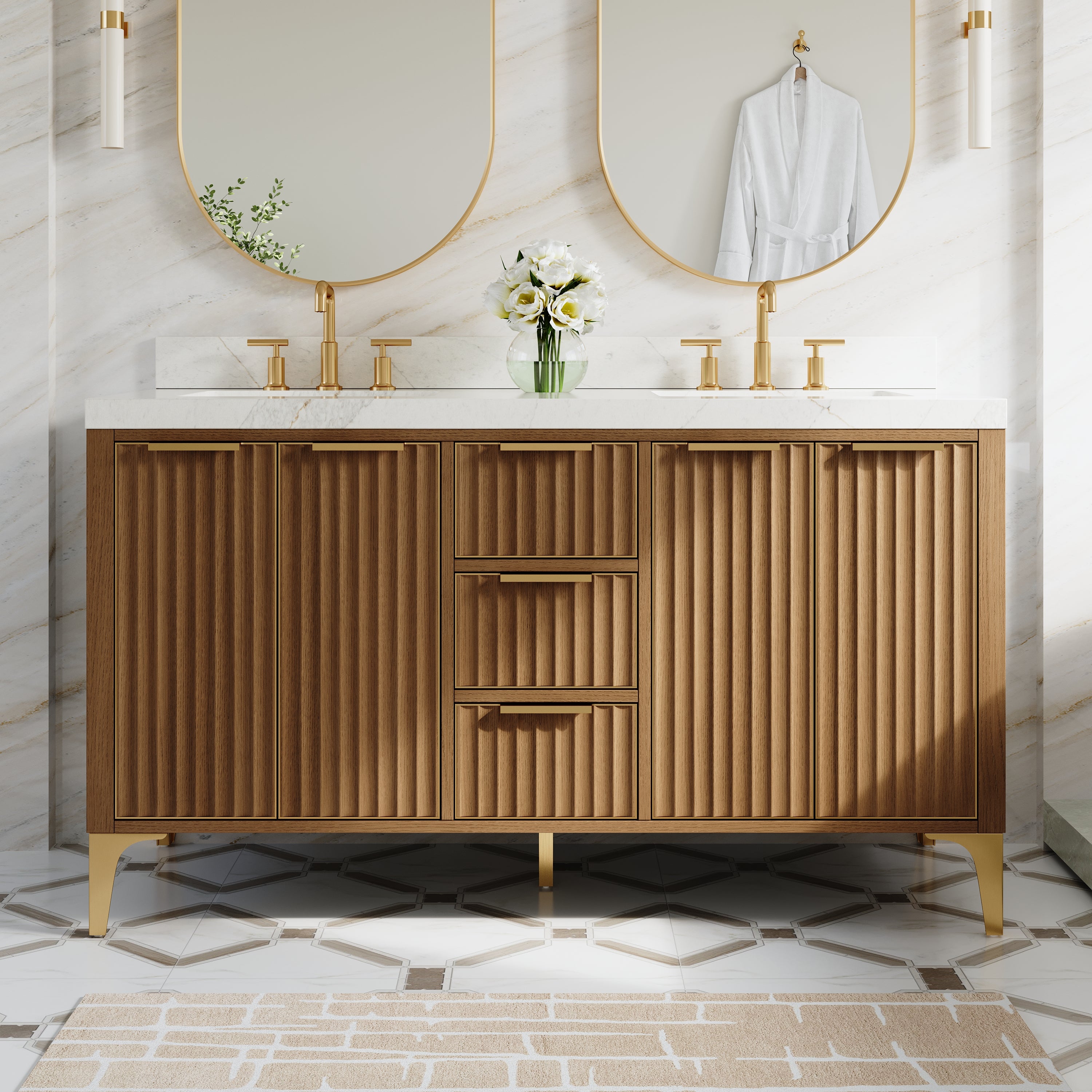
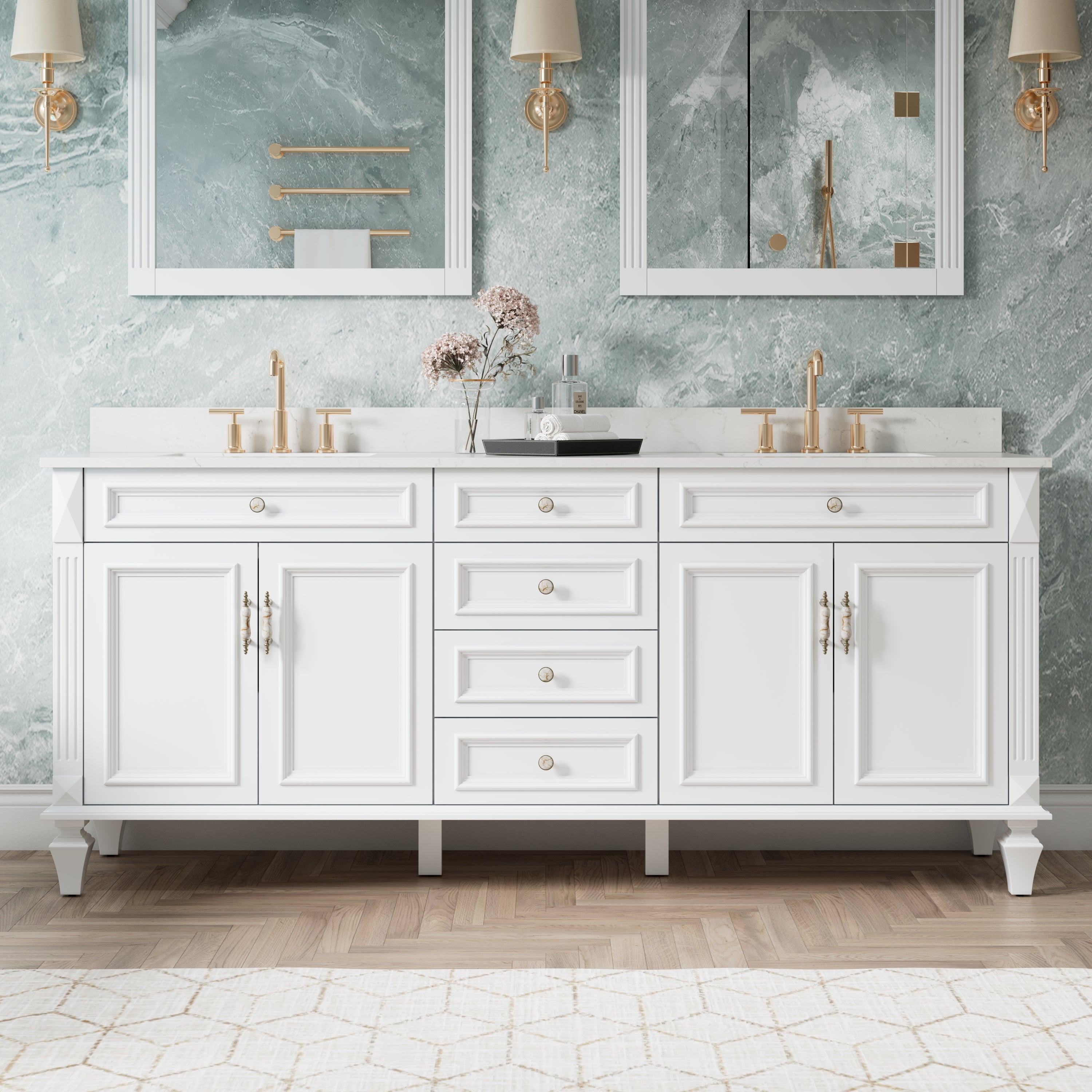
A crisp white cabinet with matte black hardware feels clean and contemporary. Pair the same cabinet with brushed brass and a marble-look top, and the room moves toward a softer transitional style. Polished nickel gives it a more traditional character, while fluted fronts or curved side panels can make it feel architectural.
The countertop changes the result just as much. Bright white quartz creates a seamless appearance. Calacatta-style veining adds movement. Dark stone introduces contrast and makes the cabinet feel more substantial.
This flexibility is one reason Wellfor continues to include white finishes across different bathroom vanity designs. The color can support modern, transitional, coastal, and classic interiors without requiring the cabinet structure to disappear.
3. Where White Works Best in Real Bathrooms
White is particularly effective in smaller bathrooms with limited daylight. A dark vanity can look handsome, but it may visually reduce the room when paired with dark flooring or heavy wall tile. White keeps the lower half of the space lighter.
It also works well in busy family bathrooms. Towels, toiletries, baskets, and personal items already add visual noise. A neutral vanity gives those everyday objects a quieter background.
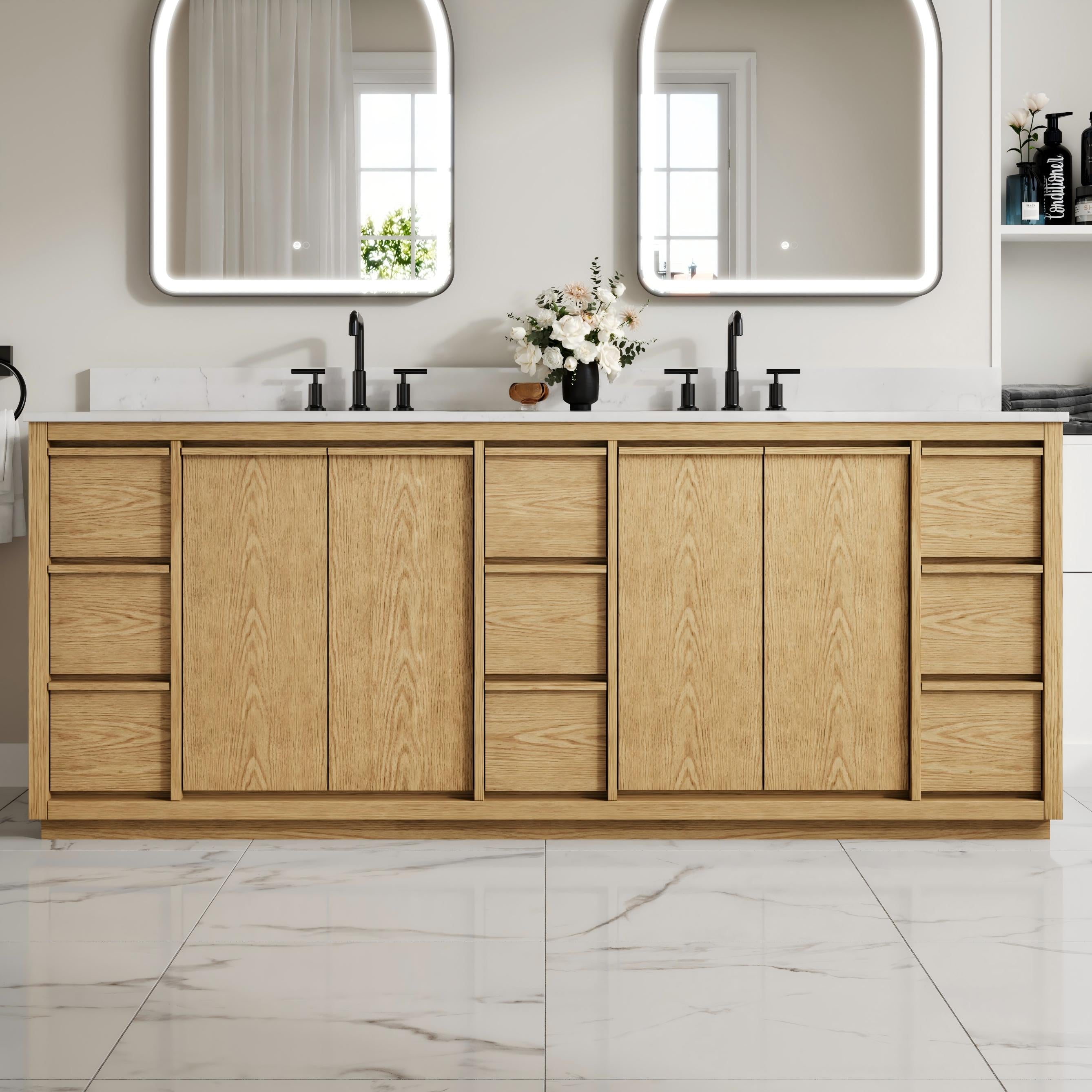
In larger primary bathrooms, white can balance bold surfaces. I have seen it used successfully beneath heavily veined countertops, decorative mirrors, statement lighting, and patterned floors. The cabinet acts as a pause rather than another competing feature.
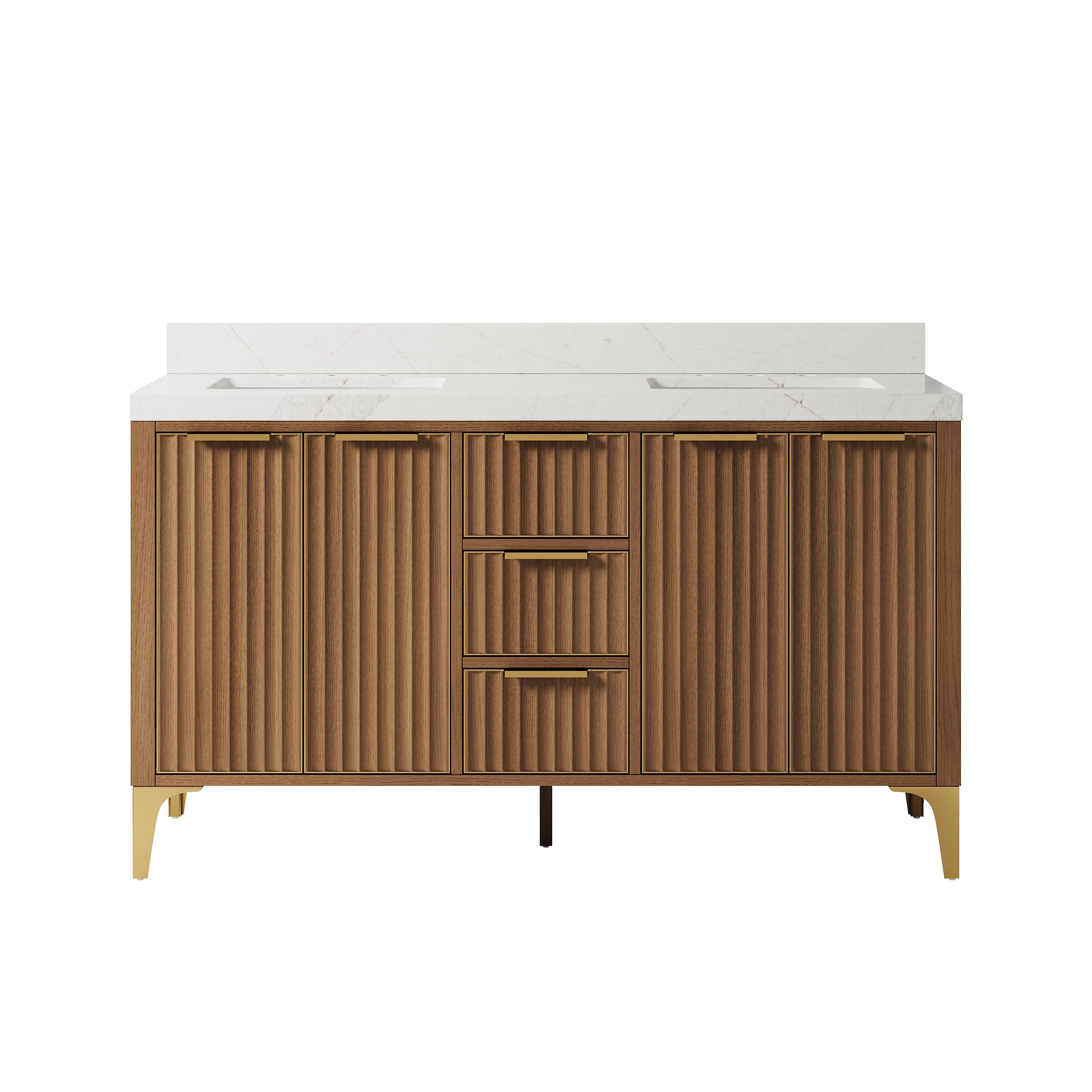
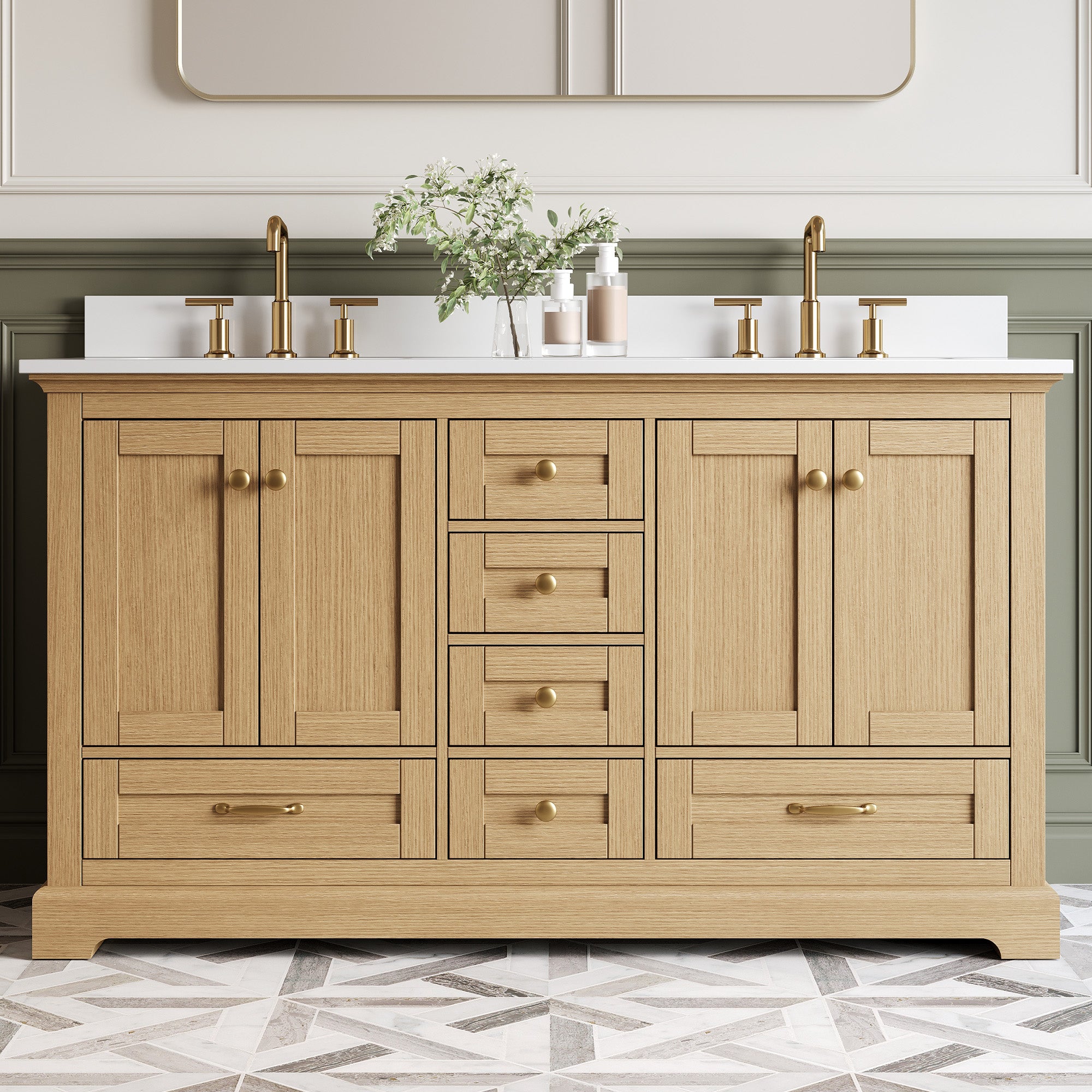
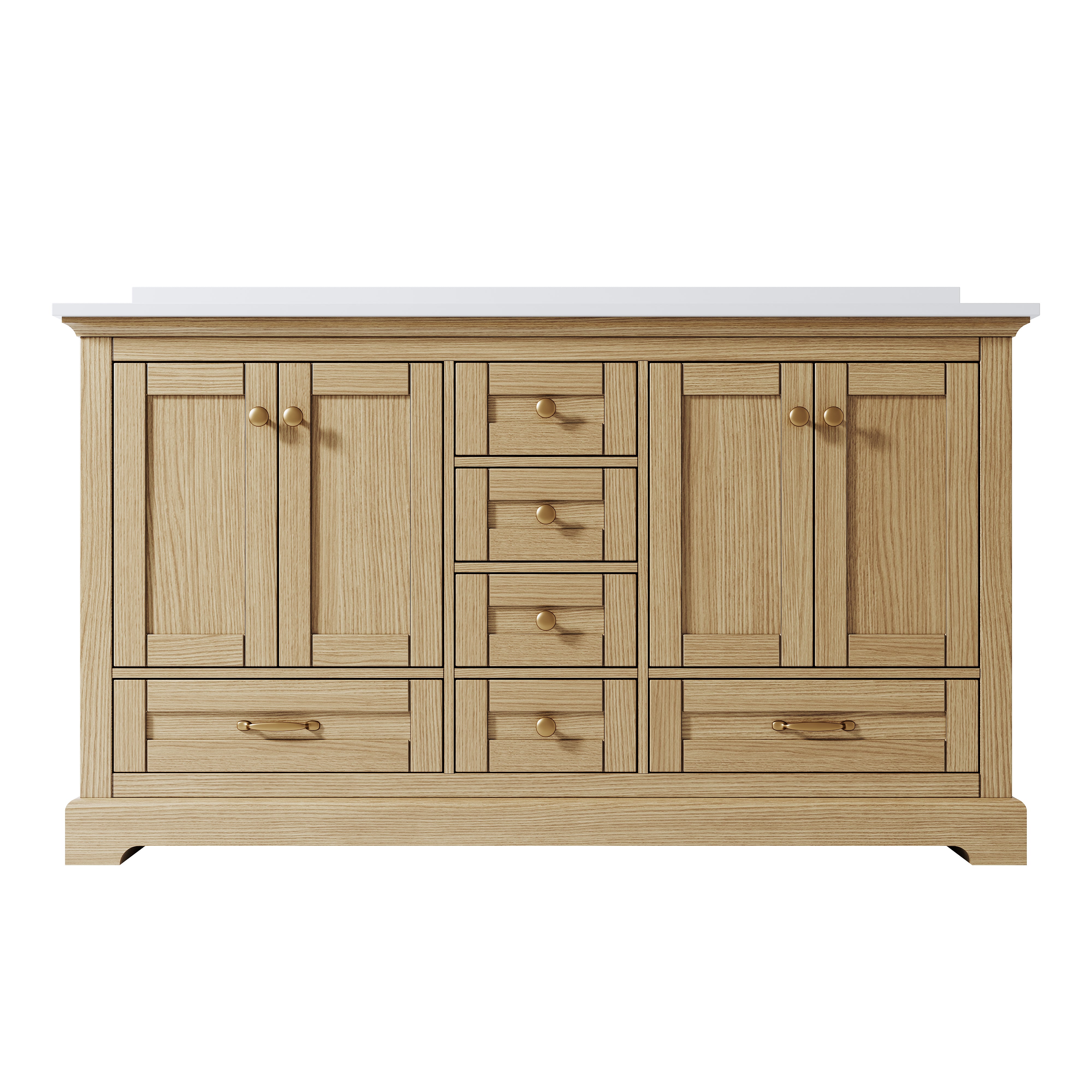
There are situations where white may not be the strongest choice. In a large room with pale walls, pale flooring, and minimal contrast, another white element can make the design feel flat. Natural oak, navy, or deep green may give the room more depth.
4. Common Misunderstandings About White Cabinets
One of the biggest misconceptions is that all white finishes match. They do not.
Some whites have cool blue or gray undertones. Others lean cream, ivory, or warm beige. A cool white vanity placed beside warm wall tile can make both finishes look slightly wrong. Samples should be viewed together under the bathroom’s actual lighting before a final decision is made.
Another assumption is that white always shows more dirt than dark cabinetry. In my experience, the answer is mixed. White reveals dark hair, makeup marks, and dust near the base. Dark finishes show water spots, lint, soap residue, and fingerprints more clearly.
The surface quality matters more than the color alone. A smooth, durable coating is easier to wipe clean than a rough or poorly sealed finish.
Buyers also sometimes assume that white cabinetry is automatically inexpensive. Construction, joinery, drawer hardware, interior finishing, and countertop quality have a far greater effect on value than exterior color.
5. Construction Matters More Than the Finish
A white surface can hide the character of the material underneath, so buyers need to look beyond appearance.
Check the cabinet frame, door construction, drawer boxes, and interior panels. Solid wood frames and quality plywood generally handle bathroom use better than low-density materials that swell after repeated moisture exposure.
The finish should be consistent around door edges and visible joints. Thin paint, rough corners, or uneven coverage often become more obvious after installation.
Soft-close hinges and full-extension drawer slides are also worth paying for. They reduce impact on the cabinet and make deep storage easier to use. In a family bathroom, these parts operate many times a day.
A well-built white cabinet should still feel substantial when a drawer is fully open. Color cannot compensate for weak hardware.
6. The Benefits and Limitations of White
The main advantage is flexibility. A white vanity allows future updates without forcing a complete cabinet replacement. Hardware, faucets, mirrors, lighting, and wall color can all change around it.
White also creates clean visual lines. This helps detailed doors, curved profiles, and furniture-style legs remain visible without making the room feel heavy.
The limitation is that white requires balance. Too much of it can make a bathroom feel unfinished or clinical. Texture usually solves the problem. Wood-framed mirrors, woven baskets, stone surfaces, warm metal hardware, and layered lighting keep the space from feeling sterile.
Chips can also be noticeable, especially on sharp edges. Touch-up paint may help, but the repaired area rarely disappears completely. This is another reason to choose a durable factory-applied finish rather than focusing only on the initial color.
7. Installation Details That Affect the Final Look
Measure the room after accounting for baseboards, door trim, plumbing, and wall irregularities. A vanity that technically fits may still leave too little clearance for a door or drawer to open comfortably.
Check the wall before installation. Cabinets often reveal uneven floors and out-of-square corners, especially when the finish is bright and the lines are clean. Adjustable feet, careful shimming, and neat caulk lines make a significant difference.
The backsplash should also be considered early. A bright white vanity can expose a mismatch between the countertop, sink, and wall material. Place samples together rather than ordering each component separately.
For freestanding models, leave enough room to clean around the sides when possible. For wall-to-wall installations, use properly fitted fillers instead of forcing the cabinet against an uneven surface.
8. Maintenance That Keeps White Looking Fresh
Clean spills before they dry. Foundation, hair dye, toothpaste, and strongly colored skincare products can stain seams or unprotected areas if left in place.
Use a soft cloth with mild soap and water. Abrasive pads may dull the finish, while harsh cleaners can damage the protective coating. Dry the surface afterward, particularly around door edges and drawer fronts.
Ventilation matters. A bathroom cabinet may be described as moisture resistant, but it should not remain wet for long periods. Run the exhaust fan during showers and leave it on long enough to remove lingering humidity.
Inspect the area around the sink and plumbing connections occasionally. Slow leaks cause more cabinet damage than ordinary cleaning or daily splashes.

9. Choosing the Right White Vanity for 2026
Choose the cabinet for its proportions and construction first. Then evaluate the shade of white against the countertop, tile, wall color, and lighting.
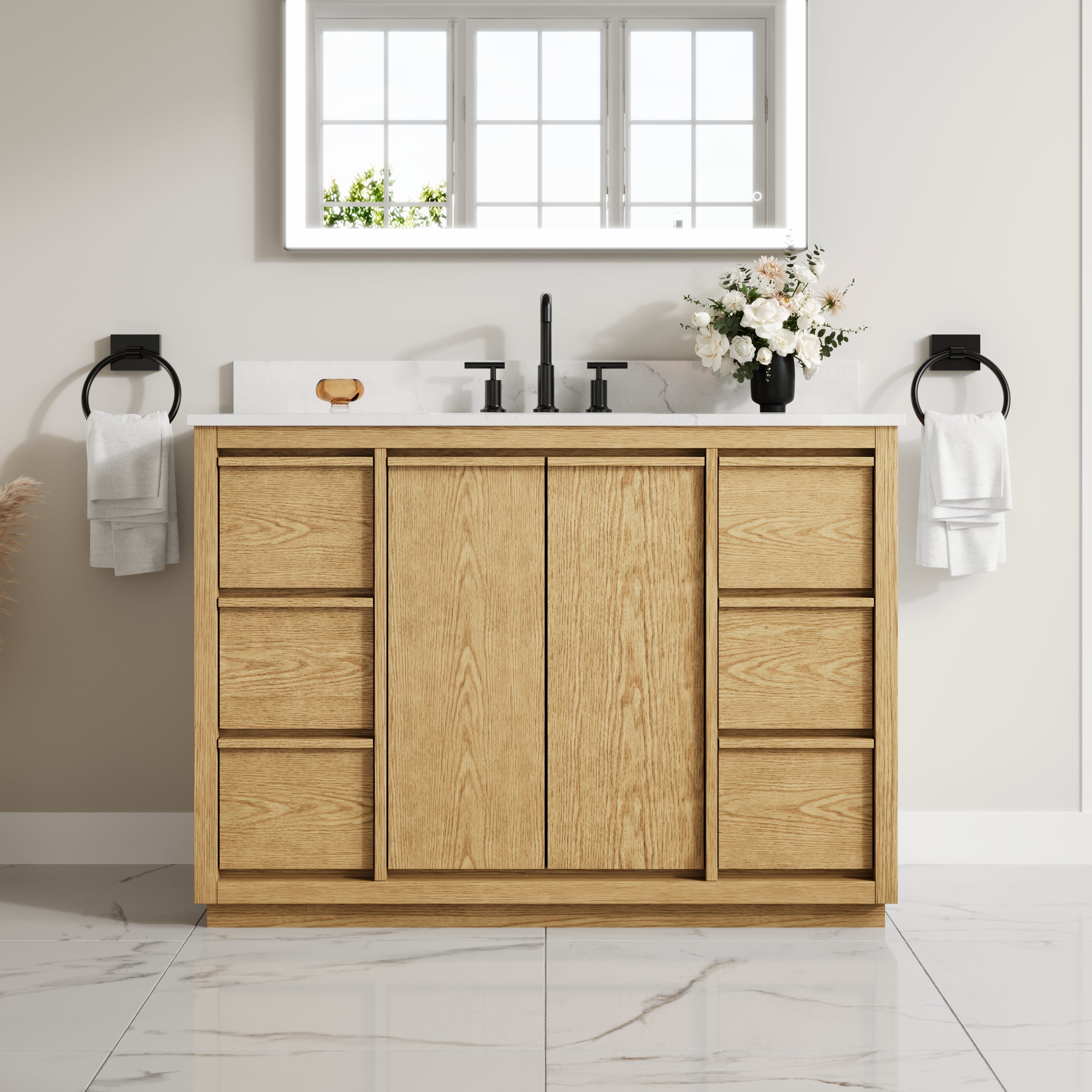
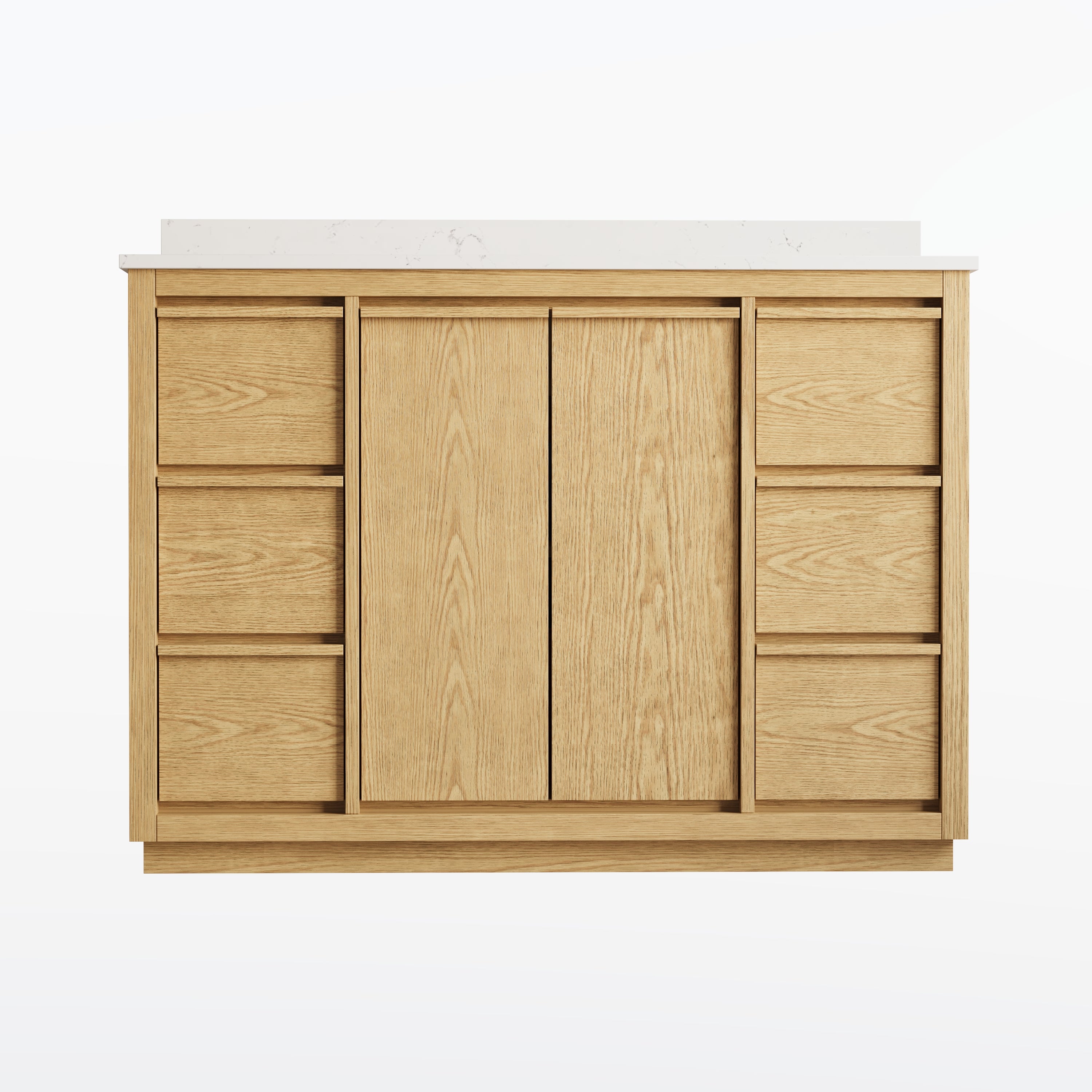
For a compact bathroom, a simple profile and raised legs can make the room feel more open. In a larger space, thicker framing, furniture-style details, or a contrasting countertop may give the vanity enough presence. Storage should match the household, not just the photograph. Drawers are often more useful for daily items, while doors provide better space for taller plumbing and cleaning supplies.
A Wellfor white vanity is a strong choice when you want a cabinet that can adapt as the room changes. Select a durable finish, dependable hardware, and a design with enough character to stand on its own. White lasts when the product underneath it is worth keeping.
















Leave a comment
This site is protected by hCaptcha and the hCaptcha Privacy Policy and Terms of Service apply.