
















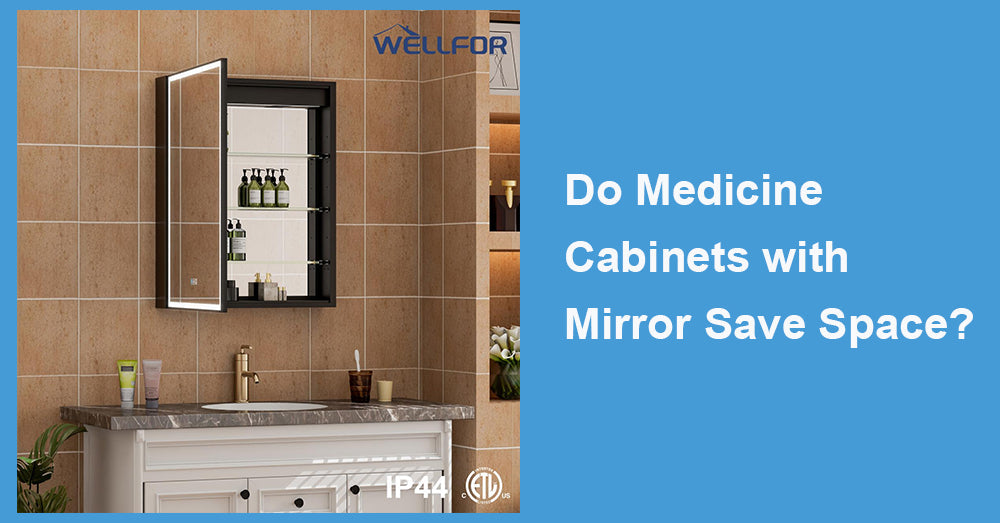
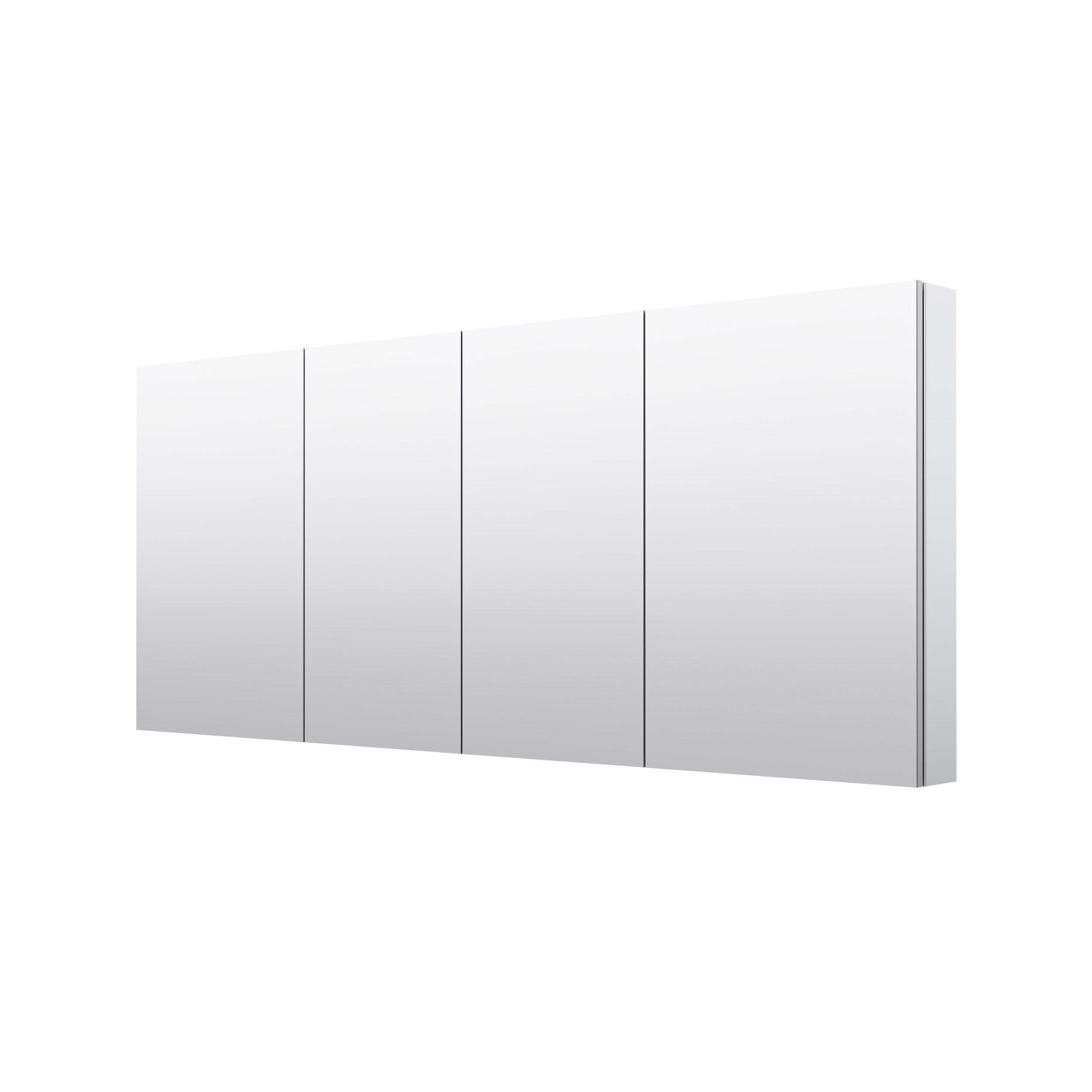
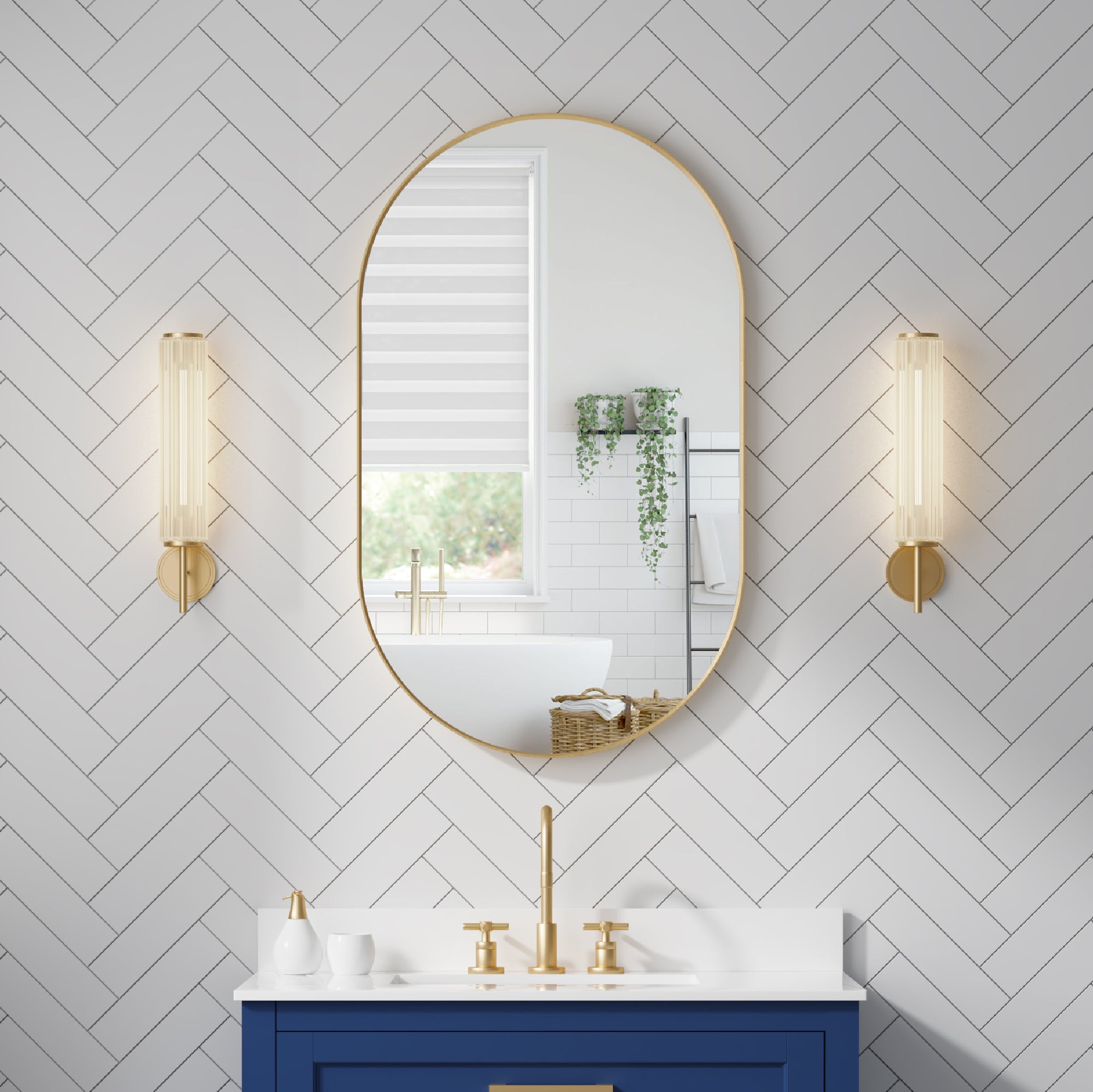
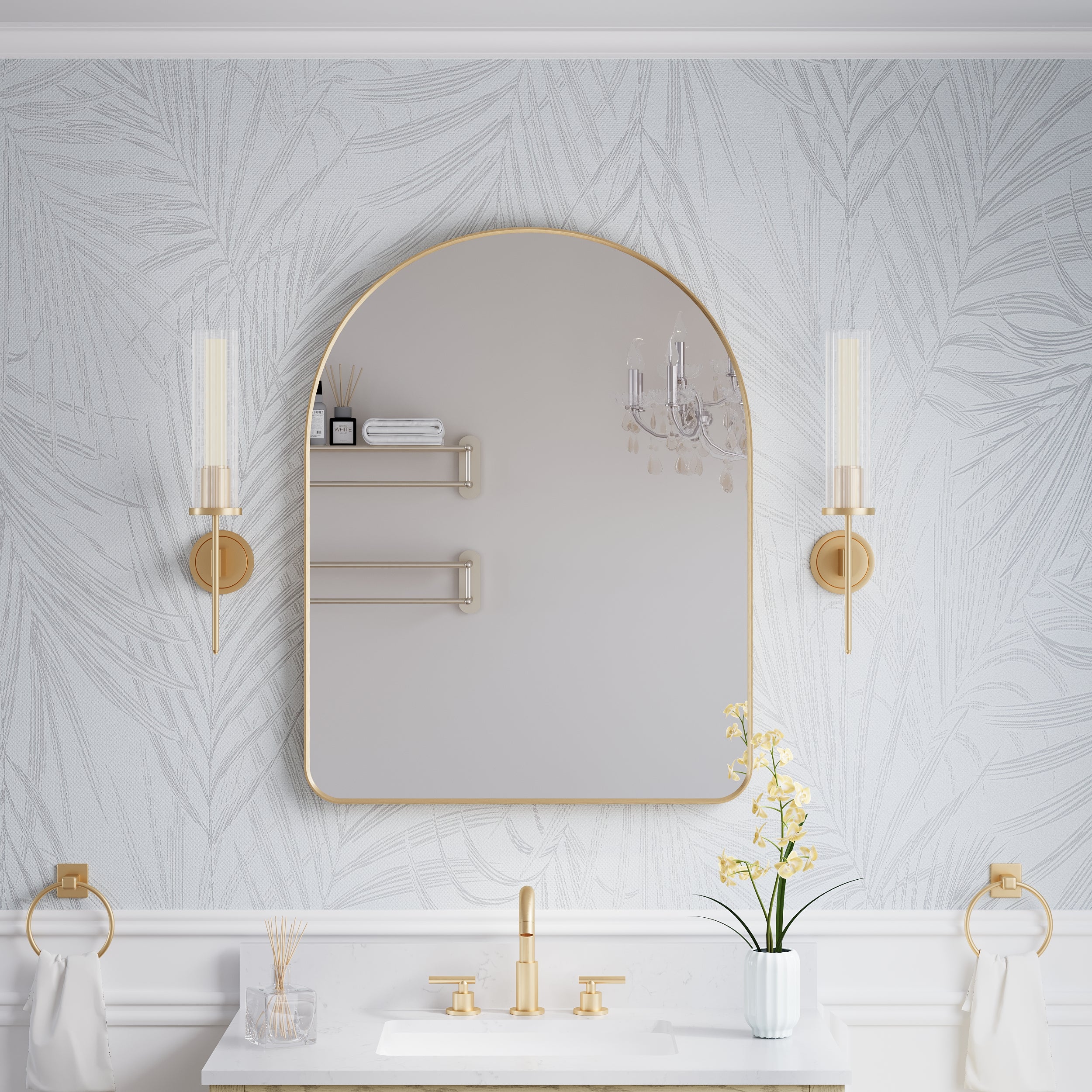
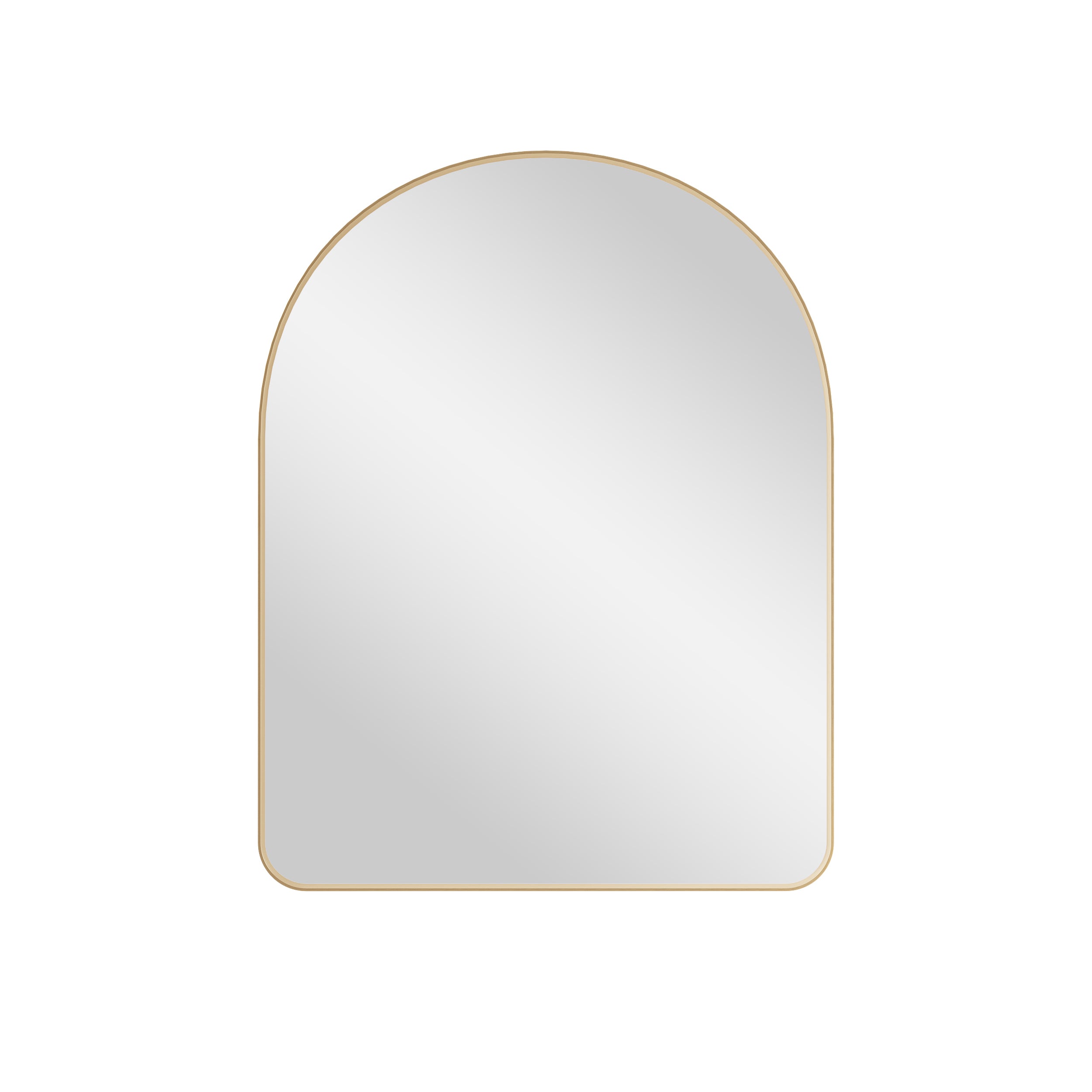
Frameless mirrors are often chosen for modern bathrooms because they visually simplify the wall. Still, when storage is also limited, the real question becomes more practical: Does a medicine cabinet with mirror actually save usable space, or shift storage into a different form?
The short answer from an industry standpoint is yes—but only when the layout and depth are designed correctly. A mirrored medicine cabinet does not just reflect light. It replaces separate storage furniture and turns unused wall depth into functional space, which is where the real gain happens.
1. The space problem is usually depth, not width
In most bathrooms, the issue is not how wide the room is, but how little usable depth exists once sinks, plumbing, and door swing are accounted for.
A standard bathroom vanity depth is often around 18 in to 21 in. That leaves very little floor space for additional storage units without blocking movement.
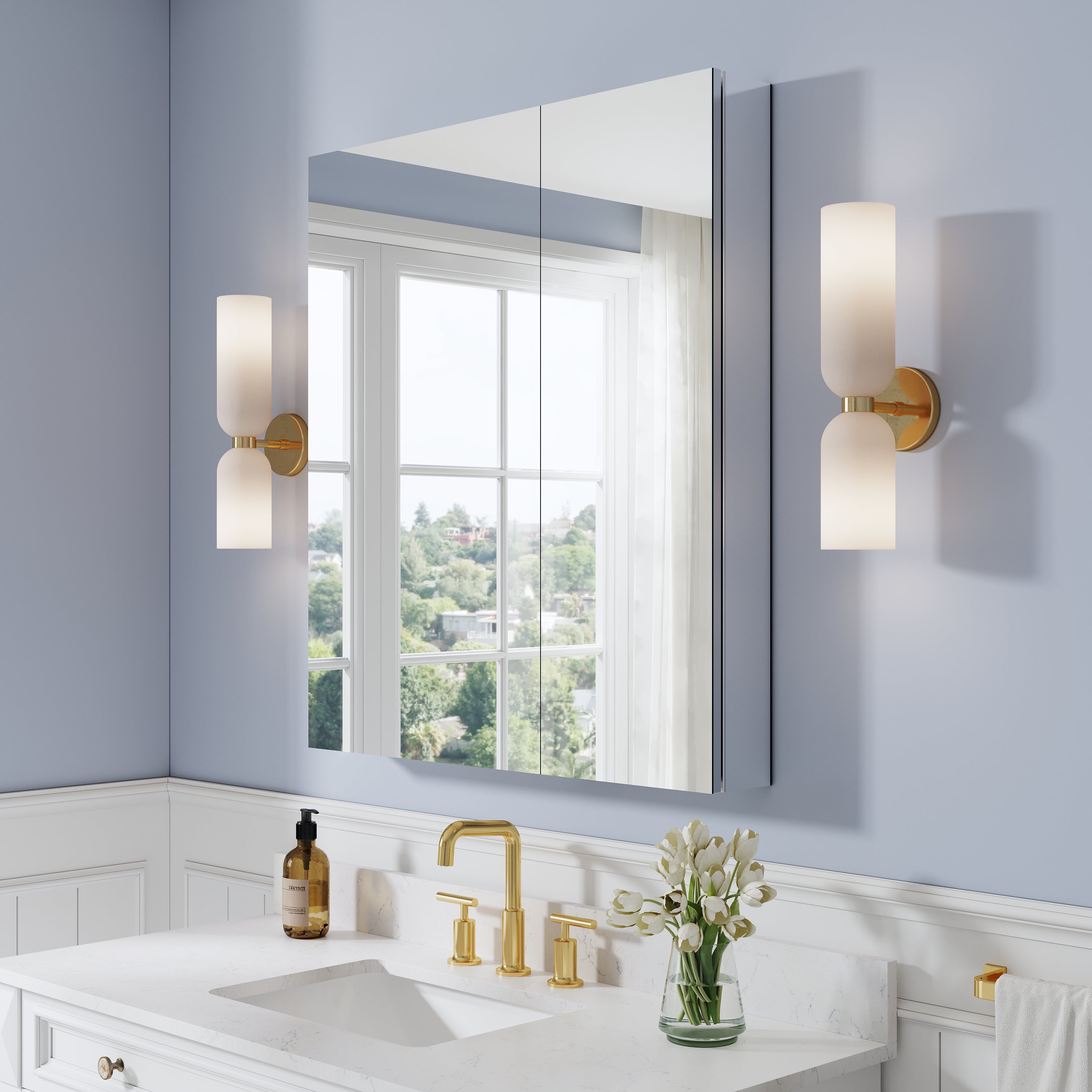
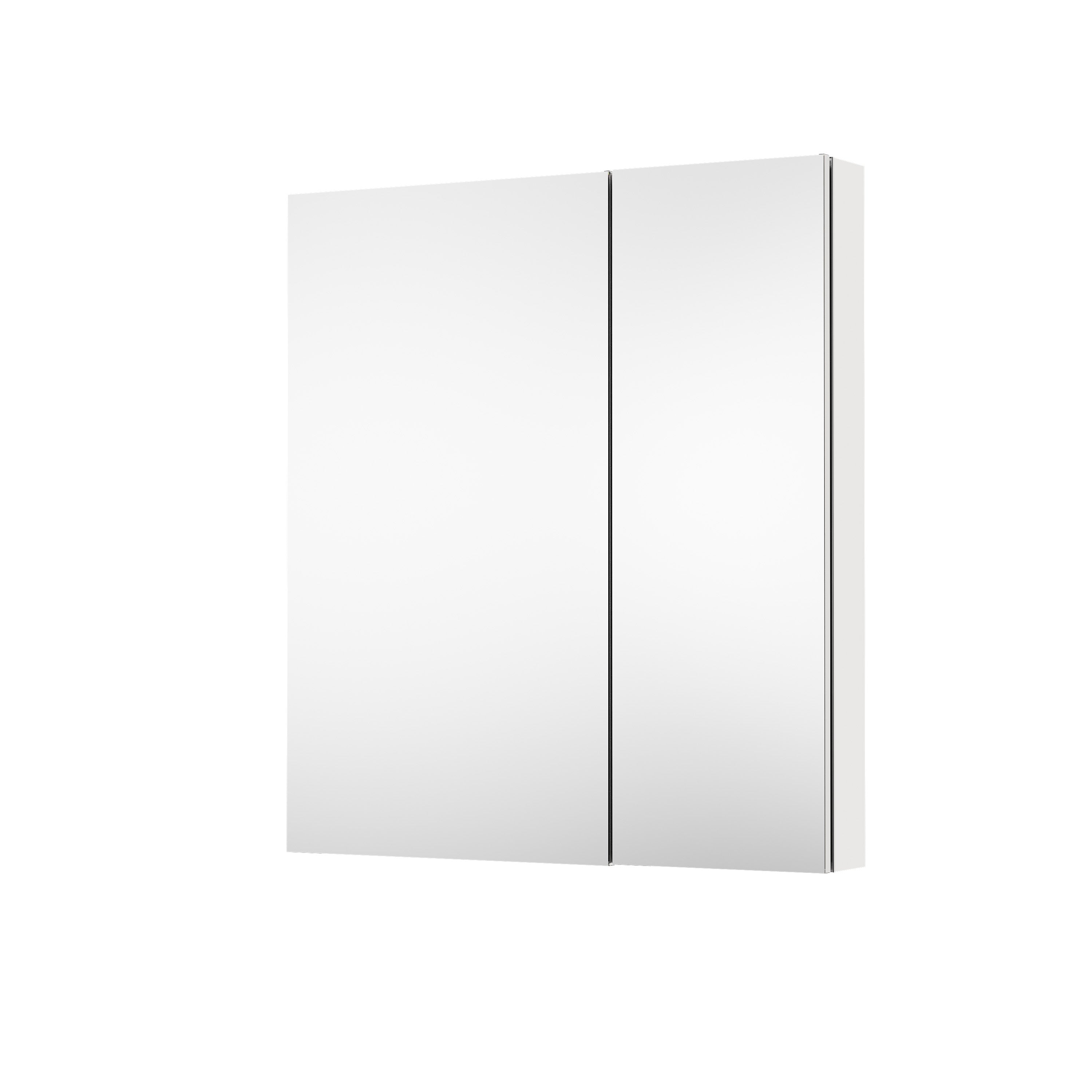
A surface-mounted medicine cabinet typically uses only 4 in to 6 in of wall projection. That difference may not look dramatic on paper, but in tighter bathrooms, it removes the need for a separate wall shelf or countertop clutter.
Industry observation is clear: when storage moves off the countertop and into vertical wall space, perceived room size improves even if the footprint does not change.
2. Why mirrored storage works better than open shelving
Open shelves take up the same wall space but do not hide clutter. Over time, visual noise becomes part of the “small bathroom feeling,” even if the room is technically organized.
A mirrored cabinet changes that behavior. Items remain accessible yet hidden, reducing visual density. This is why many designers prefer mirrored storage in bathrooms under 50 sq ft.
Houzz bathroom trend data has consistently shown that built-in storage solutions are among the top renovation priorities, especially in compact layouts where every inch matters. Source: Houzz
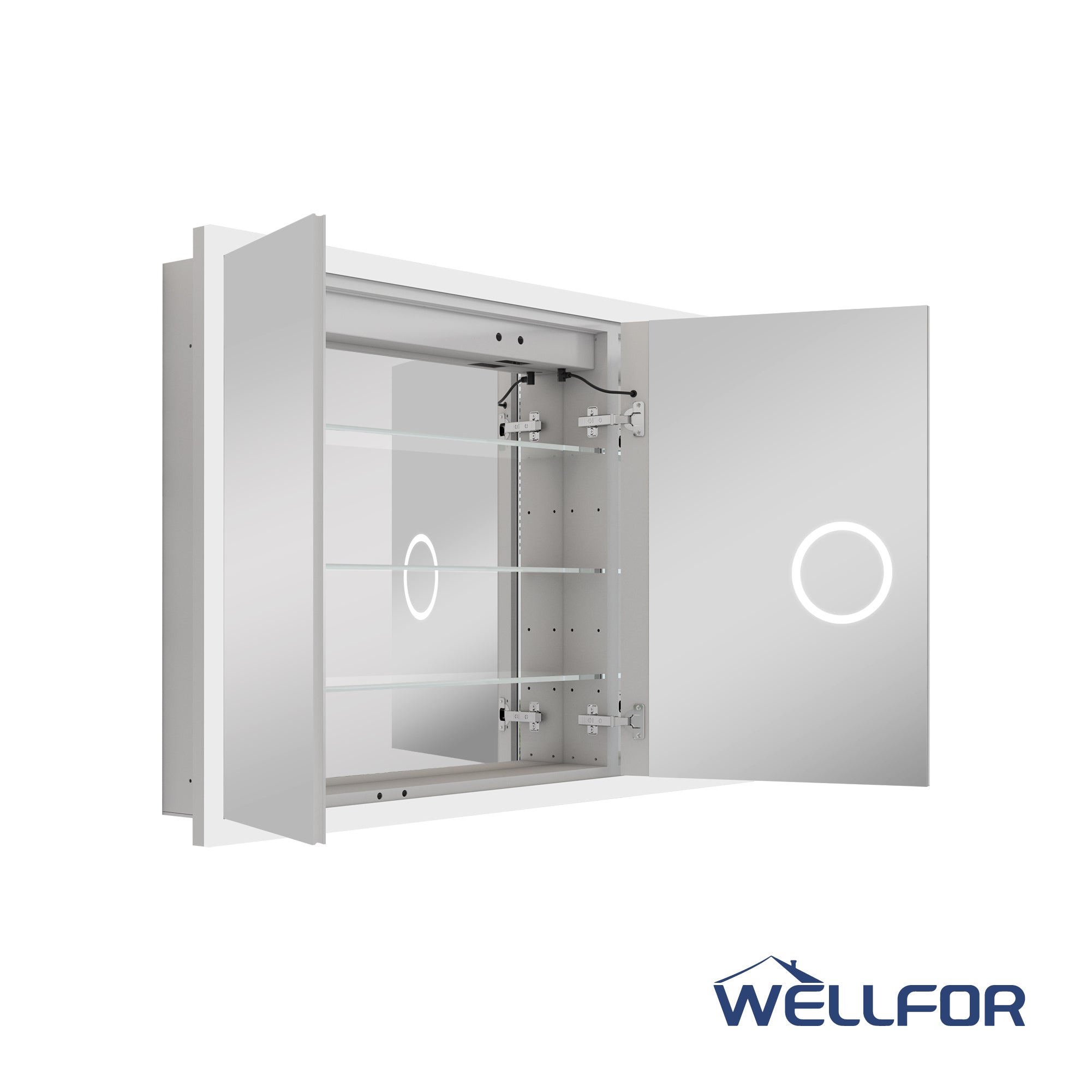
A mirrored cabinet essentially combines two functions:
· a daily-use mirror (typically 20 in to 40 in wide, depending on vanity size)
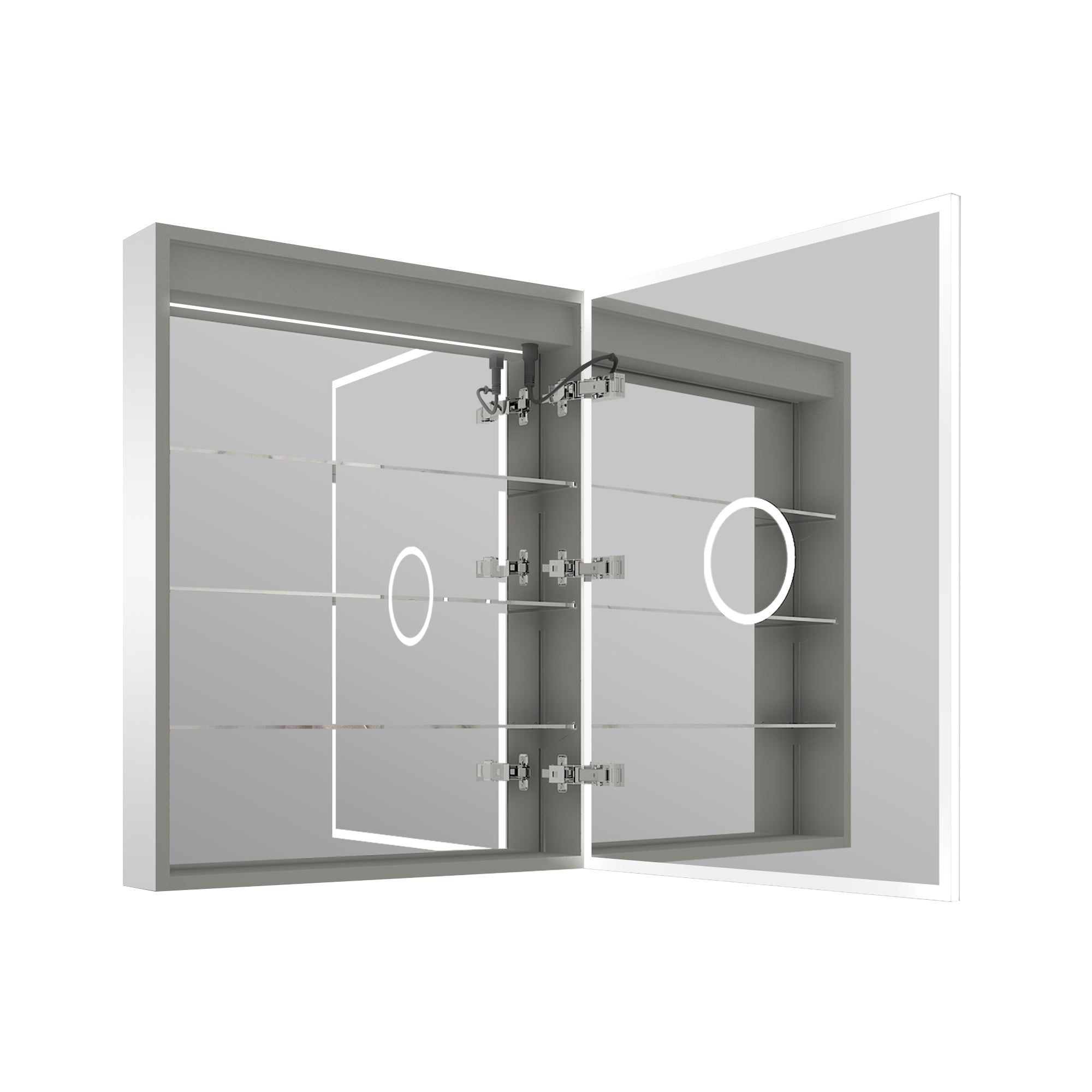
· concealed storage behind 3–5 in deep shelving
That combination is what creates real space efficiency.
3. Recessed vs surface-mounted makes a bigger difference than most people think
This is where performance splits.
A surface-mounted medicine cabinet adds about 4 in to 6 in of projection into the room. It is easier to install and works on most walls, but it does slightly reduce clearance in narrow spaces.
A recessed cabinet sits between wall studs, keeping the face almost flush. That design immediately recovers visible space, especially in tight layouts where every inch matters.
In practical use, recessed installation tends to feel “invisible,” while surface mount behaves more like a defined object on the wall. Both save internal storage space, but only recessed units fully preserve wall clearance.
4. Storage gain depends on internal layout, not just cabinet size
A common mistake is assuming a larger cabinet automatically means better organization. In reality, internal shelf design matters more than overall width.
For example:
· A 30-inch-wide cabinet with poorly spaced shelves wastes vertical room
· A 24 in cabinet with adjustable glass shelving often stores more usable items
Typical usable depth ranges from 3 in to 5 in per shelf, which is enough for skincare bottles, dental care, and daily grooming tools.
The real advantage is vertical stacking. Instead of items spreading across a 36 in countertop, they move into layered storage inside the wall.

5. Lighted medicine cabinets add another layer of efficiency
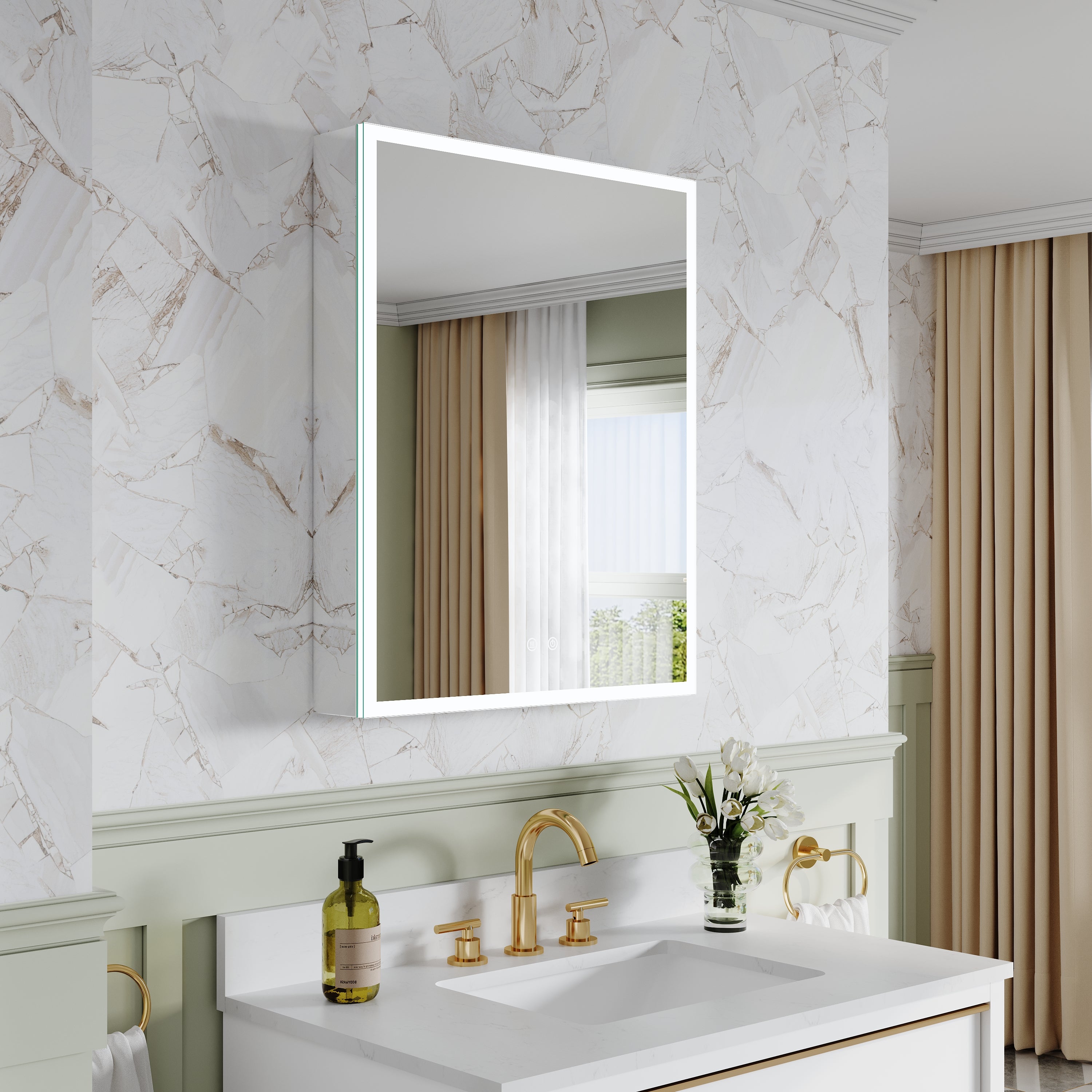
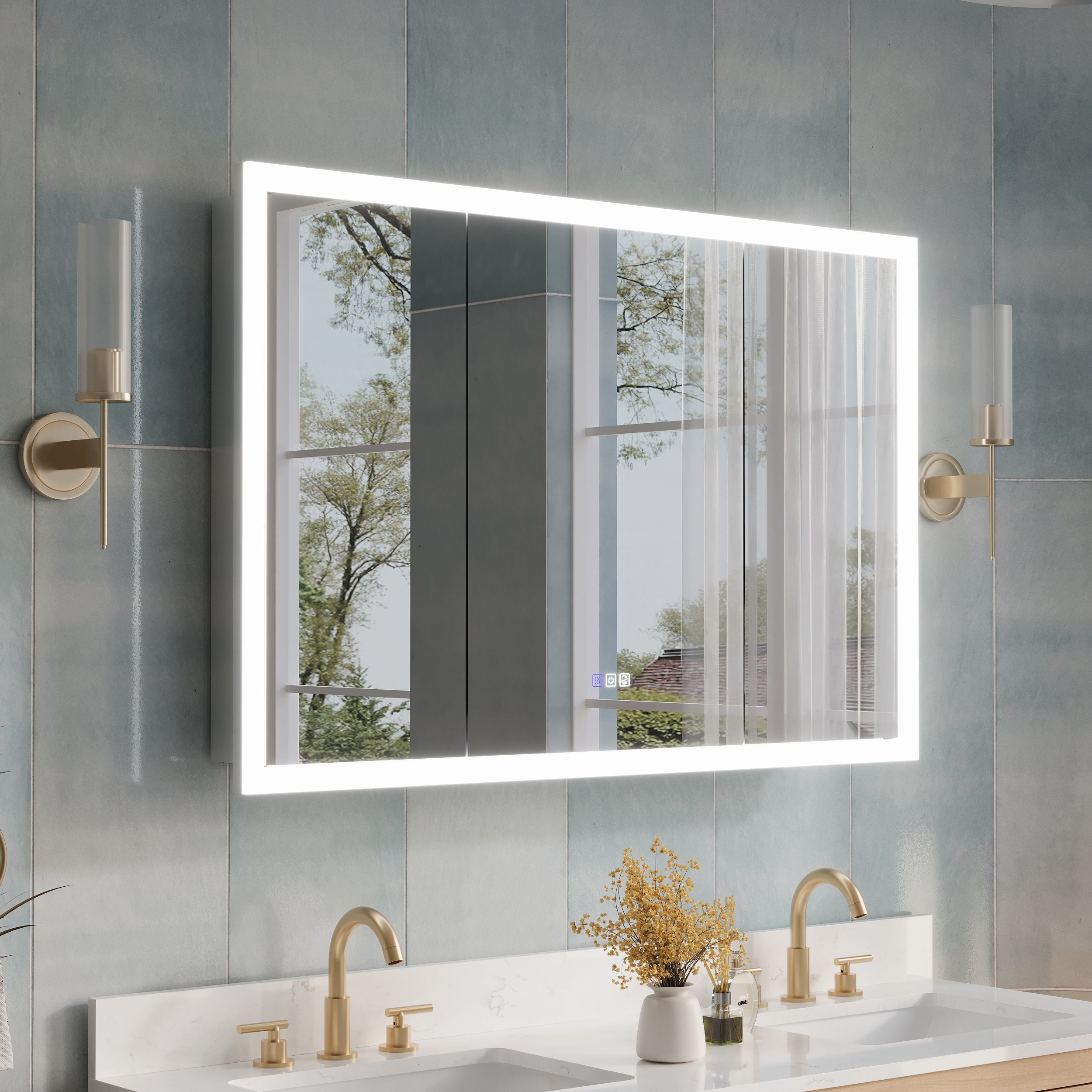
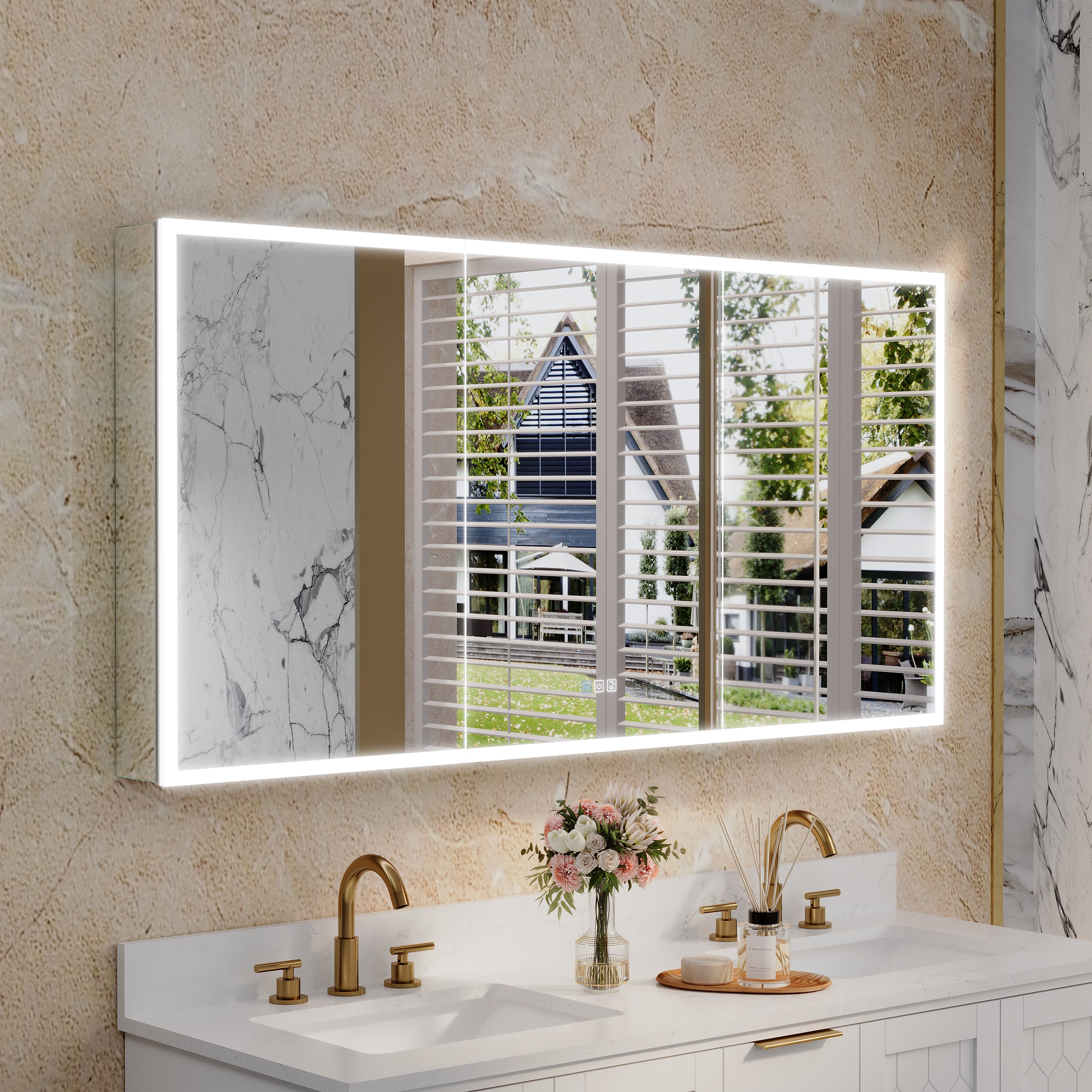
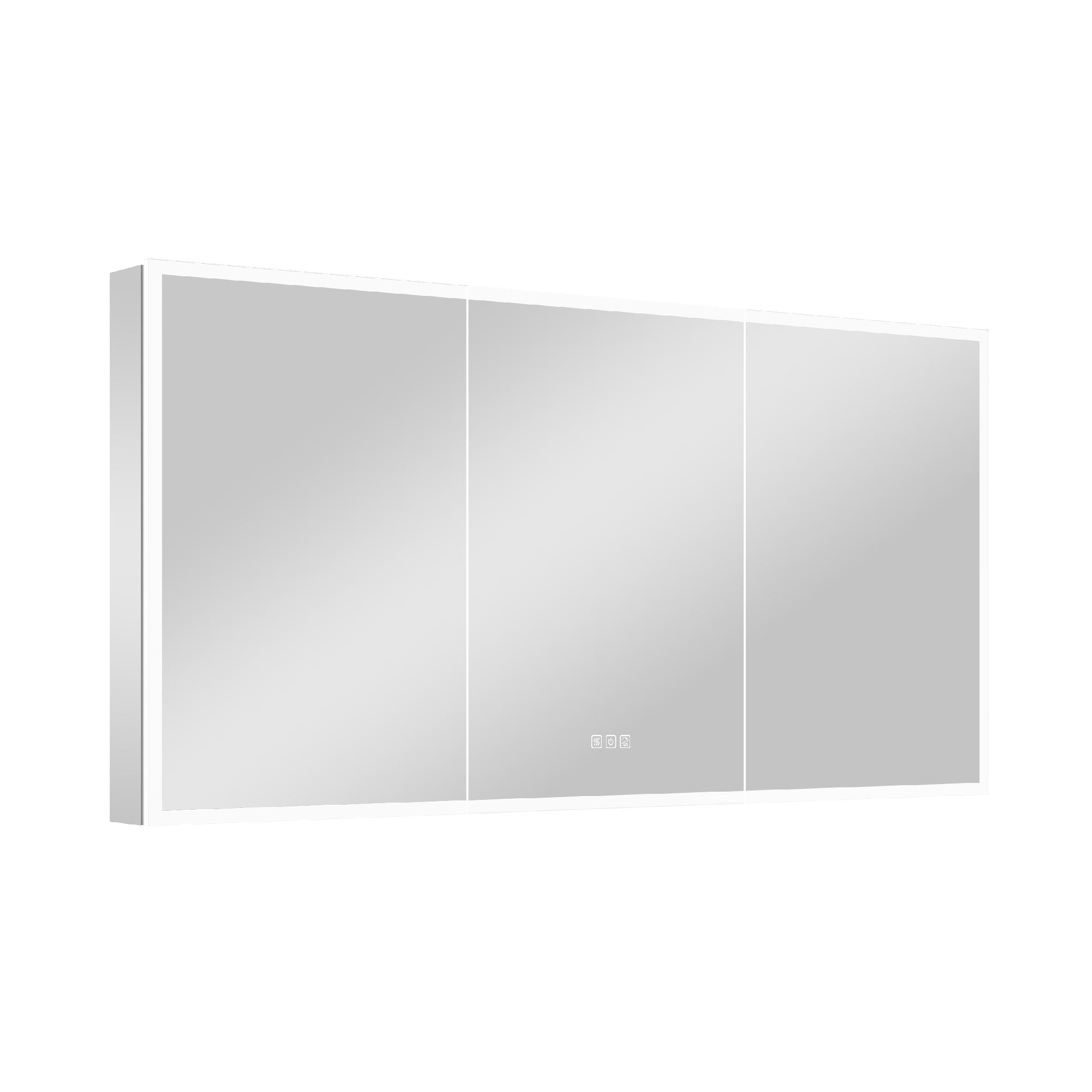
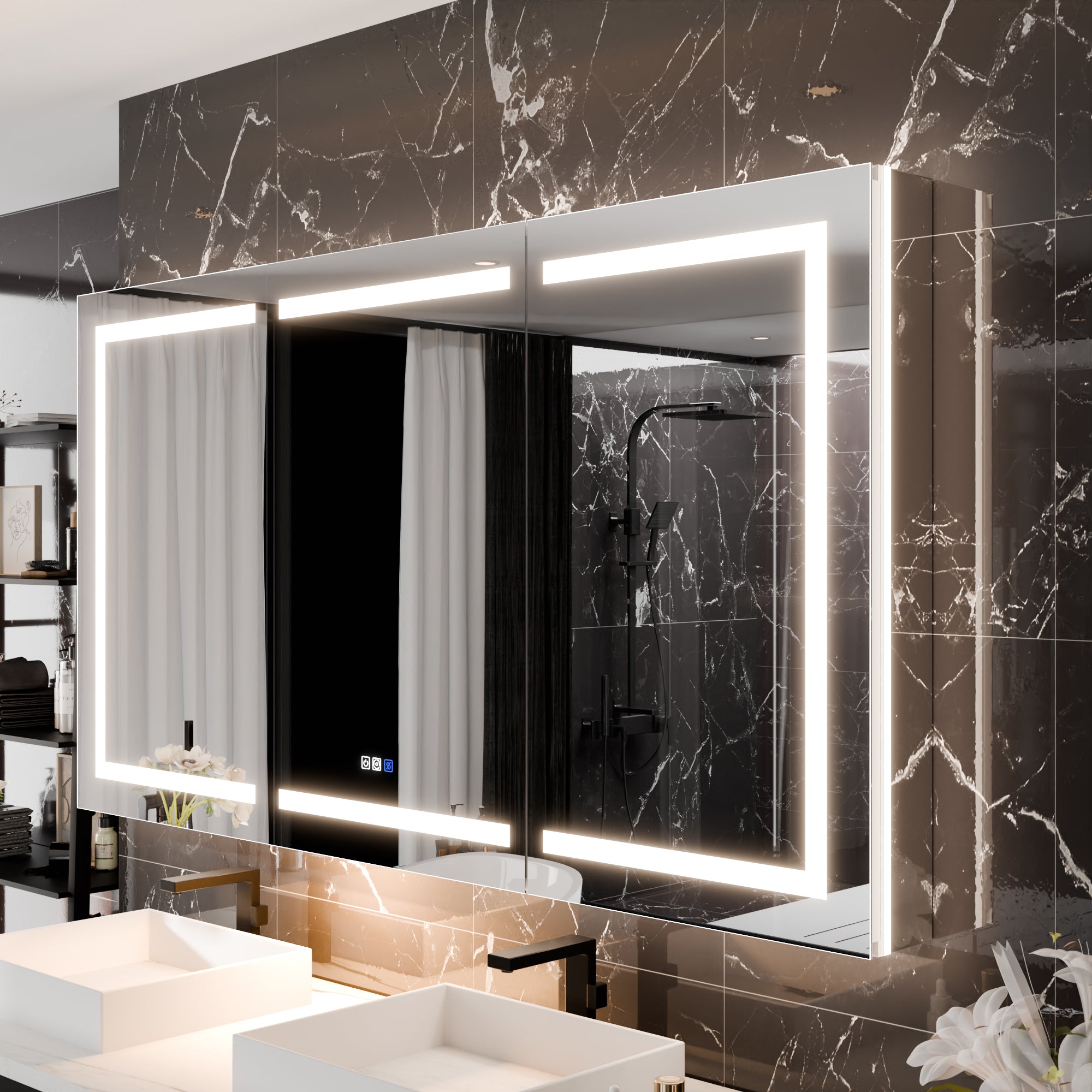
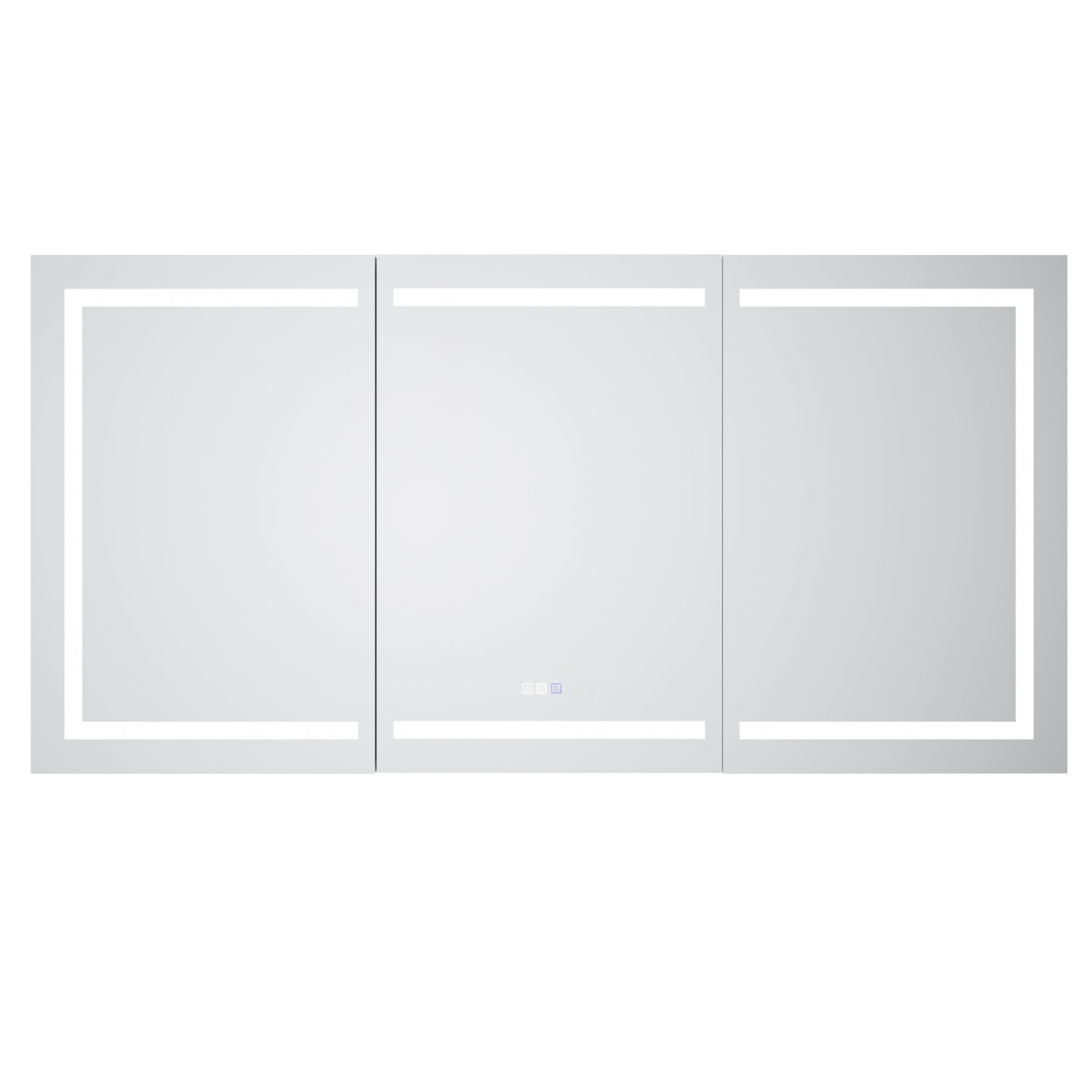
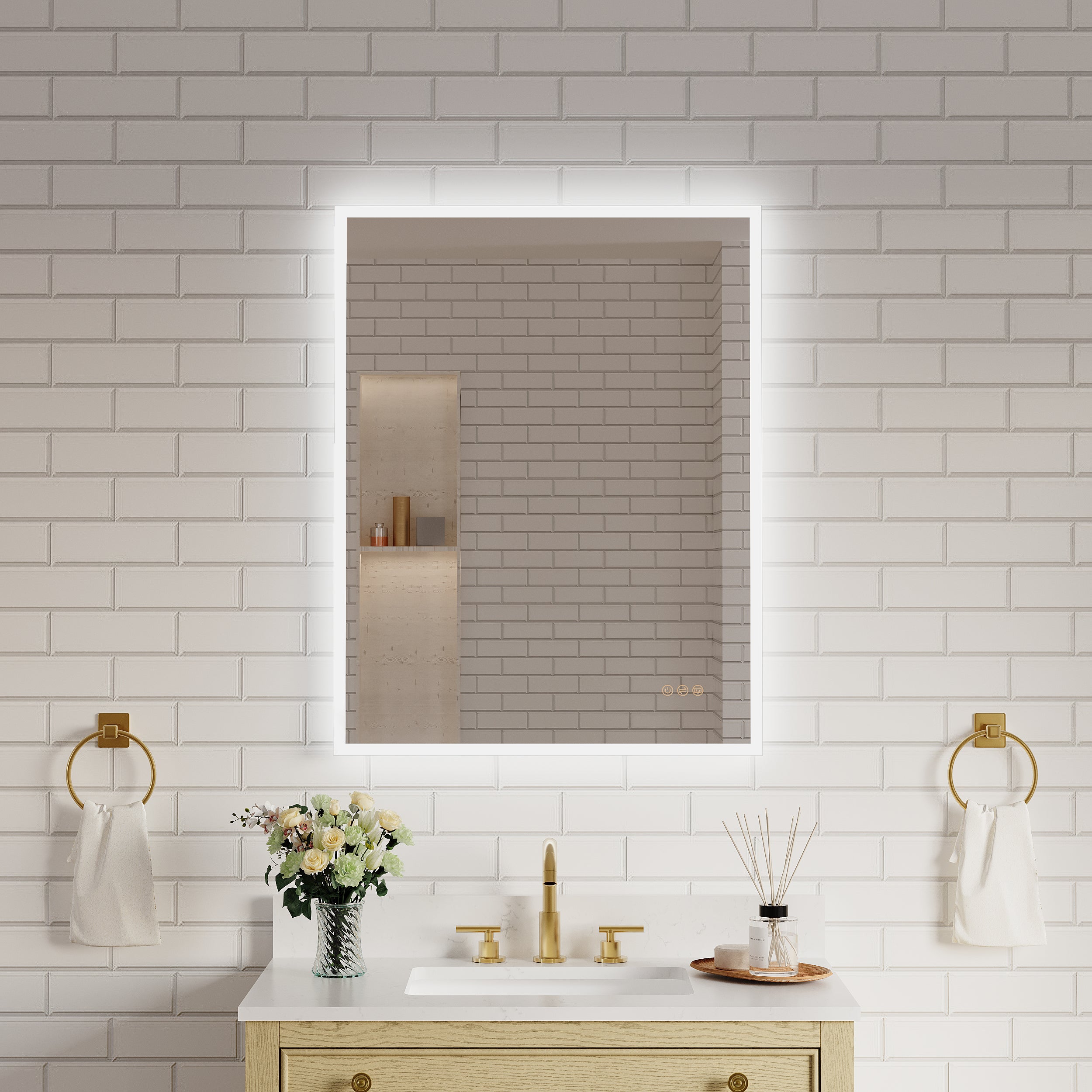
LED-integrated medicine cabinets are becoming more common because they combine mirror lighting and storage in one unit. That removes the need for separate wall sconces or countertop lamps.
DOE lighting guidance notes that LED systems can reduce energy use significantly compared to traditional lighting while offering longer service life, often in the 30,000–50,000-hour range, depending on driver quality. Source: DOE
From a design standpoint, the benefit is not just energy efficiency. It is wall consolidation. One product replaces two or three separate fixtures.
Industry judgment here is straightforward: once lighting and storage are integrated, bathroom walls stop competing for space and start consolidating functions.
6. When a mirrored cabinet does NOT save space
It is also worth being honest about limitations.
A medicine cabinet does not help if:
· The wall is too shallow or blocked by plumbing
· The cabinet is oversized for the vanity width
· doors swing into tight walking clearance
· Internal depth is too small for real storage use
In these cases, a poorly chosen unit can feel like it adds visual bulk instead of reducing clutter.
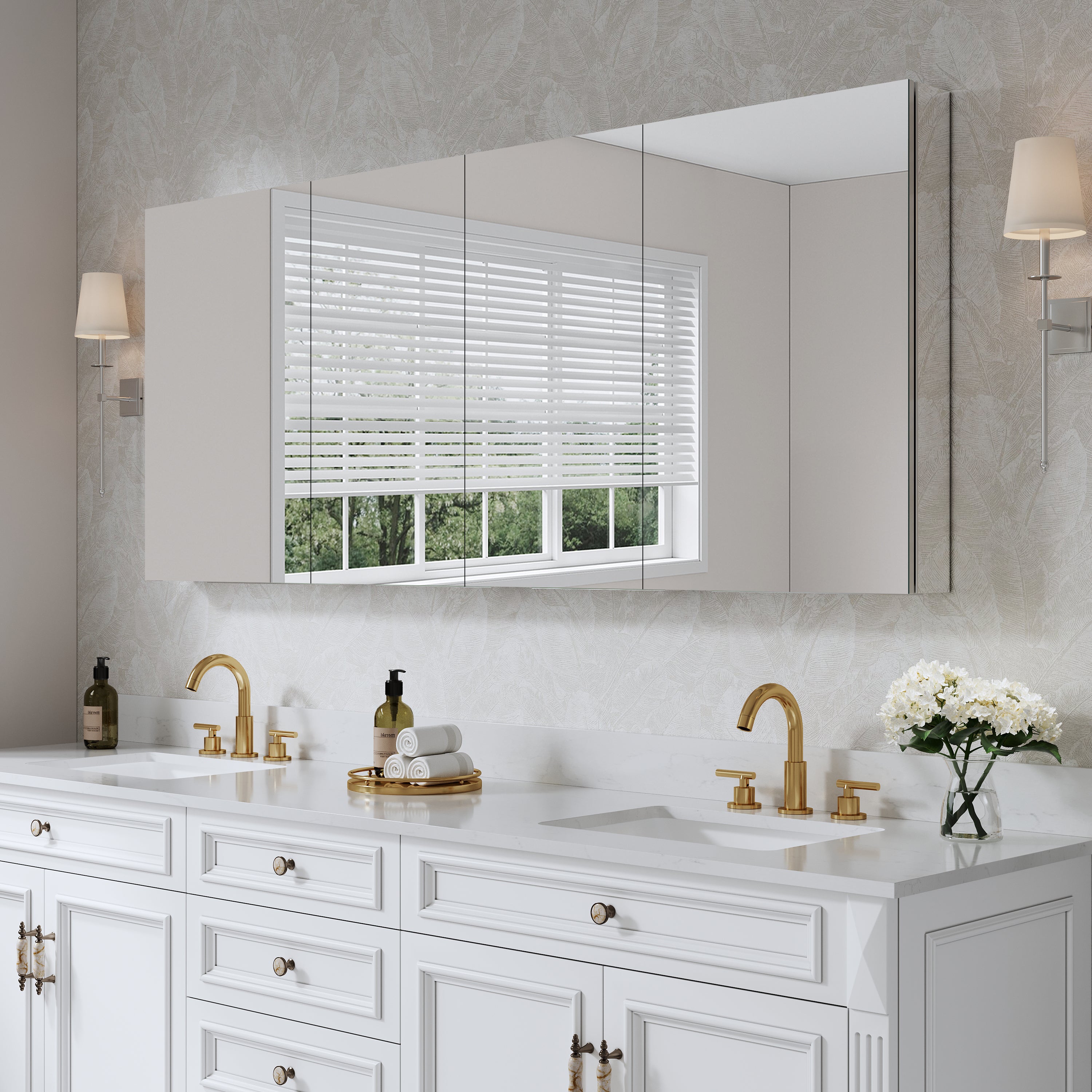
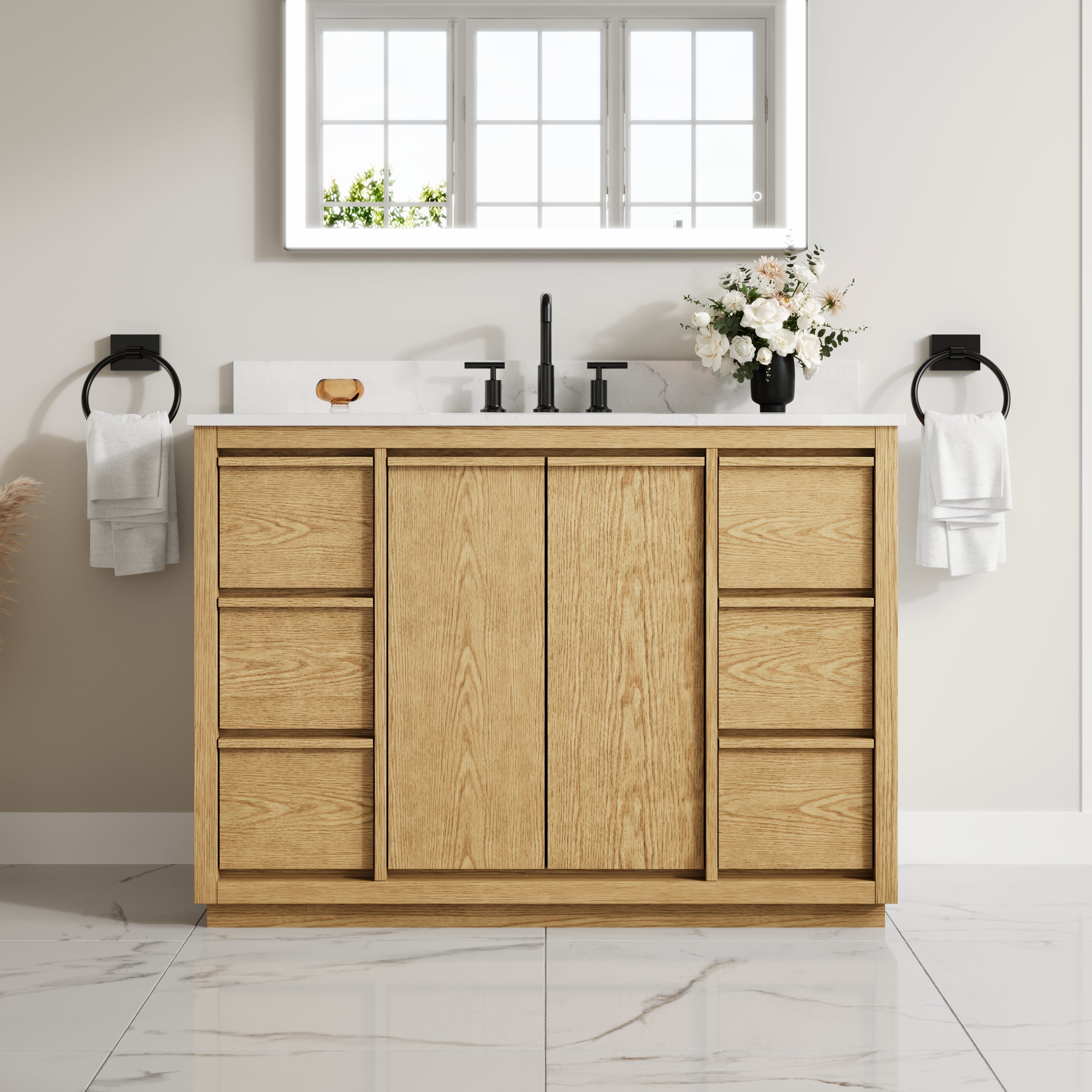
A good rule in design practice: mirror width should generally align with vanity width or stay within a 2-in to 4-in difference on each side for visual balance.
7. The real-world payoff is countertop clarity
Where medicine cabinets really prove their value is not in storage math, but in daily behavior.
When products move off the countertop:
· cleaning becomes faster
· Visual clutter drops immediately
· The sink area feels larger without structural changes
This is why designers often describe mirrored storage as a “perception upgrade,” not just a storage upgrade.
Final takeaway
Medicine cabinets with mirrors do save space—but not in the way most people first assume. The gain is not only cubic storage inside the wall. It is also about removing visual clutter and reducing dependence on the countertop.
In smaller bathrooms, especially under 50 sq ft, a well-sized mirrored cabinet can effectively replace an entire set of open shelves or countertop organizers. In larger bathrooms, it still plays a role, but more as a consolidation piece than a primary storage system.
Industry direction is moving toward integrated walls: mirror, storage, and lighting combined into a single unit. The fewer separate pieces of furniture a bathroom needs, the more open and functional it feels—even if the footprint stays the same.










Leave a comment
This site is protected by hCaptcha and the hCaptcha Privacy Policy and Terms of Service apply.