














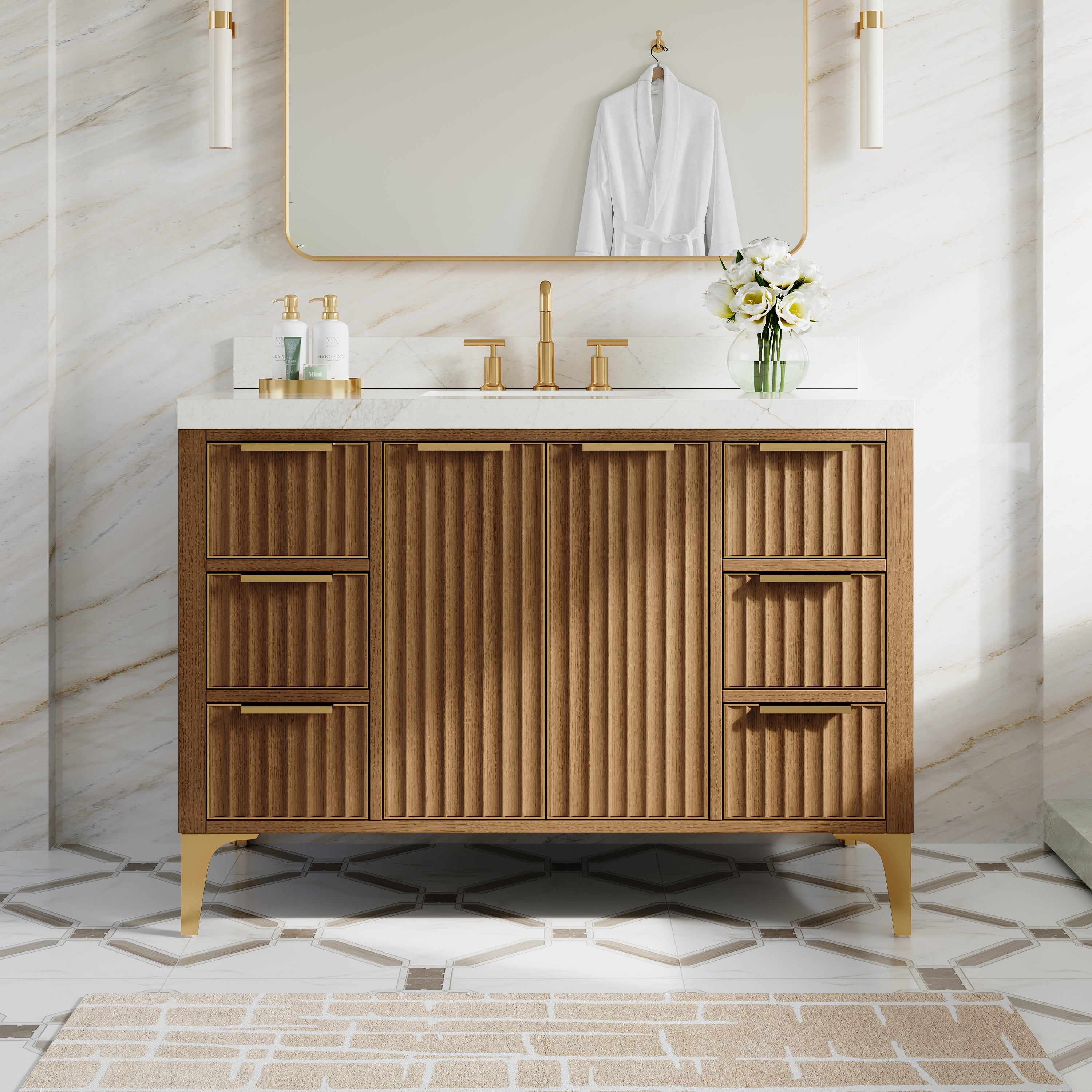
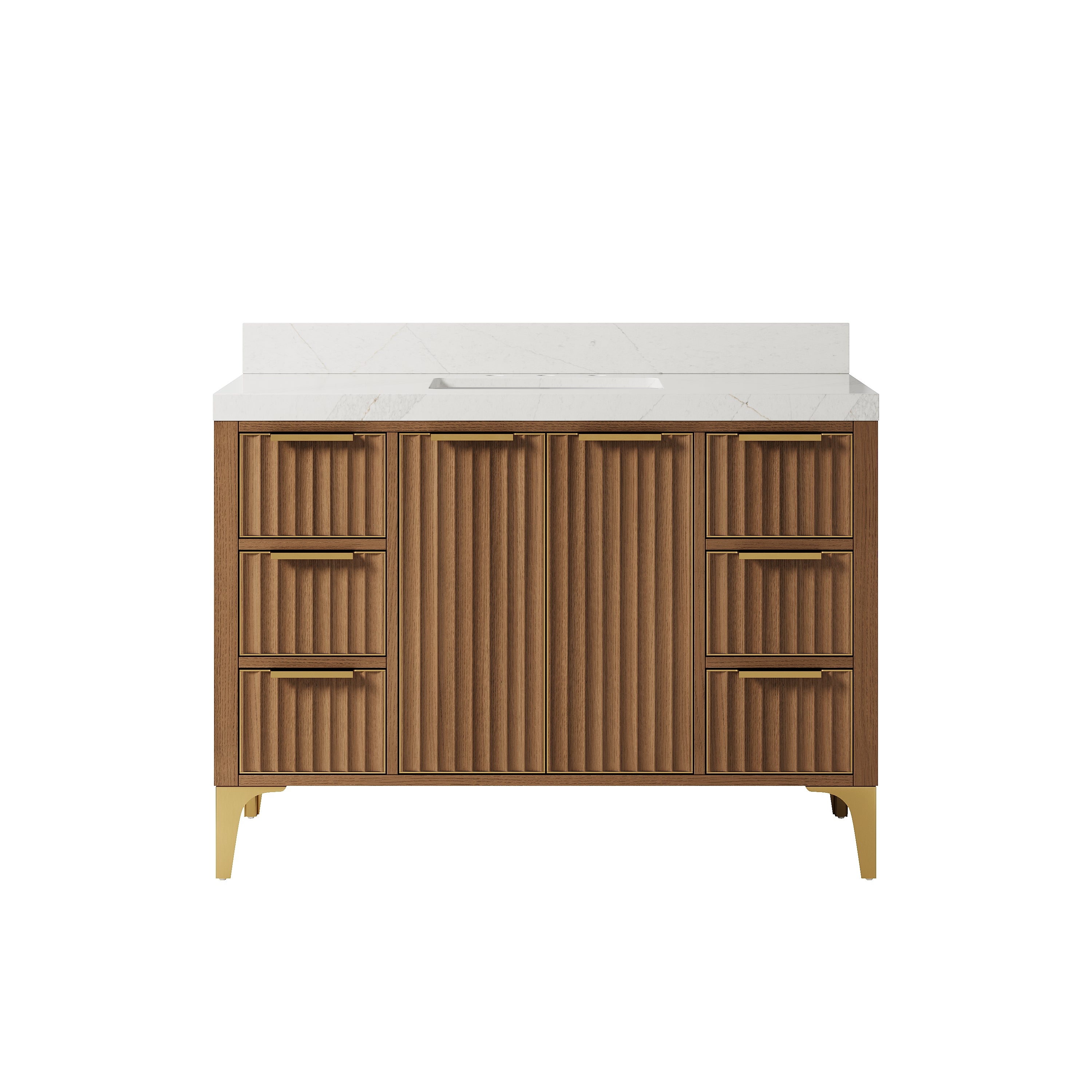


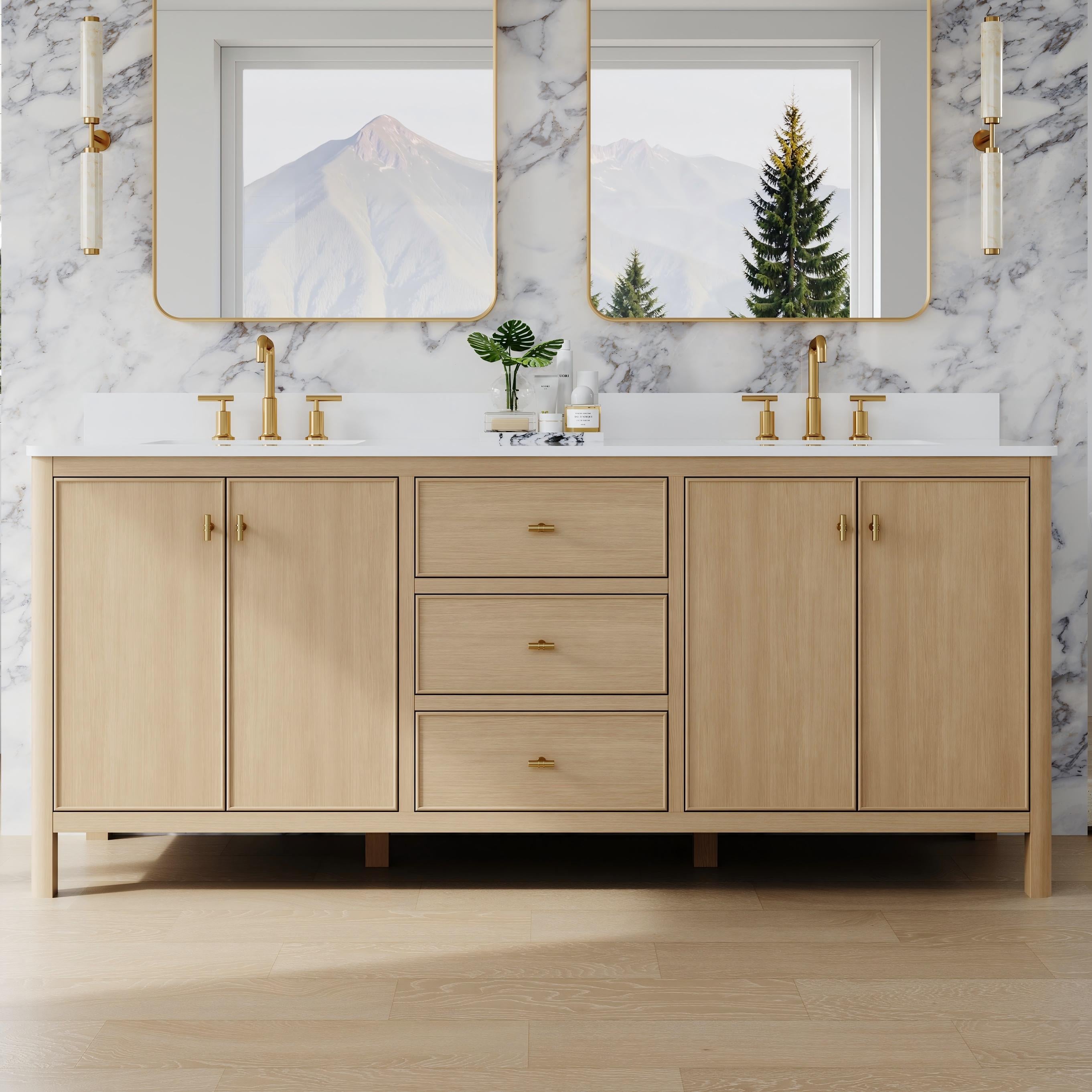
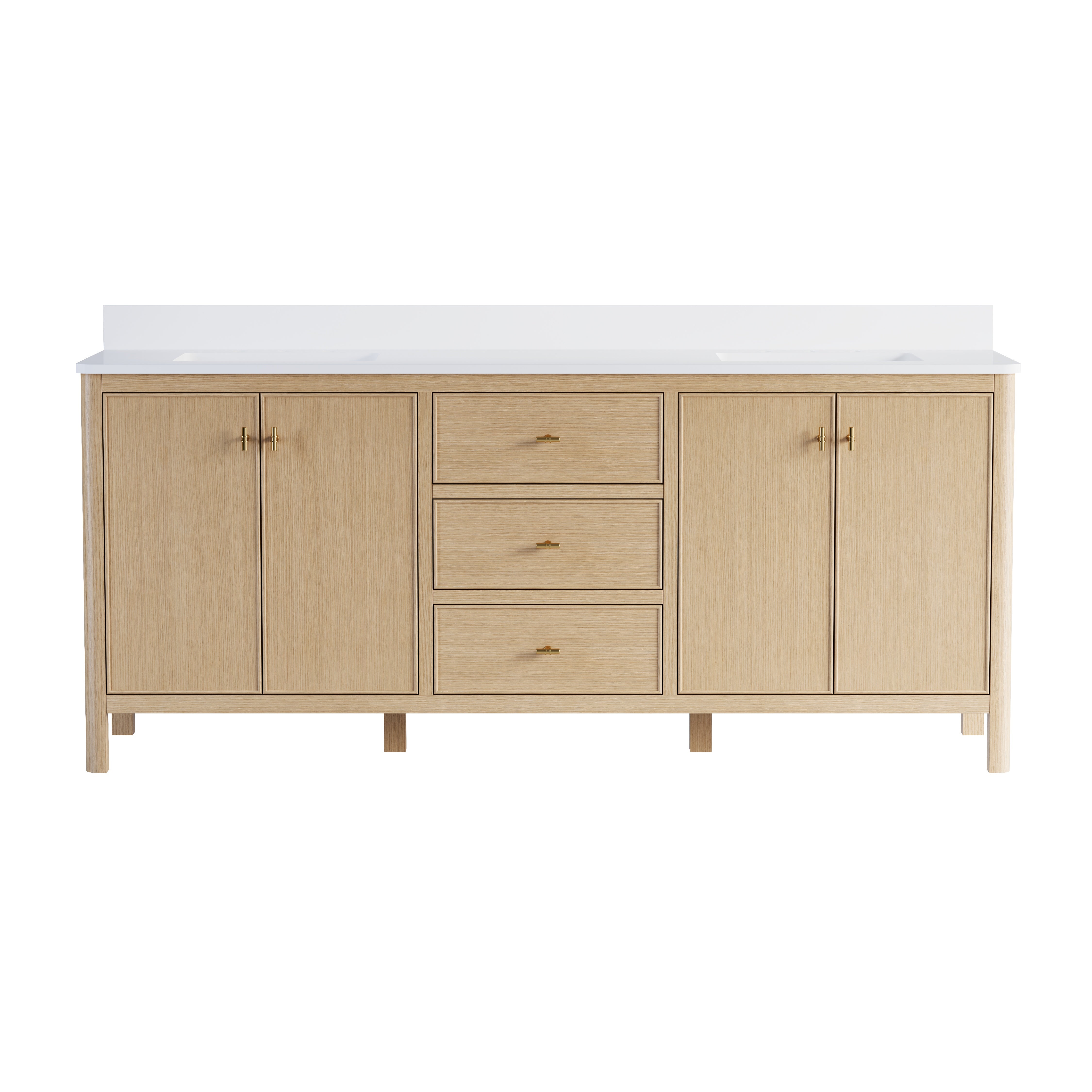


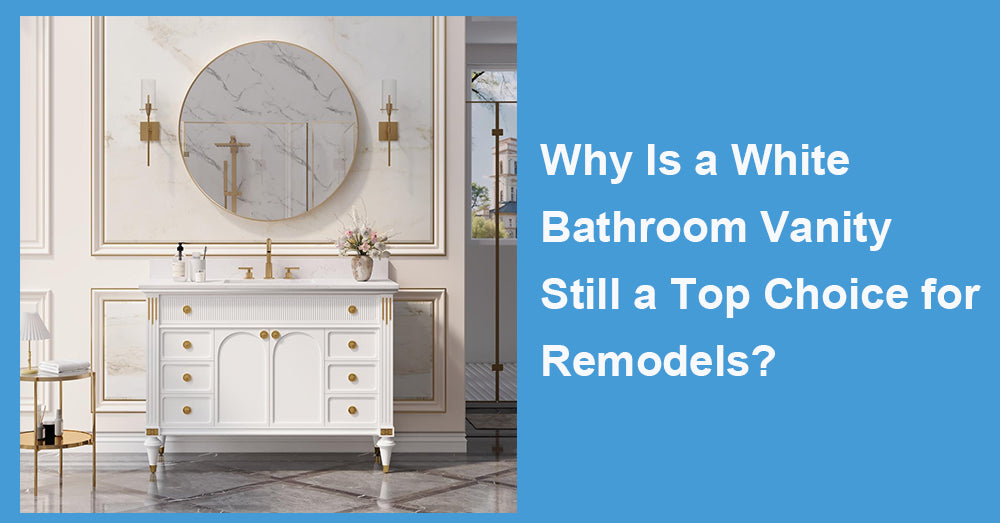
A white bathroom vanity remains one of the most dependable choices for a remodel because it gives the room a brighter, cleaner foundation without locking the design into a short-lived trend. After more than 20 years of working with bathroom cabinetry, I have seen white vanities succeed in compact guest baths, busy family bathrooms, and spacious primary suites. Their appeal comes from flexibility, not novelty.
The color still needs support from good construction, useful storage, and accurate proportions. A weak cabinet does not become a smart purchase simply because the finish is white.
1. A White Bathroom Vanity Works With Almost Any Design Direction
Bathroom remodels involve several materials that are expensive or difficult to replace, including tile, countertops, flooring, plumbing fixtures, and shower glass. White cabinetry works comfortably with most of them.
A simple flat-front vanity can suit a modern bathroom. Narrow shaker doors fit naturally into transitional interiors, while subtle furniture-style details can support a more traditional home. White also pairs with marble-look quartz, warm beige stone, terrazzo, patterned tile, and wood-look flooring.
This adaptability gives homeowners room to update the bathroom later. Hardware, mirrors, wall colors, and lighting can change without making the vanity feel disconnected.
That matters more than many buyers realize. A remodel should not require another major purchase just because decorative preferences shift.
2. White Helps Small and Dark Bathrooms Feel More Open
A white finish reflects more light than dark paint or deep wood tones. In a narrow guest bathroom or windowless hall bath, that can reduce the visual weight around the sink area.
The cabinet does not physically enlarge the room. It simply appears lighter, especially when paired with pale walls and a restrained countertop.
I have seen compact bathrooms improve noticeably after a bulky espresso vanity was replaced with a cleaner white model. The floor became more visible, the mirror felt better proportioned, and the entire room looked less crowded.
Color Cannot Fix the Wrong Size
One common mistake is assuming white makes any cabinet suitable for a small room.
A vanity that is too deep will still interfere with movement. An oversized model can still crowd the toilet or block a shower door. Measure the width, depth, countertop overhang, and drawer clearance before choosing the finish.
Use painter’s tape to mark the proposed footprint on the floor. It is a simple test, but it reveals circulation problems quickly.
3. The Right Shade of White Makes a Difference
White is not one universal color. Some finishes are crisp and cool. Others lean cream, gray, or warm beige.
A bright white cabinet may look harsh beside ivory tile. A warmer white can appear yellow beneath cool LED lighting. Product photographs also change depending on editing, screen settings, and room light.
Compare the vanity with the countertop, flooring, wall paint, and lighting temperature whenever possible. A physical sample is best.
Slight Contrast Is Better Than a Forced Match
The vanity does not need to match every white surface exactly. In fact, slight variation often gives the room more depth.
The goal is harmony. A soft white cabinet, warm stone top, and light beige wall can feel layered and intentional. Several conflicting whites can make the same room look unfinished.
4. White Provides a Flexible Background for Other Materials
A white vanity allows hardware and countertops to shape the personality of the bathroom.
Matte black pulls create sharper contrast. Brushed nickel keeps the look understated. Soft brass adds warmth and works especially well when the room includes natural wood accents or warmer tile.
Countertops change the effect just as strongly. White quartz with fine veining feels clean and modern. Beige stone softens the cabinet. A dark top creates drama, although it may show dust, soap residue, and water marks more clearly.
This is one reason white remains useful during remodels. The cabinet can stay while smaller design elements evolve around it.
5. Practical Storage Matters More Than the Finish
A remodel should improve daily routines, not just appearance. Look inside the cabinet before falling in love with the door style.
Deep drawers are useful for skincare, cosmetics, grooming tools, and smaller toiletries. They make products easier to see and reduce clutter on the counter. Open cabinet space beneath the sink works better for taller bottles, cleaning products, and spare paper goods.
Do not count drawer fronts without checking whether they open. Some are decorative because the sink occupies the space behind them. Plumbing cutouts can also reduce storage more than expected.
For a family bathroom, I would prioritize full-extension drawers and durable hardware. A guest bath may need less daily storage, allowing a lighter or more decorative design.
6. White Has Real Advantages—and Honest Drawbacks
White makes dirt, toothpaste, makeup, and hair dye easy to notice. That can be inconvenient in a children’s bathroom or a heavily used family space.
There is a positive side. Visible spills are often cleaned sooner, before they become stubborn stains.
Poor-quality paint may chip around handles and corners. High-gloss finishes can reveal scratches, while heavily detailed doors collect dust in grooves. A durable satin or matte coating is usually easier to live with.
An all-white bathroom may also feel sterile. Add texture rather than unnecessary decoration. A wood-framed mirror, woven basket, veined top, or warmer metal finish can make the space feel more comfortable.

7. Installation and Maintenance Protect the Remodel
Install the vanity level so doors and drawers remain aligned. Seal the sink, faucet openings, countertop, and backsplash joints carefully. Test the plumbing before filling the cabinet.
White finishes reveal crooked hardware and uneven gaps quickly, so precise installation matters.
For routine care, use a soft cloth with a mild, non-abrasive cleaner. Remove colored spills promptly and wipe standing water around the faucet. Run the exhaust fan after showers, and check beneath the sink several times a year for slow leaks.
A white vanity is best suited to small bathrooms, guest baths, family spaces, and remodels where long-term flexibility matters. It may be less suitable for homeowners who want a moody, strongly rustic interior or prefer a finish that hides daily marks.
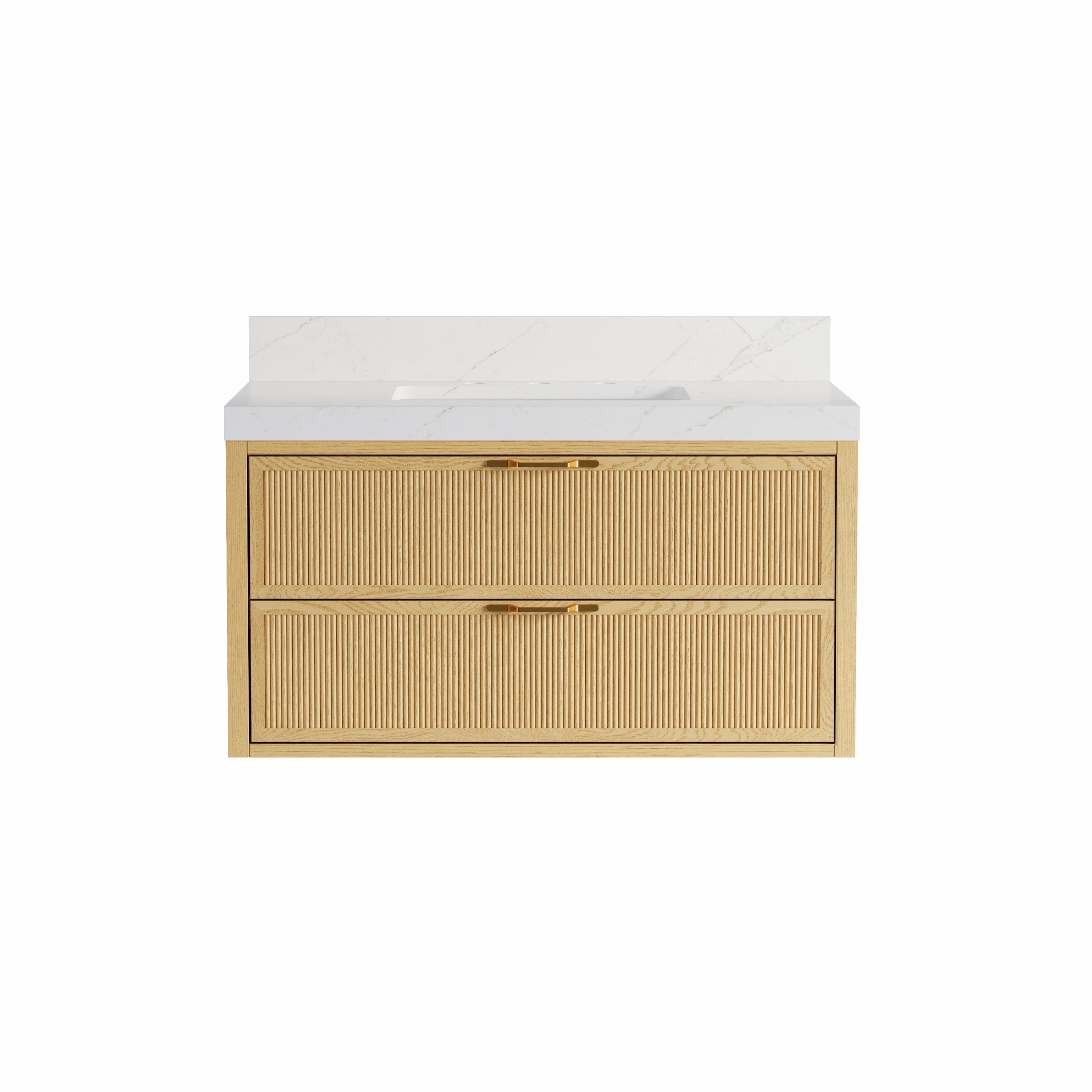
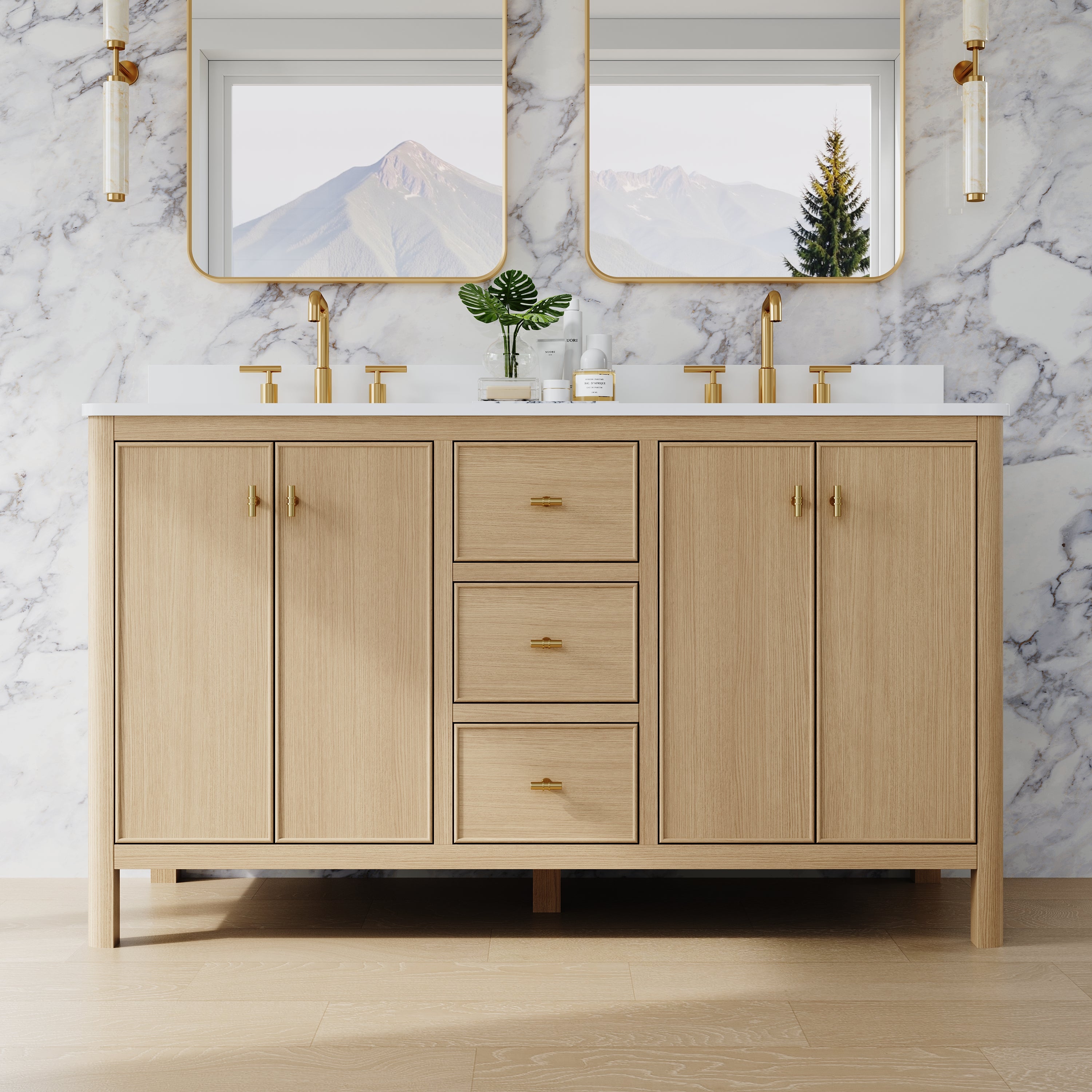
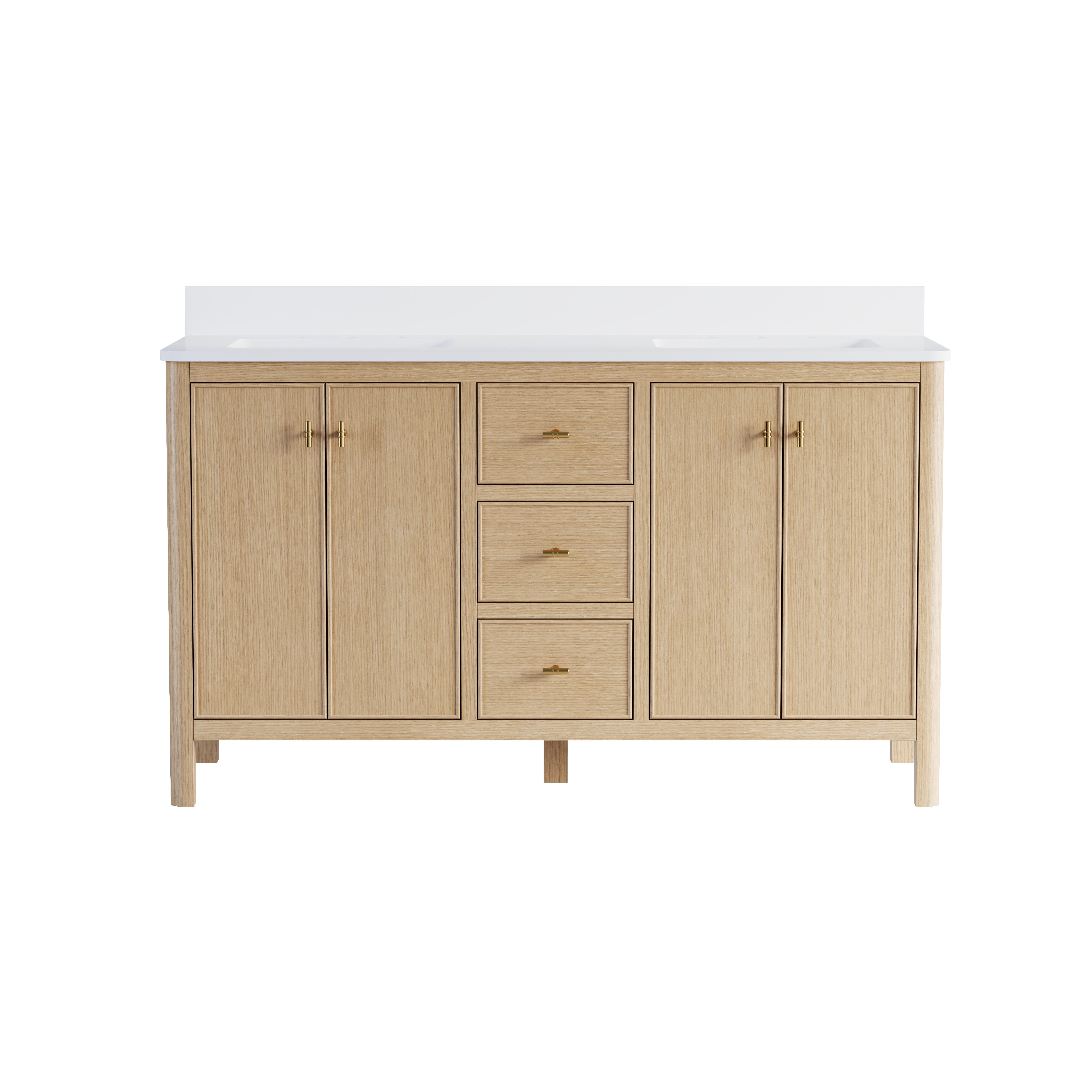
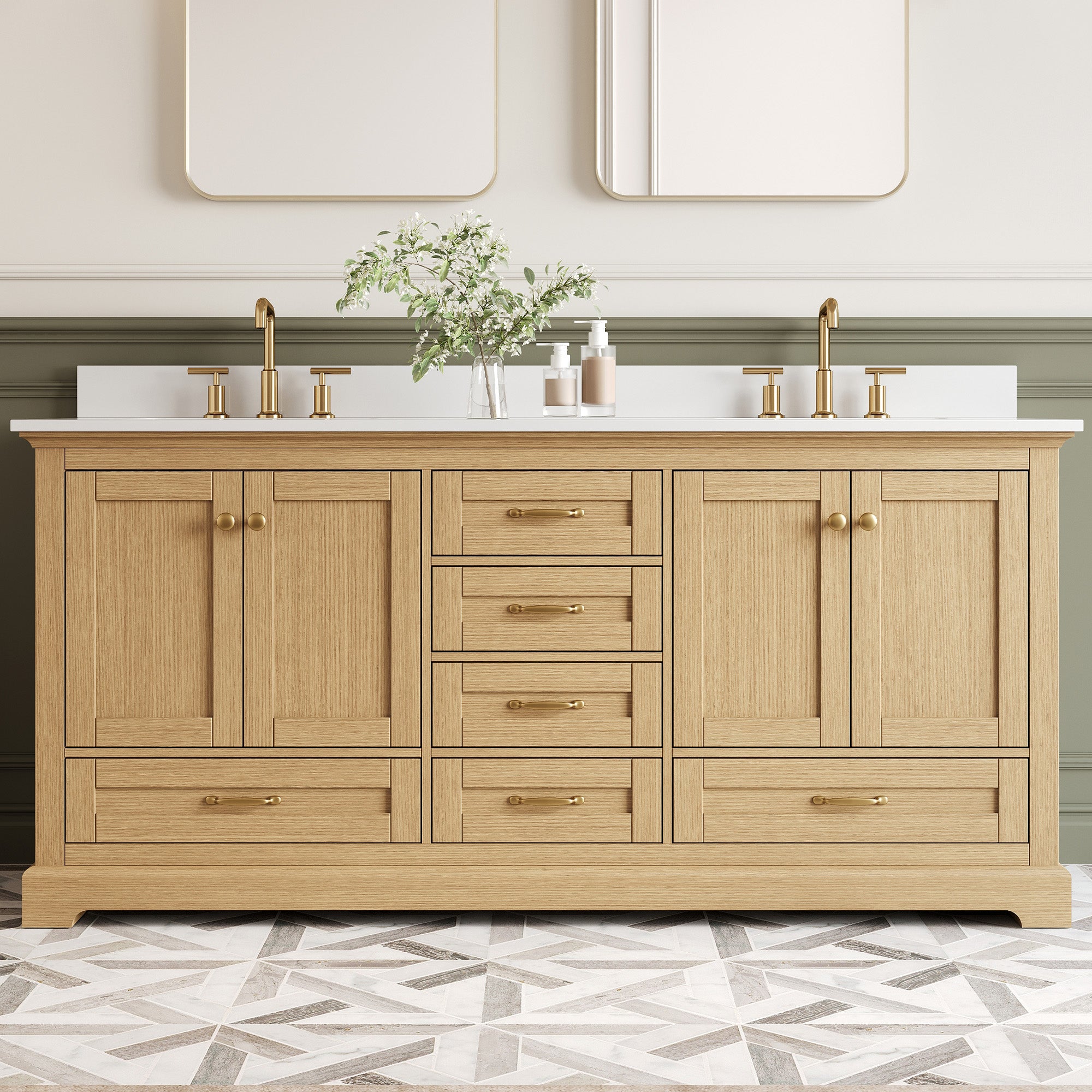
When comparing Wellfor options, begin with cabinet construction, storage, dimensions, and moisture protection. Then choose the shade, hardware, and countertop that belong with the room. A carefully selected white bathroom vanity remains a top remodeling choice because it offers brightness, design freedom, and practical value without demanding that every future update revolve around it.



































Leave a comment
This site is protected by hCaptcha and the hCaptcha Privacy Policy and Terms of Service apply.