














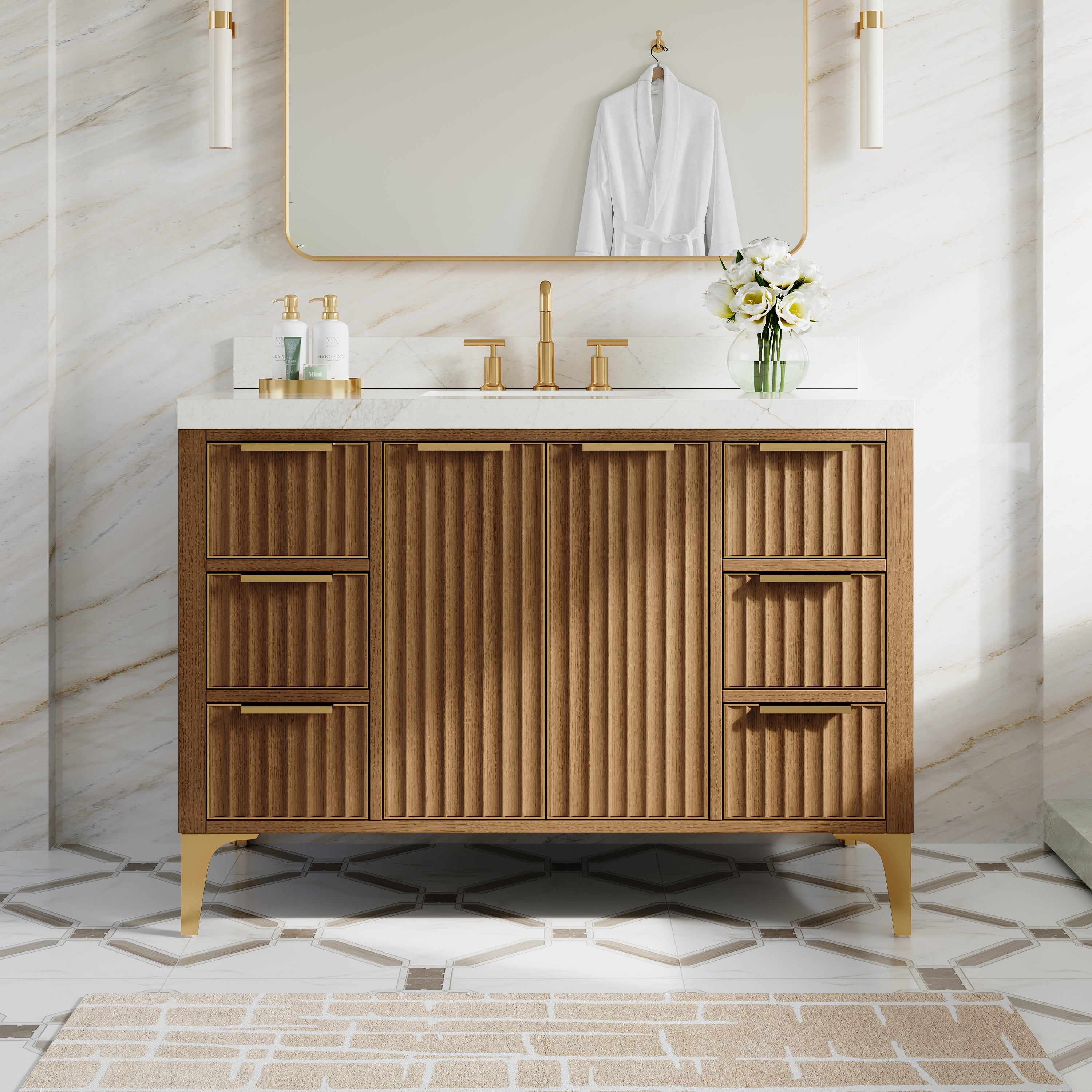
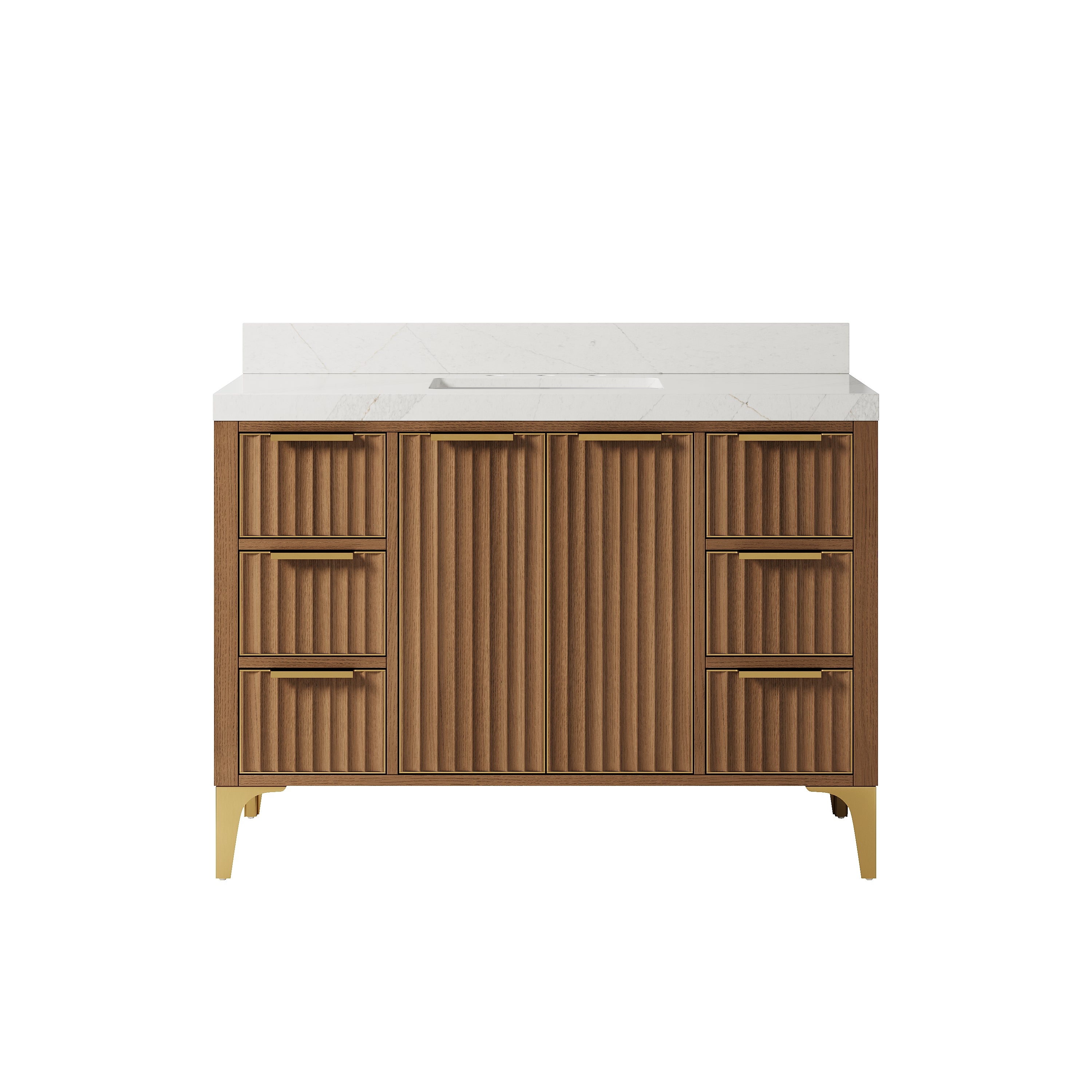


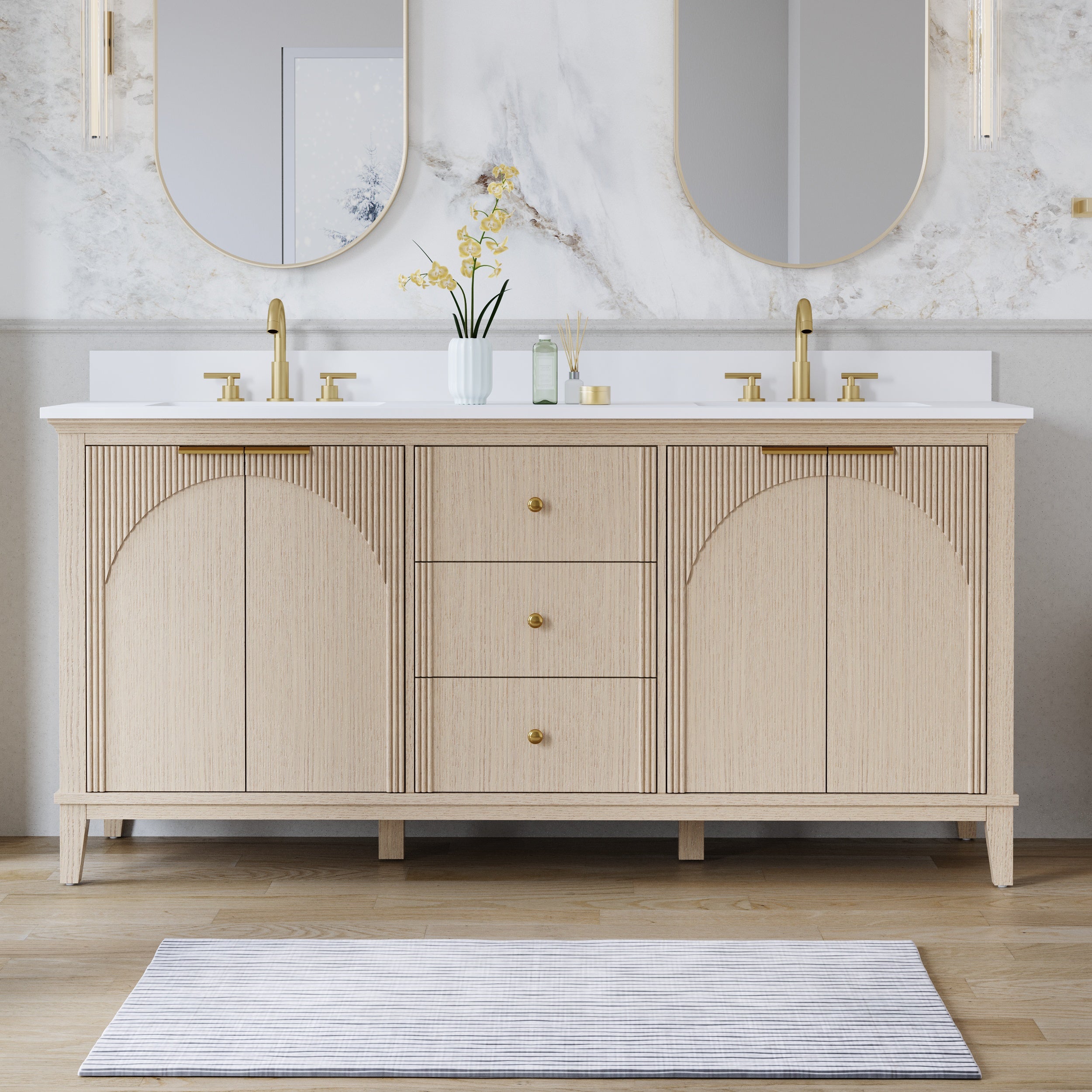
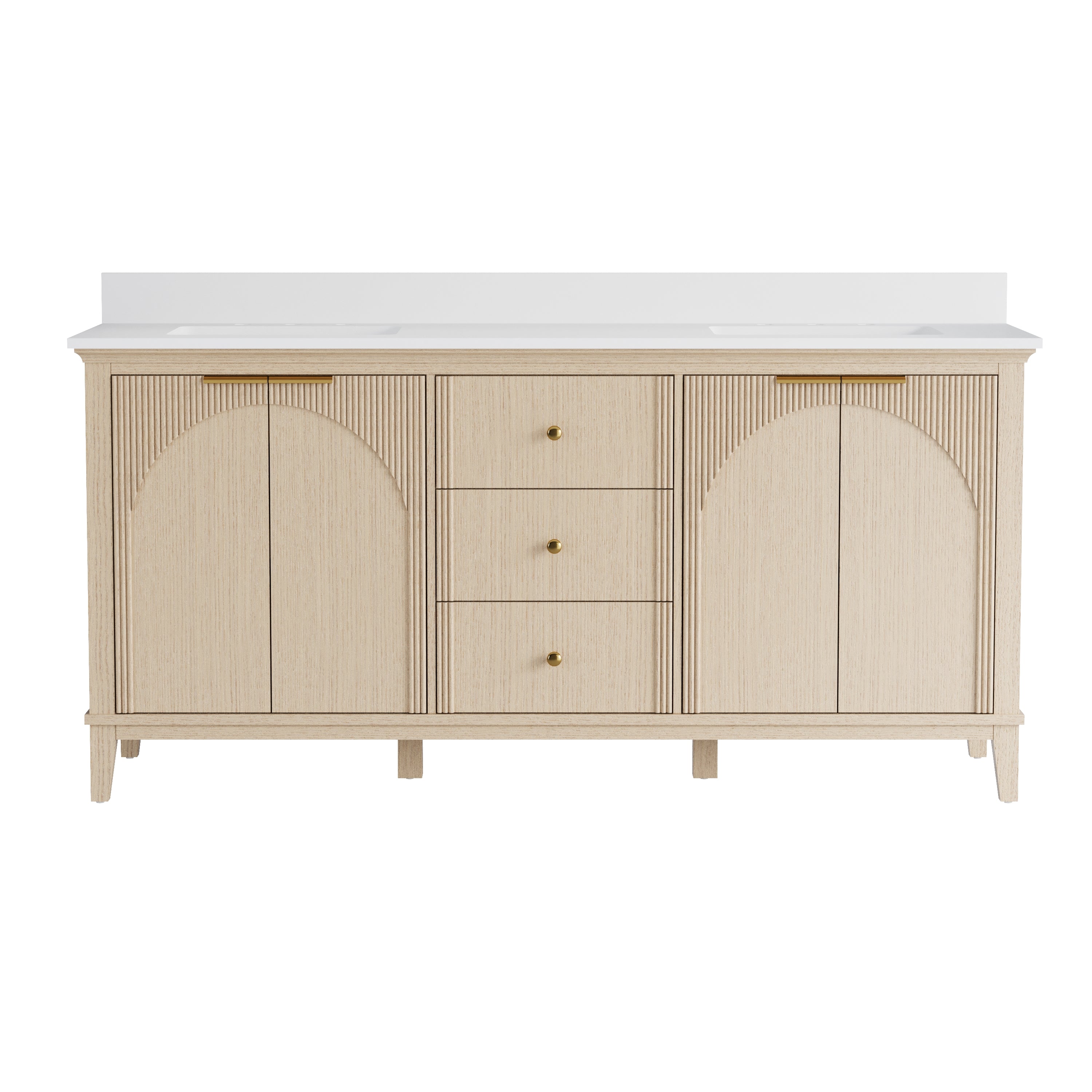
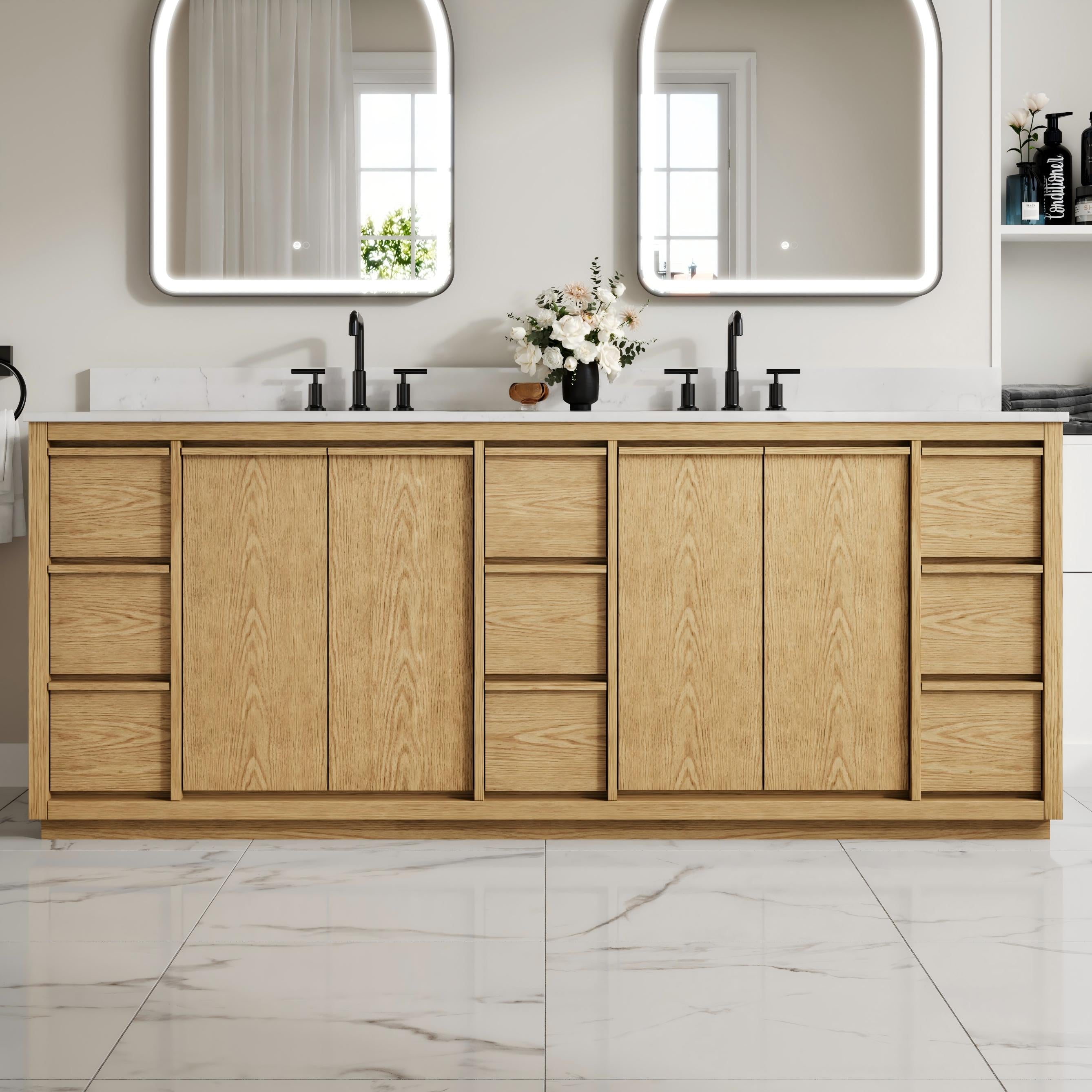
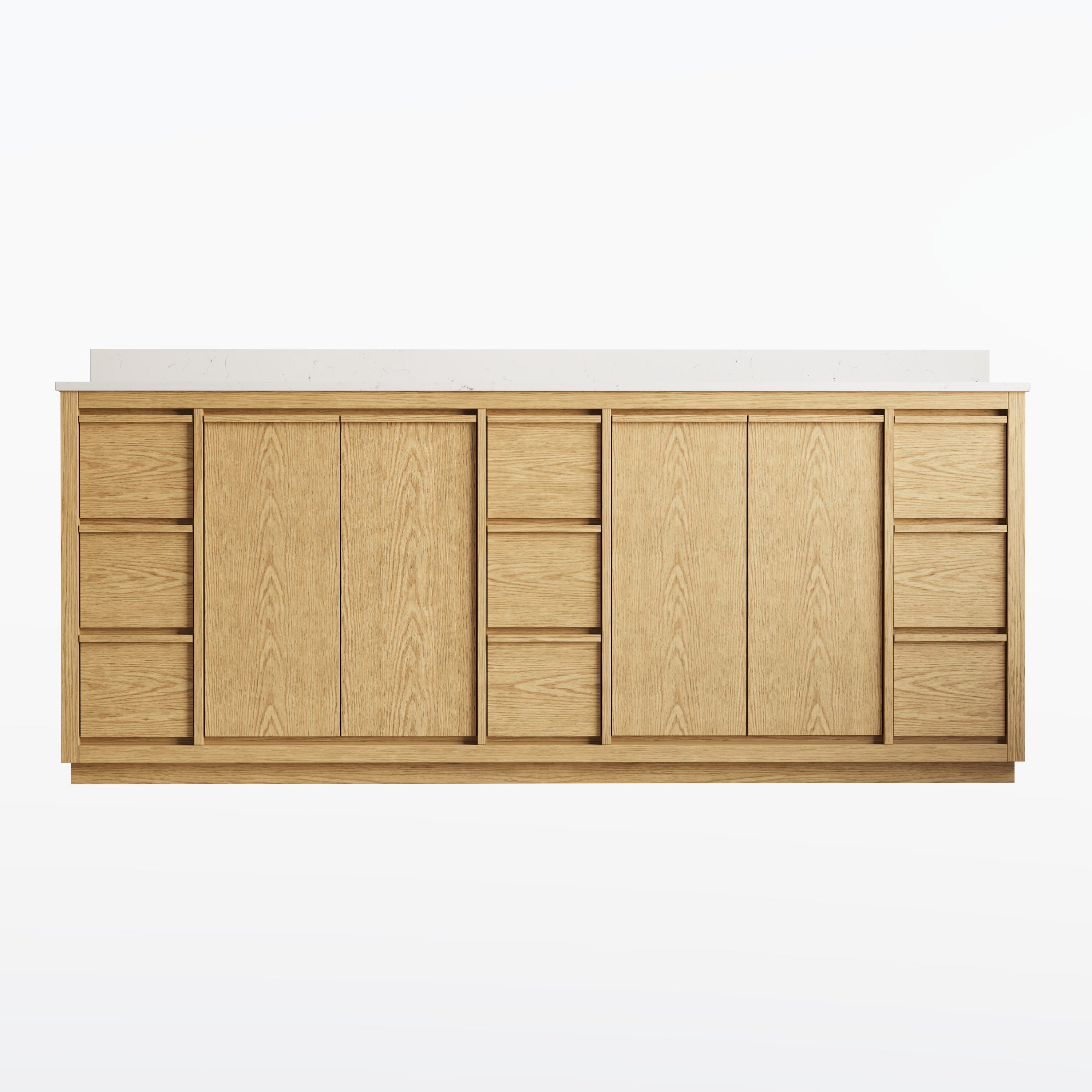

A wooden vanity can give a bathroom the kind of warmth and permanence that painted trends rarely achieve. After more than 20 years of working with bathroom cabinetry, I have seen wood vanities remain visually convincing through several cycles of tile, hardware, and color changes. Their natural grain softens hard surfaces, while the cabinet itself provides storage and structure. Still, timeless design depends on choosing the right wood tone, construction, proportions, and finish for the room.
1. Why a Wooden Vanity Can Feel Timeless
Wood has been used in home interiors for centuries, yet it does not belong to one specific design period. That flexibility is its strongest advantage.
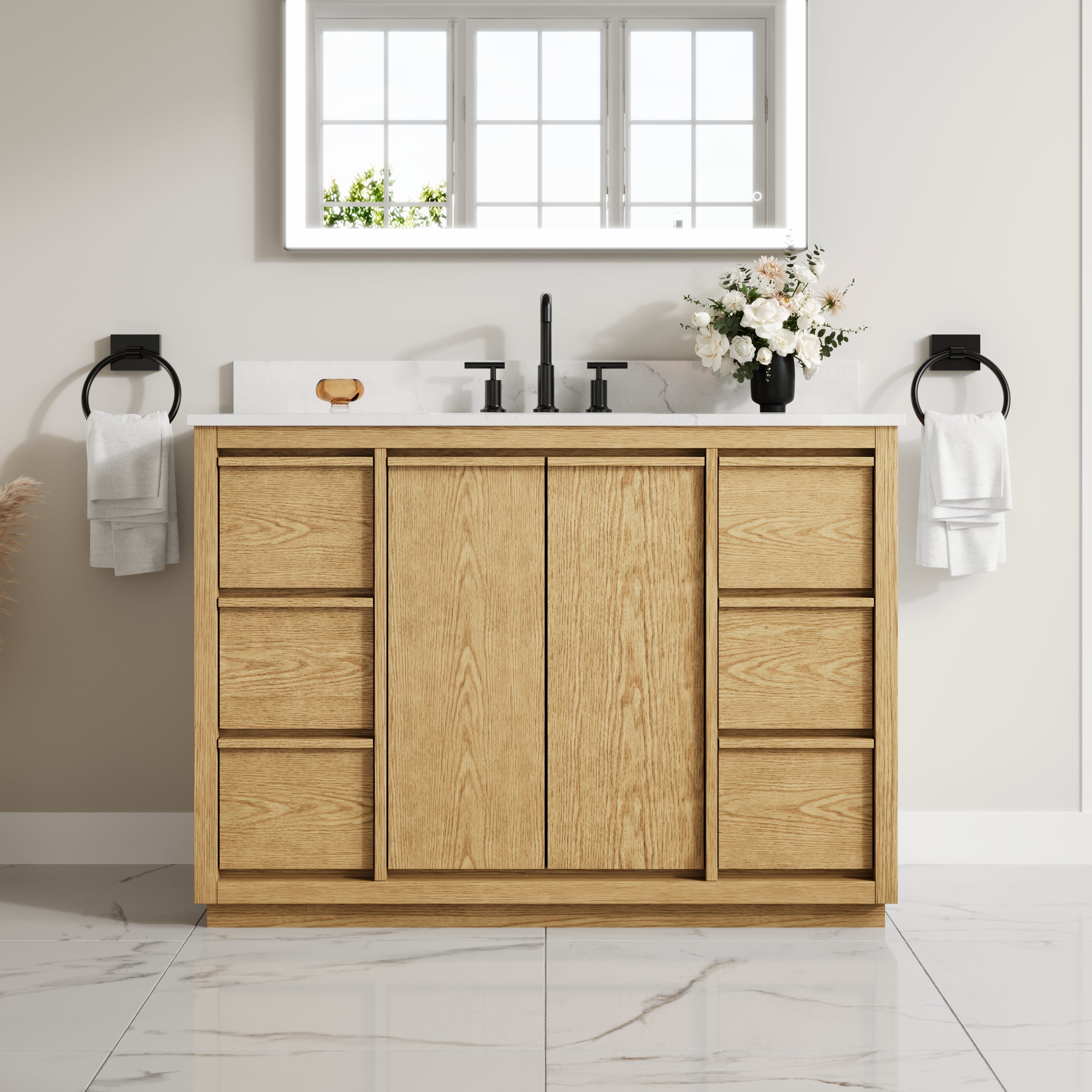
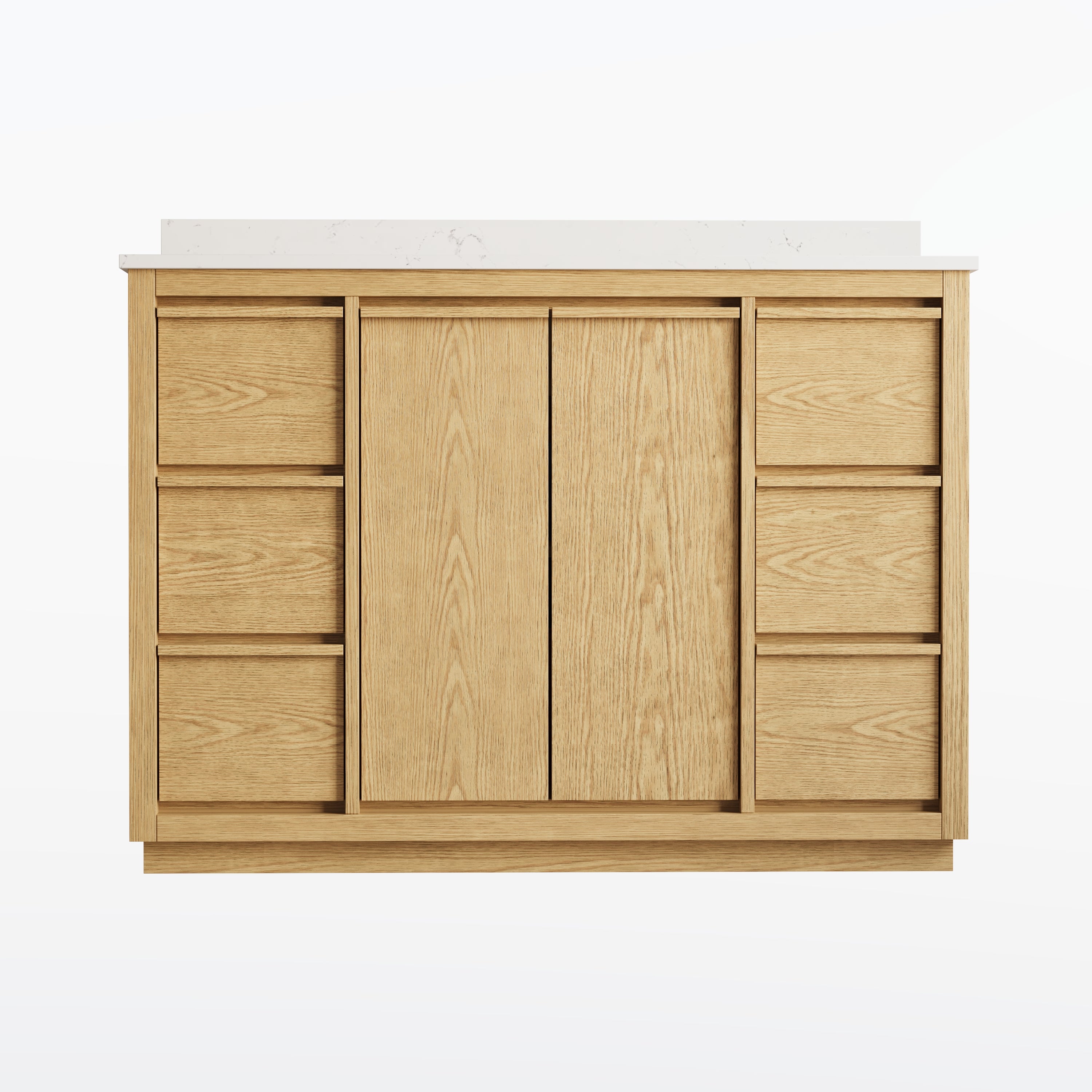
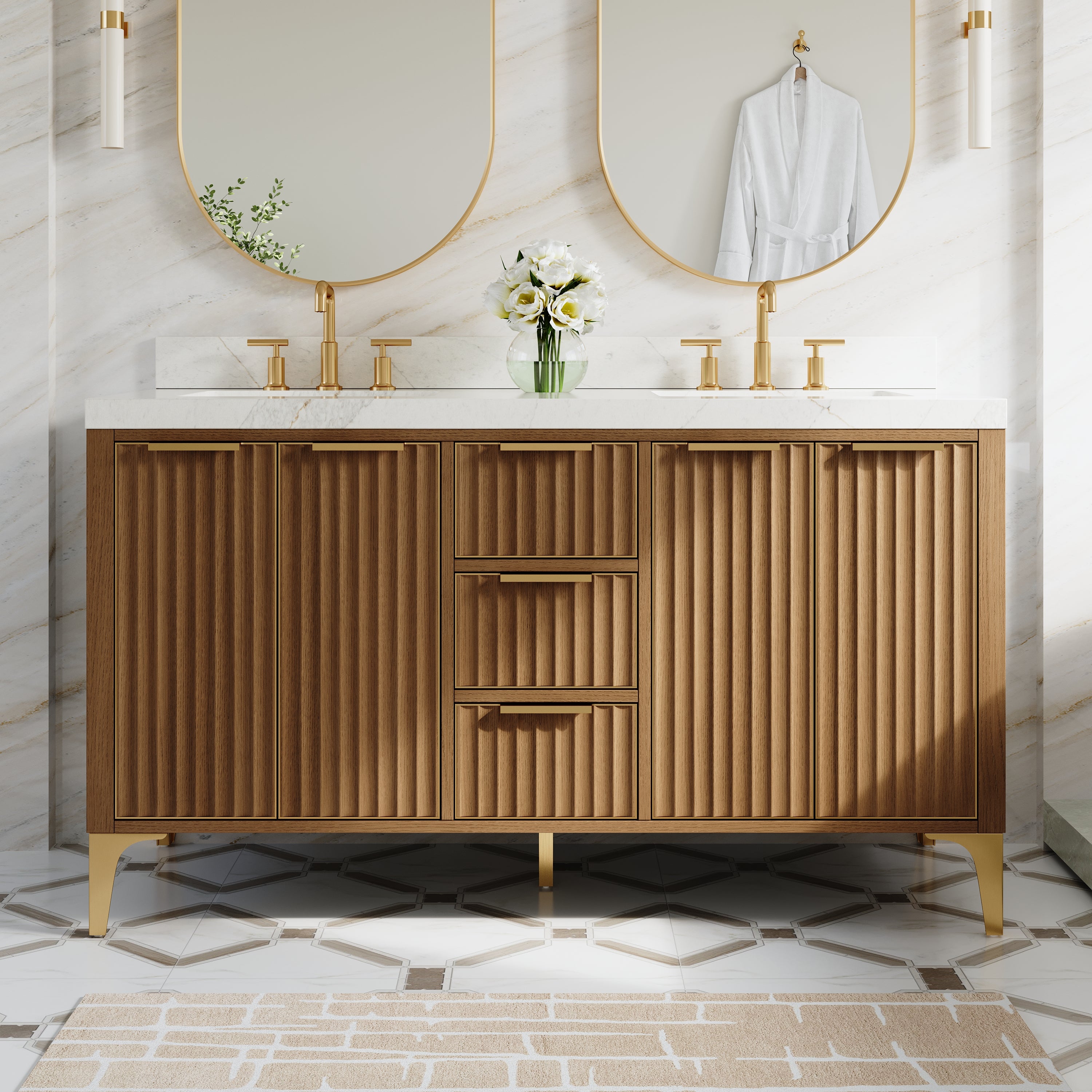
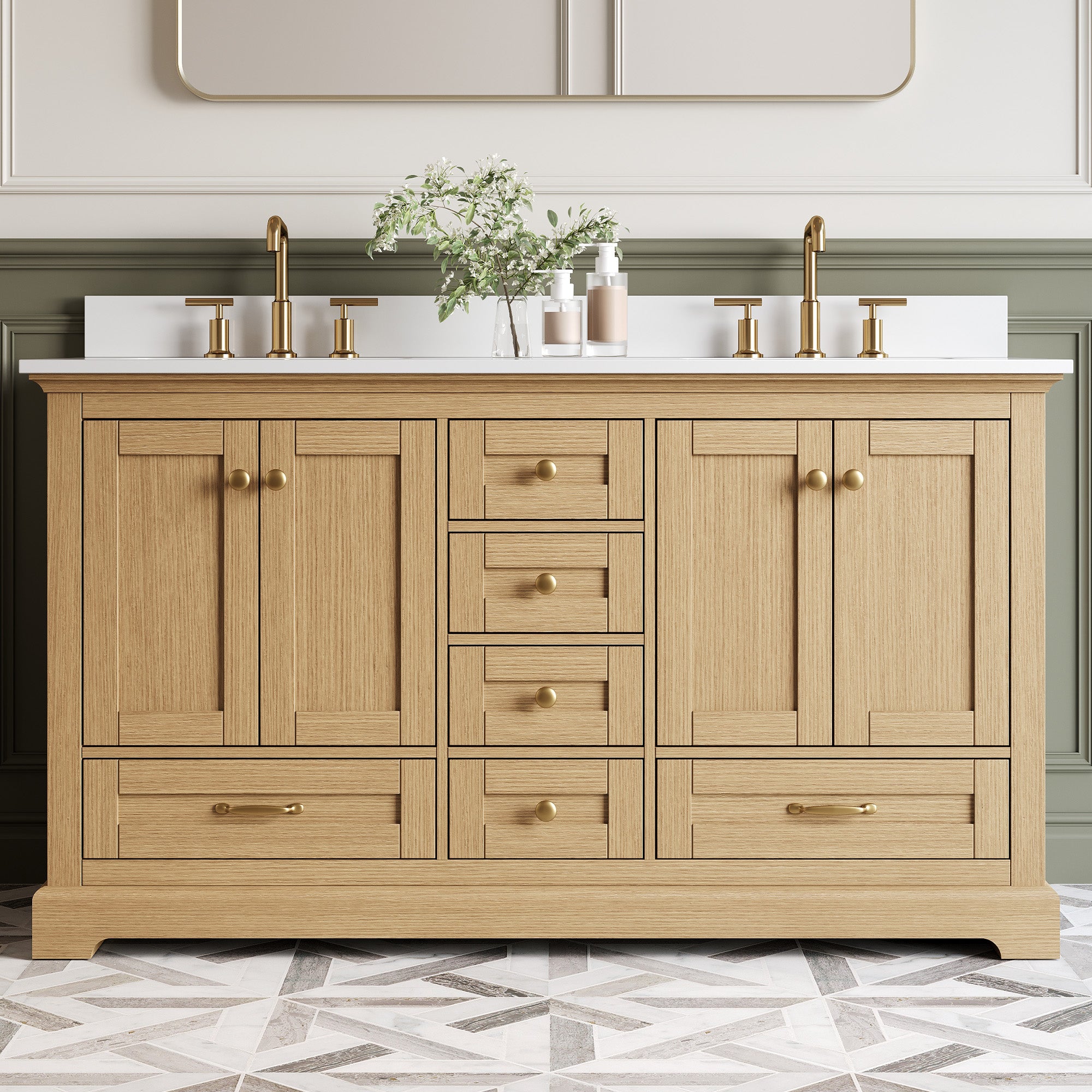
A light oak vanity can look natural in a Scandinavian bathroom, clean in a modern space, or relaxed in a coastal home. Medium walnut works well in transitional interiors, while darker finishes can support traditional architecture. The cabinet style changes, but the material remains familiar.
This is why wood often ages better visually than highly fashionable painted colors. A bold cabinet finish may feel fresh for several years and then become closely associated with a particular trend. Natural wood usually feels less dependent on the moment.
The grain also gives the surface depth. Minor variation, knots, and changes in tone keep the cabinet from looking flat or mass-produced.
2. How to Match a Wooden Vanity to Your Bathroom Style
The vanity should relate to the architecture of the home, not just the bathroom photograph that inspired the remodel.
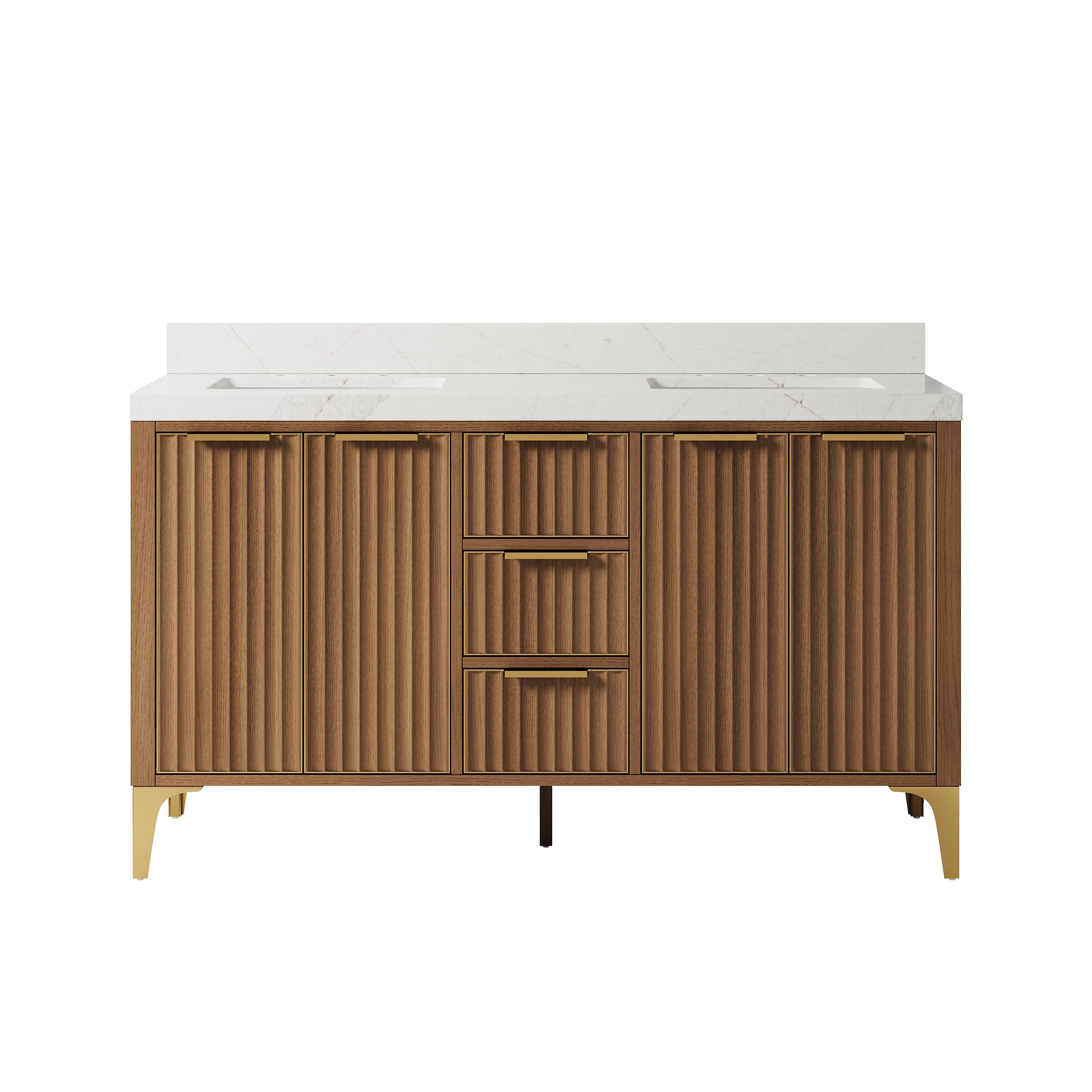
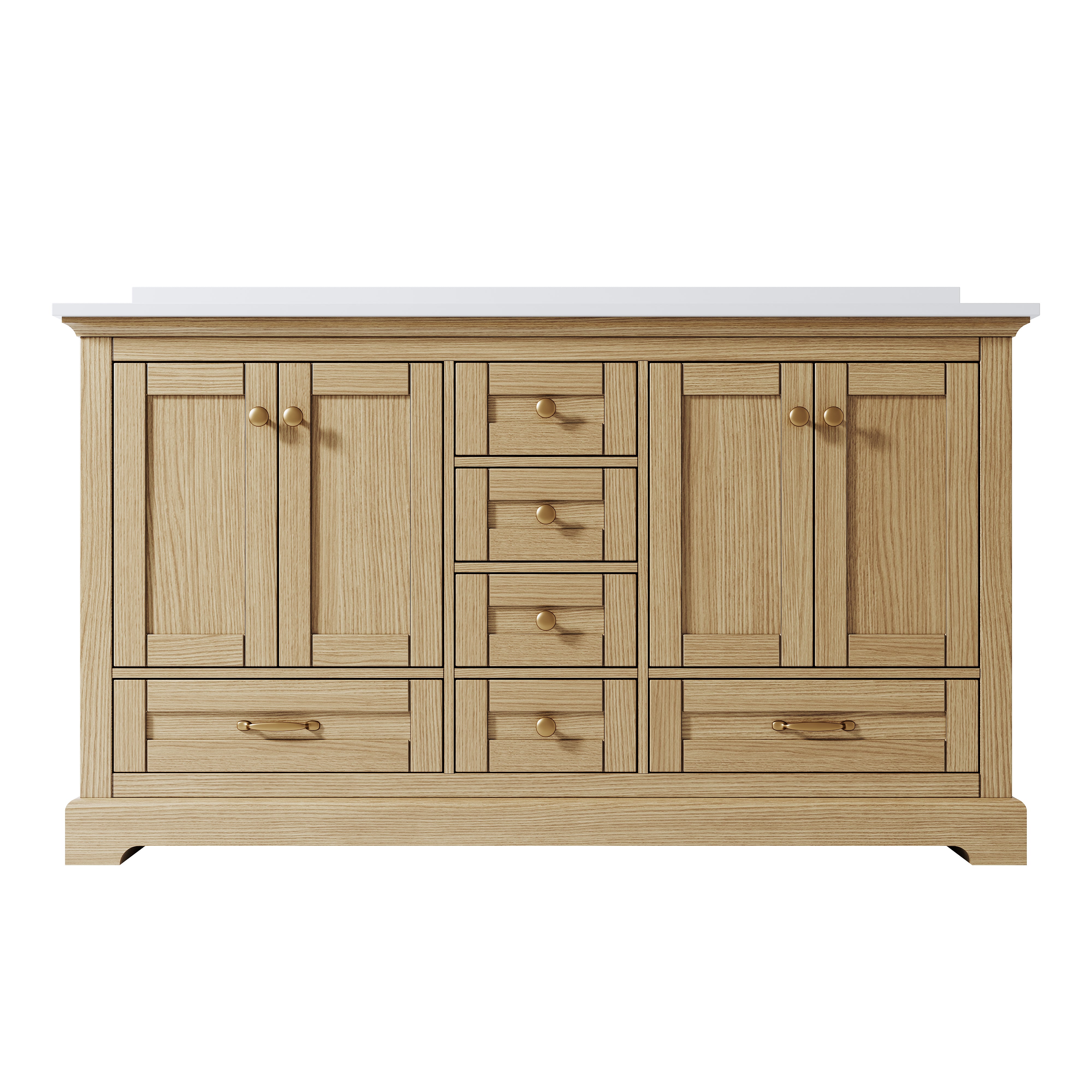
Flat-front drawers and restrained hardware suit modern, minimalist, and Japandi interiors. Shaker doors work well in transitional bathrooms because they offer detail without becoming ornate. Furniture-style legs and framed panels belong more naturally in classic or traditional spaces.
Choose the wood tone carefully
Light wood is usually the safest choice for compact bathrooms or rooms with limited daylight. It adds warmth without creating too much visual weight.
Medium wood tones offer the most flexibility. They pair well with white quartz, warm stone, brushed nickel, brass, and matte black hardware. Dark wood can create a sophisticated focal point, though it works best in larger bathrooms with enough lighting.
One common mistake is choosing the finish by name alone. “Natural oak” may lean yellow, gray, beige, or even slightly pink. Compare the vanity with the flooring, countertop, wall color, and lighting before ordering.
3. The Practical Advantages Go Beyond Appearance
A quality wood vanity can provide strength, repairability, and long-term value. Solid wood frames and drawer fronts tend to hold hinges and fasteners securely. Quality plywood is often a sensible material for the cabinet box because it remains relatively stable as humidity changes.
Small scratches may be touched up. Hardware can be replaced. Some finishes can be renewed instead of forcing the homeowner to discard the entire cabinet.
That repair potential matters in a primary bathroom or busy family bath. Cabinet doors are opened repeatedly, heavy products are placed in drawers, and wet hands touch the finish every day.
Wood still has limitations
Wood is not waterproof. Standing water, poor ventilation, and hidden plumbing leaks can damage even an expensive cabinet.
Natural expansion and contraction may also cause slight movement in doors and drawers. This is usually manageable, but it means the vanity may need occasional adjustment. Buyers who want a completely maintenance-free cabinet may prefer a more moisture-resistant synthetic surface.
4. Storage Should Guide the Purchase
A timeless cabinet that does not support daily routines will quickly become frustrating.
Deep drawers are useful for skincare, cosmetics, grooming tools, and smaller toiletries. They keep products visible and prevent them from disappearing behind plumbing. Enclosed cabinet space beneath the sink works better for tall bottles, cleaning products, and spare paper goods.
Do not count drawer fronts without checking whether they open. Some are decorative because the sink occupies the space behind them. Plumbing cutouts may also reduce usable capacity.
In a guest bath, a simple cabinet-and-drawer combination may be enough. A family bathroom needs more organization. For a primary suite shared by two adults, separate drawer zones can make the vanity much easier to live with.
5. Where Wood Works Best—and Where It May Not
A wooden vanity is a strong fit for ventilated primary bathrooms, guest baths, and family spaces where ordinary splashes are wiped promptly. It works especially well when the room contains large areas of tile, stone, glass, or white surfaces that need visual warmth.
It may be less suitable for an open wet room, a bathroom that frequently floods, or a rental where maintenance is inconsistent. In those situations, a highly moisture-resistant material may be more practical.
A floating wood vanity can make a small bathroom feel lighter and simplify floor cleaning. It requires strong wall support and may offer less storage height. A freestanding model usually provides more capacity and easier plumbing access, but it can feel bulky in a narrow layout.
6. Measure Before Choosing the Cabinet
Start with wall width, then check depth, countertop overhang, doorway clearance, toilet spacing, and the path of the shower door.
A vanity can fit the wall and still interfere with movement. Use painter’s tape to mark the footprint on the floor. Stand at the proposed sink position and open every nearby door.
Plumbing matters too. Compare the drain and supply-line positions with the cabinet interior. Pipes that conflict with drawers may require costly changes or reduce storage after installation.
The countertop and sink also affect the final result. An oversized basin can leave very little counter space, while a moderately sized undermount sink often provides a better balance.

7. Installation and Maintenance Protect the Timeless Look
Install the vanity level so drawers and doors remain aligned. Floating cabinets need secure wall framing or an approved mounting system. Seal the sink, countertop, faucet openings, and backsplash joints carefully.
Test every plumbing connection before filling the cabinet. Leave enough open space beneath the sink to inspect the lines later.
For routine care, run the exhaust fan after showers and wipe standing water around the faucet. Use a soft cloth with a mild, non-abrasive cleaner. Avoid leaving wet towels against the cabinet face, and check the plumbing several times a year.
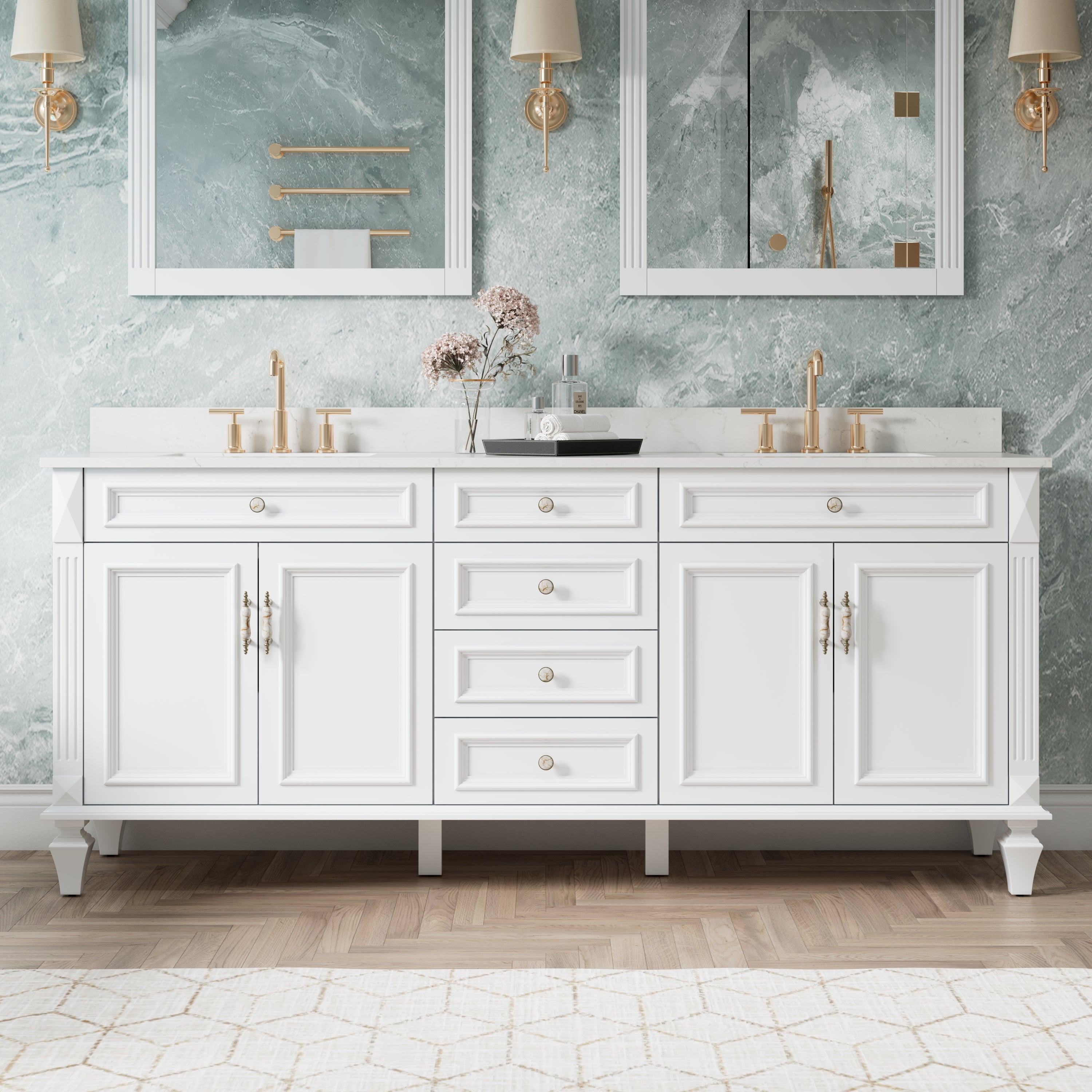
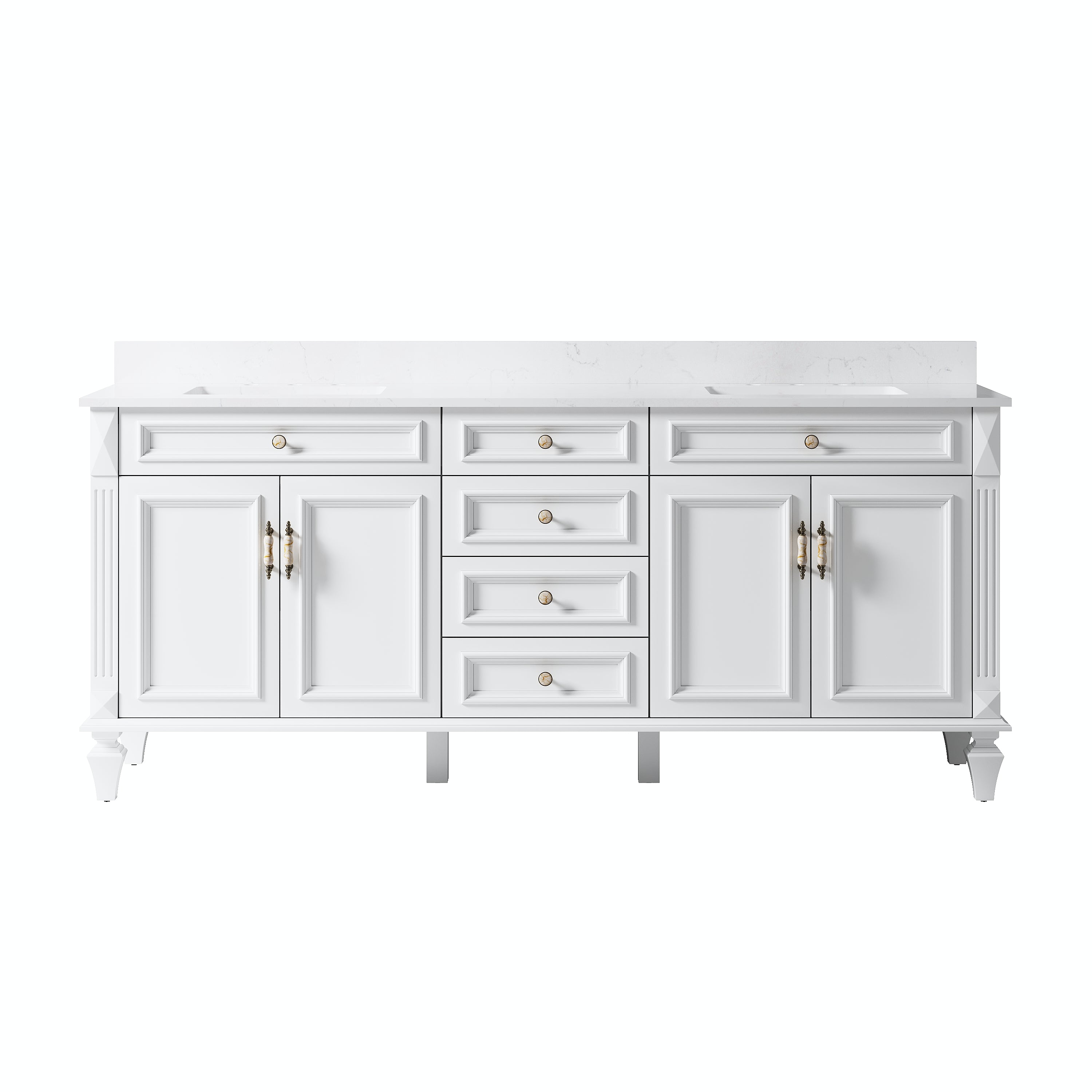
When comparing Wellfor options, begin with construction, storage, dimensions, and moisture protection before choosing the stain. Select a finish that belongs with the room and a cabinet style that suits the home’s architecture. A carefully chosen wooden vanity can remain warm, useful, and visually relevant through many years of changing bathroom trends.


















Leave a comment
This site is protected by hCaptcha and the hCaptcha Privacy Policy and Terms of Service apply.