














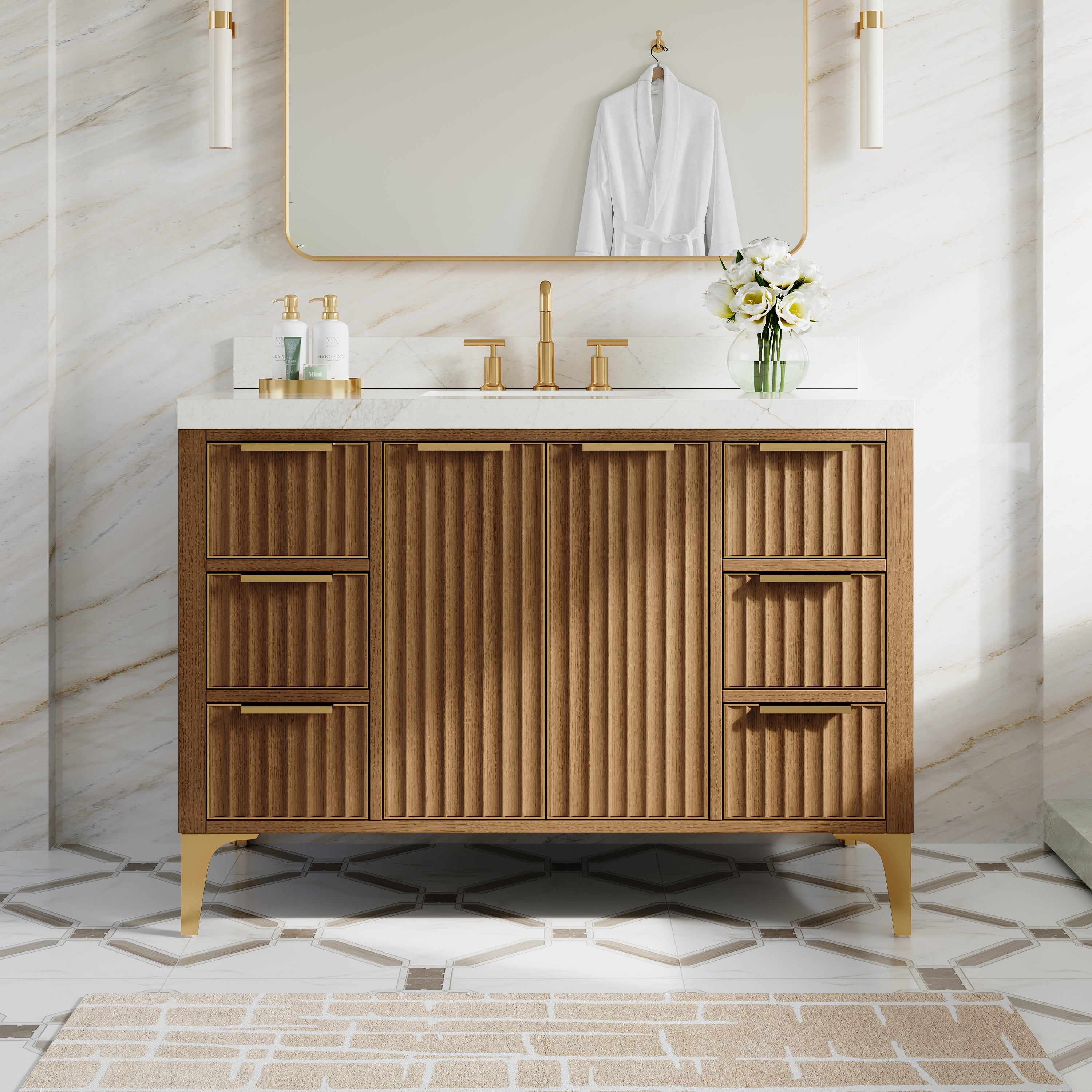
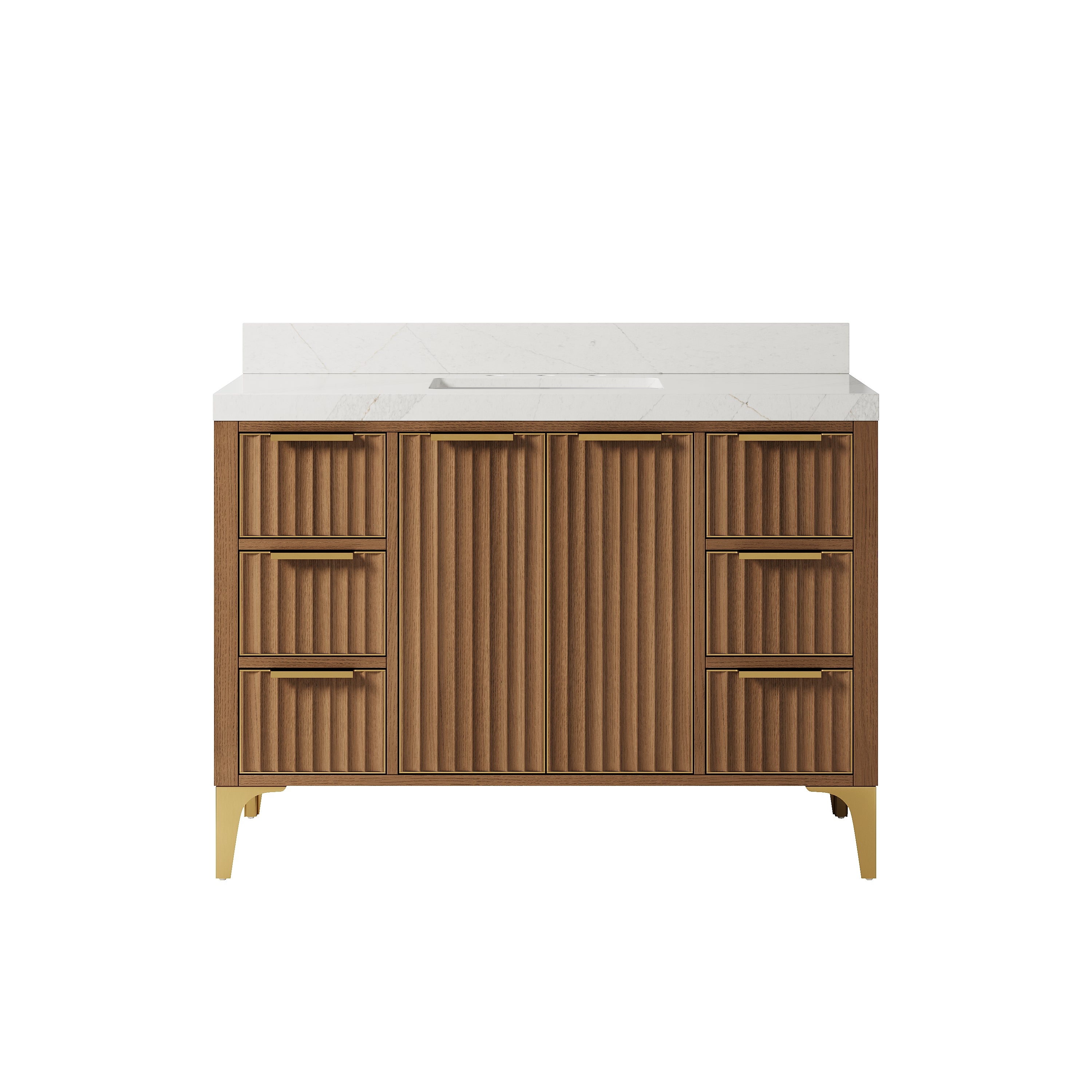


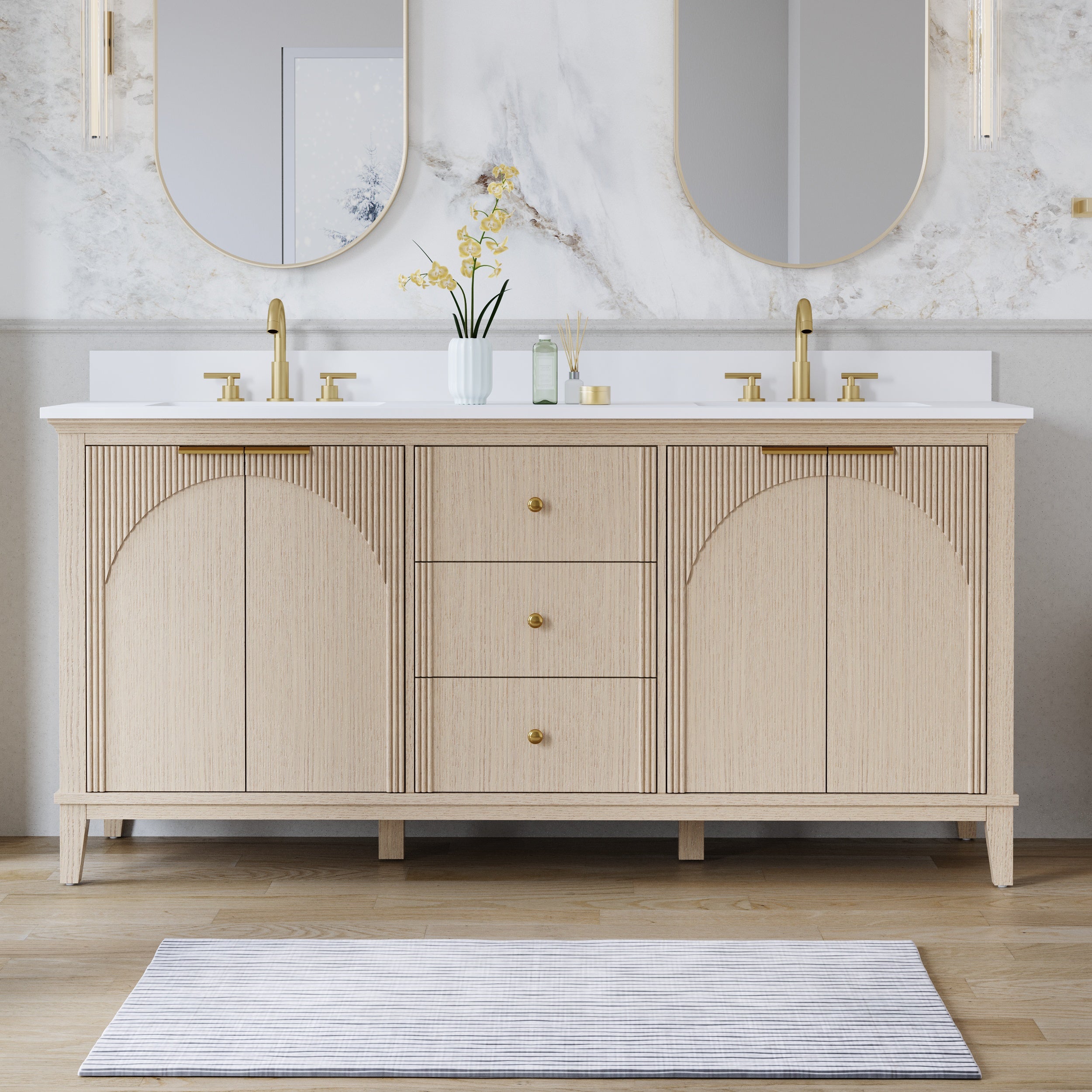
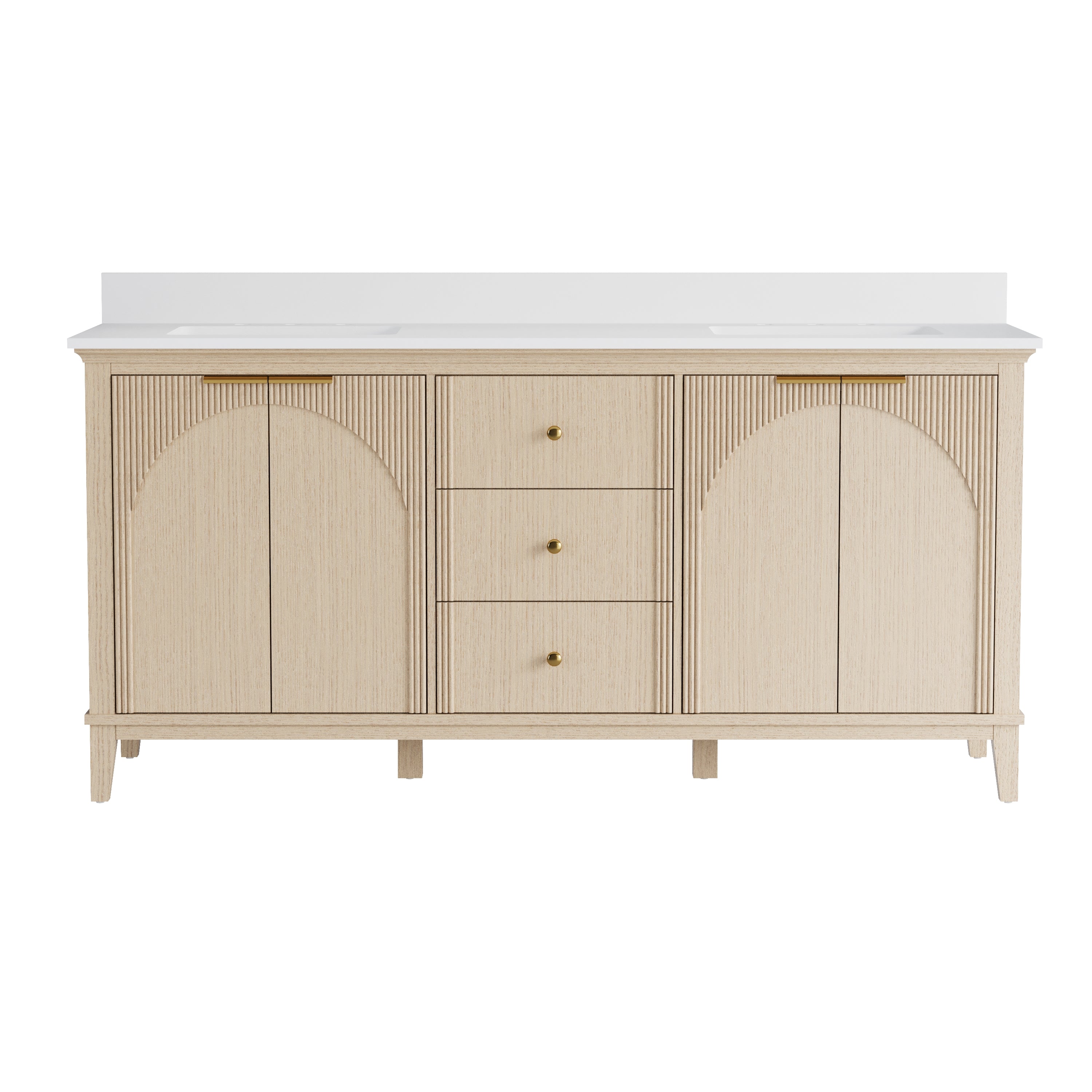
A wood bathroom vanity can bring warmth, useful storage, and lasting character to a bathroom, but the right choice depends on far more than the stain color. During more than 20 years of working with bathroom cabinetry, I have seen attractive vanities fail because they were too deep, poorly sealed, or badly matched to the household’s routine. The best vanity fits the room comfortably, handles humidity, and stores the items people actually use every day.
Wood is versatile, yet not every wood cabinet belongs in every bathroom. Size, construction, mounting style, finish, and ventilation should all be considered before the design decision is final.

1. Measure the Bathroom Before Choosing a Wood Bathroom Vanity
Start with the physical limits of the room. Measure the available wall at floor level, countertop height, and near the top of the cabinet. Walls in older homes are not always straight, and baseboards or door trim can reduce the usable opening.
Depth deserves just as much attention as width. A vanity may fit neatly along the wall but project too far into the walkway. This is common in narrow guest bathrooms where a standard-depth cabinet crowds the toilet or interferes with the shower door.
Use painter’s tape to mark the full vanity footprint on the floor. Then open nearby doors, stand where you would use the sink, and imagine another person moving behind you. This simple test is more revealing than looking at measurements on a product page.
A compact vanity may be enough for a powder room. A family bathroom usually needs a larger cabinet with better storage. In a shared primary suite, the decision may come down to whether one wide sink or two smaller sinks better supports the morning routine.
2. Choose the Right Wood Tone and Cabinet Style
Wood tone changes the atmosphere of the bathroom.
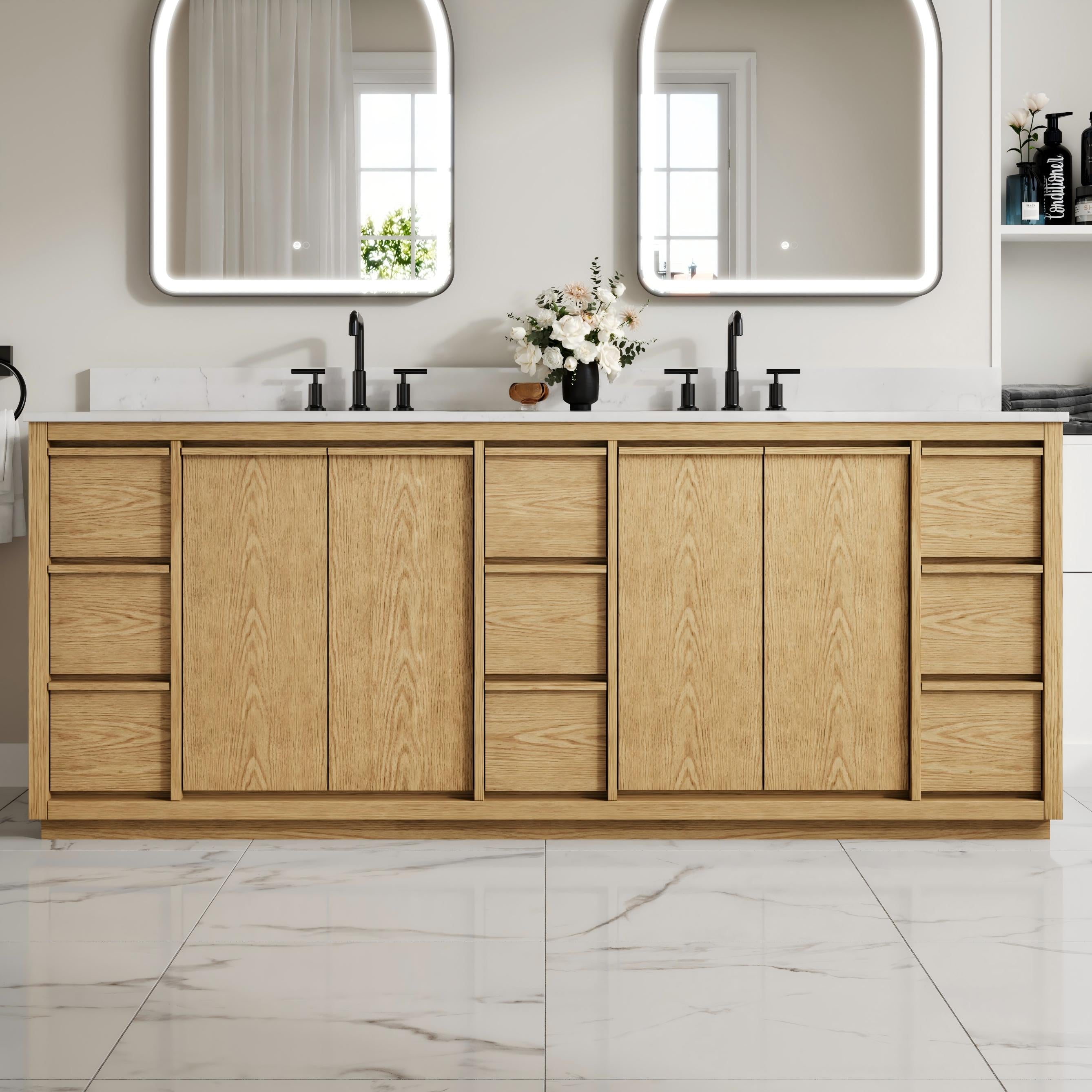
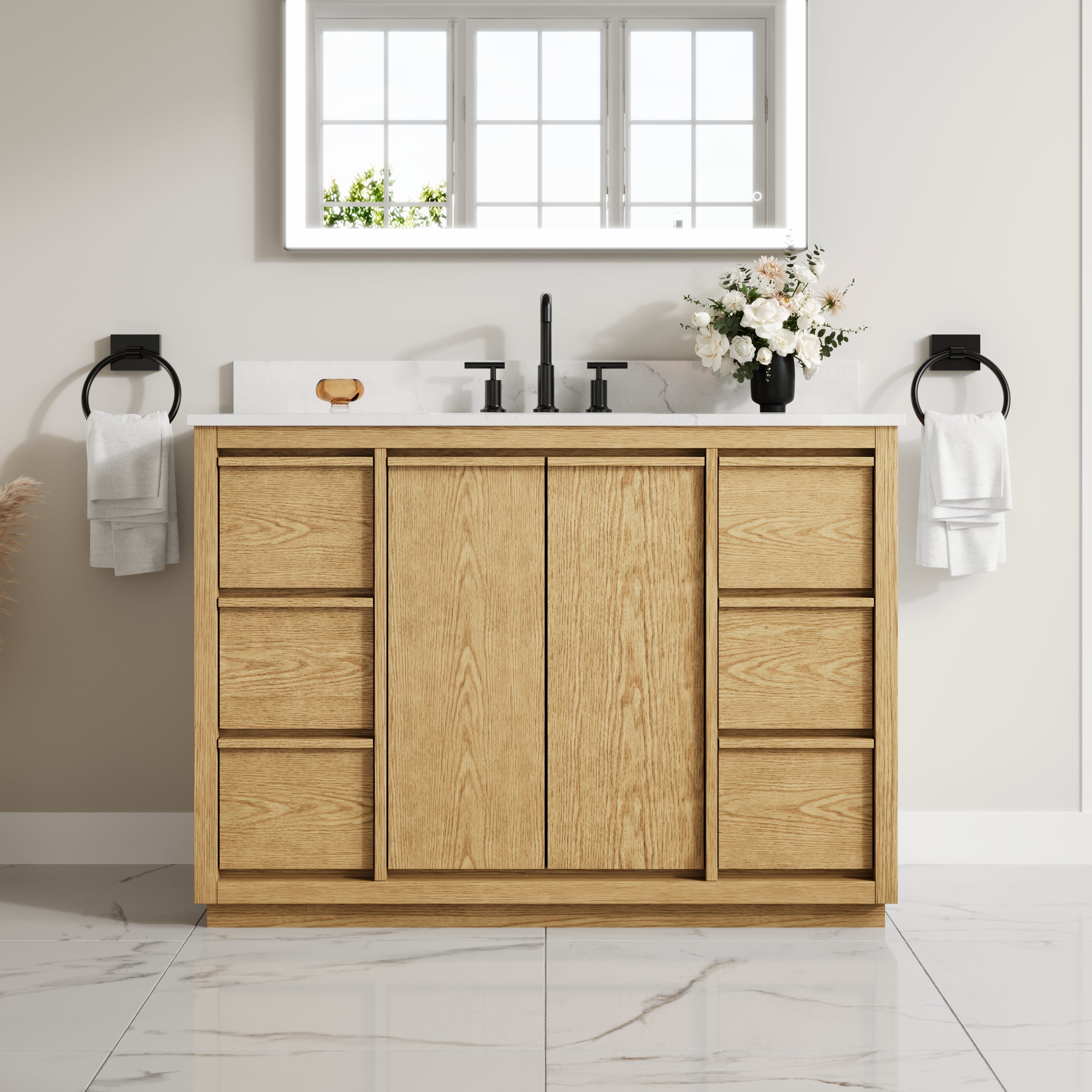
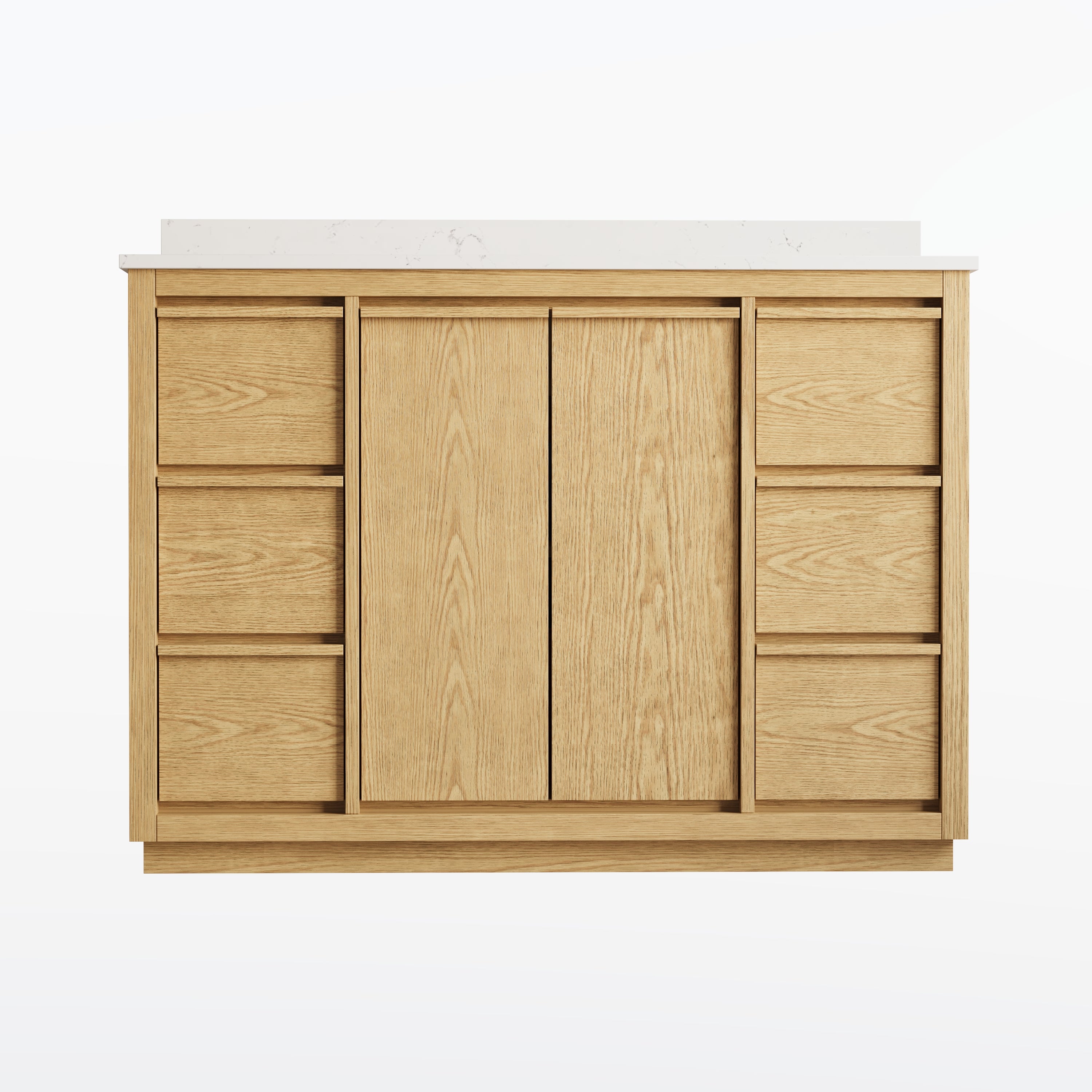
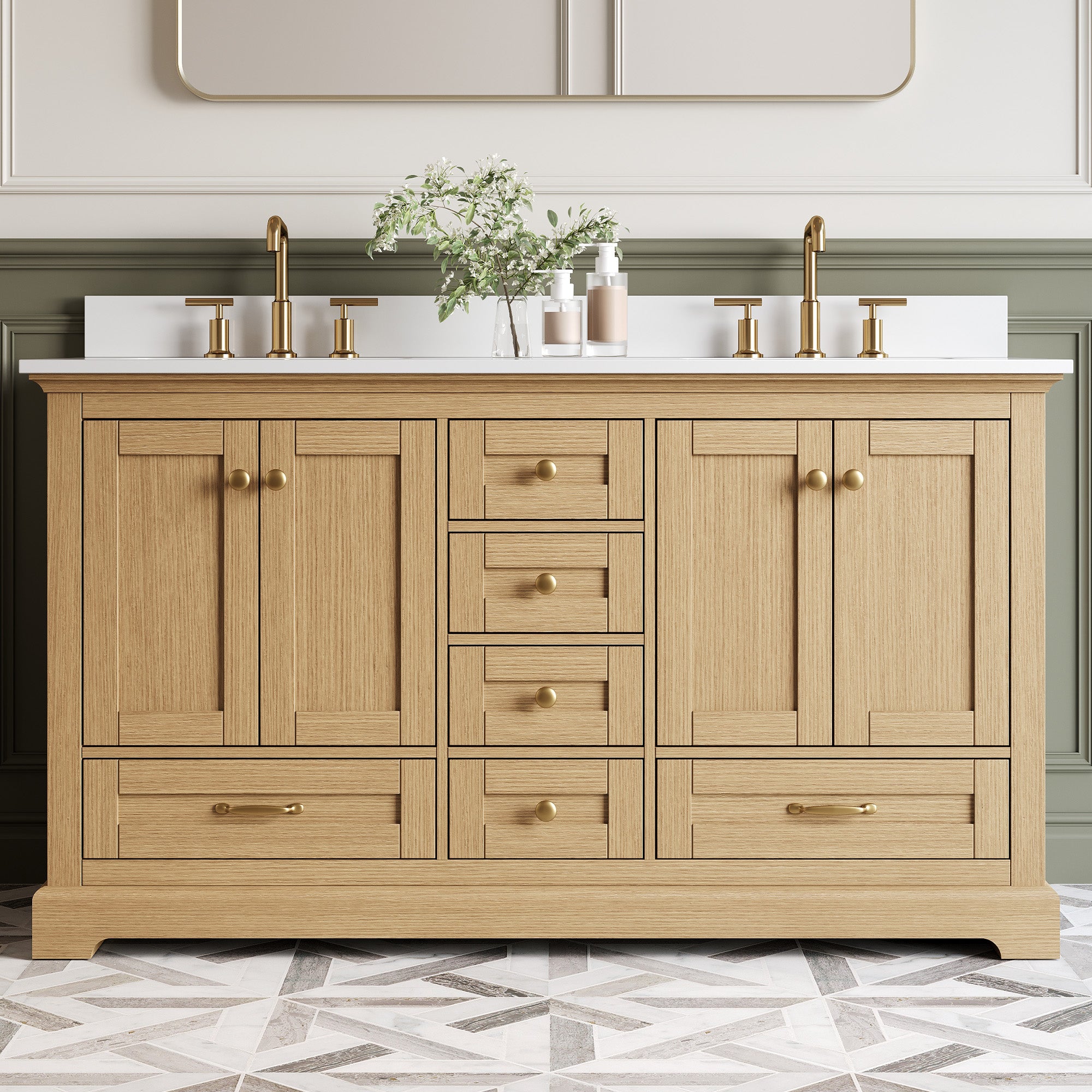
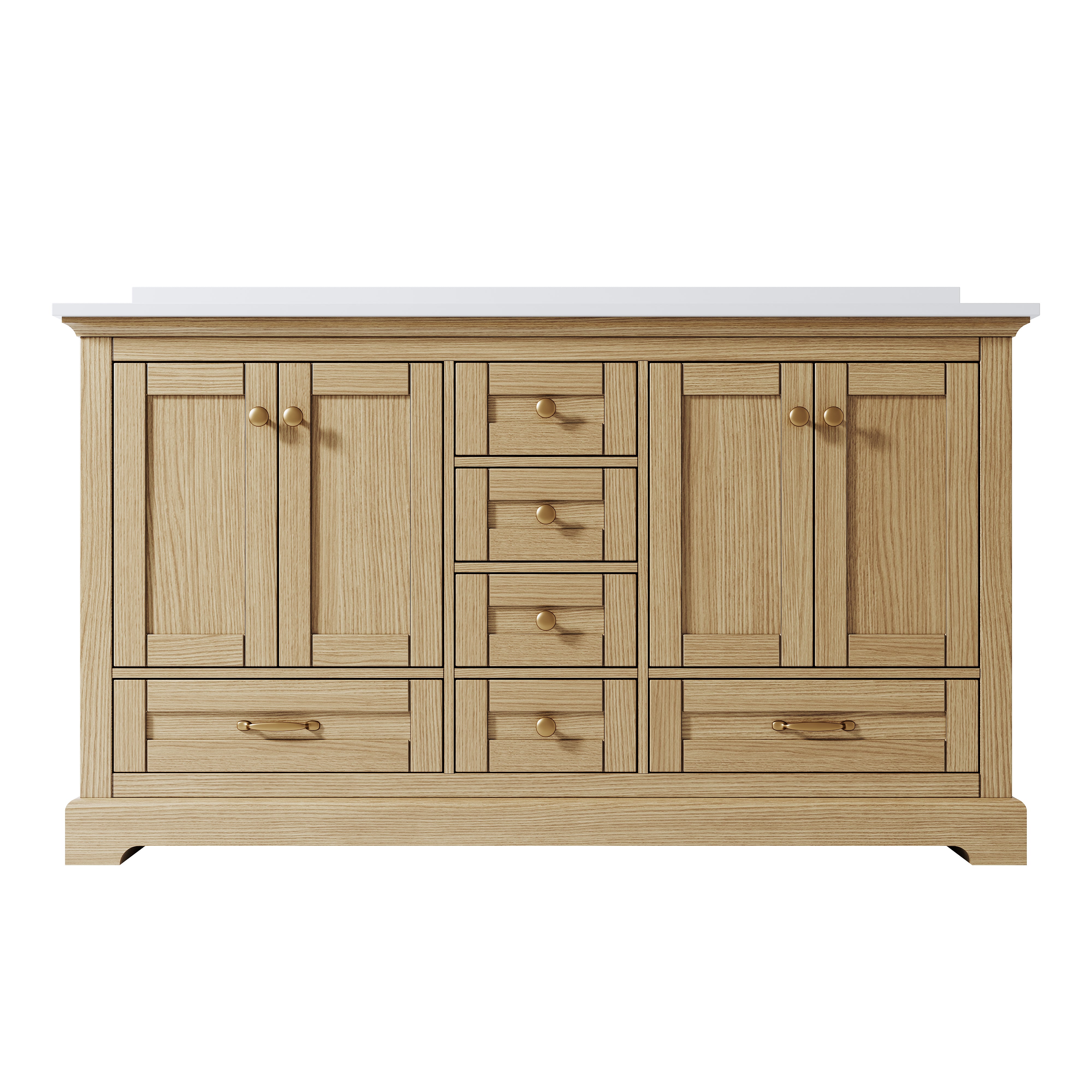
Light oak, ash, and pale natural finishes make smaller rooms feel open and relaxed. They work particularly well with warm white walls, soft gray tile, and stone-look countertops. Medium walnut adds depth without becoming too formal. Darker wood can create a strong focal point in a spacious bathroom with good lighting.
Do not assume a finish described as “natural” will match every neutral surface. Some woods lean golden, while others appear gray, pink, or beige. Compare samples with the floor, countertop, and wall color whenever possible.
Match the cabinet style to the home
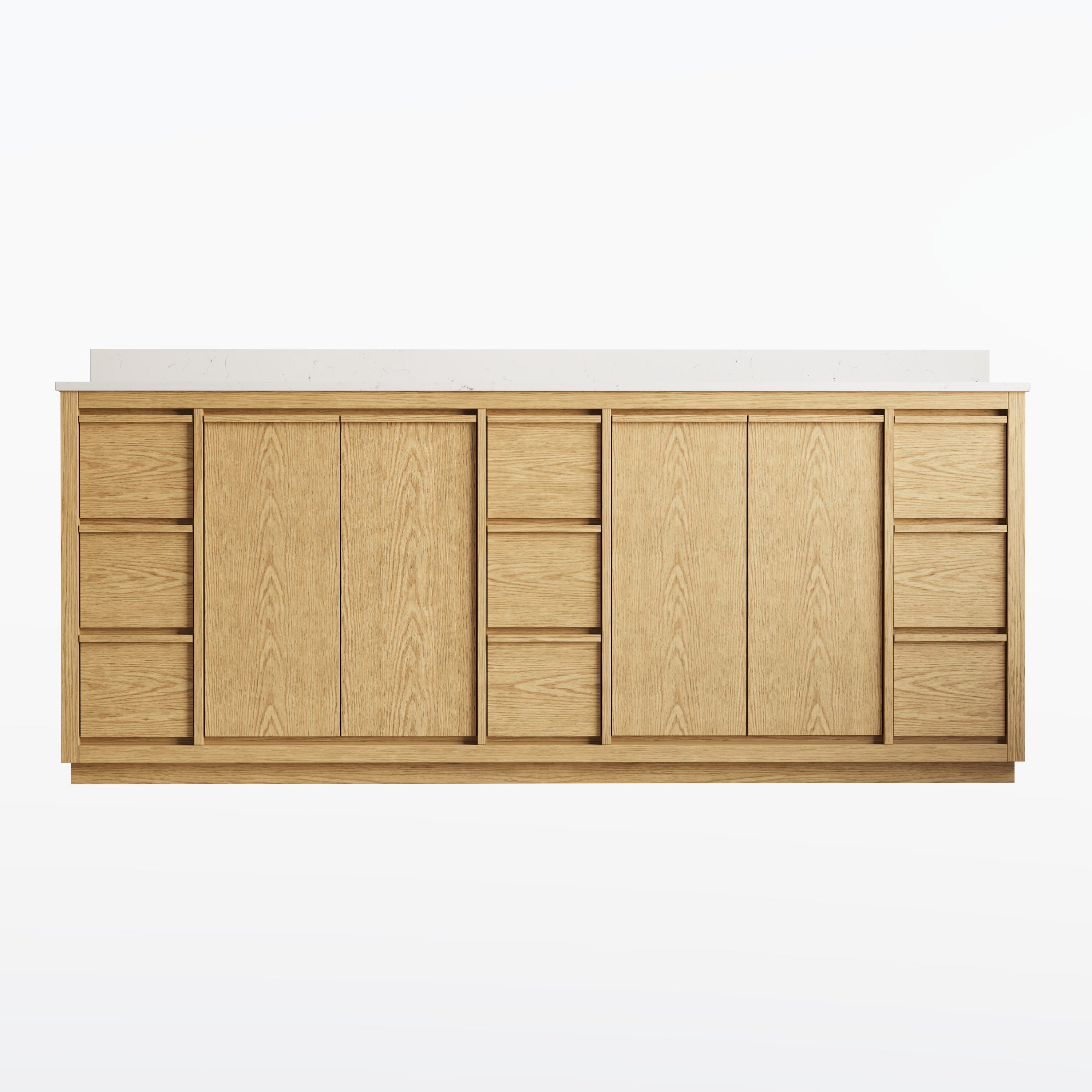
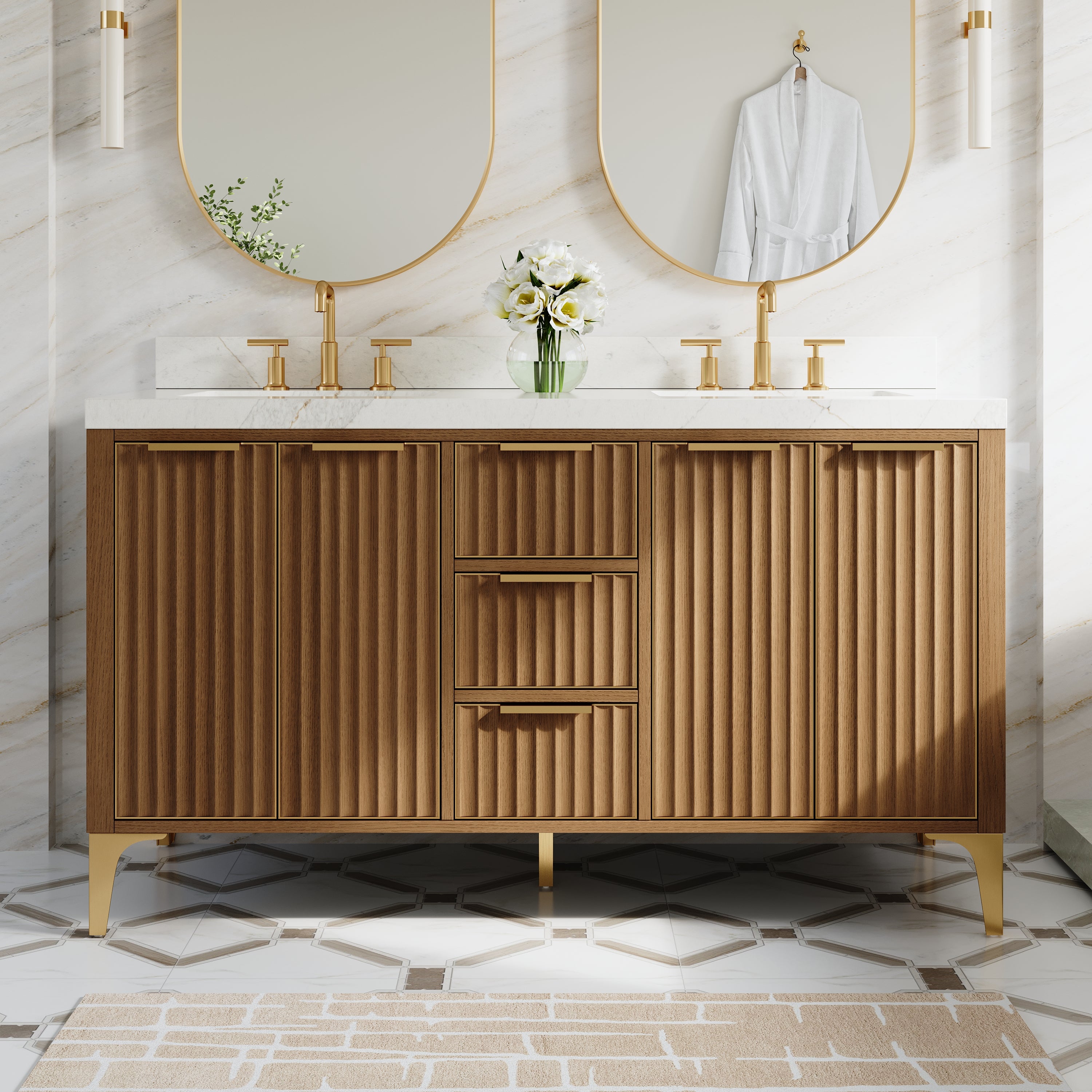
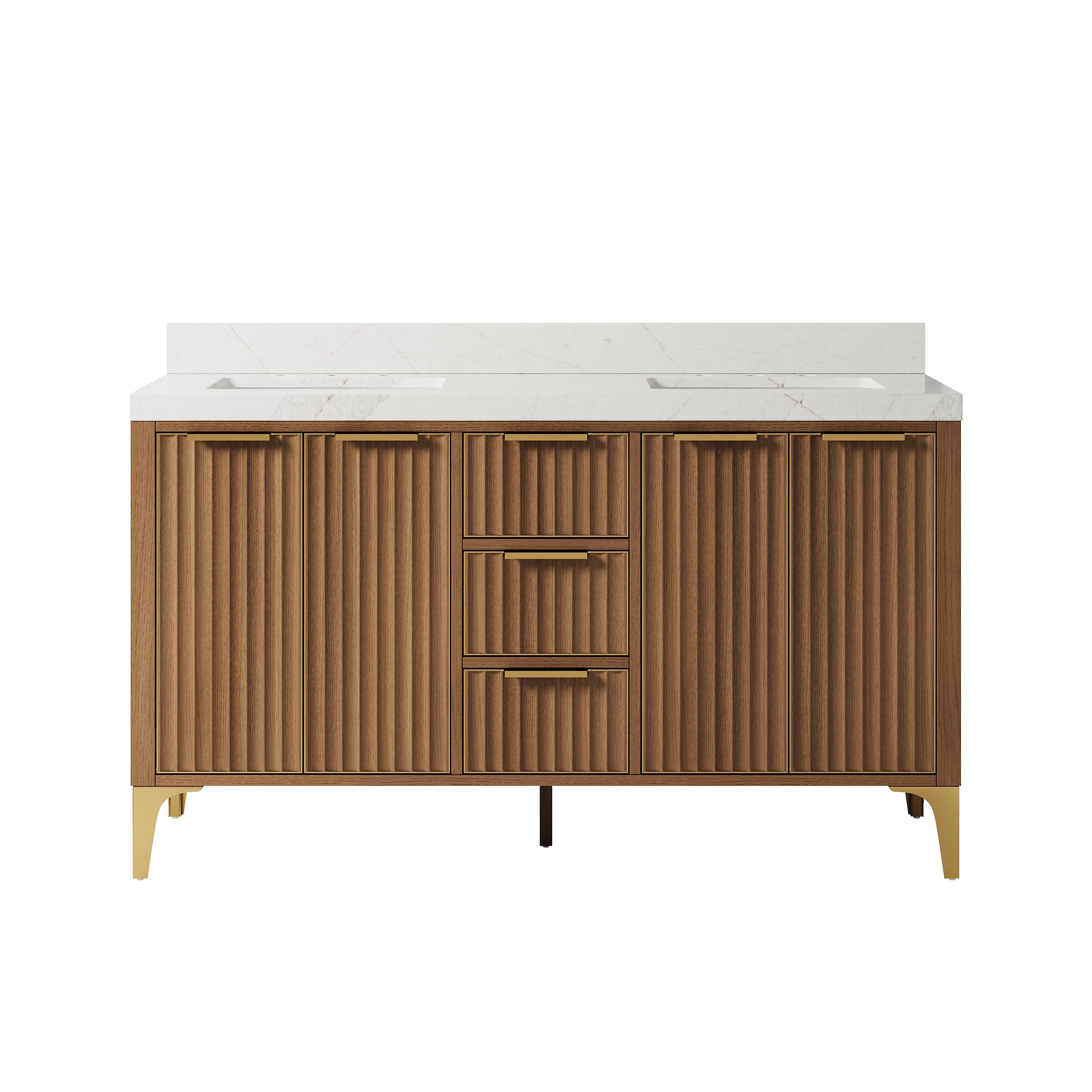
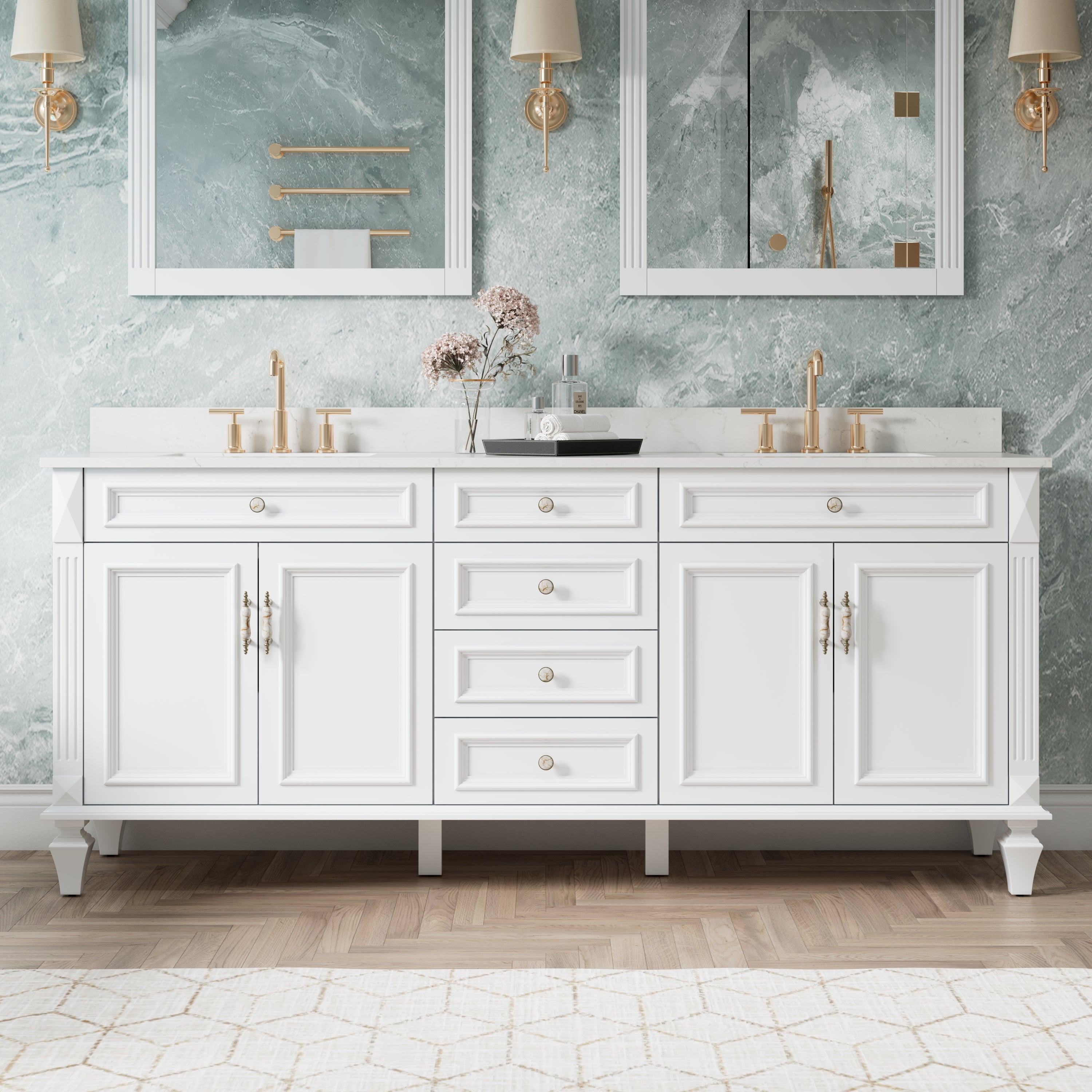
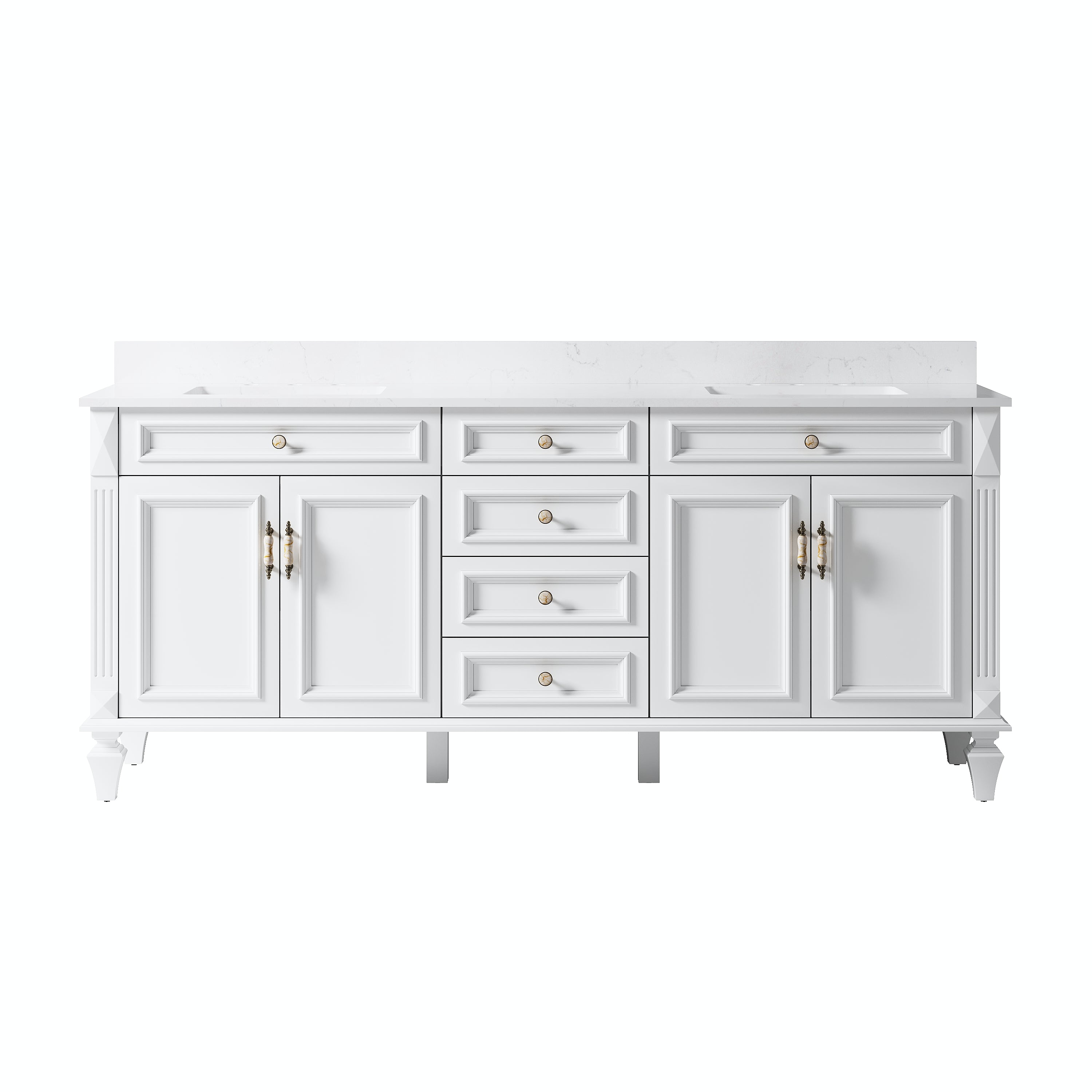
Flat-front drawers suit modern, Scandinavian, and Japandi interiors. Shaker doors work well in transitional homes because they provide detail without feeling ornate. Furniture-style legs and traditional molding can support classic architecture, but they may look heavy in a compact room.
A floating vanity exposes more flooring and gives the bathroom a lighter appearance. It is easier to clean beneath, though it usually requires stronger wall support and may offer less storage height.
Freestanding vanities are often simpler to install. They can also provide more interior volume, which makes them practical in family bathrooms without separate linen storage.
3. Look Beyond the Word “Wood”
One of the most common buyer mistakes is assuming that every wood vanity is built the same way.
Solid wood can provide strength and repair potential. Quality plywood is often an excellent material for the cabinet box because it remains relatively stable as humidity changes. A well-made veneer over a durable core can also perform successfully.
Problems usually appear with poorly sealed particleboard, exposed edges, weak drawer bottoms, or vague product descriptions that never identify the materials. Once water reaches a weak composite core, swelling can happen quickly.
Open the doors and drawers if shopping in person. The cabinet should feel stable. Drawer slides should move smoothly, and hinges should hold doors in alignment. When buying online, look for detailed interior photographs and clear construction specifications.
Understand the limitations of natural material
Wood is not waterproof. Standing water, hidden plumbing leaks, and poor ventilation can damage even a premium cabinet.
Natural movement may occur as humidity rises and falls. Doors can shift slightly, and hardware may need occasional adjustment. Homeowners who want a completely maintenance-free cabinet may be better served by a more moisture-resistant alternative.
That does not make wood impractical. It simply means the bathroom environment must be managed properly.
4. Evaluate Storage Based on Daily Use
A beautiful vanity can still be frustrating if the interior is poorly planned.
Deep drawers are useful for skincare, cosmetics, hair tools, and grooming products. They keep small items visible instead of allowing them to disappear behind plumbing. Cabinet space beneath the sink works better for taller cleaning bottles, spare paper goods, and larger containers.
Do not count drawer fronts without checking whether they open. Some top drawers are decorative because the sink occupies the space behind them. Others use plumbing cutouts that leave less storage than expected.
Think about one normal morning. Where will the hair dryer go? Can two people reach their personal items without moving everything on the counter? Will extra towels fit? These questions lead to better decisions than choosing the cabinet with the most doors.
5. Plan the Countertop, Sink, and Plumbing Together
The cabinet cannot be selected in isolation. The countertop and sink affect storage, height, cleaning, and installation.
A large basin may look luxurious but leave little useful surface beside it. For many households, a moderately sized undermount sink offers the best balance between washing space and countertop area.
Check the existing plumbing against the vanity’s interior layout. Drainpipes and supply lines may conflict with drawers or shelves. Cutting large openings after delivery can reduce storage and expose unsealed material.
Measure the doorway and delivery route too. A fully assembled wood cabinet with a stone top can be heavy and difficult to move through narrow halls or stairs.
6. Protect the Vanity Through Installation and Care
The vanity should be installed level so drawers and doors remain aligned. Floating models need secure wall framing or an approved mounting system. The countertop, sink, and backsplash joints must be sealed carefully.
Test all plumbing connections before filling the cabinet. Slow leaks beneath the sink often cause more damage than ordinary splashes because they remain hidden.
Maintenance is simple but consistent. Run the exhaust fan after showers, wipe standing water near the faucet, and use a mild, non-abrasive cleaner. Avoid leaving wet towels against the cabinet face. Check the plumbing and lower cabinet edges several times a year.
When comparing Wellfor options, choose a wood bathroom vanity by starting with room dimensions, daily storage needs, and construction quality. Then select a wood tone and cabinet style that belong with the rest of the home. A well-measured, properly installed vanity will feel natural in the room, support everyday routines, and remain worth maintaining long after the renovation is complete.














Leave a comment
This site is protected by hCaptcha and the hCaptcha Privacy Policy and Terms of Service apply.