














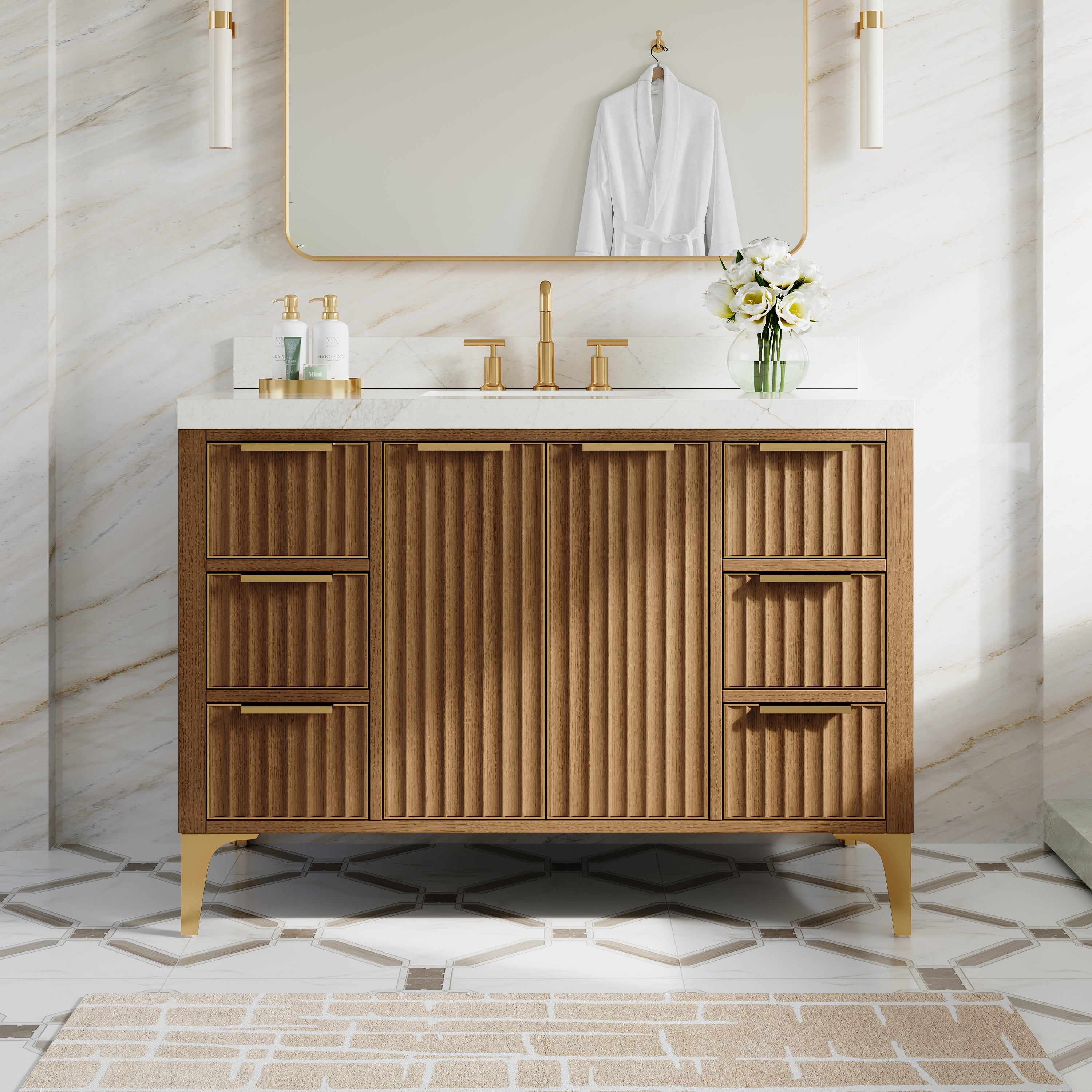
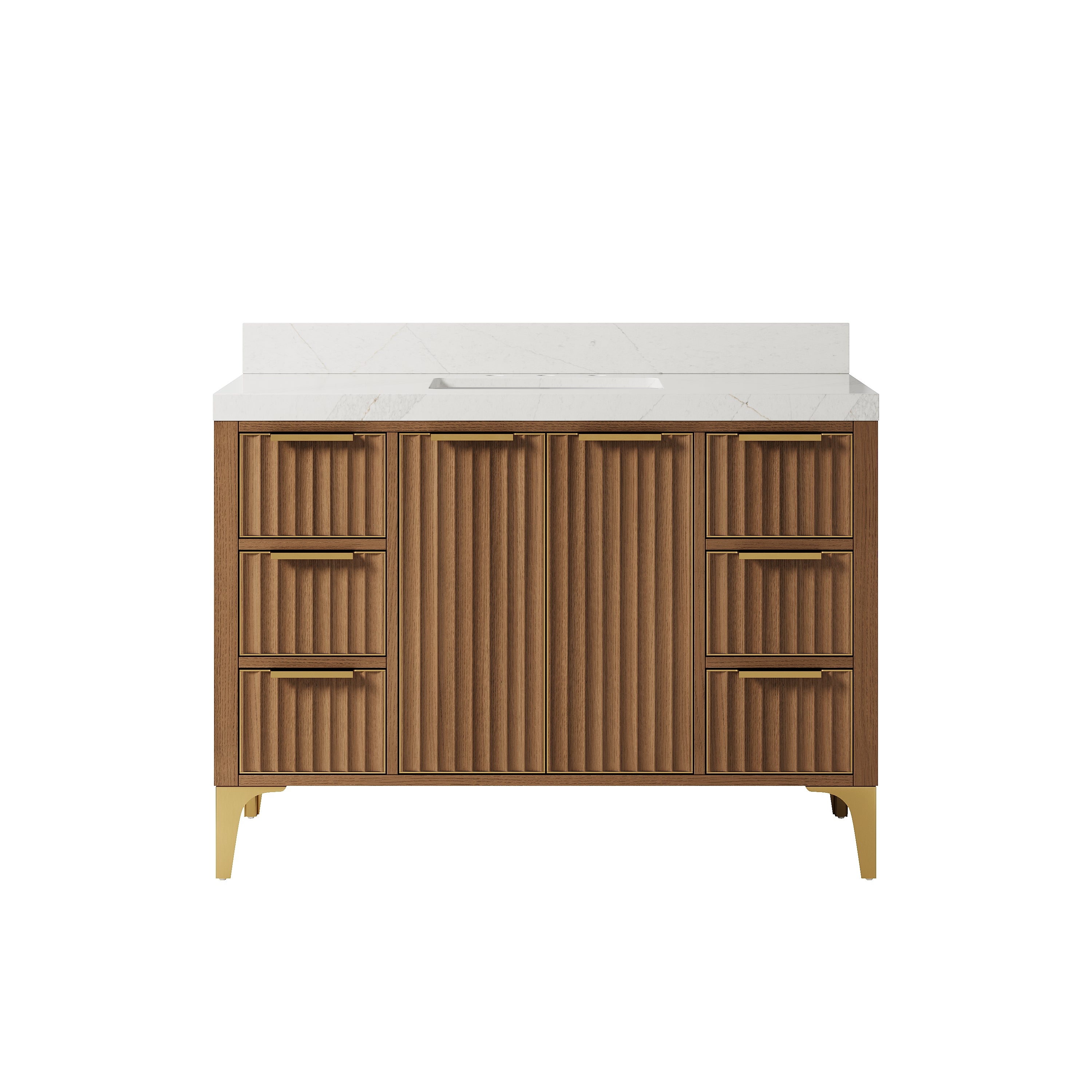


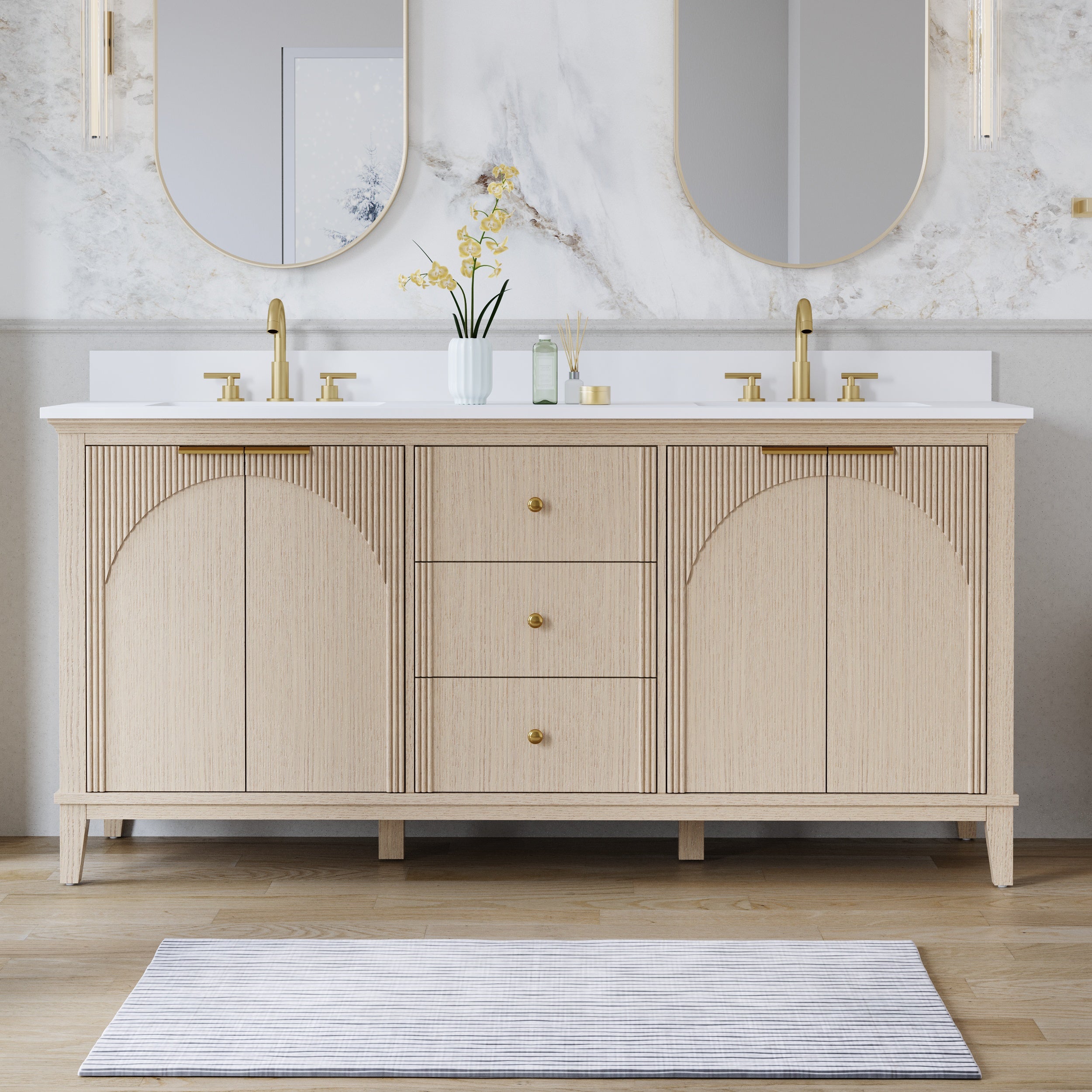
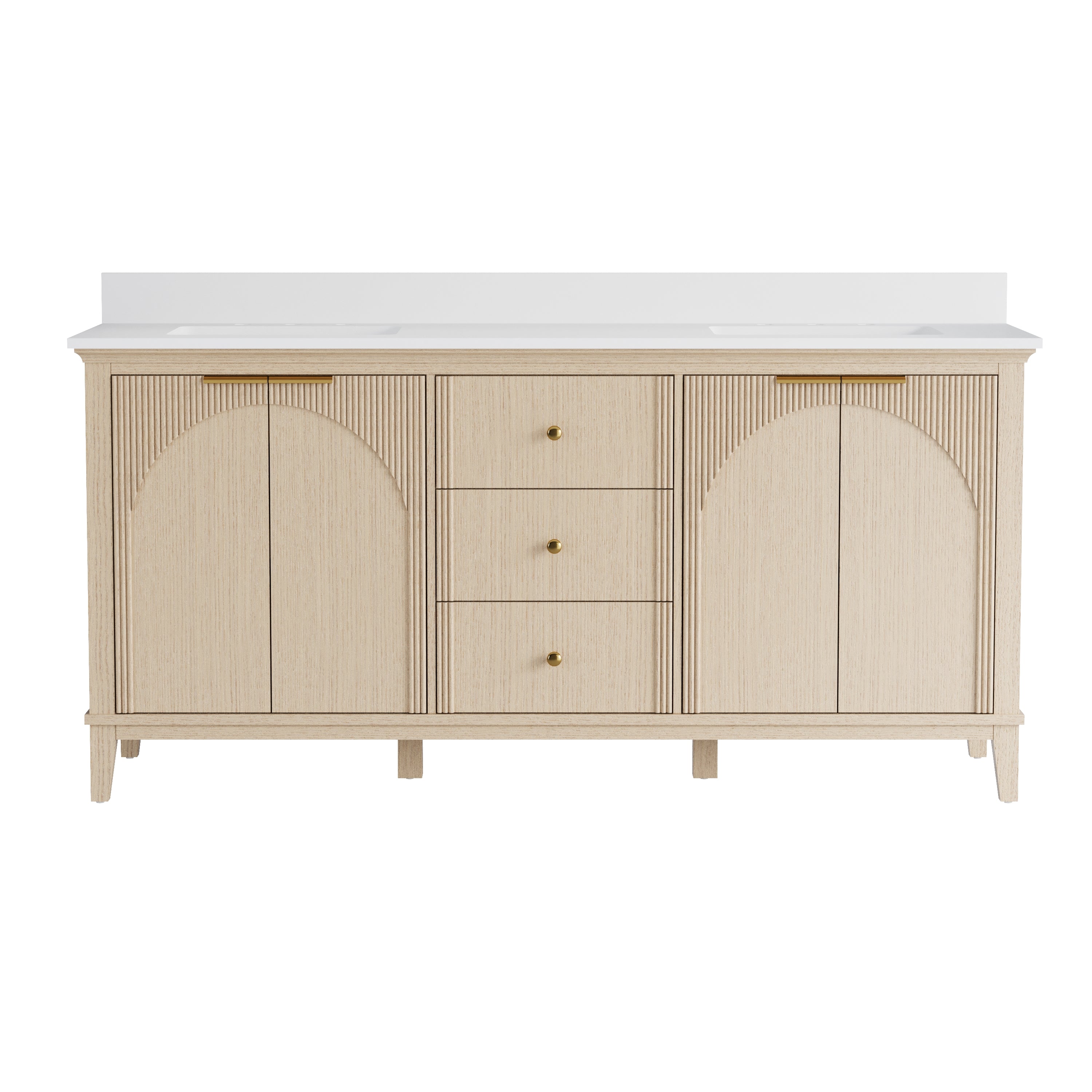


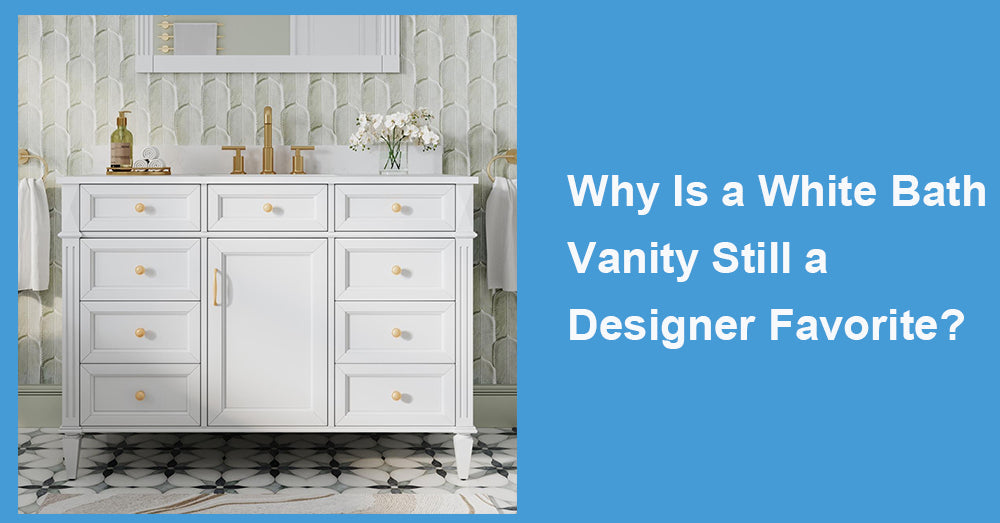
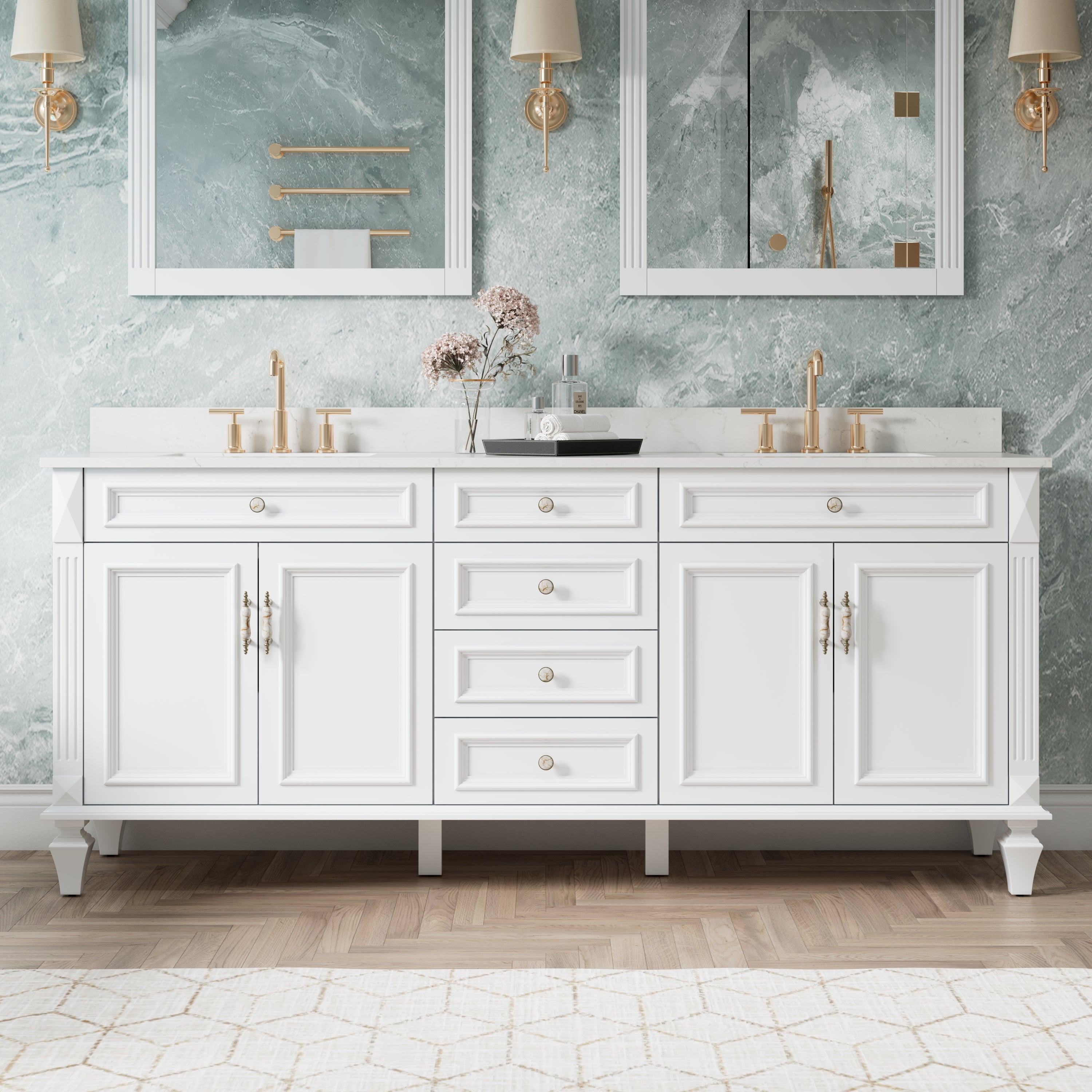
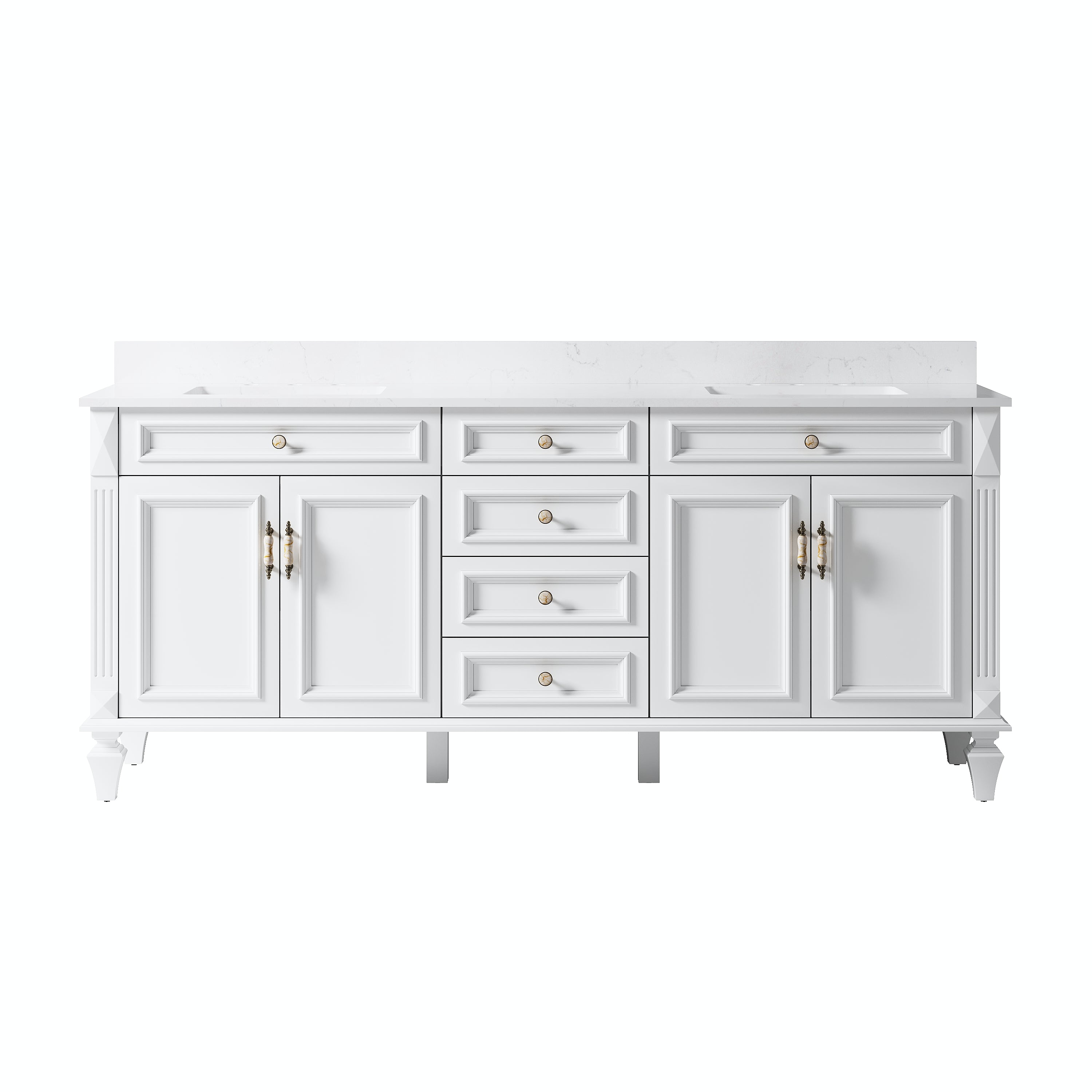
A white bath vanity remains a dependable choice because it gives designers room to shape the rest of the bathroom without fighting against a dominant cabinet color. After more than 20 years of working with bathroom cabinetry, I have seen white vanities used successfully in small guest baths, family bathrooms, coastal homes, and large primary suites. Their appeal comes from flexibility, lightness, and restraint. They can look modern or traditional, but only when the cabinet proportions, finish, storage, and surrounding materials are chosen carefully.
1. White Bath Vanities Create a Flexible Starting Point
Bathroom finishes are expensive to change. Tile, countertops, plumbing fixtures, and shower glass often stay in place for years, so the vanity should work with more than one decorative direction.
White cabinetry does this well.
Pair a simple slab-front vanity with matte black hardware and the room can feel crisp and modern. Add brushed brass, warm quartz, and a framed mirror, and the same basic color becomes softer and more transitional. Shaker doors can push the design toward classic American interiors without looking overly formal.
That adaptability is one reason designers continue to specify white even when stronger colors are available.
2. White Helps Control Visual Weight
In a bathroom, cabinetry occupies a large area at eye level and below. Dark wood or saturated paint can create a strong anchor, which is useful in some rooms but overwhelming in others.
A white bath vanity reflects more available light and blends more easily with pale walls, tile, and flooring. In a narrow guest bath, that can make the sink area feel less heavy. In a larger room, it can prevent a wide vanity from dominating the architecture.
A Light Color Cannot Fix a Bad Layout
This is a common misconception.
A white cabinet that is too deep will still restrict movement. A vanity that interferes with the toilet, shower door, or bathroom entrance remains a poor choice regardless of finish.
Measure the full footprint, including countertop overhang, before buying. Painter’s tape on the floor is often more useful than simply reading dimensions online.
3. Designers Use White to Support Stronger Materials
Not every element in a bathroom should compete for attention.
If the countertop has dramatic veining, the floor uses patterned tile, or the shower wall features textured stone, white cabinetry can act as a visual pause. It creates enough contrast to define the vanity without adding another strong pattern.
This is particularly effective in renovations where homeowners want one expensive material to stand out.
Texture Prevents the Room From Feeling Flat
Too much white can make a bathroom feel clinical.
The solution is usually not another bold color. Instead, add texture: warm-veined stone, ribbed glass, a woven basket, linen towels, a wood-framed mirror, or brushed metal hardware.
Small material differences give the room depth while preserving the clean foundation.
4. The Shade of White Needs Careful Attention
White is not one color.
Some finishes lean cool and slightly blue. Others have warm cream, gray, or beige undertones. The wrong white can make surrounding materials look dull or mismatched.
A cool white may pair naturally with gray stone and chrome. A warmer white can sit more comfortably beside beige tile, brass hardware, or natural wood flooring.
Lighting changes the appearance too. A finish that looks neutral in daylight may appear yellow under warm bulbs.
Whenever possible, compare the vanity finish with the actual tile, countertop, and bathroom lighting before making the final decision.
5. Storage Design Is More Important Than Decorative Style
A beautiful vanity becomes frustrating quickly if daily items have nowhere to go.
Deep drawers are useful for skincare, brushes, grooming tools, and cosmetics because smaller products stay visible. Cabinet space beneath the sink works better for cleaning products, tall bottles, and spare paper goods.
Do not assume every drawer front is functional. Some upper fronts are fixed because the basin occupies the space behind them. Plumbing cutouts can also reduce storage considerably.
For a busy family bathroom, I would choose full-extension drawers and durable hardware before paying extra for decorative molding.
6. White Has Real Practical Drawbacks
White cabinetry is not the easiest finish to ignore.
Toothpaste, fingerprints, cosmetics, dust, and hair dye show more clearly than they do on many medium-toned wood finishes. This can mean more frequent wiping in a children’s bathroom or heavily used family space.
Finish quality matters too. Poor paint can chip around corners and pulls. High-gloss coatings often show fine scratches, while detailed door profiles collect dust in grooves.
A durable satin or matte finish is usually more forgiving.
White may also be wrong for a bathroom designed to feel intentionally dark, rustic, or dramatic. In those rooms, natural wood or a deep painted cabinet may create a more convincing result.
7. Floating and Freestanding Styles Change the Effect
A floating white vanity can make a compact bathroom appear lighter because more flooring remains visible underneath. It also makes floor cleaning easier and suits modern interiors well.
The tradeoff is installation. Wall-mounted cabinets need secure structural support, and some provide less storage than freestanding models.
Freestanding vanities usually offer more capacity and are easier to adapt to existing plumbing. They work especially well in traditional and transitional bathrooms, though bulky bases can feel heavy in narrow rooms.
The mounting style should fit the room, not just the photograph that inspired the remodel.

8. Installation Quality Is Easy to See on White
White surfaces reveal uneven gaps, crooked pulls, chipped corners, and sloppy caulk lines quickly.
Install the cabinet level so drawers and doors stay aligned. Seal the sink, faucet openings, countertop, and backsplash joints carefully. Test the plumbing before loading the cabinet.
For maintenance, use a soft cloth and mild, non-abrasive cleaner. Wipe standing water promptly, remove colored spills before they stain, and run the exhaust fan after showers.
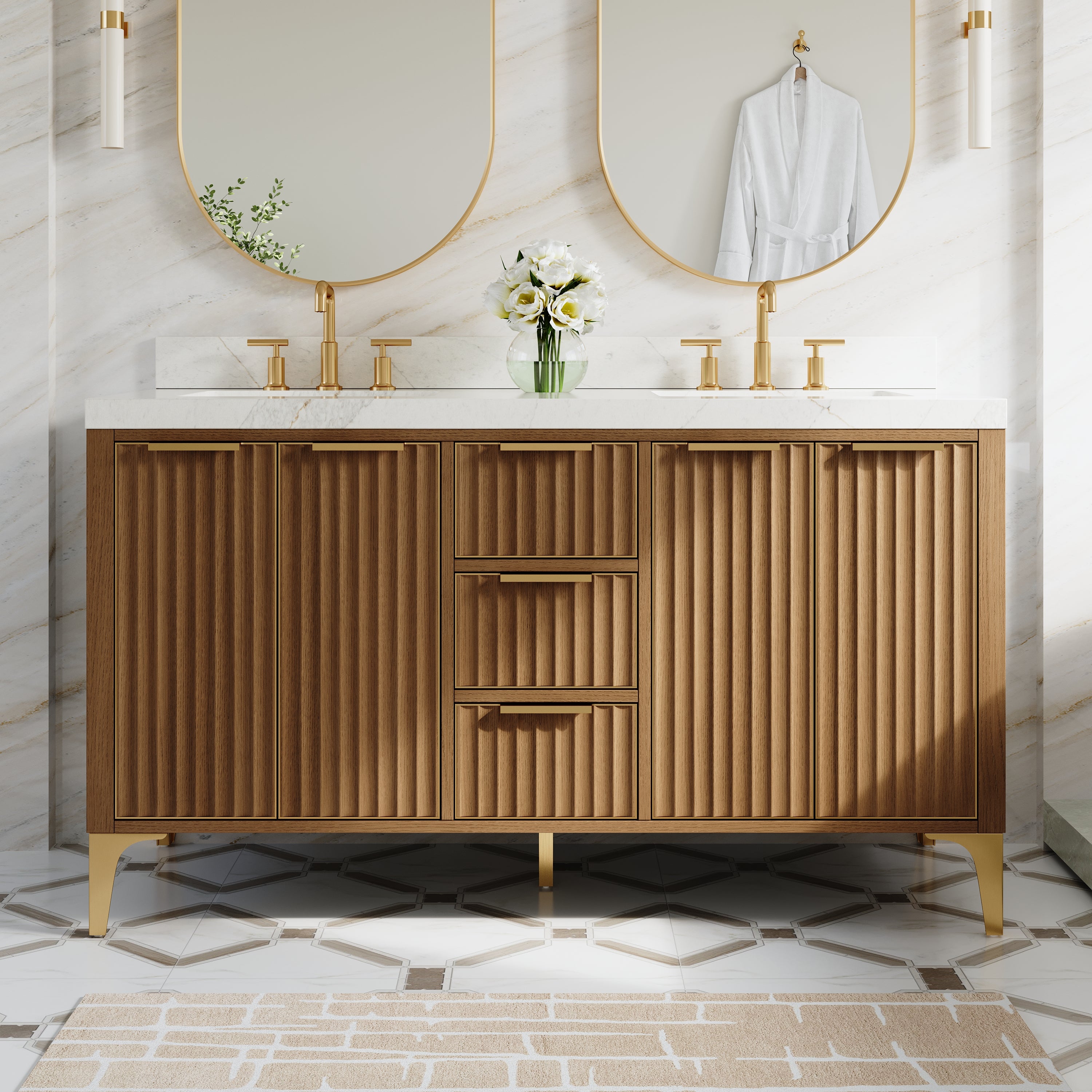
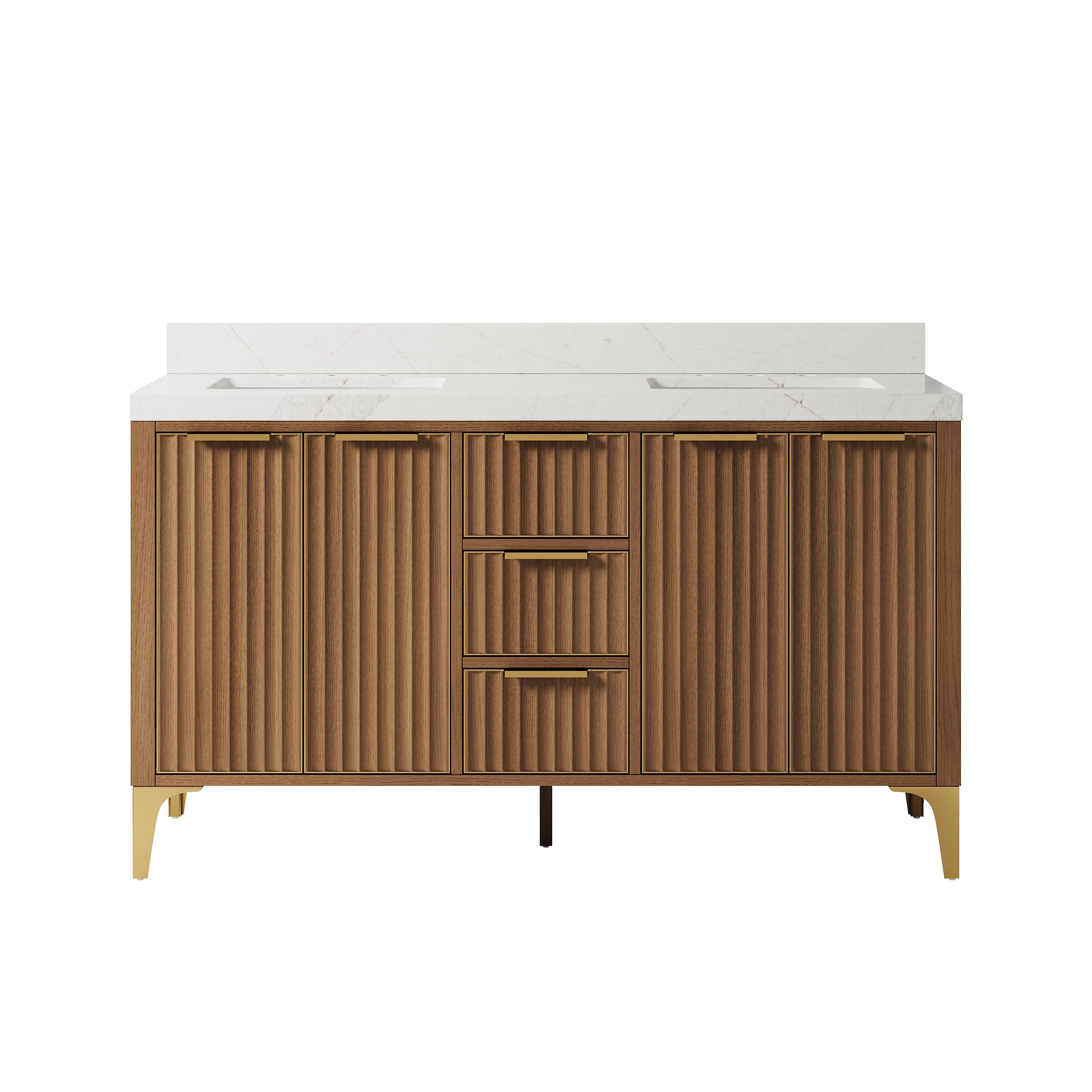
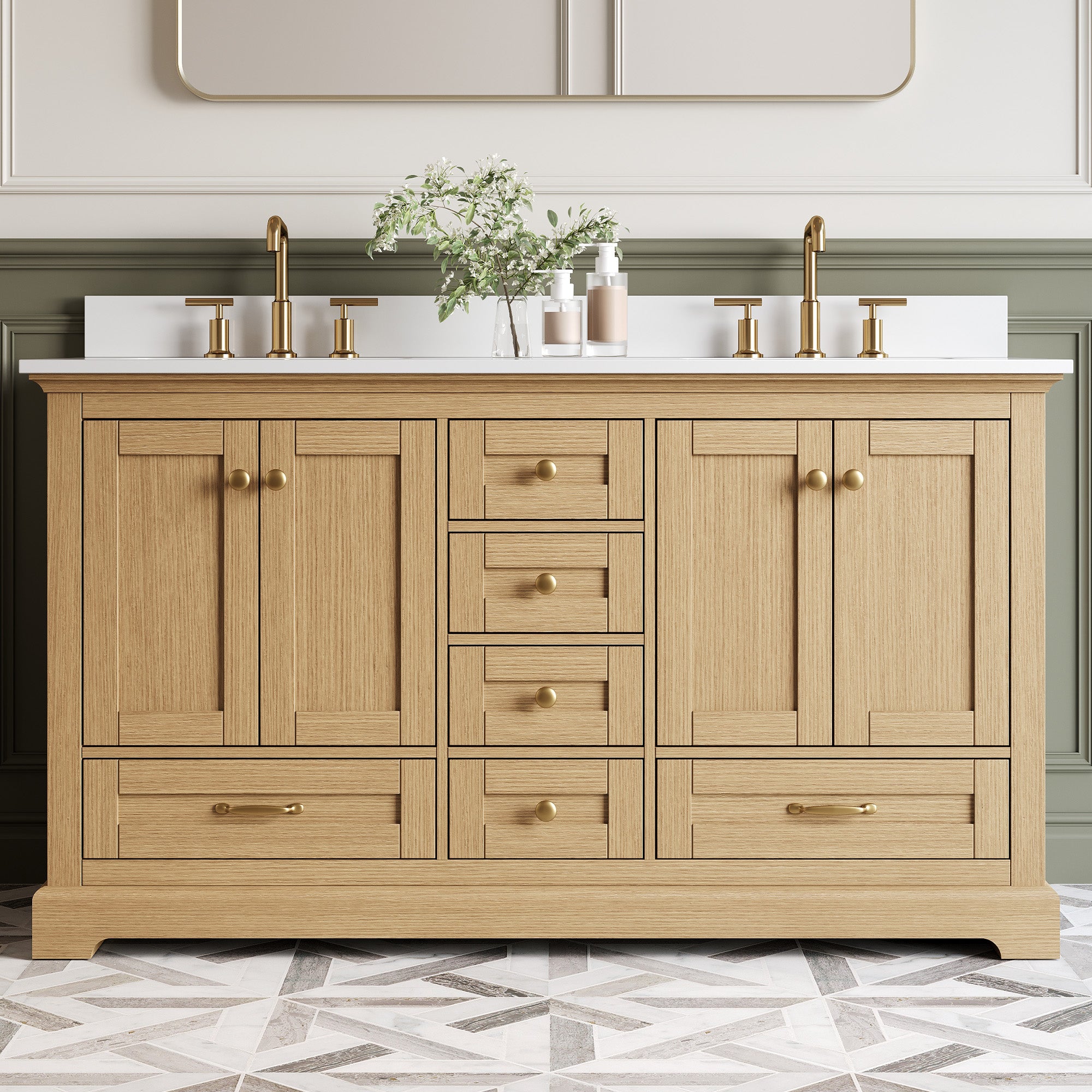
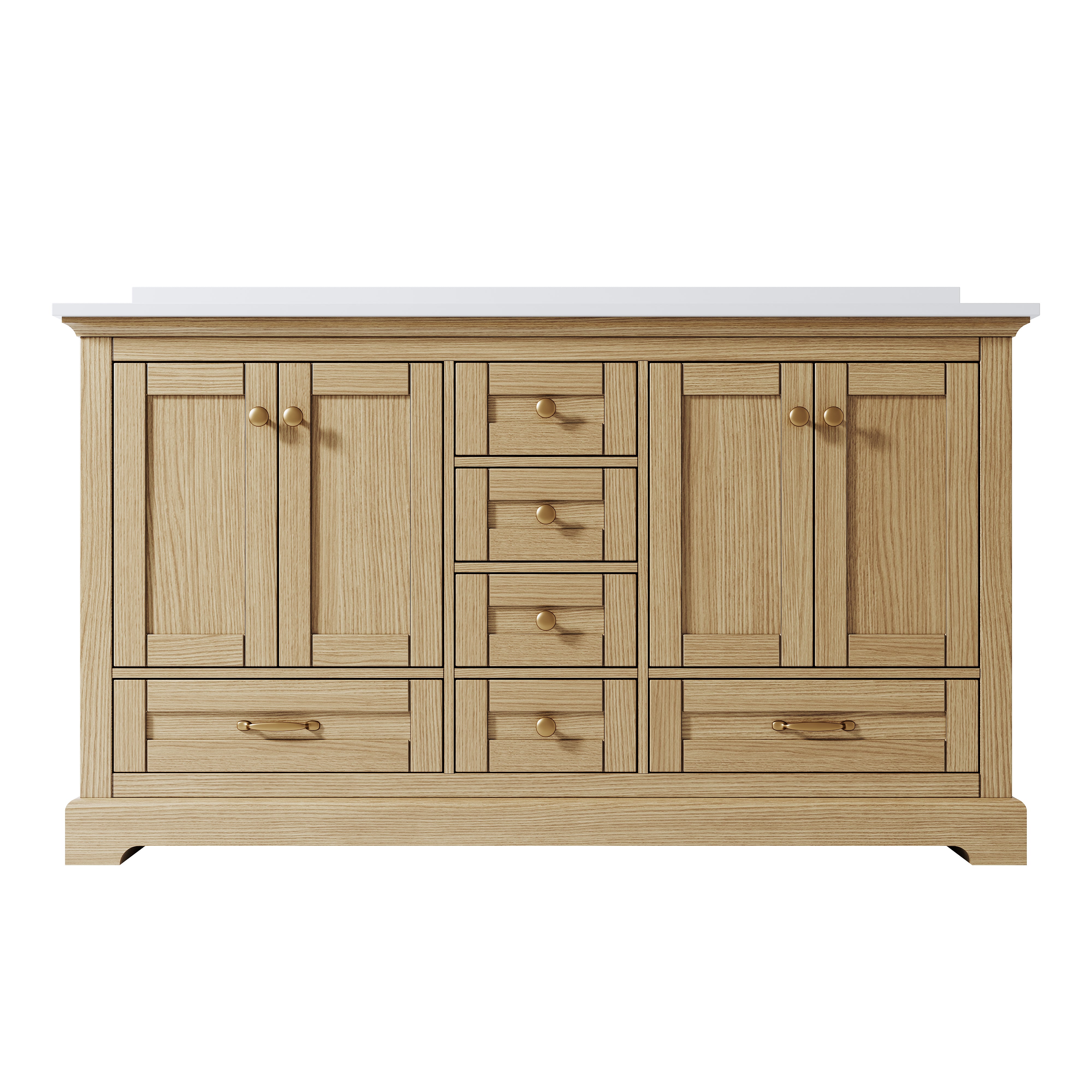
When comparing Wellfor options, start with construction, usable storage, dimensions, and the undertone of the finish. Then decide whether a floating or freestanding cabinet fits the room better. A white bath vanity remains a designer favorite because it gives the bathroom a stable visual foundation while leaving enough freedom for stone, hardware, lighting, and accessories to evolve around it.






























Leave a comment
This site is protected by hCaptcha and the hCaptcha Privacy Policy and Terms of Service apply.