






















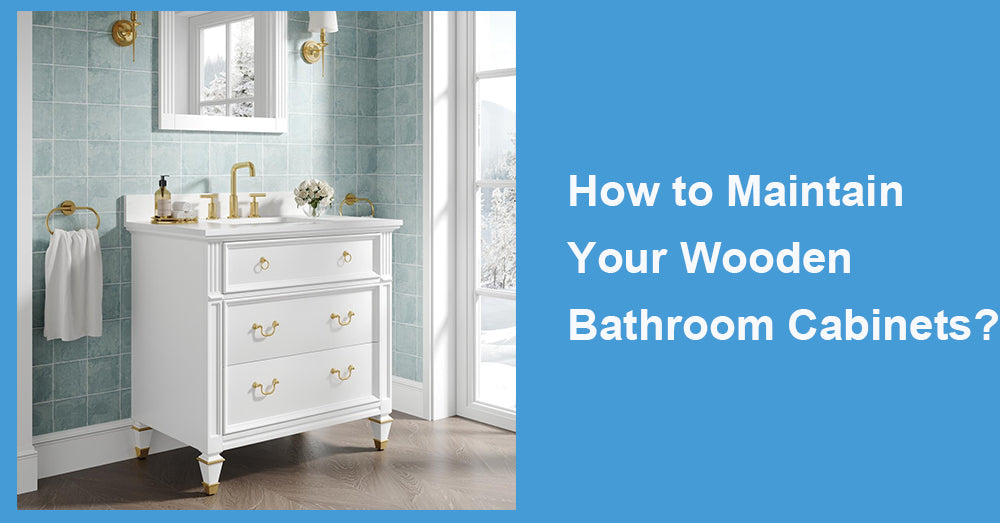
Wooden bathroom cabinets can stay attractive for many years when moisture, cleaning, and everyday wear are managed correctly. After more than 20 years of working with bathroom cabinetry, I have found that most damage does not come from normal humidity alone. It usually starts with standing water, slow plumbing leaks, harsh cleaners, or poor ventilation. Good maintenance is less about constant polishing and more about preventing small problems from reaching the wood, finish, hardware, and cabinet edges.
1. Keep Wooden Bathroom Cabinets as Dry as Practical
Bathrooms are naturally humid, so expecting cabinetry to remain completely dry is unrealistic. The goal is to prevent prolonged moisture exposure.
Wipe water from the countertop, drawer fronts, and cabinet edges after heavy splashing. Pay particular attention to the area beneath the faucet and around the sink, where water often sits unnoticed.
In a family bathroom, wet hands and children’s routines can create more splashing than in a guest bath. A quick wipe at the end of the day can prevent water from remaining against the finish for hours.
Do Not Treat Wood as Waterproof
One common misconception is that a sealed or solid wood cabinet can tolerate unlimited water.
It cannot. A protective finish slows moisture penetration, but standing water can eventually reach joints, exposed edges, or small scratches. Once moisture enters the material, swelling and discoloration become harder to correct.
2. Use Bathroom Ventilation Consistently
Good ventilation protects far more than the vanity.
Run the exhaust fan during showers and leave it operating until the mirrors begin to clear and the room feels less damp. In a primary bathroom used several times each morning, this habit matters more than occasional deep cleaning.
If condensation regularly remains on walls and cabinets long after showering, the ventilation system may need attention.
Leaving the bathroom door open after use can also improve air circulation when appropriate.
A cabinet cannot perform well indefinitely in a room where moisture has nowhere to escape.
3. Clean the Finish Gently
Wood cabinetry rarely needs aggressive cleaning.
For normal dust, fingerprints, toothpaste, and light residue, use a soft microfiber cloth slightly dampened with water or a mild cleaner suitable for the cabinet finish. Dry the surface afterward.
Harsh Cleaners Can Cause More Harm Than Dirt
Bleach, strong solvents, abrasive powders, and rough scrubbing pads may dull or damage protective coatings. Once that finish is compromised, moisture has an easier path into the material beneath.
Spraying cleaner directly onto cabinet doors is another habit I avoid. Apply it to the cloth first. This prevents excess liquid from running into joints and around hardware.
If you are unsure which cleaner is suitable, follow the cabinet manufacturer's care instructions rather than experimenting with stronger household chemicals.
4. Check Under the Sink Regularly
In my experience, slow plumbing leaks are among the most damaging problems for bathroom cabinets because they often remain hidden.
Every few months, remove stored products from beneath the sink and inspect the drain, supply lines, shutoff valves, and cabinet floor. Look for dampness, staining, swollen material, or a musty smell.
A small drip may seem harmless, but constant moisture concentrated in one area can damage cabinetry faster than ordinary shower humidity.
Keep bottles organized so plumbing remains visible. A cabinet packed tightly with cleaning products can hide a leak for weeks.
5. Protect High-Wear Areas
Cabinet edges, handles, and drawer fronts receive the most contact.
Wet hands frequently touch pulls and door edges. Hair products, cosmetics, and skincare can also leave residues that affect the finish if they are not removed.
Wipe these areas more often than the rest of the cabinet.
If you notice a small scratch or chip in a wood finish, address it early. Touch-up products recommended for the specific finish can help protect exposed material.
Do Not Ignore Loose Hardware
Hinges and drawer slides can shift after years of use.
Tighten loose screws before doors begin rubbing against each other or drawers become misaligned. Repeated contact can wear through the finish at corners surprisingly quickly.
Soft-close hardware reduces impact, but it still benefits from occasional inspection.
6. Avoid Wet Towels Against Cabinet Surfaces
This sounds minor, yet it causes avoidable damage.
A wet hand towel hanging over a vanity door can keep one section of the cabinet damp for hours. Repeated exposure may eventually discolor the finish or affect the wood underneath.
Use towel rings, hooks, or bars positioned away from the cabinet face.
The same rule applies to damp bath mats leaning against the vanity base. Let wet textiles dry where air can circulate around them.
7. Know Which Bathroom Conditions Are Hardest on Wood
Wood cabinetry performs well in ventilated guest baths, family bathrooms, and primary suites where routine splashes are cleaned promptly.
It has a harder time in open wet rooms, bathrooms with frequent floor flooding, or spaces where steam remains trapped for long periods.
If water regularly collects around the vanity base, maintenance alone is not the answer. Look for leaking shower doors, inadequate caulking, plumbing problems, or poor floor drainage.
Sometimes the environment needs correction before the cabinet needs another cleaning product.
8. Maintain the Countertop and Sink Seals
Cabinet maintenance starts above the cabinet.
Inspect caulk around the sink, backsplash, and countertop joints. Cracked or separated sealant can allow water to reach areas that are difficult to dry.
Replace deteriorated caulk before moisture reaches the cabinet box.
If the vanity has a natural stone top, follow the care requirements for that surface as well. Some stones may need periodic sealing. Water that penetrates through an improperly maintained countertop can eventually affect the cabinetry below.
9. Installation Quality Makes Maintenance Easier
A properly installed cabinet is easier to protect.
The vanity should sit level so water does not repeatedly collect along one edge of the countertop. Doors and drawers should remain aligned, and plumbing openings should be neatly finished rather than leaving large areas of raw material exposed.
Floating cabinets need secure wall support, while freestanding models should not sit in locations where floor water regularly pools.
If you are installing a new Wellfor vanity, check the plumbing before filling the drawers and cabinet. It is much easier to correct a small leak before storage hides it.

10. Build a Simple Maintenance Routine
Wood cabinetry does not need complicated care. A few regular habits are enough.
Wipe water promptly. Keep ventilation working. Clean with mild products. Inspect the plumbing and hardware several times each year.
Avoid treating maintenance as something done only when damage becomes visible. At that stage, moisture may already have reached the cabinet core.
When caring for Wellfor wooden bathroom cabinets, pay most attention to the places where water and daily use concentrate: the sink edge, faucet area, lower cabinet corners, plumbing connections, and frequently touched doors. If you keep those areas dry, maintain the protective finish, and address leaks quickly, the cabinets are far more likely to retain their appearance and function without requiring difficult repairs later.











































Leave a comment
This site is protected by hCaptcha and the hCaptcha Privacy Policy and Terms of Service apply.