






















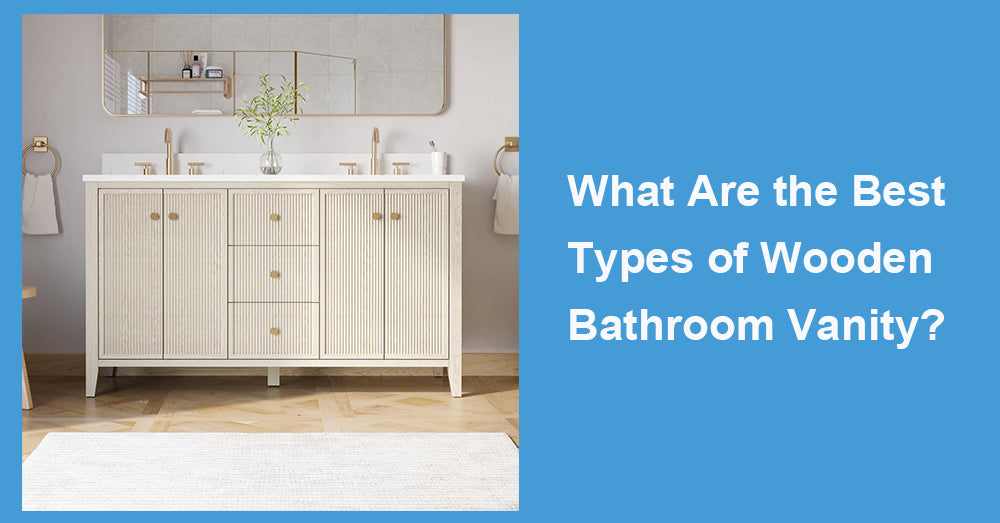
A wooden bathroom vanity can bring warmth, storage, and lasting character to a bathroom, but not every type is equally suitable for every space. After more than 20 years of working with bathroom cabinetry, I have found that the best choice depends on construction, mounting style, wood tone, storage needs, and moisture conditions. A floating oak vanity may be ideal for a compact modern bath, while a substantial freestanding walnut cabinet can make far more sense in a spacious primary suite.
1. Solid Wood Vanities Offer Strength and Natural Character
Solid wood remains attractive because it feels substantial and can age gracefully when properly protected. Oak, maple, and other hardwoods provide visible grain, hold hardware well, and can often be repaired if the surface develops minor scratches.
That repairability is a real advantage. A quality cabinet can sometimes be touched up or refinished rather than replaced.
Solid wood does have limitations. It naturally responds to changes in humidity, so slight expansion or contraction is possible. Poor ventilation, standing water, or plumbing leaks can eventually damage even an expensive cabinet.
Solid Wood Does Not Mean Every Panel Must Be Solid
A common misunderstanding is that the best vanity must be made entirely from hardwood.
In practice, a combination of solid wood doors or frames with quality plywood cabinet boxes can be an excellent construction method. Plywood tends to remain stable in changing bathroom conditions and can reduce some of the movement associated with large solid wood panels.
I pay more attention to joinery, edge sealing, and hardware than to marketing labels.
2. Floating Wooden Vanities Work Well in Modern Bathrooms
A floating vanity is mounted directly to the wall, leaving the floor visible underneath. This creates a lighter appearance and can make a small bathroom feel less crowded.
Light oak and natural finishes work particularly well in this format. The combination suits modern, Scandinavian, Japandi, and spa-inspired interiors.
Floor cleaning is easier too.
The drawback is installation. A wall-mounted cabinet needs secure framing or an approved structural mounting system. It may also provide less storage than a similarly sized freestanding model.
Floating vanities are best when visual openness matters more than maximum cabinet capacity.
3. Freestanding Vanities Provide Practical Storage
For family bathrooms and storage-heavy primary baths, I often prefer a freestanding cabinet.
These vanities can accommodate deeper drawers, larger enclosed compartments, and more flexible plumbing arrangements. They are also easier to retrofit when replacing an older floor-mounted vanity.
A medium-toned wood finish is particularly practical in a busy bathroom because it tends to hide ordinary dust, fingerprints, and minor water marks better than very light or very dark finishes.
Watch the Visual Weight
A large freestanding cabinet can make a narrow bathroom feel crowded.
Measure the depth as carefully as the width. A vanity may fit along the wall but still interfere with the toilet, shower door, or main walkway. In tight rooms, a shallow cabinet or floating model may perform better.
4. Oak Vanities Are Versatile and Easy to Style
Oak remains one of the most adaptable choices for bathroom cabinetry. Its visible grain adds texture without necessarily feeling rustic.
Light oak works well with white quartz, beige stone, brushed nickel, matte black, and warm brass. It can support a clean modern room or soften a bathroom dominated by white tile and glass.
Strong grain can become visually busy beside heavily veined countertops. If the stone already makes a statement, I prefer a quieter oak pattern.
Oak is a strong choice for homeowners who want natural warmth without making the vanity look too formal.
5. Walnut Vanities Bring Depth to Larger Spaces
Walnut has a darker, richer character. In a spacious primary bathroom, it can anchor the sink area and create a more furniture-like presence.
It pairs especially well with light countertops, warm metals, and neutral walls.
The downside is visual weight. Darker cabinetry can make a small bathroom feel tighter, particularly when natural light is limited. Walnut also tends to reveal dust and dried water droplets more readily.
I generally reserve dark wood for rooms with enough scale and lighting to support it.
6. Drawer-Focused Vanities Suit Busy Households
Storage layout is just as important as the type of wood.
Deep drawers are useful for skincare, cosmetics, grooming tools, and smaller toiletries because items remain visible. Traditional cabinet doors beneath the sink are better for tall bottles, cleaning products, and larger supplies.
A hybrid layout often works best.
Do not count drawer fronts without checking the interior. Some upper fronts are fixed because the sink occupies the space behind them. Plumbing cutouts can also reduce usable capacity.
For a shared bathroom, full-extension drawers and separate storage zones can make daily routines noticeably easier.
7. Choose the Vanity Type for the Bathroom Environment
Wood performs best in bathrooms with effective ventilation and reasonable moisture control.
A guest bath with occasional shower use places relatively little stress on cabinetry. A primary bathroom used for long hot showers needs a reliable exhaust fan. An open wet room where spray regularly reaches the cabinet is much less suitable.
If water frequently collects on the floor or plumbing has unresolved leaks, I would fix those issues before buying any wood vanity.
Good materials cannot compensate for a bad environment.

8. Installation Quality Protects the Cabinet
Before ordering, measure wall width, cabinet depth, countertop overhang, plumbing position, and clearance around nearby fixtures.
Floating models require secure wall support. Freestanding cabinets should sit level so doors and drawers remain properly aligned.
Seal the sink, faucet openings, countertop, and backsplash joints carefully. Test every drain and supply connection before storing anything inside.
For maintenance, use a soft cloth and mild, non-abrasive cleaner. Wipe standing water promptly and avoid leaving wet towels against the cabinet face. Check beneath the sink several times a year for slow leaks.
When comparing Wellfor options, choose the cabinet type according to the room rather than simply selecting your favorite wood color. Consider storage, ventilation, installation, countertop weight, and how many people use the bathroom. The best wooden bathroom vanity is the one whose construction and layout suit everyday life while allowing the natural material to remain an asset rather than a maintenance burden.









































Leave a comment
This site is protected by hCaptcha and the hCaptcha Privacy Policy and Terms of Service apply.