


















Introduction
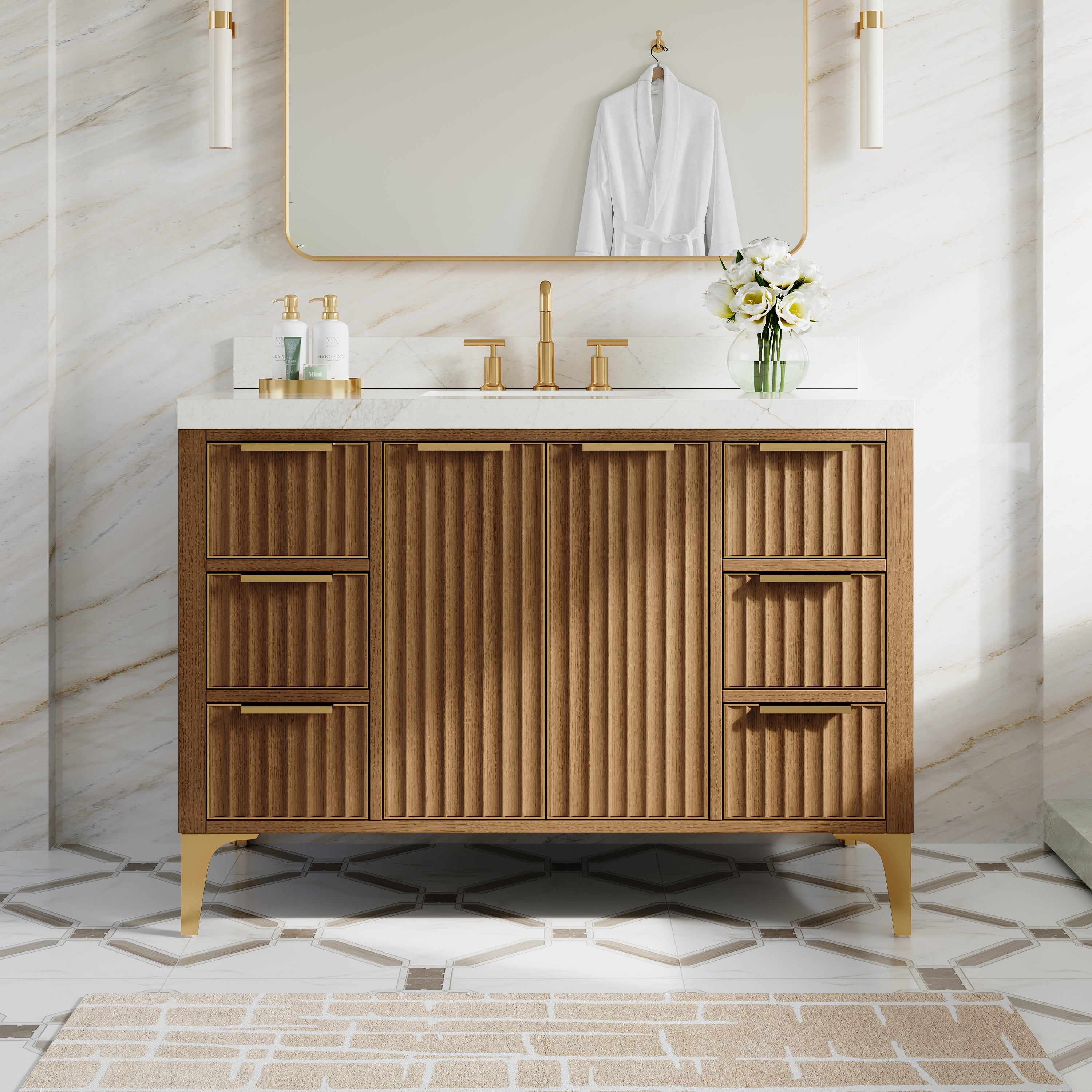
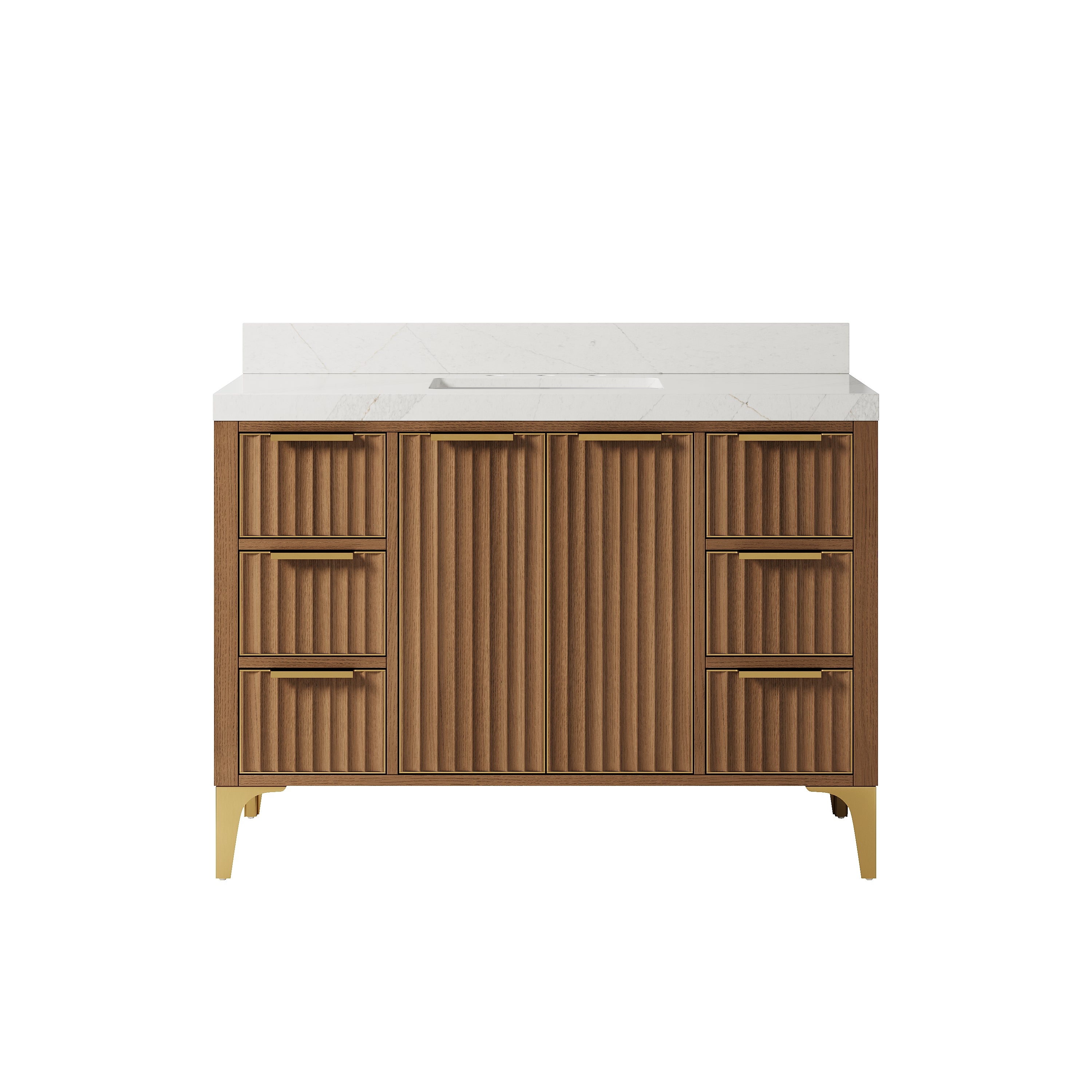
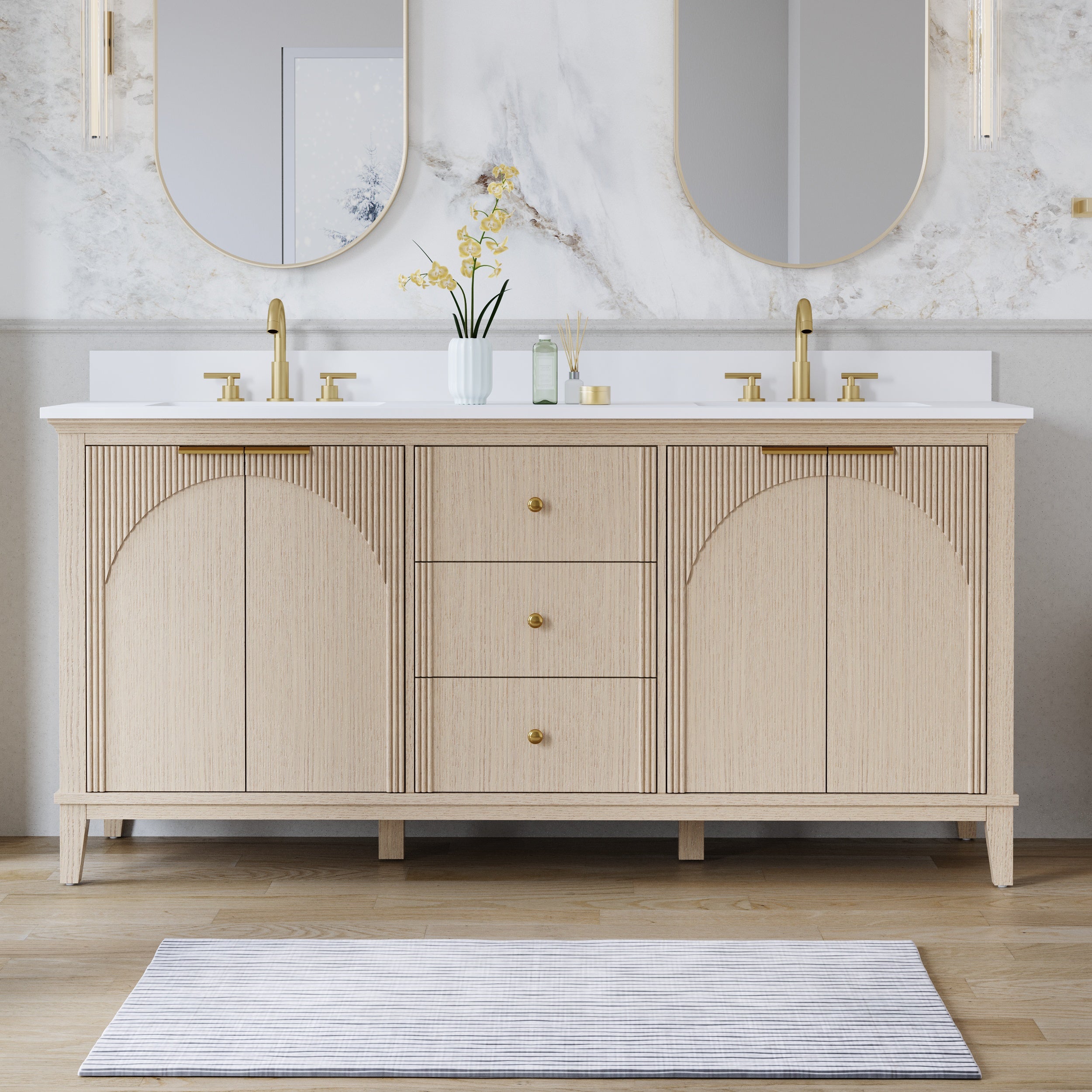
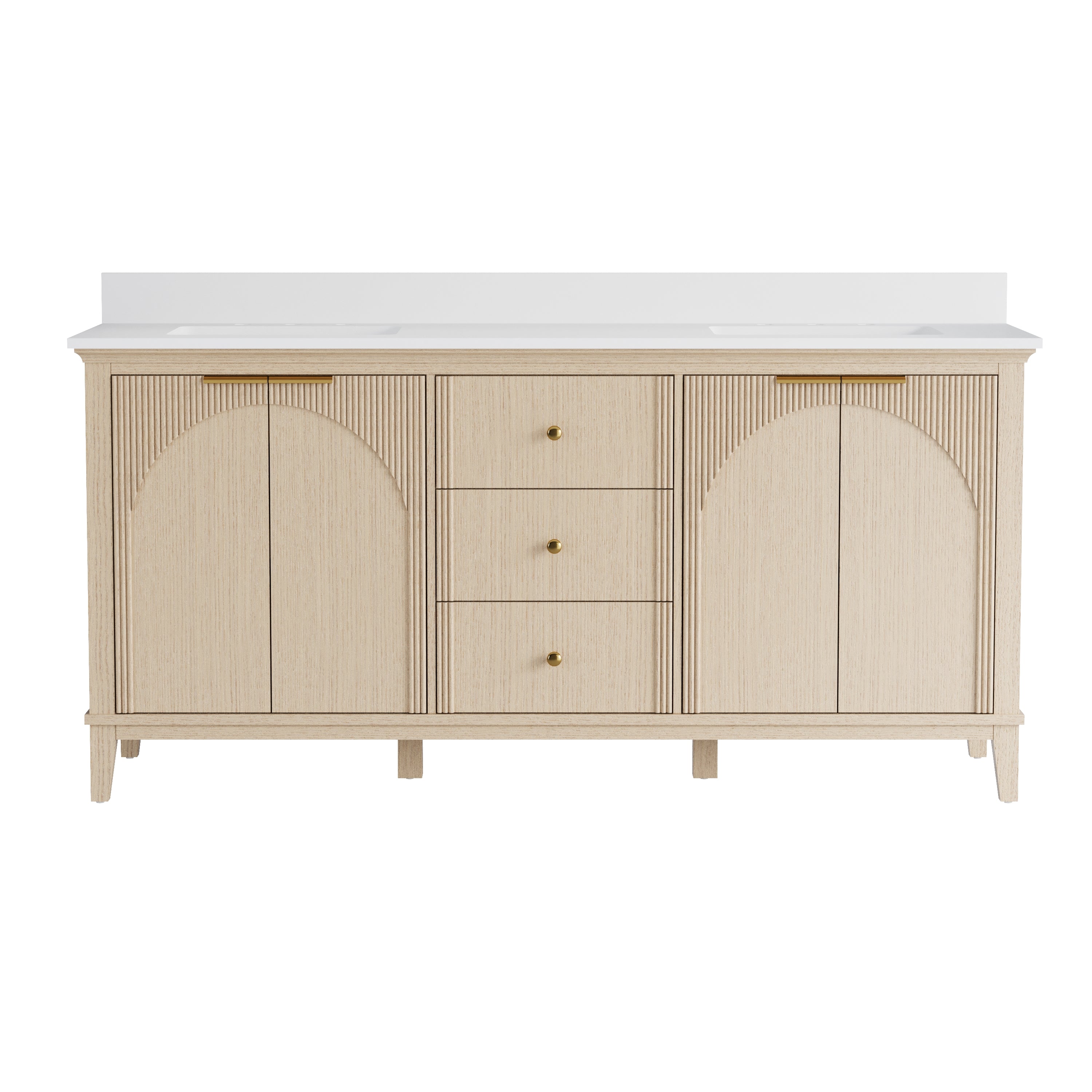
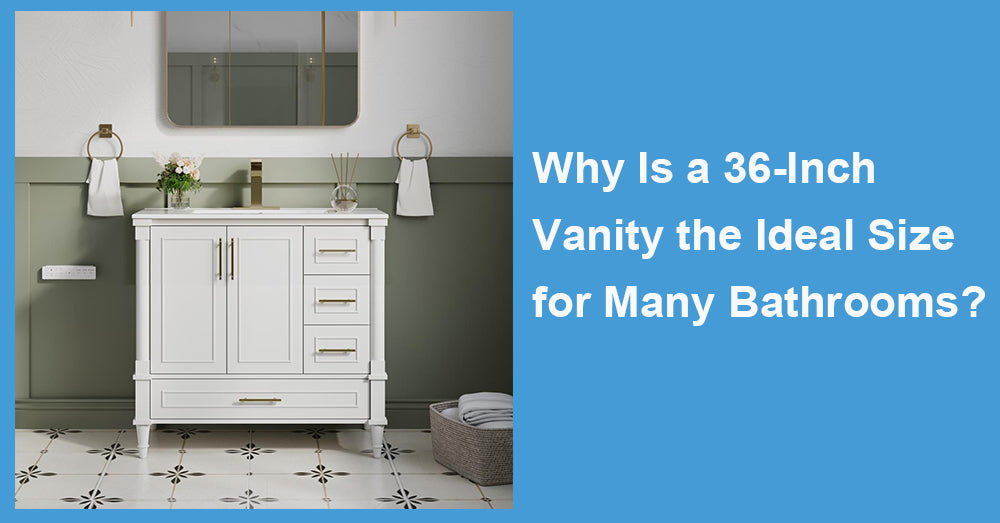
A 36-inch vanity hits a sweet spot that many bathroom layouts struggle to find. After years of working around remodels, product selection, and real homeowner complaints, I’ve found that this size often gives people what they actually need: enough sink space, useful storage, and a footprint that does not crowd the room. It works especially well in guest baths, smaller primary bathrooms, and secondary family bathrooms where every inch has to earn its place.
That does not mean it is perfect for everyone. Some homeowners buy a 36-inch vanity assuming it is the safe default, only to realize later that their storage needs are higher, their plumbing layout is awkward, or the room could have supported something wider. The size is popular for a reason, but it still needs to match the way the bathroom is used.
1. Why a 36-Inch Vanity Fits So Many Floor Plans
From a layout standpoint, 36 inches is often the point where a vanity stops feeling undersized and starts feeling practical. A 24-inch or 30-inch model can work in a powder room, but daily-use bathrooms usually ask for more counter space and better storage. Step up to 48 inches, and the room can begin to feel tight unless the layout is generous.
That is why a 36-inch vanity lands so well in the middle. It gives you a proper sink base, enough counter area for hand soap and daily essentials, and often a more balanced visual presence in the room. It looks intentional. Not squeezed in. Not oversized.
In many homes, especially where bathrooms were built with standard clearances in mind, this size allows comfortable movement in front of the sink while still leaving breathing room near the toilet, tub, or shower enclosure. That balance is harder to achieve than people expect.
2. How It Performs in Real Daily Use
A lot of vanity decisions look good on paper but fail during the morning rush. This is where the 36-inch size tends to prove itself.
In a guest bathroom, it offers more than enough function without making the room feel furniture-heavy. In a family bathroom, it gives one person a comfortable station without dominating the floor plan. In a smaller primary bath, it can create a cleaner, more open look while still providing enough storage for everyday use.
I’ve also seen it work well in renovation projects where homeowners want an upgrade without moving plumbing lines too far. A 36-inch vanity often provides enough design presence to make the bathroom feel refreshed, yet it usually avoids the chain reaction of layout changes that wider vanities can trigger.
A common misconception about storage
People often assume width tells the whole story. It does not.
One well-designed 36-inch vanity with deep drawers can outperform a poorly planned 42-inch model with awkward cabinet space. Drawer organization, interior depth, plumbing cutout placement, and shelf access matter just as much as the outside measurement. I’ve seen buyers choose a larger unit, then complain that it stores less because the configuration was inefficient.
3. The Benefits That Make It a Go-To Size
The most obvious benefit is versatility. A 36-inch vanity suits many bathroom styles, from modern and transitional to farmhouse and classic. It can carry a substantial countertop, support a single sink comfortably, and still leave enough exposed wall area for the room to feel open.
There is also a budget advantage. In many product lines, 36-inch vanities sit in a practical price range. You are often getting better presence and more function than a compact vanity without stepping into the cost jump that comes with larger double-sink units. For homeowners trying to improve value without overspending, that matters.
Visually, this size tends to look well-proportioned with many common mirror widths and light fixture setups. A narrow vanity can sometimes look lost beneath the wrong mirror. A wider vanity can make modest bathrooms feel compressed. Thirty-six inches often avoids both problems.
Where it may fall short
It is not the right answer for every household.
If two people need to use the bathroom at the same time every morning, a 36-inch single-sink vanity may start to feel limiting. If you store bulky hair tools, extra toiletries, cleaning supplies, and backup towels in the vanity, you may run out of room faster than expected. Homes with spacious primary bathrooms can usually support a wider vanity, and in those cases, forcing a 36-inch model into the plan can make the room feel underbuilt.
4. When a 36-Inch Vanity Makes the Most Sense
This size is a strong fit for hall bathrooms, guest bathrooms, condo bathrooms, and many secondary bathrooms in family homes. It is also a smart choice when the goal is to improve function without making the room feel crowded.
It works especially well when the bathroom needs one reliable sink station rather than a grand furniture piece. That is a distinction buyers sometimes miss. Not every bathroom benefits from going larger. Some benefit from feeling calmer, easier to clean, and easier to move through.
A 36-inch vanity is less suitable in oversized primary suites, bathrooms shared by two adults every day, or layouts where the surrounding walls and floor area make a compact vanity look underscaled. In those rooms, the issue is not that 36 inches is bad. It is that the room is asking for more.

5. What to Check Before Buying One
Measure more than the opening. Check door swing, drawer clearance, baseboard depth, plumbing location, outlet placement, and how close the vanity will sit to the toilet or shower glass. A vanity can technically fit and still function poorly.
Height matters too. Many newer vanities are designed at comfort height, which most adults prefer, but in bathrooms used by young children, that may change how the sink feels day to day. Countertop material is another practical decision. A durable top paired with a well-finished cabinet will hold up much better in a humid bathroom than a beautiful vanity built from weak materials.
For installation, freestanding models are usually more forgiving, while wall-mounted styles need secure blocking and precise planning. For maintenance, keep water from pooling around the sink edge and clean the finish with a soft cloth and non-abrasive products. That alone can extend the life of the vanity more than many homeowners realize.
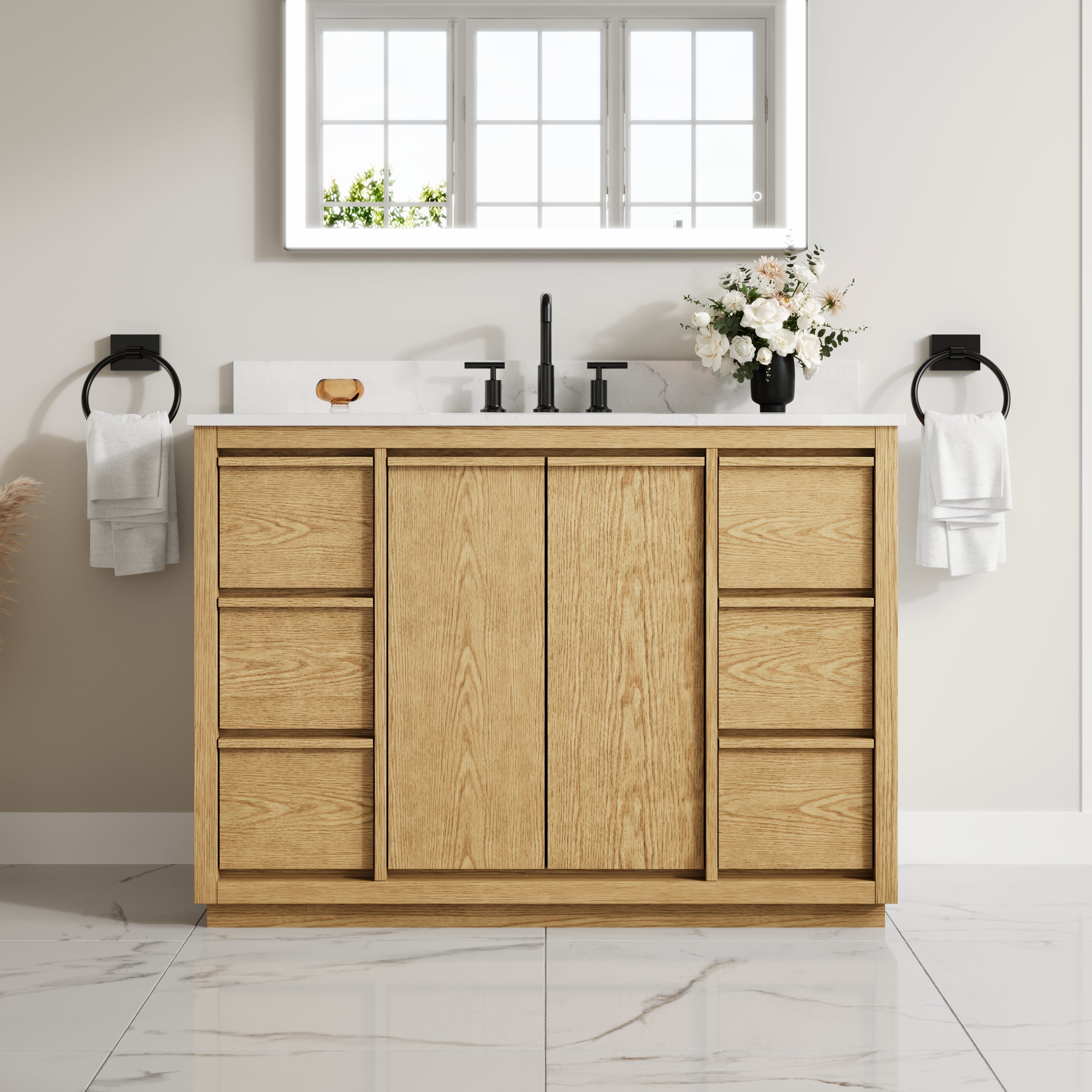
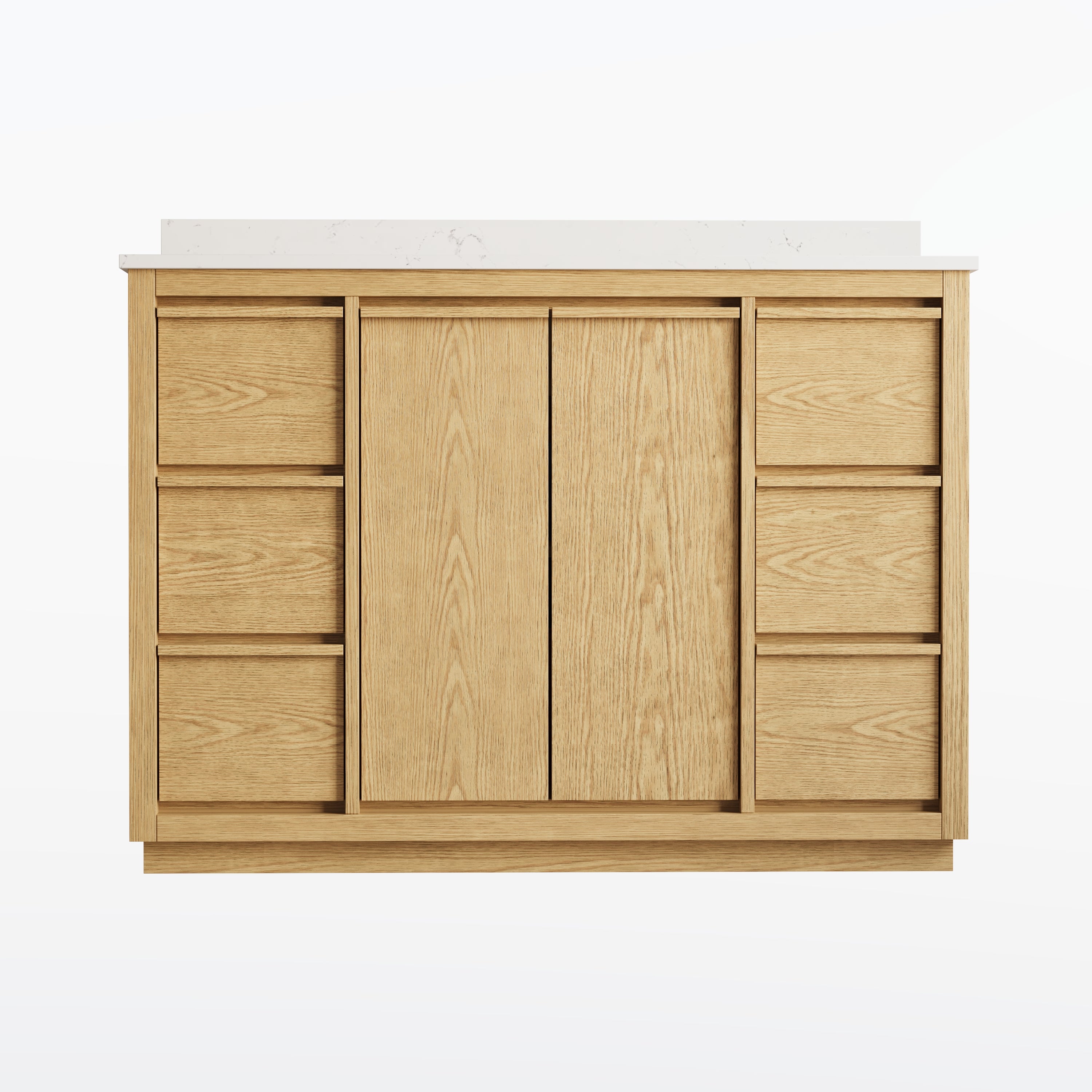
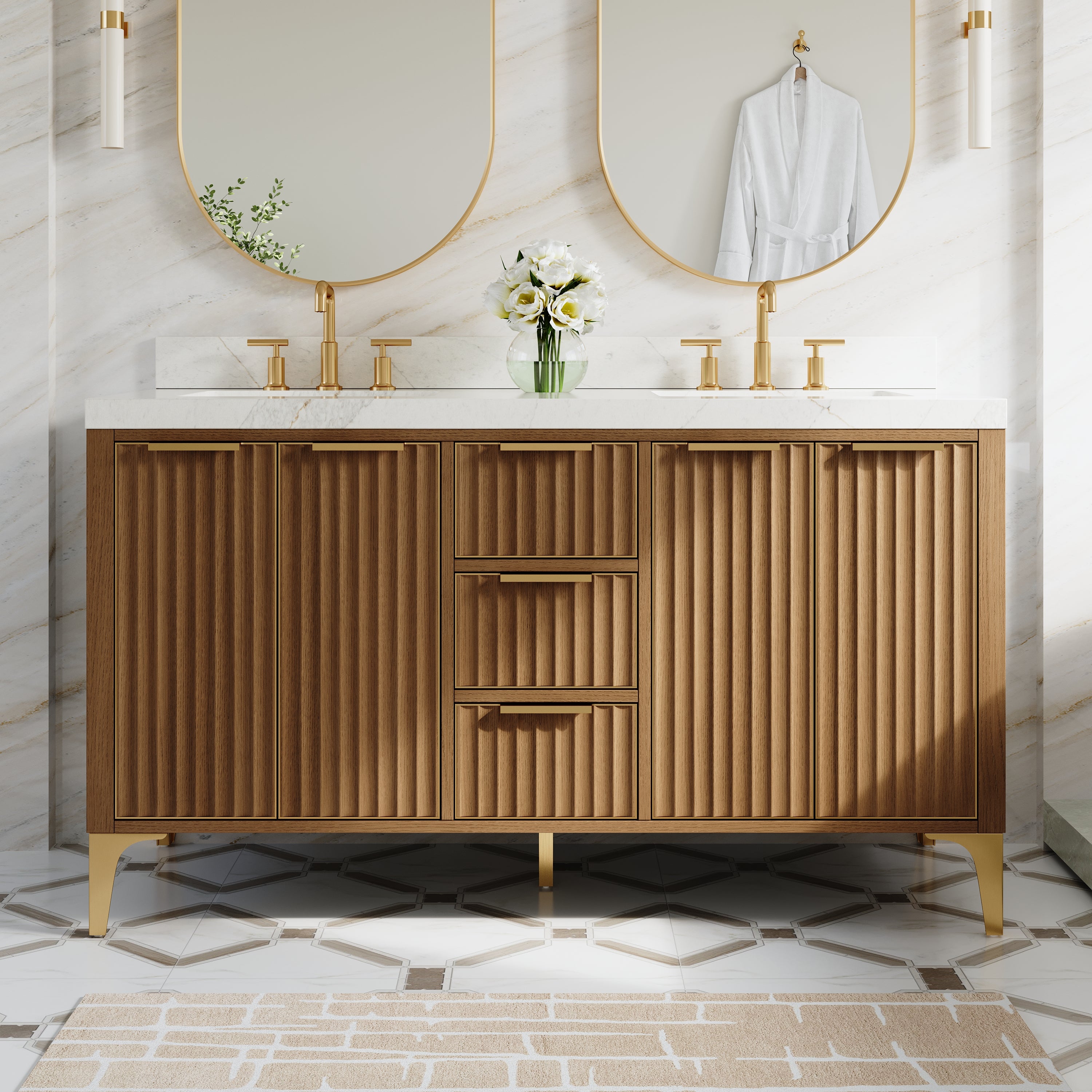
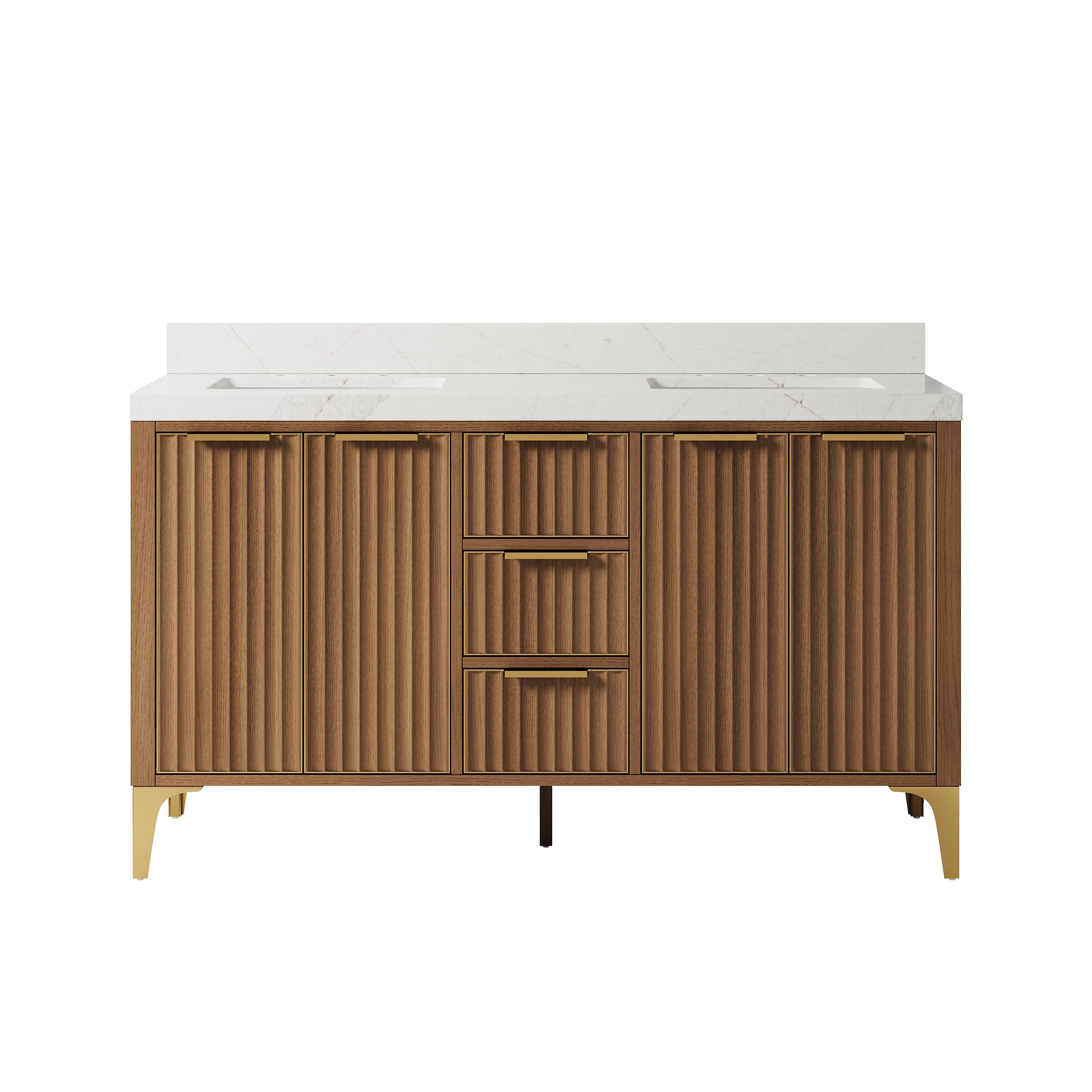
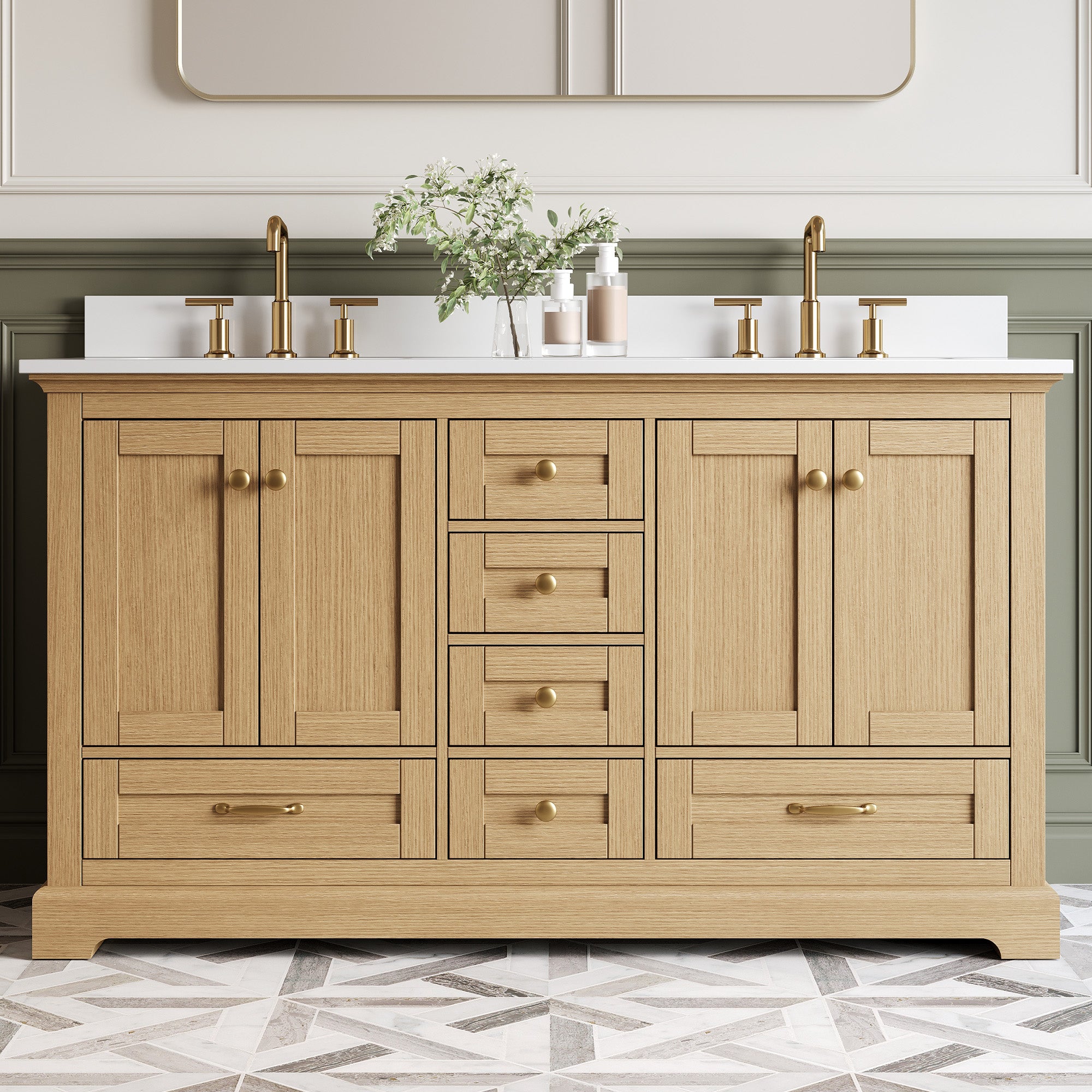
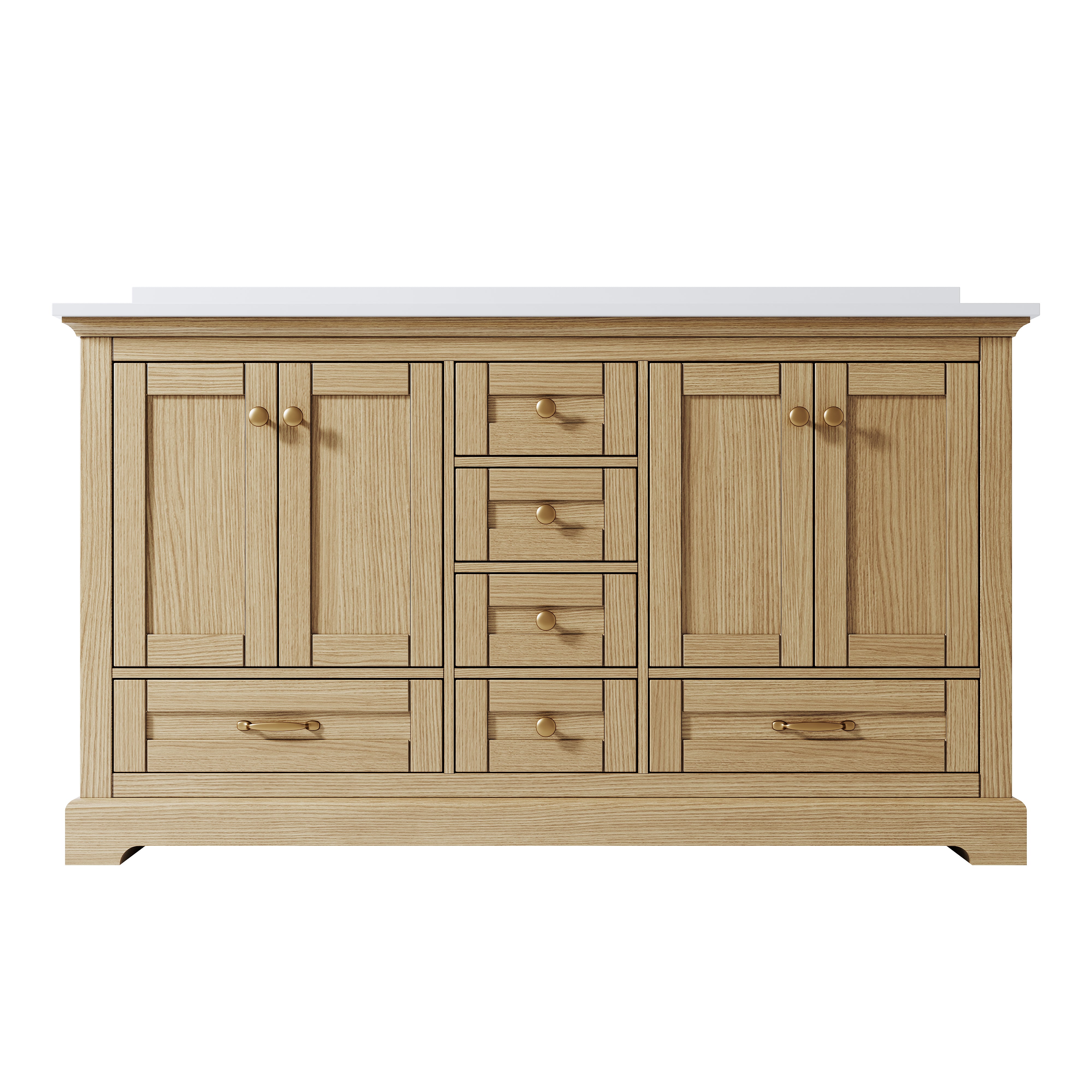
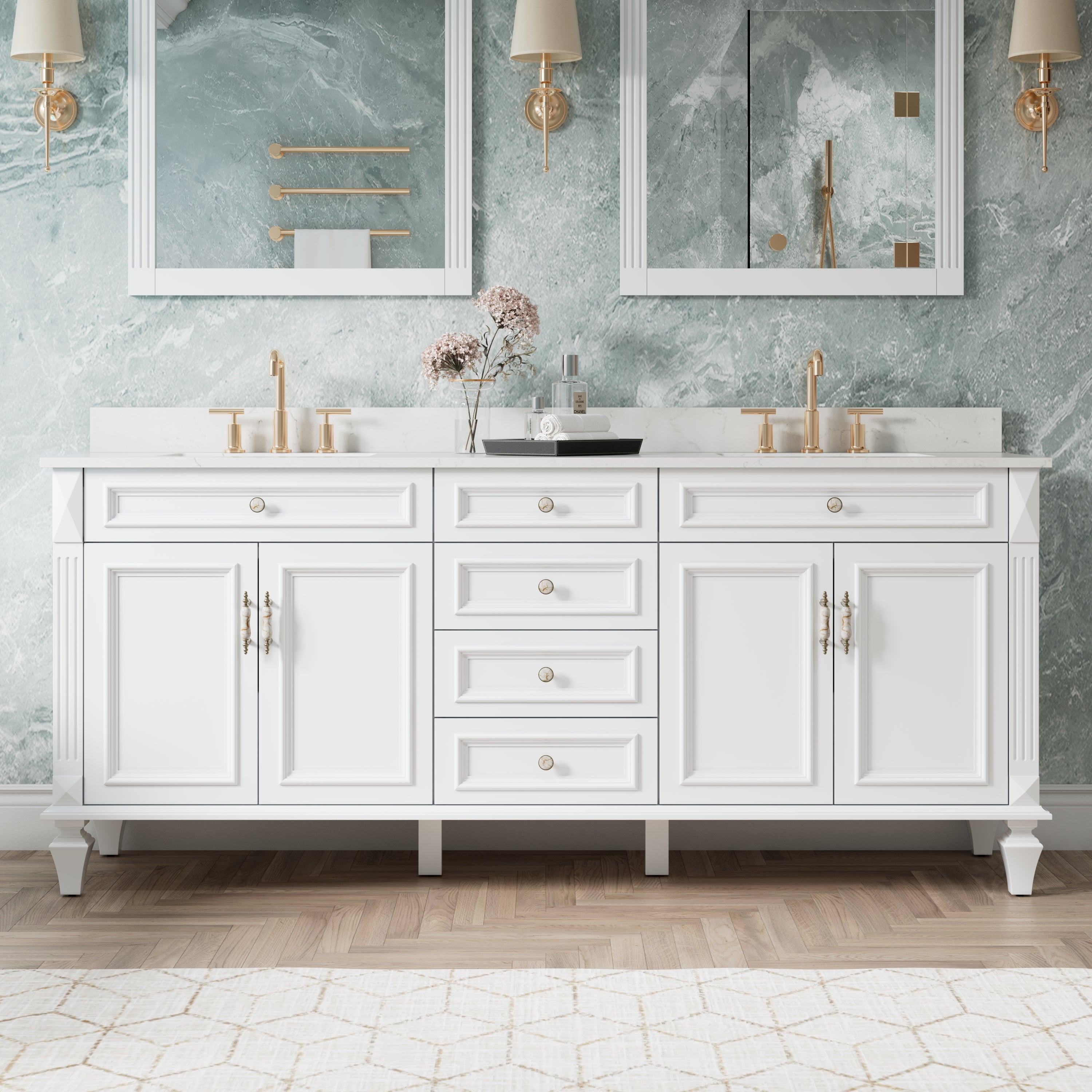
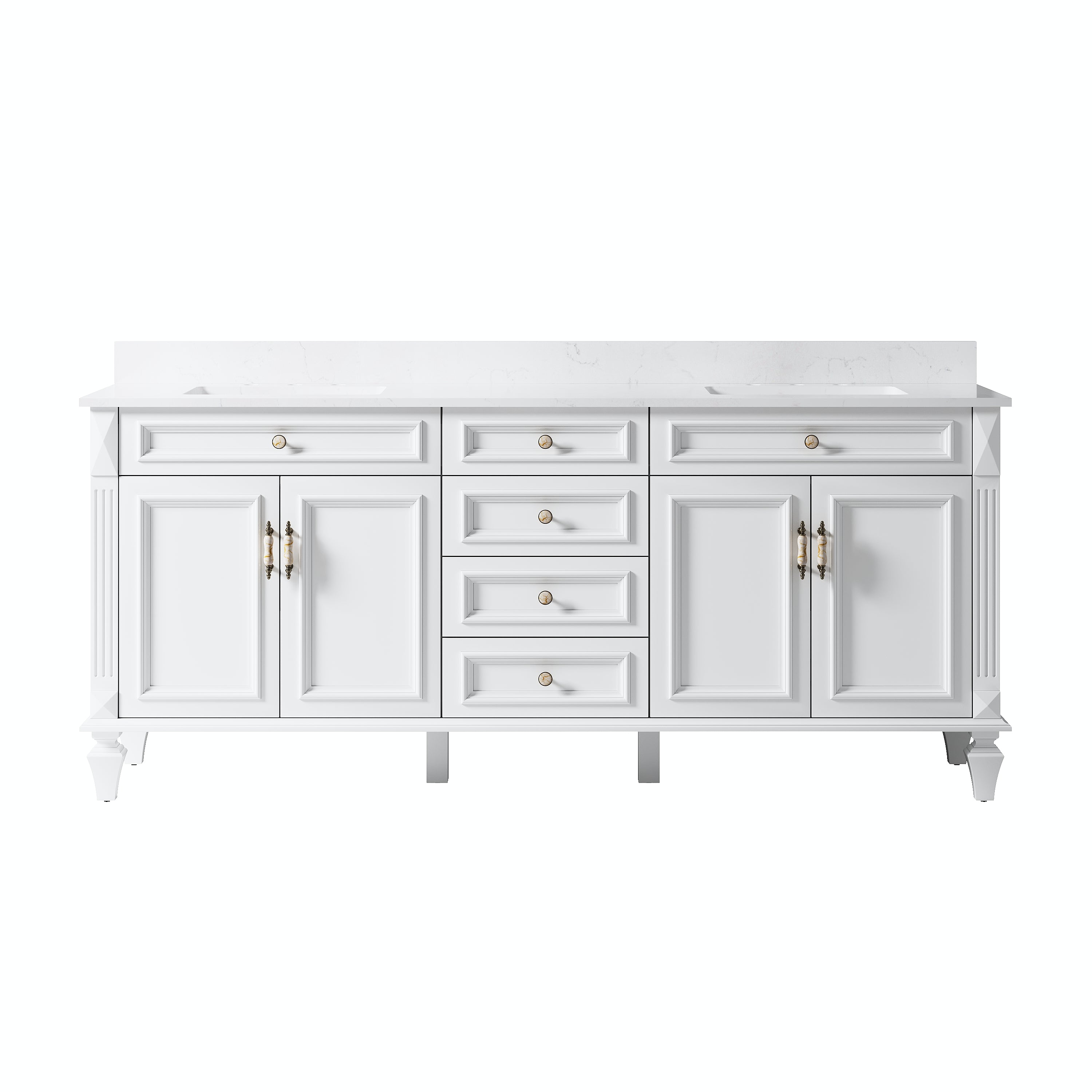
If you are shopping a brand like Wellfor, focus on how the 36-inch vanity is built, not just how it looks in product photos. Check storage layout, finish quality, countertop durability, and whether the dimensions support the way you actually use the room. When those details line up, a 36-inch vanity often feels less like a compromise and more like the size that gets the bathroom exactly right.
































Leave a comment
This site is protected by hCaptcha and the hCaptcha Privacy Policy and Terms of Service apply.