






















Introduction
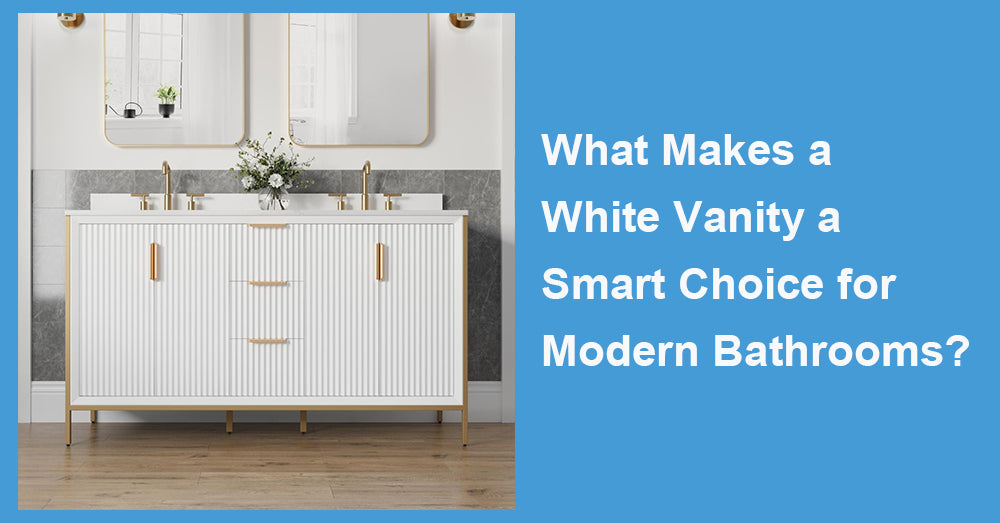
A white vanity remains one of the safest and smartest investments in bathroom design, not because it is predictable, but because it solves real problems in real homes. After years of seeing bathroom projects at every price point, I’ve noticed the same pattern: when homeowners want a space to feel brighter, cleaner, and easier to update over time, they keep coming back to white. It works in small guest baths, busy family bathrooms, and polished primary suites without asking the rest of the room to do too much.
That said, not every white vanity deserves the same praise. Some look elegant on day one and tired a year later. The difference usually comes down to finish quality, material selection, storage layout, and whether the vanity fits the way the bathroom is actually used.
1. Why a White Vanity Keeps Working Across Styles
The biggest strength of a white vanity is flexibility. It fits modern bathrooms, but it also slips comfortably into transitional, farmhouse, coastal, and classic spaces. If you change your mirror, swap hardware, repaint the walls, or replace the faucet down the line, a white vanity rarely becomes the problem piece.
In smaller bathrooms, that matters even more. White reflects light, visually softens bulky cabinetry, and helps tight spaces feel more open. Dark vanities can be beautiful, but they tend to read heavier, especially in rooms with limited natural light. White gives the room breathing space.
From a product standpoint, it also pairs well with nearly every common bathroom finish: brushed nickel, matte black, polished chrome, warm brass, quartz tops, marble-look surfaces, and wood-framed mirrors. That kind of range is hard to ignore when you are designing for both current taste and future updates.
2. Where It Performs Best in Everyday Life
A white vanity tends to perform best in bathrooms that need to feel clean without constant styling. Think of a hallway bath used by kids before school. A guest bathroom that should always feel fresh. A primary bathroom where the goal is calm, not clutter.
In those spaces, white does something practical. It makes the whole room feel more orderly, even before the towels are folded perfectly or the countertop is completely clear. That is one reason builders, designers, and hospitality projects keep using it. The visual message is immediate.
It can also help homeowners catch messes earlier. Toothpaste spots, makeup residue, dust, and water marks show up faster on white surfaces than on darker finishes. Some people see that as a disadvantage. In practice, it often leads to better upkeep because the vanity gets wiped down before buildup turns stubborn.
Common buyer mistake: assuming all white finishes look the same
They do not.
Some white vanities lean cool and crisp. Others have a warmer, creamier undertone. Under warm LED lighting, the difference becomes obvious. I’ve seen bathrooms where the vanity looked bright white online, then arrived and clashed with the floor tile or countertop because the undertones were slightly off. Before buying, compare the vanity finish with your wall color, countertop sample, and lighting temperature if possible. A few degrees of tone can change the whole room.
3. The Advantages People Notice First
The most obvious benefit is brightness. A white vanity helps bounce light around the room, which is especially useful in bathrooms with small windows or no windows at all. It can make the room feel cleaner, larger, and less visually crowded.
There is also a resale advantage. Buyers tend to respond well to bathrooms that feel fresh and easy to personalize. A white vanity creates that impression. It does not force a bold style choice, and that gives more people room to imagine living with it.
Another benefit is design balance. If your bathroom already includes statement tile, a dramatic mirror, textured wall panels, or bold sconces, a white vanity keeps the room from feeling overdesigned. It steadies the composition.
What many shoppers overlook
Storage matters just as much as color. A beautiful white vanity with poor drawer depth, awkward plumbing cutouts, or unusable cabinet space becomes frustrating very quickly. In my experience, buyers sometimes spend too much time debating finish and not enough time checking whether the vanity actually works for daily routines.
4. The Limitations You Should Consider Before Buying
White is not maintenance-free. That needs to be said plainly.
A low-quality painted finish can chip around corners, especially in high-traffic bathrooms. Inferior materials may swell near sink edges if moisture sits too long. Cheap glossy surfaces can show scratches more easily than expected. If the vanity has too much decorative trim, it may also collect dust and make cleaning more tedious.
A white vanity is not always the best fit for every project, either. If you want strong natural warmth, visible wood grain often does a better job. If the bathroom already has white tile, white walls, a white countertop, and bright white lighting, the room can start to feel flat. In that case, the vanity is not wrong, but the supporting materials need contrast. Hardware, mirrors, lighting, wall texture, or a wood accent can restore dimension.
For rental properties or bathrooms used heavily by young children, I usually advise paying closer attention to finish durability than color trend. A well-made vanity in any finish will outperform a poorly made white one.

5. Installation and Maintenance Advice From a Practical Standpoint
Measure more than width. Always check plumbing placement, door swing, drawer clearance, and how much standing room you actually have in front of the vanity. I’ve seen beautiful vanities become awkward simply because the drawers couldn’t open fully next to a toilet or shower panel.
Wall-mounted white vanities can look lighter and make floor cleaning easier, but they require proper structural support. Freestanding models are often simpler for renovation work and usually offer more forgiving installation conditions.
For maintenance, stick with a soft cloth and a non-abrasive cleaner. Wipe away standing water near the faucet base and sink rim. Clean makeup, hair dye, and tinted soap splashes early. White does show those marks sooner, but that visibility is also what helps keep the vanity looking sharp for years instead of slowly deteriorating unnoticed.
For homeowners shopping brands like Wellfor, the smartest approach is to treat color as only one part of the decision. Choose a white vanity when you want a bathroom to feel brighter, more adaptable, and easier to refresh over time. Then make sure the construction is moisture-resistant, the storage matches your routine, and the finish is durable enough for daily life. Get those details right, and a white vanity stops being just a safe choice. It becomes the piece that quietly makes the whole bathroom work better.










































Leave a comment
This site is protected by hCaptcha and the hCaptcha Privacy Policy and Terms of Service apply.