






















Introduction
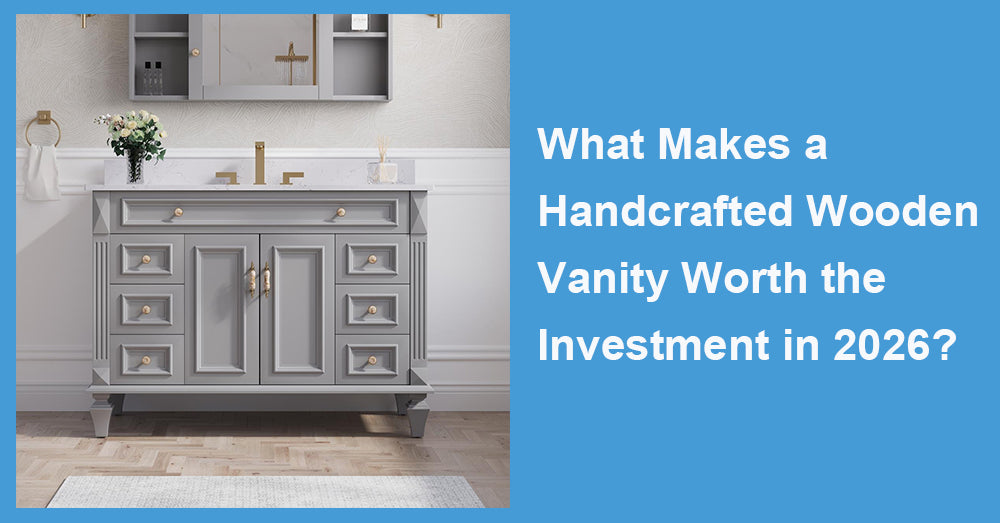
A wooden vanity is one of the few bathroom purchases that can still feel like a design decision and a long-term asset at the same time. In 2026, that matters more than ever. Homeowners are not just looking for something attractive; they want materials that feel honest, hold up well, and still look right after the first rush of trend-chasing fades. Industry trend signals back that up: NKBA’s 2026 bath research points to rising demand for wood-faced vanities, natural materials, and timeless, organic styles rather than colder painted finishes alone. According to NKBA, wood-faced vanities have overtaken painted ones in expected popularity, and transitional, organic, and modern-minimal styles are all strong influences in the next three years. (Source: NKBA)
That said, “handcrafted” only earns its price when the piece is genuinely well made. I have seen buyers pay a premium for a vanity that looked artisanal in photos, then discover weak joinery, poor sealing, or awkward storage once it reached a real bathroom. A handcrafted label is not the value. The construction behind it is.
1. Why Handcrafted Feels Different From Standard Vanity Production
The strongest handcrafted vanities usually show their value in details that mass-market pieces often flatten out: cleaner joinery, better proportion, more considered drawer layout, and wood grain that feels selected rather than printed into submission. In a bathroom, those details matter because the vanity is not a background piece. It sits at eye level every day, under direct lighting, surrounded by hard materials that make shortcuts easier to spot. Houzz’s 2025 bathroom trends study reflects that pull toward real material presence, showing solid wood remains the top vanity material choice among renovating homeowners. According to Houzz, nearly three-quarters of homeowners choosing new vanities selected solid wood. (Source: Houzz)
There is also an emotional difference. Handcrafted wood tends to make a bathroom feel less generic. That does not mean rustic. It can still be modern, quiet, and tailored. It simply feels more grounded. That is one reason handcrafted wood aligns so naturally with the larger shift toward organic, biophilic, and hotel-inspired bath spaces in current NKBA reporting. (Source: NKBA)
2. Where a Handcrafted Wooden Vanity Earns Its Keep
A handcrafted wooden vanity makes the most sense in a primary bath, a well-used guest bath, or a renovation where the vanity is meant to anchor the room rather than just fill a plumbing opening. In those spaces, the extra spend is easier to justify because the vanity affects the room every day: visually, functionally, and in how well it ages. I tend to see the value most clearly when the rest of the bathroom is relatively restrained. Good tile, quiet stone, good lighting, then a vanity with enough material character to carry the room without making it busy.
This direction also fits broader 2026 design movement. NKBA reports growing interest in natural materials, hospitality-inspired wellness, and bathrooms that function more like personal retreats than pure utility rooms. Houzz has also shown wood tones leading vanity color choices in recent bathroom renovations, ahead of white. That tells me homeowners are willing to invest in wood when they want warmth and long-term style instead of a safer but flatter default. According to Houzz, wood tones were the most popular vanity color choice in renovated bathrooms, while NKBA says biophilic design continues to push wood-faced vanities forward. (Source: Houzz; Source: NKBA)
A common mistake buyers make
Many people assume handcrafted means delicate, or that it belongs only in luxurious magazine bathrooms. That is backwards. The better handcrafted pieces usually justify themselves through sturdier construction and calmer design, not decoration. The real mistake is paying for the story of craftsmanship without checking the cabinet box, the drawer hardware, the finish protection, and how the sink cutout and backsplash areas are handled. If those basics are weak, the vanity is not an investment. It is branding.
3. The Advantages, and the Limits You Should Be Honest About
The advantages are real. A handcrafted wooden vanity usually offers stronger visual depth, more character in the grain, and a more custom feel than standard painted or printed finishes. It often ages better too. Minor wear can read as patina rather than damage, especially on mid-tone or lighter natural woods. That makes it a strong fit for homeowners who want a bathroom that feels warmer and more personal, not just updated.
It also tends to give you more stylistic staying power. NKBA’s 2026 reporting favors timeless/transitional and organic/natural design directions over sharply trend-led looks, which helps explain why a well-made wood vanity feels like safer long-term money than a louder finish choice. (Source: NKBA)
Still, there are limits. Handcrafted wood is not a magic material. In a poorly ventilated bathroom, or one with repeated standing water, weak sealing will show its flaws. In very small bathrooms, a dark or bulky handcrafted piece can feel heavy. And if your household wants something completely maintenance-free, you should be honest about that before paying more for wood.
When it is not the right investment
I would think twice about a handcrafted wooden vanity in a bathroom with chronic moisture issues, careless daily use, or a design plan that is already visually crowded. It is also less sensible when the budget is tight enough that the vanity quality would force cuts in better lighting, proper ventilation, or countertop durability. An expensive vanity in a badly planned room is not a smart luxury purchase.
4. What to Check Before You Buy One
First, look at construction before appearance. Ask what the cabinet box is made from, how the drawers are joined, and how the finish is sealed. If the seller talks only about color and style, I usually get cautious. In bathrooms, the hidden details matter more than the staged photo.
Second, pay attention to wood tone. In 2026, lighter and medium wood tones feel especially relevant because they sit comfortably inside organic modern and timeless bath palettes. Houzz data shows both lighter and deeper wood tones appearing in bathroom vanity choices, which tells you the material is flexible, though undertone still has to work with the countertop, lighting, and tile around it. (Source: Houzz)
Third, think about storage and installation. A handcrafted vanity should not just look special. It should solve real daily problems. Deep drawers, sensible plumbing allowances, strong slides, and a level install matter as much as the face veneer or stain. A slow leak or sloppy caulking can shorten the life of even a beautiful cabinet.

Conclusion
The handcrafted vanity worth buying in 2026 is not the one that looks the most “artisan” online. It is the one that still makes sense after five years of steam, water, storage, and changing taste. Choose a wooden vanity when the construction is solid, the finish is protected, the scale fits the room, and the design feels calm enough to live with for a long time. That is when craftsmanship stops being decoration and starts becoming real value.









































Leave a comment
This site is protected by hCaptcha and the hCaptcha Privacy Policy and Terms of Service apply.