






















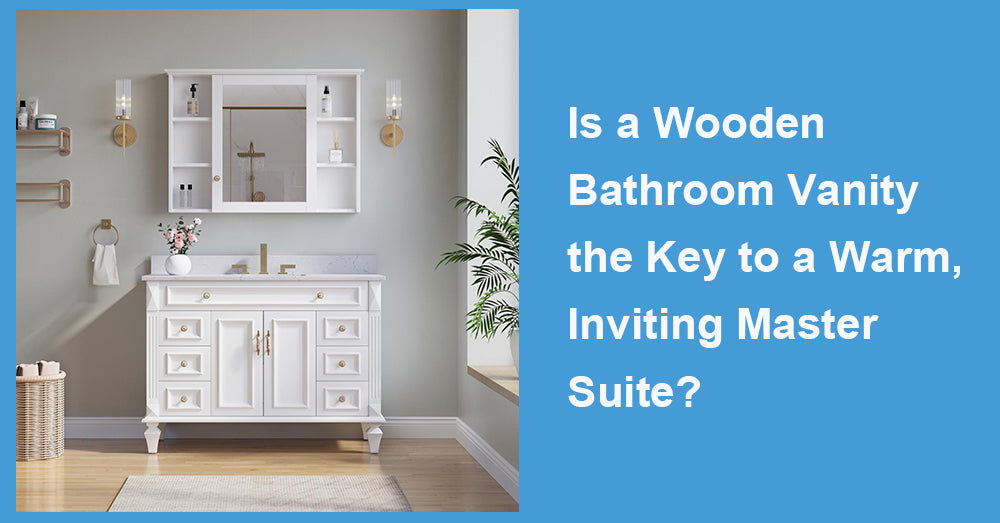
A wooden bathroom vanity can do more to change the feeling of a master suite than many homeowners expect. I have seen beautiful bathrooms with quality tile, stone countertops, and expensive fixtures still feel cold until wood entered the room and gave everything a sense of warmth. In a master suite, that matters. This is the bathroom you use half-awake in the morning and last at night. It should feel calm, welcoming, and connected to the rest of the home, not like a polished showroom.
That said, a wood vanity is not a shortcut by itself. The right one can anchor the space beautifully. The wrong one can feel too heavy, too trendy, or too vulnerable to moisture. The value is real, but it comes from choosing carefully and understanding what wood actually does well in a primary bathroom.
1. Why a Wooden Bathroom Vanity Changes the Mood So Quickly
Bathrooms are full of hard surfaces by nature. Porcelain, glass, polished metal, quartz, marble-look stone, and large-format tile all do important work, but together they can create a room that feels a little distant. A wooden bathroom vanity softens that. It adds grain, texture, and visual warmth without needing to shout.
That difference is especially noticeable in a master suite. A guest bathroom can get away with looking crisp and purely functional. A primary bath usually needs more emotional comfort. It is part of a personal retreat, not just a utility room. Wood helps bridge that gap. Even simple cabinetry starts to feel more layered when the material has natural variation and depth.
I also find that wood helps the bathroom feel more connected to the bedroom beside it. If the master suite already includes wood flooring, warm trim, upholstered textures, or softer neutral tones, a wooden vanity keeps the bath from feeling like a separate design language. That continuity is one of the biggest reasons the space feels inviting rather than pieced together.
2. Where Wood Works Best in a Master Suite
A wooden vanity is especially effective in master bathrooms that aim for calm rather than drama. It works beautifully in warm modern spaces, transitional suites, organic interiors, and quietly luxurious bathrooms where the materials are meant to do the talking. If the room has white walls, pale stone, brushed metal, and gentle lighting, wood often becomes the element that keeps the whole design from feeling flat.
It also works well in larger suites where a double vanity could otherwise feel bulky. Wood gives that cabinetry some presence without making it look sterile. In smaller master baths, lighter wood tones can keep the room feeling open while still adding warmth.
I have seen this work particularly well when the vanity is paired with simple mirrors, restrained hardware, and countertops that do not compete too hard. The wood becomes the note of comfort in a room that might otherwise lean too cool.
A common mistake buyers make
Many homeowners assume any wood tone will create warmth. That is not true.
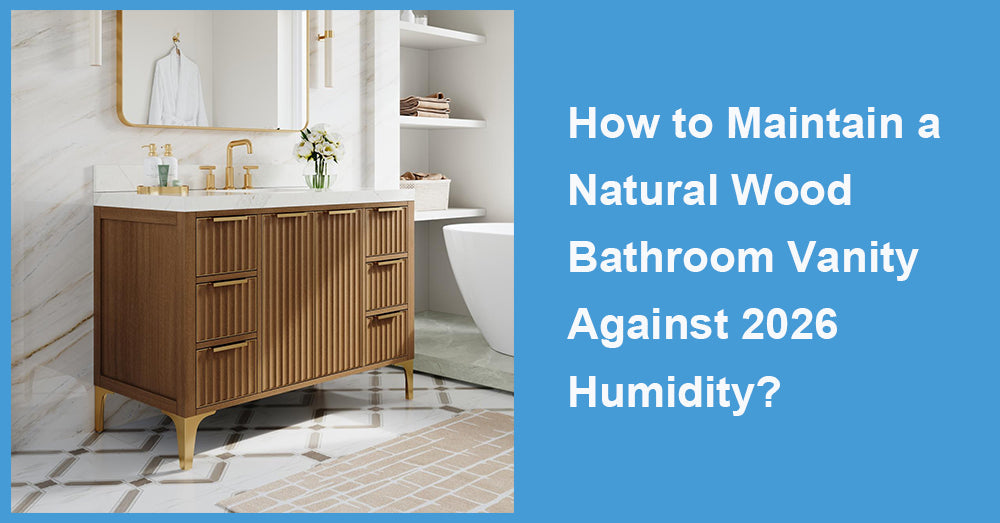
Some woods feel relaxed and natural. Others read too orange, too red, or too dark for the room they are in. A master suite usually benefits from tones that feel settled and easy to live with over time. Mid-tone oak, walnut, ash, or cleaner natural finishes often work better than stains that chase a very specific trend. If the undertone of the wood fights the flooring, wall color, or countertop, the room loses the softness people are hoping for.
Why wood feels more personal than painted cabinetry
Painted vanities can be beautiful, especially in white, black, or muted tones. But wood usually feels more personal because it shows character. The grain catches light differently. The finish has more movement. The room feels designed, but not overdesigned.
That is a subtle point, though it matters in a master suite more than anywhere else. This is not a space you look at for ten seconds. It is a space you live with daily.
3. The Real Benefits, and the Real Limits
The advantages of a wood vanity are easy to understand. It adds warmth, helps a large bathroom feel less impersonal, and gives the suite a more natural, comfortable mood. It also tends to pair well with a wide range of materials, including white quartz, marble-look tops, warm brass, matte black, polished nickel, and softer stone tile. That makes future updates easier. You can change the mirror or lighting later without the vanity suddenly feeling wrong.
Another benefit is visual longevity. Trend-heavy painted colors can date quickly. Good wood usually does not. It tends to age more gracefully, especially if the design is simple and the finish is well chosen.
Still, wood has limitations, and I think homeowners should hear them clearly. A poorly finished vanity can struggle in a damp bathroom. Dark, bulky wood can make a smaller master bath feel heavier than it should. Cheap wood-look products can appear flat and artificial in person, which hurts the entire room. And if the household wants something completely maintenance-free, wood may feel like more responsibility than expected.
When a wooden vanity is not the best choice
I would be cautious with a wooden vanity in a master bathroom that has weak ventilation, frequent standing water, or a design direction that is already very dark and visually dense. I would also hesitate if the room is extremely formal and tailored, where a painted vanity may support the architecture more naturally.
The answer is not that wood is always right. It is that wood is often right when the goal is warmth and the room can support it.

4. How to Choose and Maintain One for Long-Term Comfort
Start with construction before color. Buyers often do the opposite. They fall in love with the finish first, then find out the cabinet box is weak, the drawers are shallow, or the sealing around vulnerable areas is not strong enough. In a master suite, daily use is too constant for that kind of compromise.
Then think about scale. A master bathroom vanity should feel substantial enough to anchor the room, but not oversized for the space. If it is a double vanity, pay attention to drawer function and countertop balance. If it is a single vanity in a smaller suite, make sure the storage is still practical enough to keep the counter clear. Warmth disappears quickly when clutter takes over.
Installation matters too. A good wood vanity should be level, properly sealed, and protected from slow leaks. Maintenance is not difficult, but it should be consistent. Wipe standing water near the sink edge. Do not let wet towels sit against cabinet faces. Use a soft cloth and a mild cleaner. Run the fan long enough to remove steam. Small habits protect the finish more than many people realize.
For homeowners considering a brand like Wellfor, my advice is simple: choose a wooden bathroom vanity when you want the master suite to feel warmer, calmer, and more lived in. Focus on honest materials, the right tone, solid construction, and a design that does not try too hard. When those parts come together, a wooden bathroom vanity often becomes the detail that turns a nice master bath into a room that actually feels inviting.








































Leave a comment
This site is protected by hCaptcha and the hCaptcha Privacy Policy and Terms of Service apply.