
















Introduction
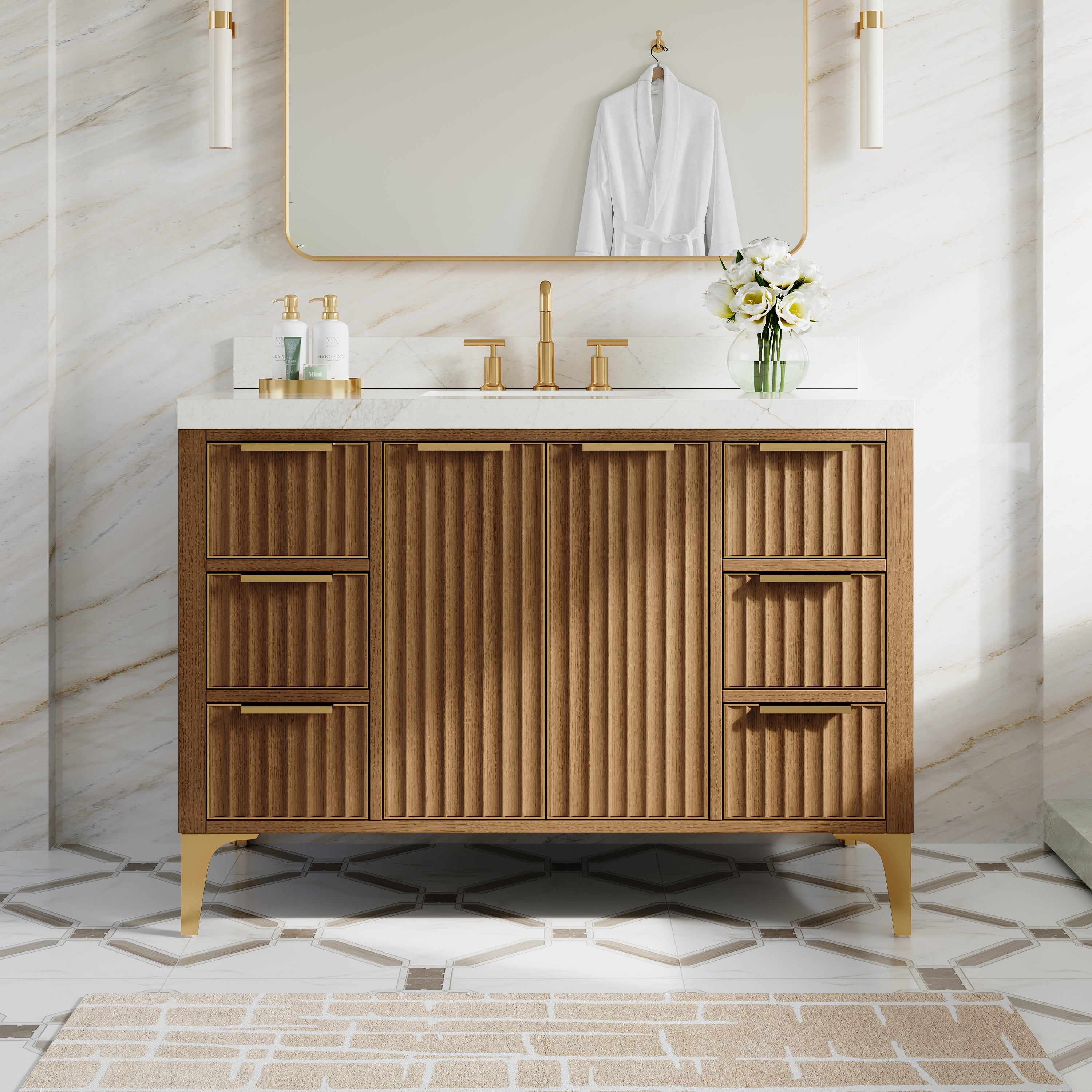
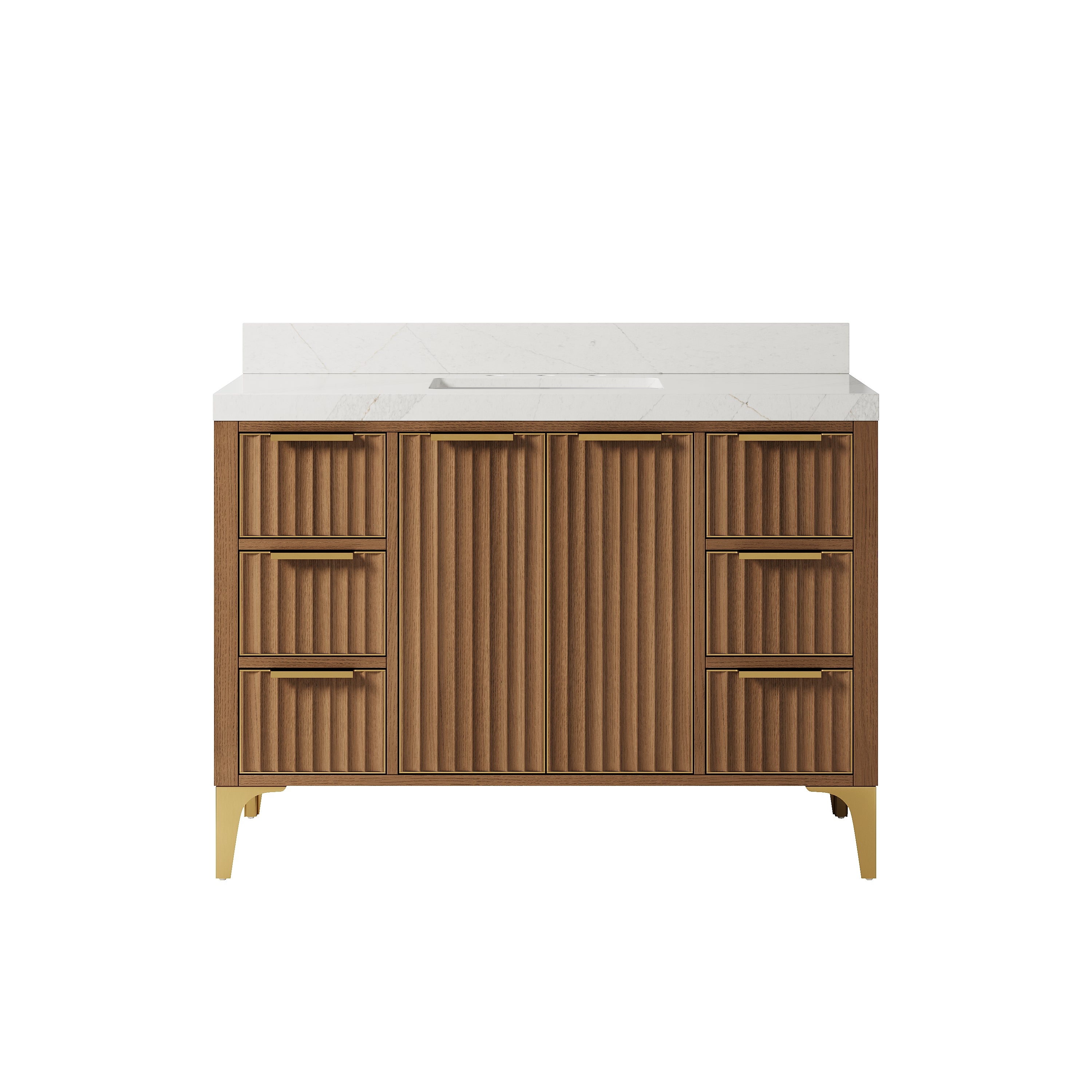
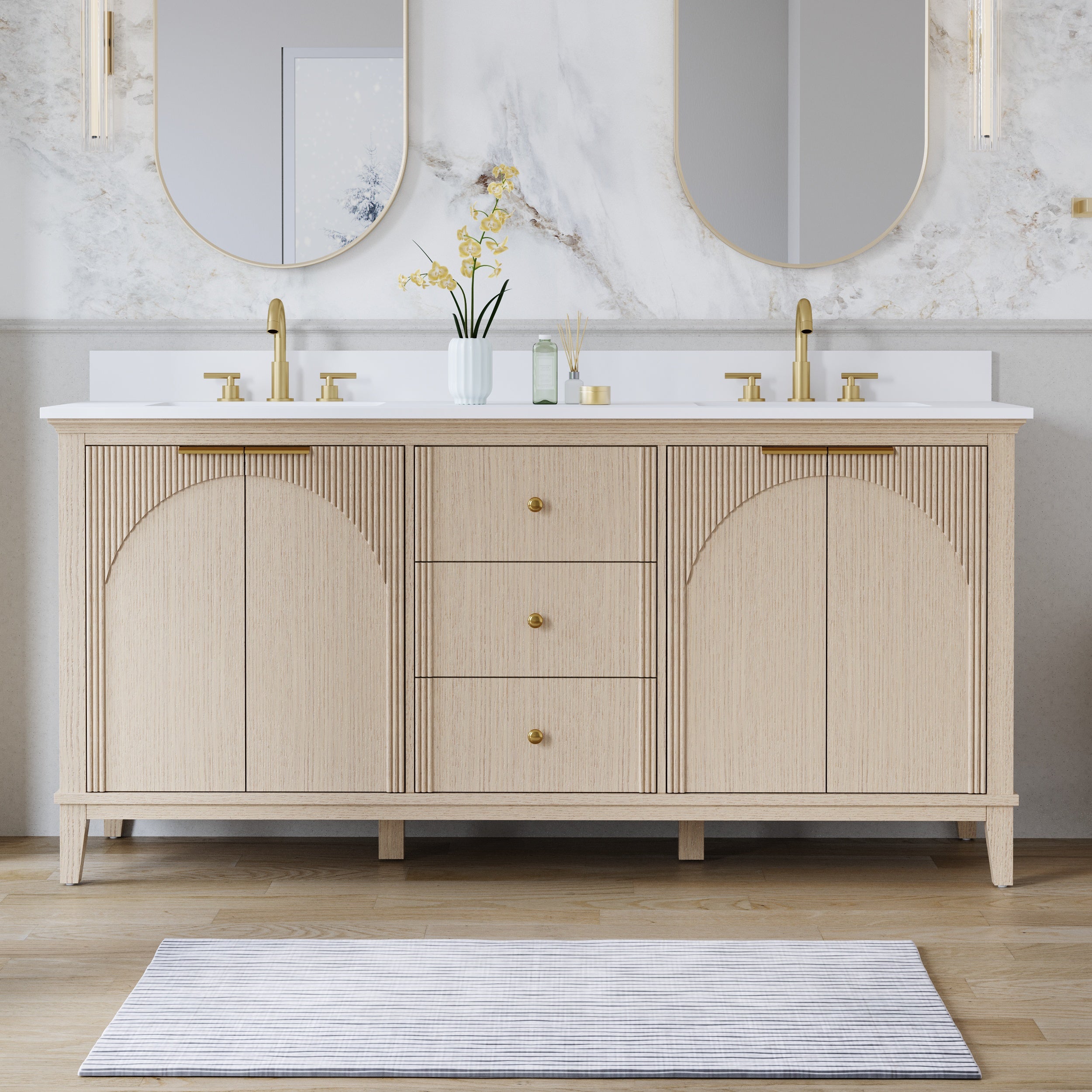
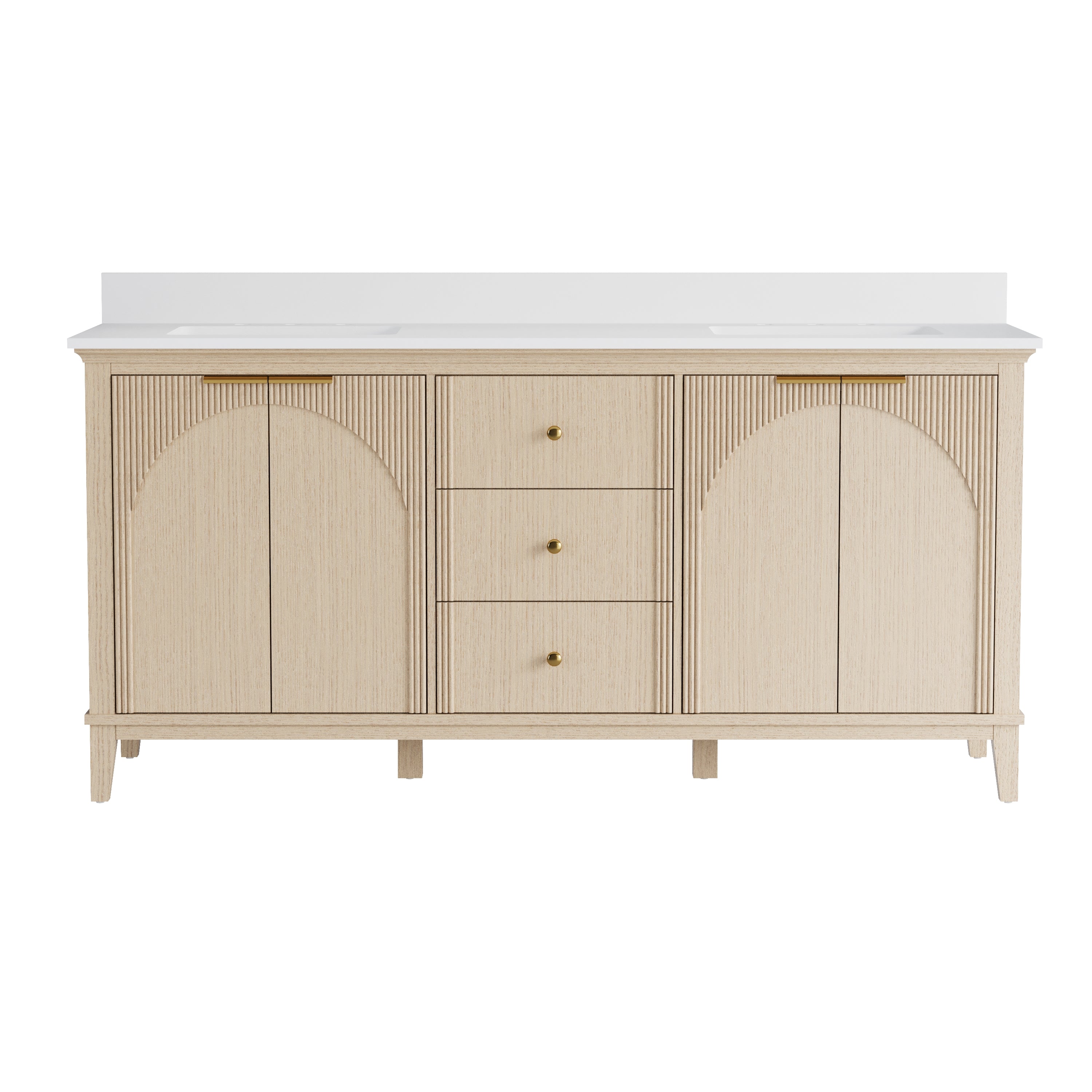
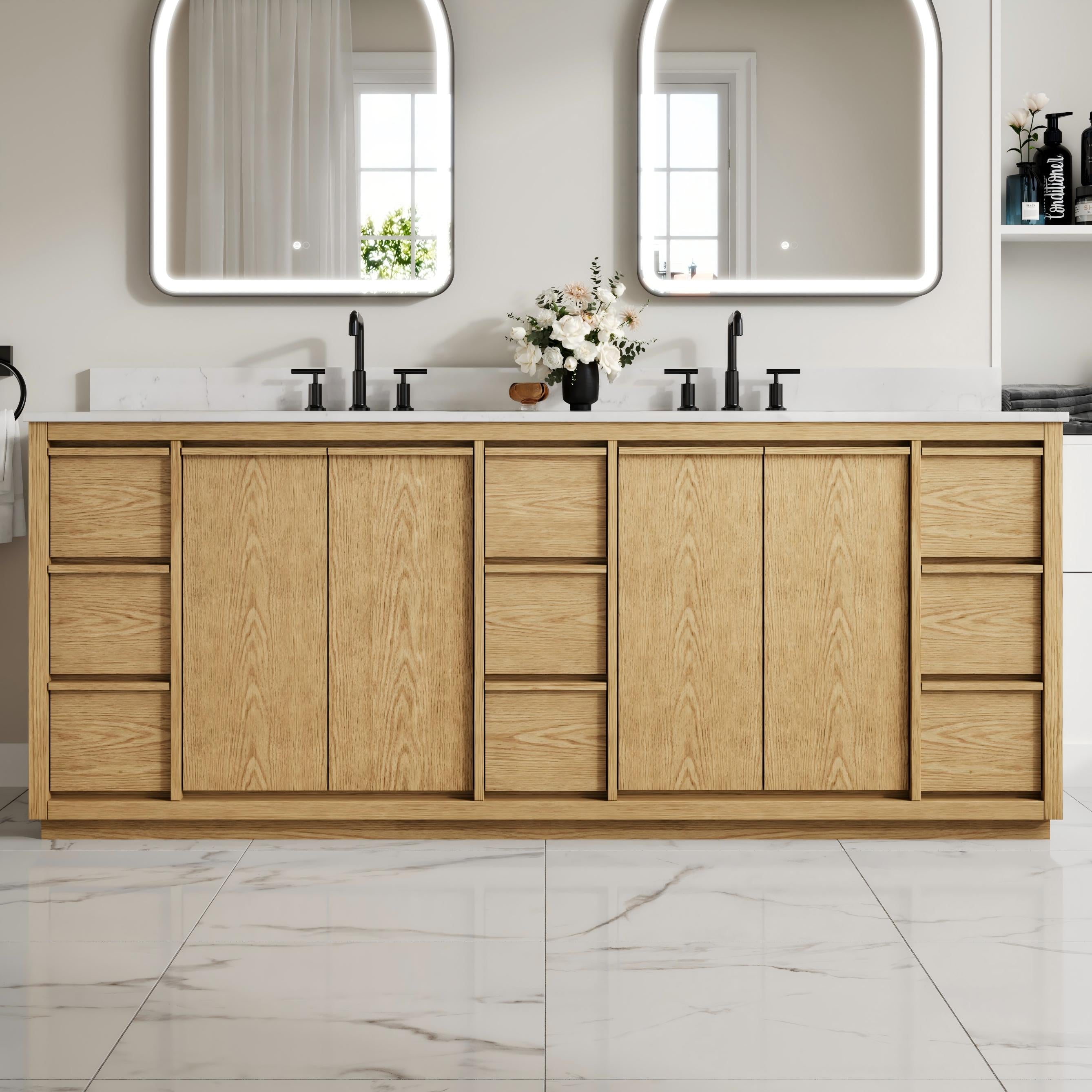
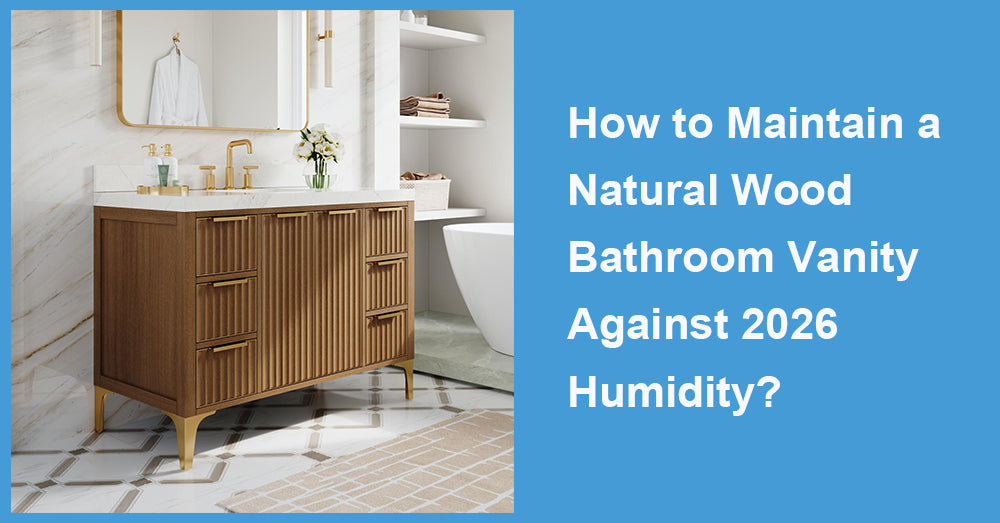
A natural wood bathroom vanity can make a bathroom feel warmer, calmer, and far more considered than a painted cabinet ever will. I still recommend wood often, especially now that 2026 bath design is leaning harder into natural materials and softer, more organic finishes. According to NKBA, wood-faced vanities have overtaken painted ones in popularity as biophilic design continues to gain ground in bathrooms.
(Source: NKBA)
Still, wood asks for a little respect. Bathrooms are wet rooms by definition. Steam, splashing water, weak ventilation, and long damp mornings will test a vanity faster than most homeowners expect. The good news is that a wood vanity does not need complicated care. It needs consistent care. That is a different thing.
1. Why Humidity Is the Real Enemy, Not Wood Itself
People often blame wood when a vanity starts swelling, dulling, or showing wear around the sink. In my experience, the real problem is usually unmanaged moisture, not the material. Good wood can hold up extremely well in bathrooms when the room is ventilated properly and the finish is not constantly asked to defend itself against standing water.
Humidity is what quietly causes trouble. It gets into seams, around sink cutouts, behind backsplash lines, and underneath countertop edges. If the bathroom stays damp for too long after showers, even a beautiful vanity starts to feel stressed over time.
The first practical rule is simple: do not wait for visible damage to start caring for the cabinet. By the time the finish feels soft or the edges begin to change, the room has usually been too damp for too long.
2. Why a Natural Wood Bathroom Vanity Needs Moisture Control First
If you only remember one number, make it this one: keep indoor humidity under control. The EPA recommends keeping indoor humidity below 60 percent, ideally between 30 and 50 percent, to help prevent mold and moisture problems.
(Source: EPA)
That matters because a natural wood bathroom vanity reacts to the room around it. When humidity spikes every day and lingers, wood expands and contracts more than it should. Over time, that can affect finish performance, drawer alignment, and the feel of the cabinet as a whole.
In real homes, I see this most often in bathrooms where the fan is too weak, rarely used, or switched off the moment the shower ends. Homeowners sometimes assume the room looks dry, so the danger has passed. It has not. The air can still be carrying more moisture than the vanity should be exposed to.
A common mistake homeowners make
The most common mistake is focusing on cleaning products before fixing airflow. People buy wood-safe cleaners, gentle cloths, and specialty polishes, but they keep letting the bathroom sit hot and humid every morning. That is backwards.
If the room stays damp, no cleaner is going to solve the real issue. Ventilation has to come first.
3. Daily Habits That Actually Protect the Finish
Most vanity damage starts with ordinary habits, not accidents. Water left around the faucet base. A wet washcloth dropped on the countertop edge. Damp towels hanging over cabinet fronts. None of these feels dramatic in the moment. Repeated every day, they matter.
I usually tell homeowners to do four small things consistently:
Wipe standing water from the sink edge, countertop seam, and cabinet face after use. Do not let soaked hand towels sit on drawer fronts. Open the drawers occasionally if the room feels damp, especially after hot showers. And never let spills from soap, toothpaste, or skincare products sit overnight on a natural finish.
That may sound basic, though basic routines are what keep wood looking expensive.
What not to do
Do not use abrasive cleaners. Do not scrub with rough pads. Do not assume “natural” cleaning products are automatically safe for finished wood. And do not over-polish the vanity in the hope of protecting it. In bathrooms, too much product buildup can make the surface look duller rather than better.
A soft cloth and a mild, finish-safe cleaner are usually enough.
4. Ventilation, Installation, and Room Setup Matter More Than People Think
A vanity does not live in isolation. If the room is poorly set up, the cabinet ends up carrying the consequences.
Installation matters. A natural wood vanity should be level, properly sealed where the top meets the wall, and protected from slow plumbing leaks inside the cabinet. I have seen more damage caused by unnoticed drips under the sink than by the wood species itself. A vanity can look perfect from the front while slowly failing inside.
Ventilation matters just as much. ENERGY STAR says certified ventilation fans use about 48 percent less energy than standard models, and they help control moisture and remove odors.
(Source: ENERGY STAR)
That makes a real difference in bathrooms where showers are frequent and windows are limited. In some homes, a humidity-sensing fan is worth serious consideration because it responds to excess moisture automatically rather than depending on memory or discipline.
This is also where suitability comes in. A natural wood vanity is an excellent choice for primary bathrooms, guest baths, and well-ventilated family bathrooms where the owner wants warmth and long-term character. It is less ideal in a bathroom with chronic steam buildup, weak exhaust, or users who are unlikely to wipe moisture down consistently.

5. How to Keep the Vanity Looking Good for Years, Not Just Months
A wood vanity ages best when maintenance feels routine, not reactive. Every few weeks, check the inside of the cabinet for dampness or early signs of a plumbing problem. Look around the sink cutout and backsplash line. If you notice finish dullness in one repeated splash zone, deal with it early instead of waiting for visible damage.
Seasonal attention helps too. In especially humid months, a small hygrometer in the bathroom can tell you more than guesswork. If the room keeps creeping above the recommended range, a better fan schedule or even a dehumidifier nearby may be more useful than any surface treatment. EPA guidance is very clear that moisture control is the real way to prevent mold and related damage.
(Source: EPA)
For homeowners considering brands like Wellfor, my advice is simple: treat a natural wood bathroom vanity like a long-term material choice, not a fragile showpiece. Buy it because you want warmth, texture, and a bathroom that feels more grounded. Then protect it with airflow, quick wipe-downs, good plumbing, and reasonable humidity control. Do that, and a natural wood bathroom vanity will hold its beauty far better than people who fear wood in bathrooms usually expect.
















Leave a comment
This site is protected by hCaptcha and the hCaptcha Privacy Policy and Terms of Service apply.