
















Introduction
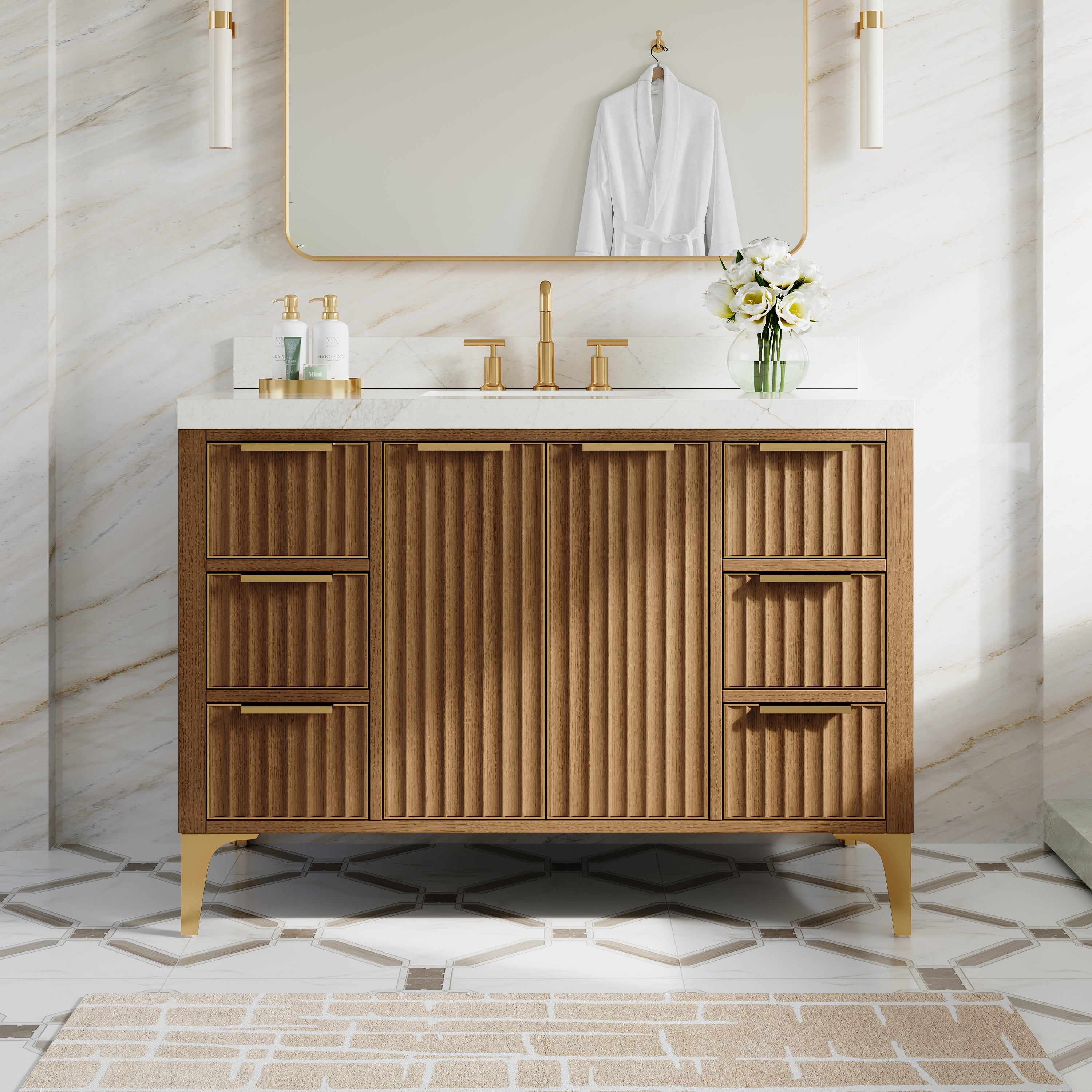
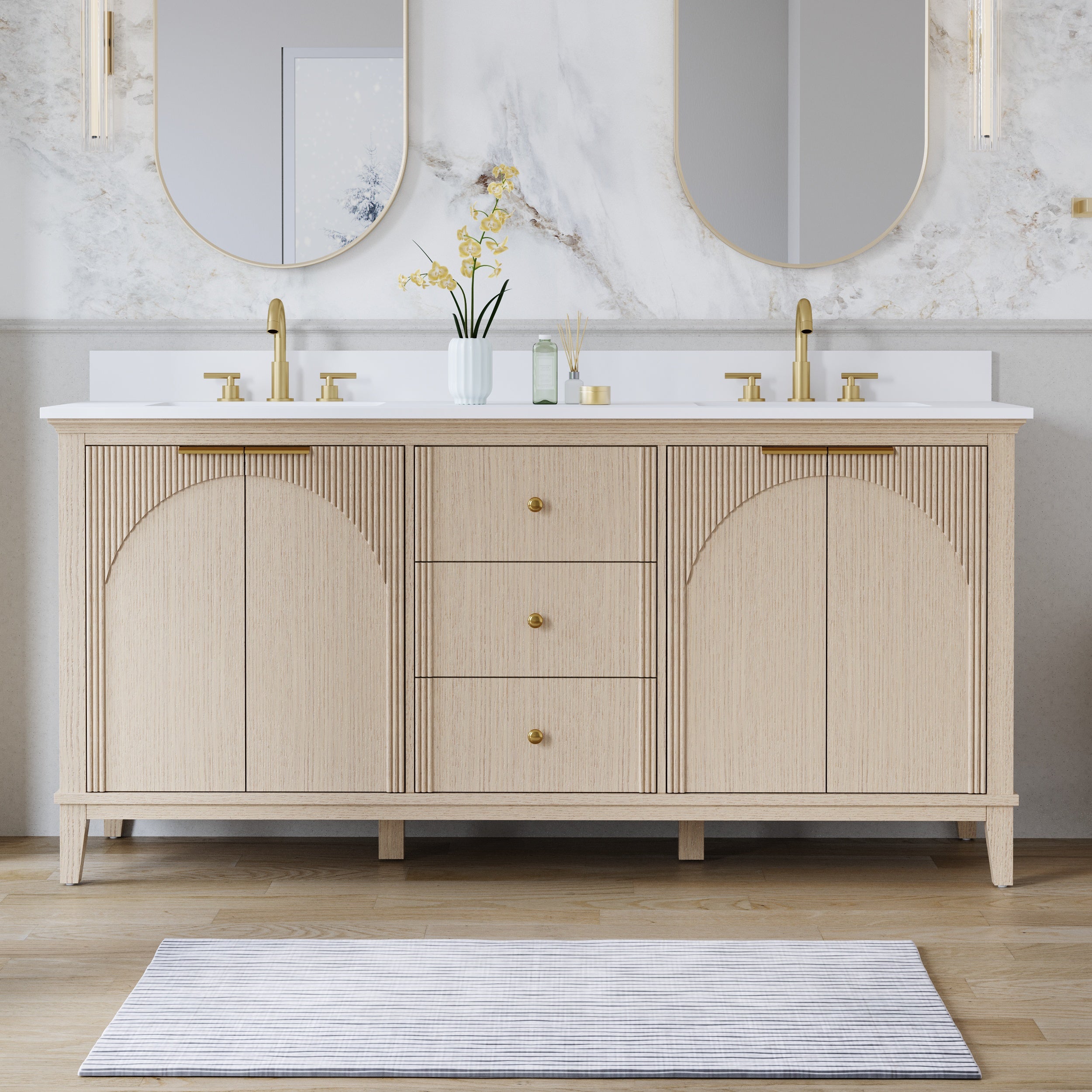
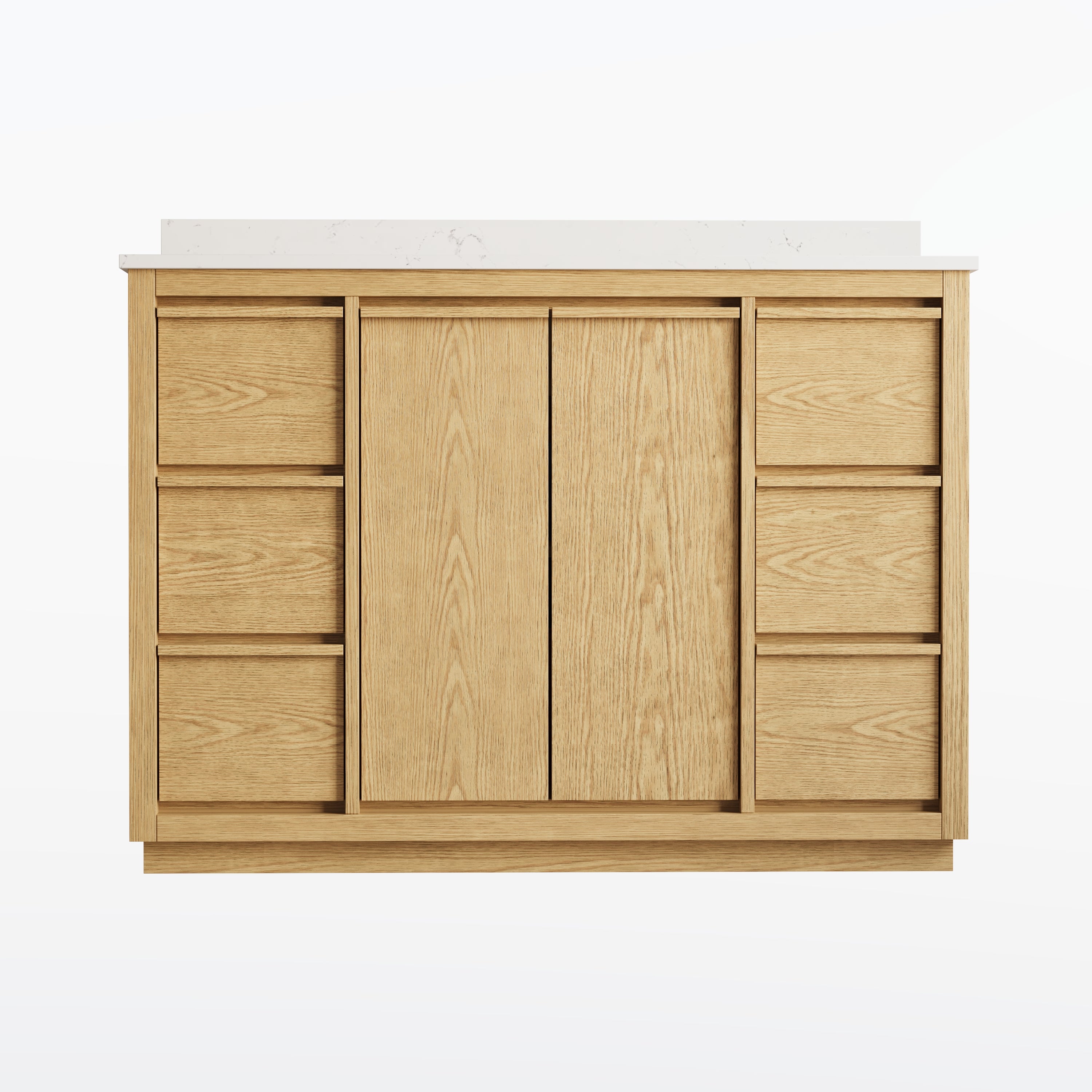
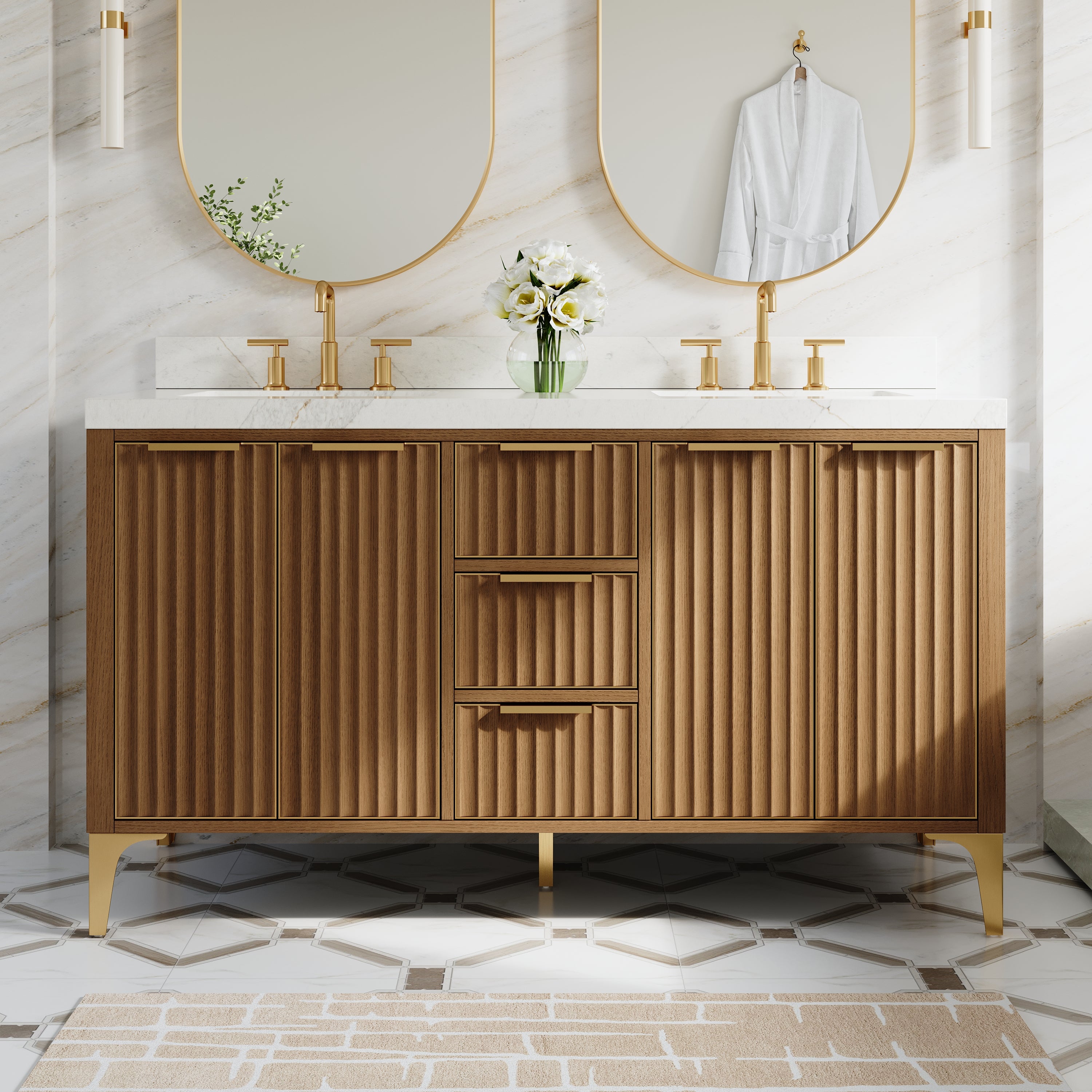
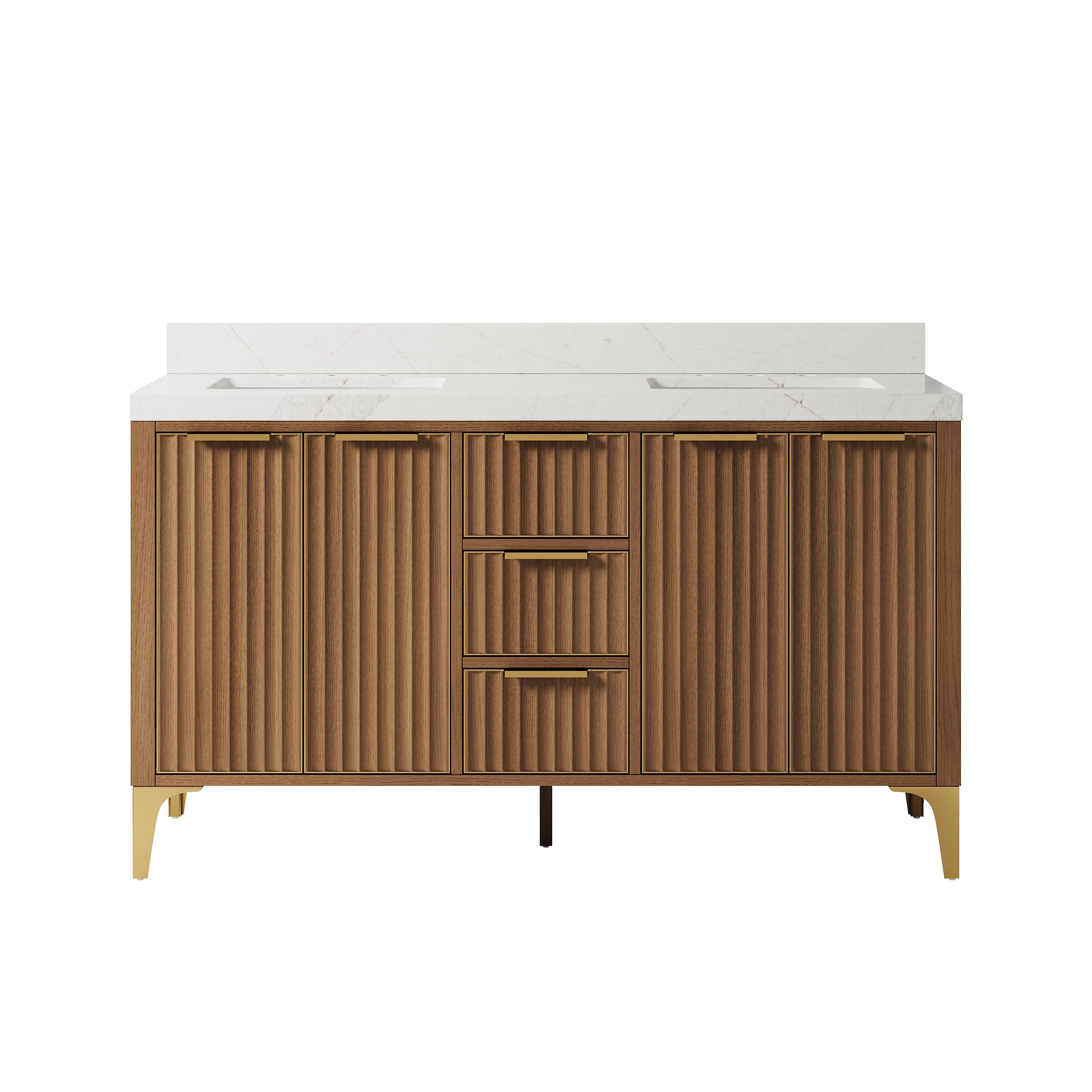
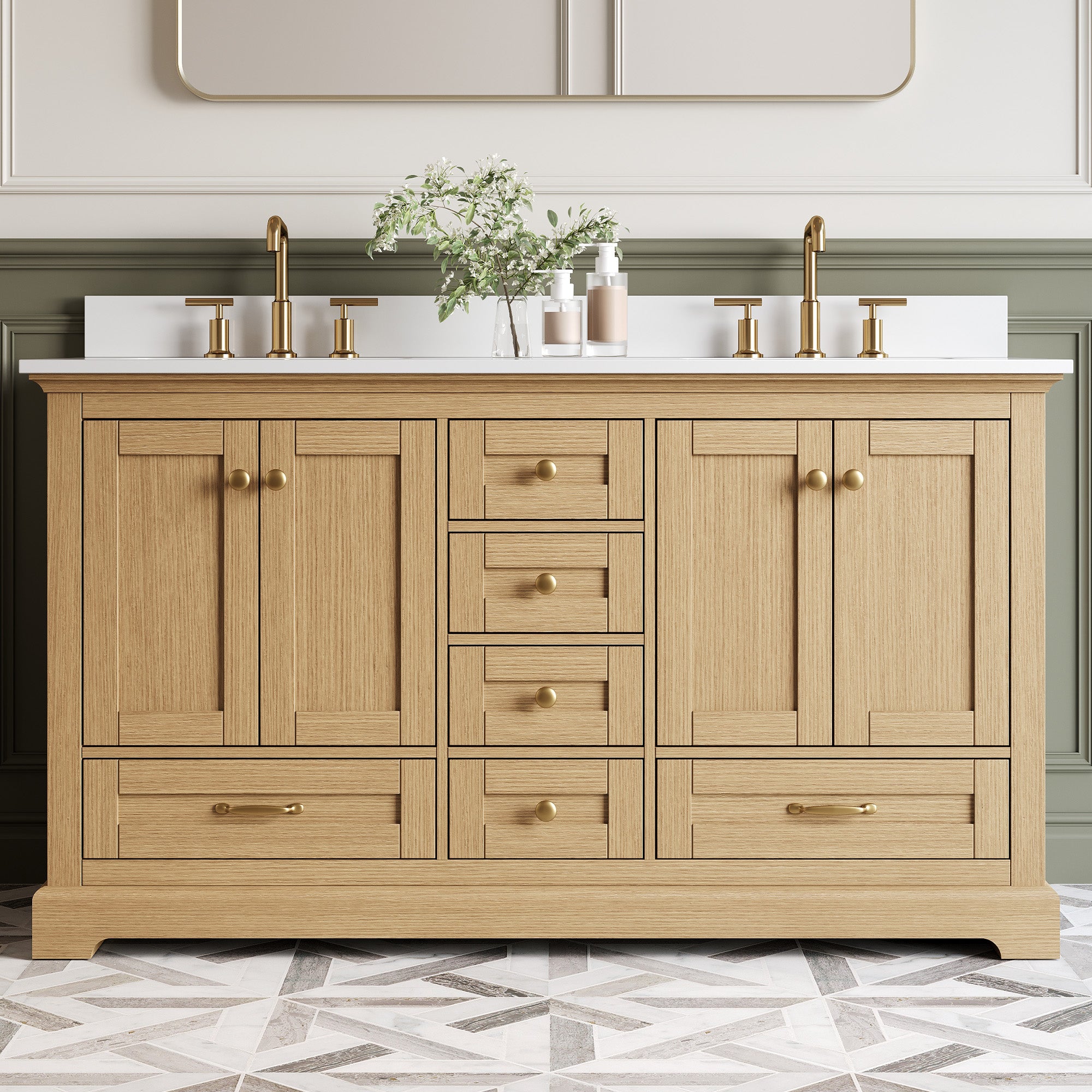
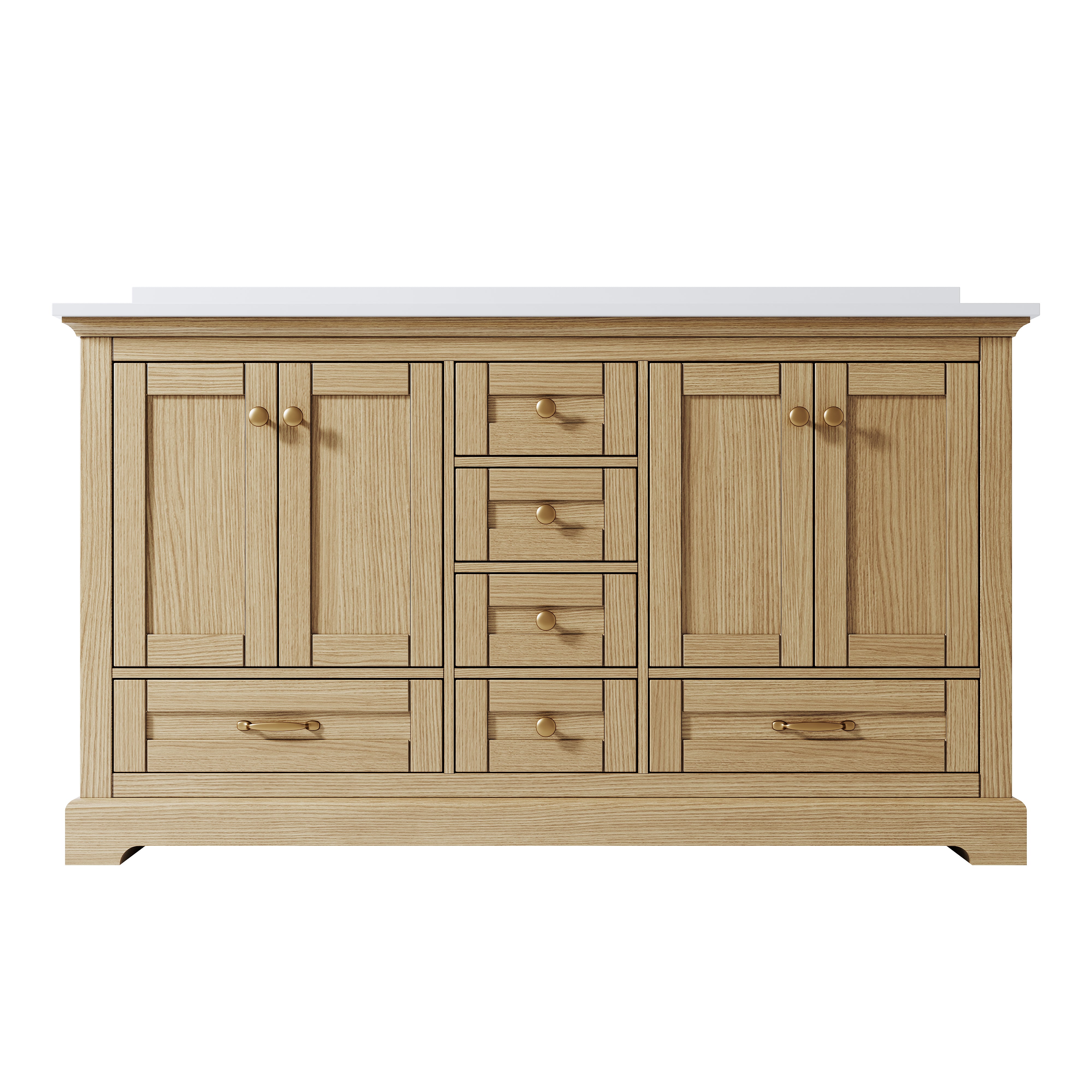
A wood vanity can change the feel of a bathroom renovation faster than many homeowners expect. I’ve watched otherwise well-finished bathrooms still feel flat until natural wood, or a well-executed wood finish, brought some warmth back into the room. Tile, glass, mirrors, and chrome all have their place, but they can leave a space feeling cold. Wood corrects that. It adds texture, depth, and a lived-in quality that makes a bathroom feel more connected to the rest of the home.
That does not mean every wood vanity is worth buying. Some age beautifully. Some start looking tired within a year. The difference usually comes down to construction, moisture resistance, finish quality, and whether the vanity suits how the bathroom is actually used.
1. Why a Wood Vanity Changes the Character of a Bathroom
In renovation work, the vanity often becomes the anchor of the room. It is not just storage. It sets the tone.
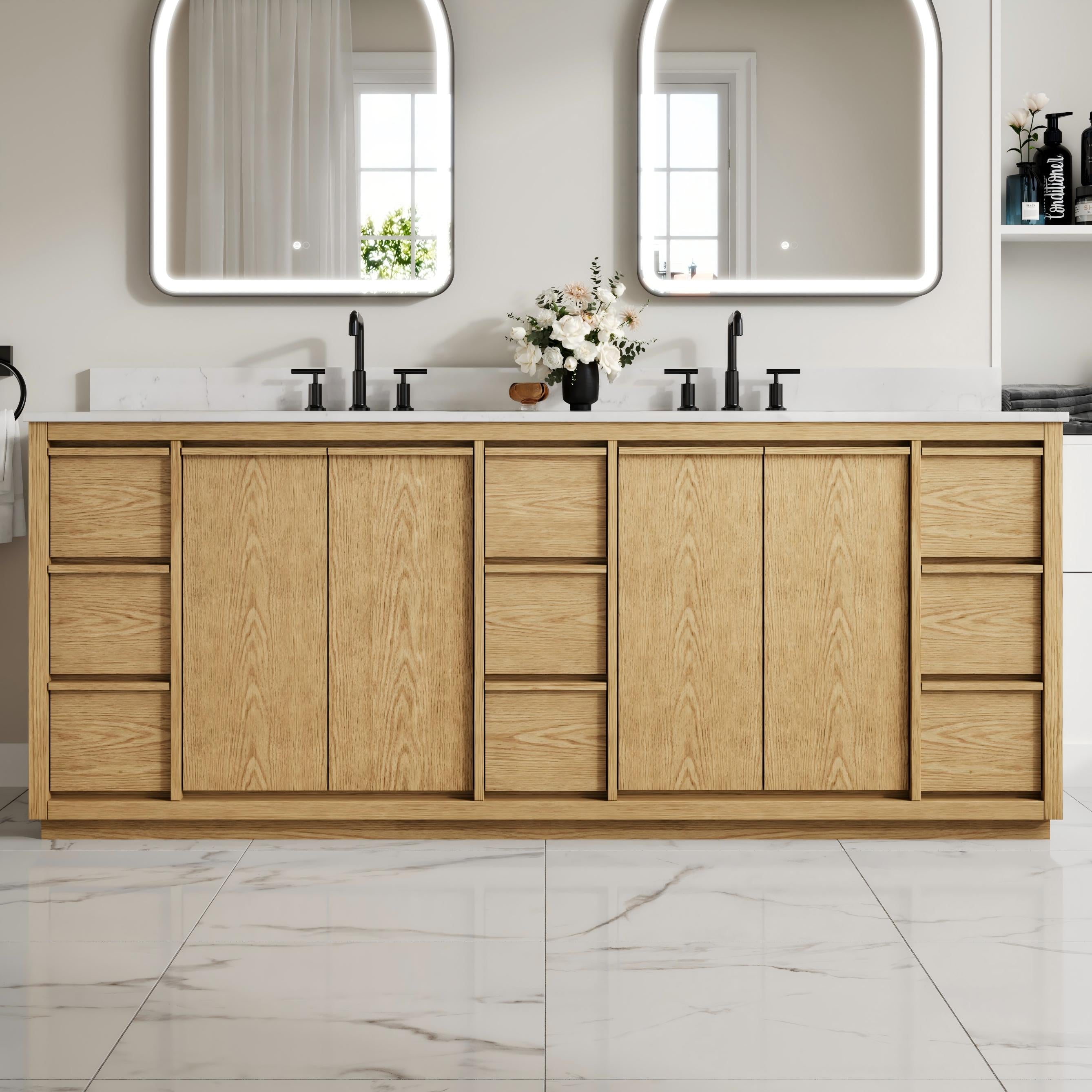
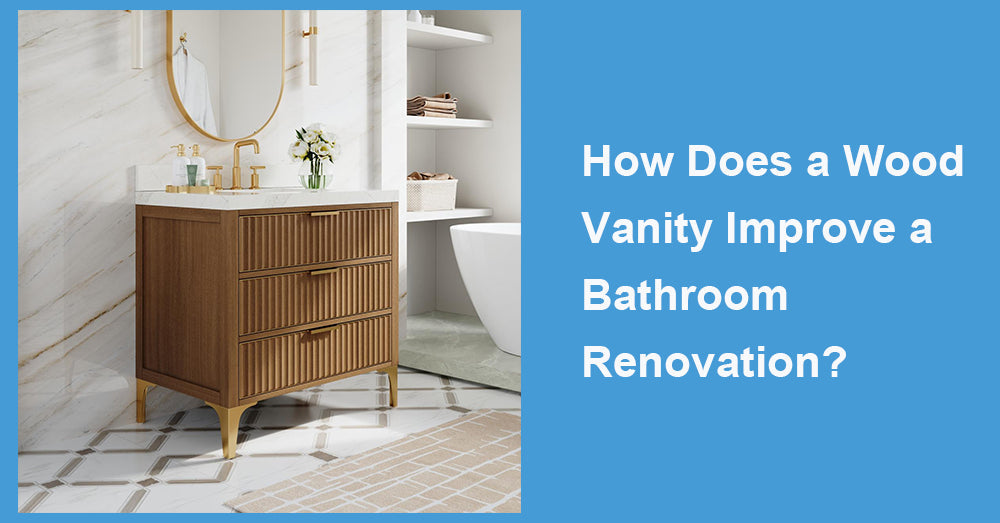
A wood vanity does something painted cabinets often cannot: it softens the hard surfaces around it. Bathrooms are full of rigid materials. Stone countertop. Porcelain sink. Ceramic tile. Metal hardware. A wood grain finish brings balance. Even a modern bathroom can feel less sterile when wood enters the mix.
This is one reason wood vanities continue to perform well across different styles. In a clean-lined contemporary bath, they introduce warmth. In a transitional space, they bridge classic and modern details. In farmhouse or organic modern bathrooms, they feel almost essential. I’ve also seen them work surprisingly well in small urban bathrooms where the rest of the palette is simple and light.
From a design perspective, wood also helps a renovation feel intentional rather than generic. White vanities are versatile, and black vanities can look dramatic, but wood usually feels more grounded. It suggests permanence. That matters when the goal is to make a bathroom feel upgraded, not just newly installed.
2. Where a Wood Vanity Works Best in Real Homes
A wood vanity performs especially well in primary bathrooms, guest bathrooms, and family bathrooms that need warmth without sacrificing function. In a primary bath, it can make the room feel calmer and more personal. In a guest bath, it adds character quickly, even when the square footage is limited. In a hallway bath, it can break up an otherwise plain layout.
I tend to like wood vanities most in homes where other natural materials already exist nearby. Wood flooring outside the bathroom. Warm interior doors. Neutral fabrics. Soft brass or matte black fixtures. In those homes, a wood vanity feels like part of the house, not a random design decision dropped into one room.
There is also a practical reason people respond well to them. Wood tones disguise light dust, water spots, and everyday wear better than some bright painted finishes. Not always, but often enough to matter.
A common mistake buyers make
Many shoppers assume all wood vanities are made the same way. They are not.
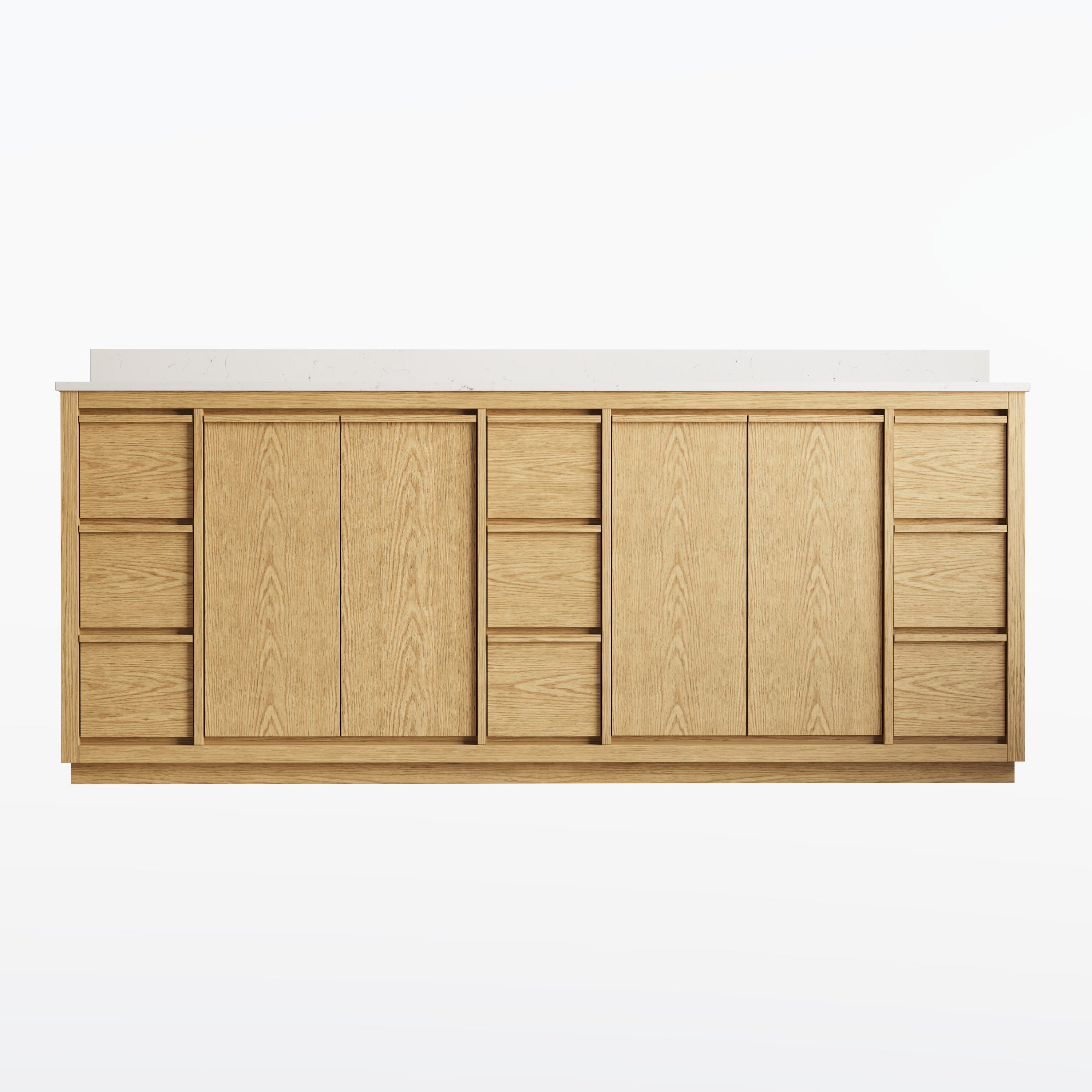
Some are solid wood in key structural areas. Some use plywood boxes with wood veneer. Some rely heavily on lower-grade engineered material with a printed finish that only looks convincing from a distance. I’ve seen buyers choose based on color alone, then feel disappointed when the texture looked artificial or the cabinet struggled in a humid environment. If the construction is weak, the beauty of wood does not last long.
3. The Real Benefits Beyond Looks
The visual warmth gets most of the attention, but a wood vanity improves a bathroom renovation in other ways too.
First, it gives the room more depth. A bathroom with white walls, pale tile, and a stone top can easily start blending into itself. Wood creates contrast without making the space feel darker or smaller. That is a useful trick in renovations where you want the room to stay bright but not look washed out.
Second, wood tends to age with more grace when the finish is well done. Minor wear can read as character rather than damage. Painted surfaces, by contrast, often show chips sharply, especially around corners and doors. A wood vanity is not immune to damage, but it can be more forgiving visually.
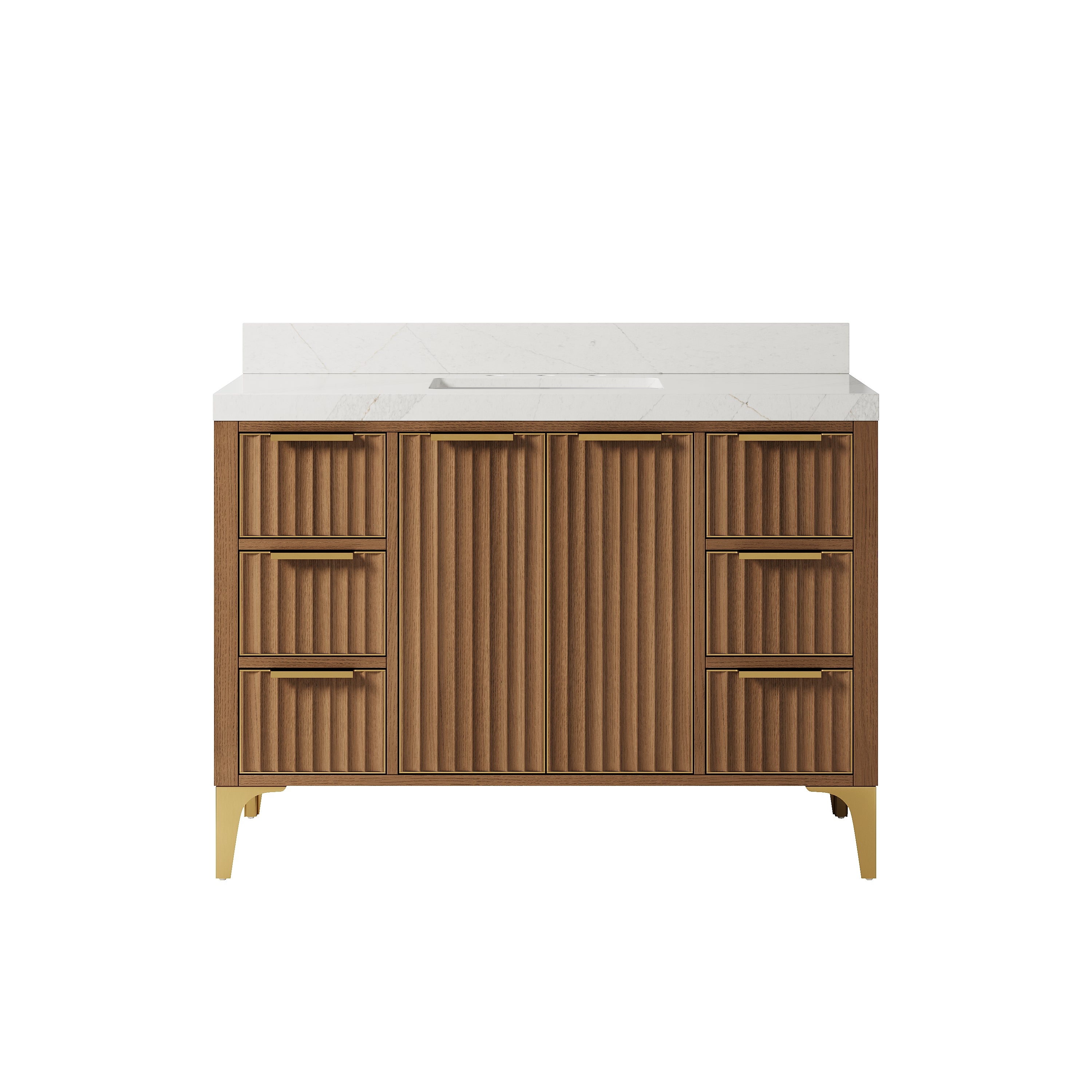
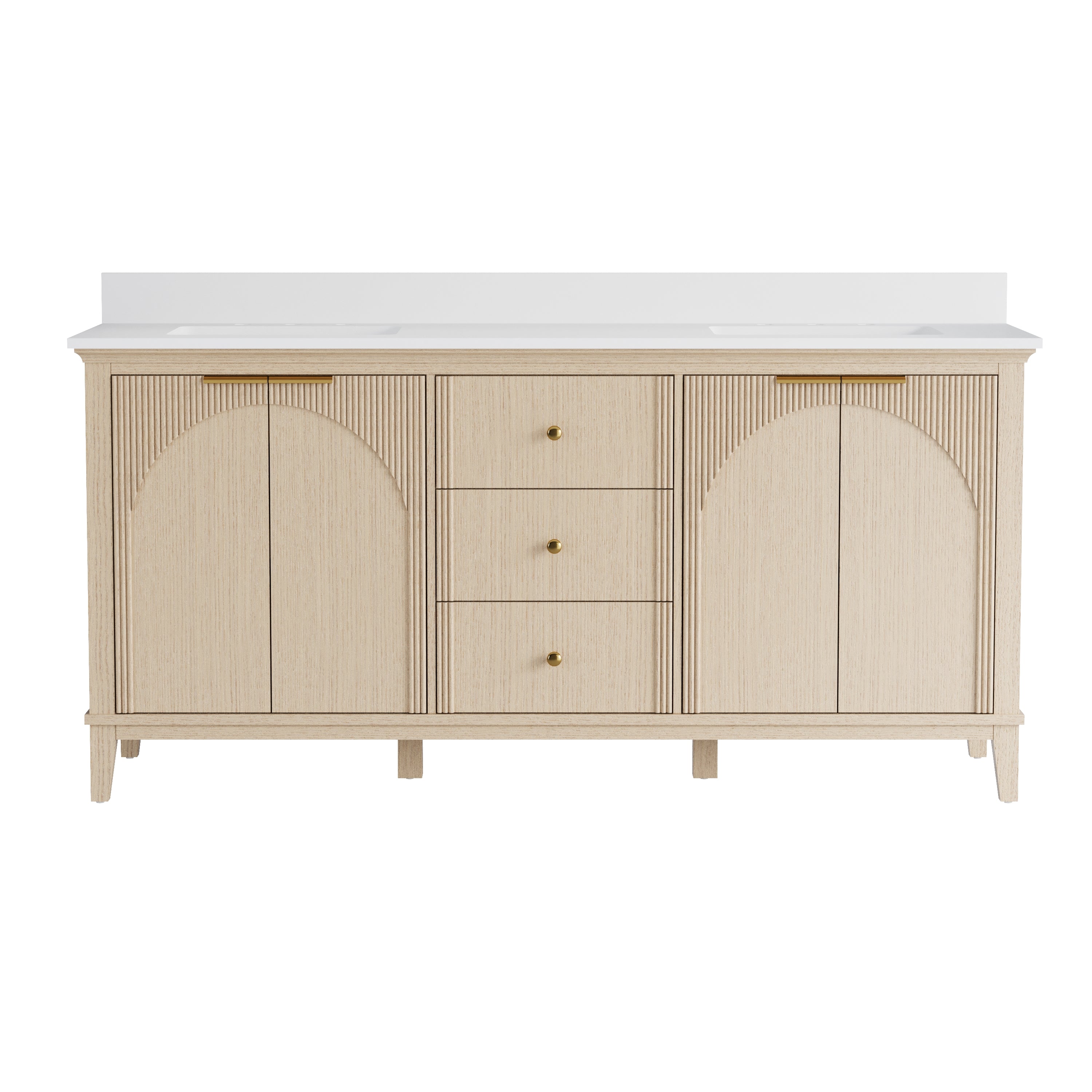
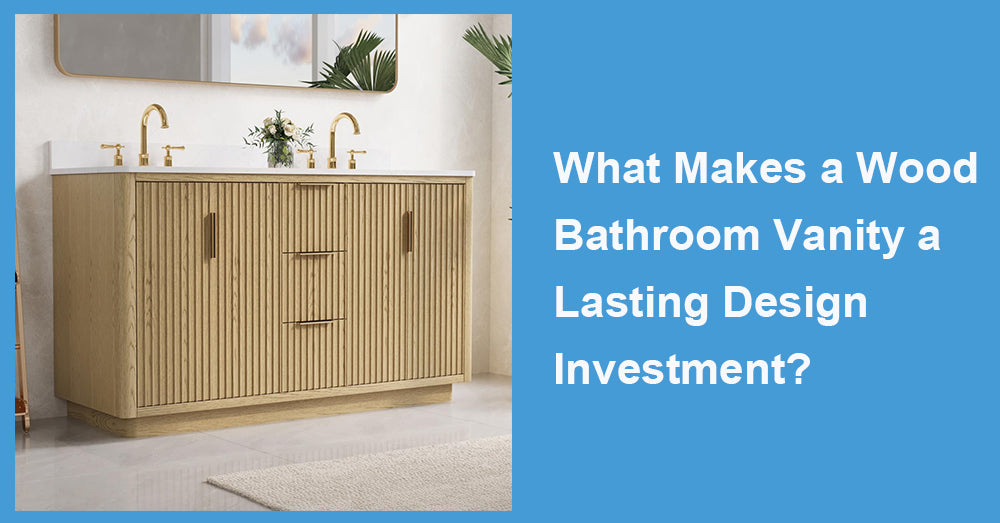
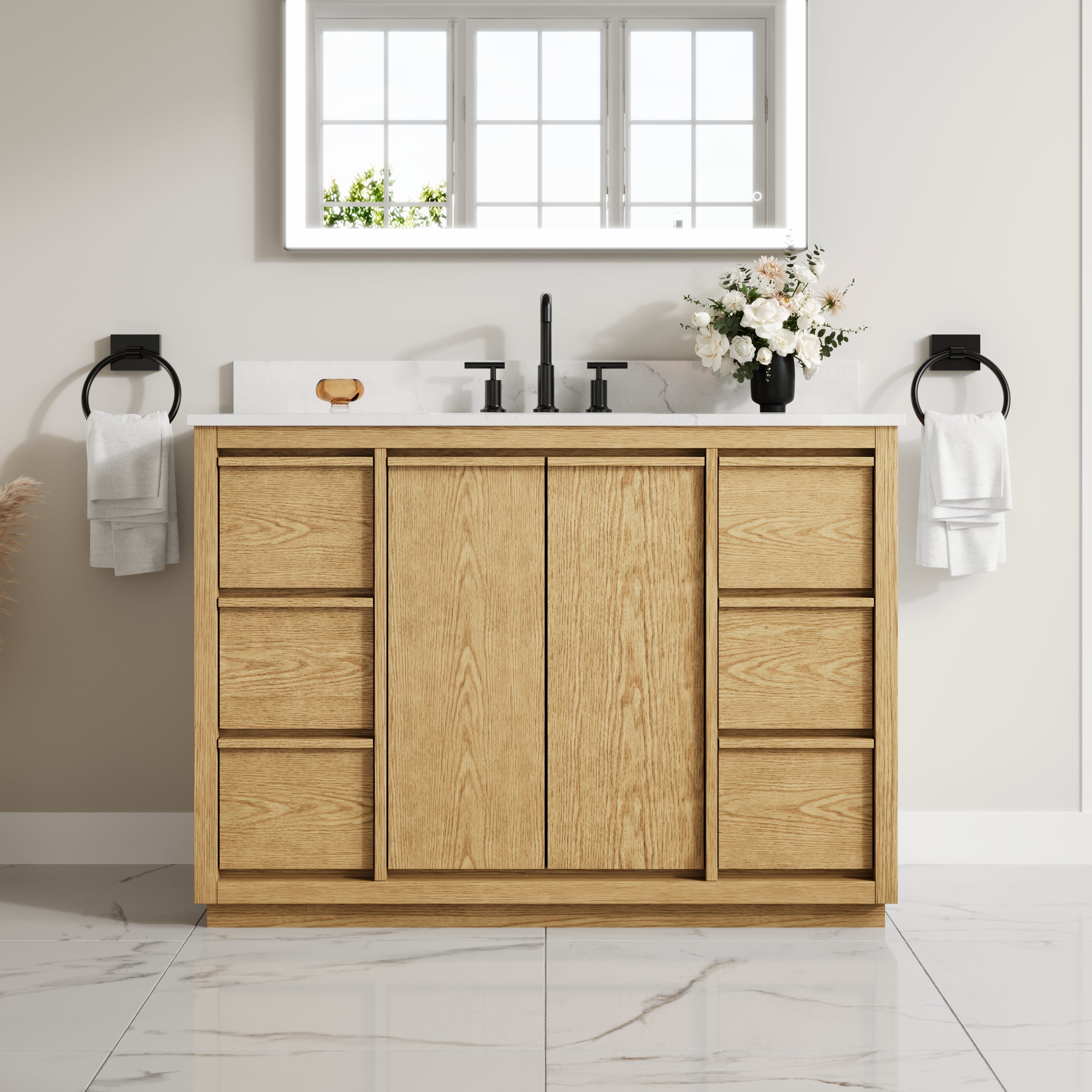
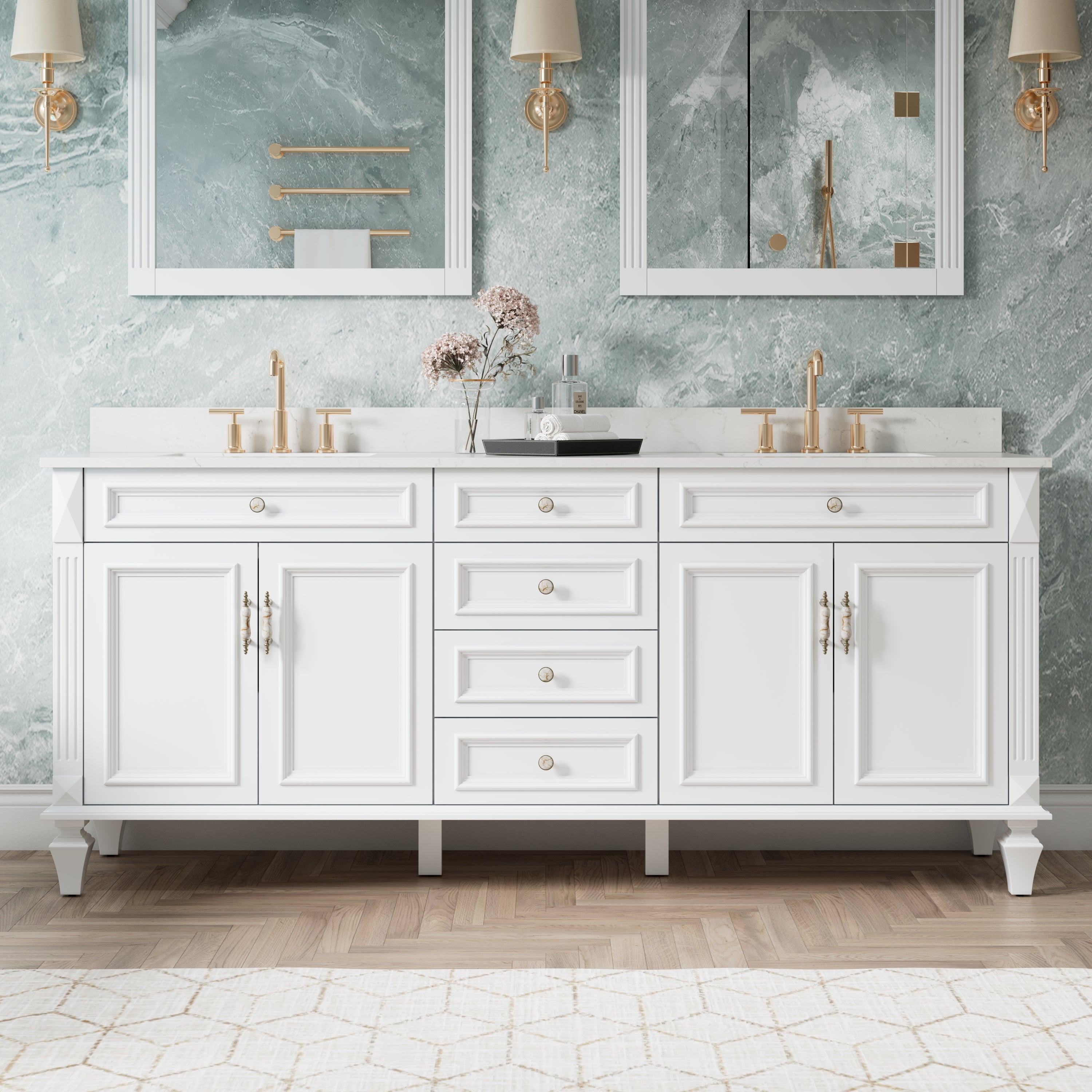
Third, it gives you a wider styling range than many people assume. Light oak reads clean and relaxed. Walnut feels rich and architectural. Medium wood tones are easy to live with and pair well with white quartz, marble-look tops, black mirrors, brass sconces, or simple chrome faucets. That flexibility is a real advantage during renovation, because not every decision gets made at once.
Where a wood vanity may not be the best fit
There are cases where I would not recommend one.
If the bathroom has poor ventilation and stays damp for long periods, wood needs extra caution. If the room is extremely small and the vanity design is visually bulky, darker wood can make the layout feel heavy. If the homeowner wants a crisp, almost hotel-clean aesthetic with very little visual texture, a painted vanity may support that look better.
Budget matters too. A bad faux-wood finish is usually more disappointing than a simple painted vanity that is well built. If the wood look feels flat, repetitive, or obviously artificial, it weakens the renovation instead of strengthening it.

4. Buying, Installing, and Living With One
When I advise homeowners, I tell them to look past the finish color first and ask better questions. What is the cabinet box made from? How is it sealed? Are the drawer fronts sturdy? Will the vanity sit where water regularly splashes? Is the bathroom fan strong enough to manage steam?
Those details matter more than people think.
Measure carefully before ordering. Check plumbing placement, door swing, drawer clearance, and countertop overhang. A beautiful vanity that blocks movement or forces awkward sink placement will feel wrong every day, no matter how good it looked online. Freestanding wood vanities are usually easier to install in standard renovations. Wall-mounted versions can look lighter and more custom, but they need solid support and better planning.
Maintenance is not difficult, though it does require consistency. Wipe standing water quickly. Do not let damp towels sit against the cabinet face for hours. Use a soft cloth and a mild cleaner that will not strip the finish. If hair products, toothpaste, or soap residue build up near the sink edge, clean them early. That habit does more to protect a vanity than most homeowners realize.
For shoppers considering a brand like Wellfor, my advice is simple: choose a wood vanity when you want the bathroom renovation to feel warmer, more layered, and more connected to everyday living. Make sure the construction is suited for moisture, the storage works for your routine, and the finish looks convincing in your lighting. If those pieces line up, a wood vanity does more than improve the room visually. It makes the renovation feel complete the moment you walk in.














Leave a comment
This site is protected by hCaptcha and the hCaptcha Privacy Policy and Terms of Service apply.