






















Introduction
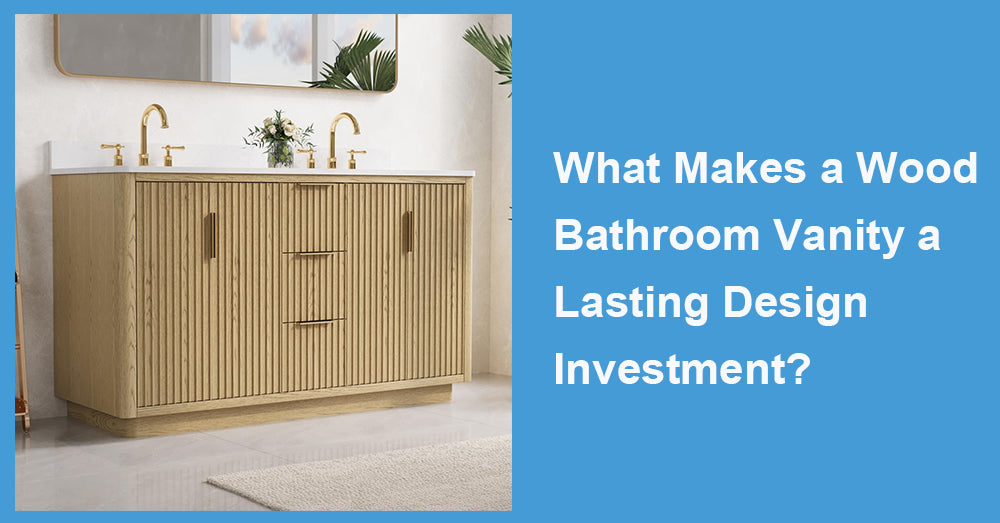
A wood bathroom vanity earns its keep in ways that go far beyond looks. After years of watching bathroom renovations succeed, stall, or age badly, I’ve learned that the vanity often tells you whether the room was planned with real life in mind. Wood brings warmth, texture, and a sense of permanence that many painted cabinets cannot match. When the material is chosen well and installed properly, it does more than finish the room. It helps the bathroom feel settled, useful, and worth living with for years.
That said, not every wood vanity deserves to be called an investment. Some are built to last. Some are built to photograph well and little else. The distinction matters.
1. Why Wood Changes the Feel of a Bathroom in a Lasting Way
Bathrooms are full of hard, cool surfaces. Tile. Glass. Porcelain. Stone. Chrome. Those materials are practical, but when they dominate the room, the result can feel sharp or impersonal. Wood changes that balance immediately. It softens the visual temperature of the space.
I’ve seen this most clearly in primary bathrooms and guest baths where homeowners wanted the room to feel cleaner without becoming sterile. A wood vanity introduces character without demanding attention. It can sit quietly under a stone top and still give the room a richer, more grounded look.
That is part of its staying power. Design trends move quickly, but natural-looking materials tend to hold their place because they do not rely on novelty. A light oak vanity can feel calm and modern. Walnut can feel tailored and architectural. Mid-tone wood often lands in that useful middle ground where the bathroom feels warm but not heavy.
There is also a broader industry lesson here. Rooms that age well usually have some material depth. Not just color. Not just pattern. Depth. Wood helps create that.
2. What Makes a Wood Bathroom Vanity More Than a Trend Piece
A lasting investment is not simply something expensive. It is something that continues to work as tastes shift, hardware changes, and daily routines wear the room in.
A wood bathroom vanity does that well because it is flexible. It pairs naturally with white quartz, marble-look tops, black faucets, brushed nickel, aged brass, and even simple chrome. If you replace the mirror in three years or update the sconces later, the vanity rarely becomes the problem. It gives the room a stable base.
That flexibility is especially useful in real homes, where renovations are rarely one-and-done forever. People repaint. Families grow. A guest bath turns into a kid’s bath. A resale project becomes a long-term home. Wood adapts better than many trend-driven finishes because it already feels familiar.
It also performs visually in a way homeowners appreciate over time. Minor dust, small water spots, and day-to-day wear often read less harshly on wood tones than on bright painted finishes. Not always, but often enough to matter in a bathroom used every day.
The mistake many buyers make
A lot of homeowners assume “wood look” and “wood construction” are close enough. They are not.
Some vanities use solid wood where it counts. Some rely on plywood with veneer, which can be a smart and stable choice. Others use low-grade materials with a printed finish that imitates grain without offering much durability. I’ve seen buyers choose the prettiest tone online, only to realize later that the texture looked artificial or the cabinet edges started failing in a damp room. A lasting investment starts with construction, not color.
3. Where It Works Best, and Where It Does Not
Wood vanities work especially well in primary bathrooms, guest bathrooms, and transitional spaces where the goal is warmth, balance, and some visual depth. They are also a strong fit in homes with other natural materials nearby, such as wood flooring, warm interior trim, or textured neutral finishes. In those homes, the bathroom feels connected to the rest of the house.
They are less convincing in bathrooms chasing a very crisp, ultra-minimal, bright-white hotel aesthetic. In that setting, a painted vanity may feel more consistent. I would also be cautious in bathrooms with poor ventilation, repeated standing water, or heavy daily use by small children if the finish quality is questionable. Wood is durable when protected properly. It is not magic.
Small bathrooms need extra thought. A floating wood vanity or a lighter stain can look beautiful in a compact space. A bulky dark cabinet with thick framing can make the room feel tighter than it is. The issue is rarely the material itself. It is scale and weight.
Pros and limitations in real use
The strengths are easy to appreciate: warmth, versatility, visual depth, better integration with the rest of the home, and a more natural aging pattern when the finish is good.
The limitations are real too. Poor sealing can lead to swelling or edge damage. Cheap veneer can peel. Very dark stains may show soap splatter more than buyers expect. Wood also asks for a little more attention than people sometimes want to give. If a homeowner wants something they never have to think about, they should be honest about that before buying.

4. Buying, Installing, and Maintaining It Like an Investment
When I advise homeowners or buyers, I tell them to stop asking only whether the vanity is attractive. Ask what it is made of. Ask how it is sealed. Ask whether the drawer boxes feel sturdy, whether the doors align cleanly, and whether the sink cutout and countertop overhang will expose vulnerable areas to repeated splashing.
Measure carefully. Not just width. Check plumbing location, drawer clearance, traffic flow, door swing, and how close the vanity will sit to the toilet or shower glass. A beautiful vanity that fits badly will never feel like a smart investment.
Installation matters more than most people think. A cabinet set slightly out of level can create stress on doors and drawers over time. Poor caulking near the backsplash or sloppy plumbing connections can do more harm than the wood species ever will. I’ve seen more vanity damage caused by unnoticed moisture than by ordinary wear.
Maintenance is simple, but it has to be consistent. Wipe standing water. Do not leave wet towels draped across the cabinet face every day. Use a soft cloth and a mild cleaner that will not strip the protective finish. If the bathroom gets steamy, run the exhaust fan longer. That habit alone can extend the life of a vanity dramatically.
For shoppers looking at brands like Wellfor, the smartest move is to judge a vanity the way a contractor or long-term homeowner would. Look at construction, finish, layout, moisture resistance, and whether the style still makes sense five years from now. Choose a wood bathroom vanity when you want the bathroom to feel warmer, more finished, and more connected to daily life. When the build quality is right, that choice stops being decorative and starts becoming one of the soundest investments in the room.







































Leave a comment
This site is protected by hCaptcha and the hCaptcha Privacy Policy and Terms of Service apply.