




















Introduction
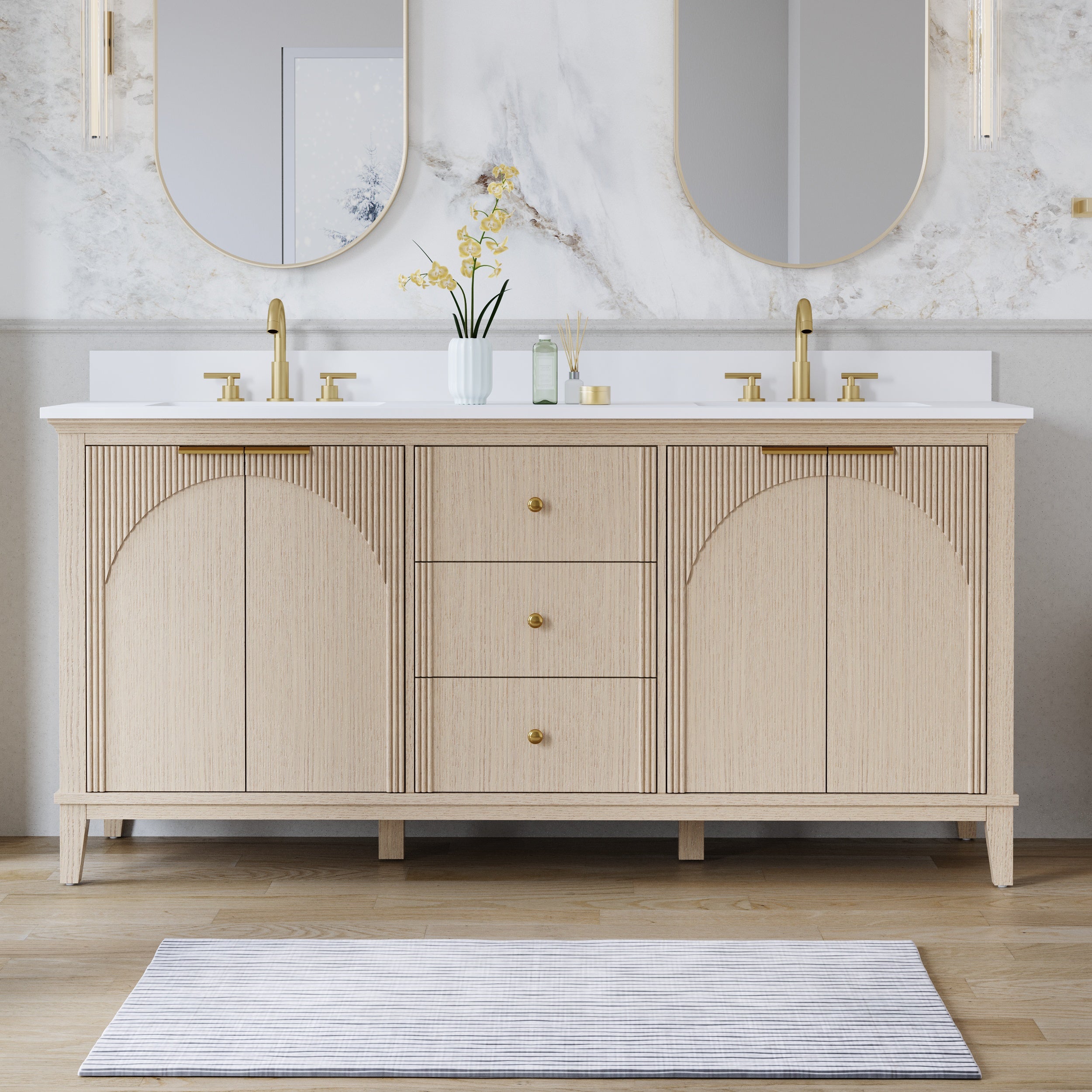
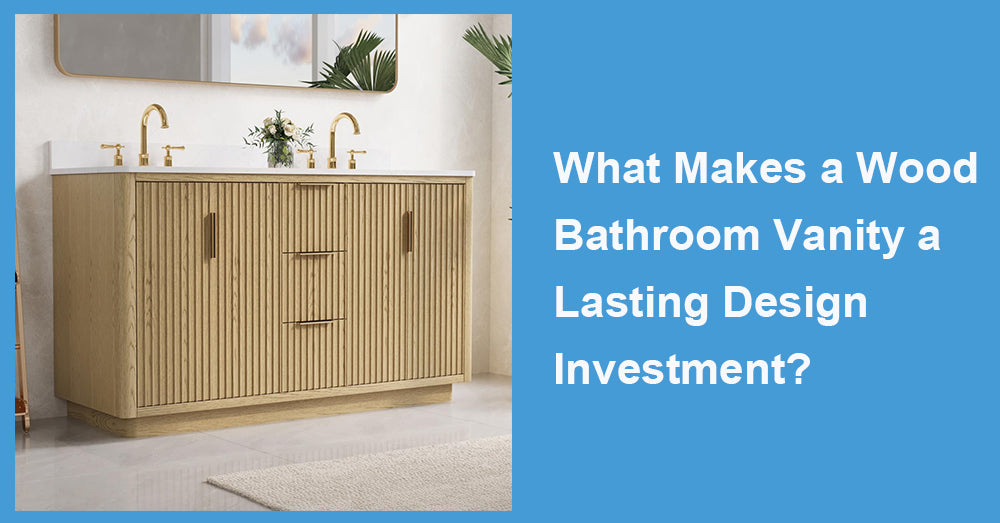
A wooden bathroom vanity feels different the moment it goes into a room. I’ve seen bathrooms with nice tile, decent lighting, and expensive fixtures still come across as cold or unfinished until the vanity added some warmth and visual weight. That is what separates wood from many other options. It does not just provide storage under a sink. It changes the character of the bathroom, often in a way painted finishes, laminate surfaces, or ultra-gloss cabinets cannot quite match.
Still, the differences are not all positive. A wooden vanity brings texture, depth, and a more natural presence, but it also asks for smarter buying decisions and a little more respect in daily use. That is where many homeowners get it wrong.
1. Why a Wooden Bathroom Vanity Feels More Lived-In
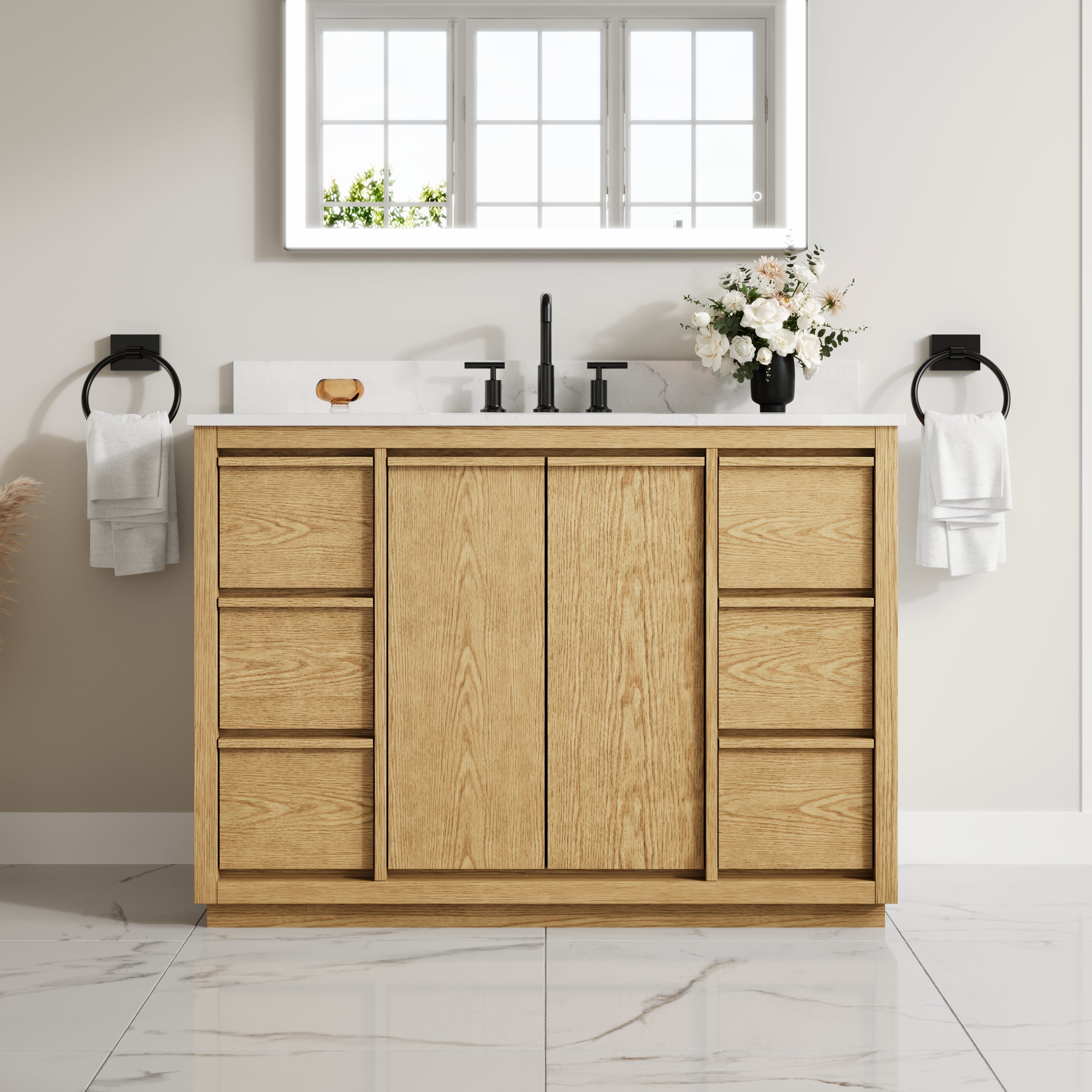
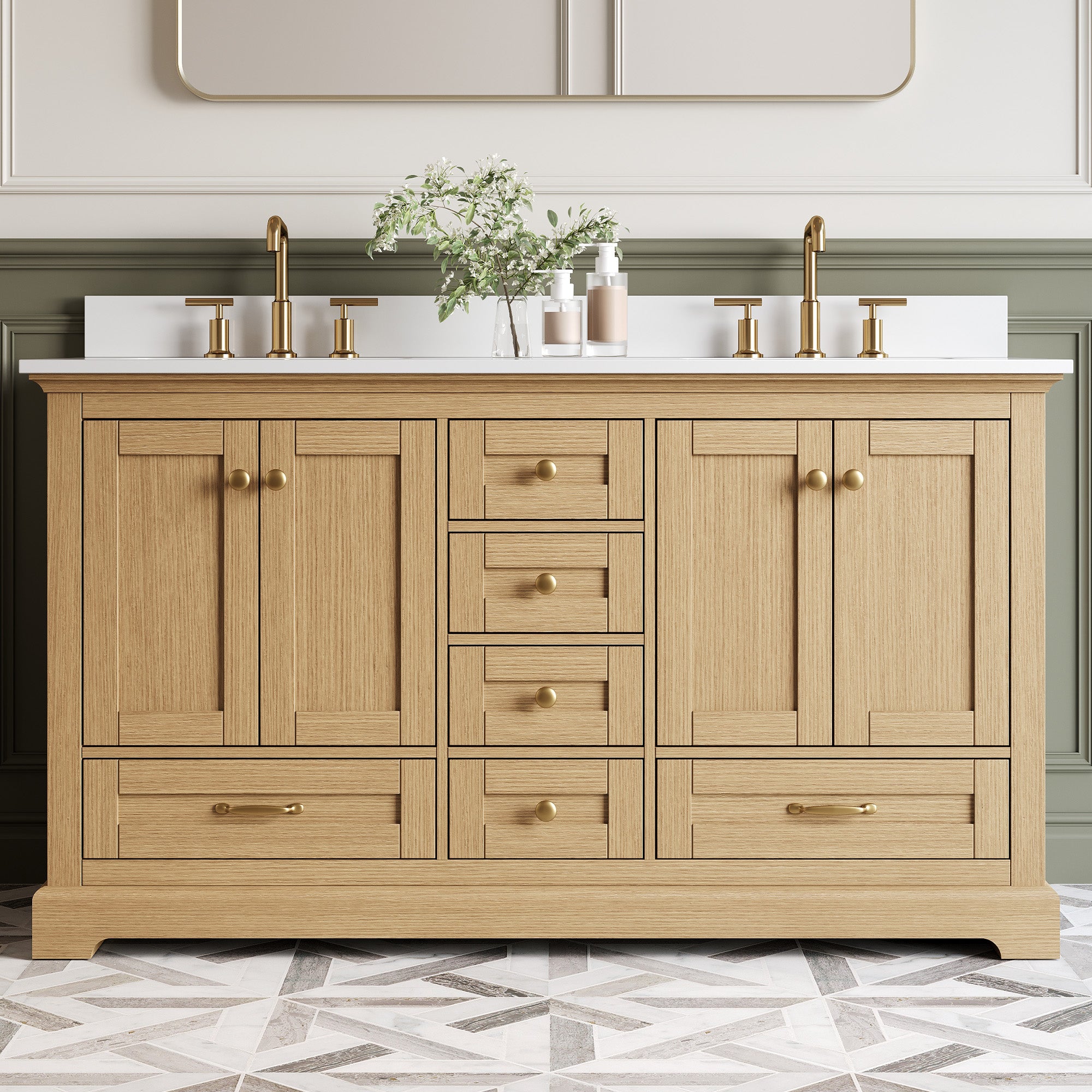
The biggest difference is warmth. Bathrooms are full of hard, reflective materials: porcelain, glass, chrome, stone, ceramic tile. A wooden vanity breaks up that visual sharpness. Even in a clean modern bathroom, it gives the eye something more grounded to land on.
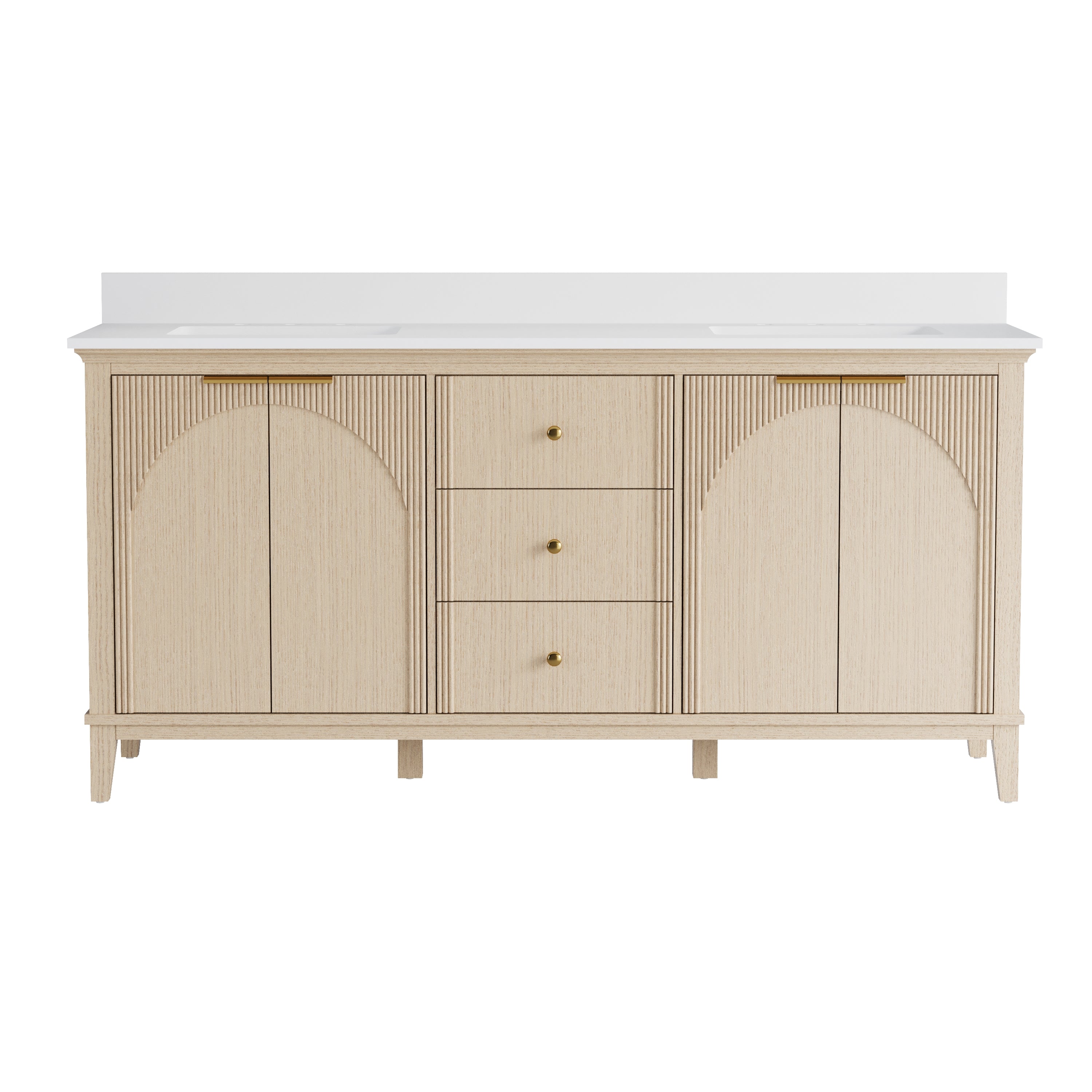
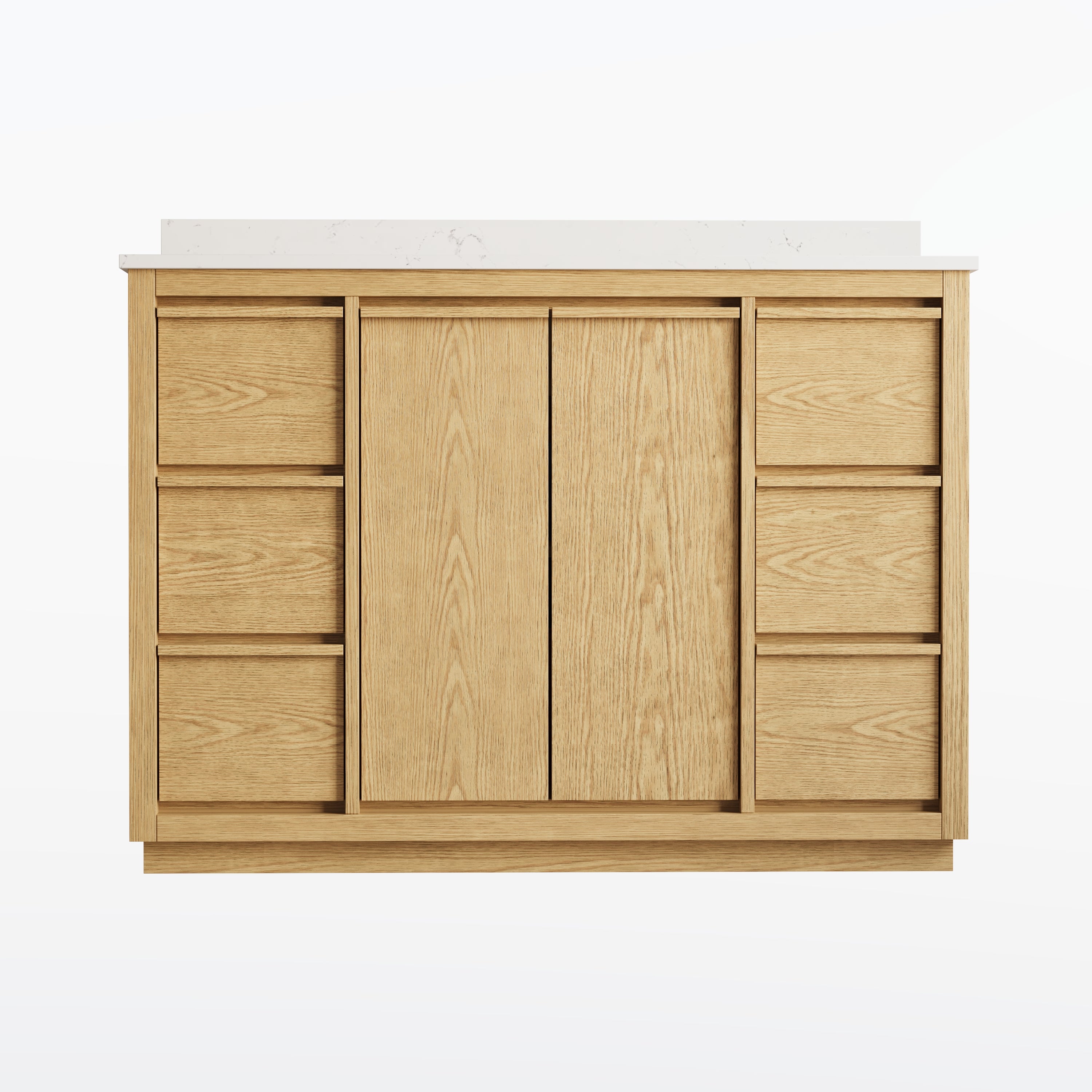
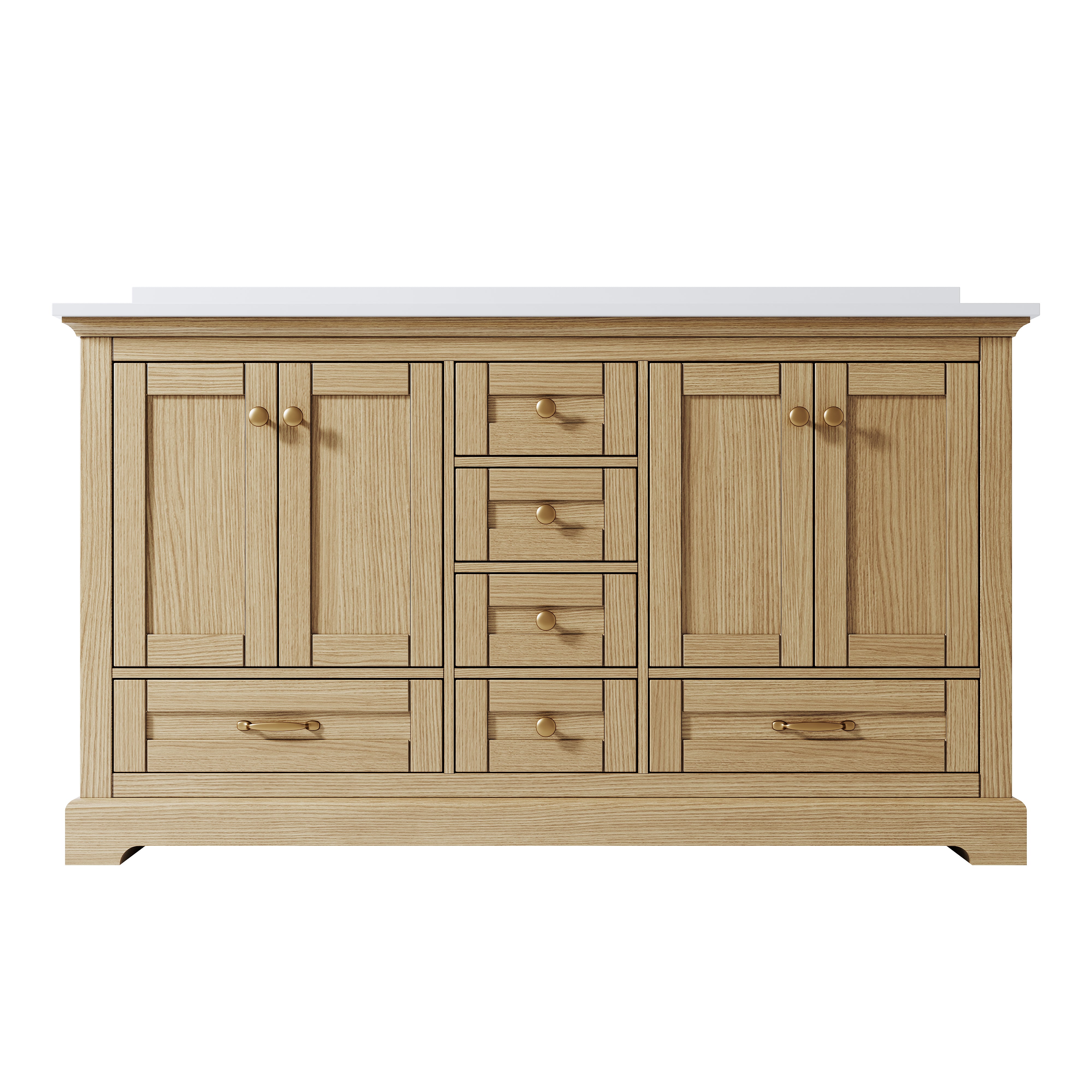
That warmth is not just about color. Grain matters. Texture matters. Variation matters. A white vanity can look crisp. A black vanity can look dramatic. A wooden bathroom vanity often feels more human. Less staged. More connected to the rest of the house.
This is especially noticeable in primary bathrooms and guest baths. In a primary bath, wood tends to make the room feel calmer and less clinical. In a guest bath, it adds character quickly, even when the layout is simple. If the rest of the home already has wood flooring, warm trim, or natural finishes, the vanity helps the bathroom feel like part of the same design story instead of a separate zone.
2. How It Compares With Painted, Laminate, and Glossy Options
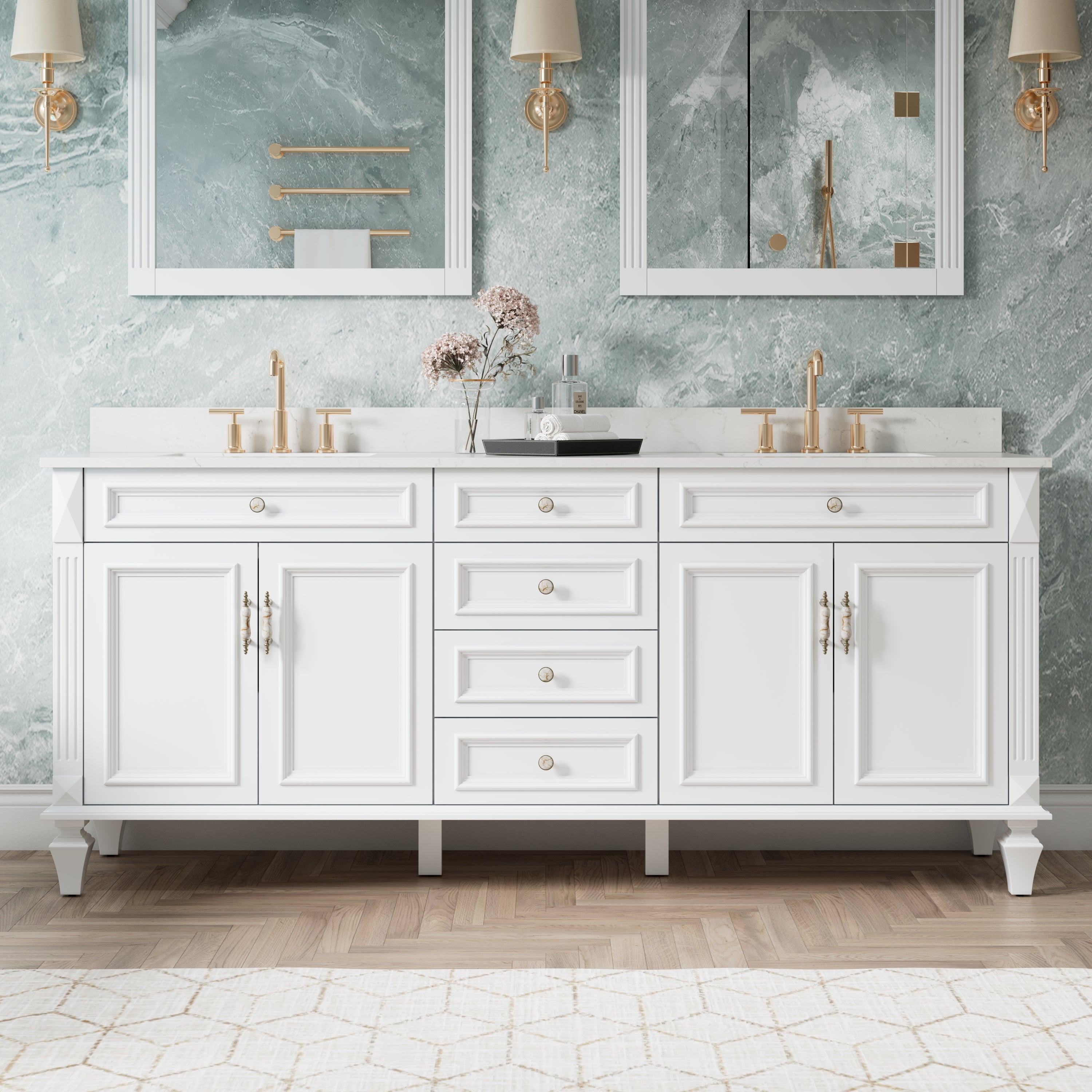
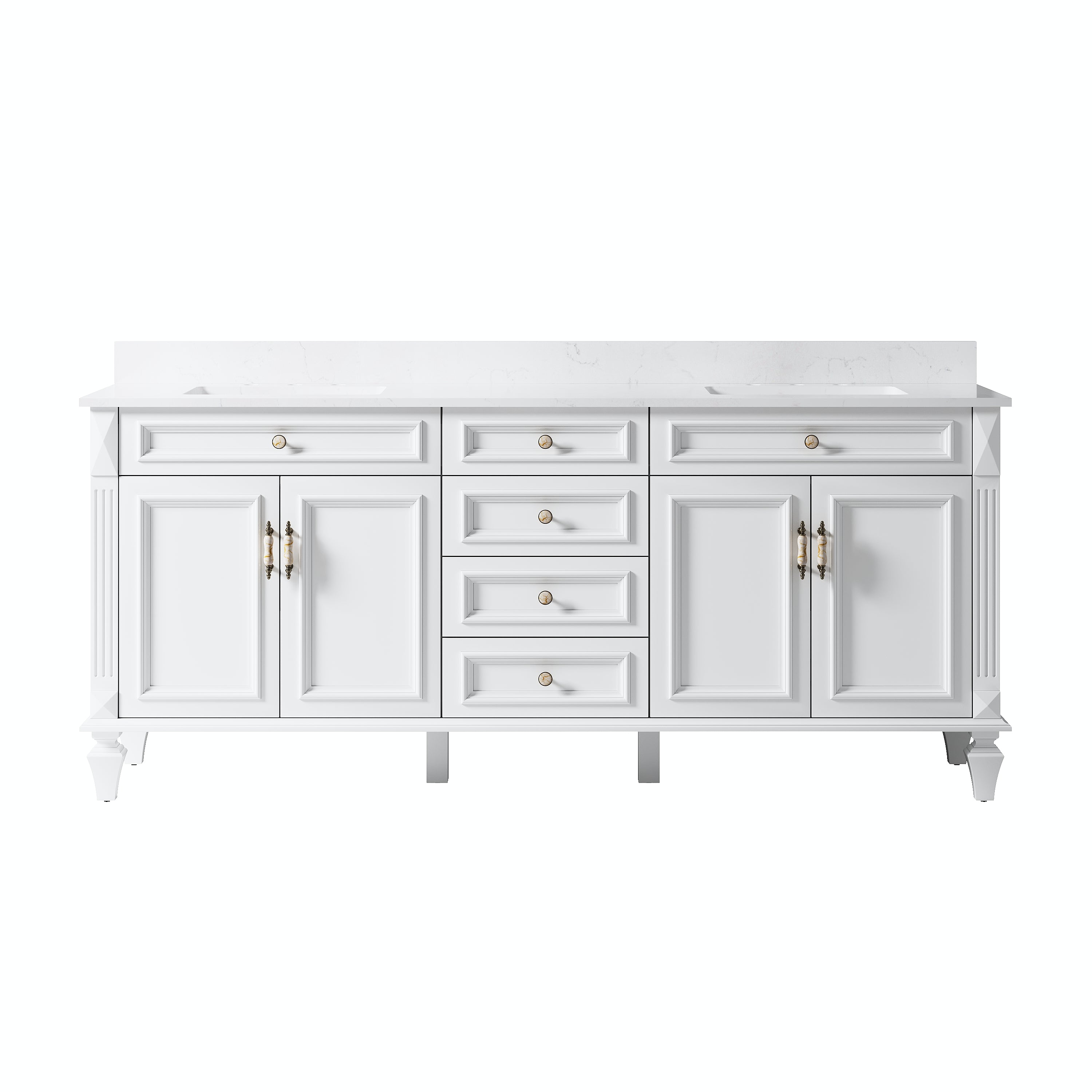
Compared with painted vanities, wood usually offers more depth. Painted finishes can look clean and timeless, especially in white or gray, but they often rely on color alone. Wood gives you movement through the grain. That can make even a simple vanity feel richer.
Compared with laminate or low-cost printed finishes, real wood or high-quality wood veneer tends to age better visually. Small marks and minor wear often blend in more naturally. A chip on a painted cabinet stands out fast. A little character in wood can read as part of the finish rather than damage, at least when the product is well made.
Glossy vanities are a different case. They can look sleek in contemporary bathrooms, but they often feel colder and more showroom-like. I’ve seen homeowners like them in photos and tire of them in real life. Wood tends to hold attention more quietly. That matters over time.
A common misconception buyers have
Many people assume “wooden” always means solid wood throughout. It rarely does.
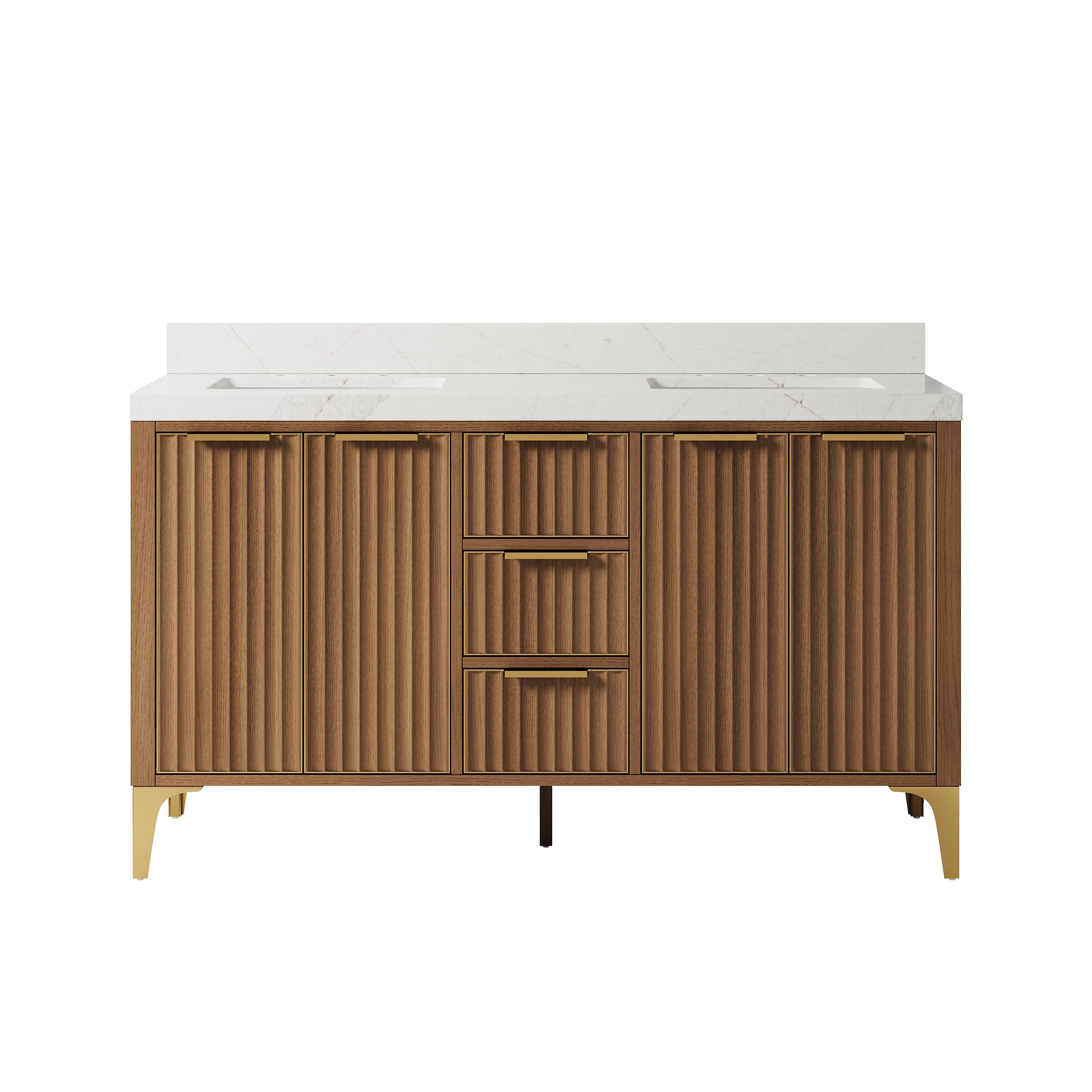
A well-built vanity may combine solid wood, plywood, and veneer for stability. That is not a flaw. In bathrooms, material performance matters more than romantic labels. What buyers should worry about is poor construction disguised by a good-looking finish. A vanity can look beautiful online and still fail early if the cabinet box is weak, the sealing is poor, or the veneer is badly applied.
3. The Real Advantages, and the Drawbacks People Should Expect
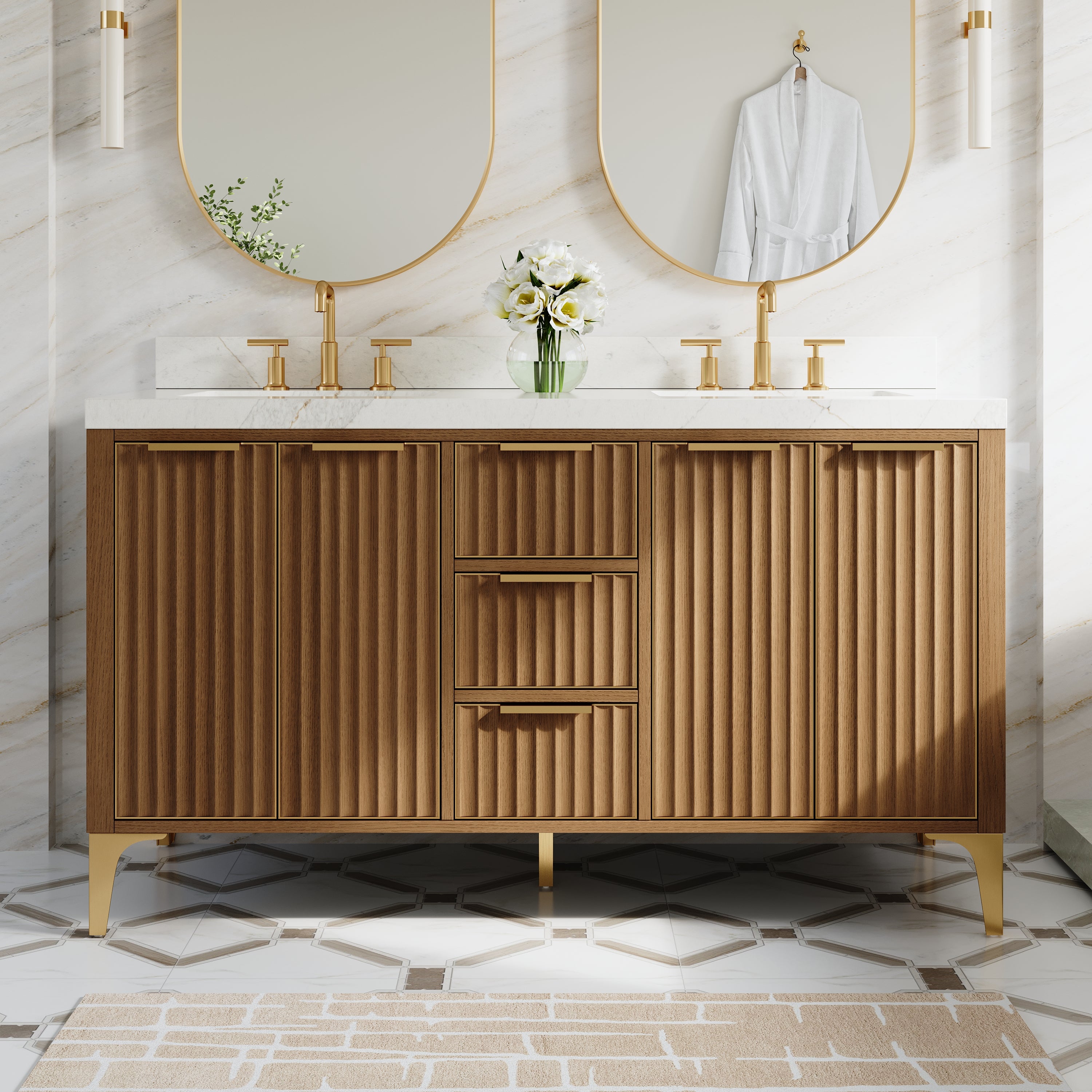
The advantages are easy to appreciate in daily life. A wooden vanity adds warmth, helps the bathroom feel more layered, and works across many styles, from modern organic and Japandi to transitional and farmhouse. It also pairs well with brass, black, chrome, and nickel hardware, which gives homeowners more flexibility as tastes change.
It can be a smart design anchor too. If the room has plain tile or simple walls, wood gives the space enough interest without forcing a bold pattern or trendy color. That is one reason it often performs well in long-term homes.
But wood has limitations. Humidity is the obvious one. A bathroom with poor ventilation will expose weak finishing quickly. Repeated water splashes around the sink, wet towels hanging over cabinet faces, or unnoticed plumbing drips can shorten the life of the vanity faster than people expect.
There is also a visual limitation in some rooms. In a very small bathroom, a dark and bulky wood vanity can feel heavier than the space can handle. In bathrooms aiming for a bright, almost hotel-clean look, painted white cabinetry may support the design more naturally.
Where a wooden vanity is not always the best choice
I would think twice about a wooden vanity in a bathroom that stays damp for hours after every shower, or in a household where maintenance is likely to be inconsistent. I would also be cautious with cheap wood-look products. Bad faux wood is often more disappointing than a simple painted vanity done well.
4. What to Check Before Buying One
Start with construction, not color. Ask what the cabinet box is made from. Look for moisture-resistant materials, sturdy drawer glides, clean joinery, and a finish that is meant for bathroom use. If the product description spends all its energy talking about style and almost nothing on construction, I usually take that as a warning sign.
Then look at the wood tone in context. Some finishes lean golden, some neutral, some slightly gray or reddish. That undertone needs to work with your flooring, countertop, and lighting. This is where many good vanities end up in the wrong rooms.
Storage layout matters too. A vanity can be beautiful and still frustrating if the drawers are shallow or the cabinet space is lost to awkward plumbing. In real use, function decides whether a purchase feels wise after six months.

5. Installation and Maintenance Make More Difference Than People Think
A wooden vanity needs correct installation to stay beautiful. It should sit level, be properly sealed where the top meets the wall, and never be subjected to slow plumbing leaks. I’ve seen more damage caused by unnoticed water issues than by ordinary wear.
Good ventilation is just as important. Run the exhaust fan long enough to clear steam. Wipe standing water near the faucet and sink edge. Do not leave soaked towels draped over the cabinet day after day. Use a soft cloth and a mild cleaner instead of harsh products that can strip the finish.
For homeowners shopping brands like Wellfor, the smartest approach is to choose wood for the right reasons. Buy it because you want warmth, material depth, and a bathroom that feels more grounded, not because the finish looks trendy for the moment. If the construction is solid, the tone fits the room, and the bathroom can stay reasonably dry, a wooden bathroom vanity will feel different from other options in the best possible way: quieter, richer, and easier to live with for years.






























Leave a comment
This site is protected by hCaptcha and the hCaptcha Privacy Policy and Terms of Service apply.