
















Introduction
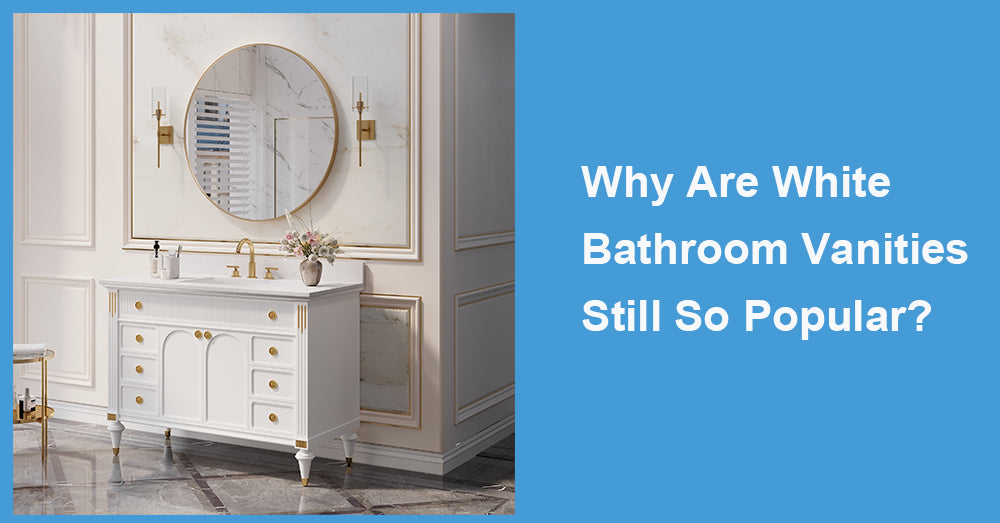
White bathroom vanities keep showing up in remodels for one simple reason: they solve more problems than they create. After years of watching bathrooms get renovated, restyled, and sometimes overcomplicated, I’ve seen homeowners return to white again and again because it makes a room feel brighter, cleaner, and easier to work with. A good white vanity can calm a busy design, open up a small layout, and stay relevant long after trend-driven colors start to look tired.
That popularity is not just about playing it safe. In many homes, a white vanity is the piece that gives the bathroom flexibility. It can support a modern look, a farmhouse look, a coastal look, or something more transitional without feeling forced. Still, there are a few things buyers misunderstand about white, and not every white vanity is worth bringing home.
1. Why White Keeps Working When Other Finishes Come and Go
Bathrooms are hard-working rooms, but visually they are often tight, bright, and full of competing materials. Tile, mirrors, polished metal, glass, stone. A white vanity has a way of simplifying all that. It reflects light, reduces visual heaviness, and gives the eye a clean place to land.
That is especially useful in smaller bathrooms. When you put a dark vanity into a narrow room with limited natural light, the cabinet can feel heavier than it is. White does the opposite. It recedes just enough to make the room feel more open.
I’ve seen this in guest baths, condo bathrooms, and older homes where the bathroom footprint was never generous to begin with. Homeowners often think the new vanity will mainly improve storage. What surprises them is how much it changes the feel of the room.
White also lasts because it is forgiving from a design standpoint. Hardware can change. Mirrors can change. Wall color can change. The vanity usually still works.
2. Where White Bathroom Vanities Make the Most Sense
Not every bathroom needs the same thing, but white tends to perform well in more spaces than most finishes. It is a natural fit for guest bathrooms because it reads as fresh almost immediately. It also works well in family bathrooms, where the room needs to look orderly even when daily life is anything but.
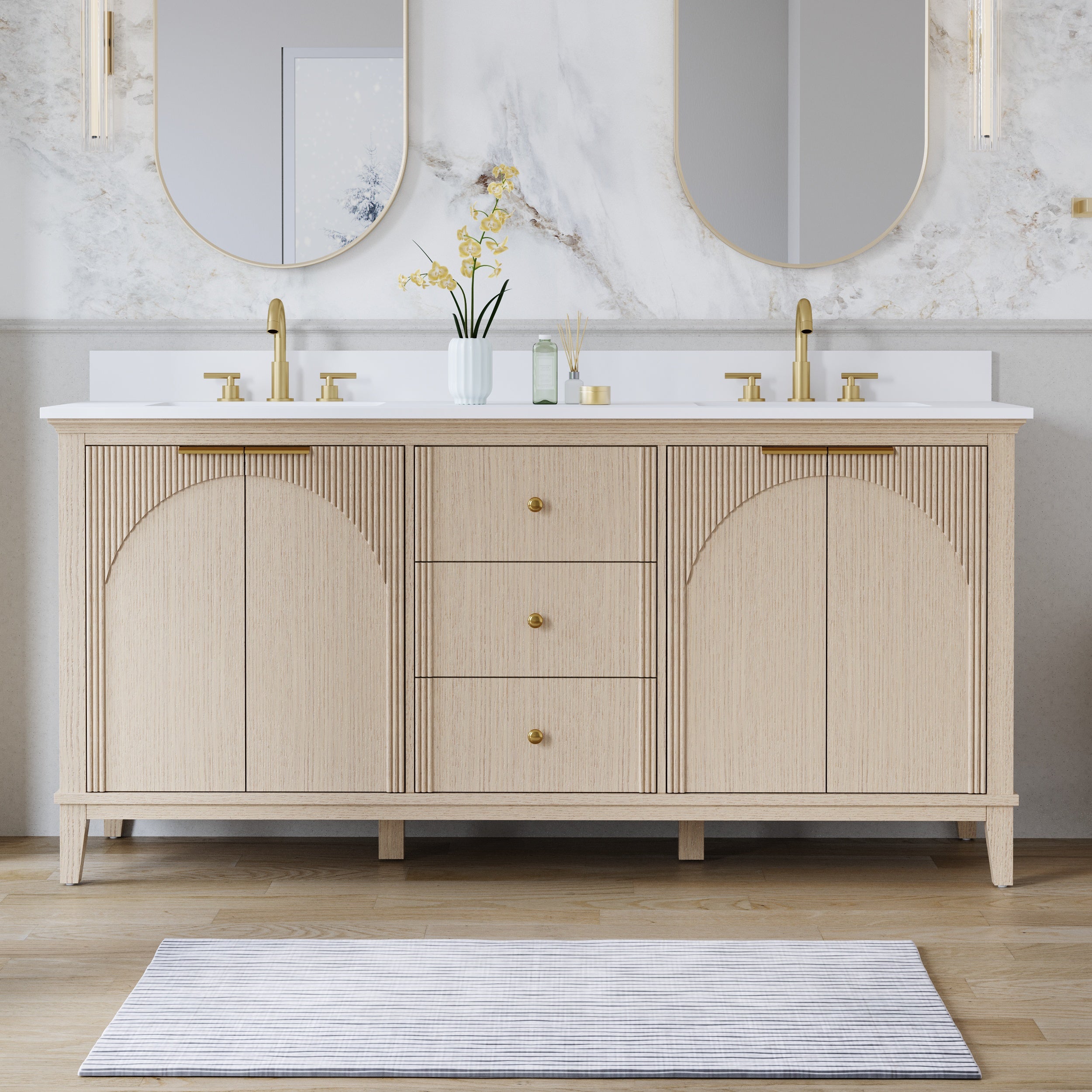
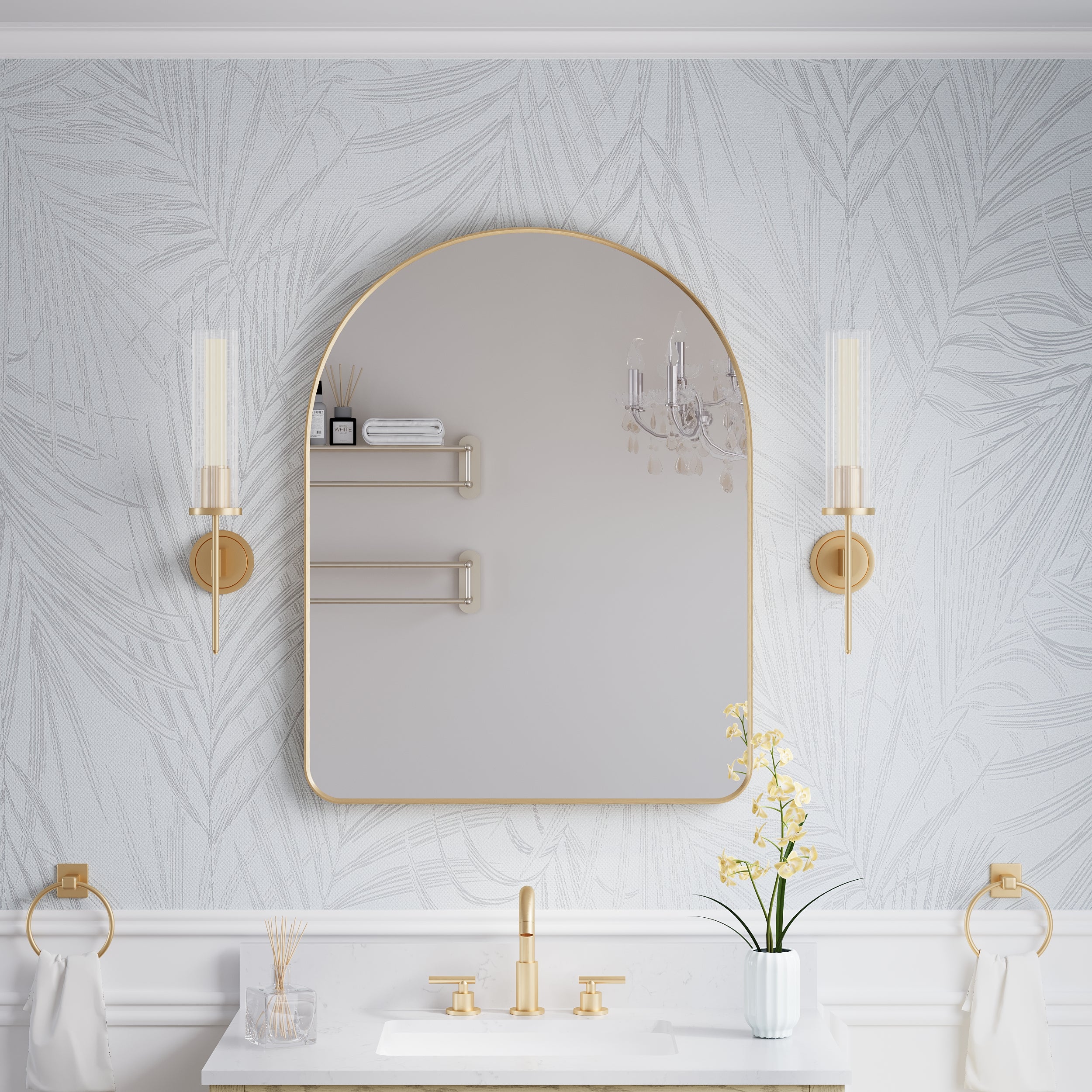
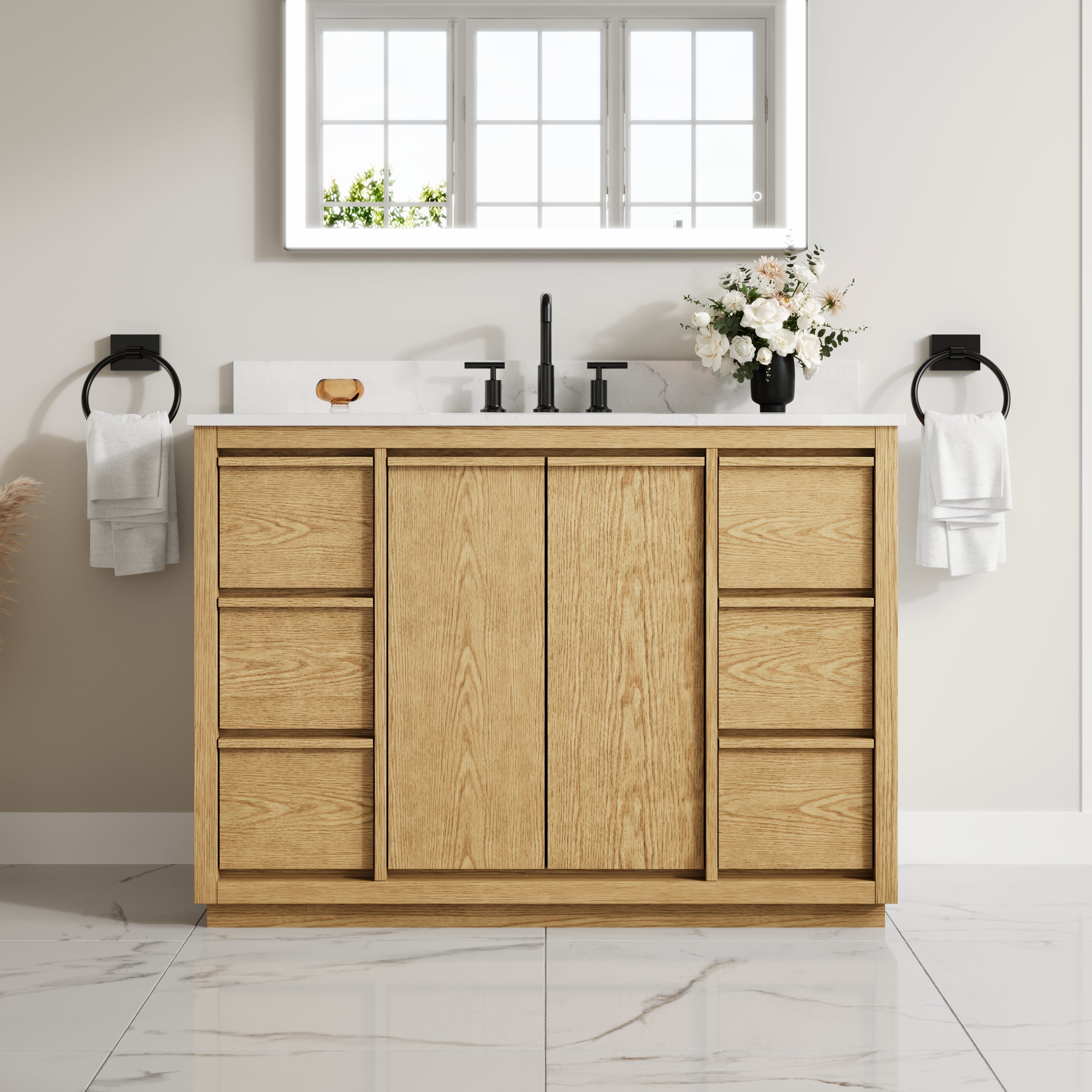
In primary bathrooms, white vanities are often chosen when homeowners want the space to feel calm rather than dramatic. That choice makes sense. White pairs easily with marble-look tops, quartz counters, brushed nickel, matte black, and warm brass. It can feel classic or modern depending on what surrounds it.
A common mistake buyers make
Many people assume all white finishes are interchangeable. They are not.
Some whites are crisp and cool. Some lean soft and creamy. Under warm lighting, those differences become more obvious than they looked online. I’ve seen a white vanity arrive and immediately feel slightly wrong next to tile or a countertop because the undertones were off. The vanity was not poor quality. It just belonged to a different color story.
That is why finish matching matters. Compare the vanity to your lighting temperature, wall color, flooring, and countertop sample whenever possible.
Why they feel easier to live with
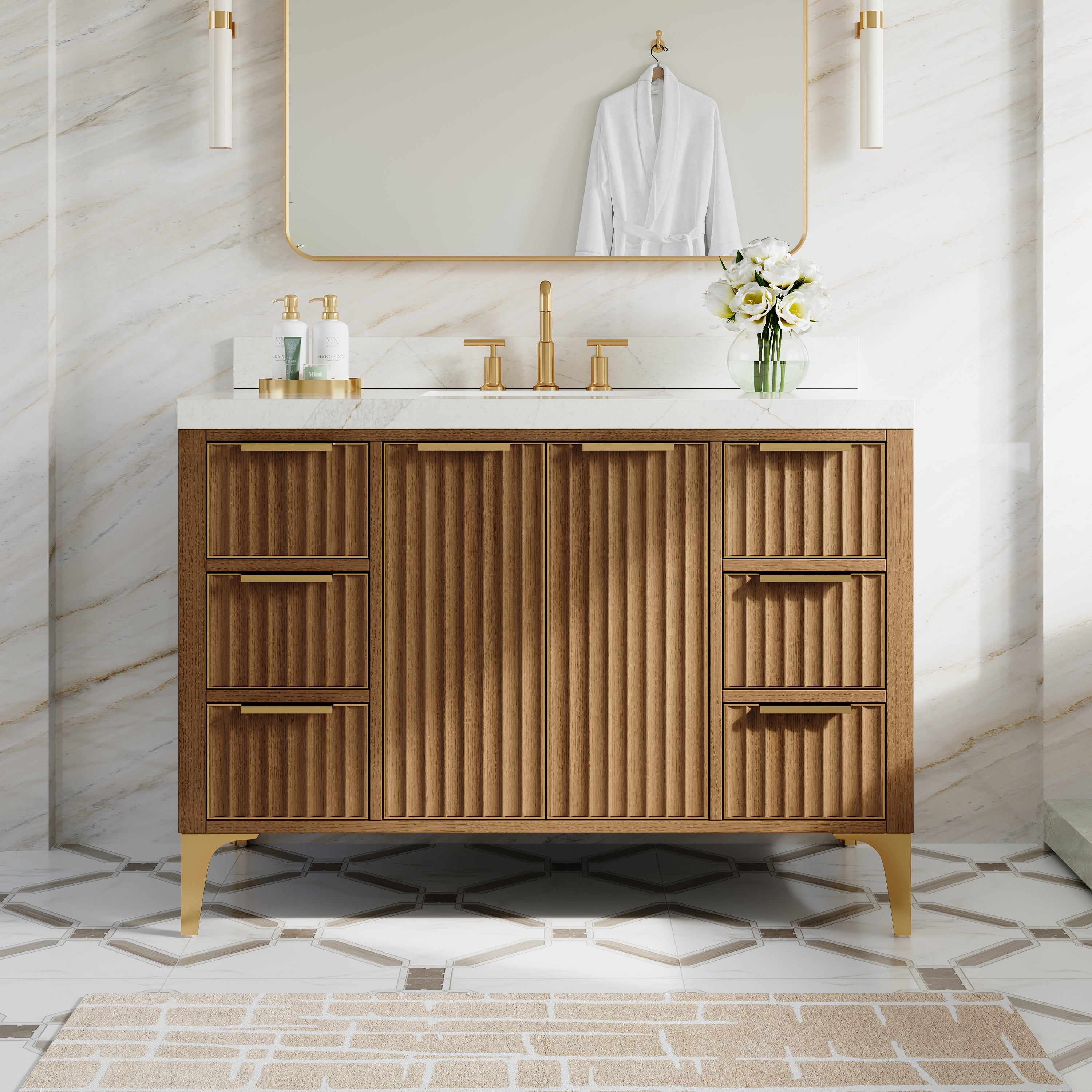
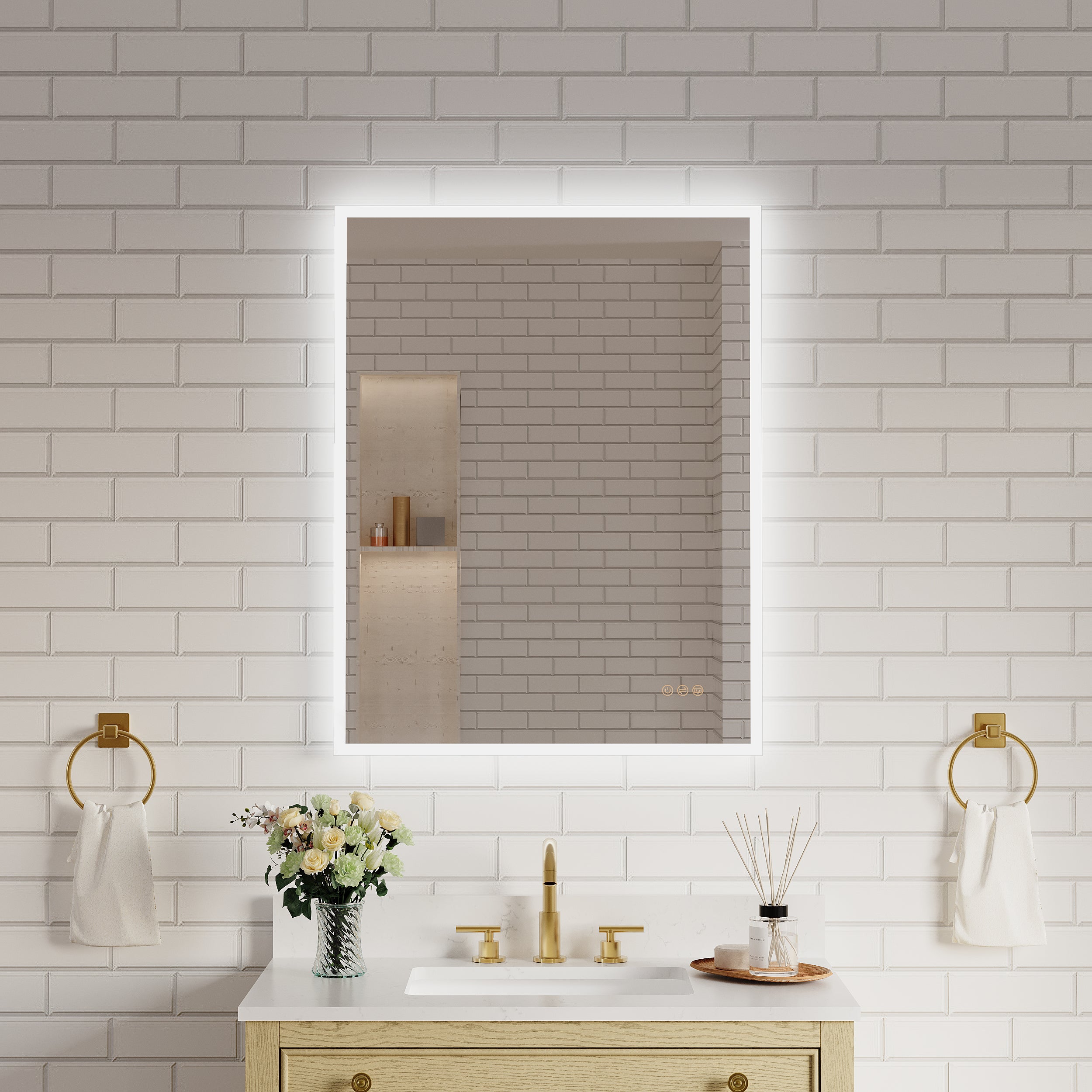
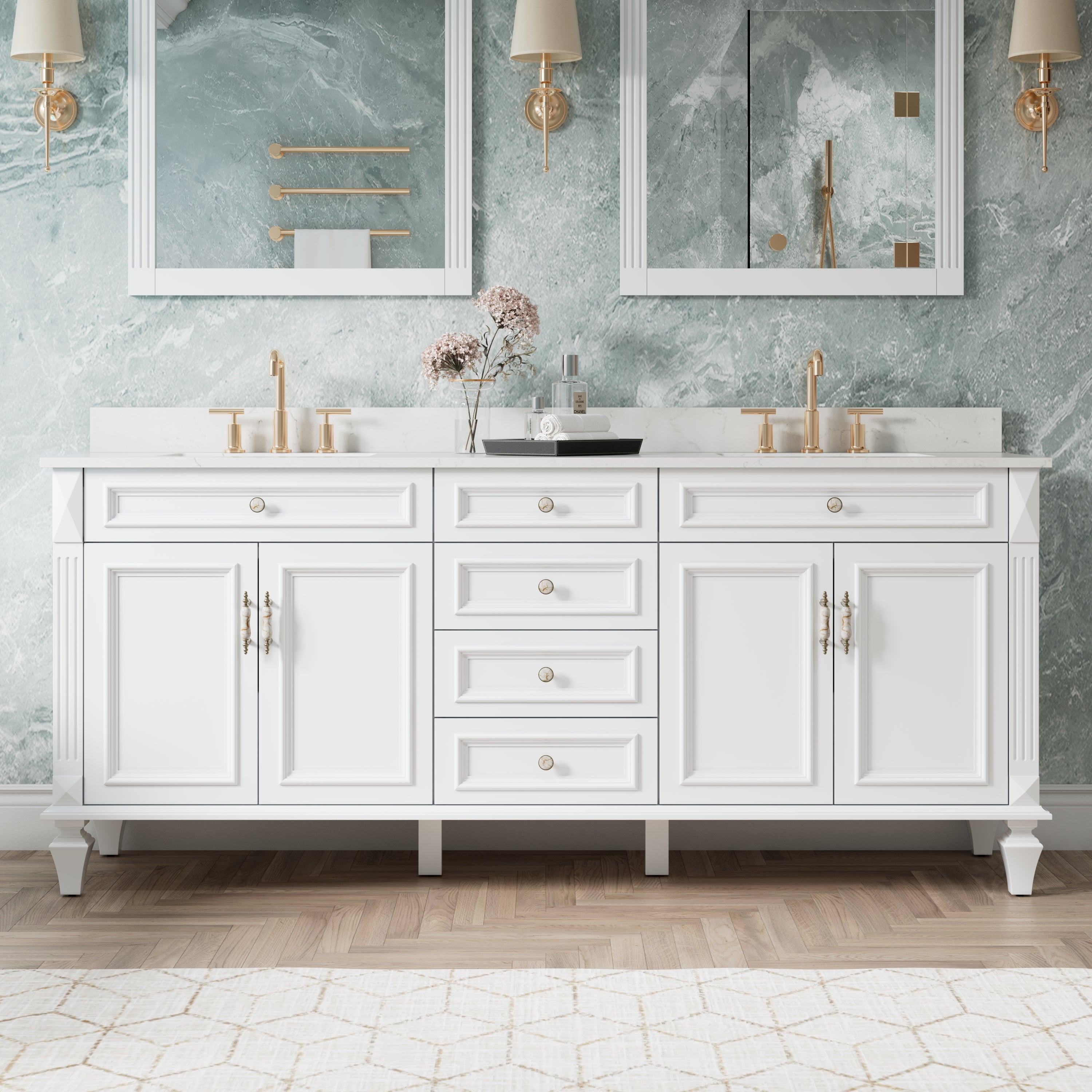
A white vanity can make a bathroom feel tidier with very little effort. The room looks more intentional, even before you style it. You do not need much on the counter. A soap dispenser, a tray, maybe a small vase, and the space already feels finished.
That is part of the appeal people respond to, even when they cannot name it directly.
3. The Real Benefits, and the Drawbacks Buyers Should Be Honest About
The advantages are easy to understand. White helps brighten the room. It works with almost any design direction. It supports resale better than more polarizing finishes. It also makes future updates easier, since you are not locked into a narrow palette.
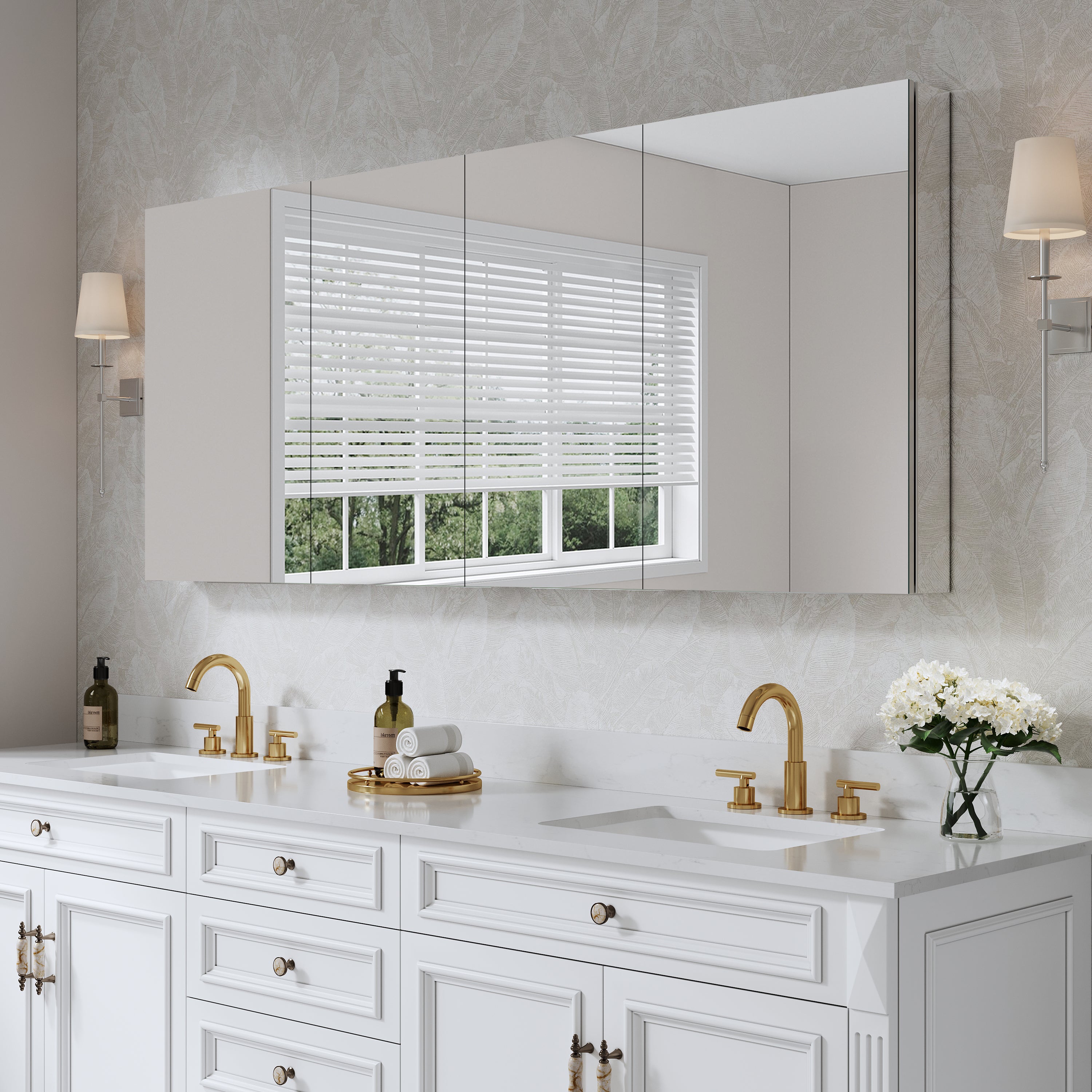
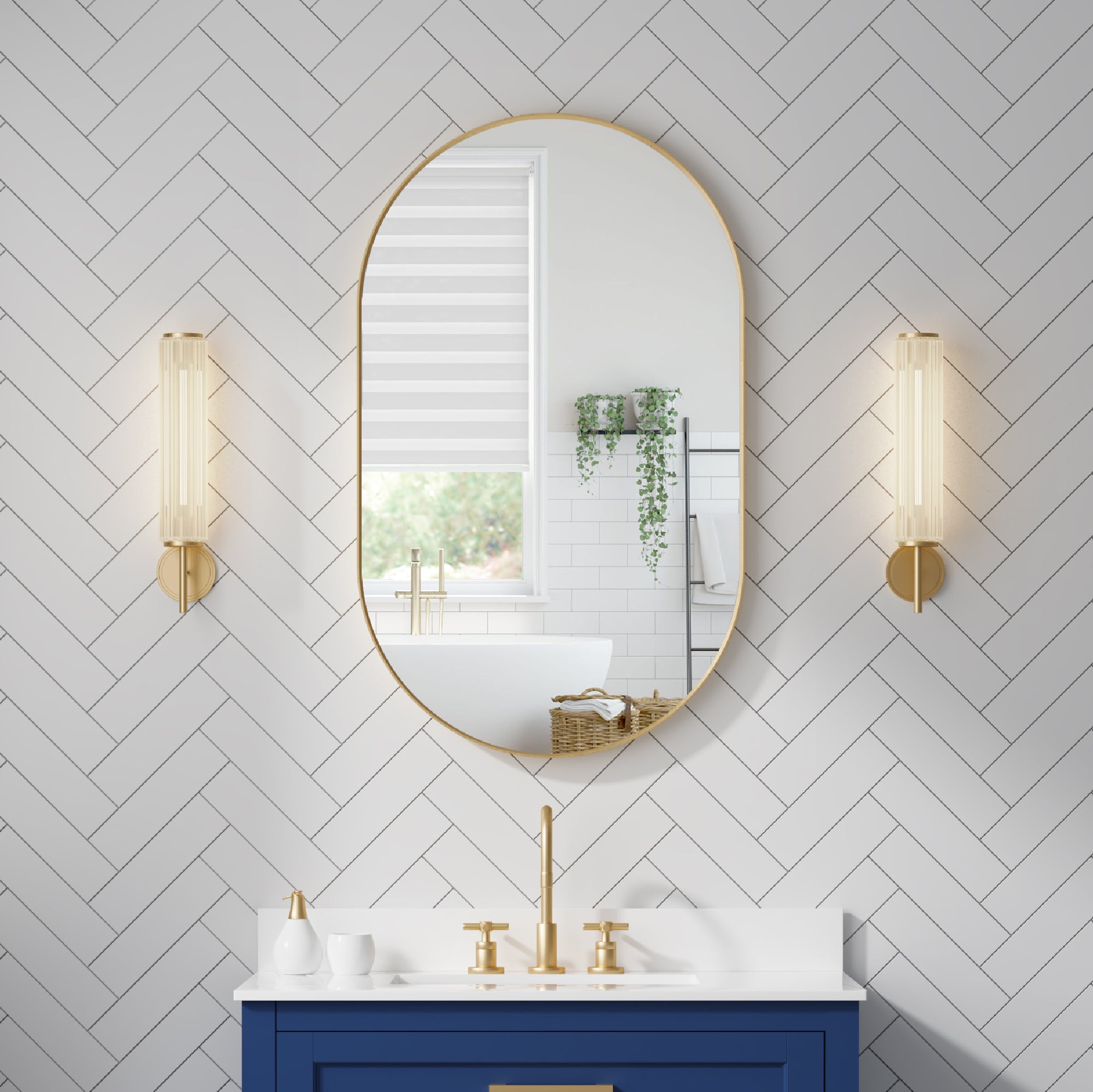
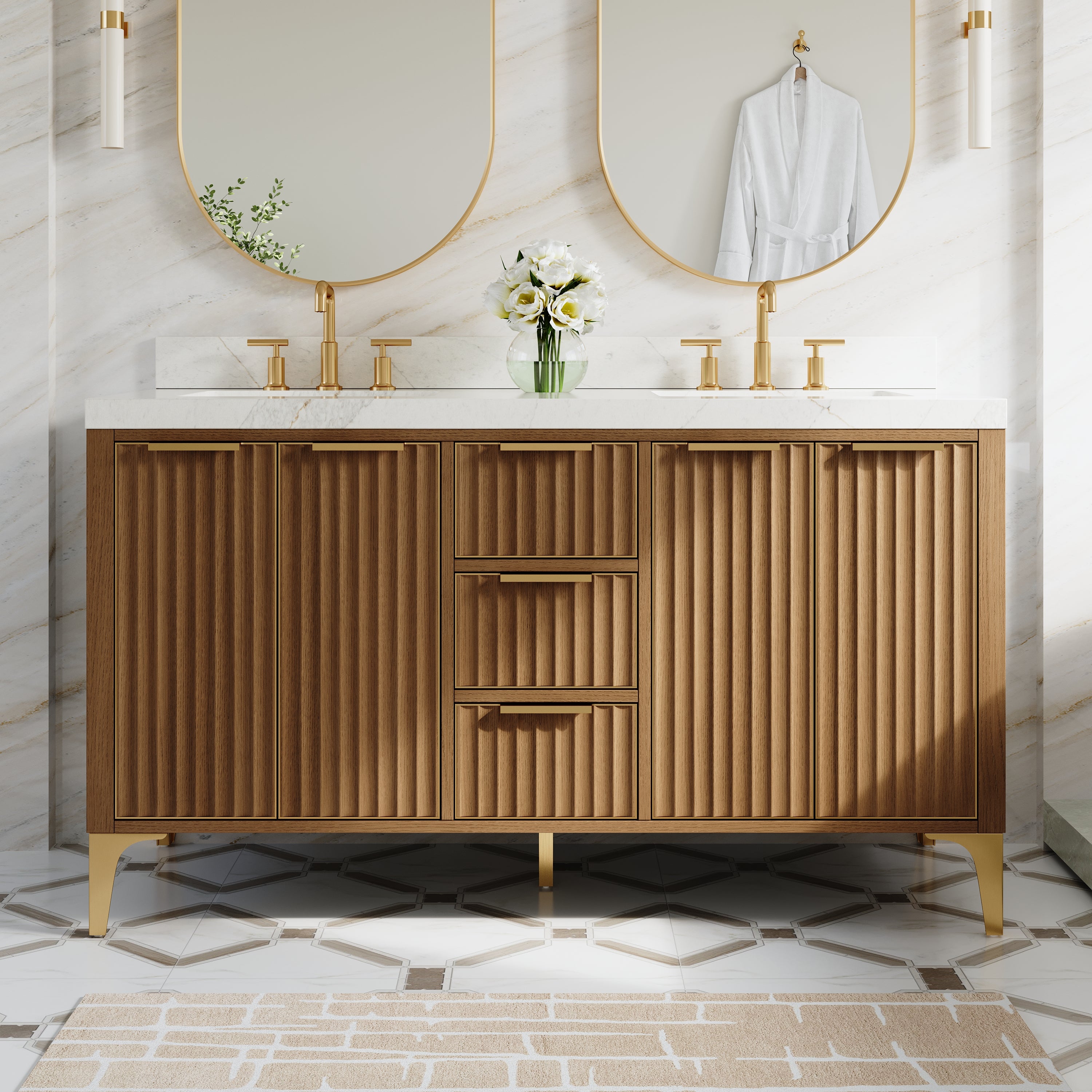
There is another benefit I think people overlook: white gives you more freedom elsewhere. If you love patterned floor tile, a bold mirror, fluted wall texture, or statement sconces, the vanity does not need to compete. It steadies the room.
Still, white is not maintenance-free. That needs to be said clearly.
Poorly finished white cabinets can chip around corners and drawer fronts. Cheap glossy finishes may show scratches. If the vanity has too much decorative trim, it can collect dust and make cleaning more annoying than buyers expect. White also reveals certain messes quickly, especially makeup residue, hair product splashes, and tinted soap drips.
That visibility is not always a bad thing. In practice, it often means homeowners clean the vanity sooner, which helps it stay in better shape. But buyers should know what they are signing up for.
When white may not be the right answer
If the entire bathroom is already white, from tile to walls to countertop, a white vanity can flatten the room unless there is enough texture and contrast elsewhere. In those cases, natural wood shelving, darker hardware, a framed mirror, or warmer lighting can keep the space from feeling washed out.
I am also cautious about low-quality white vanities in high-use bathrooms. If the finish is weak, wear shows up fast. The problem is not the color itself. It is the construction hiding behind it.
4. What to Check Before Buying One
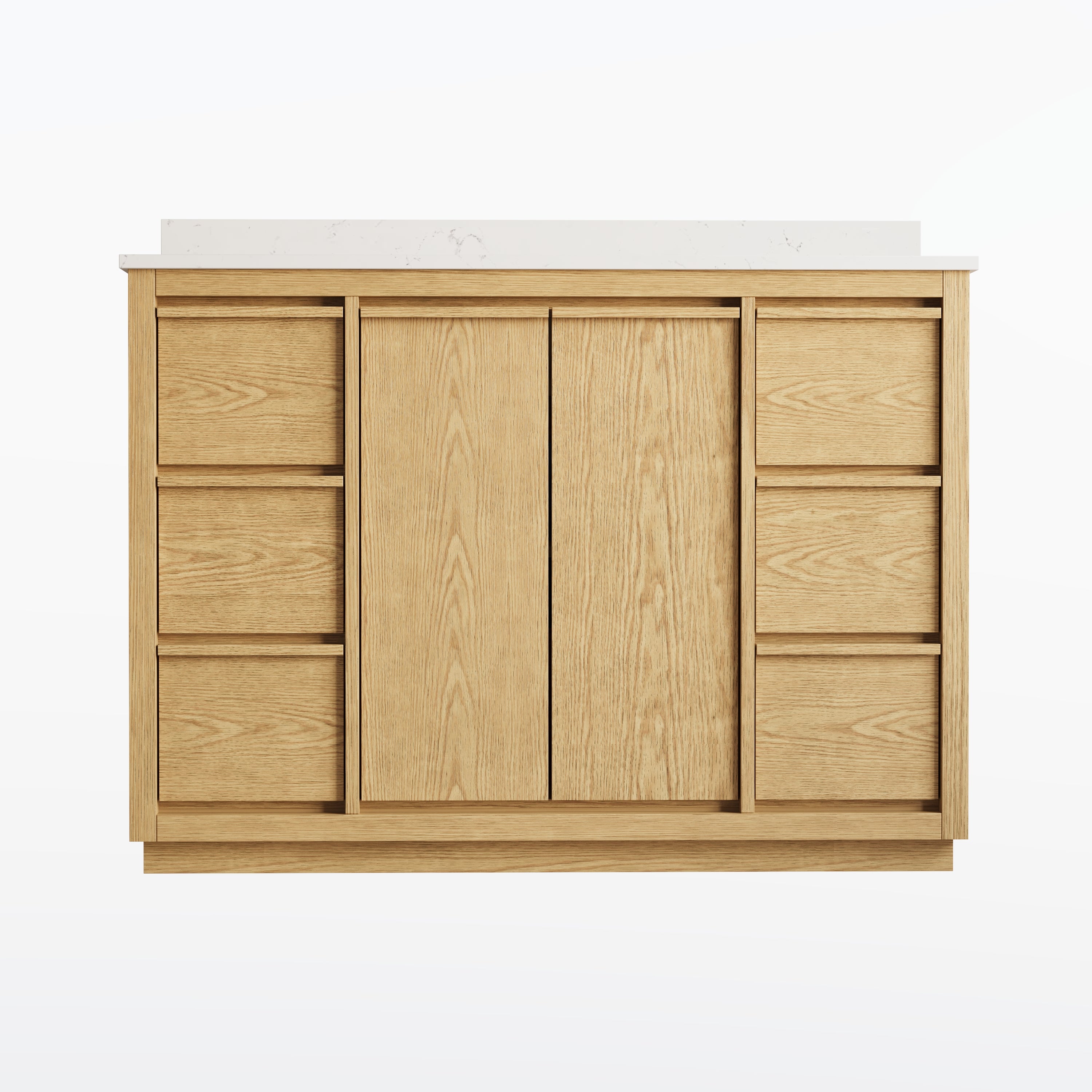
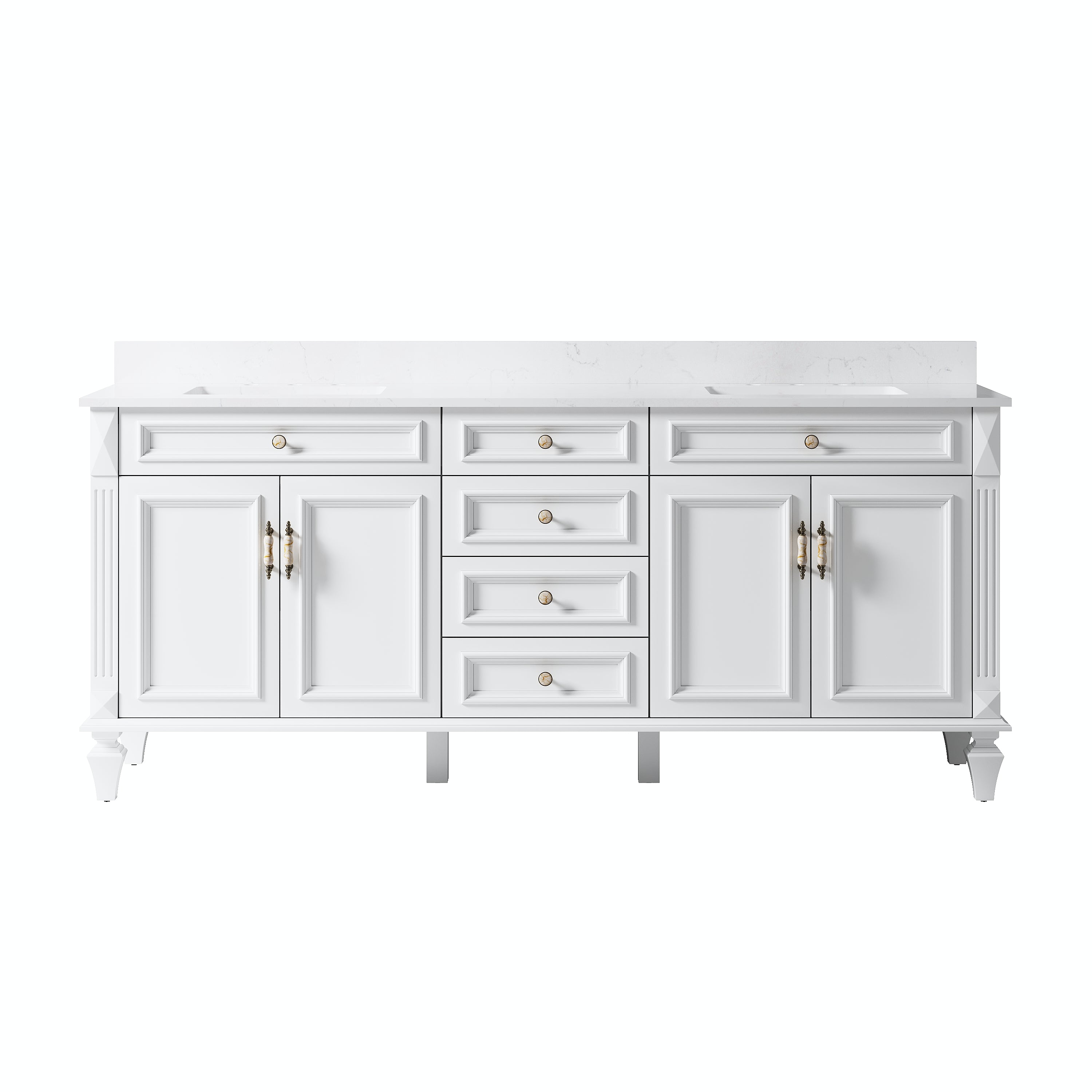
Start with the basics: construction, finish, and storage layout. A white vanity needs moisture-resistant materials, durable drawer glides, and a painted or sealed surface that can handle real bathroom conditions. A beautiful product photo tells you almost nothing about how it will age.
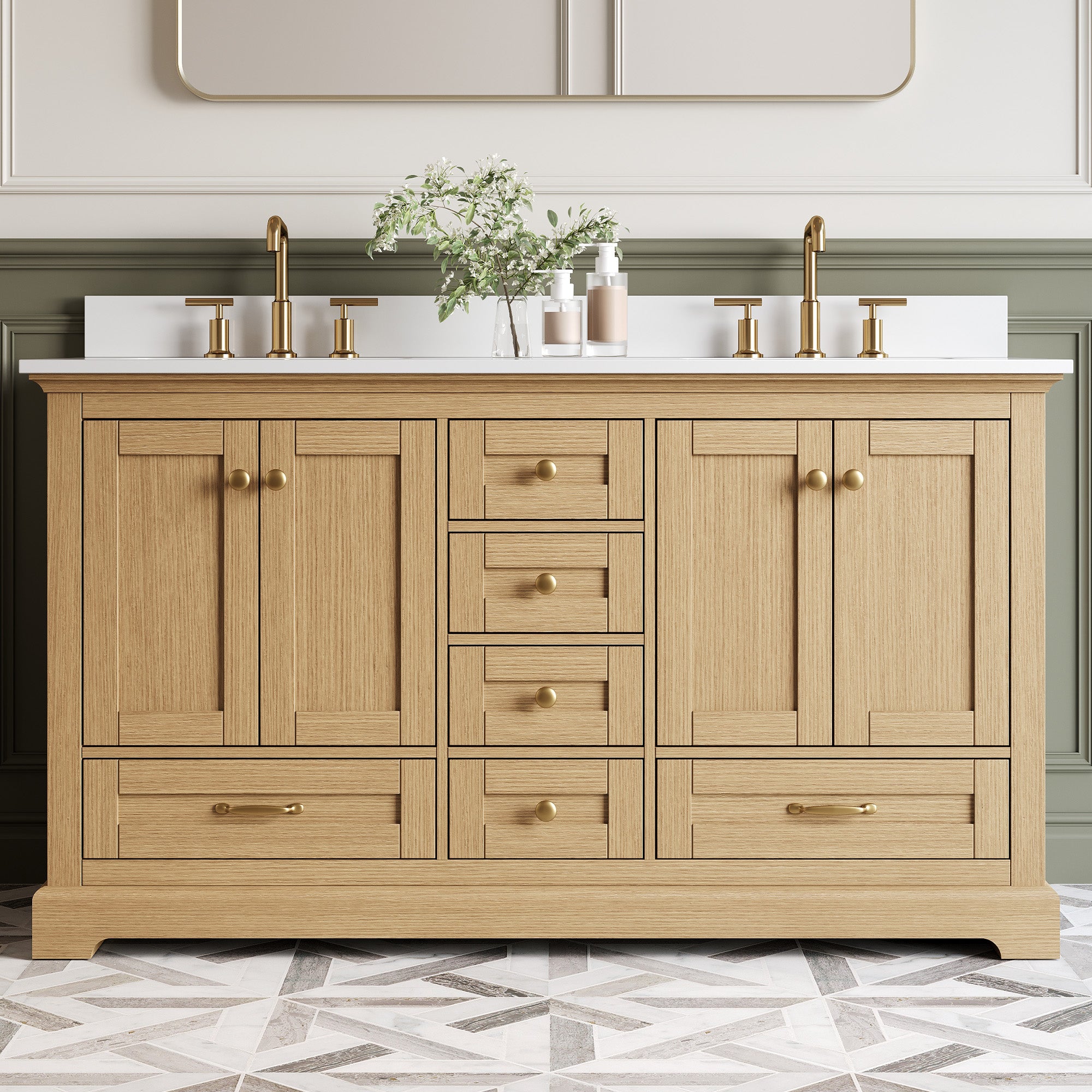
Then look at the shape. In compact bathrooms, bulky furniture-style bases can feel heavier than a simpler white vanity with cleaner lines. Floating models often make a small bathroom feel larger. Freestanding vanities can offer more storage and a more substantial look. The right answer depends on the room.
Depth matters too. I’ve seen buyers choose the correct width and still regret the purchase because the vanity projected too far into the walkway. In bathrooms, that kind of mistake is impossible to ignore once the piece is installed.

5. Installation and Maintenance Advice That Pays Off Later
A white vanity should be installed carefully because white tends to highlight alignment issues. If the cabinet sits slightly off level, if the backsplash line is uneven, or if the mirror above is not centered properly, the eye notices fast.
Plumbing also needs attention. Slow drips inside the cabinet can quietly damage the finish and interior over time. Good sealing around the sink and backsplash makes a difference too, especially in bathrooms with heavy daily use.
Maintenance is not complicated. Wipe standing water near the faucet and sink edge. Use a soft cloth and non-abrasive cleaner. Clean spills before they settle. Run the exhaust fan long enough to clear steam. Those habits do more to protect a vanity than most people realize.
For homeowners looking at brands like Wellfor, my advice is simple: buy white for its strengths, not just because it feels safe. Choose it when you want brightness, flexibility, and a bathroom that can evolve without starting over. When the construction is solid and the finish suits the room, white bathroom vanities stay popular for a reason. They make bathrooms easier to design, easier to update, and, in many homes, easier to enjoy every single day.



















Leave a comment
This site is protected by hCaptcha and the hCaptcha Privacy Policy and Terms of Service apply.