






















Introduction
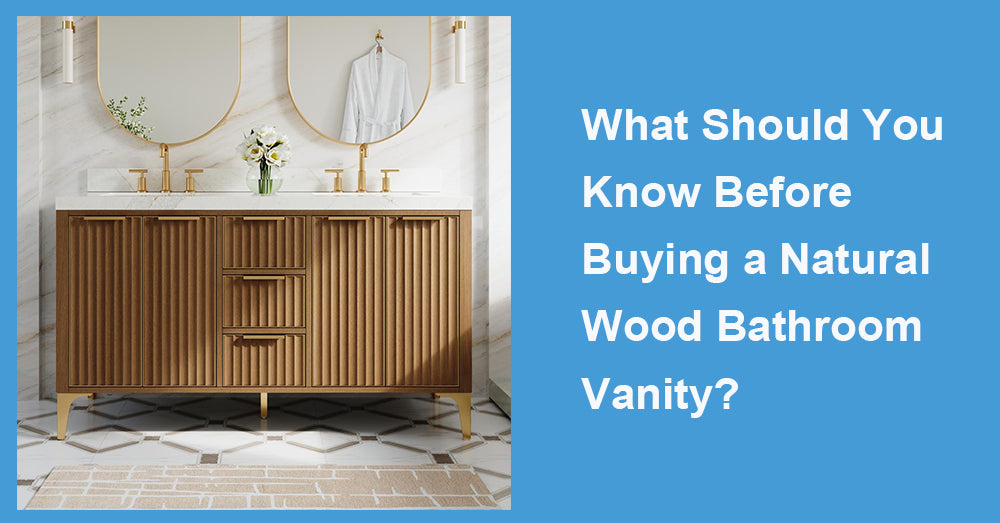
A natural wood bathroom vanity can make a bathroom feel warmer, calmer, and far more considered than many painted alternatives. I’ve seen homeowners spend heavily on tile and lighting, then end up with a room that still feels cold because the vanity had no texture, no depth, and no connection to the rest of the home. Natural wood often fixes that quickly. It brings grain, variation, and a sense of permanence that works especially well in bathrooms meant to feel lived in rather than staged.
Still, it is not a casual purchase. A vanity sits in one of the toughest environments in the house. Steam, splashing water, humidity, and daily wear will expose weak materials fast. Before buying, it helps to know what natural wood does beautifully, where it struggles, and which details separate a lasting piece from an expensive mistake.
1. Why Natural Wood Appeals to So Many Homeowners
There is a reason natural wood keeps showing up in modern bathroom renovations. It softens the room.
Bathrooms are full of cold surfaces by default: porcelain, glass, chrome, stone, ceramic. A natural wood vanity introduces something visual and tactile. Even in a very clean, modern layout, it makes the room feel less rigid. In a transitional or organic-style bathroom, it often becomes the piece that ties everything together.
I find it especially effective in primary bathrooms, guest baths, and powder rooms where people want warmth without clutter. A white vanity can feel crisp. A black vanity can feel dramatic. Natural wood tends to feel grounded. That difference matters when you want the bathroom to age well rather than chase a short-lived trend.
It also pairs easily with a wide range of finishes. Matte black faucets, brushed nickel, warm brass, white quartz tops, creamy stone, even concrete-look tile can all work with the right wood tone.
2. What a Natural Wood Bathroom Vanity Does Well
A well-made natural wood vanity offers more than good looks. It gives the bathroom visual depth, which is something many flat-painted vanities struggle to provide. Grain variation adds movement. The room feels layered without needing bold wallpaper or overly decorative tile.
It can also help the bathroom connect with the rest of the home. If there are wood floors nearby, warm trim, woven textures, or neutral furnishings, natural wood in the bathroom feels intentional. The room stops feeling isolated from the rest of the house.
In daily life, some wood finishes also hide light dust and minor marks better than bright painted cabinets. Not perfectly. But often enough to make routine upkeep feel less fussy.
A common misconception about “natural wood”
Many buyers assume “natural wood” always means solid wood throughout. That is rarely the full story.
Some vanities use solid wood on drawer fronts or legs, with plywood or veneer construction elsewhere. That is not necessarily a problem. In fact, high-quality plywood can be more stable than solid wood in humid conditions. What matters is how the vanity is built, how well it is sealed, and whether the materials are appropriate for a bathroom. A natural finish alone does not guarantee quality.
Where the limitations show up
Natural wood has real weaknesses if the construction is poor or the bathroom is badly ventilated. Repeated moisture exposure can lead to swelling, finish wear, discoloration, or edge damage. If water sits around the sink cutout or runs down unfinished seams, the vanity will show it.
It can also be the wrong visual choice in some rooms. In a very small bathroom, a dark or bulky wood vanity may make the space feel heavier than it should. In bathrooms aiming for a bright, crisp, almost hotel-like look, painted finishes sometimes support the design better.
3. What to Check Before You Buy
Start with the build quality. Ask what the cabinet box is made from. Ask whether the finish is sealed for moisture resistance. Check the joinery, drawer glides, hinges, and interior construction. I always tell buyers to stop looking only at the front photo. Open the product details mentally. The inside tells you more than the outside.
Then look at the tone of the wood. This gets overlooked all the time. Some natural wood finishes run golden. Some lean neutral. Others have a slightly gray or reddish cast. If the undertone fights with the flooring, tile, or wall color, the bathroom never feels settled, no matter how expensive the vanity was.
Size matters too, of course. But depth matters just as much as width. I’ve seen buyers choose a beautiful vanity that technically fit the wall, yet made the room uncomfortable because it projected too far into the walkway. In bathrooms, inches matter.
Real buying advice from practical use
Think about who is using the bathroom and how. A guest bath may need visual impact more than maximum storage. A shared family bath needs drawers that can actually organize daily products. A primary bathroom might benefit from more counter space, better drawer layout, and a finish that still looks good under both daylight and vanity lighting.
If you are comparing options from a brand like Wellfor, do not stop at the wood finish photo. Look at storage configuration, countertop compatibility, hardware quality, moisture resistance, and installation details. The right vanity should work hard, not just photograph well.

4. Installation and Maintenance Matter More Than People Expect
A natural wood vanity needs correct installation to last. It should be level, properly supported, and carefully sealed where the top meets the wall or backsplash. Plumbing connections need to be tight. Small leaks inside the cabinet do more damage than most homeowners realize because they often go unnoticed until the finish begins to fail.
Ventilation matters just as much. A good exhaust fan protects wood more than people think. If the bathroom traps steam after every shower, even a good vanity will age faster than it should.
Maintenance is simple, though it rewards consistency. Wipe standing water near the sink edge. Do not leave wet towels hanging over cabinet faces day after day. Use a soft cloth and a gentle cleaner, not anything abrasive or overly harsh. If the finish starts to look dry or tired, deal with it early rather than waiting for visible damage.
A natural wood bathroom vanity is a smart buy when you want the bathroom to feel warmer, more architectural, and more connected to the rest of your home. Just be honest about the room it is going into. Buy for construction, not just color. Choose a tone that works with your light and finishes. Install it carefully, keep moisture under control, and a natural wood bathroom vanity can reward you for years in a way trendier choices often do not.









































Leave a comment
This site is protected by hCaptcha and the hCaptcha Privacy Policy and Terms of Service apply.