






















Introduction
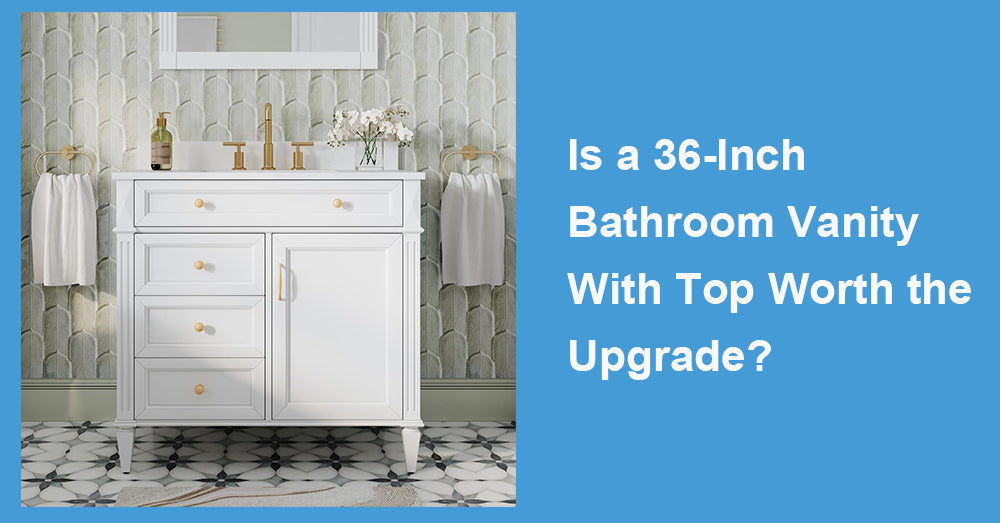
A 36-inch bathroom vanity with top is one of those upgrades that looks simple on paper but can make a bathroom feel far more finished in real life. I’ve seen homeowners spend weeks debating tile, mirrors, and faucet finishes, then realize the vanity was the piece that changed the room most. In many bathrooms, especially guest baths, hall baths, and smaller primary spaces, this size hits a practical middle ground: enough storage, enough counter space, and a cleaner installation path than piecing everything together separately.
Still, it is not automatically the best buy for every remodel. Sometimes it is exactly the right upgrade. Sometimes it only sounds convenient until the layout, material quality, or storage design tells a different story.
1. Why This Size-and-Top Combination Appeals to So Many Homeowners
A 36-inch vanity has long been a dependable choice because it usually gives one person everything needed for daily use without taking over the room. Add the top, and the package becomes even more appealing. Instead of sourcing a cabinet, then a countertop, then checking sink compatibility, edge details, and fit tolerances, buyers get a more complete solution.
That matters more than many people expect.
In renovation work, simplicity often saves both money and frustration. A vanity with top can reduce the number of decisions, shorten installation time, and limit the chance of mismatched pieces arriving from different suppliers. For homeowners who want a polished result without turning the bathroom into a long custom project, that convenience is a real advantage.
It also tends to make budgeting clearer. When the top is included, the upfront price is easier to judge. You are not looking at a cabinet cost that later grows once the sink, stone, backsplash, and fabrication details start piling on.
2. Where a 36-Inch Bathroom Vanity With Top Works Best
This type of vanity performs especially well in bathrooms that need one dependable sink zone rather than a large statement installation. I like it for guest bathrooms, secondary family bathrooms, condos, and smaller primary baths where every inch needs to work hard.
In those rooms, 36 inches often feels balanced. A 30-inch model can start feeling tight once you add soap, toothbrush holders, skincare, and whatever else lands on the counter during a normal week. A 48-inch vanity may offer more room, but in compact layouts it can make the bathroom feel crowded fast. The 36-inch size usually lands right in between.
The included top helps in practical daily use too. When the sink and surface are designed to fit the cabinet properly, the whole unit tends to feel more intentional. There is less guesswork. Less adjusting. Less risk of ending up with proportions that feel slightly off.
A common misconception about the “all-in-one” value
Some buyers assume a vanity with top is always the cheaper and smarter route. Not always.
It is smarter when the included top is durable, properly sized, and visually suited to the room. It is less impressive when the top is thin, the sink bowl is shallow, or the material feels like an afterthought added only to make the listing look complete. I’ve seen some vanities where the cabinet was solid but the top was the weak link. That is why this category needs a closer look, not blind trust.
3. The Real Benefits of Upgrading
The first benefit is convenience, but that is not the only one. A 36-inch bathroom vanity with top can also create a more cohesive look. The proportions between the cabinet and sink are already resolved, which often gives the room a neater, more finished appearance.
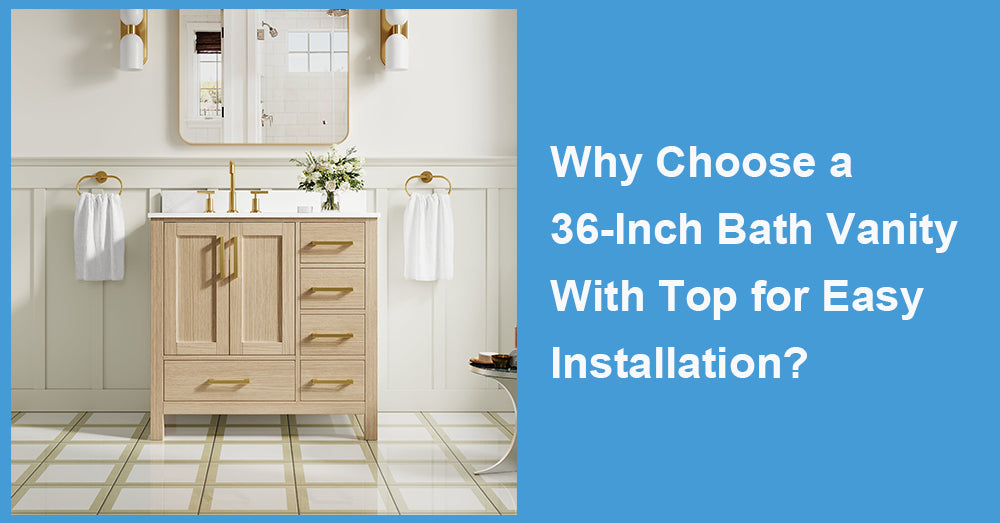
There is also installation efficiency. Contractors generally prefer fewer moving parts when possible. A well-made vanity with an included top can speed up the process, especially when the plumbing location is straightforward and the measurements align cleanly. That matters in busy households where nobody wants the bathroom out of service longer than necessary.
Storage is another reason this upgrade makes sense. Many 36-inch models offer a useful combination of drawers and cabinet space, enough for spare toiletries, cleaning products, hand towels, and daily essentials. For one sink station, that is often all a bathroom really needs.
And from a design standpoint, this size works across many styles. You can find it in modern floating versions, clean-lined transitional designs, classic shaker profiles, and warmer wood looks. Brands like Wellfor understand why that range matters. Homeowners want function, but they also want the vanity to look like it belongs in the room rather than merely fitting into the opening.
Where the upgrade may fall short
There are limits. If two adults use the bathroom at the same time every morning, a single 36-inch vanity may feel restrictive. If the included top has very little side space around the sink, the counter can feel smaller than the dimensions suggest. And if the bathroom has unusual plumbing placement, some preassembled tops may leave less flexibility than a more customized setup.
Material choice matters too. Cultured marble, ceramic, quartz, and stone-look tops all behave differently. Some resist stains better. Some feel more premium. Some are easier to maintain but less convincing visually. The upgrade is only worth it if the top suits the way the bathroom is used.
4. What to Check Before You Buy
I always tell homeowners to look beyond width first. Check depth, drawer clearance, door swing, and toilet spacing. A 36-inch vanity can fit on paper and still make the room awkward if the front edge interrupts movement or blocks comfortable standing space.
Then study the top itself. Is the sink integrated or undermounted? Does it have enough usable surface area on at least one side? Is the backsplash included? Are the faucet holes pre-drilled in a way that matches your plan? These are the details that separate a smart package from a disappointing one.
Construction matters just as much as finish. A strong cabinet box, moisture-resistant materials, sturdy drawer glides, and a properly sealed top will do more for long-term satisfaction than any showroom lighting ever could.

5. Installation and Maintenance Advice From Real Use
A vanity with top can simplify installation, but it still has to be set correctly. The cabinet must be level. The top must sit securely. Plumbing connections should be clean and checked carefully for slow leaks, especially inside enclosed storage where moisture damage can build quietly.
Maintenance depends on the top material, but the routine is usually straightforward. Use a soft cloth, avoid abrasive cleaners, and wipe standing water near the faucet and sink edge before it has time to linger. In compact bathrooms with weaker airflow, run the exhaust fan long enough to clear humidity. That habit protects both the vanity and the finish more than most people realize.
For most homeowners, a 36-inch bathroom vanity with top is worth the upgrade when the bathroom needs one efficient, well-proportioned sink station and the product is built with real daily use in mind. Buy it for the right reasons: solid construction, a durable top, practical storage, and a layout that respects the room. If those pieces are in place, this upgrade does not just save time. It makes the bathroom easier to live with every single day.










































Leave a comment
This site is protected by hCaptcha and the hCaptcha Privacy Policy and Terms of Service apply.