














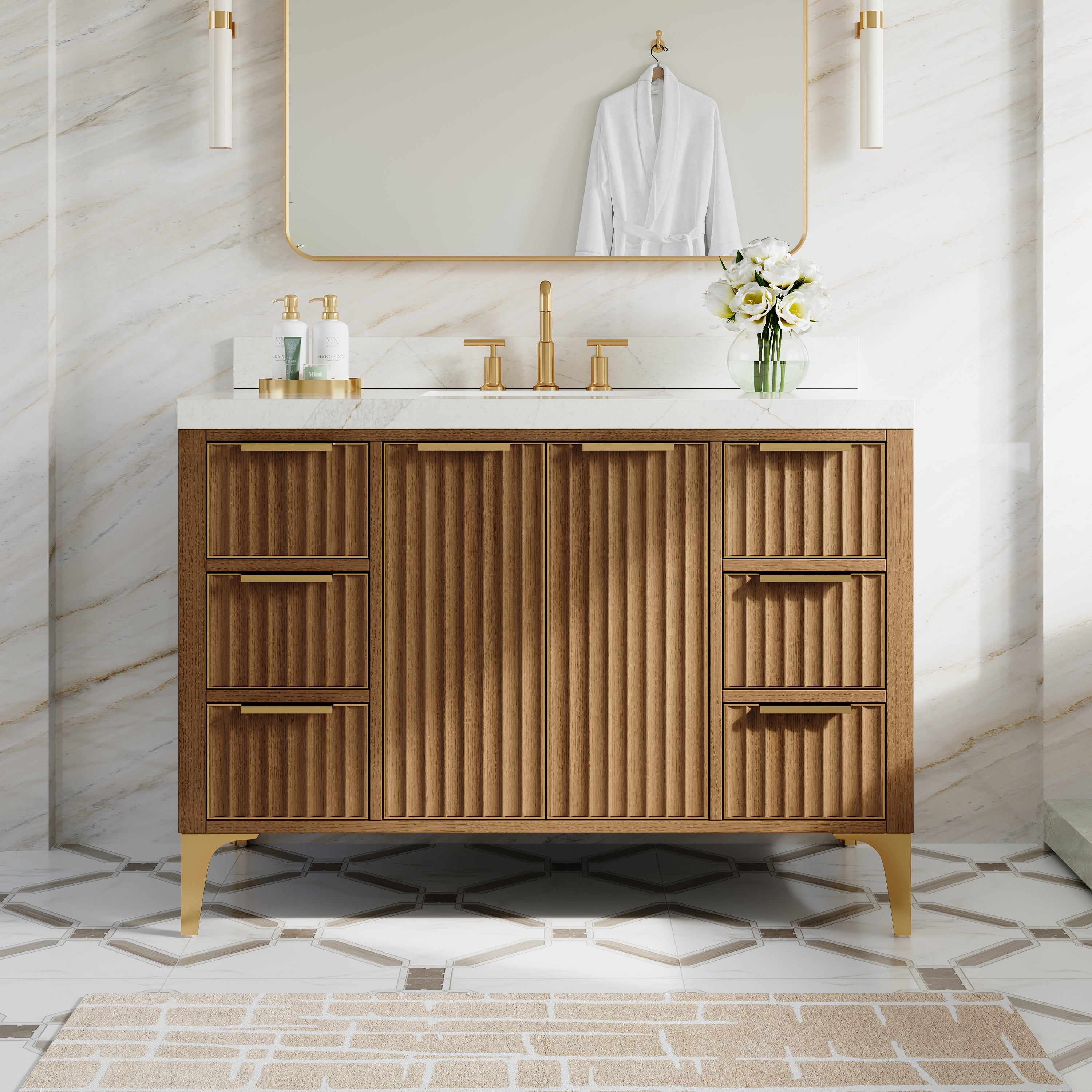
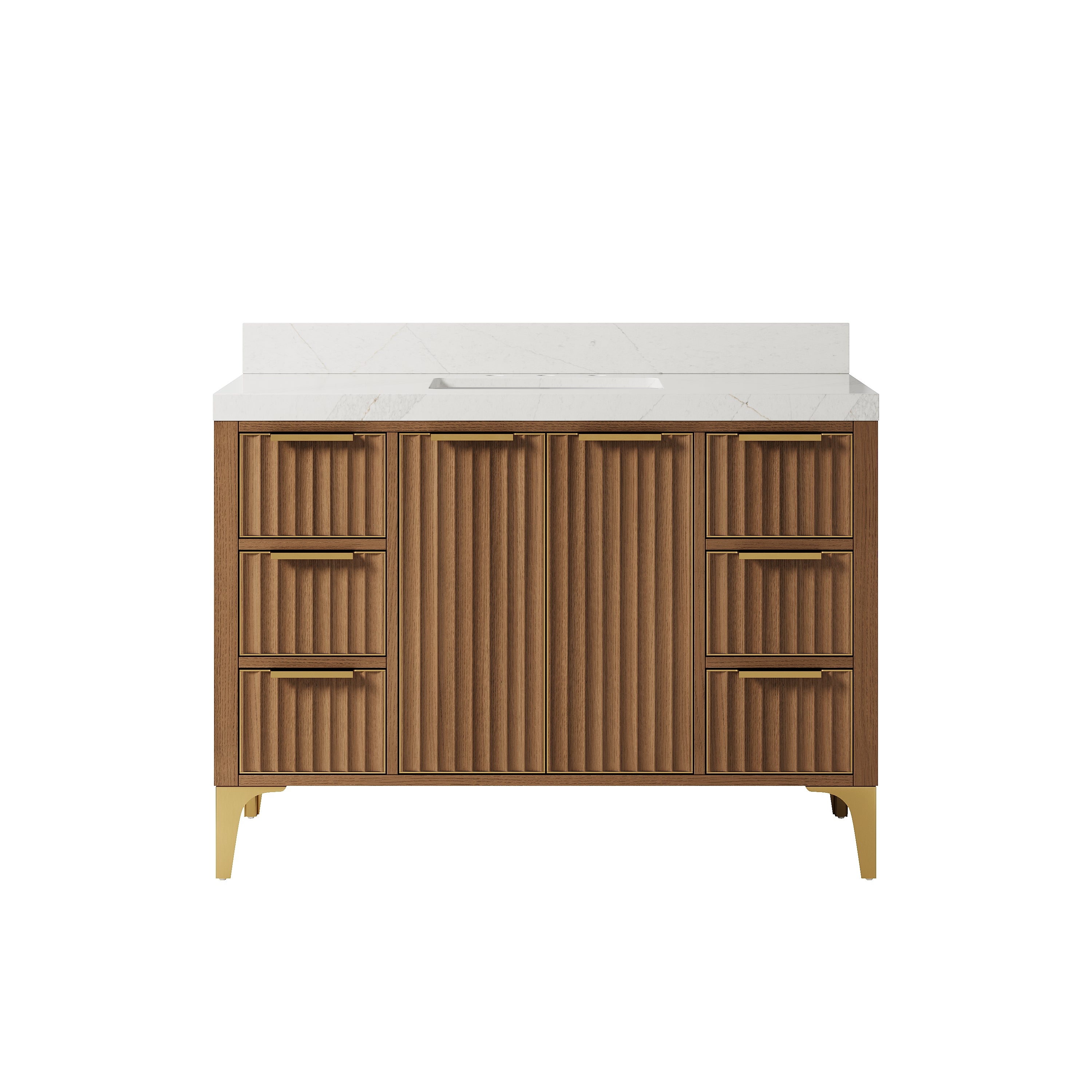


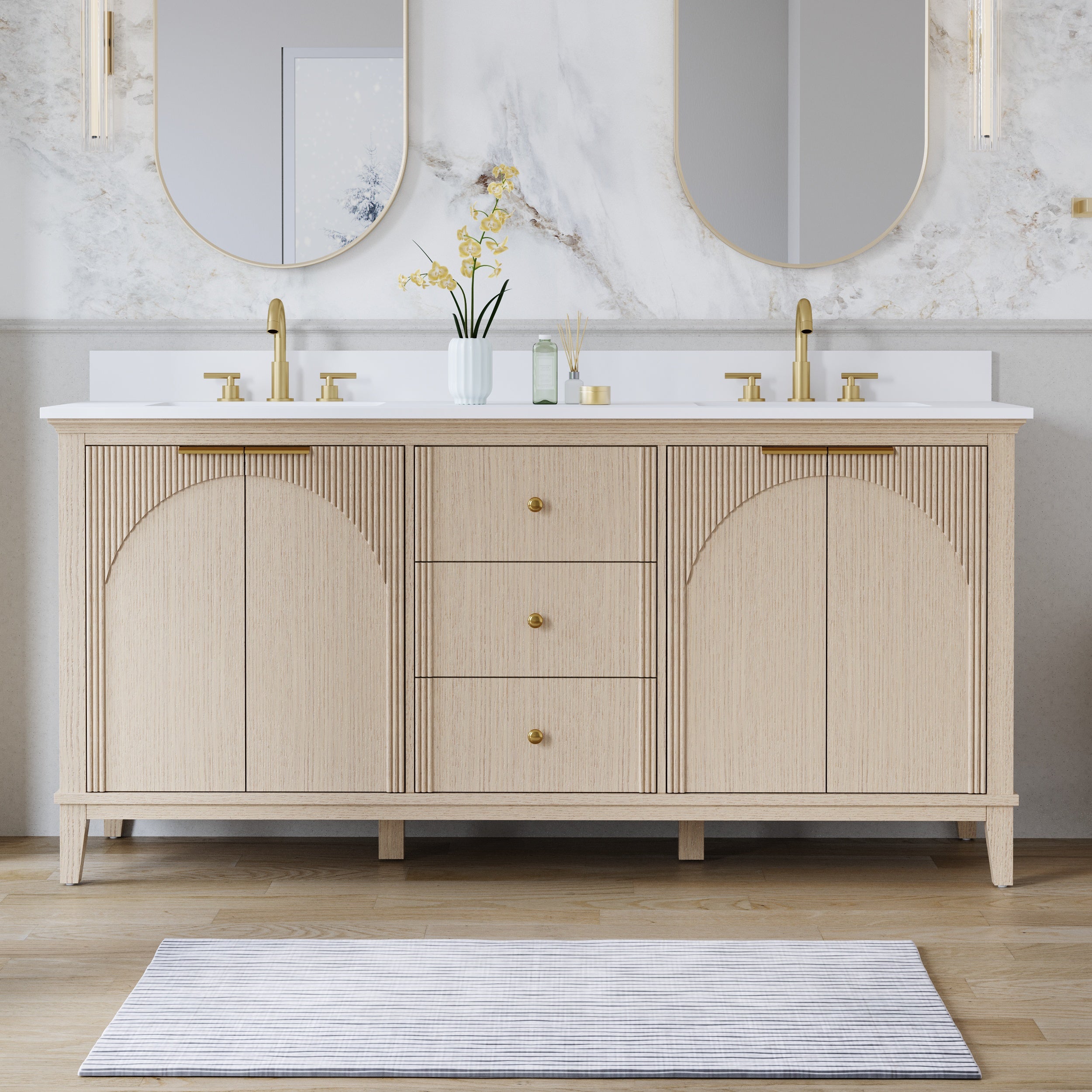
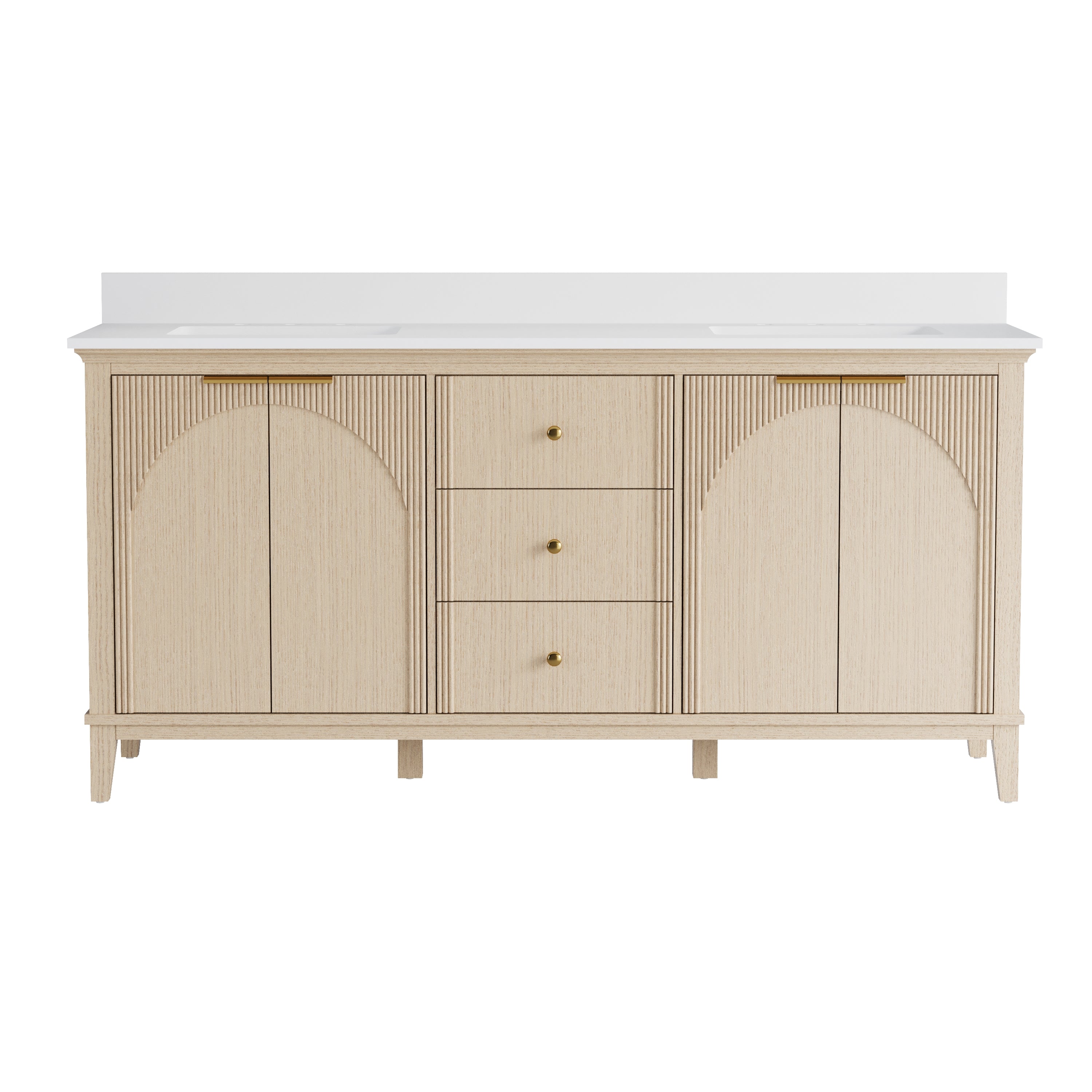


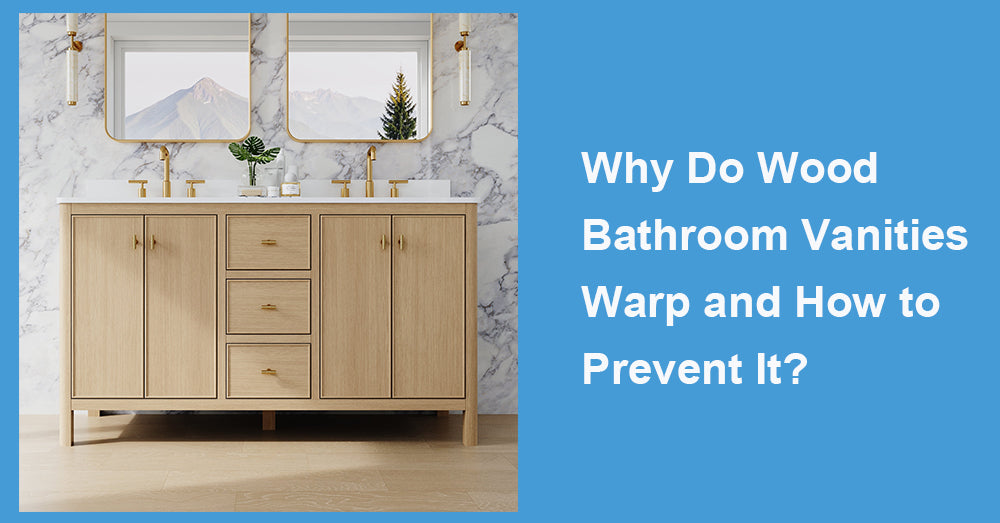
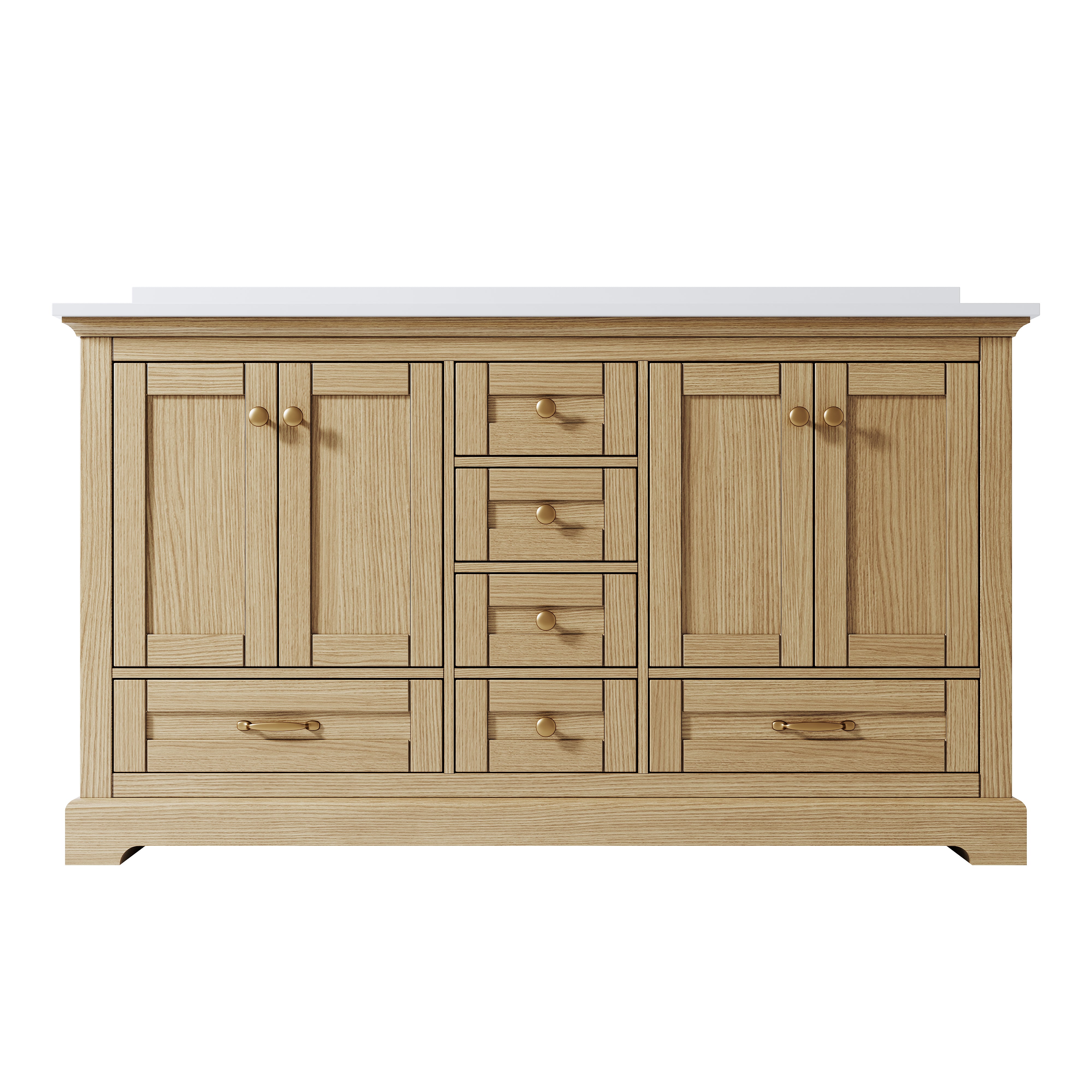
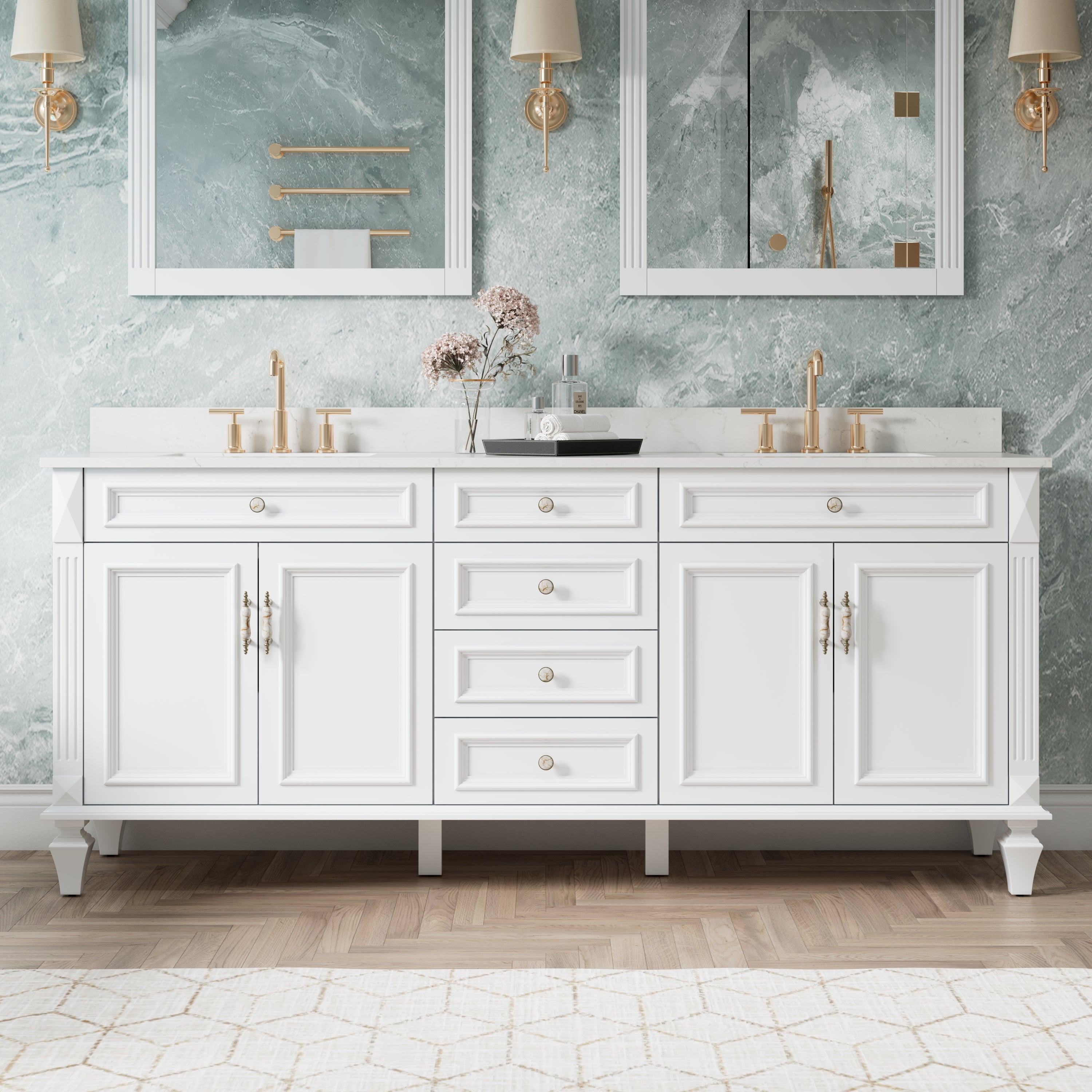
In modern bathroom construction, wood bathroom vanities remain one of the most popular choices because of their natural texture, warmth, and design flexibility. However, wood is also a moisture-sensitive material, and warping remains one of the most common long-term issues in humid bathroom environments. With renovation spending projected to reach around $518 billion by 2026, durability expectations for bathroom furniture are increasing, pushing manufacturers to improve sealing, structure, and moisture resistance standards across product lines.
1. What actually causes wood vanities to warp
Warping is not a single failure—it is the result of uneven moisture absorption and structural stress inside wood fibers. Bathrooms create ideal conditions for this imbalance due to constant humidity changes from showers, sinks, and steam exposure.
The main causes include:
· Repeated humidity cycles that cause expansion and contraction
· Direct water exposure near sinks or countertop edges
· Poor sealing on exposed wood surfaces
· Insufficient ventilation in enclosed bathroom spaces
· Use of low-density engineered wood without moisture barriers
When one side of a cabinet absorbs more moisture than the other, the material expands unevenly, leading to bending, twisting, or surface deformation.
2. Why bathrooms are a high-risk environment for wood
Bathrooms are one of the most demanding environments for wood furniture because they combine heat, humidity, and frequent water contact in a confined space.
Industry environmental data shows indoor relative humidity in bathrooms can regularly exceed 60%–80% during and after hot showers, far above the stable indoor range typically recommended for wood furniture longevity. This repeated fluctuation is what accelerates structural stress over time.
Unlike kitchens, where moisture exposure is more predictable, bathrooms create rapid humidity spikes followed by drying cycles, which is especially damaging to untreated or poorly sealed wood surfaces.
3. Solid wood vs engineered wood: different warping behavior
Not all wood vanities respond the same way to moisture.
Solid wood vanities:
· More resistant to surface damage
· Can expand and contract naturally
· Require proper sealing to maintain stability
· Better long-term repair potential
Engineered wood (plywood, MDF, particle board):
· More dimensionally stable when sealed correctly
· Can fail faster if edges are exposed
· More sensitive to water intrusion at joints
Interestingly, both materials can warp, but the failure mechanism differs. Solid wood tends to move gradually, while engineered boards may fail abruptly if moisture penetrates internal layers.

4. Design factors that increase warping risk
Even high-quality materials can fail if the design does not account for moisture behavior.
Common risk factors include:
· Large flat panels without structural reinforcement
· Poor ventilation behind or inside cabinets
· Unsealed cut edges around sinks or plumbing openings
· Direct floor contact in humid bathrooms
· Thin back panels that absorb moisture quickly
Vanities installed tightly against damp walls are especially vulnerable because airflow is restricted, allowing moisture to accumulate over time.
5. The role of countertop and sink integration
Countertop installation plays a major role in preventing wood deformation. Many modern vanities use integrated or pre-sealed tops to reduce water penetration points.
Engineered quartz countertops, which account for roughly 45% of bathroom countertop upgrades, are widely used because they are non-porous and reduce long-term moisture exposure around sink cutouts.
However, even with durable countertops, poor sealing around edges can still allow water to seep into the cabinet structure, gradually leading to swelling or warping underneath.
6. Installation mistakes that lead to long-term deformation
Many warping issues are not caused by the product itself but by installation conditions.
Key mistakes include:
· Installing vanities before drywall or flooring fully dries
· Skipping silicone sealing along wall contact points
· Failing to level cabinets, creating uneven water pooling zones
· Ignoring plumbing leaks or condensation buildup under sinks
Even small leaks over time can introduce enough moisture to distort cabinet geometry.
7. How to prevent wood vanity warping effectively
Prevention is a combination of material selection, design, installation, and maintenance.
Best prevention strategies include:
· Applying high-quality waterproof sealants on all wood surfaces
· Ensuring proper bathroom ventilation with exhaust fans
· Leaving slight airflow gaps between vanity and wall
· Using water-resistant finishes on exposed edges
· Regularly checking plumbing connections for hidden leaks
Ventilation is especially important because consistent air exchange prevents humidity from reaching saturation levels that accelerate wood expansion.
8. Maintenance habits that extend vanity lifespan
Long-term durability depends heavily on daily habits rather than just product quality.
Simple practices include:
· Wiping water spills immediately around sink areas
· Avoiding standing water on countertop edges
· Keeping cabinet interiors dry and ventilated
· Re-sealing exposed wood surfaces periodically if needed
Renovation durability studies consistently show that moisture management is one of the strongest predictors of bathroom cabinet lifespan, often more important than material type alone.
9. When warping becomes irreversible
In early stages, minor warping may stabilize once moisture levels balance. However, irreversible damage occurs when:
· Fiber structure breaks down due to prolonged saturation
· Adhesive layers in engineered wood fail
· Mold or rot begins forming inside cabinet layers
At this stage, structural replacement is often the only reliable solution.
10. The bottom line: moisture control is the real protection
Wood bathroom vanities are not inherently prone to failure, but they are highly sensitive to environmental control. Warping is almost always a result of long-term exposure to uncontrolled humidity rather than a single event.
With proper sealing, ventilation, and installation discipline, wood vanities can remain stable for many years even in high-moisture environments. As bathroom design continues to emphasize natural materials and warm finishes, moisture management is becoming the defining factor that separates short-term installations from long-lasting ones.





























Leave a comment
This site is protected by hCaptcha and the hCaptcha Privacy Policy and Terms of Service apply.