
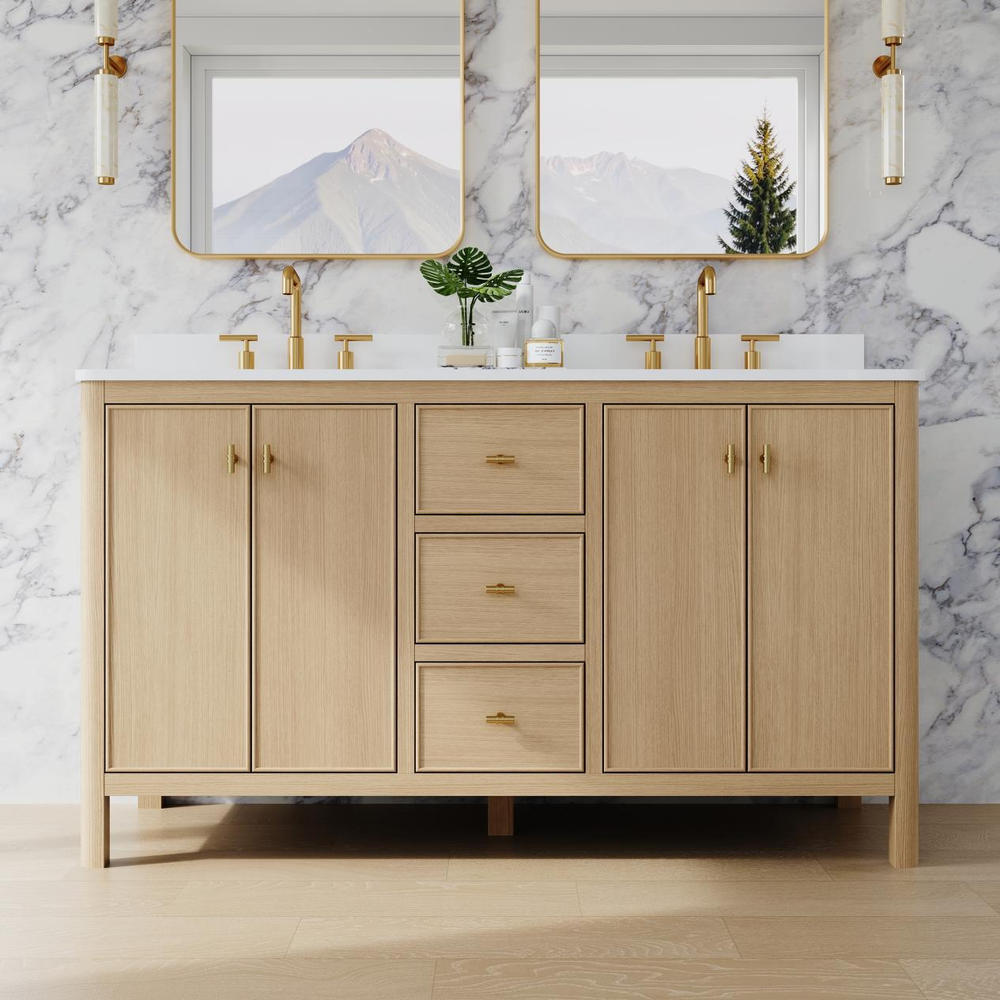
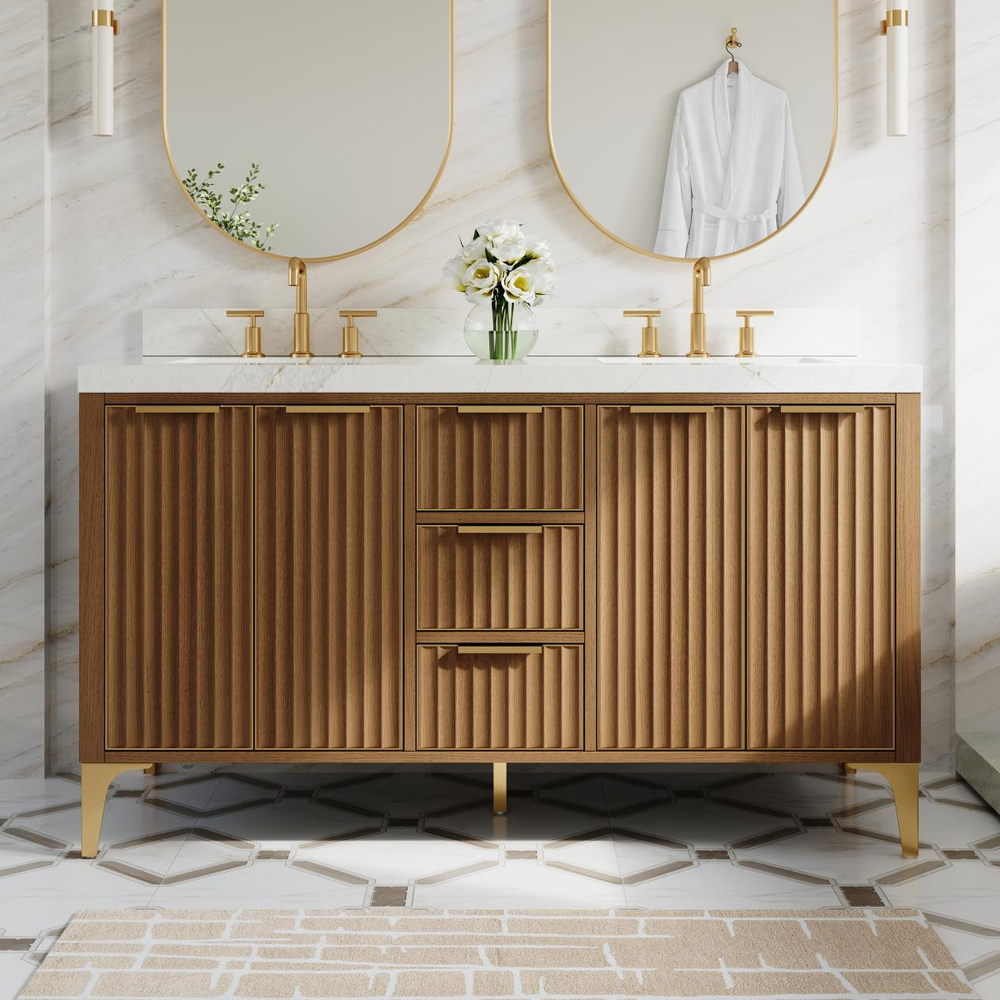



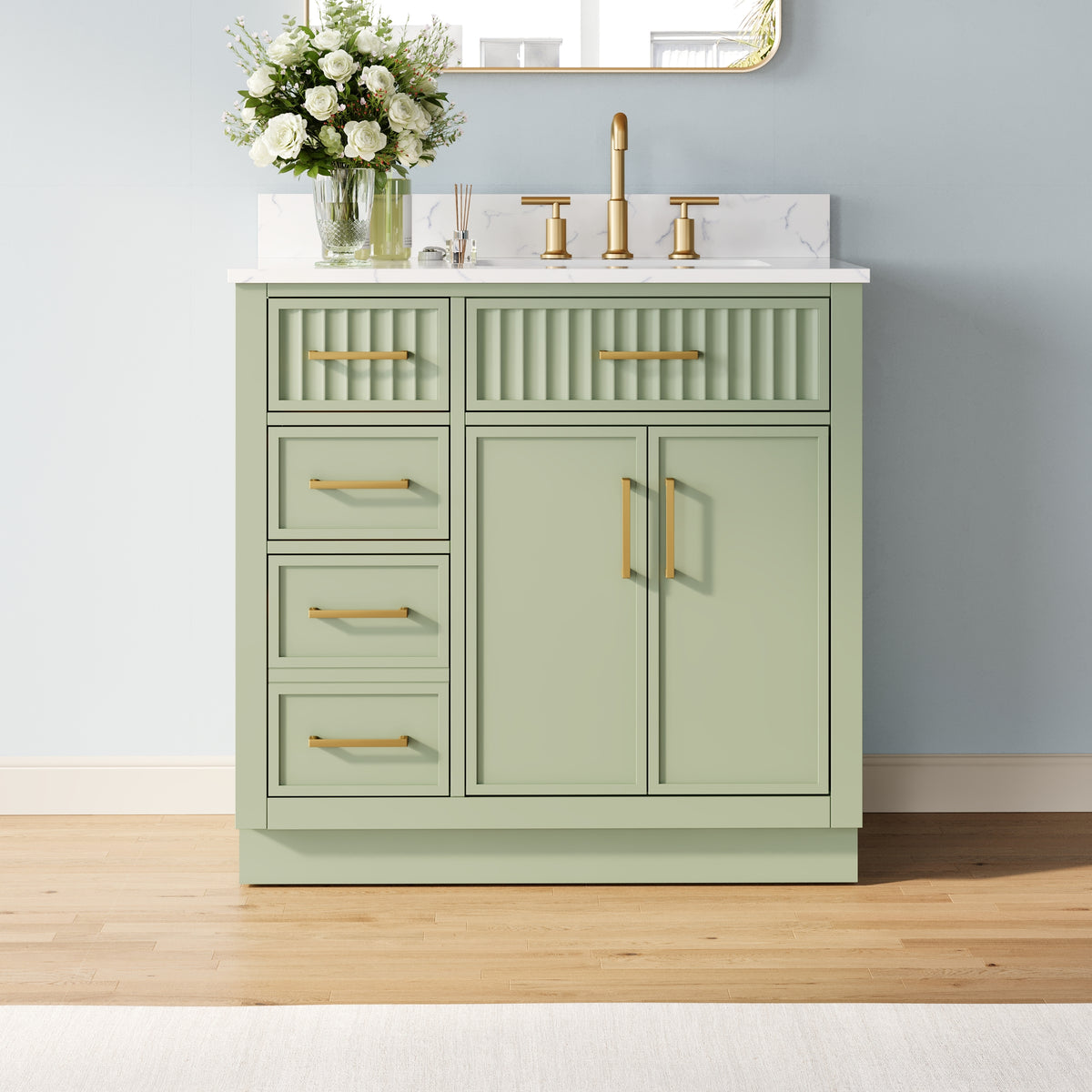
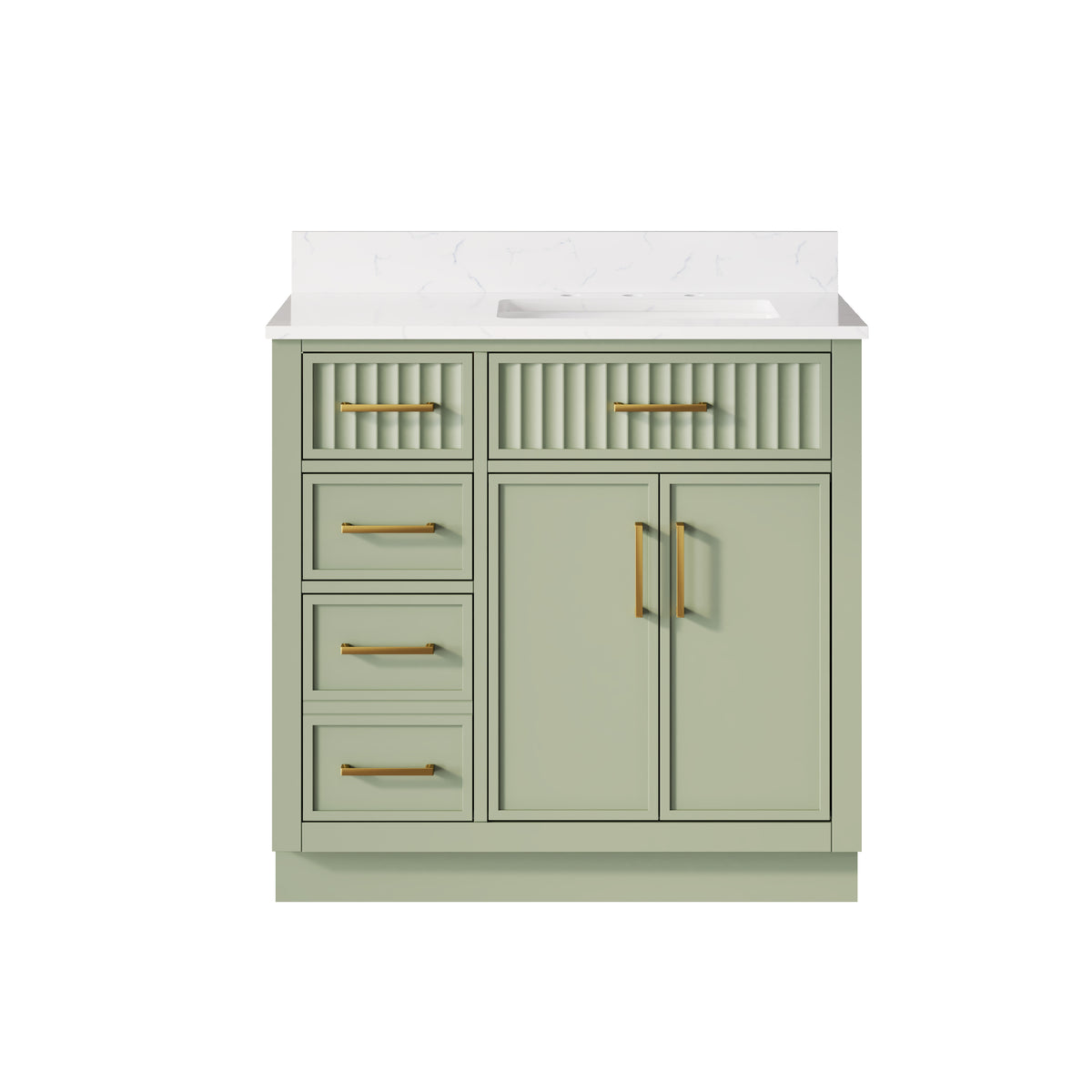
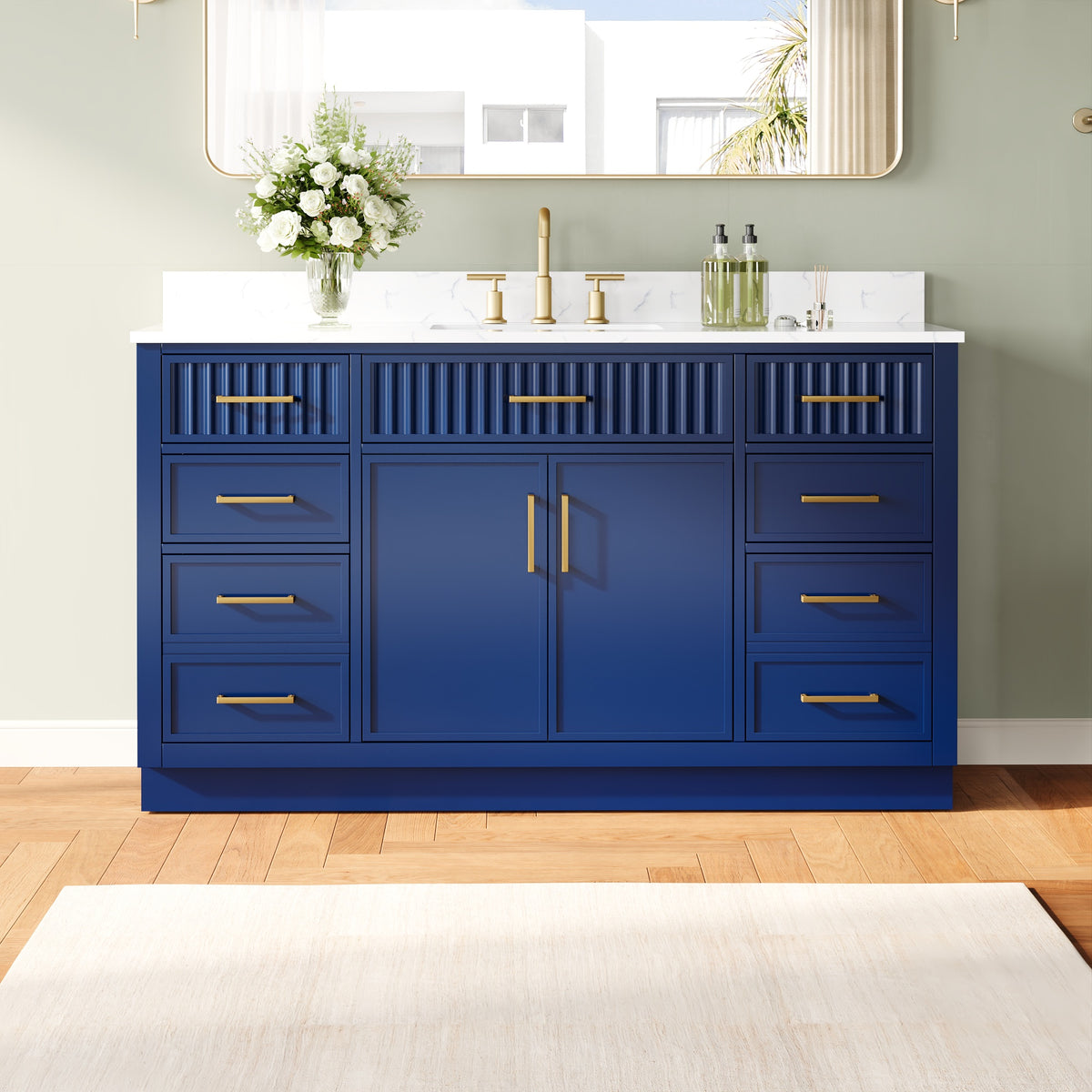
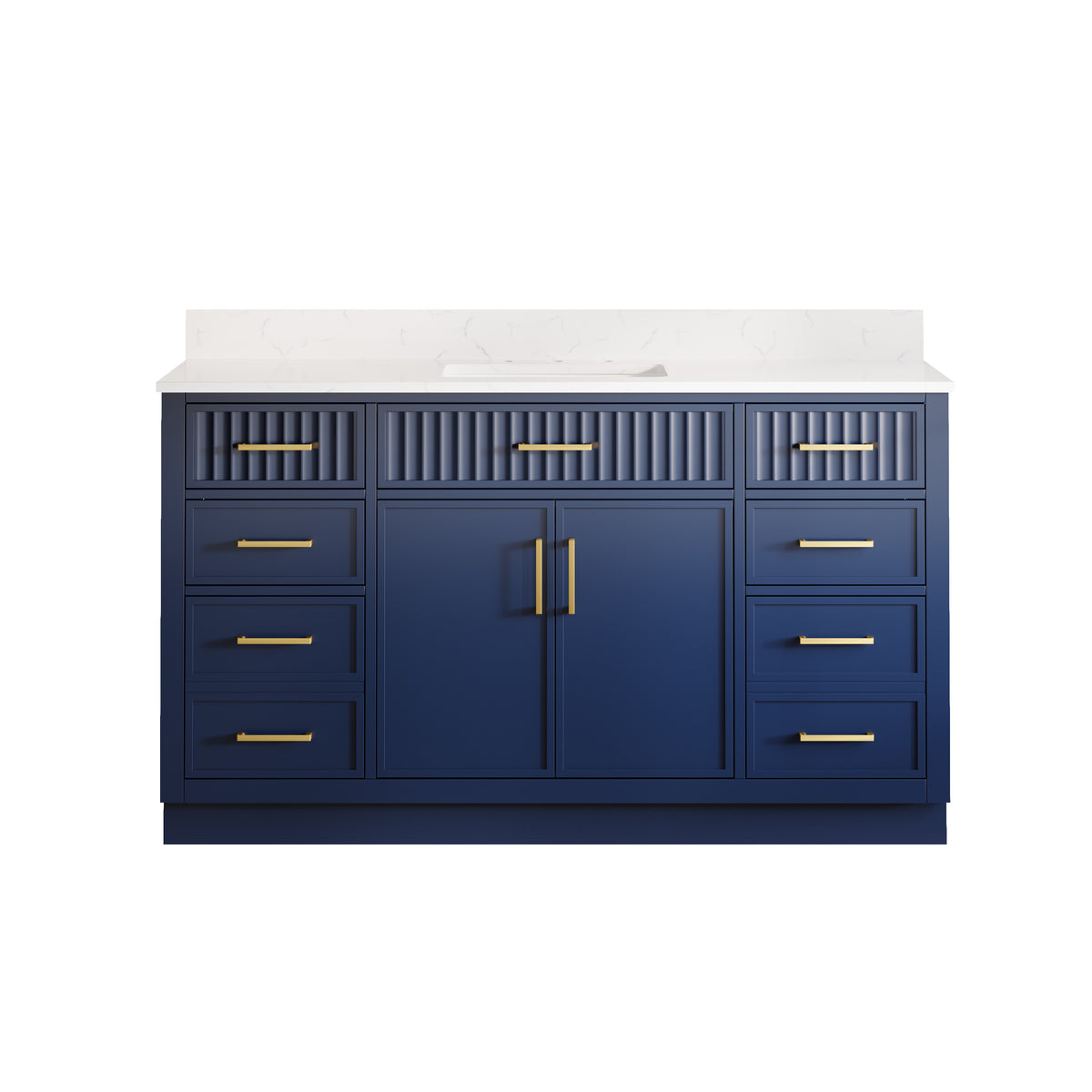
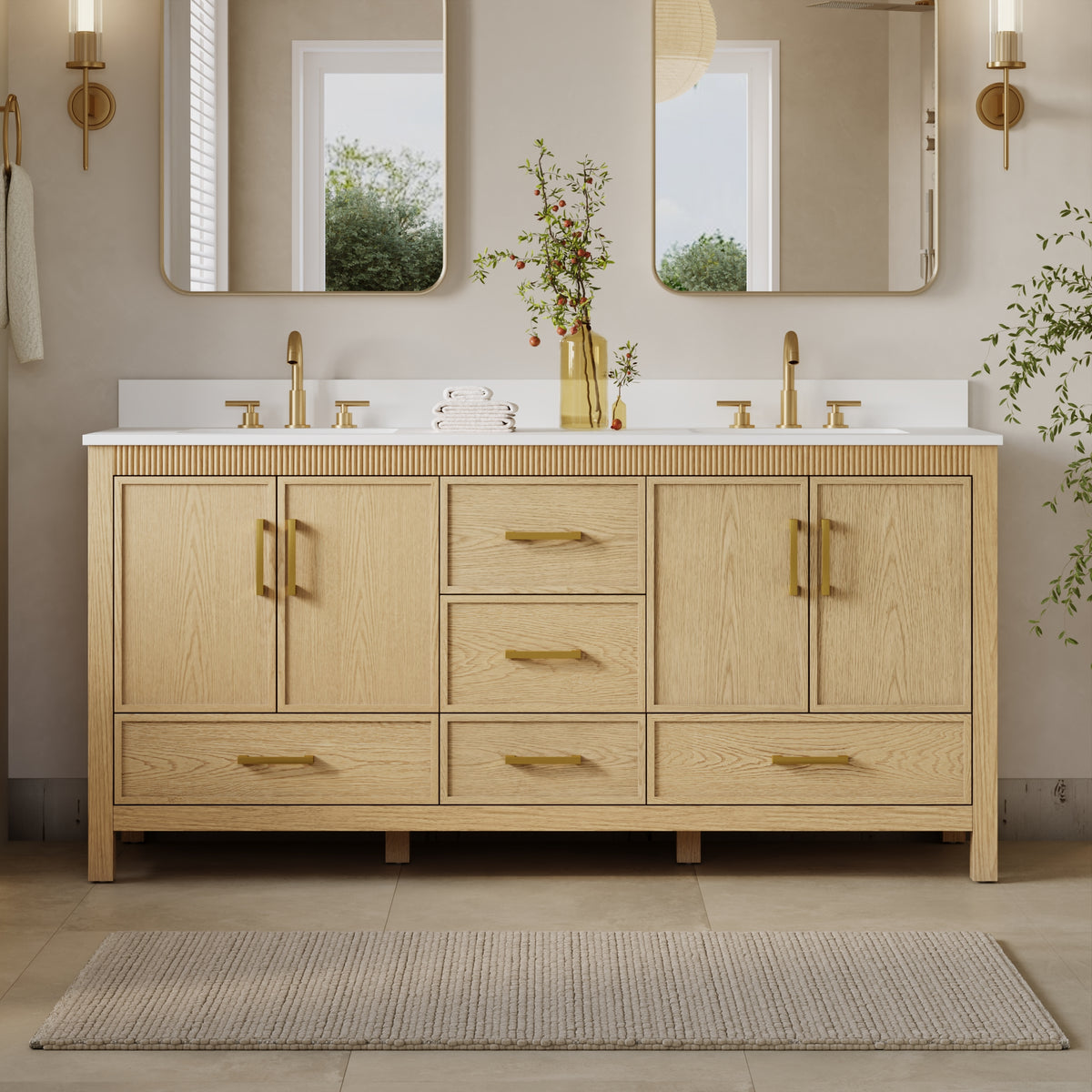
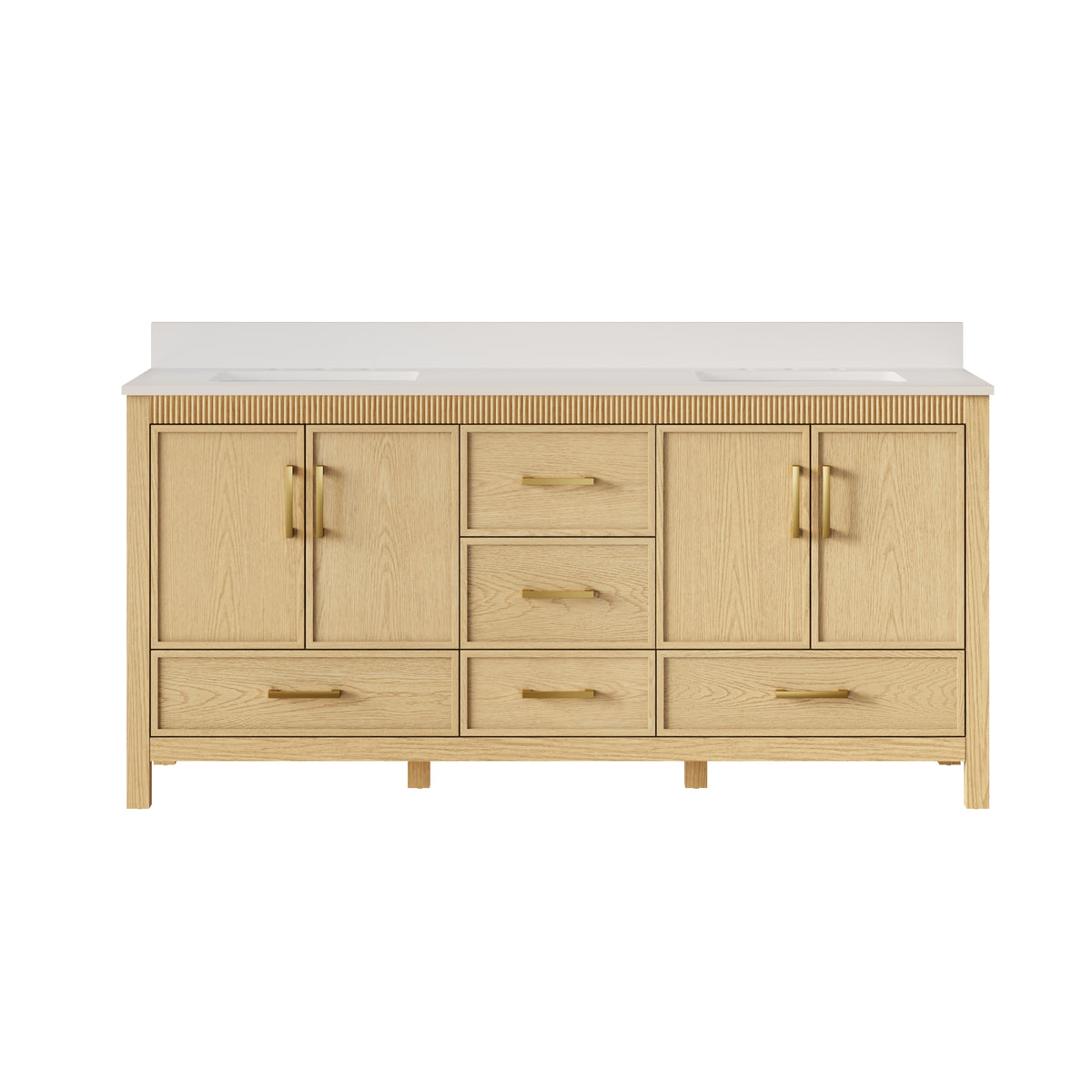
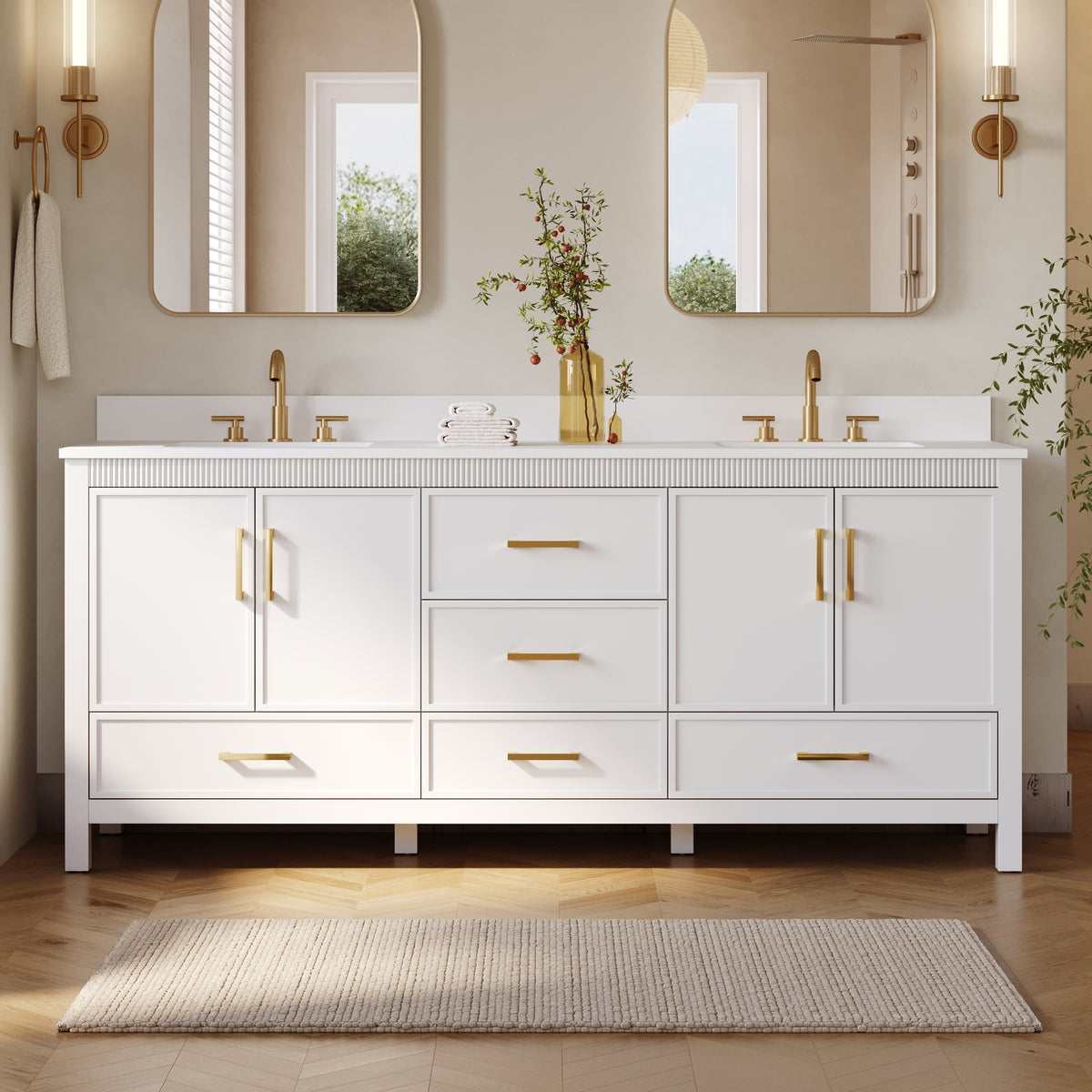

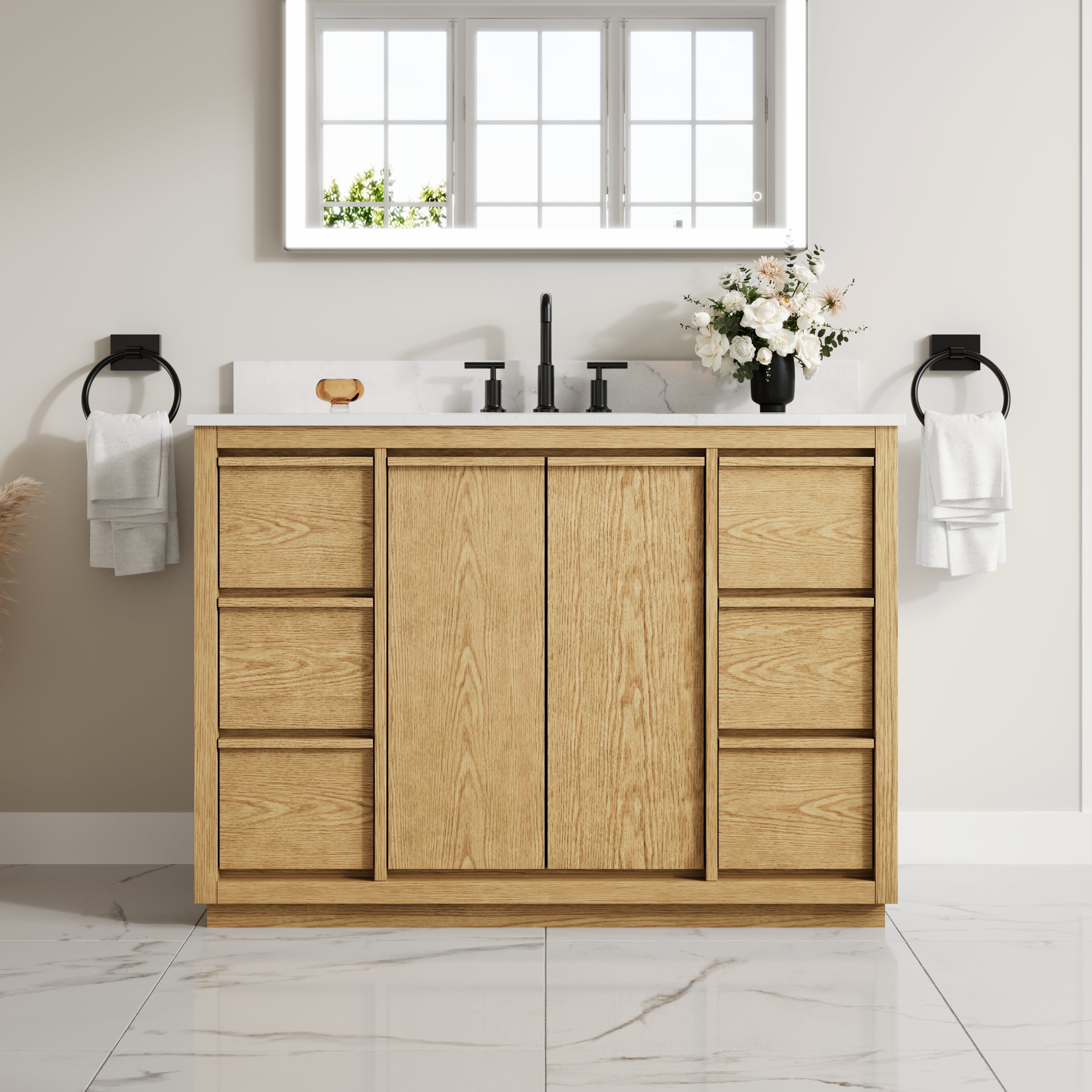
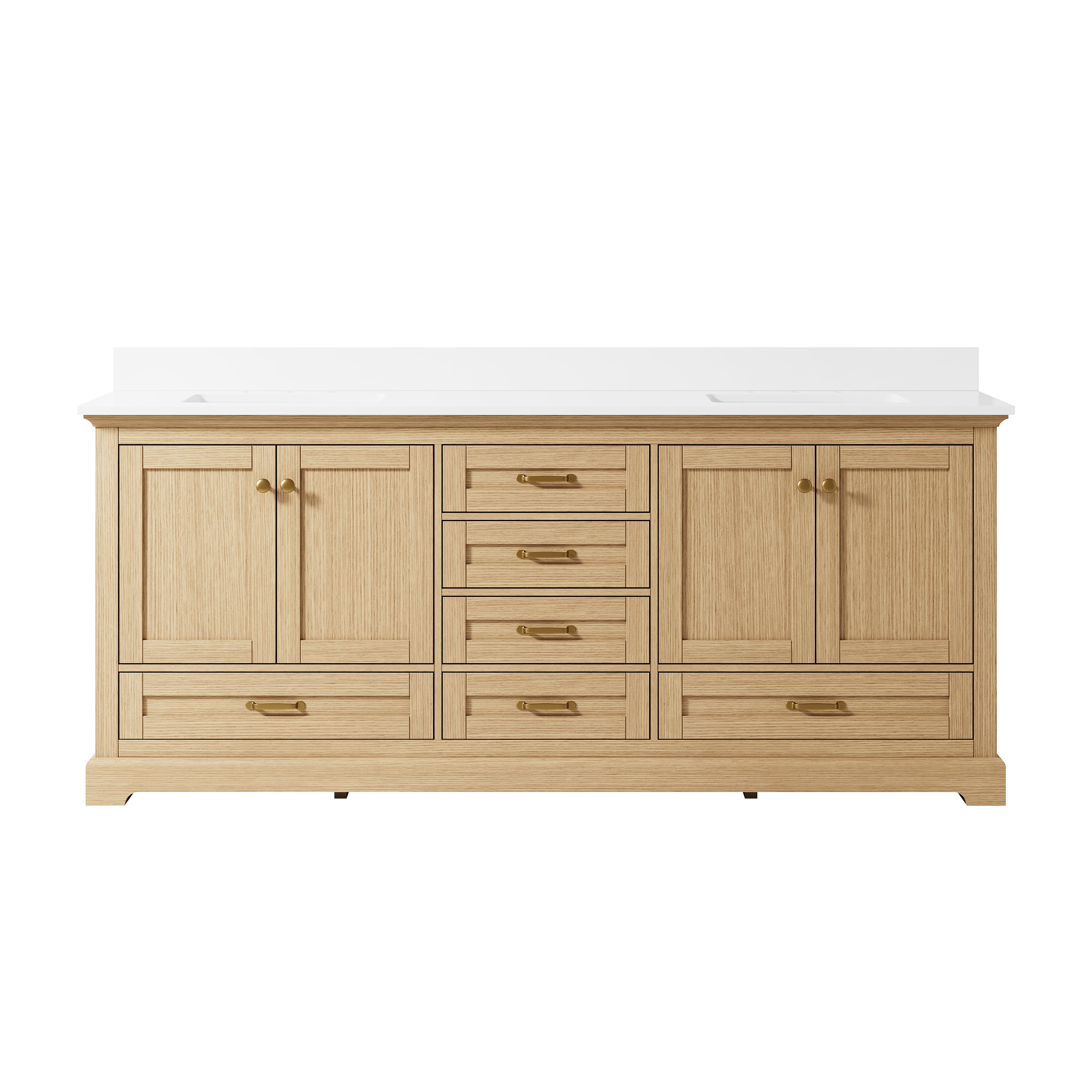
Looking to give your bathroom a serious upgrade? You've probably noticed that a lot of modern bathrooms feel, well, a bit cold and sterile. If you want to bring some actual life and warmth into the room, you should definitely consider bathroom vanities in wood. It's not just about following a design trend. It's a smart way to boost your home's character and its overall resale value.
If you walk into a really nice American home, you rarely see a bathroom that looks like a hospital operating room. You see rich grains, natural textures, and finishes that age gracefully. But let's be real—wood is a porous organic material, and bathrooms are full of moisture. So, is it actually a good idea? The short answer is absolutely yes, but only if you do it right. Here is a down-to-earth guide on why wood is still the king of bathroom cabinetry.
Let's talk about looks and money.
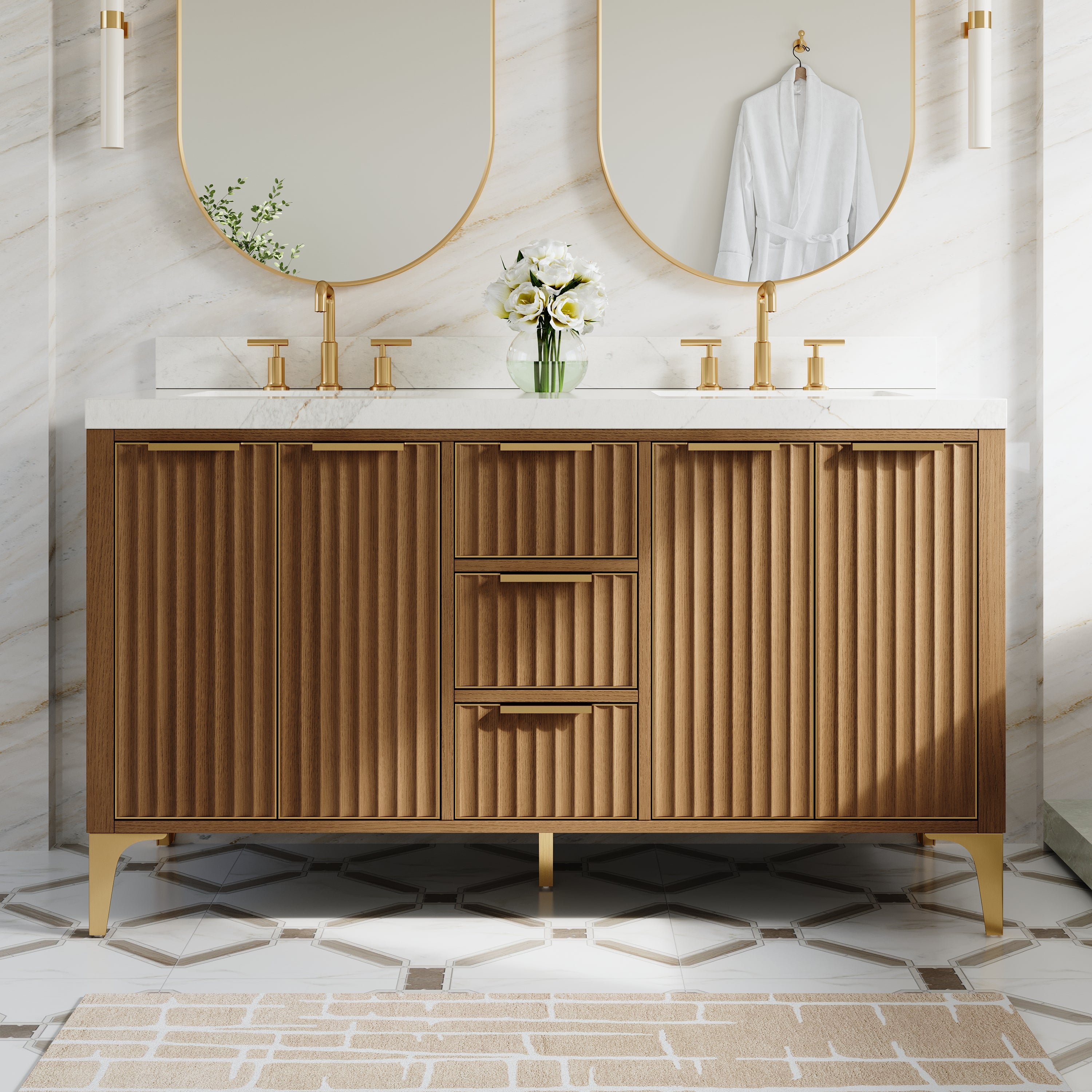
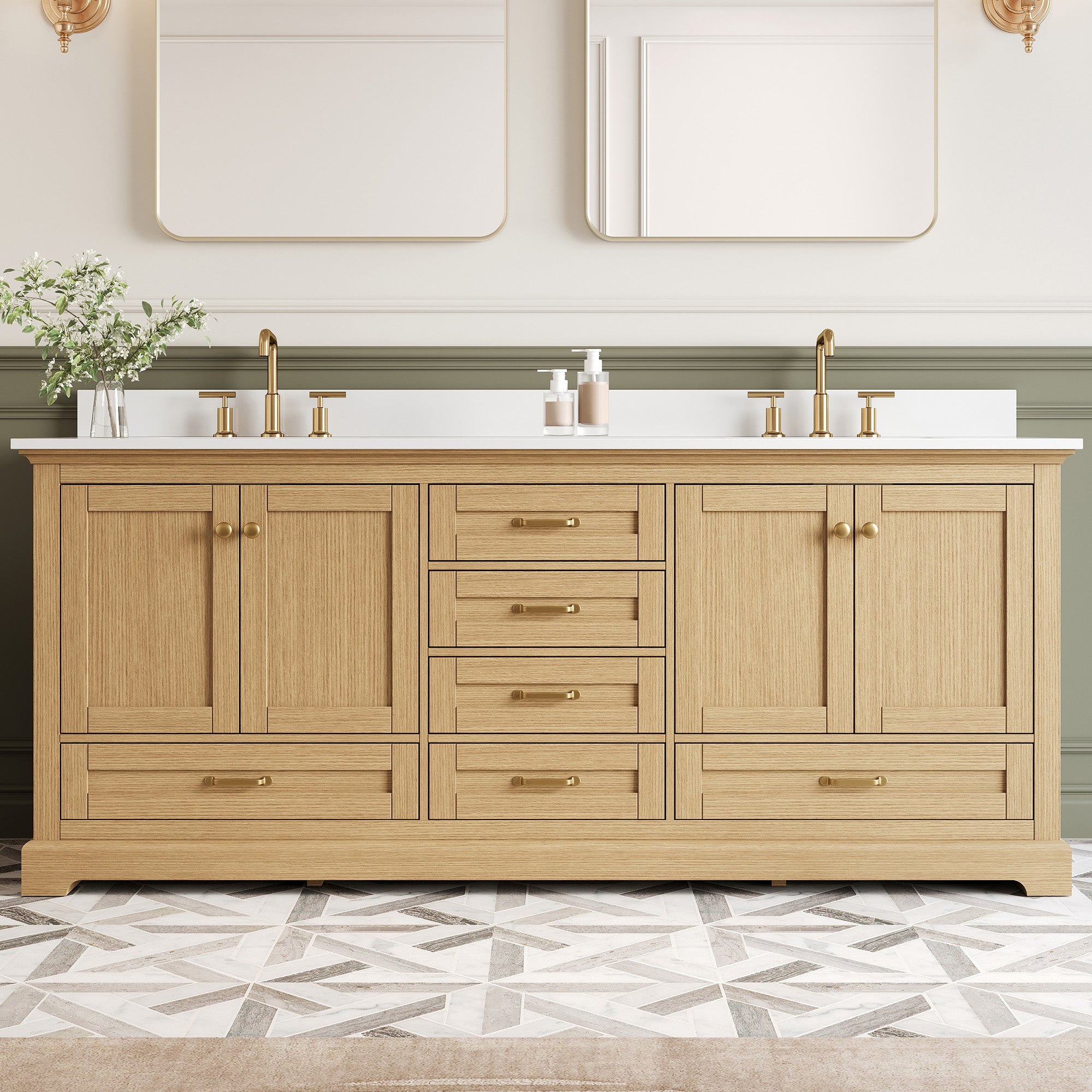
Bathrooms are usually pretty small. Because of that, they can easily feel cramped and boring. Putting a wood vanity in there instantly softens the whole vibe. It gives you a level of warmth that you just cannot get from laminate, acrylic, or stone.
From a financial standpoint, it's a total no-brainer. Real estate agents constantly talk about how bathrooms sell homes. The National Association of Realtors (NAR) has actually pointed out that bathroom remodels are some of the highest-yielding projects you can do. (Source: NAR Remodeling Impact Report) When a buyer walks in and sees a solid wood vanity, they immediately think "premium." It screams quality. On the other hand, cheap particleboard wrapped in vinyl just looks like a budget builder special. Wood lifts the whole value of your house.
Okay, but what about the water?
The biggest complaint people have is moisture. They always ask, "Won't it warp?" The trick is knowing exactly what kind of wood you're buying.
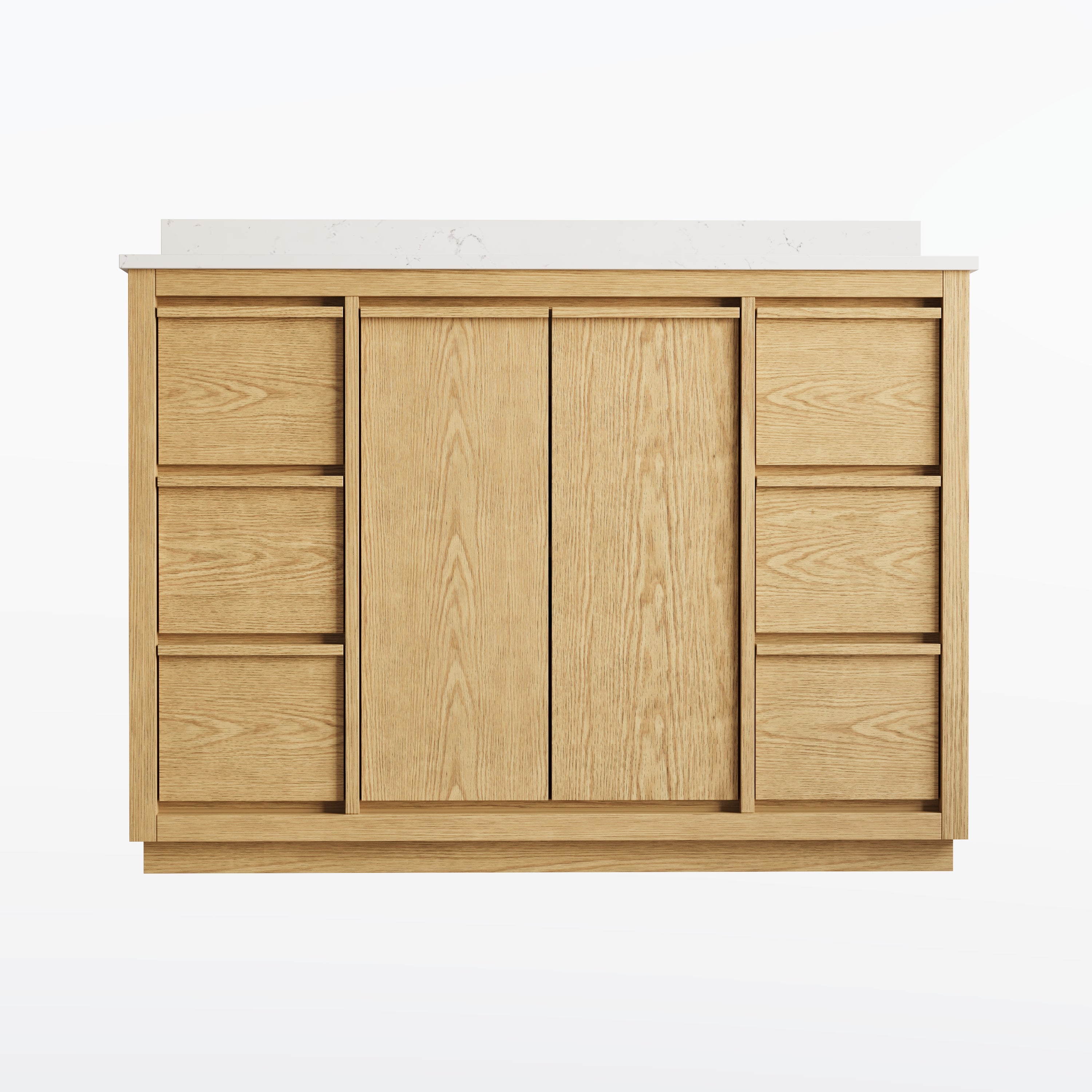
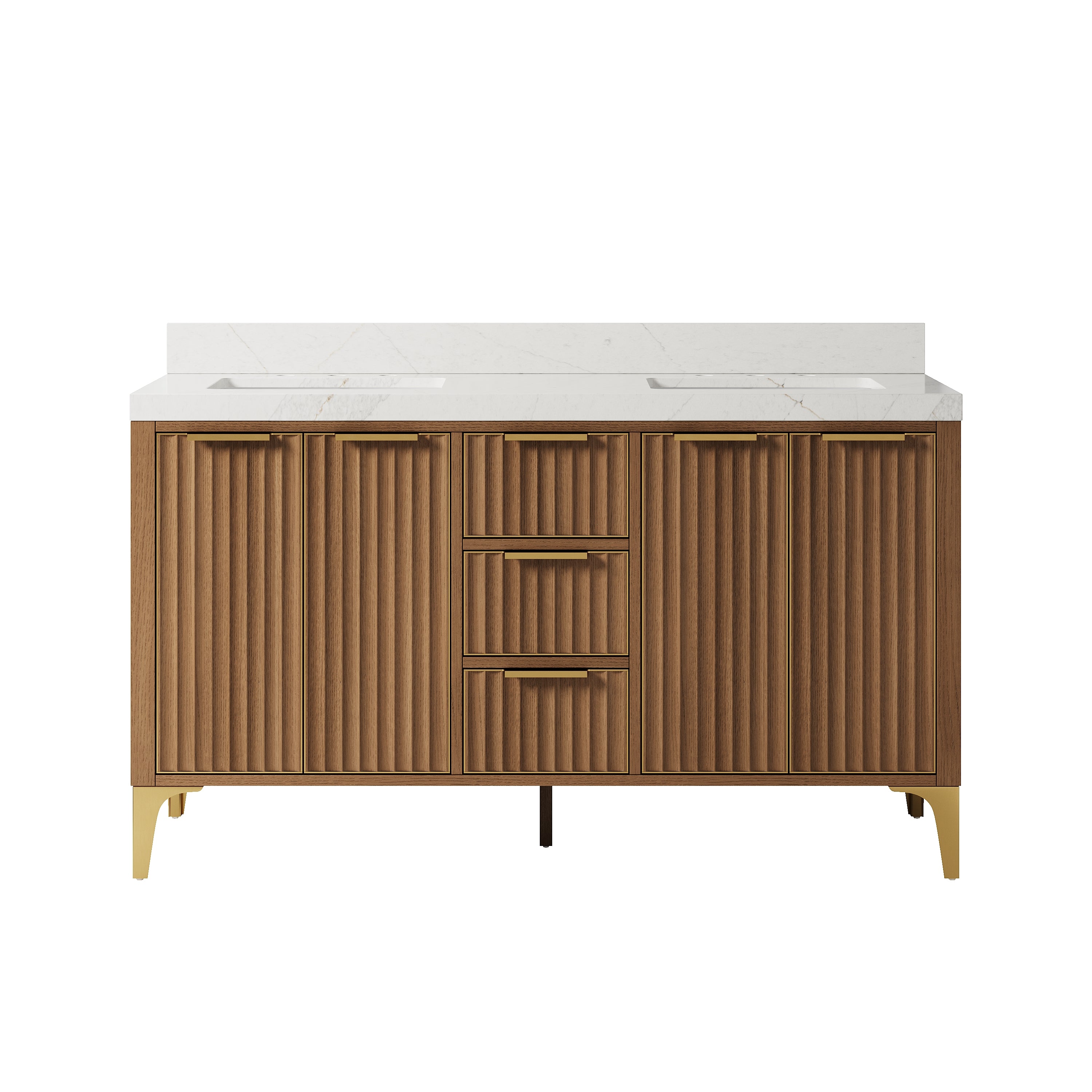
If you get solid hardwood, like oak, maple, or walnut, it is incredibly dense. When it's sealed right, it naturally resists water. If your vanity is going right next to a shower, solid wood or high-quality plywood is exactly what you need. They handle the humidity swings like champs.
You do need to be careful with MDF (Medium-Density Fiberboard), though. Yes, it's technically engineered wood, and it's very stable. But if water gets into the unsealed edges or screw holes, it swells up like a sponge and basically falls apart. If you buy an MDF vanity, make absolutely sure every single seam is painted or sealed. The National Kitchen & Bath Association (NKBA) always recommends using moisture-resistant materials in areas that get a lot of splashing, like around the sink. (Source: NKBA)
Pay close attention to the finish.
You can't just buy any wood cabinet and expect it to survive years of hot showers. The finish is your first and best shield.
Look for factory finishes, like a good polyurethane or catalyzed lacquer. These create a tough barrier that you can't really copy with a DIY brush-on stain. Make sure the cabinet is sealed on all six sides. That includes the inside and the bottom edges, because moisture loves to creep up from the floor.
Also, use a high-quality silicone caulk around the sink deck and where the vanity meets the wall. This stops water from sneaking behind the cabinet. And check the drawers, too. Dovetail joints are the gold standard. They last way longer than stapled or glued joints.

Maintenance isn't that scary.
Sure, wood needs a little more love than plastic. But it's not fragile.
Don't use harsh chemicals like bleach or ammonia to clean it, because they will eat right through the finish. Just use a damp microfiber cloth and some mild soap. Try to use a squeegee in the shower, and make sure your bathroom exhaust fan is actually working well.
The Home Ventilating Institute (HVI) says you should leave your fan running for at least 20 minutes after a shower to pull out the moisture. (Source: HVI) If you keep the humidity under control, your wood vanity is going to outlast a cheap laminate one by decades. And if you get a scratch? It's real wood, so you can actually sand it down and refinish it. You can't do that with plastic.
Custom sizing is a huge bonus.
Wood is super versatile. If you have a weird corner or an awkward alcove, you can actually get a custom wood vanity built to fit perfectly. That's a great way to use every inch of your floor plan.
Of course, standard sizes still matter. Most vanities in the U.S. are between 24 and 72 inches wide, and usually 21 to 22 inches deep. If you have a smaller space, a 36-inch vanity is pretty standard. But a wood cabinet that size can be customized with a pull-out hamper or a special drawer for tall bottles. You just can't do that with pre-made plastic stuff. Plus, modern soft-close hinges and drawer slides are a must-have—they protect the wood from slamming doors.
Is it the right choice for you?
If you want a bathroom that feels cozy, looks expensive, and helps your home's resale value, wood is really hard to beat. Yes, it might cost a bit more than particleboard up front. But the lifespan and the way it looks are totally worth it. Just seal it correctly, run your exhaust fan, and enjoy the natural beauty of real wood. It's an investment that actually pays you back.














Leave a comment
This site is protected by hCaptcha and the hCaptcha Privacy Policy and Terms of Service apply.