















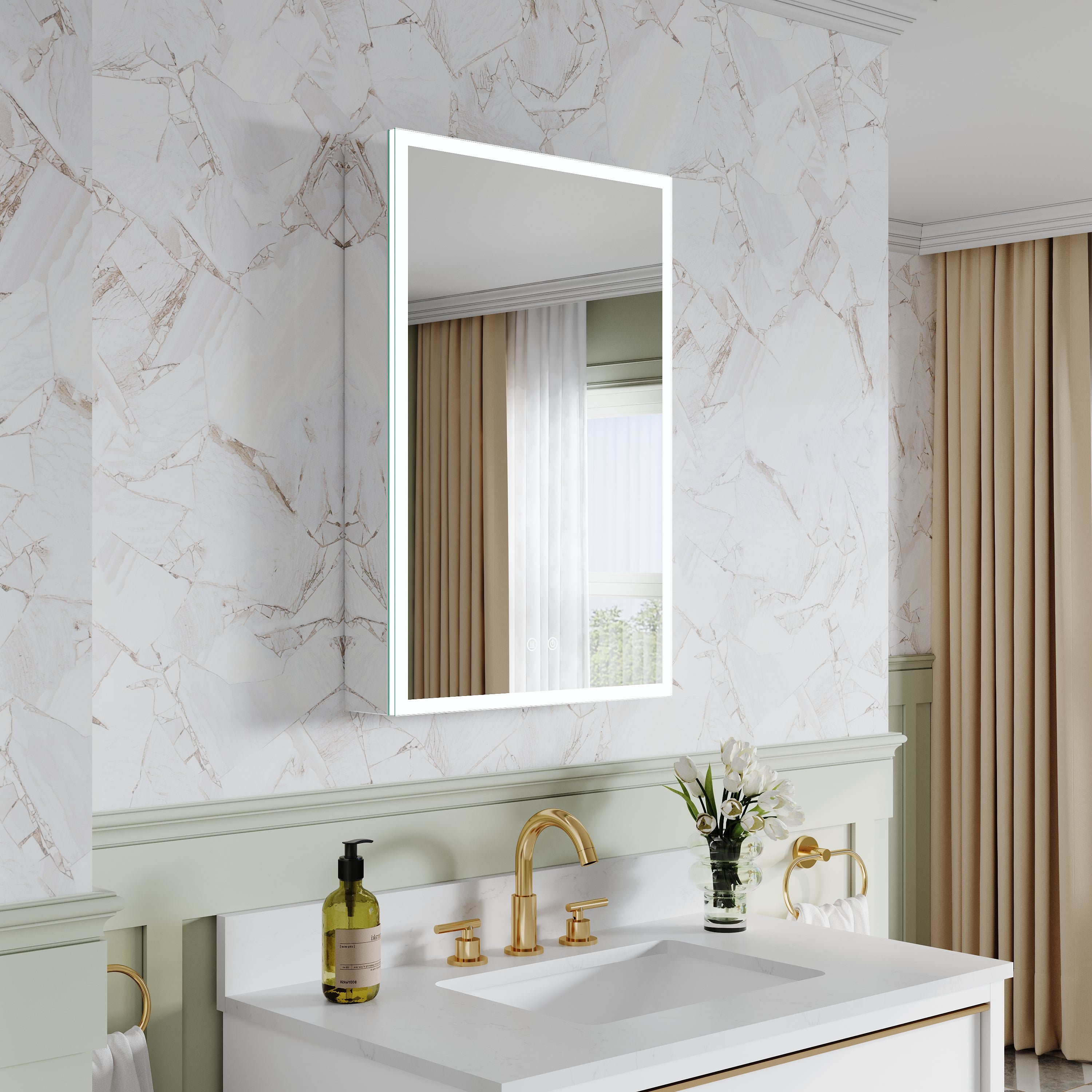
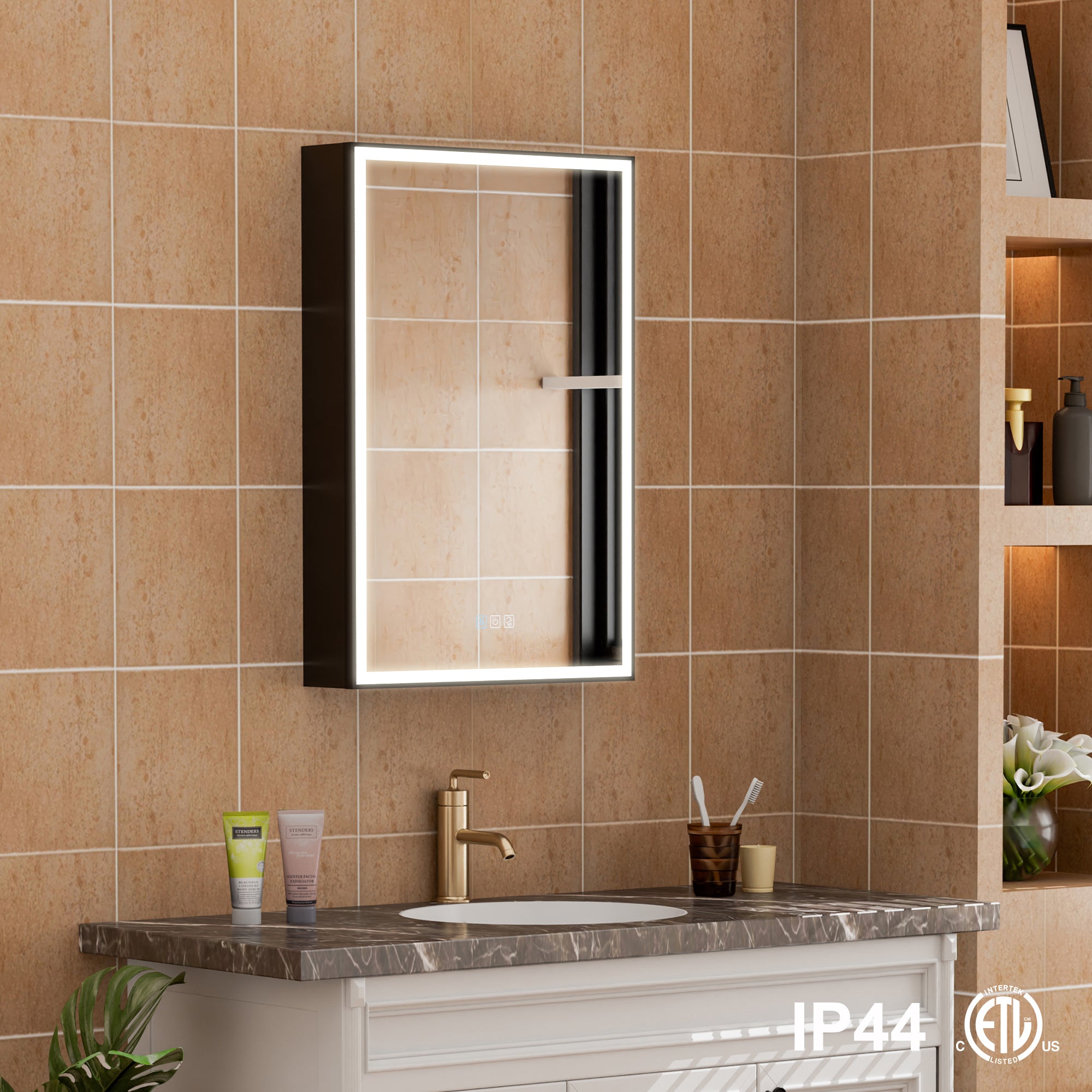











Tired of a cluttered bathroom counter? Discover how a mirror medicine cabinet can double your storage space without eating up floor square footage.
Let’s face it: bathroom counters are magnets for clutter. Between your partner’s shaving cream, your collection of serums, and the electric toothbrush, things pile up fast. If you live in an older American home, you probably don't have the luxury of a massive double vanity. This is exactly why upgrading to a mirror medicine cabinet is one of the smartest moves you can make. It’s not just about hiding the toothpaste; it’s about completely changing how you use your vertical wall space.
Instead of just reflecting your face, this fixture acts as a stealth storage unit. But how exactly does it maximize space, and what are the real-world trade-offs? Let's break down what actually matters when you're shopping for one.
The Magic of Going Vertical
The biggest advantage is pretty simple: you are reclaiming dead space. A standard flat mirror just sits there. A mirrored cabinet, however, turns that same footprint into a multi-tiered shelving unit.
According to the National Kitchen & Bath Association (NKBA), keeping the countertop as clear as possible is a top priority for creating a functional bathroom layout. By pushing your daily essentials behind the glass, you instantly free up the sink deck. Plus—and this is a huge bonus for small bathrooms—the mirror itself bounces light around the room, making a cramped 5x8 layout feel noticeably larger.

Recessed vs. Surface-Mounted: The Real Difference
This is where you need to make a decision based on your actual wall construction. The way you mount the cabinet drastically changes how much usable depth you get.
The Recessed Route
If you want that sleek, custom-built look where the cabinet sits perfectly flush with your drywall, you need a recessed model. Because the box sinks into the wall, it gives you maximum interior storage without making the room feel smaller.
But here’s the catch: you need a wall cavity that is at least 4 inches deep (around 100mm). If you are doing a full gut renovation and the studs are exposed, this is a no-brainer. But if you are just trying to slap one up in a weekend, you might run into a nightmare if there are plumbing pipes or electrical wires running right where you want to cut.
The Surface-Mounted Shortcut
For renters, DIYers, or anyone who doesn't want to patch drywall, surface-mounted cabinets are the way to go. You just screw it directly into the studs. The upside? You get the full internal depth of the cabinet. Those extra few inches are a lifesaver if you need to store tall bottles of mouthwash or bulky first-aid kits.
The downside is obvious—it sticks out into the room. Typically, you're looking at a protrusion of 4 to 6 inches. In a tight powder room or a narrow hallway bath, this can feel like you are washing your face in a phone booth. It can also be a literal headache if you tend to lean forward over the sink.
Smart Features That Actually Give You More Room
Modern manufacturers have gotten really clever about squeezing every inch out of these cabinets.
Adjustable Shelving: Look for tempered glass shelves that have multiple adjustment notches. This lets you create tall slots for your large shampoo bottles and short slots for tiny items like contact lenses or razors.
Bi-View Doors: Some high-end models have two doors that swing open from the center. According to product specs, this design essentially doubles the accessible interior storage space without requiring any extra wall width. You can open both sides at once and see everything at a glance.
Interior Outlets: If you have an electric toothbrush or a rechargeable razor, an interior outlet is a game-changer. It keeps the devices charging inside the dark cabinet, completely out of sight, which cuts down on countertop clutter in a massive way.
Sizing: Don't Mess Up the Proportions
If you buy a cabinet that is too wide or too narrow, it’s going to look weird. As a general rule of thumb, your mirror cabinet should be about 70% to 90% of the width of your vanity. So, if you have a standard 36-inch vanity, a cabinet in the 24 to 32-inch range will look perfectly balanced.
As for height? The center of the mirror should ideally land at your eye level. For most American adults, this means the center should sit roughly 59 to 65 inches off the floor. Also, make sure you leave about 5 to 10 inches of clearance between the bottom of the cabinet and your faucet. Otherwise, the door won't open fully, and you'll be banging your knuckles every morning. (Source: Big Bath)
A Quick Reality Check on Maintenance
I won't lie to you—glass shows everything. Fingerprints, water spots, and that weird white toothpaste splatter. If you hate cleaning, a mirrored cabinet might drive you a bit crazy.
To make life easier, look for models with treated glass or handle-less designs (like push-to-open doors) which minimize smudges. Keep a microfiber cloth under the sink for a quick wipe-down, and you'll be fine.
The Bottom Line
A mirror medicine cabinet maximizes your space by taking advantage of vertical wall area that is normally wasted. If your wall cavity allows for it, a recessed unit is the absolute best choice for keeping the room feeling open and flush. If you want a quicker, easier install with more depth for tall bottles, a surface-mounted unit will do the trick. Either way, you'll finally get your countertops back.




































Leave a comment
This site is protected by hCaptcha and the hCaptcha Privacy Policy and Terms of Service apply.