























A white vanity is one of the most reliable ways to give a bathroom a cleaner, more modern appearance without making the room feel cold or overly designed. I have seen this choice work in compact guest baths, busy family bathrooms, and spacious primary suites because white reduces visual weight while giving mirrors, lighting, tile, and hardware room to stand out. The effect can be immediate: the bathroom feels brighter, calmer, and easier to organize.
Still, color alone cannot create a successful modern bathroom. The vanity’s proportions, construction, storage, and finish quality matter just as much. A poorly chosen white cabinet may look flat or wear quickly, while a well-designed one can stay relevant through years of changing tastes.
1. Why a White Vanity Creates a Cleaner Visual Foundation
Modern bathrooms usually depend on clarity. Clean lines, controlled contrast, and fewer unnecessary details help the room feel orderly rather than crowded. White supports that approach because it reflects light and visually recedes instead of dominating the lower half of the room.
This is especially useful in bathrooms with limited natural light. A dark vanity may look elegant in a showroom, but it can feel heavy once installed in a narrow room with a small window. White makes the same footprint appear lighter. It does not physically enlarge the bathroom, of course, but it can make the floor plan feel less compressed.
A white cabinet also gives the eye a quiet place to rest. When a bathroom already includes veined stone, patterned tile, black fixtures, or an architectural mirror, the vanity does not need to compete. It becomes the visual anchor that holds the other materials together.
2. How a White Vanity Supports Modern Bathroom Design
A modern aesthetic is not limited to glossy surfaces and sharp black-and-white contrast. The better modern bathrooms I see now are softer. They combine simple cabinetry with warm lighting, natural textures, and finishes that feel comfortable in daily life.
A white vanity fits this direction because it is adaptable. Pair it with matte black hardware for stronger definition, brushed nickel for a quieter look, or muted brass for warmth. It also works with white quartz, gray-veined stone, terrazzo, and even warmer beige countertops.
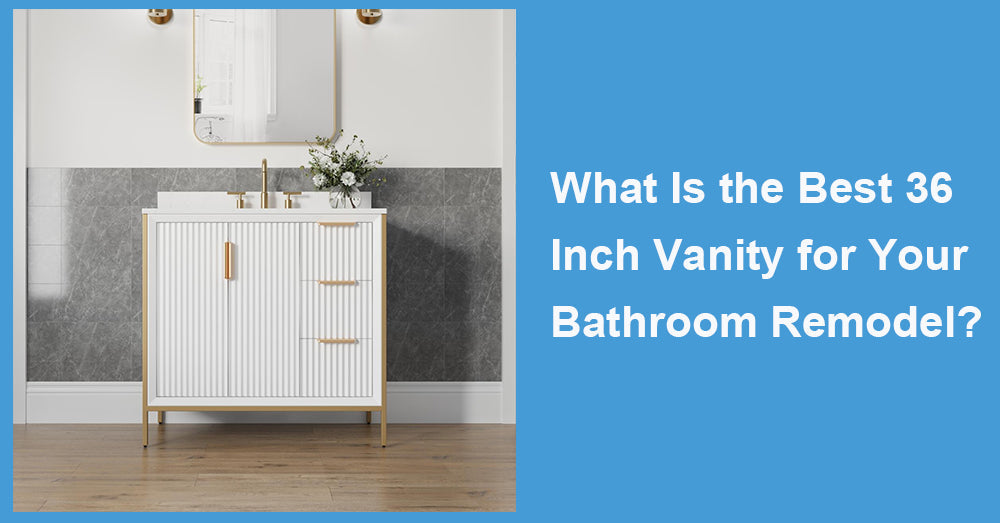
The cabinet style changes the effect. Flat-front drawers create a more minimalist appearance. Simple shaker doors suit transitional-modern bathrooms. A floating white vanity makes the floor more visible and can help a compact room feel open, while a freestanding model usually provides more storage and a stronger furniture presence.
Avoid assuming every white finish is identical
White has undertones. Some finishes are crisp and slightly cool, while others lean creamy or warm. That difference becomes obvious under bathroom lighting.
I have seen homeowners choose a bright white vanity beside warm ivory tile and wonder why the room feels unsettled. Neither finish was wrong, but they did not belong together. Compare the vanity with the countertop, wall color, flooring, and light temperature before ordering whenever possible.
3. The Practical Benefits Beyond Appearance
The design flexibility is valuable, but a white vanity also has practical advantages. It makes dust, water splashes, and product residue easier to notice early. Some buyers see that as a disadvantage. In real use, it often encourages faster cleanup before marks become stubborn.
White is also easy to update around. Cabinet pulls can be replaced, mirrors can change, and wall colors can shift without requiring a new vanity. That matters in bathrooms because most homeowners update them gradually rather than replacing every element at once.
There can be a resale benefit as well. A neutral vanity gives future buyers more freedom to imagine their own style in the room. Bold colors and unusual wood stains may appeal strongly to one person but discourage another. White tends to create fewer objections.
The limitations should not be ignored
A white finish is not maintenance-free. Makeup, hair dye, tinted soap, and dirty hands can leave visible marks. Poor-quality paint may chip at corners or wear around frequently touched areas. High-gloss white can show fine scratches, while heavily detailed doors may collect dust in grooves.
A nearly all-white bathroom can also feel flat. If the walls, vanity, countertop, flooring, and shower are all the same bright tone, the room needs texture or contrast. Wood accents, warmer metal finishes, a framed mirror, or subtly veined stone can keep the design from feeling sterile.
4. Where White Works Best—and Where It May Not
White vanities are particularly effective in small bathrooms, windowless rooms, guest baths, and spaces where visual brightness is a priority. They also suit modern family bathrooms because the neutral finish works with changing towels, accessories, and wall colors.
In a primary suite, white can create a calm hotel-like base, especially when paired with good storage and warm layered lighting. It is also useful when the bathroom already has a strong design feature, such as decorative floor tile or a statement shower wall.
White may not be the best choice when the homeowner wants deep natural warmth, visible wood grain, or a darker, moodier bathroom. It can also be less forgiving in a heavily used children’s bathroom if the finish is weak and cleaning is inconsistent. In that setting, construction quality should matter more than color.

5. Buying, Installation, and Maintenance Advice
Begin with size and storage. Measure the wall, but also check vanity depth, drawer clearance, toilet spacing, plumbing position, and door swing. A bright finish cannot compensate for a cabinet that makes movement awkward.
Look inside before buying. Deep drawers often provide better access than a large open cabinet, while enclosed space under the sink remains useful for taller bottles and cleaning supplies. Moisture-resistant construction, durable drawer slides, and well-sealed edges are worth paying for.
Installation should be precise. White tends to reveal uneven gaps, crooked mirrors, and poorly aligned countertops quickly. Make sure the vanity is level, plumbing connections are dry, and the sink and backsplash are sealed correctly.
For maintenance, use a soft cloth and a mild, non-abrasive cleaner. Wipe standing water around the faucet and sink rim. Clean colored spills early, and run the exhaust fan after showers to reduce moisture exposure.
When comparing options from Wellfor, choose a white vanity that supports the room you actually have rather than the showroom image you admire. Prioritize usable storage, durable construction, the right undertone, and proportions that leave comfortable space around the cabinet. When those details are right, a white vanity can give a bathroom the clean, modern character homeowners want without making it feel temporary or impersonal.









































Leave a comment
This site is protected by hCaptcha and the hCaptcha Privacy Policy and Terms of Service apply.