






















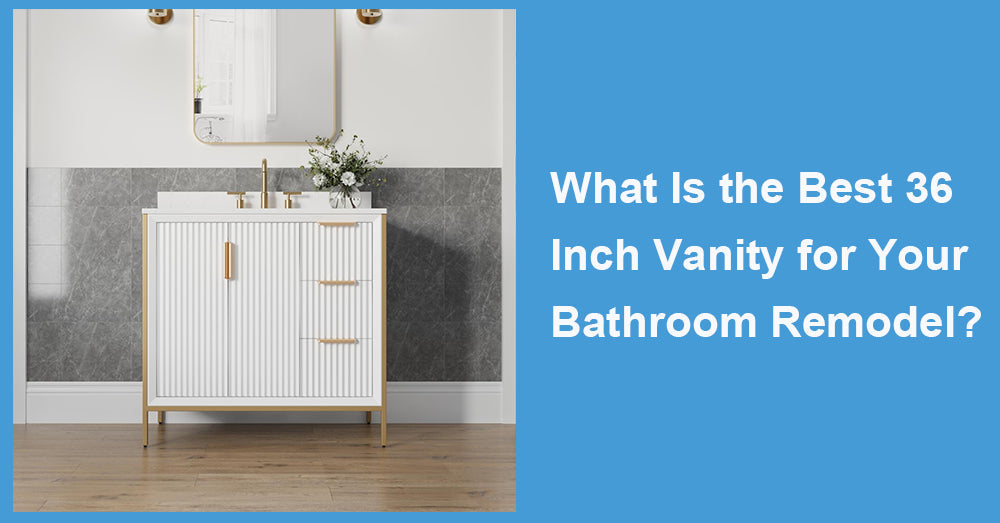
A 36 inch vanity is often the right starting point for a bathroom remodel because it offers meaningful storage without demanding too much floor space. I have recommended this size for guest bathrooms, family baths, condos, and smaller primary suites where a 30-inch cabinet feels limited but a 48-inch model begins to crowd the room. The best option, however, is not simply the one with the nicest finish. It must fit the layout, support daily routines, and withstand years of moisture and repeated use.
After working with bathroom products and renovation plans for decades, I have learned that buyers rarely regret choosing practical storage or durable construction. They often regret choosing appearance alone.
1. Why a 36 Inch Vanity Works in So Many Bathrooms
Thirty-six inches is a useful middle size. It gives one person a comfortable sink station, enough countertop for everyday essentials, and more storage flexibility than most compact vanities. At the same time, it usually leaves reasonable clearance near the toilet, shower, and doorway.
This size performs particularly well in medium-sized bathrooms. In a guest bath, it feels generous without becoming excessive. In a family bathroom, it can hold toiletries, cleaning supplies, and spare paper goods while keeping the countertop under control. In a small primary bathroom, it offers a polished focal point without making the room feel furniture-heavy.
The proportions tend to work visually too. A 24-inch cabinet can look lost on a wider wall, while an oversized vanity may dominate the room. A 36 inch vanity often feels intentional and balanced.
2. How to Choose the Best 36 Inch Vanity for Daily Use
Start with your routine, not the product photograph. Think about what must fit inside the cabinet and what usually ends up on the counter.
Drawers are ideal for skincare, grooming tools, cosmetics, and smaller toiletries because they keep everything visible and easy to reach. A cabinet beneath the sink works better for taller bottles, cleaning products, and bulk supplies. For most households, a combination of drawers and enclosed cabinet space offers the best flexibility.
Full-extension drawer slides are worth looking for. They allow access to the back of each drawer instead of turning that area into forgotten storage. Soft-close hardware is not essential, but it reduces wear and makes the vanity feel better in daily use.
Do not count drawers without checking them
A common mistake is assuming that more drawer fronts mean more storage. Some top drawers are decorative because the sink occupies the space behind them. Others have large plumbing cutouts that leave only narrow compartments.
Review interior photographs and measurements whenever possible. A well-planned two-drawer vanity can be more useful than a model that appears to offer five separate storage areas.
3. Which Construction and Finish Are Worth Buying?
Bathrooms are humid, so cabinet construction matters. Solid wood can be durable, but high-quality plywood is also a sensible choice because it tends to remain stable as humidity changes. Moisture-resistant engineered materials can perform well when they are properly sealed. Thin particleboard and poorly protected edges are where I become cautious.
Inspect the finish around doors, drawer fronts, corners, and the cabinet base. Those are the areas most likely to show wear. Painted vanities should have a smooth, even coating. Wood finishes should feel sealed rather than dry or porous.
White is useful for brightening a smaller bathroom. Natural wood adds warmth and hides minor dust well. Dark finishes can look sophisticated, though they may make a tight room feel heavier and often show soap residue more clearly.
The included top deserves equal attention
Many 36-inch vanities come with a countertop and sink. This can simplify installation, but the package is only valuable if the top suits the bathroom.
Check whether the sink is integrated or undermounted, whether a backsplash is included, and how much usable surface remains beside the basin. A wide sink may look appealing yet leave almost no space for soap or grooming items.
Quartz, cultured marble, ceramic, and stone-look tops each have strengths. The best choice is one that resists stains, cleans easily, and fits the level of use the bathroom receives.
4. Where This Vanity Size May Not Work
A 36 inch vanity is not ideal for every layout. In a narrow powder room, its depth may interfere with movement even when the width fits the wall. A 30-inch or shallow-depth model could feel much more comfortable.
It can also fall short in a primary bathroom shared by two adults. One sink and 36 inches of counter space may become frustrating when both people need the room at the same time. If the wall and budget allow it, a wider vanity may better support that routine.
Do not assume the largest cabinet that fits is automatically the best choice. A bathroom needs clear pathways. It should be easy to open drawers, enter the shower, and use the toilet without constantly moving around another person or fixture.

5. Installation and Maintenance Advice That Prevents Regret
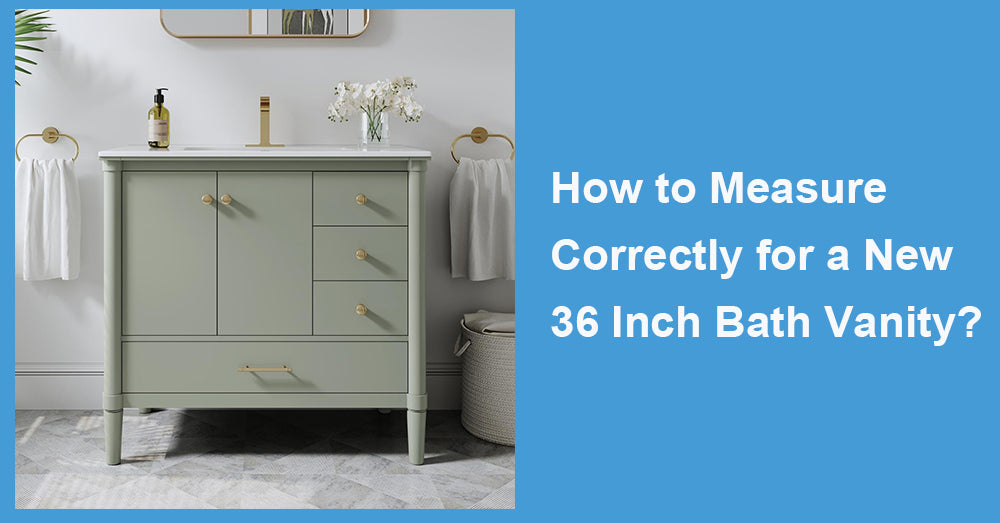
Measure the wall opening, vanity depth, doorway, baseboards, and surrounding clearances before ordering. Confirm that drawers and doors can open fully. Check the plumbing position as well. Existing pipes may conflict with interior drawers or shelves, reducing the storage you expected to gain.
A freestanding vanity is usually easier to install in an existing bathroom. A floating model creates a lighter look and makes floor cleaning easier, but it requires strong wall support and more precise plumbing preparation.
During installation, the cabinet must be level and the countertop properly sealed. Slow leaks inside the vanity cause more damage than ordinary surface splashes because they can remain unnoticed for months.
Maintenance should be simple. Wipe standing water near the faucet and sink rim, use mild non-abrasive cleaners, and keep the bathroom ventilated after showers. Check the plumbing connections occasionally. Small habits protect both the finish and the cabinet structure.
For homeowners comparing options from Wellfor, the best 36 inch vanity is the one that fits the room without crowding it, stores the products used every day, and uses materials suited to a humid environment. Choose the layout before the color, inspect the construction behind the doors, and make sure the countertop supports real routines. When those details are right, a 36 inch vanity becomes more than a convenient size. It becomes the piece that makes the entire bathroom remodel work.










































Leave a comment
This site is protected by hCaptcha and the hCaptcha Privacy Policy and Terms of Service apply.