














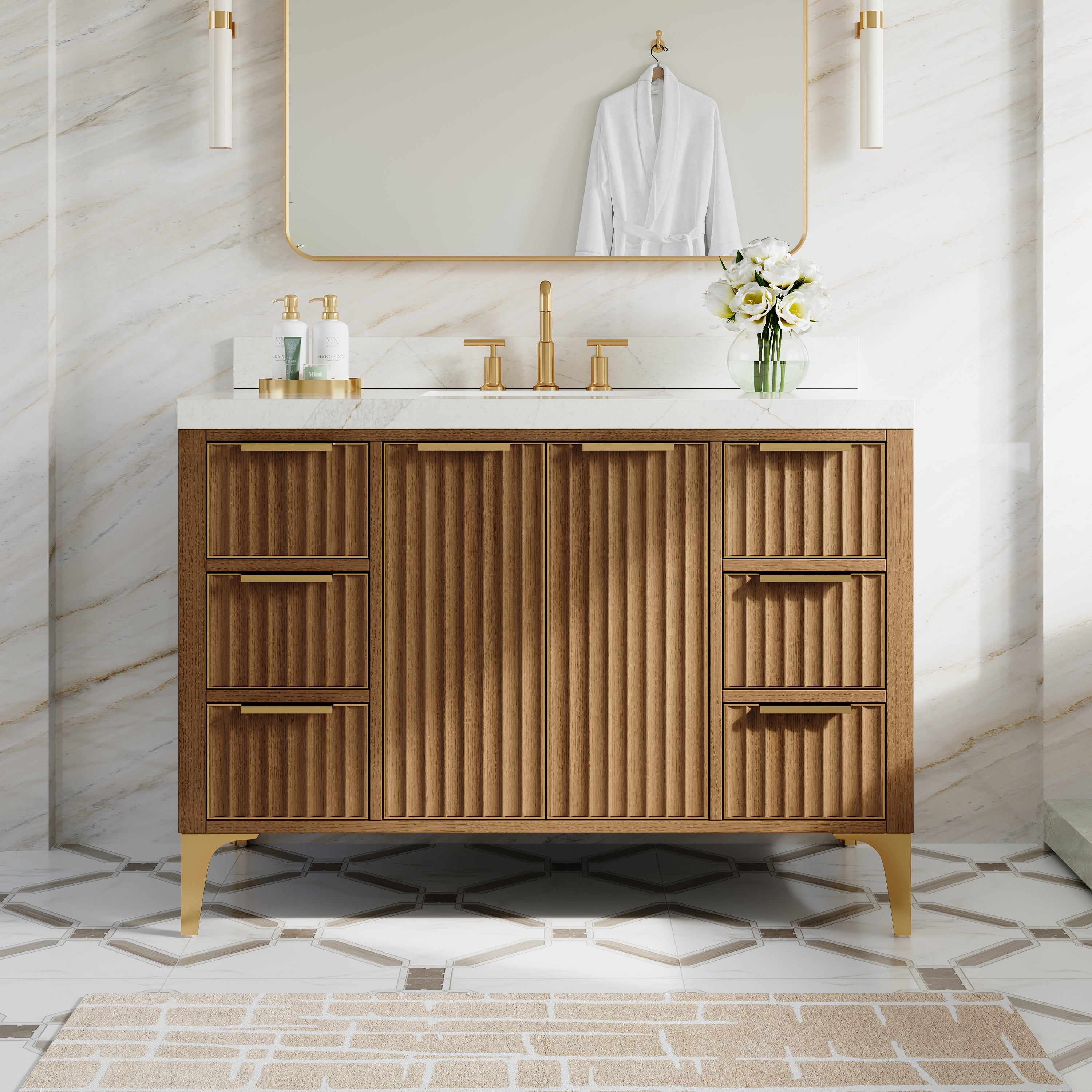
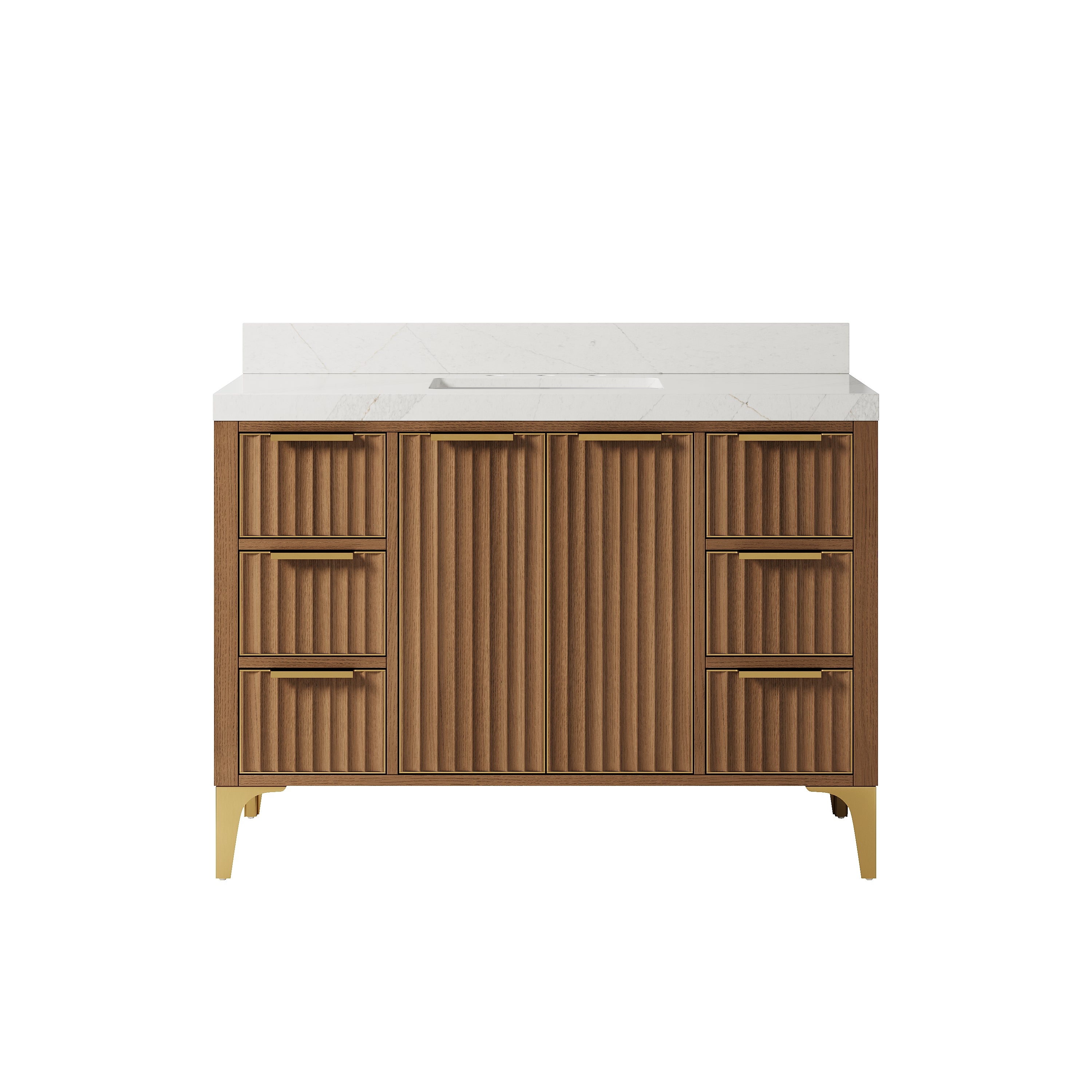


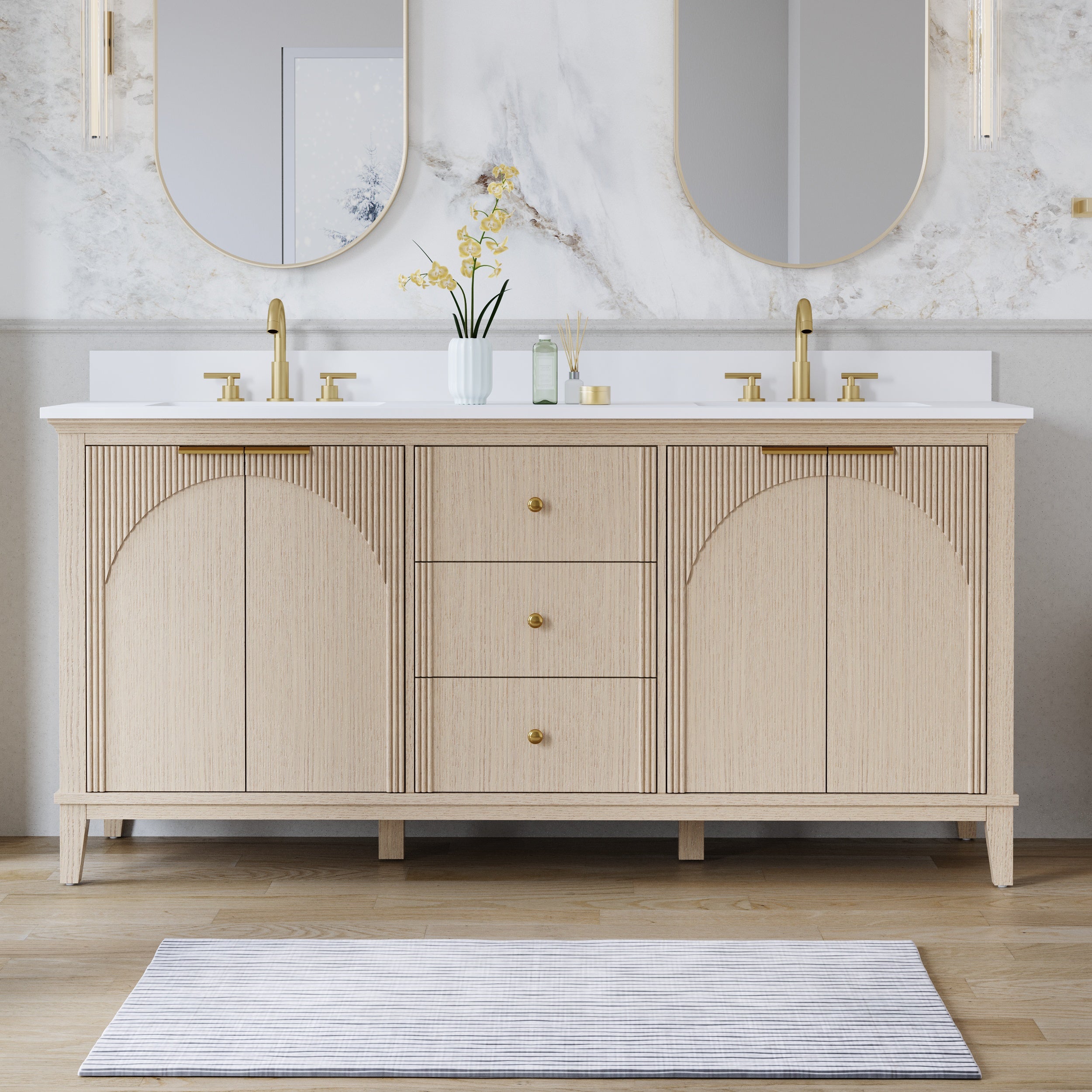
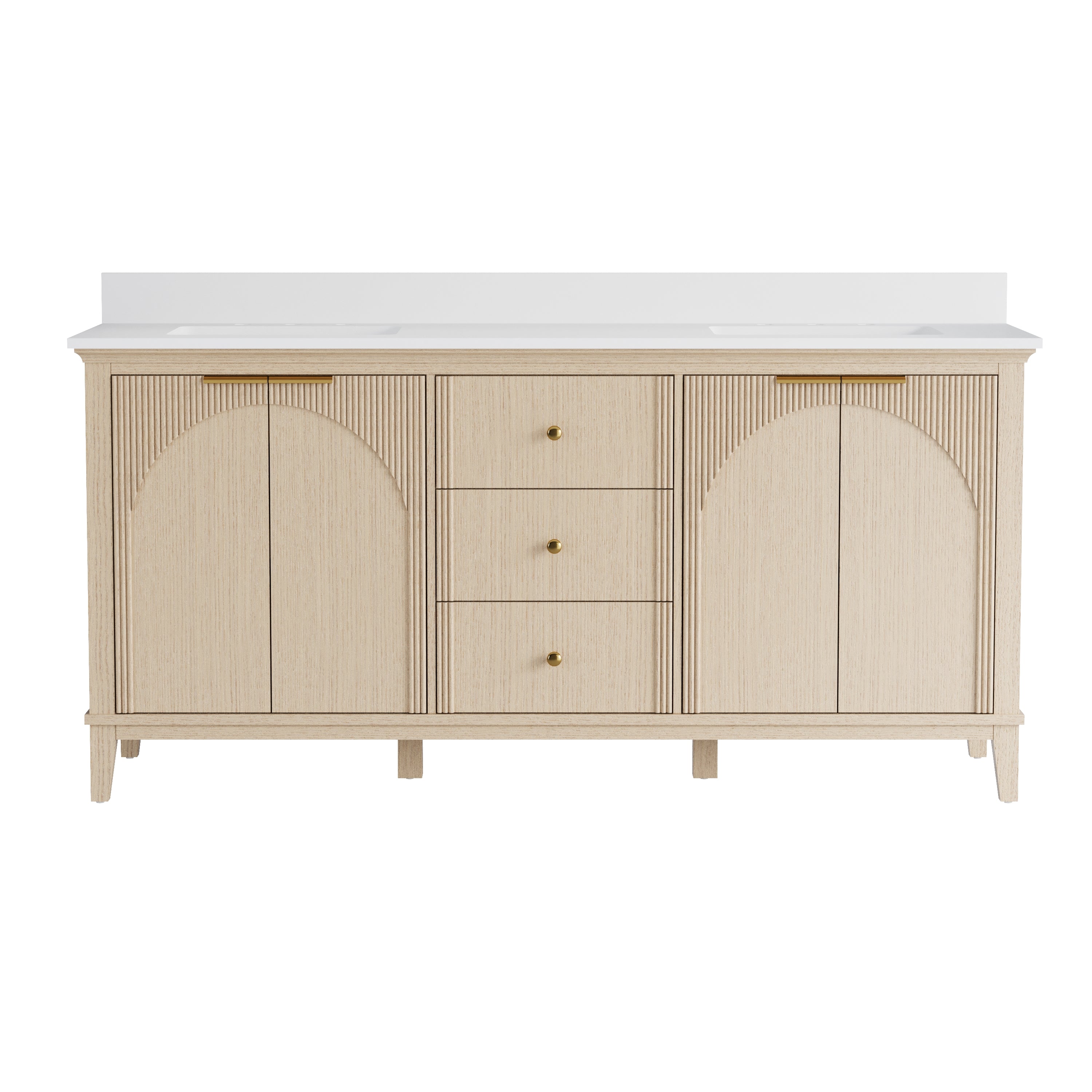
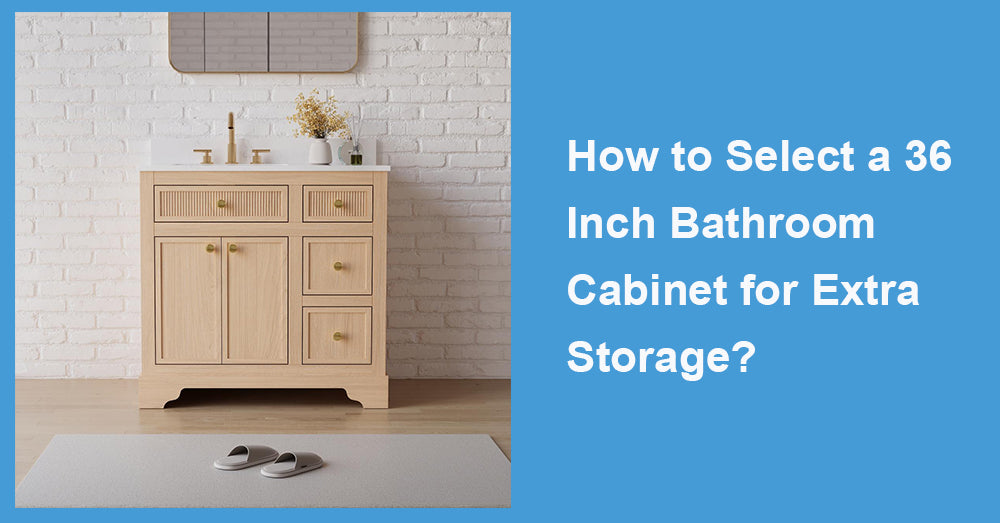
A 36 inch bathroom cabinet can be one of the smartest upgrades in a bathroom that needs more storage without losing too much floor space. I have seen homeowners focus on finish and countertop color first, then discover that the cabinet cannot hold the products they use every day. The right 36-inch model should reduce clutter, support the sink area, and still leave comfortable room around the toilet, shower, and doorway.
1. Start With the Storage Problems You Actually Have
Before comparing styles, look at what currently creates clutter. Is the counter covered with skincare, hair tools, or extra soap? Are cleaning products mixed with towels under the sink? Do you need room for backup paper goods, or are you mainly organizing small daily items?
In a family bathroom, deep drawers usually offer more value than one large open cabinet. They keep smaller products visible and stop items from disappearing behind plumbing. In a guest bath, one cabinet and a few drawers may be enough.
Picture specific objects. Where will the hair dryer go? Can a tall bottle stand upright? Will spare towels fit without being crushed? If the product details do not make those answers clear, the storage design may be weaker than it looks.
2. How to Evaluate a 36 Inch Bathroom Cabinet Interior
The outside width tells you little about usable storage. Sink placement, drawer depth, plumbing cutouts, cabinet framing, and shelf position can all reduce the interior.
Look for full-extension drawers whenever possible. They let you reach the back instead of turning the last few inches into forgotten space. Soft-close hardware also reduces repeated impact on drawer fronts and hinges.
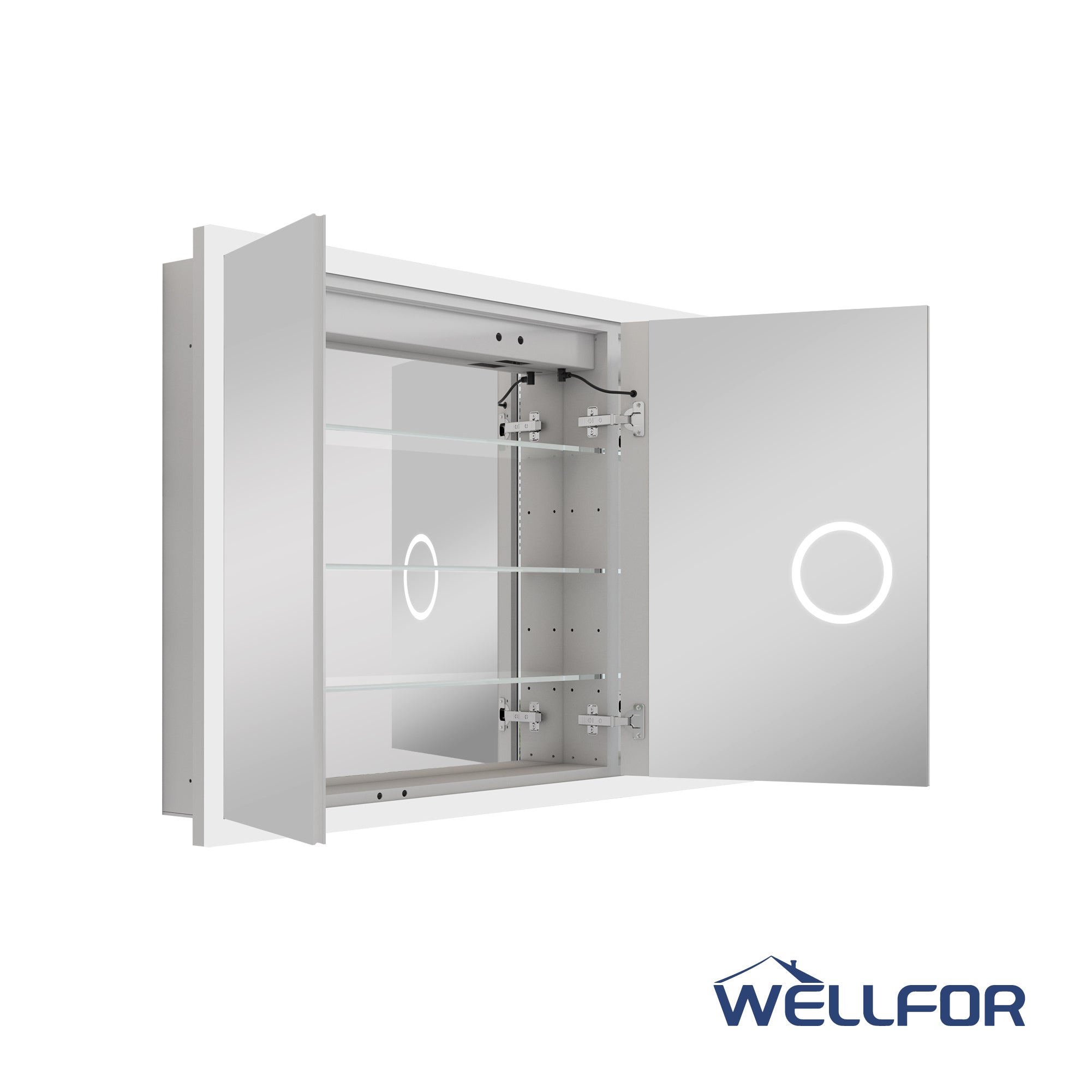
Adjustable shelves add flexibility. They can make room for taller bottles or create smaller sections for folded towels and paper goods.
Do Not Count Decorative Drawer Fronts as Storage
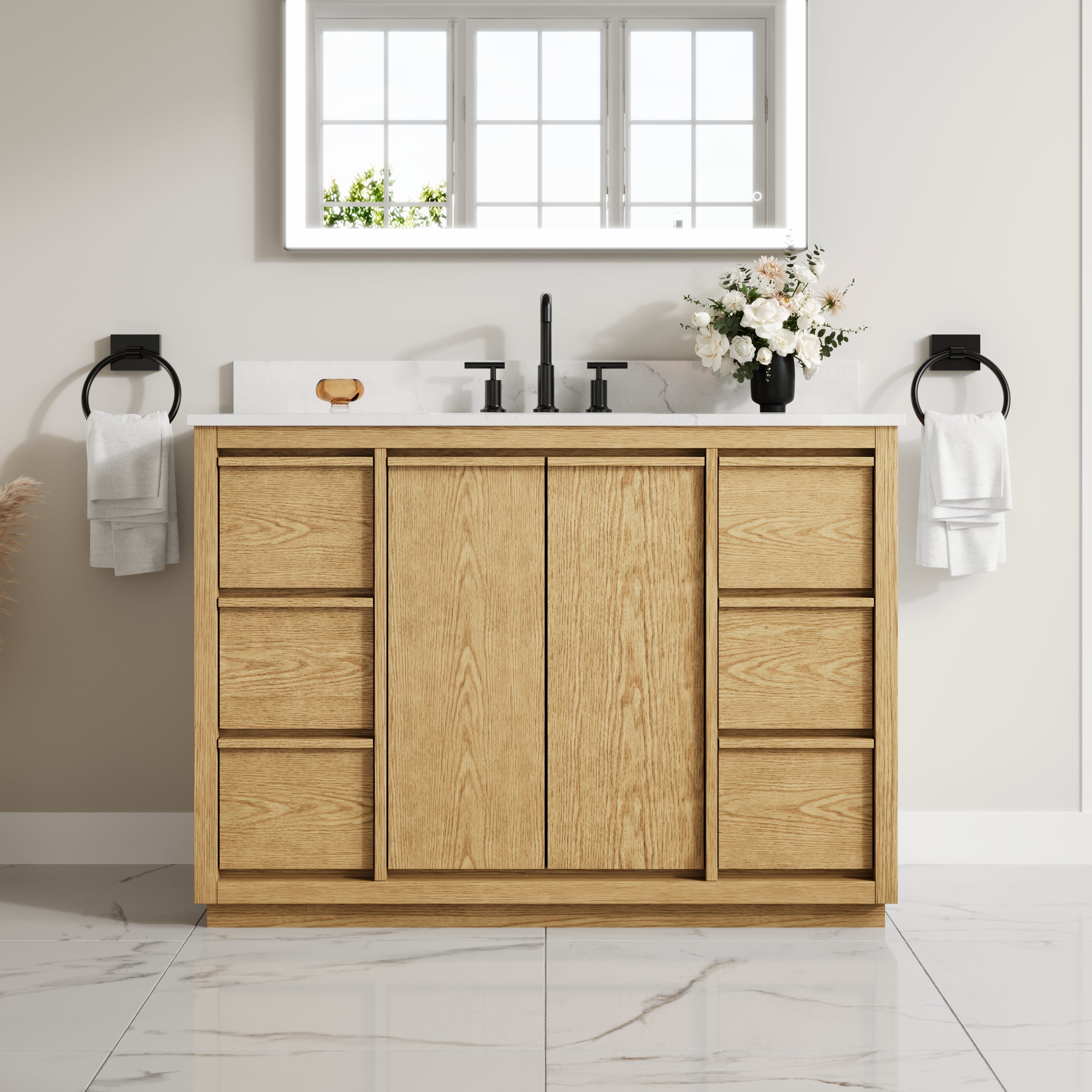
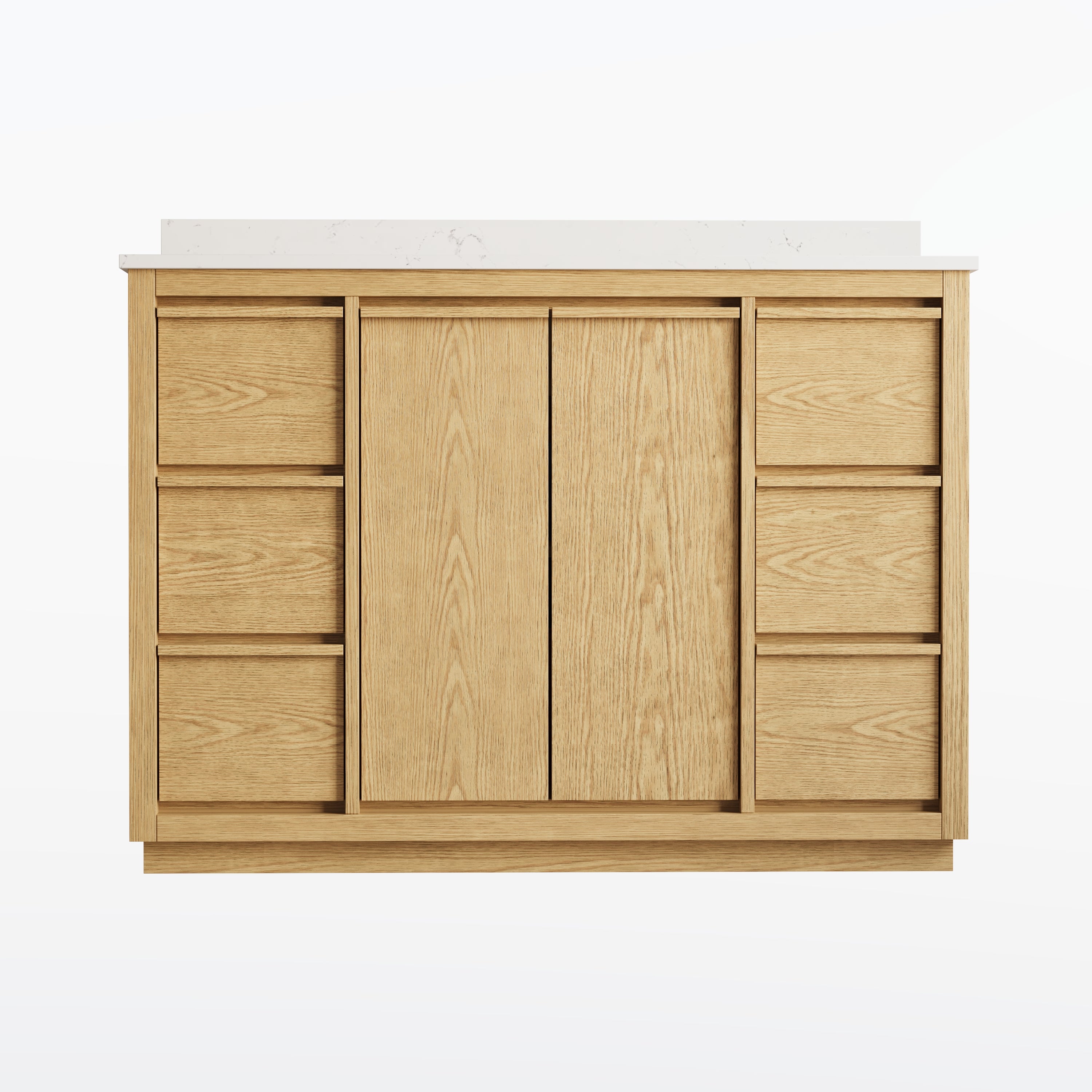
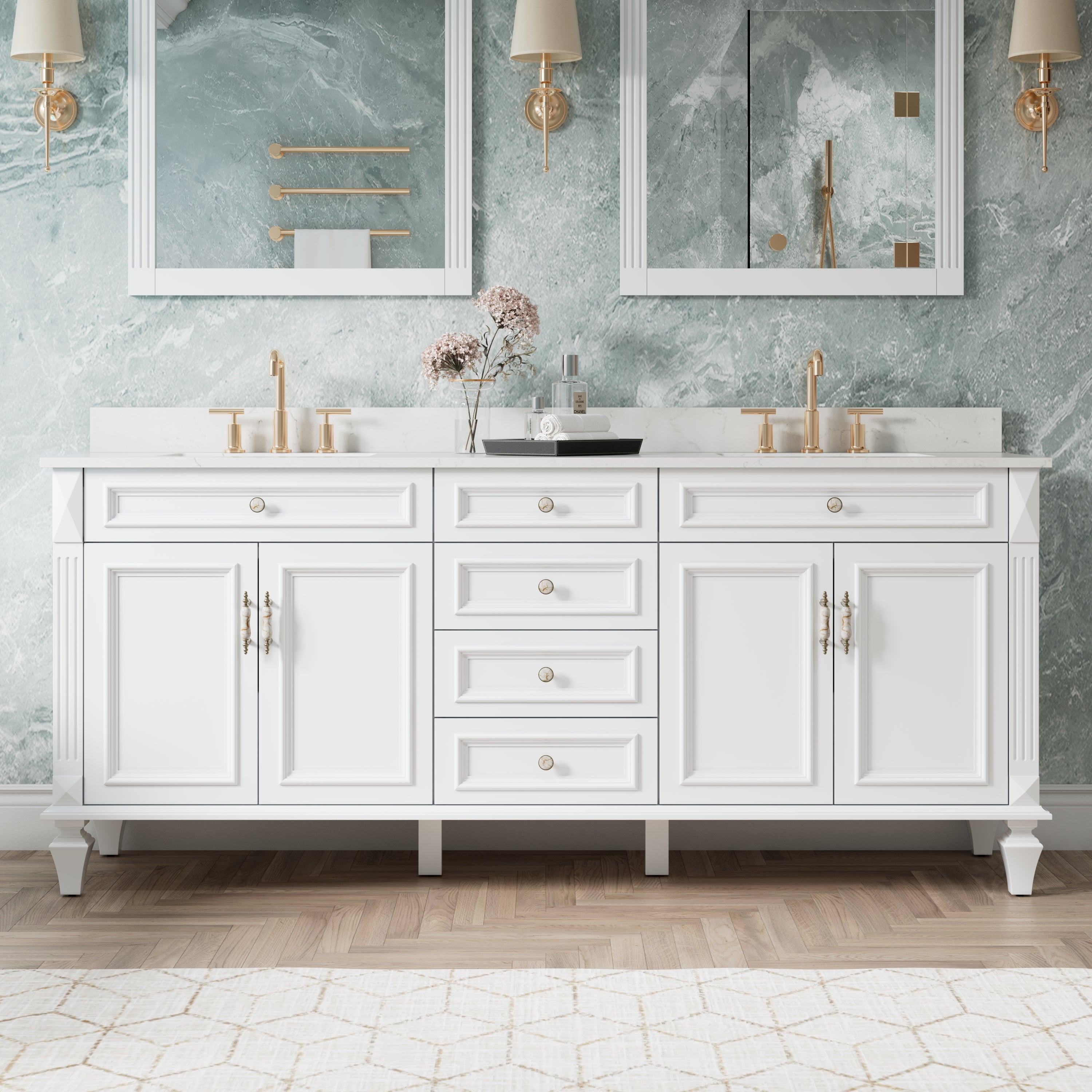
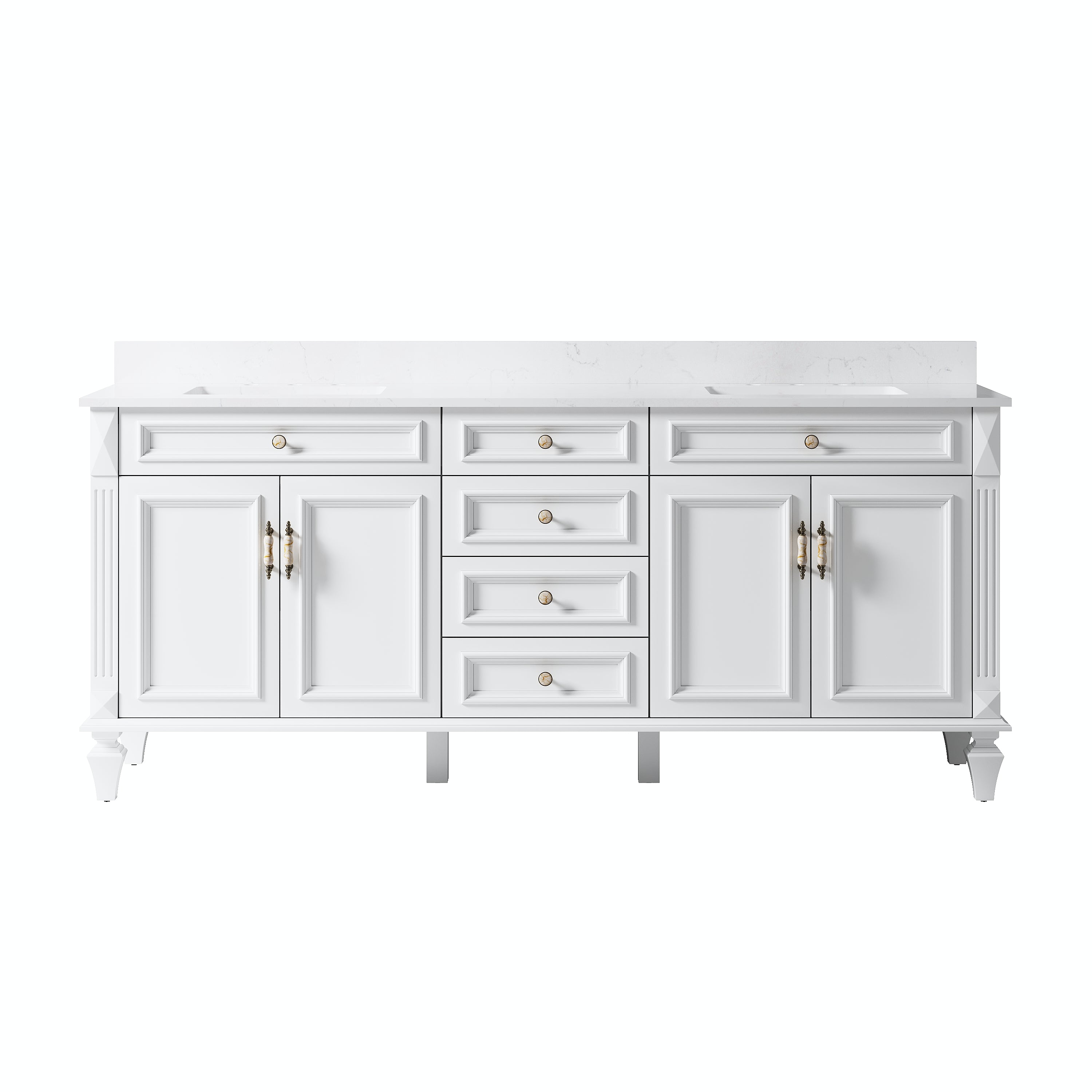
One common mistake is assuming every drawer front opens. Some vanities use false top drawers because the sink basin sits behind them. Others have U-shaped drawers that wrap around plumbing but provide less space than the front suggests.
Check interior photographs, drawer measurements, and sink depth. A cabinet with fewer but deeper drawers may serve you better than one that appears to offer more compartments.
3. Match the Cabinet Style to the Bathroom Layout
A 36 inch bathroom cabinet often works well in medium-size bathrooms, hall baths, and smaller primary suites. Still, the same width can behave differently depending on depth and mounting style.
A freestanding cabinet usually offers more enclosed storage and is easier to install over existing plumbing. A floating cabinet makes more flooring visible and can help the bathroom feel larger, but it may sacrifice some storage height and requires secure wall support.
Depth deserves close attention. A standard-depth cabinet can feel comfortable in a wider bathroom yet intrusive in a narrow one. If the walkway is tight, a shallow-depth model may be the better choice.
When 36 Inches May Not Be Right
A narrow powder room may function better with a 24- or 30-inch cabinet. A primary bathroom shared by two adults may need a wider vanity, especially if both people get ready at the same time.
Do not choose 36 inches simply because it sounds like a safe middle option. Measure the room and consider the routine first.
4. Check Construction Before Color
Extra storage only has value if the cabinet holds up. Bathrooms expose cabinetry to humidity, splashes, cleaning products, and constant use.
Solid wood can be durable, while quality plywood is often a strong choice because it remains stable as humidity changes. Moisture-resistant engineered materials may also perform well when their edges and surfaces are properly sealed. I become cautious when a cabinet relies on thin particleboard, weak drawer bottoms, or exposed edges near the sink.
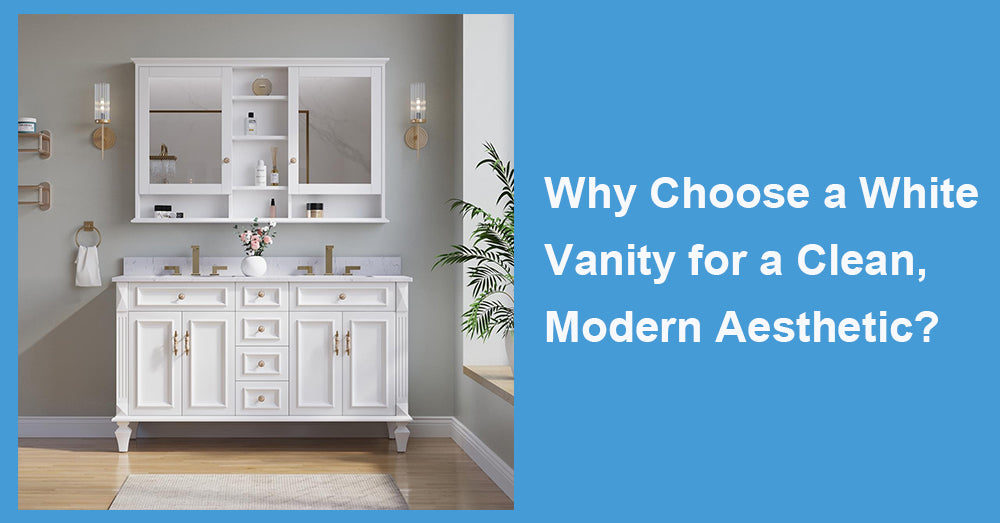
Inspect the finish around doors, corners, and the base. White can brighten a small room. Natural wood adds warmth. Darker finishes create contrast, though they may make a compact bathroom feel heavier.
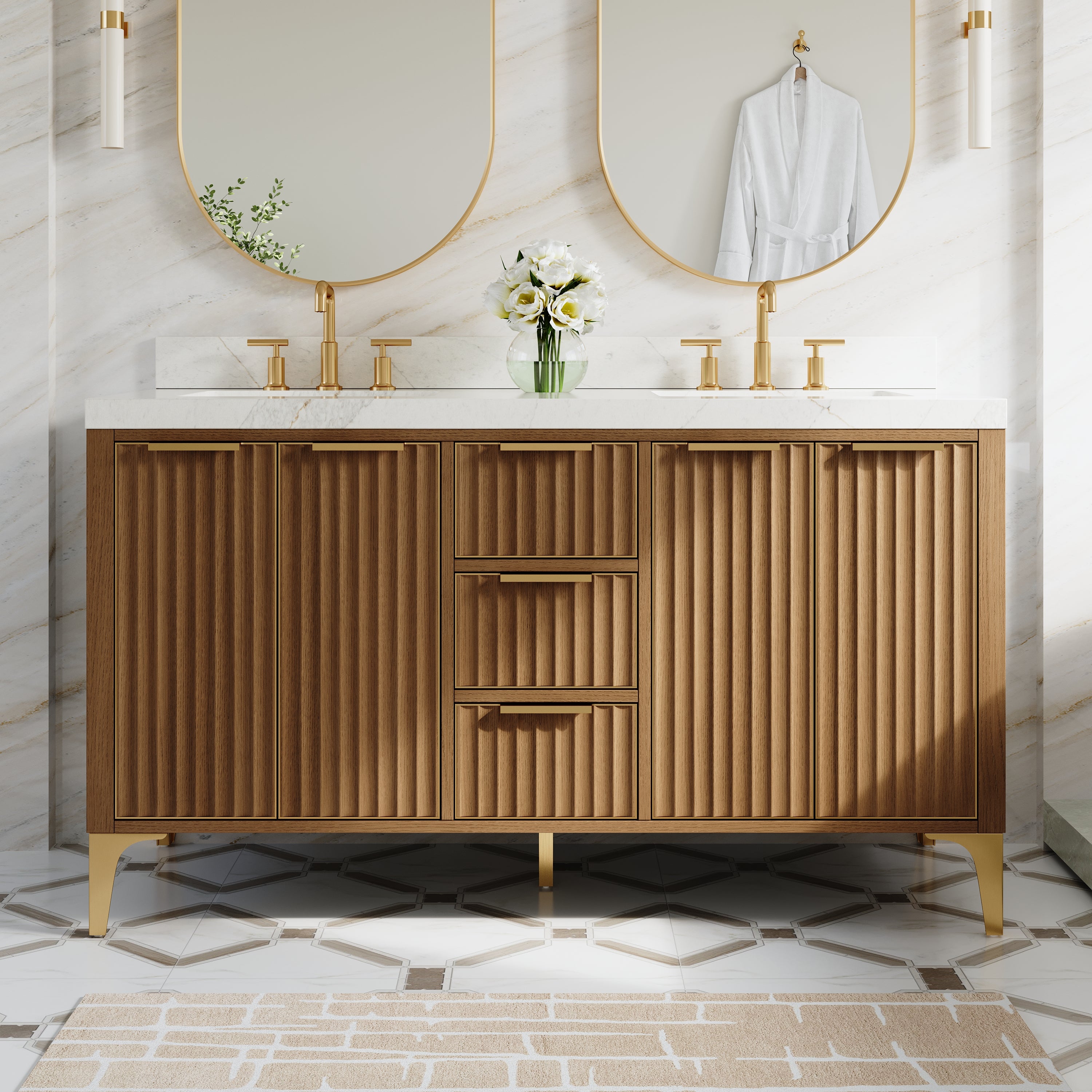
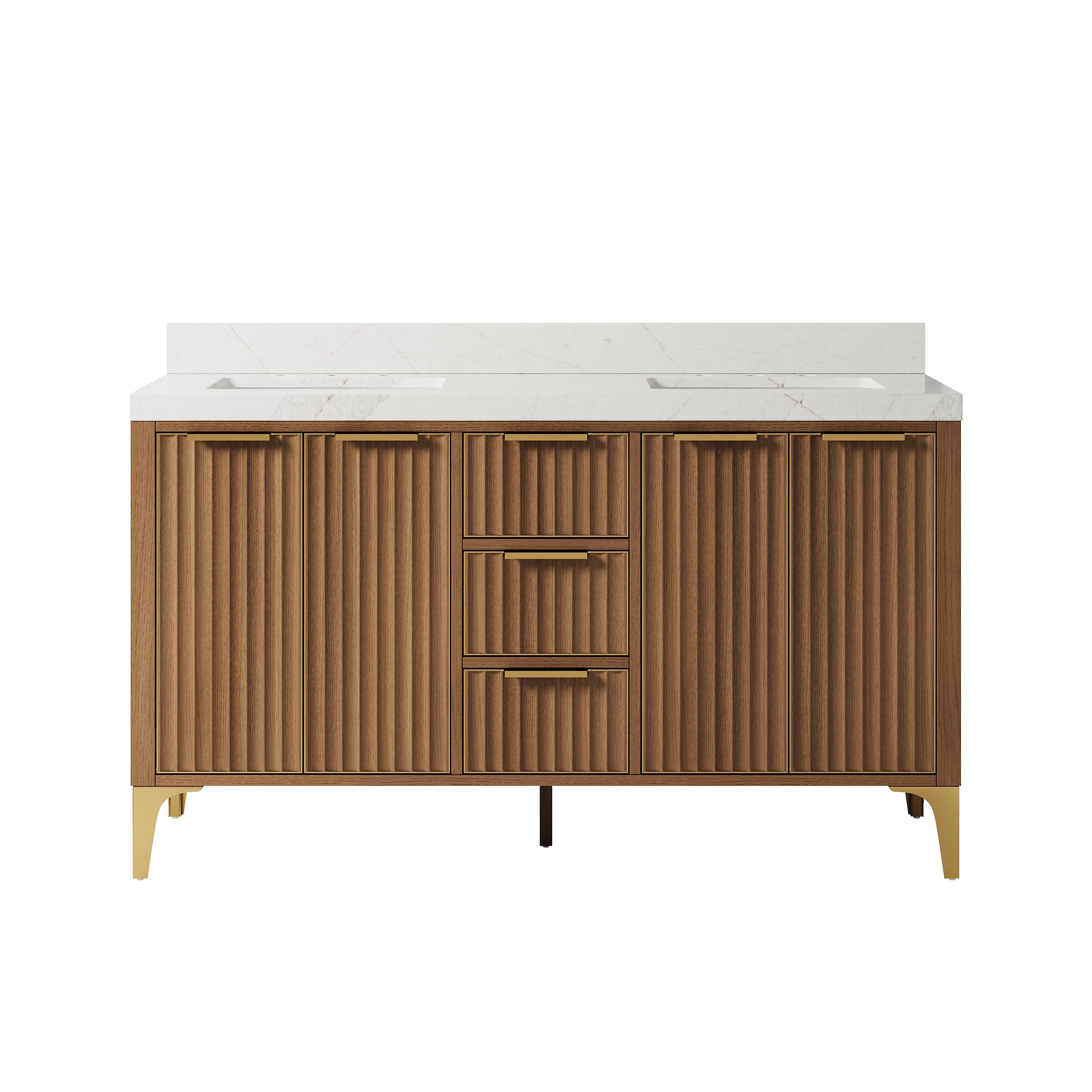
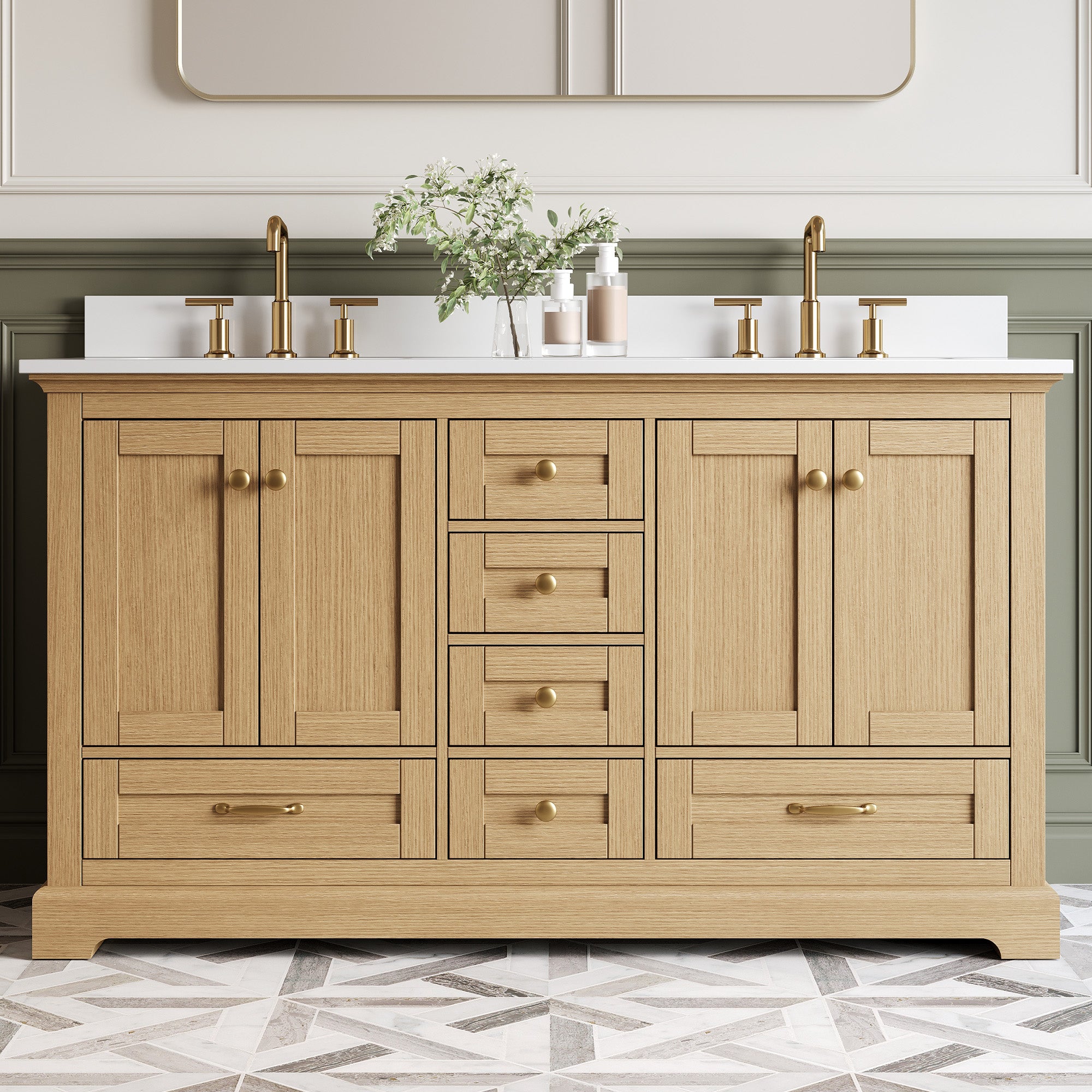
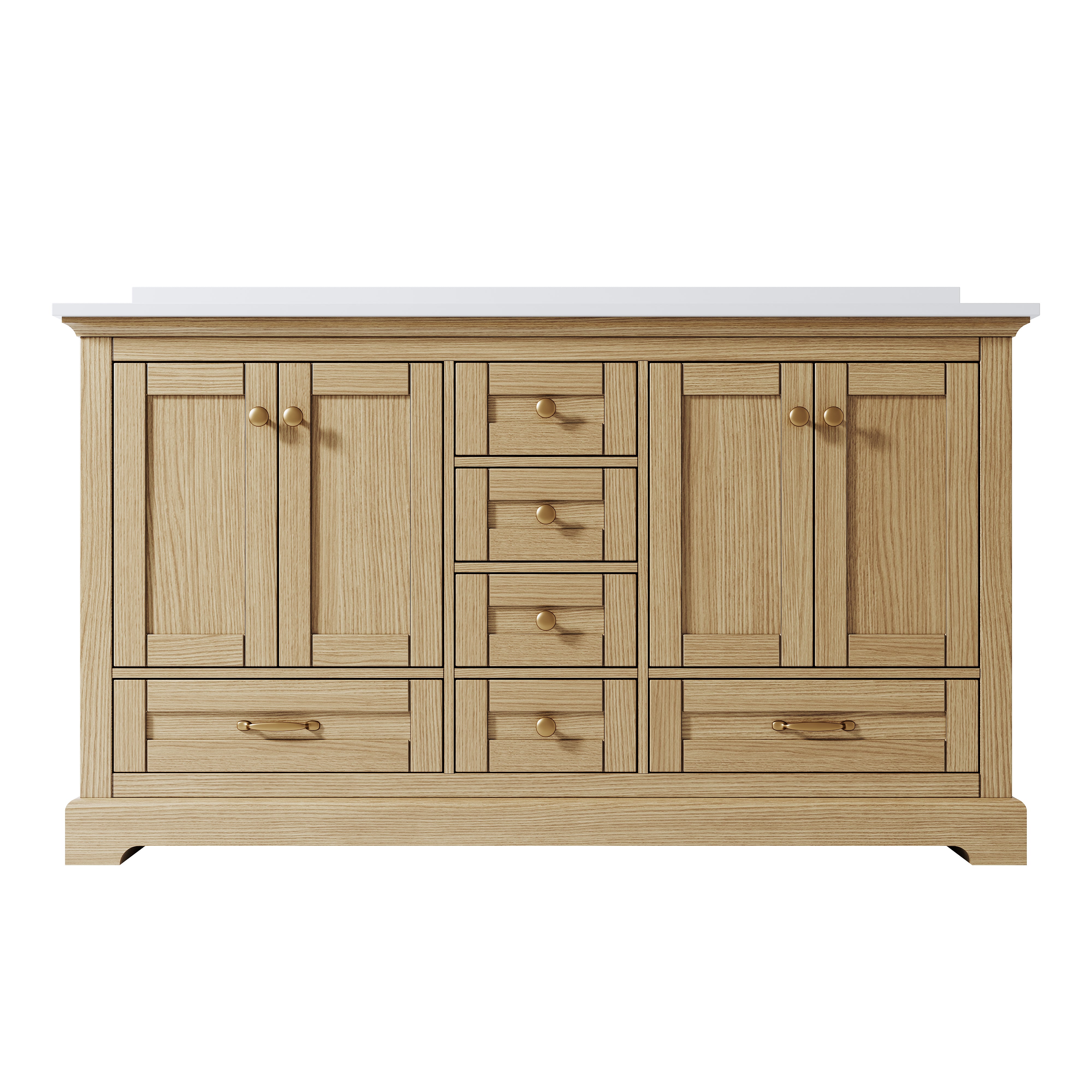
For shoppers comparing Wellfor options, focus on drawer construction, cabinet materials, hardware quality, and whether the storage remains useful around the plumbing.

5. Plan Installation Around the Storage
Plumbing can quietly destroy the storage you thought you were buying. Existing drainpipes and supply lines may conflict with drawers or shelves, so compare their position with the cabinet diagram before ordering.
Measure the wall width, cabinet depth, door swing, toilet clearance, and drawer opening path. Make sure the vanity can pass through the bathroom doorway too.
The cabinet should be installed level and secured properly. A floating model needs suitable blocking or anchors. Slow leaks inside the cabinet should be fixed immediately because they can damage stored items and cabinet materials.
Maintenance is simple. Wipe standing water, use non-abrasive cleaners, keep wet towels off the cabinet face, and run the exhaust fan after showers.
Choose a 36 inch bathroom cabinet by starting with what needs to disappear from the countertop, then checking whether the interior can hold those items without wasting space. Prioritize usable drawers, moisture-resistant construction, comfortable clearance, and plumbing compatibility. When those details line up, the cabinet will not merely add storage. It will make the bathroom easier to use every day.















Leave a comment
This site is protected by hCaptcha and the hCaptcha Privacy Policy and Terms of Service apply.