























A wood vanity can bring warmth and character to a bathroom, but choosing the right style requires more than matching a stain to the floor. After years of reviewing bathroom layouts and cabinetry, I have found that the best vanity is usually the one that respects the architecture of the home, supports the household’s daily routine, and handles moisture without constant worry. A beautiful cabinet that feels disconnected from the rest of the renovation rarely remains satisfying for long.
Wood is flexible, though not every wood vanity works in every setting. Shape, tone, mounting style, storage layout, and construction all affect whether the piece feels naturally integrated or simply added at the end.
1. Match the Wood Vanity to the Character of Your Home
The surrounding architecture should guide the first decision. A sleek floating vanity may look impressive in a contemporary showroom, but it can feel out of place in a traditional home filled with substantial moldings and classic details. The reverse is also true. An ornate furniture-style cabinet can overwhelm a clean, modern bathroom.
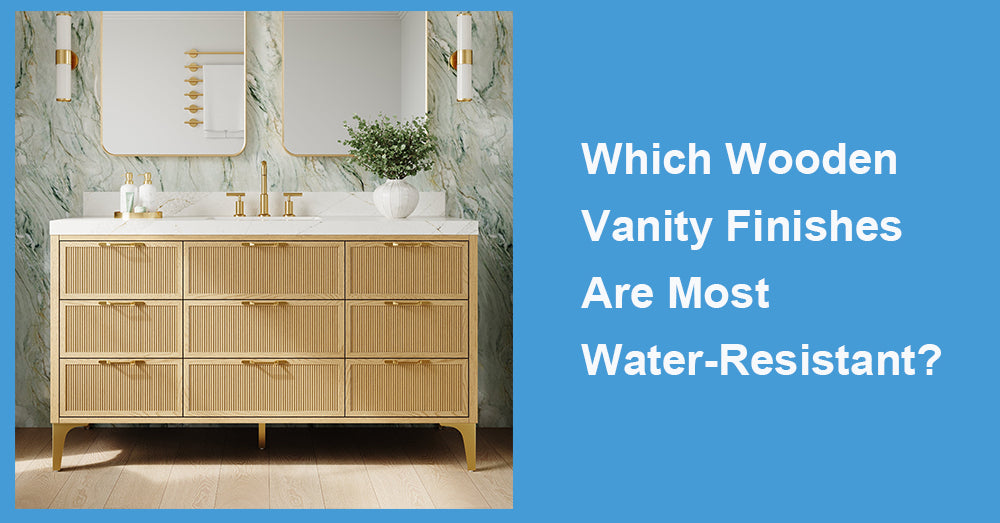
For modern and minimalist renovations, flat-front drawers, concealed pulls, and simple silhouettes usually work best. Light oak, ash, and neutral wood tones keep the bathroom feeling open while softening hard surfaces such as tile, glass, and stone.
Transitional homes allow more flexibility. A vanity with restrained shaker doors, modest hardware, and a medium wood finish can bridge traditional architecture with updated fixtures. This is often the safest direction when the rest of the house includes both classic and contemporary elements.
Farmhouse and rustic bathrooms can support stronger grain, visible knots, and more substantial cabinetry. Still, restraint matters. Too much distressing can make a new renovation feel artificially aged.
2. Choose the Right Wood Vanity Tone for the Room
Wood tone changes the mood as much as cabinet style. Light finishes feel airy and relaxed. Medium tones provide warmth without becoming visually heavy. Dark walnut or espresso finishes can create depth and drama, though they need adequate lighting and enough space around them.
Light wood for smaller or softer interiors
A light wood vanity works particularly well in compact bathrooms, Scandinavian-inspired spaces, and renovations built around pale stone or warm white walls. It adds natural texture without absorbing too much light.
One common mistake is assuming every pale wood has the same undertone. Some finishes lean golden, while others appear gray, pink, or beige. Compare the vanity with the flooring, countertop, and wall color before ordering. A subtle undertone conflict can make an otherwise attractive room feel unsettled.
Dark wood for larger, brighter bathrooms
Darker wood can anchor a spacious primary bathroom and pair beautifully with lighter countertops. It also hides some minor marks better than painted white cabinetry.
The drawback is visual weight. In a narrow bathroom with weak natural light, a dark cabinet may make the lower half of the room feel crowded. Dust, soap residue, and water spots can also show more clearly on very dark finishes.
3. Decide Between Floating and Freestanding Styles
A floating wood vanity creates a cleaner architectural look and exposes more flooring, which can help a smaller bathroom feel larger. It is also easier to clean beneath. For modern homes or spa-inspired renovations, this style is often a strong choice.
Installation is more demanding. The wall must support the cabinet, countertop, sink, and daily use. Plumbing placement also needs careful planning because a floating design is less forgiving of awkward rough-ins.
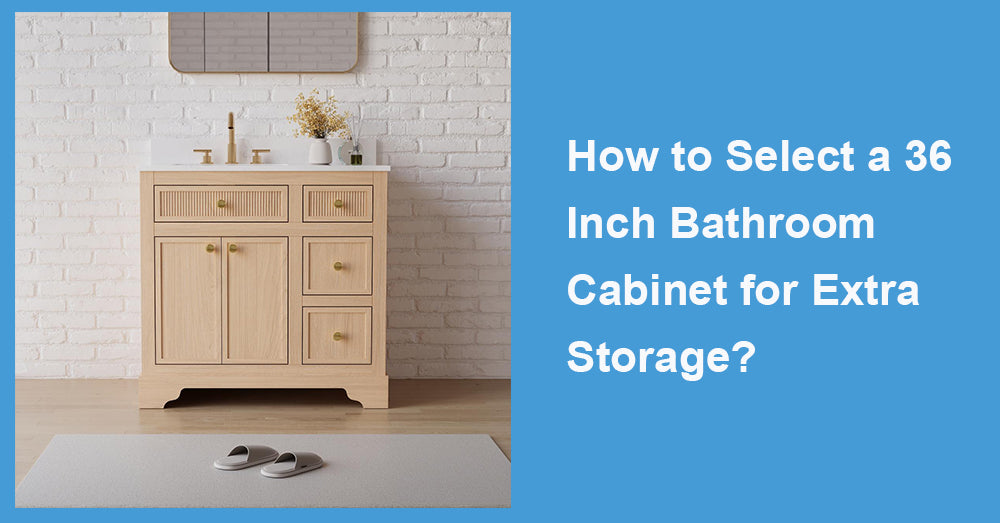
A freestanding vanity is usually easier to install and may provide more storage. It suits transitional, traditional, and furniture-inspired bathrooms particularly well. The cabinet feels more substantial and can hide plumbing with less modification.
Its limitation is bulk. Thick legs, decorative trim, and a deep cabinet can make a modest room feel tighter. Measure the projection into the room, not just the available wall width.
4. Let Daily Use Determine the Storage Layout
Style attracts attention, but storage determines whether the vanity works after the renovation is complete. Think about the items used in that particular bathroom.
A guest bath may only need space for spare towels, toilet paper, and cleaning products. A family bathroom has to manage skincare, hair tools, medicine, children’s items, and backup toiletries. In that setting, deep drawers usually offer better access than one large cabinet.
Do not judge storage by the number of drawer fronts. Some are decorative because the sink occupies the space behind them. Others lose significant capacity to plumbing cutouts. Look for interior photographs and usable dimensions.
A double-sink wood vanity may seem ideal for a shared primary bathroom, but two basins reduce both counter and drawer space. If two people rarely use the sinks at the same time, one larger basin with better storage may be the more practical arrangement.

5. Consider Construction, Installation, and Maintenance
Wood alone does not guarantee durability. Solid wood can perform well, while quality plywood may remain more stable as bathroom humidity changes. Well-applied veneer over a strong core can also be practical. Weak particleboard, exposed edges, and poor sealing are the details I would avoid.
Inspect vulnerable areas around the sink, cabinet base, drawer edges, and countertop seams. These are usually the first places to show moisture damage.
During installation, make sure the cabinet is level and the countertop is sealed properly. Check supply lines and drains for slow leaks before filling the storage areas. A small drip hidden inside the cabinet can cause more damage than years of normal surface cleaning.
Maintenance should be uncomplicated. Wipe standing water near the sink, run the exhaust fan after showers, and use a soft cloth with a mild cleaner. Do not leave wet towels against the cabinet face for long periods.
For homeowners comparing options from Wellfor, the right choice begins with the house itself. Select a light, clean-lined vanity for an open modern bathroom, a medium-tone shaker design for a transitional renovation, or a more substantial cabinet when traditional character is essential. Then confirm that the storage, construction, and installation suit real daily use. The best wood vanity is not simply the most fashionable one. It is the piece that looks as though it has always belonged in the home and continues working well long after the renovation is finished.









































Leave a comment
This site is protected by hCaptcha and the hCaptcha Privacy Policy and Terms of Service apply.